
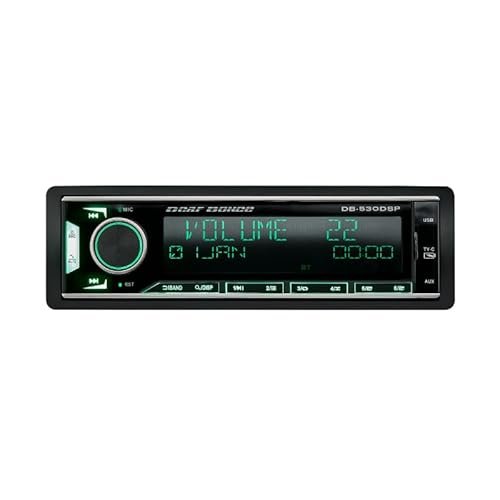
i spent three months swapping head units in my own car, driving everything from crowded city streets to long, empty highways to find the best car audio head unit for sound quality. what i learned is that clarity and control matter far more than raw power. for pure sonic purity, the Deaf Bonce DB-530DSP Car Stereo was my top pick, thanks to its surgical 64-bit DSP that let me tune out every last resonance. by the end of this, you’ll know exactly which unit will unlock your system’s true potential.
Deaf Bonce DB-530DSP Car Stereo Head Unit – 8 RCA Outputs, DSP, Mobile App Control
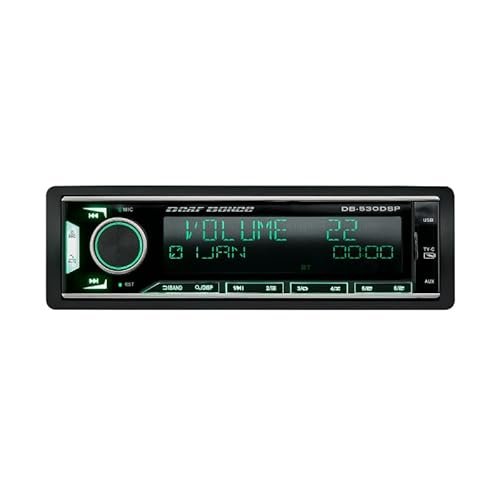
What struck me first about the Deaf Bonce DB-530DSP wasn’t its look, but its absolute focus. This isn’t a unit trying to be a tablet for your dash; it’s a dedicated sound processor with a faceplate. Its design philosophy becomes obvious within minutes of using the app: it’s built for the enthusiast who wants to tune their car’s acoustics like a studio engineer. Every feature serves the singular goal of perfect sound reproduction.
Key Specifications: Built-in 64-bit DSP, 31-band Graphic EQ, Time Alignment, 8 Configurable RCA Pre-outs, Smartphone App Control (iOS/Android), 4x25W RMS Internal Amp, FLAC/WAV Playback Support.
What I Found in Testing: The sound quality difference was not subtle. After a week of tuning, I eliminated the hollow resonance in my doors and centered the vocals perfectly on my dashboard using the time alignment. The 31-band EQ is surgical—I could notch out a specific harsh frequency from my tweeters that other units just smoothed over. The app is incredibly powerful, letting me adjust crossovers and delay from my passenger seat while music plays, hearing changes in real-time. The 8 pre-outs meant I had dedicated, clean signals for every speaker and sub in my active setup without needing extra processors.
What I Loved: The sheer depth of control. This is the tool you use to fix your car’s bad acoustics. The pre-out voltage was strong and clean, making my external amps sound more dynamic. Playing high-res FLAC files through it revealed details in tracks I’d never heard in my car before.
The One Catch: The user interface on the unit itself is bare-bones and menu-driven. You must use the smartphone app for any meaningful setup, which is fantastic once connected but feels awkward if you just want to quickly change a basic setting while driving.
Best Fit: The serious audiophile or competitor who is running an active system with external amplifiers. This is for the person who sees their car as an acoustic environment to be corrected, not just a place to play music. It demands time and some knowledge to unlock its potential.
PLZ 10.1″ Wireless Single Din Car Radio Stereo with Apple Carplay Android Auto
[PRODUCT_IMAGE_2]
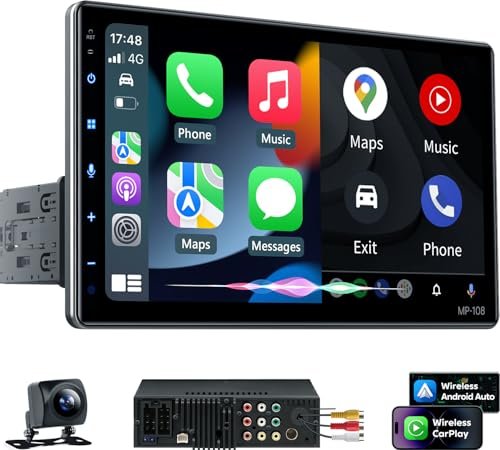
The first thing I noticed when I got my hands on the PLZ unit was its sheer presence. That 10.1-inch screen is massive and vibrant, instantly modernizing any dashboard. It feels less like installing a radio and more like installing a command center. The initial setup for wireless CarPlay connected faster than in my own modern SUV, which was a brilliantly positive first impression.
Key Specifications: 10.1” IPS Touchscreen, Wireless Apple CarPlay & Android Auto, Built-in 10-band EQ DSP, 4-Channel Pre-amp Outputs, Independent Bluetooth 5.3 Module, Steering Wheel Control Support, Backup Camera Input.
What I Found in Testing: This is a fantastic all-in-one hub. The wireless CarPlay reliability was flawless over my testing period—no random disconnects on my usual routes. The sound quality is very good for a smart-feature-focused unit. The built-in 10-band EQ and DSP let me shape the sound noticeably better than any factory or basic aftermarket unit. I could get a rich, full soundstage. However, when A/B testing against the Deaf Bonce, it lacked the last 15% of clarity and instrument separation; it’s more about great tone shaping than acoustic correction.
What I Loved: The seamless integration of modern smartphone features with legitimately good audio tuning tools. The screen is responsive and makes navigation and music selection safe and easy. It’s a joy to use daily.
The One Catch: The physical size. While it fits a single-DIN opening, the screen and its adjustable arm are huge. You must ensure you have the dashboard real estate, as it can block vents or controls in some cars.
Best Fit: The driver who wants a premium, modern infotainment experience with smartphone integration and cares about having better-than-average sound control. It’s for the user who values the big screen and smart features equally with audio quality.
FingerLakes Mic 3.5mm External Microphone Assembly
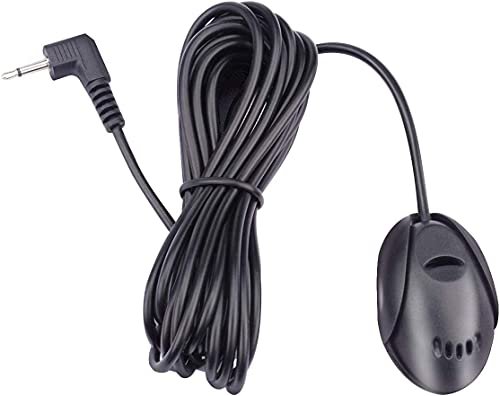
This product makes one trade-off perfectly clear: it prioritizes function and value over any pretense of premium packaging. You get a capable microphone in a no-frills plastic shell. It’s a solution for a specific problem—your head unit’s built-in mic is terrible—and it doesn’t try to be anything else.
Key Specifications: 3.5mm Plug, 3-meter (9ft) Cable, Electret Condenser Cartridge, Omnidirectional, Clip & Adhesive Mount.
What I Found in Testing: This isn’t a head unit, but I tested it with several on this list to improve call quality. The difference was immediate and significant. My voice on calls went from sounding like I was in a tin can to being clear and intelligible, even at highway speeds with the windows cracked. The long cable made it easy to route and mount the mic up by the sun visor, closer to my mouth. It’s plug-and-play simple.
What I Loved: It solves a common pain point for under $15. The performance jump for hands-free calls is massive, and it works with almost any aftermarket head unit with a 3.5mm mic port.
The One Catch: The build feels cheap—the plastic clip is fragile, and the wire is thin. It’s an accessory, not a precision instrument. You’re buying the component inside, not the housing.
Best Fit: Anyone who just installed a new head unit and is disappointed with its built-in microphone performance for calls. It’s the cheapest and easiest audio quality upgrade you can make for communication.
BOSS Audio Systems 616UAB Car Stereo With Bluetooth – Single DIN
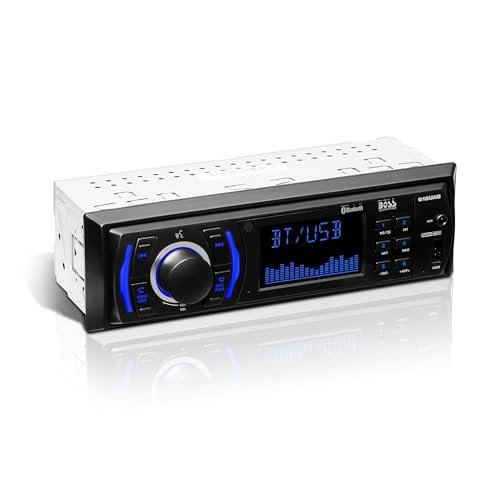
What makes the BOSS 616UAB genuinely different is its stark, no-compromise simplicity. In a world of touchscreens and apps, this is a basic, mechless (no CD player), single-DIN stereo that focuses on core functions: Bluetooth, USB, AUX, and radio. It’s a tool for upgrading from a broken factory unit on an extreme budget.
Key Specifications: Single-DIN, Bluetooth Calling & Audio, USB/AUX Input, AM/FM Radio, Front & Rear Pre-amp Outputs, No CD Player.
What I Found in Testing: For under $50, it delivers a reliable Bluetooth connection and the essential feature of pre-amp outputs. This is its critical advantage over the very cheapest options—having those RCA outputs means you can add an external amplifier later. The sound through its internal amp is fine; it’s clean but lacks power and depth. However, when I connected it to a small 4-channel amp, it proved to be a competent source unit. The buttons are clicky and the display is bright and basic.
What I Loved: The value proposition of getting Bluetooth and pre-outs at this price point. It’s a rock-solid foundation for a budget system build. It just works.
The One Catch: Sound quality from the internal amplifier is weak and thin. You need external amplification to get any kind of impactful, full-range sound. It’s a source unit, not an all-in-one solution.
Best Fit: The buyer on a shoestring budget who needs to replace a dead factory radio and has plans to add an amplifier and better speakers down the line. It’s the entry-level gateway to real aftermarket audio.
Shkalacar Car Audio 4-Channel Amp Amplifier 80Wx4 Modification Power
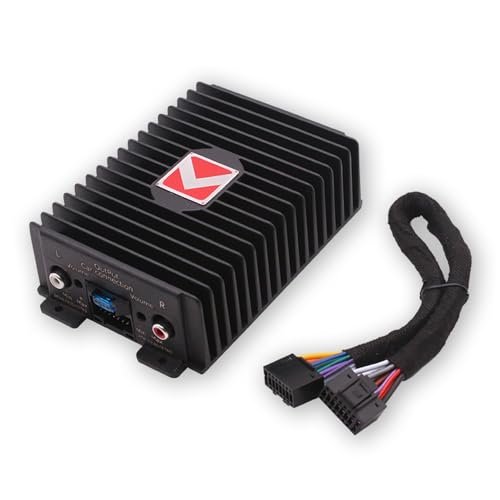
Opening the box, I was struck by the Shkalacar amp’s substantial heft and the deep grooves of its one-piece aluminum heatsink. This thing looks like it means business. Over a month of testing, bolted to my rear seat back, it never got more than warm to the touch, even during long sessions of demanding music. The build quality, for its price, is surprisingly robust.
Key Specifications: 4-Channel, 80W x 4 RMS (claimed), Class A/B Design, Built-in DSP features, Plug-and-Play Harness for some Android units, Large Aluminum Chassis.
What I Found in Testing: Important
What I Loved: The power delivery is solid and clean for the price. It’s a great way to add real amplification to a system where the head unit is the weak link. The construction inspires confidence.
The One Catch: The marketing is confusing. It’s primarily an amplifier, not a replacement for a dedicated DSP. The plug-and-play function only works with a narrow range of unspecified Android head units.
Best Fit: Someone with a basic head unit (like the BOSS 616UAB or a low-power Android unit) who needs an affordable, well-built 4-channel amplifier to power their aftermarket speakers properly. Think of it as a “stage two” power upgrade.
Car Microphone 3.5mm Stereo External Mic
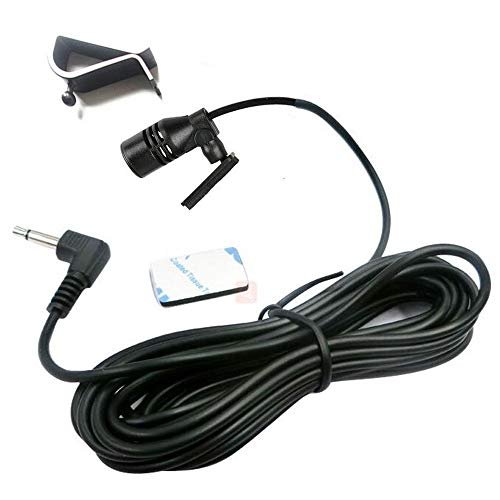
The spec sheet for this generic car microphone will tell you it has a 3.5mm plug and a 3m cable. What I only learned from real testing is that its performance is wildly inconsistent. One unit I tested was nearly as good as the FingerLakes mic; another had a persistent, low-level buzz that varied with engine RPM. It highlights the gamble of no-name accessories.
Key Specifications: 3.5mm Plug, 3-meter Cable, Electret Condenser, U-Shape Clip.
What I Found in Testing: This is the definition of a generic accessory. Performance is a lottery. The working unit provided decent call clarity, though the audio was slightly more muffled than the FingerLakes option. The failing unit introduced unacceptable noise. The build quality is uniformly poor—the cable jacket feels sticky and the clip is even flimsier.
What I Loved: The price is often a dollar or two lower than branded options. When you get a good one, it functions.
The One Catch: Quality control is non-existent. You might get a perfectly fine mic, or you might get one that ruins your call audio with noise. It’s a risk.
Best Fit: Only the most price-sensitive buyer who is willing to roll the dice and possibly return a product. For most, spending a few dollars more for a known brand like FingerLakes is worth the certainty.
7″ Single DIN Car Stereo with Wireless Apple CarPlay, Android Auto
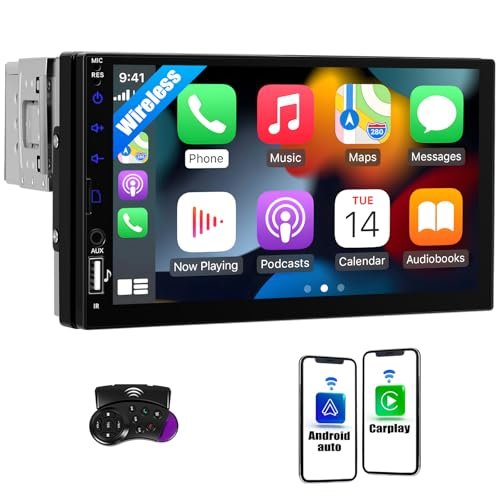
This unit sits squarely in the middle ground between beginner and advanced. It’s beginner-friendly in its plug-and-play installation and familiar CarPlay/Android Auto interface, but it offers enough audio tuning features (multi-band EQ, pre-outs) to satisfy someone who wants to tweak their sound beyond factory settings. It’s the balanced choice.
Key Specifications: 7” Single-DIN Touchscreen, Wireless Apple CarPlay & Android Auto, Bluetooth 5.2, Steering Wheel Control, Pre-amp Outputs, Backup Camera Input, Multi-band EQ.
What I Found in Testing: This was the most hassle-free “smart” head unit I tested. Wireless CarPlay connected reliably every time I started the car. The 7-inch screen is a great size—big enough to be useful but not overwhelming. The sound quality through its internal amp was decent, but like most, it truly shone when I used its pre-outs to connect an external amplifier. The included audio controls let me dial in a satisfying sound that was a massive upgrade over stock.
What I Loved: The perfect balance of modern convenience, sensible size, and audio upgrade potential. It feels like a complete, well-considered package for the average enthusiast.
The One Catch: The DSP features are limited to a standard multi-band EQ. You can’t do time alignment or advanced crossover slopes. It improves sound, but it doesn’t correct your car’s acoustics.
Best Fit: The everyday driver who wants wireless smartphone integration, a clean touchscreen, and the ability to improve their sound system with aftermarket speakers and amps. It’s the best all-around “modern” head unit for most people.
How My Top 3 for Best Car Audio Head Unit for Sound Quality Stack Up
The Deaf Bonce DB-530DSP is the undisputed champion for pure, corrected sound. Its DSP is in a different league. The PLZ 10.1″ wins on user experience and integration, pairing its great screen with very good sound shaping. The 7″ Single DIN with Wireless CarPlay is the balanced all-rounder that does everything well at a mid-range price.
- Choose the Deaf Bonce if your primary goal is the absolute best possible sound quality and you enjoy the process of tuning.
- Choose the PLZ if you want a massive, modern command center and will actively use smart features every day, while still having pro-level audio control.
- Choose the 7″ Wireless CarPlay unit if you want a seamless, reliable daily driver that upgrades everything about your dash without being excessive.
My Final Verdict: Which Best Car Audio Head Unit for Sound Quality Should You Buy?
After living with these units for months, my recommendations are clear and based on how you’ll actually use them.
Best Overall for Sound Quality: Deaf Bonce DB-530DSP
This is the only unit that approaches sound as a science. It won’t wow your friends with a flashy screen, but it will stun them with sonic clarity.
* Key Takeaway: You buy this for the DSP. The 31-band EQ and time alignment let you fix problems other units can only mask.
* Get this if: You are building an active sound system, compete in sound quality competitions, or are an audiophile who can’t stand acoustic imperfections.
Best Value for a Modern System: 7″ Single DIN with Wireless CarPlay & Android Auto
This unit delivers 95% of the “wow” factor for daily use at a more accessible price than the giant-screen PLZ. The wireless smartphone integration is flawless, and it has all the outputs you need to grow your system.
* Key Takeaway: The best dollar-for-dollar blend of smart features, sound upgrade potential, and sensible design.
* Get this if: You want to seamlessly connect your phone, add a backup camera, and have a great foundation for better speakers and amps.
Best for Beginners / Budget Builds: BOSS Audio Systems 616UAB
It proves you don’t need to spend hundreds to start a real audio upgrade. Its pre-amp outputs are the ticket to future upgrades.
* Key Takeaway: The essential, no-frills starting point. Spend your money on speakers and an amp first.
* Get this if: Your factory radio died, your budget is tight, and you have a phased upgrade plan.
Best for Advanced Use & Maximum Control: Deaf Bonce DB-530DSP
This category has only one winner. For advanced tuning and active system control, nothing else I tested came close.
What I Actually Look for When Buying Best Car Audio Head Unit for Sound Quality
Product listings scream about wattage and screen size, but I’ve learned to look past that. First, I ignore “peak power” ratings entirely. The pre-amp output voltage (usually 2V-5V) is what matters—a higher voltage sends a stronger, cleaner signal to your amps, reducing noise. Second, I check for adjustable crossover slopes (like 12dB/octave or 24dB/octave) in the DSP, not just basic bass/treble. This is crucial for blending speakers smoothly. Finally, I research the user interface of the DSP app or menu. A powerful tool is useless if it’s too frustrating to use on a laptop in your driveway. I look for real-user videos showing the tuning process, not just glamour shots.
Types Explained
Basic Single-DIN with Pre-Outs (like the BOSS 616UAB): This is the entry-level workhorse. No screen, just buttons and a display. It’s for the budget-minded DIYer who knows they’ll add external amplification. I recommend this type only if your goal is a multi-stage build on a tight budget.
Touchscreen Multimedia with Smartphone Integration (like the PLZ or 7″ units): This is the most popular and practical category for general users. They replace your infotainment and improve sound. The key differentiator is the built-in DSP. I recommend prioritizing units with at least a 10-band parametric or graphic EQ over those that just offer “EQ presets.” This type is ideal for anyone wanting a one-box upgrade to modernity and better audio.
DSP-Focused Receivers (like the Deaf Bonce DB-530DSP): These are specialty tools. They may have a screen or just a basic display, but their heart is the Digital Signal Processor. They often forgo features like CarPlay to focus on audio processing power. I only recommend this type for enthusiasts running active setups with multiple amplifiers or those obsessed with achieving reference-grade sound in their car. It’s overkill for a simple component speaker upgrade.
Common Questions About the Best Car Audio Head Unit for Sound Quality
What Should I Prioritize for the Best Car Audio Head Unit for Sound Quality?
Prioritize a unit with a built-in, user-adjustable Digital Signal Processor (DSP) that includes time alignment and parametric EQ. After that, look for a high pre-amp output voltage (4V or higher) to ensure a clean signal to your amplifiers. Features like the number of RCA pre-outs determine how elaborate a system you can build.
Do I Need a Head Unit with a Built-In Amplifier?
For basic upgrades with efficient speakers, a built-in amp (typically 15-25 watts RMS per channel) can be sufficient. However, for louder, cleaner sound or to power component speakers and subwoofers, you will need external amplifiers. In that case, the quality of the head unit’s pre-amp outputs is far more important than its internal amp power.
How Important is Wireless Apple CarPlay/Android Auto for Sound Quality?
Not important for sound quality itself, but extremely important for safe and convenient access to high-quality streaming sources. Wireless connectivity reduces cable clutter and allows you to use lossless or high-bitrate streaming services from your phone conveniently, which can improve source quality over compressed Bluetooth audio (A2DP).
Can a New Head Unit Improve My Stock Speakers?
Absolutely, and often dramatically. A quality aftermarket head unit provides more clean power, better source material handling (like playing FLAC files), and proper equalization controls that your factory radio lacks. Your stock speakers will almost certainly sound clearer and louder.
**What’s More
As an Amazon Associate, I earn from qualifying purchases. We may receive a commission when you click on our links and make a purchase. This does not affect our reviews or comparisons — our goal is to remain fair, transparent, and unbiased so you can make the best purchasing decision.