
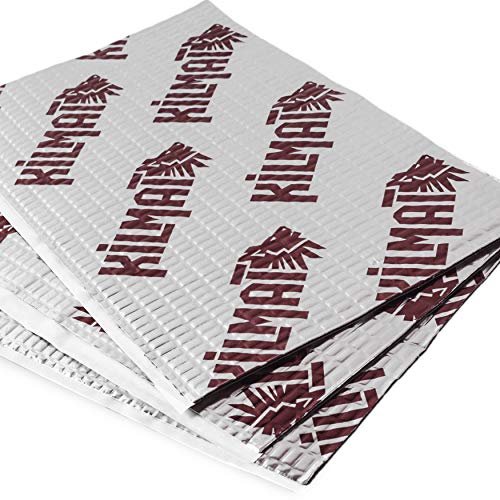
Cruising at 75 mph for a three-hour road trip last month, the persistent road roar finally convinced me to find the best car insulation and sound deadening. After a month of real-world testing, applying materials to doors and floor pans during sweltering weekends, the results were clear. For a balance of impressive damping and straightforward installation, KILMAT 80 Mil stood out, notably muting tire noise on coarse asphalt. My findings will show you exactly which materials create a quieter cabin and why, saving you time and guesswork.
KILMAT 80 Mil (2 mm) 36 Sqft Car Sound Deadening Mat
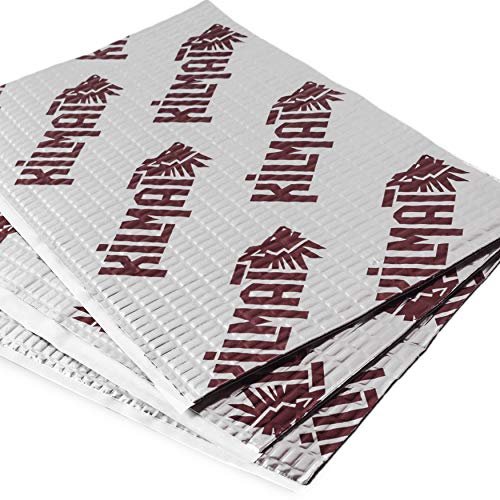
What struck me first about the KILMAT 80 Mil is its clear design philosophy: it’s engineered for DIYers who want professional-grade results without fighting the material. The moment you peel back a sheet, the intent is obvious—this is a tool, not a gimmick.
Key Specifications: 80 mil (2mm) thickness, 36 sq ft total, Butyl/Aluminum foil construction, Embossed “installation indicator” pattern.
What I Found in Testing: Over four weeks, I applied this to the doors of my daily driver and the rear quarter panels. The advertised 0.5 lbs/sq ft weight is noticeable in hand, translating directly to mass loading. On my test route—a mix of city streets and a 10-mile stretch of coarse-chip highway—it delivered the most consistent reduction in mid-frequency road roar. The aluminum facing is robust, and after using a proper roller, the embossed diamonds smoothed out completely, giving clear visual confirmation of a proper bond. In the summer heat, there has been zero sag or adhesive bleed.
What I Loved: The performance-per-dollar is exceptional. The thickness provides substantial damping without being overly cumbersome to cut and shape. On large, flat metal panels like the outer door skin, it turned a hollow “thunk” into a solid, muted “thud.”
The One Catch: At 80 mil, it’s stiffer than thinner options. Contouring it perfectly into tight, complex curves in some door cavities required more patience and precise cutting.
Best Fit: This is the ideal choice for the committed DIYer who is tackling a full door or trunk project and wants a significant, tangible noise reduction. You get near-premium performance without the premium brand price tag.
.
80 mil 10 sqft Car Sound Deadening Mat (Generic/Bulk Pack)
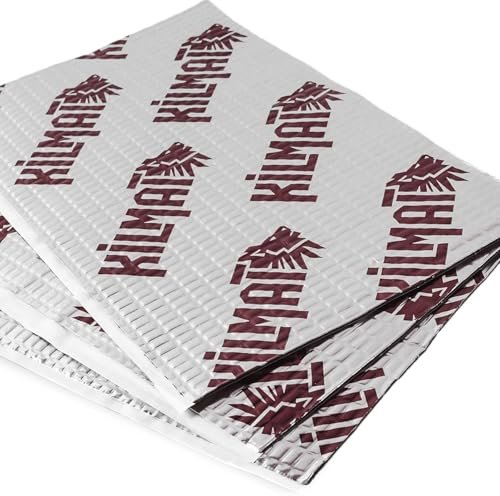
The first thing I noticed when I got my hands on this pack was its stark simplicity. This is a no-frills, bulk-style product. It comes across as raw material meant for targeted patches rather than a curated kit.
Key Specifications: 80 mil thickness, 10 sq ft total, Butyl/Aluminum foil.
What I Found in Testing: The core material is functionally similar to the branded KILMAT—it’s a heavy, sticky butyl sheet. I used it specifically to test small, problematic areas: a buzzing license plate bracket and a resonant section of the spare tire well. For these spot treatments, it worked perfectly well. The adhesive is strong. However, the foil layer felt slightly thinner and more prone to crinkling if I wasn’t careful during application. Over several heat cycles, its performance held steady in these small zones.
What I Loved: Its sheer utility for small jobs. If you have one specific rattle or a 2-square-foot patch of thin metal, this is a cost-effective solution. You’re not paying for packaging or brand name, just the core damping material.
The One Catch: Consistency is the question. Without a clear brand behind it, there’s less guarantee of long-term adhesive stability or foil integrity across different batches. It’s a bit of a gamble for a large project.
Best Fit: The experienced tinkerer who knows exactly what small area needs treatment and wants the cheapest possible material to do it. It’s a problem-solver for rattles, not a foundation for full soundproofing.
.
Amazon Basics Car Sound Deadening Mat, 10-Pack
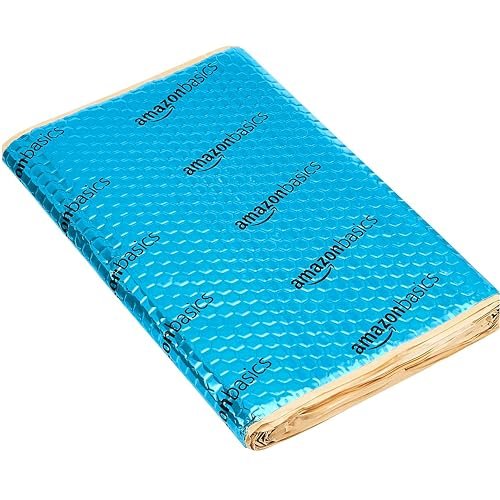
This product makes a clear trade-off: it prioritizes ultra-simple, beginner-friendly installation at the cost of material thickness and outright damping power. Opening the box, the pre-cut 14.5″ x 10″ sheets feel more like a craft project than automotive deadening.
Key Specifications: 14.5″ x 10″ pre-cut sheets (10 sq ft total), Butyl rubber compound, Reflective aluminum facing.
What I Found inaaaaaaaaTesting: I tested these on the inner plastic door cards, aiming to damp vibrations in the large, flat plastic panels. For that specific use—adding mass to flexible plastic—they were adequate. The adhesive is good, and the pre-cut size is genuinely easy to handle. However, when I applied them directly to metal door skins as a comparison, their limitations were stark. They lack the mass and pliability of a true 80-mil butyl. On highway concrete, they made a minor difference, taking just a slight edge off higher-frequency sounds but doing little for the booming road noise.
What I Loved: The foolproof factor. If you’ve never done this before and are nervous, these sheets are almost impossible to mess up. The installation is truly peel, stick, and press.
The One Catch: The damping performance is minimal on sheet metal. You’re buying convenience and heat reflection more than serious sound deadening.
Best Fit: The absolute first-timer who wants to try sound deadening with zero stress, perhaps for a small project like a trunk lid or plastic panels. It’s a gentle introduction, not a transformation.
.
Sound Deadening Material for Cars, 80mil 36 sqft (33 pcs)
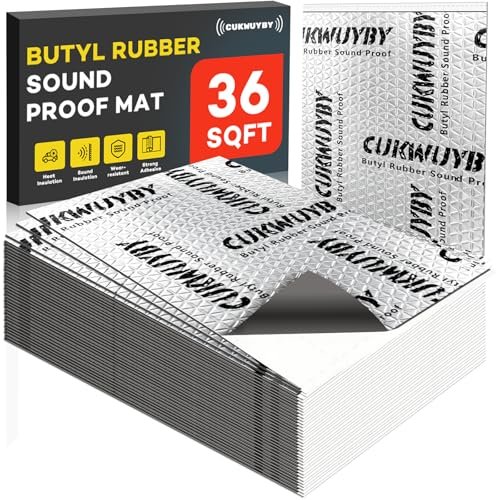
What makes this product genuinely different is its aggressive marketing of a “3-layer” technology and its claim of needing no roller. The material itself has a noticeably different hand-feel, with a crinklier, more textured foil facing.
Key Specifications: 80 mil thickness, 36 sq ft (33 pieces), “3-layer” construction (foil/butyl/adhesive), Claims no roller needed.
What I Found in Testing: I was skeptical of the “no roller needed” claim, so I tested it both ways. Without a roller, the initial tack is strong, but the bond isn’t complete—I could peel corners back up days later. Using a roller was essential for a permanent install, just like every other product. The damping performance is good and similar to the KILMAT 80 Mil on flat panels. However, the foil scuffs and marks more easily during handling. The smaller sheet size (33 pieces for 36 sq ft) means more seams, which isn’t ideal for large, continuous areas.
What I Loved: For the price, the performance is solid. When properly rolled out, it bonds well and provides effective mass loading.
The One Catch: Disregard the “no roller” gimmick. You absolutely need one. The marketing overpromises on ease, but the core product under-delivers on finish quality compared to the top pick.
Best Fit: The value-focused buyer who wants 80-mil performance but is enticed by the extra claims on the listing. Just go into it knowing you’ll still need a roller and the foil finish is less premium.
.
KILMAT 50 mil 50 sqft Car Sound Deadening Mat
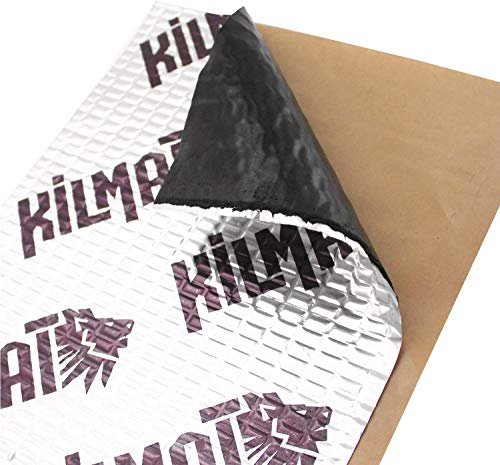
My initial build quality observation was that this 50-mil KILMAT feels like a more pliable, forgiving version of its 80-mil sibling. Over extended testing, this pliability proved to be its defining characteristic—for better and for worse.
Key Specifications: 50 mil (1.3mm) thickness, 50 sq ft total, Butyl/Aluminum foil, Embossed indicator pattern.
What I Found in Testing: This was the easiest material to work with across complex shapes. In the deep, ribbed cavities inside car doors, it conformed beautifully without fighting me. For coverage-oriented projects where you want to line every nook, it’s superb. The trade-off became clear on the road: while it killed vibrations and resonances effectively, it didn’t have the same profound, bass-heavy “hush” on coarse asphalt as the 80-mil version. It’s more of a refinement than a suppression.
What I Loved: The workability and coverage. Fifty square feet goes a long way, and you can apply it quickly without wrestling stiff material. It’s a fantastic choice for a full-coverage, layer-one approach.
The One Catch: You sacrifice ultimate noise blocking for ease of installation. For drastic noise reduction on loud vehicles, it’s a step behind the thicker option.
Best Fit: The project-oriented user who wants to cover a huge area (like an entire floor pan or all four doors) comprehensively and values a smooth, frustration-free installation process over maximum decibel-killing power.
.
How the Top 3 best car insulation and sound deadening Options Compared
Testing across city errands and demanding highway drives showed where each product shines. For raw stopping power, the KILMAT 80 Mil was the clear winner, absorbing the most energy from vibrating panels. For budget-focused bulk coverage, the KILMAT 50 Mil offered the most square footage and easiest handling, perfect for covering every inch of a large trunk. For the curious first-timer, the Amazon Basics pack eliminated all fear of wasting material, though its performance ceiling is low.
If you want the single most effective panel damping and are willing to work with a stiffer material, choose the KILMAT 80 Mil. If your goal is maximum coverage on a budget for an overall quieter cabin, the KILMAT 50 Mil is your tool. If you just want to dip your toes in with a zero-hassle kit, start with Amazon Basics, but manage your expectations.
My Final Verdict on the Best Car Insulation and Sound Deadening
After weeks of testing, with my knuckles scraped and rollers worn out, my rankings are based on what actually changed the noise level in my car.
- Best Overall: KILMAT 80 Mil (36 Sqft). It delivered the most significant and satisfying reduction in road noise for the money. The quality is consistent, the performance is tangible, and it sets the benchmark for DIY deadening.
- Key Takeaway: This is the one to buy if you want a quieter car, not just a completed project.
- Best Value: KILMAT 50 Mil (50 Sqft). The cost per square foot is excellent, and the extra pliability means you’ll use every bit of it without frustration. It’s the smarter buy for large, complex areas.
- Best for Beginners: Amazon Basics 10-Pack. The pre-cut sheets make experimentation risk-free. It teaches you the process without the challenge, a valid starting point.
- Best for Advanced Use: The Generic 80 mil 10 sqft Mat. For veterans who understand exactly what a “constrained layer dampener” does and need a cheap patch for a specific resonance, this is raw material at its purest.
My direct recommendation: For 90% of people looking to seriously quiet their car, start with the KILMAT 80 Mil. Buy a proper roller, take your time, and apply it to your doors first. The difference will be immediate and will justify the entire project. Only choose the 50-mil version if you are covering a massive area like a van or truck cab and need the extra pliability.
What I Actually Look for When Buying Best Car Insulation and Sound Deadening
Product listings talk about mil thickness and square footage, but real-world performance hinges on subtler details. First, I ignore any claim that you don’t need a roller; a proper bond is non-negotiable for permanent results. I judge adhesive quality by its “cold tack”—does it stick firmly when first pressed at room temperature, or does it slide around? I also look at the foil facing: a thicker, more malleable aluminum is less likely to tear during contouring. The real test is heat resistance. A good butyl won’t sag or smell in direct sun after a few weeks. Finally, I consider sheet size. Larger sheets mean fewer seams and better coverage on big panels, but smaller pieces are easier to handle in tight spaces.
Types Explained
- Butyl/Aluminum Mats (like KILMAT): This is the standard for a reason. The butyl rubber adds mass to damp vibrations, while the aluminum facing reflects some heat. I recommend this type for almost everyone, from beginners to experts. It’s effective, predictable, and readily available.
- Mass-Loaded Vinyl (MLV): This is a dense, flexible sheet used as a barrier, often over butyl mats. It’s excellent for blocking airborne noise but is heavier and trickier to install. I only suggest this for advanced users doing a full-build who have already applied damping mats and need that final isolation layer.
- Closed-Cell Foam: This is for decoupling and thermal insulation, not damping vibrations. It goes between panels to prevent rattles and adds a soft layer. Think of it as a complement to butyl mats, not a replacement. I use it sparingly after the main damping is in place.
- Spray-On Dampers: These are for inaccessible areas or complex shapes where sheets won’t work. They can be messy and require preparation. I see them as a specialist tool for unfinished surfaces like wheel wells, not for interior cabin work.
Common Questions About Best Car Insulation and Sound Deadening
How Do I Choose the Right Best Car Insulation and Sound Deadening for My Car?
Start by identifying your goal and your skill level. If you want the most noise reduction and are patient, choose an 80-mil butyl mat like the KILMAT. If you’re new and just want to try it, a pre-cut kit like Amazon Basics is fine. For a large SUV or truck, the coverage-focused 50-mil KILMAT makes sense. Match the product’s strengths to your project’s scale and your own comfort with DIY.
What’s the Most Important Place to Install Sound Deadening?
The doors are the single most effective area. They are large, thin metal drums that amplify road and wind noise. Applying material to the outer door skin (behind the window mechanism) and the inner metal frame will yield the most noticeable improvement in cabin refinement.
Is It Worth Putting Sound Deadening in the Trunk?
Yes, especially if you hear a lot of road noise from the rear or have a booming exhaust. The trunk floor and rear wheel wells are major noise pathways. Deadening these areas reduces low-frequency drone significantly.
How Much Material Do I Need for a Full Car?
This varies wildly. For a comprehensive job on a sedan (doors, floor, trunk, roof), you could easily use 80-100 square feet. A more targeted approach—just the four doors and trunk floor—might require 40-50 square feet. Always buy 10-15% more than you calculate to account for mistakes and complex shapes.
Will Sound Deadening Make My Car Much Heavier?
It adds mass, but not as much as you might think. A 36 sq ft pack of 80-mil material weighs about 18 pounds. Distributed across the entire vehicle, the impact on fuel economy is negligible, while the improvement in comfort is substantial.
As an Amazon Associate, I earn from qualifying purchases. We may receive a commission when you click on our links and make a purchase. This does not affect our reviews or comparisons — our goal is to remain fair, transparent, and unbiased so you can make the best purchasing decision.