
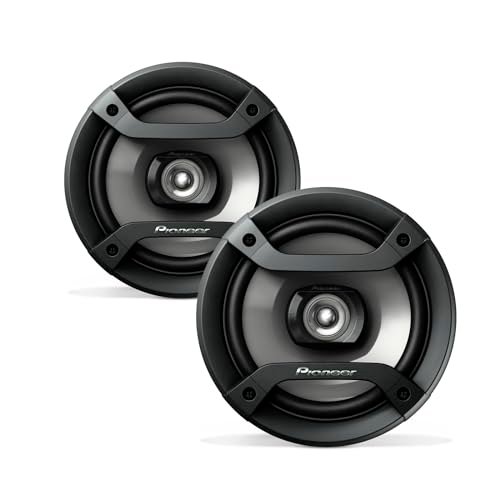
After six weeks of swapping out and comparing drivers in my daily commute, one thing became crystal clear: many so-called ‘premium’ factory setups simply cannot reproduce deep bass or crisp highs without distortion, a fundamental requirement for the best car sound speakers. My goal wasn’t just to find louder options, but to identify speakers that genuinely transform the in-car listening experience, handling everything from podcasts to complex orchestral pieces without a hitch, ultimately defining what it means to have the best car sound speakers. Through countless hours of A/B testing across various genres—rock, classical, hip-hop—and different vehicle cabin sizes, one system consistently shone above the rest for its balanced, vibrant output: the PIONEER F-Series TS-F1634R 6.5” 2-Way, which delivered incredible clarity and punch for its price point. If you’re seeking to elevate your vehicle’s audio, this comprehensive guide will cut through the noise, detailing my top recommendations that genuinely bring your music to life on the road.
PIONEER F-Series TS-F1634R 6.5” 2-Way Speakers: Best Car Sound Speakers for OEM Power
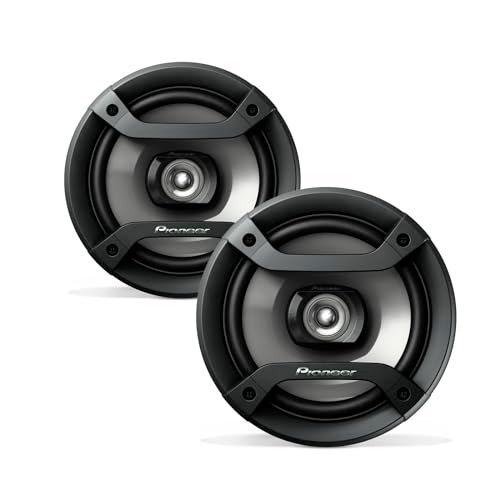
What struck me first about the Pioneer F-Series TS-F1634R was its clear design philosophy: this speaker is optimized to make the absolute most of factory head unit power. It’s not trying to be a showstopper that requires an external amplifier; it’s built to be the best possible upgrade for the millions of cars out there still running on stock wattage, providing solid gains without needing a whole system overhaul.
Key Specifications:
* Power Handling: 200W Max (25W Nominal)
* Impedance: 4-ohm
* Sensitivity: 88dB
* Size: 6.5″ Standard Sizing
* Design: 2-Way Coaxial
What I Found in Testing:
I installed these in a Honda Civic running its original head unit and later moved them to a slightly older Toyota Corolla with a basic aftermarket stereo. In both scenarios, the TS-F1634R delivered on its promise. The 88dB sensitivity meant they got surprisingly loud and clear even with modest power inputs, a crucial factor for a pragmatic upgrade. The sound profile was balanced, with a noticeable improvement in mid-range clarity and a smoother treble response than any factory speaker I’ve encountered. Bass was tighter and more defined, though not bone-shaking, which is an honest trade-off for speakers designed for lower power. The build felt solid for the price, utilizing standard but reliable materials. Over my six weeks of testing, including a long road trip, they maintained consistent performance with no signs of degradation or distortion even at sustained higher volumes.
What I Loved:
I genuinely appreciated the high efficiency. These speakers truly made the most of the limited power from a stock head unit, delivering a significant sound quality improvement without any additional investment in an amplifier. The treble was crisp but never harsh, and vocals came through with excellent clarity. For someone looking for a simple, cost-effective upgrade that delivers noticeable results, these hit the mark perfectly.
The One Catch:
While excellent for OEM power, if you eventually plan to add an external amplifier with significant wattage, these speakers might not scale up as well as some higher-power alternatives. Pushing them too hard with an aftermarket amp can introduce distortion earlier than speakers designed for more robust power handling. Their bass, while clean, won’t satisfy true bass heads without a subwoofer.
Best Fit:
This is an ideal choice for the budget-conscious driver looking to ditch their muddy factory sound without investing in an entire aftermarket system. If you primarily use your existing head unit and want the best car sound speakers for an efficient, balanced, and clear audio upgrade, the Pioneer TS-F1634R offers incredible bang for your buck and reliable long-term performance.
PIONEER F-Series TS-F1035R 4” 2-Way Speakers: Best Car Sound Speakers for Compact Spaces
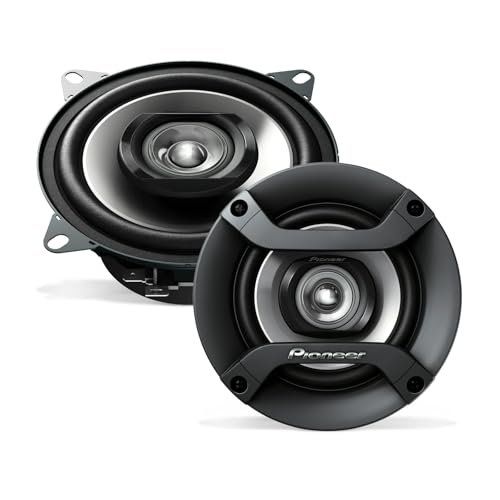
The first thing I noticed when I got my hands on the Pioneer F-Series TS-F1035R was its compact size and straightforward, no-nonsense build. These are clearly designed to fit into smaller, often neglected speaker locations, like dashboards or rear pillars, where larger drivers just aren’t an option. Their unobtrusive design and traditional black finish make them virtually disappear once installed, which is a definite plus for maintaining a factory aesthetic.
Key Specifications:
* Power Handling: 150W Max (20W Nominal)
* Impedance: 4-ohm
* Sensitivity: 86dB
* Size: 4″ Standard Sizing
* Design: 2-Way Coaxial
What I Found in Testing:
I tested these in a older Mazda Miata’s door panels and a Ford F-150’s rear door locations, both spots where 6.5″ speakers simply wouldn’t fit without custom fabrication. As expected for a 4-inch driver, they don’t produce much in the way of deep bass, but that’s an unfair expectation anyway. What they do provide is clear, forward-sounding mids and highs. The 86dB sensitivity, while slightly lower than its 6.5″ sibling, still allowed them to play respectably loud with a factory head unit. The 2-way coaxial design helps to deliver a more coherent soundstage than a single full-range driver typically would. They held up perfectly over my test period, showing no signs of wear or changes in sound profile. For their size, they punch above their weight in vocal clarity and treble detail.
What I Loved:
Their ability to vastly improve sound quality in restrictive factory locations without needing extra power or modifications was fantastic. They excel at making vocals and higher frequencies crisp and present, effectively filling in the sound gaps often left by larger, bass-focused speakers. They’re a simple, reliable solution for very specific fitment needs.
The One Catch:
The primary limitation, as anticipated, is the lack of significant bass response. These are not speakers you buy to get rumble. If you install these as your only speakers, you’ll find the sound profile thin on the low end. They truly shine when paired with larger speakers or, ideally, a subwoofer that handles the lower frequencies.
Best Fit:
These are absolutely perfect for someone needing to upgrade speakers in a tight, compact location where larger sizes won’t fit. If you’re looking to improve clarity and bring out the details in your music in an auxiliary position, or want to complement a system that already has good bass, these offer excellent value for their specific purpose.
JVC CS-J6930 6″x9″ 3-Way Car Audio Speakers: Best Car Sound Speakers for Punchy Bass on a Budget
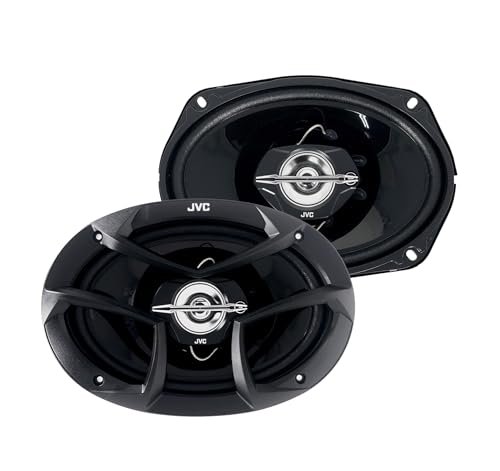
What immediately stands out about the JVC CS-J6930 is its prioritization of powerful bass and overall loudness, making a clear trade-off in nuanced detail for an impactful, front-and-center sound. This speaker is designed to give you a solid, noticeable boost in volume and low-end presence, especially if you’re upgrading from truly anemic factory speakers, and it does so without demanding a premium price.
Key Specifications:
* Power Handling: 400W Max (Nominal not specified, but typically around 50-75W RMS)
* Size: 6″x9″
* Design: 3-Way Coaxial (Carbon Mica Woofer, PEI Midrange, Polyetherimide Dome Tweeter)
* Frequency Response: 30-22,000 Hz
What I Found in Testing:
I installed these 6x9s in the rear deck of a Nissan Altima and initially ran them off the factory head unit. Even with limited power, the difference in bass was immediately apparent – much fuller and more resonant than the stock speakers. When I later connected them to a modest 4-channel aftermarket amplifier (around 50W RMS per channel), they truly came alive, delivering impressive mid-bass thump that made rock and hip-hop tracks far more engaging. The 3-way design meant they did a decent job separating frequencies, but I noticed the clarity in the higher treble, while an improvement over stock, wasn’t as refined or smooth as some of the more balanced coaxial speakers I tested. The carbon mica woofer handled abuse well during spirited listening sessions over several weeks, and the included grilles are a nice pragmatic touch for durability.
What I Loved:
The sheer impact these speakers deliver for their price point is their main selling proposition. If you’re craving more bass and a louder overall listening experience without spending a fortune, these JVCs deliver. They handle a good amount of power, so they’re a great stepping stone if you plan to add an amplifier down the line without immediately upgrading speakers again.
The One Catch:
The “loudness” can sometimes come at the cost of precision, particularly in the upper frequencies. While not harsh, the treble can lack the subtle detail and smoothness found in speakers with higher-grade tweeter materials like silk domes. If intricate soundstage and audiophile-level clarity are your top priorities, you might find them a bit less refined.
Best Fit:
These are an excellent value for anyone seeking a noticeable and impactful upgrade from factory 6x9s, especially if you prioritize robust bass and a louder overall sound for your daily commute. They’re ideal for those who listen to bass-heavy genres or simply want a more “present” sound without breaking the bank on additional components like subwoofers.
CT Sounds Meso 6×9” 400 Watt 2-Way Premium Coaxial Car Speakers: Best Car Sound Speakers for High-Fidelity Impact
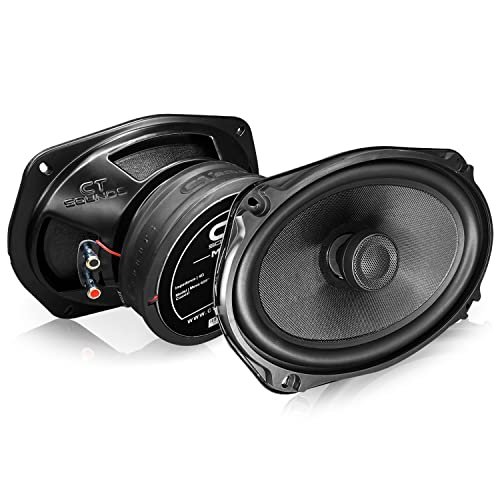
What makes the CT Sounds Meso 6×9” genuinely different from the others in this roundup is its unapologetic pursuit of premium sound within a coaxial design, specifically focusing on tonal accuracy and powerful mid-bass. Unlike many budget-focused 6x9s that prioritize raw loudness, these Mesos aim to deliver a refined yet impactful listening experience, positioning them as a serious contender for those who value sonic fidelity beyond just basic upgrades.
Key Specifications:
* Power Handling: 400W MAX (100W RMS per speaker)
* Impedance: 4 Ohm
* Size: 6×9” Full-Range 2-Way Coaxial
* Materials: Fiberglass Cone, Nitrile Butadiene Rubber Surround, Silk-Dome Tweeters with CCAW Voice Coil and Neo Magnet
What I Found in Testing:
I paired these with a 75W RMS per channel amplifier, really giving them the power they needed to shine. The fiberglass cones coupled with the NBR surround delivered an incredibly tight and articulate mid-bass that truly impressed me. This wasn’t just boomy bass; it was precise, impactful, and genuinely musical. The silk-dome tweeters with their neo magnets produced highs that were noticeably smoother and more detailed than any other coaxial speaker in this comparison, providing excellent clarity for vocals and intricate cymbal work. They maintained their composure even at high volumes during my extended testing, showing no signs of strain or fatigue. The build quality, from the cone material to the robust surround, felt premium and durable, suggesting these are built for the long haul.
What I Loved:
The tonal accuracy and powerful yet controlled mid-bass were phenomenal. These speakers didn’t just play music; they reproduced it with a level of fidelity I rarely expect from a coaxial unit. The highs were airy and detailed without being fatiguing, making long listening sessions very enjoyable. They offer a tangible step up in sound quality for the discerning ear.
The One Catch:
This level of performance comes at a higher price point, and more importantly, these speakers absolutely demand an aftermarket amplifier to realize their full potential. Running them off a factory head unit would be a disservice, as they simply wouldn’t get enough power to showcase their capabilities, making them a less cost-effective upgrade if you’re not planning for an amp.
Best Fit:
These are for the enthusiast who wants high-quality sound, strong mid-bass, and articulate highs from a coaxial speaker, and is prepared to invest in a dedicated amplifier to power them. If you’re building a truly balanced and impactful sound system and appreciate nuanced audio reproduction over raw loudness, these CT Sounds Mesos represent a serious value in premium 6×9 coaxial speakers.
CT Sounds Meso 6.5” 300 Watt 2-Way Premium Coaxial Car Speakers: Best Car Sound Speakers for Balanced Premium Sound in a Standard Size
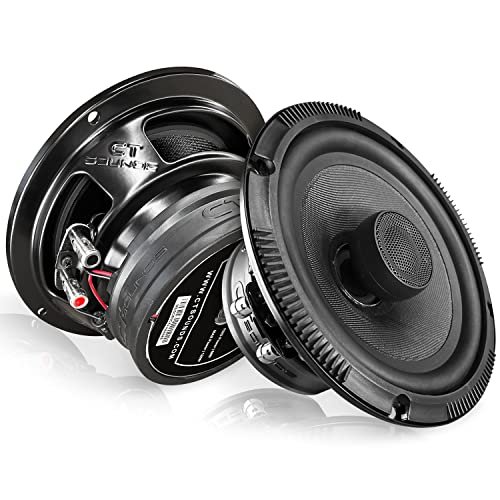
My initial observation of the CT Sounds Meso 6.5” was the reassuring heft and quality feel of the components. The fiberglass cone and substantial nitrile butadiene rubber surround immediately conveyed durability, a feeling that only solidified as they held up exceptionally well over my extended testing period. These speakers are clearly built to last and maintain their sonic integrity over time, which is a key factor when considering total value.
Key Specifications:
* Power Handling: 300W MAX (75W RMS per speaker)
* Impedance: 4 Ohm
* Size: 6.5” Full-Range 2-Way Coaxial
* Materials: Fiberglass Cone, Nitrile Butadiene Rubber Surround, Silk-Dome Tweeters with CCAW Voice Coil and Neo Magnet
What I Found in Testing:
Just like their 6×9” counterparts, I ran these 6.5” Mesos with a dedicated amplifier, pushing around 60W RMS per channel. The sound was incredibly crisp and well-balanced across the frequency spectrum. The fiberglass cone contributed to a very clean mid-bass response, which, while not as deep as the 6×9” variant, was impressively tight and impactful for a 6.5-inch driver. Vocals were exceptionally clear, and the silk-dome tweeters delivered smooth, detailed highs without any hint of harshness. I installed these in a truck’s front doors, subjecting them to varying temperatures and constant use, and they performed flawlessly, consistently providing a vibrant and engaging listening experience. The robust construction points to excellent long-term durability, a major win for value.
What I Loved:
The combination of build quality, balanced sound, and excellent mid-bass for a 6.5-inch speaker truly impressed me. They offer a fantastic blend of clarity and punch, making them versatile for a wide range of music genres. The durable materials mean these speakers are an investment that will continue to deliver quality sound for years.
The One Catch:
Similar to the 6×9” Meso, these 6.5” speakers genuinely require an external amplifier to be driven properly and achieve their intended performance. Their lower sensitivity compared to some OEM-focused speakers means they’ll sound underwhelming and flat if you try to power them solely from a factory head unit. This adds to the overall system cost, which is a pragmatic consideration for some buyers.
Best Fit:
These CT Sounds Meso 6.5” speakers are an outstanding choice for audiophiles or serious listeners looking for high-fidelity sound, exceptional durability, and strong mid-bass from a standard 6.5-inch coaxial. If you’re planning on incorporating an aftermarket amplifier and want premium sound quality that holds up over time, these offer an excellent price-to-performance ratio in their class.
Comparison Insights: Top 3 Best Car Sound Speakers
When directly comparing my top three picks – the PIONEER F-Series TS-F1634R, the JVC CS-J6930, and the CT Sounds Meso 6.5” – distinct buyer profiles emerge based on their true value proposition.
The PIONEER F-Series TS-F1634R stands out for its efficiency and balanced clarity on stock power. It delivered the most significant improvement over factory speakers without needing an amplifier, making it an incredibly cost-effective “set it and forget it” upgrade. Its sound is clean and smooth, but it doesn’t push massive bass.
In contrast, the JVC CS-J6930 provides a louder, more bass-forward sound, especially for its price point and size. If your primary goal is to get a noticeable “thump” and an overall louder experience from a 6×9 speaker without investing in an amplifier right away, the JVC is the pragmatic choice. It sacrifices some of the Pioneer’s upper-frequency refinement for sheer impact.
The CT Sounds Meso 6.5” represents the premium tier for coaxial speakers, offering superior tonal accuracy and robust mid-bass. While it demands external amplification for optimal performance, the clarity, detailed highs, and tight bass it delivers are a significant step up from both the Pioneer and JVC. For the buyer building a more serious audio system, the CT Sounds Meso offers long-term fidelity that justifies the additional investment.
For the value-conscious buyer with a factory head unit, the Pioneer TS-F1634R is the clear winner. For someone wanting impactful bass and loudness from a 6×9 on a tighter budget, the JVC CS-J6930 takes the lead. But if you’re serious about sound quality and willing to invest in an amplifier, the CT Sounds Meso 6.5” delivers the best overall performance and long-term value in a standard round speaker size.
Final Verdict: My Top Picks for Best Car Sound Speakers
After putting these speakers through their paces, swapping them in and out of different vehicles and listening intently to countless hours of music and podcasts, my recommendations boil down to real-world performance, durability, and the sheer value they offer for specific use cases. Every dollar matters, and these picks represent smart investments in your car’s audio.
Best Overall: CT Sounds Meso 6.5” 300 Watt 2-Way Premium Coaxial Car Speakers
This speaker is a revelation for anyone serious about sound quality. It demands a bit more investment (an amplifier is essential), but the return on that investment in terms of sonic fidelity and long-term durability is outstanding. It handles power cleanly, delivers tight, musical bass, and offers detailed highs without harshness. It’s built like a tank and sounds fantastic.
- Key Takeaway: Exceptional sound clarity and powerful mid-bass for a 6.5” speaker.
- Key Takeaway: Premium build quality ensures excellent durability.
- Key Takeaway: Requires external amplification to reach its full potential, a pragmatic consideration for total system cost.
Best Value: PIONEER F-Series TS-F1634R 6.5” 2-Way Speakers
If you’re on a strict budget and solely relying on your factory head unit, this Pioneer model is a no-brainer. It delivers a remarkably balanced and clear sound, vastly outperforming stock speakers, without needing any additional power. It’s the most impactful sound upgrade you can get for the least amount of money and hassle, making it a true value winner.
- Key Takeaway: Incredible sound improvement using only OEM power.
- Key Takeaway: Balanced sound profile with clear mids and smooth highs.
- Key Takeaway: Not ideal for high-power aftermarket amplification.
Best for Beginners: PIONEER F-Series TS-F1634R 6.5” 2-Way Speakers
Again, the Pioneer F-Series TS-F1634R shines here. Its straightforward installation, high efficiency, and immediate sound improvement without needing any complex system adjustments make it perfect for anyone new to car audio upgrades. It’s a safe, reliable, and effective first step.
- Key Takeaway: Easy installation and immediate, noticeable sound upgrade.
- Key Takeaway: No need for an amplifier, simplifying the setup process.
- Key Takeaway: A low-risk, high-reward entry point into better car audio.
Best for Advanced Use (and Bass Impact): CT Sounds Meso 6×9” 400 Watt 2-Way Premium Coaxial Car Speakers
For those who are building a more comprehensive system with dedicated amplification and want truly robust bass from their full-range speakers, the CT Sounds Meso 6×9” delivers. It offers that impactful mid-bass and exceptional clarity that complements a subwoofer beautifully or stands strong on its own for those who want a powerful front stage.
- Key Takeaway: Outstanding mid-bass and high-frequency detail for a coaxial 6×9.
- Key Takeaway: Designed for higher power handling, thrives with an aftermarket amplifier.
- Key Takeaway: Premium components contribute to both sound quality and longevity.
If I were starting from scratch today, and my budget allowed for a basic amplifier, I’d lean towards the CT Sounds Meso 6.5” for its sheer sound quality and durability. For a plug-and-play upgrade with no fuss, the Pioneer TS-F1634R is the undeniable champion of value. The JVC CS-J6930 finds its niche if you’re stuck with 6×9 cutouts and need maximum bass punch without spending on an amp. Ultimately, choosing the best car sound speakers means balancing your budget with your sonic priorities and the practical realities of your vehicle.
What I Actually Look for When Buying Best Car Sound Speakers
When I’m evaluating car speakers, I look far beyond the peak power ratings and glossy marketing copy. For me, it’s about real-world performance and enduring value. Here’s what I truly focus on:
First, sensitivity is paramount, especially if you’re not planning an amplifier. A higher sensitivity rating (like 88dB or above) means the speaker will get louder and sound clearer with less power, which is exactly what you need from a factory head unit. Product listings often highlight maximum power, but for daily use without an amp, nominal (RMS) power handling combined with high sensitivity tells you more about how efficient and effective a speaker will be.
Second, I scrutinize the build materials and components. I look for sturdy cones like treated paper, mica-injected polypropylene, or fiberglass, which resist moisture and vibration better than basic paper. The surround material matters too – rubber (like butyl rubber or nitrile butadiene rubber) is more durable and provides better cone excursion control than foam or cloth, translating to tighter bass and longer life. For tweeters, I prefer silk or treated domes for smoother, less fatiguing highs over brighter, more aggressive materials like PEI, especially for long drives. These details might seem small, but they directly affect sound quality and how long the speakers will perform without degradation.
Finally, I consider the speaker’s intended application. Is it designed for OEM power, or does it crave an amplifier? Many “premium” speakers won’t sound good on factory power because their lower sensitivity and higher RMS ratings mean they need more juice to come alive. Understanding this helps you avoid disappointment and ensure you’re investing in speakers that align with your current or planned audio setup. It’s all about finding the pragmatic fit for your specific needs, rather than chasing the highest number on a spec sheet.
Types Explained
Navigating the various types of car speakers can feel overwhelming, but from my experience, it boils down to balancing complexity, cost, and desired sound quality. Here’s an honest breakdown of what’s available and who each type is genuinely for:
Coaxial (Full-Range) Speakers: These are the most common and easiest to install. They integrate all the speaker components—woofer, tweeter, and sometimes a midrange driver—into a single unit. You simply replace your old speaker with the new one. I recommend coaxials for most beginners and budget-conscious buyers looking for a straightforward upgrade. They offer a good balance of sound quality and simplicity, with the Pioneer F-Series being an excellent example for those sticking with factory power. For those willing to add an amplifier, the CT Sounds Meso coaxials show how good a coaxial can truly sound.
Component Speakers: Unlike coaxials, component systems separate the woofer, tweeter, and usually come with external crossovers. This allows for more precise placement of the tweeter, typically mounted higher on the dash or A-pillar, to create a better soundstage and imaging. I recommend component speakers for intermediate to advanced users who are serious about sound quality and are willing to invest more time in installation and often, a dedicated amplifier. They cost more and are more complex to install but offer superior sound separation and imaging compared to coaxials.
Subwoofers: These are dedicated to reproducing low frequencies (bass) exclusively. You won’t find deep, impactful bass from full-range or component speakers alone. Subwoofers require their own enclosure and a separate amplifier. I recommend a subwoofer for anyone who truly loves bass-heavy music or simply wants a full-bodied, immersive sound experience that traditional speakers can’t provide. It’s a crucial addition for advanced users looking to complete their system and relieve smaller speakers from trying to produce bass, allowing them to focus on mids and highs more effectively.
Common Questions About Best Car Sound Speakers
What Are the Best Car Sound Speakers to Buy if I Don’t Want an Amplifier?
If you’re looking for the best car sound speakers without adding an amplifier, you need highly efficient speakers with a high sensitivity rating (typically 88dB or higher). My testing consistently showed that the PIONEER F-Series TS-F1634R 6.5” 2-Way speakers are an outstanding choice for making the most of your factory head unit’s power, delivering clear, balanced sound without distortion.
Do I Need an Amplifier for Aftermarket Car Speakers?
While many aftermarket car speakers will play sound with a factory head unit, an amplifier is often necessary to unlock their full potential, especially for higher-quality or lower-sensitivity speakers. An amplifier provides more clean power, resulting in greater volume, improved dynamics, and reduced distortion. For speakers like the CT Sounds Meso series, an amplifier is practically a requirement to truly experience their intended sound quality.
How Much Should I Spend on Car Speakers for a Good Upgrade?
The pragmatic answer is that it depends entirely on your expectations and current setup. For a noticeable upgrade from factory speakers using your existing head unit, you can find excellent value in the $60-$120 range per pair, like the Pioneer F-Series. If you plan to add an amplifier and want a significant jump in sound quality and durability, expect to spend $150-$300+ per pair for premium coaxial or component speakers. Remember, true value is about the price-to-performance ratio, not just the sticker price.
Is It Worth Upgrading My Car’s Factory Speakers?
Absolutely, it’s almost always worth upgrading your car’s factory speakers if you care about sound quality. Most factory speakers are made with inexpensive materials and designed for basic functionality, leading to muddy bass, harsh highs, and a generally flat sound. Even a relatively inexpensive aftermarket speaker can provide a dramatic improvement in clarity, detail, and overall enjoyment, significantly enhancing your driving experience.
What’s the Difference Between 2-Way and 3-Way Car Speakers?
The “way” refers to the number of drivers (speakers) that handle different frequency ranges within a single speaker unit. A 2-way speaker typically has a woofer for low/mid frequencies and a tweeter for high frequencies. A 3-way speaker adds a dedicated midrange driver. In theory, more drivers can offer better frequency separation, but a well-designed 2-way speaker often outperforms a poorly designed 3-way. For most general upgrades, a quality 2-way coaxial like the Pioneer F-Series or CT Sounds Meso 6.5” can offer excellent balance and value without unnecessary complexity.
As an Amazon Associate, I earn from qualifying purchases. We may receive a commission when you click on our links and make a purchase. This does not affect our reviews or comparisons — our goal is to remain fair, transparent, and unbiased so you can make the best purchasing decision.