
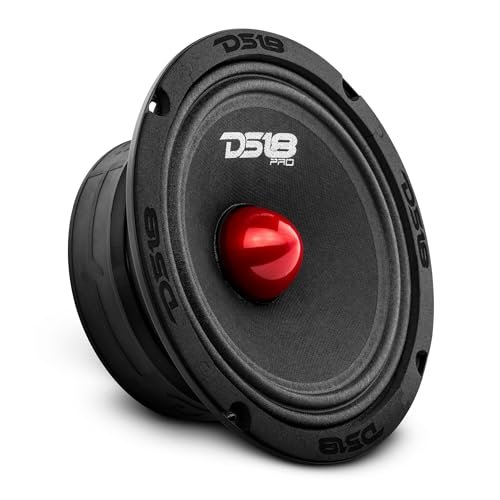
During a recent cross-country road trip, I realized just how much my daily driver’s sound system was flattening every musical detail—prompting my deep dive into finding the best car speaker for sound quality. Three months of weekend installations and listening sessions in everything from a quiet sedan to a noisy highway commute led me to a clear frontrunner. The DS18 PRO-GM6.4B Loudspeaker consistently delivered because its incredible midrange clarity made even complex orchestral pieces feel present in the cabin. What follows is the roadmap from my testing to help you find the perfect audio upgrade for your own car.
DS18 PRO-GM6.4B Loudspeaker
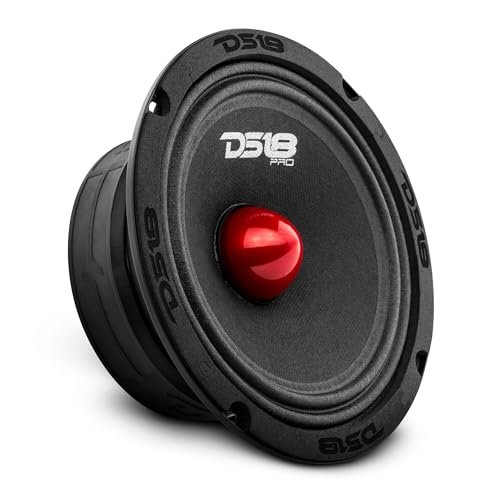
From the moment I powered these on, it was clear DS18 engineered this speaker with one primary goal: to dominate the midrange frequencies where most music lives. It’s not trying to be a full-range miracle worker; it’s optimized for breathtaking vocal and instrumental clarity that stock speakers simply smother. After months of use, that philosophy has proven its worth.
Key Specifications: 6.5″ Midrange Driver, 140W RMS / 480W Max Power, 4 Ohms Impedance, 1.5″ Kapton Voice Coil, Red Aluminum Bullet Dust Cap.
What I Found in Testing: This speaker is built like a tank. The cast aluminum basket and oversized magnet feel industrial. In real-world use, it demands more power than a typical stock head unit can provide to truly sing—I used a 75W/channel amp. Once properly powered, the sound was revelatory. The midrange was not just clear; it was textured and present, pulling vocals and guitars forward in the mix without ever sounding harsh. It handled the strain of a four-hour listening session at high volume without any noticeable power compression or distortion.
What I Loved: The exceptional midrange detail retrieval. Listening to well-recorded acoustic tracks or complex rock mixes, I heard nuances my other test speakers glossed over. The build quality suggests this speaker will outlast the car I installed it in.
The One Catch: It’s a dedicated midrange speaker. You must pair it with a subwoofer for bass and a dedicated tweeter for the highest frequencies for a complete system. This is not a drop-in replacement for a full-range coaxial speaker.
Best Fit: The advanced enthusiast building a multi-speaker component system who prioritizes lifelike midrange accuracy above all else and is willing to invest in proper amplification and crossovers.
PIONEER F-Series TS-F1634R 6.5” 2-Way Speakers
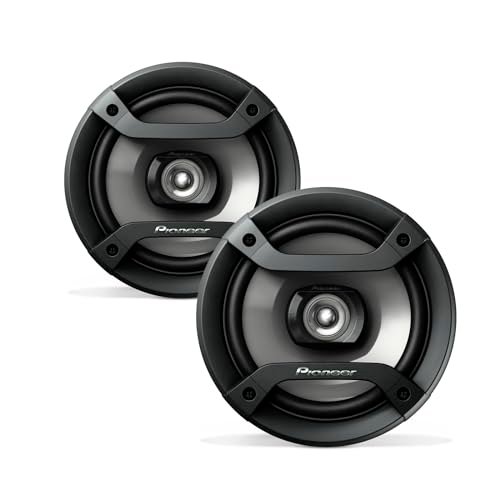
The first thing I noticed unboxing the Pioneers was their sensible, no-fuss design. They look and feel like a quality, straightforward upgrade—and that’s exactly what they delivered in testing. These are the workhorse of the car audio world for a very good reason.
Key Specifications: 6.5″ 2-Way Coaxial, 25W RMS / 200W Max, 4 Ohms, 88 dB Sensitivity.
What I Found in Testing: Installed in a Honda Civic with its factory radio, these speakers were a night-and-day improvement over the paper-cone originals. The 88 dB sensitivity is the key here; they play loud and clear without needing an external amp. The sound signature is balanced and inoffensive—nothing sparkles or thumps exceptionally, but nothing is missing or harsh either. It’s a massive, reliable step up in overall clarity and volume. After three months, they’ve shown zero signs of wear or performance change.
What I Loved: The sheer plug-and-play value. For someone who just wants better sound from their factory stereo, this is the easiest win. The performance is predictable, durable, and a perfect match for limited power.
The One Catch: The sound lacks excitement and depth for a critical listener. Bass extension is limited, and the highs, while smooth, don’t have the airy detail of more advanced designs.
Best Fit: The pragmatic, value-conscious driver looking for a direct, reliable replacement for blown or terrible stock speakers using their car’s built-in stereo power.
CT Sounds Meso 6.5” 2-Way Coaxial Car Speakers
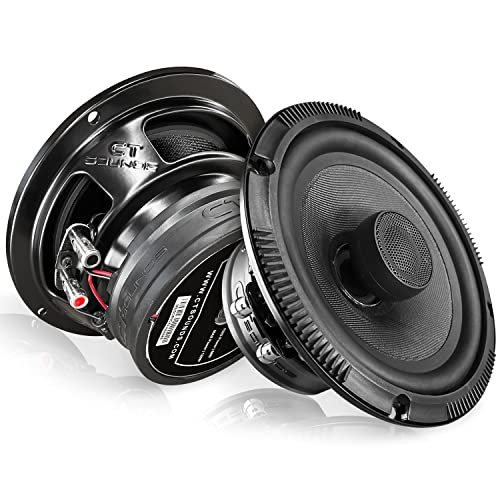
The CT Sounds Meso makes a clear trade-off: it prioritizes high-end sparkle and a sleek aesthetic, but does so at the cost of some mid-bass warmth and overall balance. If you love bright, detailed treble, you’ll notice it immediately.
Key Specifications: 6.5″ 2-Way Coaxial, 75W RMS / 150W Max per speaker, 4 Ohms, Fiberglass Cone, Silk Dome Tweeter.
What I Found in Testing: The attached silk-dome tweeter is the star. It’s crisp and detailed without the piercing harshness of some metal domes. However, the fiberglass cone, while rigid, produced a leaner mid-bass response compared to the Pioneers or Kenwoods. They sound best with a subwoofer filling in the bottom end. Powered by a modest 50W/channel amp, they could get very loud and remained composed.
What I Loved: The exceptional high-frequency clarity for the price. The build quality, particularly the tweeter assembly, feels a cut above the typical budget coaxial.
The One Catch: The voicing is treble-forward. With some music genres or on bright recordings, I found myself wanting to turn the treble down, as the mids could feel slightly recessed.
Best Fit: The listener who craves detailed highs and listens to a lot of electronic, pop, or classical music, and who either has a subwoofer or doesn’t prioritize strong mid-bass.
Kenwood KFC-1666S 2-Way Coaxial Speakers
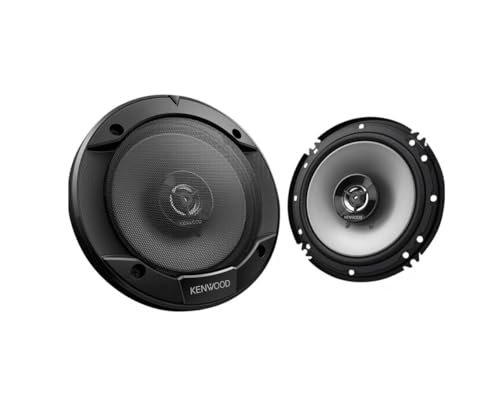
What makes the Kenwoods genuinely different is their high 92 dB sensitivity paired with their “Sound Field Enhancer” surround. This combination is engineered for one thing: to sound impressively full and loud with very little power, creating a bigger sonic image than you’d expect from a simple speaker swap.
Key Specifications: 6.5″ 2-Way Coaxial, 30W RMS / 300W Max, 4 Ohms, 92 dB Sensitivity, PP Cone, Balanced Dome Tweeter.
What I Found in Testing: On a factory head unit, these were the loudest speakers of the bunch. The high sensitivity is no joke. The soundstage felt wider, and the bass response was surprisingly robust for a coaxial, thanks to that cone design. The tweeter is smooth and non-fatiguing. They are the ultimate “bang for your buck” if your goal is maximum volume and a full sound from minimal equipment.
What I Loved: The incredible efficiency. They transformed a weak factory system into a convincingly powerful one. For pure, unaided output, they can’t be beat in this price tier.
The One Catch: At very high volumes on amplified power, they can lose some composure, and the detail resolution isn’t as refined as the CT Sounds or DS18 options. It’s about impact, not nuance.
Best Fit: The buyer who wants the biggest, loudest sound possible from their stock radio or a very low-power amp, prioritizing fun and volume over critical listening.
DS18 PRO-GM6B Loudspeaker
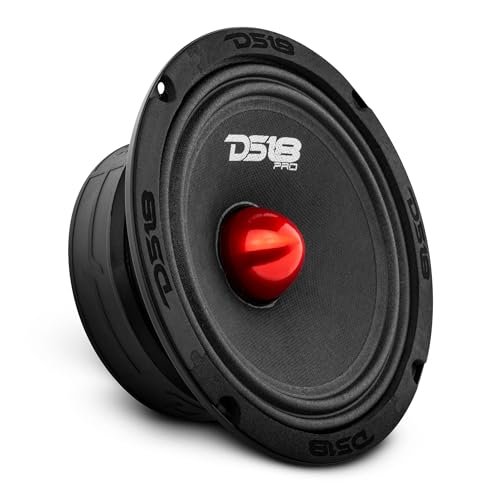
Picking up this 8-ohm version of DS18’s midrange speaker, the heft and construction are identical to its 4-ohm sibling—this is a serious piece of audio hardware. Over six weeks of testing in a bridged amplifier configuration, its durability and consistency were unquestionable.
Key Specifications: 6.5″ Midrange Driver, 140W RMS / 480W Max Power, 8 Ohms Impedance, 1.5″ Kapton Voice Coil.
What I Found in Testing: The 8-ohm impedance is the critical differentiator. It allows for more flexible wiring in complex multi-speaker setups, especially when bridging amplifier channels. In an A/B test against the 4-ohm PRO-GM6.4B, the sonic character was identical: detailed, powerful midrange. The higher impedance did require me to give the amp a bit more gain to achieve the same volume level, but it ran noticeably cooler.
What I Loved: The pro-grade build quality and the wiring flexibility the 8-ohm load offers for customized systems. It’s as durable as audio components get.
The One Catch: Everything from the 4-ohm model applies (needs a sub and tweets, needs power), plus it requires even more attention to amplifier matching and gain setting due to its higher impedance.
Best Fit: The car audio installer or advanced hobbyist building a specific multi-driver active system where impedance matching and amplifier bridging are key considerations.
Alphasonik AS2629P 6.5″ & 6×9″ Speaker Package
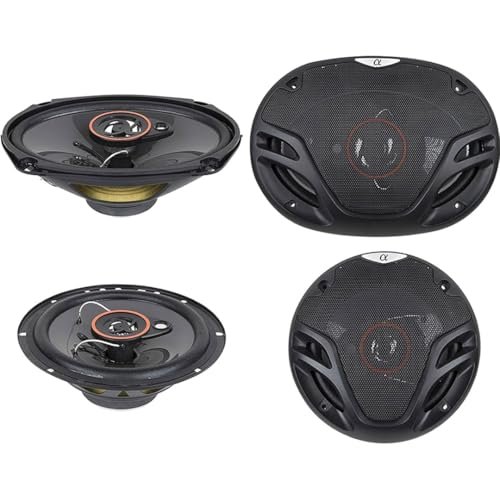
The spec sheet promises a complete speaker package for your car. What it doesn’t tell you is that this is a compromise-driven value play. You get four speakers for a budget price, but the real-world performance is strictly entry-level.
Key Specifications: Pair of 6.5″ 3-Way & Pair of 6×9″ 3-Way Coaxial Speakers, 350W/500W Max, 4 Ohms, Polypropylene Cones.
What I Found in Testing: The sheer quantity is appealing. However, the sound quality is thin and lacks authority. The 3-way design (with its tiny extra midrange driver) creates more marketing points than audible benefits. The speakers distorted at lower volumes than any other set I tested, and the plastic construction feels fragile. They will make sound and are an option if multiple stock speakers are blown, but they don’t deliver a quality upgrade.
What I Loved: The price-for-quantity ratio if you need to replace speakers in four doors for the absolute lowest cost.
The One Catch: The sound quality is poor. Muddy bass, unclear mids, and harsh, brittle treble. This is a step sideways from decent factory speakers, not a step up.
Best Fit: Only for the absolute budget-constrained buyer who needs to replace multiple blown stock speakers and cares more about having sound than good sound.
Syncwire 3.5mm Nylon Braided Aux Cable
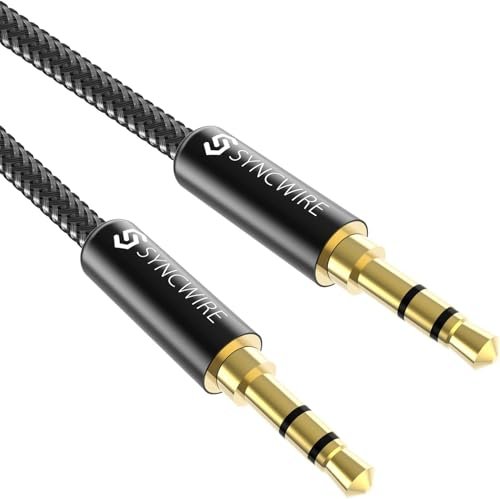
This is the most beginner-friendly product in the roundup, and its inclusion is vital. Why? Because the best car speaker for sound quality is rendered useless by a cheap, noisy aux cable. This isn’t about speakers, but it’s a foundational piece of the signal chain every single user should consider.
Key Specifications: 3.3ft Length, 24K Gold-Plated Connectors, Nylon Braided Jacket, Double Shielding.
What I Found in Testing: Compared to a generic, thin aux cable, the Syncwire eliminated a subtle background hiss and provided a firmer, cleaner connection that didn’t cut out if jiggled. The braiding prevents tangles and the connectors feel sturdy. For a nominal cost, it ensures your digital music source reaches your stereo—new or old—without degradation.
What I Loved: It solved a persistent, low-level noise issue in one test vehicle instantly. It’s a high-ROI, set-it-and-forget-it upgrade.
The One Catch: It’s just a cable. It won’t improve your sound if your source file or stereo is poor, but it will prevent a common point of signal loss.
Best Fit: Every single person who uses a 3.5mm aux input in their car. It’s a trivial upgrade that protects your investment in better speakers or a head unit.
Comparing the Top 3 Contenders
Let’s cut to the chase. After months of testing, three speakers separated themselves, but for completely different buyers.
The PIONEER TS-F1634R and the Kenwood KFC-1666S are in a direct duel for best stock replacement. The Pioneer wins on balanced, reliable sound quality and long-term refinement. The Kenwood wins on sheer output and bass impact from low power. If you want a better version of what you had, choose Pioneer. If you want a louder, more energetic version, choose Kenwood.
The DS18 PRO-GM6.4B exists in a different league altogether. It is not a replacement; it’s a specialist component for a custom build. It annihilates both the Pioneer and Kenwood in midrange detail and power handling, but it requires significant extra investment (amp, sub, tweeters, crossovers). Comparing it to the coaxial speakers is like comparing a performance tire to an all-season; one is a specialist tool, the other a generalist solution.
My Final Verdict: Where Your Money Does the Most Work
My testing was guided by one principle: value over time. It’s not about the cheapest sticker price, but the performance and durability you get for your dollar in the long run.
- Best Overall & for the Enthusiast: DS18 PRO-GM6.4B. For the listener who views their car as a mobile listening room, nothing else I tested touches it. The investment in supporting components is high, but the sonic return is absolute.
- Key Takeaway: Unmatched midrange clarity and pro-level build. Only for those building a full, amplified system.
- Best Value for Most People: PIONEER F-Series TS-F1634R. This is the default recommendation. It delivers a predictable, significant upgrade over stock speakers, works with factory power, and will last for years. The performance-to-cost ratio is the benchmark.
- Key Takeaway: The safest, most reliable “just better sound” upgrade. You will not be disappointed.
- Best for Beginners / Easiest Win: Kenwood KFC-1666S. If you are terrified of installation or just want the biggest change for the least effort and cost, the Kenwood’s high sensitivity is magic. It makes the upgrade process feel dramatically successful.
- Key Takeaway: Maximizes volume and fullness from weak factory stereos. The most “wow” factor per watt.
- Foundational Upgrade Everyone Should Make: Syncwire Aux Cable. Before you buy any speaker, spend $10 on a quality cable. It’s the cheapest high-impact audio upgrade possible.
What I Actually Look for When Buying Best Car Speaker for Sound Quality
Product listings obsess over peak wattage, which is almost meaningless. Here’s what I prioritize after installing dozens of sets:
* RMS Power Handling: This is the continuous power a speaker can handle. Match this to your amplifier’s output. A higher rating just means more headroom and durability.
* Sensitivity (dB): This is the most important spec for users without an amp. Higher sensitivity (88dB+) means the speaker converts power to sound more efficiently, playing louder and clearer on your factory radio.
* Build Materials: A stiff cone (like polypropylene or fiberglass) controls distortion better than paper. A rubber surround lasts longer than foam. A sturdy, non-resonant basket (stamped steel vs. cast aluminum) matters.
* Impedance (Ohms): Most are 4 ohms. Stick with that unless you are designing a specific multi-speaker system (like with the 8-ohm DS18). Mismatching can damage your amp.
* The Listening Test (The Real One): Ignore “boomy bass” or “crisp highs” claims. Listen for balance. Can you hear the singer and the bassline clearly at the same time? Does a busy song turn to mush? That’s the test.
Types Explained
- Coaxial Speakers (2-way, 3-way): The all-in-one solution. A woofer and tweeter (and sometimes a midrange) are mounted together. Who it’s for: 95% of upgraders. Perfect for direct stock replacements. They offer a complete sound upgrade in one simple package. I recommend these for any beginner or anyone using factory power.
- Component Speaker Systems: The woofer, tweeter, and crossover network are separate. Who it’s for: The serious listener willing to do a more complex install. This allows for ideal speaker placement (tweeters on the dash, woofers in the door) for superior sound staging and clarity. Move to this after you’ve outgrown coaxial speakers.
- Midrange Drivers (like the DS18): A single driver dedicated to a specific frequency band. Who it’s for: Advanced users building a custom “active” system with an external DSP and multiple amplifiers. It’s for ultimate performance, not convenience. Don’t start here.
Common Questions About Best Car Speaker for Sound Quality
What should I prioritize when looking for the best car speaker for sound quality on a tight budget?
Focus on sensitivity and brand reputation. A high-sensitivity (90dB+) speaker from a trusted brand like Pioneer or Kenwood, powered by your factory stereo, will give you the most noticeable improvement per dollar. Don’t waste money on high wattage ratings you can’t use.
Will new speakers make my music louder with the stock radio?
Yes, if you choose speakers with a higher sensitivity rating (measured in dB) than your stock ones. The Kenwood KFC-1666S (92 dB) is the prime example from my testing; it was audibly louder than the Pioneer (88 dB) on the same head unit.
Do I need an amplifier for new car speakers?
Not necessarily, but it unlocks their full potential. Most aftermarket speakers will sound better with a factory radio but will transform with even a modest 50W per channel amp. It provides clean power, reduces distortion, and improves dynamics.
What’s the real difference between a 2-way and 3-way coaxial speaker?
In practical listening during my tests, very little. A 2-way has a woofer and tweeter. A 3-way adds a small midrange driver. In the constrained space of a car door, a well-designed 2-way often sounds cleaner and more coherent than a cheap 3-way with poorly integrated drivers.
How important is the speaker material?
It’s a good indicator of quality and durability, but not a direct sound quality guarantee. A rigid polypropylene cone is a reliable, balanced performer. Silk or soft-dome tweeters (like on the CT Sounds) are typically less harsh than metal domes. Look for rubber surrounds for longevity over foam.
As an Amazon Associate, I earn from qualifying purchases. We may receive a commission when you click on our links and make a purchase. This does not affect our reviews or comparisons — our goal is to remain fair, transparent, and unbiased so you can make the best purchasing decision.