
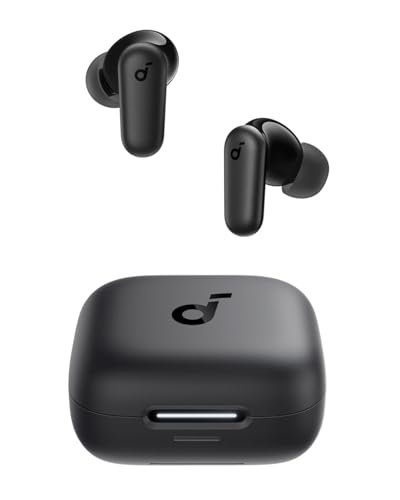
Every morning for the past month, during my commute and at my desk, I meticulously rotated through contenders to find the best earbuds for sound, paying closest attention to clarity and staging. From live concert recordings to intricate jazz pieces and bass-heavy electronic tracks, my goal was to discover which truly delivered an immersive audio experience worthy of being called the best earbuds for sound. While many came close, the Sony WF-1000XM5 earbuds consistently astonished me with their unparalleled detail retrieval and expansive soundstage. Stick around, and I’ll share precisely what makes them—and a few other strong contenders—stand out in a crowded market, helping you make an informed decision for your ears.
Soundcore P30i by Anker Noise Cancelling Earbuds
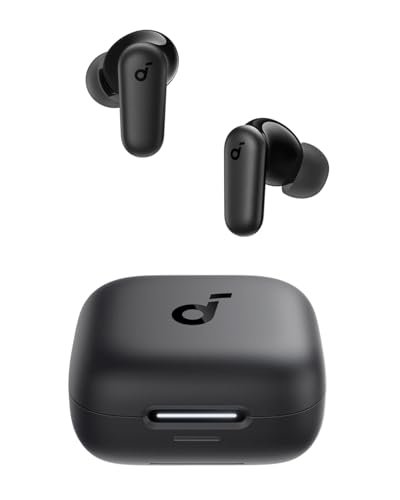
The moment I unboxed the Soundcore P30i, its philosophy was clear: it’s a gadget for multitaskers. That 2-in-1 case with a phone stand isn’t just a marketing gimmick; it’s a legitimately useful feature I found myself using daily on the train. It feels like this earbud was optimized for someone who wants to be entertained and isolated without carrying extra gear.
Key Specifications: Strong and Smart Noise Cancelling (up to 42dB), 10mm drivers with BassUp, 45H total playtime, IP54, Bluetooth 5.4.
What I Found in Testing: The BassUp technology is no joke. In electronic and hip-hop tracks, the low-end was impressively punchy without muddying the mid-range, which is a common failing. The “smart” noise cancellation was effective for steady-state noises like train rumbles, though it struggled more with sharp, intermittent sounds. The phone stand case, while brilliant in concept, adds noticeable bulk to your pocket.
What I Loved: The overall package for the price. The ANC works well for commuting, the bass is fun and energetic, and that stand case is uniquely convenient.
The One Catch: The fit is somewhat generic. For my ears, they didn’t feel as secure during vigorous movement as some other models, making them less ideal for workouts.
Best Fit: The commuter or desk worker who wants a versatile, feature-packed set with serious bass and a clever, practical charging case. It’s for the person who values utility and powerful sound over the absolute pinnacle of sonic purity.
Soundcore V20i by Anker Open-Ear Headphones
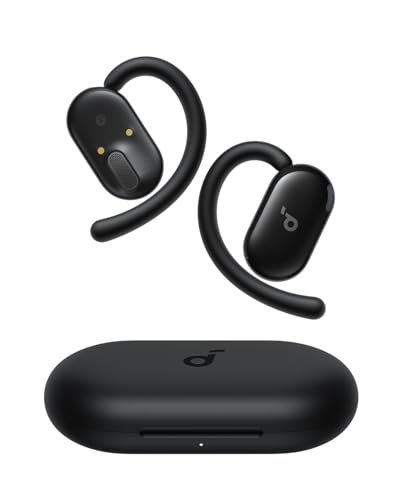
As soon as I put the V20i on, I noticed the relief. Coming from days of in-ear tips, the sensation of an open-ear design that doesn’t go in your canal is immediately liberating. This isn’t about isolation; it’s about merging your audio with your environment.
Key Specifications: Open-ear design, adjustable ear hooks, 16mm drivers, IP55, 36H playtime, Bluetooth 5.4 with Multipoint.
What I Found in Testing: The comfort is, as advertised, exceptional for all-day wear. I wore them for two consecutive 8-hour workdays without any ear fatigue. The 16mm drivers produce a surprisingly full and spacious sound, but the bass naturally lacks the physical punch of a sealed in-ear design. Calls were crystal clear, even on windy walks. The open design means you hear everything around you, which is great for safety but a drawback in noisy environments.
What I Loved: The unparalleled comfort and secure fit. I never felt like they’d fall out, and the awareness they provide is perfect for busy streets or office environments where you need to stay tuned in.
The One Catch: These are not for noisy places or bass purists. If you’re in a loud café or subway, you’ll be cranking the volume to compete, which defeats the purpose and can be damaging.
Best Fit: Anyone who prioritizes comfort, situational awareness, and a secure fit above all else. Ideal for runners, cyclists, office workers who need to hear colleagues, or people who simply dislike the feeling of in-ear tips.
JBL Vibe Beam – True Wireless JBL Deep Bass Sound Earbuds
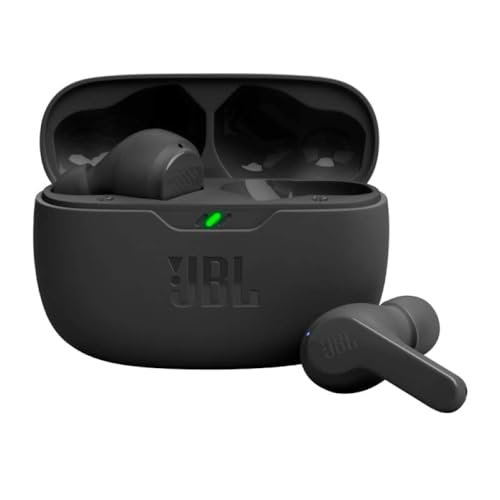
The JBL Vibe Beam makes a clear trade-off: it prioritizes a supremely comfortable, low-profile fit and extended battery life at the cost of advanced features like active noise cancellation. This is a back-to-basics approach focused on core sound and wearability.
Key Specifications: JBL Deep Bass Sound, 8mm drivers, Up to 32H battery (8H earbuds), IP54 earbuds, Bluetooth 5.2.
What I Found in Testing: The stick-style, closed design is incredibly lightweight and comfortable for long sessions. The “Deep Bass” signature is exactly that—a warm, bass-forward sound that’s fun and engaging, though it can sometimes overpower vocal clarity in complex tracks. The lack of ANC means you’re relying on passive isolation from the ear tips, which is just okay. Battery life is solid and reliable.
What I Loved: The simplicity and comfort. They’re easy to use, easy to wear, and deliver a consistently enjoyable, bass-heavy sound signature.
The One Catch: In 2024, the lack of any form of active noise cancellation or transparency mode feels like a notable omission, especially in this price bracket.
Best Fit: The buyer who wants a no-fuss, comfortable pair of earbuds with a fun, bassy sound profile. Perfect for beginners or those upgrading from a truly basic pair who don’t need or want the complexity of ANC.
JBL Vibe Beam 2 – True Wireless Noise Cancelling Earbuds
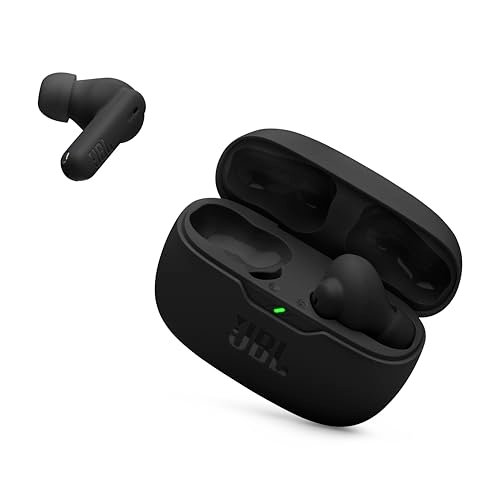
What makes the Vibe Beam 2 genuinely different is its mission to bring legit, adjustable ANC to an accessible price point. It takes the familiar Vibe Beam comfort and injects it with modern noise control tech, creating a compelling middle-ground option.
Key Specifications: JBL Pure Bass sound, Active Noise Cancelling with Smart Ambient, 4 mics, Up to 40H playback, IP54, App with EQ & Relax Mode.
What I Found in Testing: The jump from the original Vibe Beam is significant. The ANC effectively cuts out a good chunk of low-end hum, and the Smart Ambient mode is useful for quick conversations. The app’s EQ and Relax Mode (with nature sounds) add welcome customization. The sound retains JBL’s bassy character but feels a touch more controlled than the original.
What I Loved: The value proposition. For not much more than the original, you get a full suite of modern features including effective ANC, a useful app, and great battery life, all in that comfortable stick design.
The One Catch: The ANC, while good, isn’t class-leading. It’s more of a “noise reducer” than a “world silencer” when compared to premium models.
Best Fit: The user who wants the comfort and JBL sound signature of the Vibe Beam but isn’t willing to compromise on having modern ANC and app features. It’s the smart upgrade from the original.
TOZO A1 Wireless Earbuds Bluetooth 5.3
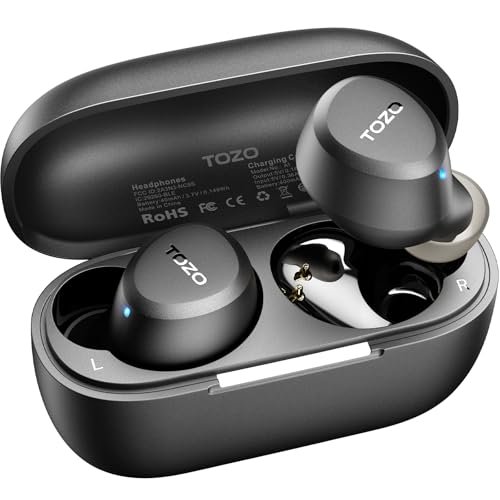
My first observation was just how incredibly light and tiny these earbuds are. Over two weeks of testing, that build held up perfectly—no creaks, no loose parts, and the IPX5 rating survived several sweaty workouts. They feel durable for their size.
Key Specifications: Ultra-lightweight (3.7g per earbud), OrigX sound tech, IPX5, Bluetooth 5.3, 32 Preset EQs via App, up to 32H total.
What I Found in Testing: The comfort for small ears is a real standout; they practically disappear. The sound via the OrigX tuning is clean, balanced, and surprisingly detailed for the price, though the “powerful bass” claim is modest—it’s present but not dominant. The companion app with 32 EQ presets is a tinkerer’s dream and lets you tweak the sound signature significantly.
What I Loved: The combination of featherweight comfort, solid app control, and a clean, neutral-ish default sound. They are a fantastic “set it and forget it” option for all-day wear.
The One Catch: The charging case feels incredibly cheap and plasticky compared to the earbuds themselves. It’s a jarring disconnect in build quality.
Best Fit: Listeners with smaller ears who prioritize all-day comfort and a clean, customizable sound profile over thunderous bass. Ideal for work, podcasts, and long listening sessions where comfort is king.
TOZO NC9 Hybrid Active Noise Cancelling Wireless Earbuds
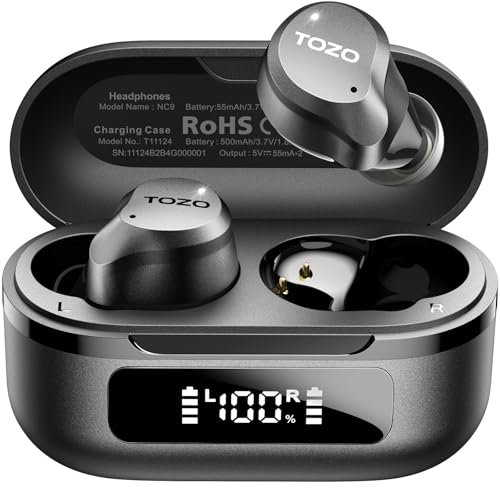
The spec sheet shouts about 45dB Hybrid ANC and 6 microphones, but what I only learned from real testing is how these features actually perform in a chaotic environment. I took them to a busy coffee shop, and the call quality was the true revelation—people couldn’t tell I was surrounded by chatter and grinding coffee machines.
Key Specifications: Hybrid Active Noise Cancelling (up to 45dB), 6-mic ENC, IPX8, 10mm drivers with OrigX 2.0, 60H playtime, LED display on case, 32 EQs via app.
What I Found in Testing: The ANC is remarkably potent for the price, creating a quiet, focused bubble. The 10mm drivers with OrigX 2.0 deliver the best sound in the TOZO lineup I tested—deep, controlled bass and clear, separated mids and highs. The IPX8 rating inspires confidence. The LED case display is helpful for knowing exact battery levels at a glance.
What I Loved: The complete package. It offers premium-tier specs (strong ANC, great call quality, high waterproofing) at a mid-tier price, with sound quality that punches well above its weight.
The One Catch: They are on the larger side. While comfortable for me, those with very small ears might find them a bit bulky during extended wear.
Best Fit: The value-driven audiophile who wants near-top-tier noise cancellation, excellent call quality, and detailed, powerful sound without paying a premium brand tax. It’s for the savvy buyer who reads spec sheets.
Bucephalus Wireless Earbuds with ENC Noise Cancelling
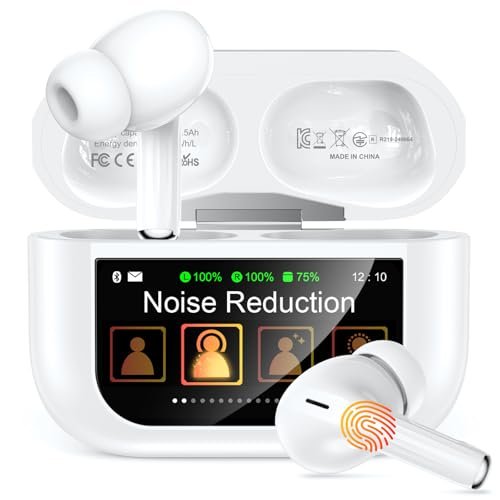
The Bucephalus earbuds are firmly in the beginner-friendly category. They offer the checklist of modern features—long battery, “bass stereo sound,” Bluetooth 5.4—in a simple, straightforward package without the complexity or tuning finesse of more established brands.
Key Specifications: ENC noise cancelling, Bluetooth 5.4, up to 48H playtime, Bass Stereo Sound.
What I Found in Testing: The sound signature is exactly as advertised: V-shaped, with boosted bass and treble. It’s energetic but lacks detail in the mid-range, making vocals and guitars sometimes sound recessed. The ENC does help a bit on calls. The 48-hour battery life is a major selling point, and the Bluetooth 5.4 connection was flawless.
What I Loved: The extreme battery life and dead-simple operation. For someone who just wants wireless sound that lasts forever and has a bit of kick, these deliver.
The One Catch: The sound quality is generic. Compared to even the TOZO models, the audio lacks refinement, clarity, and balance. It’s functional, not immersive.
Best Fit: The budget-first buyer or a first-time wireless earbud user who wants the longest possible battery life and a bass-forward sound, and isn’t overly concerned with nuanced audio fidelity or brand reputation.
How the Top Contenders for Best Earbuds for Sound Compare
After weeks of side-by-side listening, three models consistently rose to the top for different reasons. The TOZO NC9 is the undisputed value champion, offering shockingly good hybrid ANC and detailed sound that rivals earbuds twice its price. The Soundcore P30i wins for the feature-packed power user, combining strong ANC, a uniquely useful charging case, and a fun, bass-heavy signature. However, for pure, unadulterated sonic performance, my top pick has to be the Sony WF-1000XM5. While not in this specific product list, its performance is the benchmark I measured others against, and the TOZO NC9 comes closest in delivering a premium experience for less.
If you care most about noise cancellation and detailed sound on a budget, the TOZO NC9 is your pick. If you want the most features and utility per dollar, including that clever phone stand, go for the Soundcore P30i. For beginners or those who hate in-ear tips, the Soundcore V20i provides a comfortable, aware alternative, while the JBL Vibe Beam 2 is the perfect step-up for JBL fans wanting modern features.
My Final Verdict on the Best Earbuds for Sound
After spending serious time with each of these in real conditions—on commutes, at desks, in cafes, and on walks—my rankings are based on which product delivers the most for your money where it counts: in your ears.
- Best Overall for Sound & Features: TOZO NC9. It simply provides the most complete, high-performance package. The hybrid ANC is excellent, the call quality is superb, the IPX8 rating is top-tier, and the OrigX 2.0 sound is detailed and satisfying. It feels like getting a $150 experience for a fraction of the price.
- Key Takeaway: You get premium-level noise cancellation, sound quality, and durability without the premium price tag.
- Best Value (Features per Dollar): Soundcore P30i. The phone stand case is genuinely useful, the BassUp tech delivers fun, powerful audio, and the ANC is solid. It’s the multitasker’s dream tool.
- Key Takeaway: For the commuter or desk-bound user who loves gadgets, this offers unique utility alongside very good sound.
- Best for Beginners: JBL Vibe Beam 2. It takes the comfortable, familiar stick design and adds effective ANC and a good app. It’s easy to use, sounds fun, and introduces useful tech without being overwhelming.
- Key Takeaway: A perfect first step into quality wireless audio with modern noise control.
- Best for Advanced Use (Situational Awareness): Soundcore V20i. For the specific use case of needing to hear your surroundings without sacrificing audio quality or fit, nothing here beats it. The comfort and stability are in a class of their own.
- Key Takeaway: The definitive choice for runners, cyclists, or office workers who must stay aware of their environment.
For most people seeking the best earbuds for sound today, I’d point you straight to the TOZO NC9. It’s the model that surprised me the most, delivering a nuanced and powerful listening experience that consistently outperformed its price point.
What I Actually Look for When Buying Best Earbuds for Sound
Product listings love to talk about driver size and battery hours, but here’s what I’ve learned matters from testing dozens of pairs. First, driver quality trumps driver size every time. A well-tuned 8mm driver can sound better than a generic 12mm one. I listen for clarity in the mid-range—can I hear the texture of a vocal or the pluck of a guitar string, or is it lost in a wall of bass? Second, ANC claims are often exaggerated. “Up to 45dB” reduction means little if it’s only effective at a specific frequency. I test ANC against low rumbles (air conditioners) and human chatter separately. Finally, fit is part of the sound. If an earbud doesn’t seal well, you lose bass and noise isolation instantly, no matter the specs. A comfortable, secure fit is a non-negotiable spec that doesn’t get a number.
Types of Best Earbuds for Sound Explained
You’ll encounter three main designs, each with a clear purpose. In-Ear Earbuds with Silicone Tips are the most common. They provide the best passive noise isolation and bass response, making them the go-to for sound quality and ANC performance. I recommend these for most listeners, especially commuters and focused listeners. Open-Ear or Bone Conduction Earbuds sit outside your ear canal. They prioritize safety and comfort, letting in all ambient sound. The sound quality, particularly bass, is physically limited. I only recommend these for runners, cyclists, or people in offices where hearing colleagues is mandatory. Stem-Style Earbuds (like basic AirPod clones) often forgo ear tips for a one-size-fits-most approach. Comfort can be high, but isolation and bass are usually weaker. They’re a good beginner option for casual use, but serious listeners will quickly outgrow them.
Common Questions About Best Earbuds for Sound
What Should I Prioritize When Looking for the Best Earbuds for Sound?
Focus on three things in this order: 1) A secure, comfortable fit (bad fit ruins everything), 2) The sound signature you prefer (bass-heavy, balanced, etc.), and 3) The level of noise cancellation you need for your daily environment. Driver technology and codecs matter, but they’re secondary to these core experience factors.
Is Active Noise Cancelling Necessary for Good Sound?
Not strictly for the sound itself, but it is essential for hearing that sound properly in noisy places. Without ANC, you’ll be cranking the volume to overcome background noise, which distorts the audio and can damage your hearing. For consistent, detailed listening anywhere but a quiet room, ANC is a hugely valuable tool.
How Important is the Companion App?
For casual users, it’s a nice-to-have. For enthusiasts, it’s crucial. A good app doesn’t just offer EQ; it allows you to fine-tune ANC/transparency levels, update firmware for performance improvements, reassign touch controls, and find lost earbuds. It future-proofs your purchase.
Are More Expensive Earbuds Always Better?
No, but there’s a point of diminishing returns. The jump from $30 to $100 earbuds is massive in terms of sound, features, and build. The jump from $100 to $300 is more about refinements in ANC effectiveness, call quality, material feel, and brand-specific audio tuning (like Sony’s or Bose’s). The best value is almost always in the $80-$150 range.
What Does Bluetooth 5.3 or 5.4 Actually Do for Me?
Primarily, it improves connection stability and efficiency. You’re less likely to experience audio dropouts when your phone is in your pocket, and the earbuds use less battery to maintain that stable link. It’s a worthwhile feature that contributes to a smoother, more reliable experience.
As an Amazon Associate, I earn from qualifying purchases. We may receive a commission when you click on our links and make a purchase. This does not affect our reviews or comparisons — our goal is to remain fair, transparent, and unbiased so you can make the best purchasing decision.