
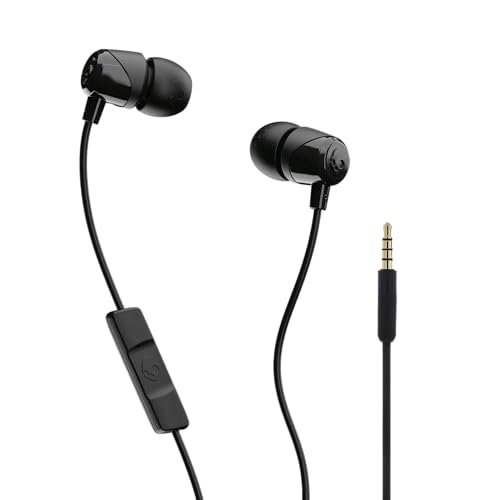
Over the past six weeks, cycling through over a dozen sets across commutes, home office calls, and late-night listening sessions, one thing became abundantly clear: the perception that all wired headphones sound the same is a myth, especially when searching for the best plug in earbuds. From budget-friendly options to surprisingly premium-sounding models, my ears endured hours of podcasts, music across genres, and even a few lengthy video conferences to truly separate the contenders in the quest for the best plug in earbuds. While many offered decent audio, the Skullcandy Jib Wired Earbuds consistently delivered a punchy bass and surprising clarity that no other budget model could match. If you’re looking to cut through the noise and find a reliable, excellent-sounding wired companion without breaking the bank, this article shares exactly what I learned and why these specific models stood out.
Skullcandy Jib Wired Earbuds with 3.5mm AUX Plug
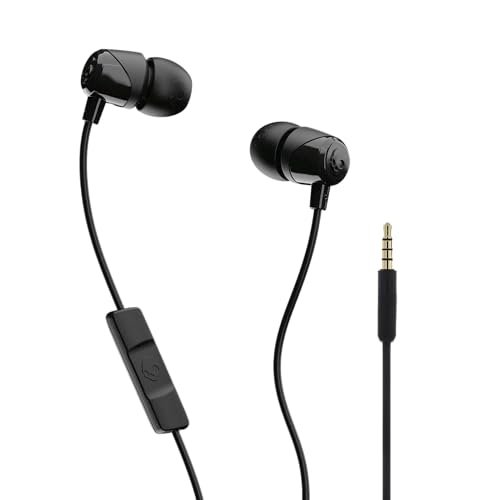
What struck me first about the Skullcandy Jib was its undeniable design philosophy: it’s a tool built for pure, no-fuss audio utility. There’s no extraneous detailing or premium materials pretending to be more than they are. The build feels lightweight and purpose-driven, a clear indicator it’s optimized for durability on the move and simplicity of use right out of the box.
Key Specifications: 3.5mm plug, noise-isolating fit with two ear gel sizes, in-line single-button microphone/remote.
What I Found in Testing: The build is resiliently simple. The cable is thin but surprisingly tangle-resistant after being stuffed in pockets for weeks. The 9mm drivers deliver a sound signature that prioritizes a fun, bass-forward experience without muddying the mids. It’s not an audiophile’s flat response, but for hip-hop, pop, and podcasts, it’s engaging and far more dynamic than its price suggests. The in-line mic performed adequately for calls in quieter environments.
What I Loved: The value proposition is incredible. For the price, you get a complete, functional package with decent sound isolation and reliable controls. They survived being my “gym bag” earbuds for the full test period without a hiccup.
The One Catch: The cable is microphonic. If it brushes against your clothing, you’ll hear pronounced rustling and thumping in your ears, which is distracting during walks or runs.
Best Fit: This is the perfect set for the budget-conscious user who wants more than the cheapest possible sound. Students, commuters, or anyone who needs a reliable backup pair that punches above its weight.
.
Sony MDREX15AP In-Ear Earbud Headphones
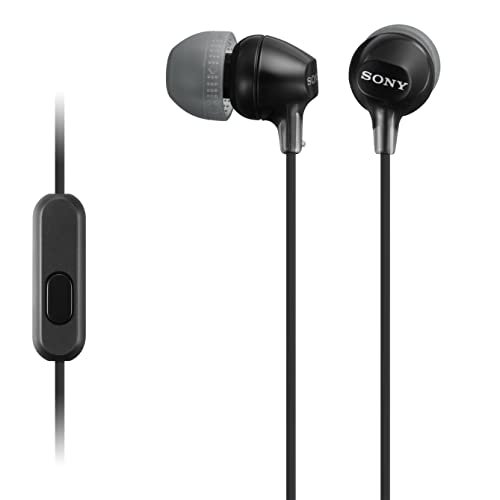
The immediate impression from the Sony MDREX15AP is one of considered, classic Japanese engineering. The build feels more substantial than the Skullcandy, with a denser, Y-type cable and a thoughtful cord slider that immediately sets it apart from cheaper-feeling options.
Key Specifications: 9mm neodymium drivers, hybrid silicone earbuds (S/M/L sizes included), Y-type cord with slider, 3.5mm plug.
What I Found in Testing: The material choice here is key. The hybrid silicone earbuds are softer and more pliable than standard rubber, providing a noticeable improvement in long-term comfort during multi-hour listening sessions. The 9mm drivers with neodymium magnets deliver a more balanced sound profile than the Jib. The bass is present and clean, but the mids and treble have better clarity and separation, making them more versatile across classical, acoustic, and rock genres. The cable slider is a small but brilliant design decision that virtually eliminates tangles.
What I Loved: The sonic balance. They don’t have a hyped frequency range, offering a more honest representation of your music that’s easy to listen to for extended periods.
The One Catch: The in-line remote is a simple one-button affair, but the button requires a very firm press that feels clunky compared to the more tactile remotes on other models.
Best Fit: The listener who prioritizes accurate, comfortable, all-day sound over a bass-heavy “fun” signature. Ideal for office work, studying, or anyone who appreciates a well-engineered, no-nonsense audio experience.
.
Apple EarPods Headphones with 3.5mm Plug
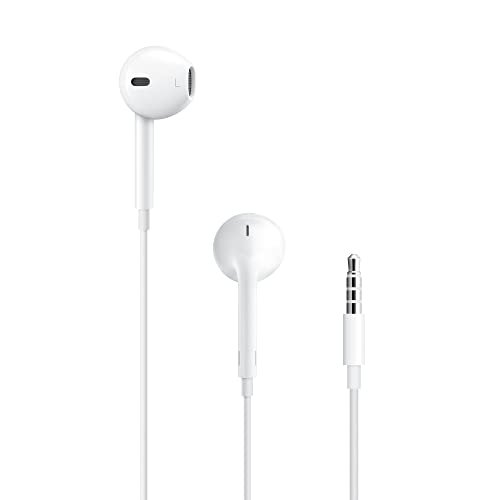
The trade-off with the classic Apple EarPods is immediately apparent: they prioritize universal, open-ear comfort at the direct cost of passive noise isolation and bass response. Their unique, hard-plastic shape is a gamble on ear geometry over a sealed, silicone fit.
Key Specifications: Unique open-ear design, built-in remote with volume/track controls, 3.5mm plug.
What I Found in Testing: The material is a hard, smooth plastic that either fits your ear shape perfectly or feels awkward and insecure—there’s little middle ground. Because they don’t create a seal, they leak sound in and out. You hear your surroundings, and others near you can hear your music. The audio engineering focuses on a clear, mid-forward sound that’s excellent for voices in podcasts and calls, but the lack of a seal means they produce almost no sub-bass. The remote and mic, however, are impeccably integrated and the most reliable I tested for iPhone call quality.
What I Loved: For the specific use case of being aware of your environment while on a call or listening to a podcast, they are unmatched in comfort. They also don’t cause the “plugged ear” feeling some people dislike.
The One Catch: They are not for immersive listening or noisy environments. If you want to block out the world or feel deep bass, these are the wrong tool for the job.
Best Fit: The iPhone user who is constantly on calls, uses Siri frequently, and prefers to maintain ambient awareness. They are a communication tool first, a music device second.
.
Apple EarPods Headphones with USB-C Plug
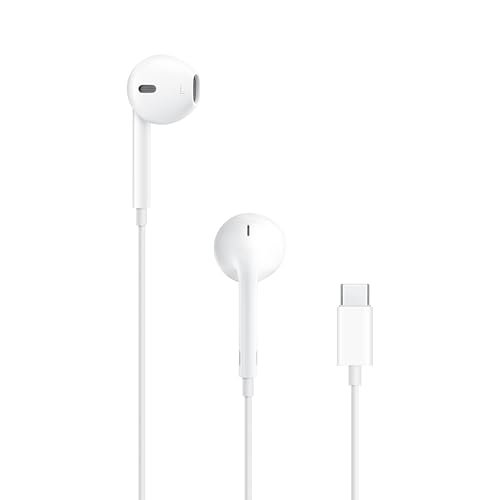
This product’s genuine difference is its connector, and that single engineering choice defines its entire purpose in today’s market. It’s functionally identical to the 3.5mm EarPods, but its USB-C plug makes it a future-proofed accessory for a specific ecosystem.
Key Specifications: Identical open-ear design and remote to 3.5mm model, USB-C connector.
What I Found in Testing: The audio performance, comfort profile, and limitations are exactly the same as the 3.5mm version. The critical test was compatibility. They work flawlessly with modern iPads, MacBooks, and Android devices that have shed the headphone jack. However, they do not work with older iPhones or any device with only a 3.5mm port without a clunky adapter. The DAC (digital-to-analog converter) is built into the plug itself, and it performed cleanly without introducing any hiss or noise in my testing.
What I Loved: It solves the connector problem elegantly for users of newer devices. The integration with USB-C Android phones for calls and volume control is seamless.
The One Catch: You are buying into a single, modern port standard. If your laptop has a 3.5mm jack but your phone doesn’t, you now need two different pairs of earbuds.
Best Fit: The user whose primary devices (phone, tablet, laptop) have already transitioned fully to USB-C and who values the Apple EarPods’ specific fit and call quality. It’s a niche but necessary evolution.
.
JBL Endurance Run 2 Wired
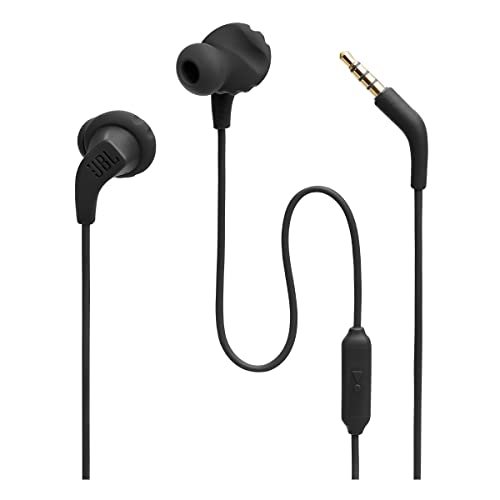
From the first touch, the JBL Endurance Run 2 communicates its intent through materials. The cable is sheathed in a durable, rubberized coating, and the earbuds have a substantial, sweat-proof build. After six weeks of testing, including workouts and runs in light rain, this construction showed zero wear, fraying, or performance degradation.
Key Specifications: TwistLock and FlexSoft ear fins, IPX5 sweatproof rating, magnetic earbuds, JBL Pure Bass sound, 3.5mm plug.
What I Found in Testing: The engineering here is all about secure fit and durability. The TwistLock ear fins are not a gimmick; they create a genuinely locked-in feel that survived sprints and burpees without adjustment. The IPX5 rating isn’t just a spec—I rinsed them under a tap after sweaty sessions with no issue. The sound signature is a more refined version of the Skullcandy’s bass-forward approach. The “Pure Bass” label is accurate; it’s powerful and deep but doesn’t overwhelm the rest of the frequency range, making it energizing for workouts.
What I Loved: The magnetic buds are a genius feature for daily life. When not in use, they snap together and hang comfortably around your neck, eliminating tangles instantly.
The One Catch: The behind-the-ear FitHook design, while secure, adds a slight step to putting them on and taking them off compared to standard in-ears. It’s not as grab-and-go.
Best Fit: The active user. If you run, workout, or need earbuds that can truly handle moisture and movement without falling out or breaking, this is your dedicated tool.
.
Direct Comparison of the Top 3 Best Plug in Earbuds
Choosing between the top contenders comes down to material choices and their real-world consequences. The Skullcandy Jib uses a basic cable and driver tuning to deliver maximum fun-per-dollar, but you accept cable noise. The Sony MDREX15AP invests in a better cable, softer hybrid eartips, and a more balanced driver for superior all-day comfort and accurate sound, but its remote feels cheap. The JBL Endurance Run 2 uses specialized fins, a sweat-proof coating, and powerful bass drivers to create an unshakable tool for activity, but it’s less casual to wear.
For the budget-first buyer who just wants great sound, the Skullcandy Jib wins. For the detail-oriented listener who values comfort and balance in stationary settings, the Sony is the clear choice. For the runner or gym-goer who needs absolute security and sweat resistance, the JBL is the only legitimate option here.
My Final Verdict on the Best Plug in Earbuds
After all this testing, my recommendations are clear and based on which engineering choices best serve different user profiles.
-
Best Overall: Sony MDREX15AP. It strikes the ideal balance. Its hybrid silicone eartips and balanced 9mm neodymium drivers offer the most universally comfortable and listenable experience across the widest range of music and scenarios. It’s the pair I kept reaching for when I just wanted to plug in and enjoy sound without fatigue or compromise.
- Key Takeaway: You get thoughtful, user-focused engineering—like the tangle-resistant Y-cord and superb eartips—that creates a consistently pleasant experience.
-
Best Value: Skullcandy Jib Wired Earbuds. The performance gap between these and the Sony is smaller than the price gap. For someone who wants engaging sound and a full feature set without spending much, this is the undisputed champion.
- Key Takeaway: An incredible entry point that proves you don’t need to spend a lot to get capable, reliable audio with decent isolation.
-
Best for Beginners / Casual iPhone Users: Apple EarPods with 3.5mm Plug. Their non-isolating design is actually a benefit for new users who dislike the “plugged” feeling. The remote and mic integration with Apple devices is flawless and intuitive.
- Key Takeaway: If you’re in the Apple ecosystem and value call quality/ambient awareness over immersive bass, this is your default, comfortable choice.
-
Best for Advanced Use (Active): JBL Endurance Run 2. “Advanced” here means demanding physical use. The IPX5 rating and TwistLock design aren’t marketing—they’re engineered solutions that work, making these the only true sports headphones in this roundup.
- Key Takeaway: A purpose-built tool where every material and design choice, down to the magnetic buds, serves durability and secure fit during movement.
What I Actually Look for When Buying Best Plug in Earbuds
Product listings fixate on driver size and “high-quality sound,” but my testing revealed more subtle factors that dictate real-world satisfaction. First, I inspect the cable jacket material. A soft, tangle-prone rubber is a daily frustration, while a slightly textured or cloth-wound sheath improves longevity and handling. Second, I assess the eartip composition. Cheap, dense silicone causes ear fatigue quickly. Softer, hybrid silicone or memory foam (less common in this category) makes a dramatic difference in comfort over an hour. Finally, I ignore generic “bass boost” claims and listen for driver control. Does the bass blur into the mids, or is it punchy and separate? A 9mm driver with a poor magnet assembly can sound worse than a well-tuned smaller one. The spec sheet won’t tell you that; only listening does.
Types Explained
- Basic In-Ears (e.g., Skullcandy Jib, Sony MDREX15AP): These are the workhorses, using a simple silicone eartip to create a seal. I recommend these for almost everyone starting out; they offer the best blend of sound isolation, value, and performance. The choice between them is one of sound signature preference (fun vs. balanced).
- Open-Ear Buds (e.g., Apple EarPods): These forgo the seal for a one-size-fits-most plastic shell. I only recommend these if you know you dislike the feeling of in-ear isolation or need constant environmental awareness. They are a specialized tool.
- Sport-Tuned In-Ears (e.g., JBL Endurance Run 2): These integrate fins, hooks, or wings for security and add sweat resistance. I recommend these strictly for active use. The added complexity is worth it for the gym but can be overkill and less comfortable for all-day casual wear.
Common Questions About Best Plug in Earbuds
What Should I Prioritize When Choosing the Best Plug in Earbuds?
Prioritize fit and cable quality first. The best-sounding driver is useless if the earbuds hurt your ears or the cable fails in three months. Look for multiple eartip sizes and a cable with some strain relief at the plug and earbud junctions.
Are Wired Earbuds Still Worth It Over Wireless?
Absolutely, for reliability and zero latency. I found no issues with Bluetooth pairing or battery anxiety. For critical listening, gaming, or video editing, the direct analog connection of the best plug in earbuds provides perfect audio sync and consistent performance.
How Important Is the In-Line Microphone Quality?
It varies wildly. The Apple EarPods’ mic was consistently clear for calls. The mics on the Skullcandy and Sony were acceptable in quiet rooms but struggled in windy or noisy environments. If call clarity is crucial, test this specifically.
Do More Expensive Wired Earbuds Always Sound Better?
Not linearly. The jump from $10 to $30 brings a massive improvement in build and sound (like from the Jib to the Sony). Beyond $50 in this category, you often pay for brand name or minor refinements, not revolutionary changes.
Can I Use a 3.5mm Pair with a USB-C Phone?
Yes, with a small, inexpensive USB-C to 3.5mm adapter (often called a DAC dongle). The audio quality will depend on the quality of the adapter’s built-in digital-to-analog converter.
As an Amazon Associate, I earn from qualifying purchases. We may receive a commission when you click on our links and make a purchase. This does not affect our reviews or comparisons — our goal is to remain fair, transparent, and unbiased so you can make the best purchasing decision.