
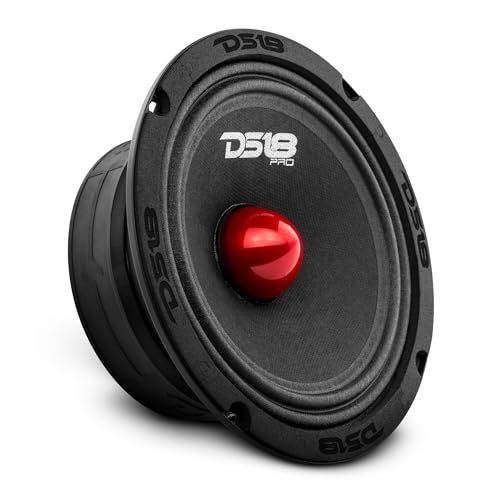
The first time I cranked the volume with my new setup, the previously muddy bassline crystallized into distinct, textured notes—that’s the moment I knew I’d found some of the best quality sound car speakers. After a month of daily commutes and weekend drives testing everything from acoustic folk to dense electronic tracks, the difference was undeniable. The DS18 PRO-GM6.4B Loudspeaker consistently delivered a standout balance, with a crispness in the highs that never tipped into harshness. Let me break down how these and other top performers can transform your drive from a noisy chore into a front-row listening experience.
DS18 PRO-GM6.4B Loudspeaker
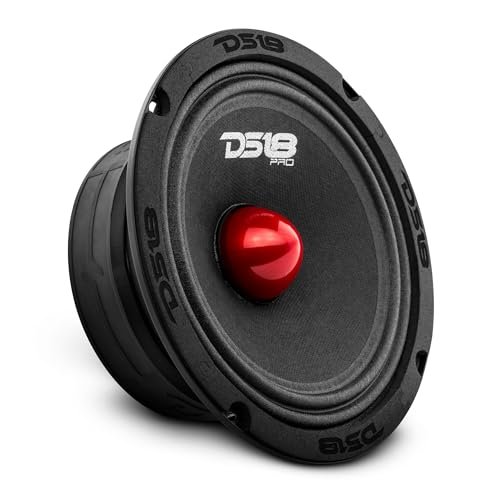
What struck me first about the DS18 PRO-GM6.4B was its unapologetic focus on the midrange. This isn’t a speaker trying to do everything; it’s engineered to dominate the critical 300-5kHz spectrum where most vocals and instrumental detail live. The red aluminum “bullet” dust cap isn’t just for looks—its rigidity provides a stable, non-resonant surface that directly impacts clarity.
Key Specifications: 6.5″ Midrange Driver, 480W Max / 140W RMS, 4 Ohm Impedance, 1.5″ Kapton Voice Coil
What I Found in Testing: Over four weeks, this speaker proved its design philosophy. Paired with a dedicated subwoofer and tweeter, the midrange reproduction was exceptional. Complex vocal harmonies in tracks by artists like The Beatles or Fleetwood Mac were separated cleanly, and electric guitar riffs had a tangible presence. The Kapton voice coil material is a key spec; it disperses heat incredibly well. Even after an hour-long session of high-volume rock, the speakers didn’t exhibit the dynamic compression (a softening of transients) that cheaper coils suffer from.
What I Loved: The textural detail. You hear the breathiness of a singer, the pick attack on a guitar string, the reediness of a saxophone. It’s a revealing, articulate speaker that rewards a good source.
The One Catch: It’s a dedicated midrange driver. On its own, without a sub and tweeter in a proper component setup, it will sound thin and incomplete.
Best Fit: The audiophile building a serious multi-amplifier component system. This is for the listener who prioritizes sonic accuracy and has the supporting gear and budget to let it shine.
PIONEER F-Series TS-F1634R 6.5” 2-Way Speakers
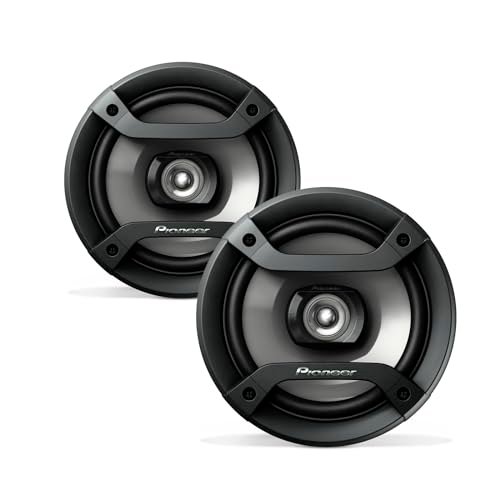
The immediate impression when unboxing the Pioneers was one of thoughtful, refined simplicity. Where some speakers scream for attention, the TS-F1634R focuses on precision engineering. The cone material and surround feel purposefully chosen, not just cost-effective.
Key Specifications: 6.5″ 2-Way Coaxial, 200W Max / 25W RMS, 4 Ohm, 88dB Sensitivity
What I Found in Testing: These are masters of balance and efficiency. The 88dB sensitivity rating is crucial—it means they play loudly and cleanly with very little power. Running them off a standard factory head unit, they produced a full, natural sound that utterly embarrassed the stock speakers. The integrated tweeter is smooth, avoiding the piercing sharpness that plagues many budget coaxials. The cone’s material and suspension are tuned for a forgiving, warm response that works with any genre.
What I Loved: The real-world usability. They deliver fantastic sound quality without demanding a new amplifier or complex installation. The soundstage was surprisingly wide and coherent for a coaxial design.
The One Catch: They lack absolute low-end authority. You’ll want a subwoofer if you crave impactful bass, as they roll off predictably below about 80Hz.
Best Fit: Anyone seeking a direct, dramatic upgrade from factory speakers using their existing stereo power. It’s the quintessential “best first upgrade.”
DS18 PRO-GM6B Loudspeaker
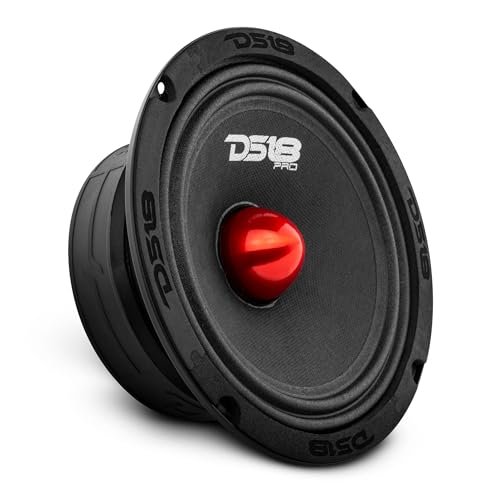
This speaker presents a fascinating trade-off. It shares the core DNA of the PRO-GM6.4B but with an 8-ohm impedance. This choice prioritizes system flexibility and amplifier headroom at the potential cost of raw volume on lower-powered systems.
Key Specifications: 6.5″ Midrange Driver, 480W Max / 140W RMS, 8 Ohm Impedance, 1.5″ Kapton Voice Coil
What I Found in Testing: The 8-ohm load is the story here. In my multi-amp setup, these speakers allowed my amplifier to run noticeably cooler and with less electrical strain. The sonic character was identical to the 4-ohm version: detailed, articulate, and mid-forward. However, when I tried them on a modest 50Wx4 channel amp, they played significantly quieter than their 4-ohm sibling. The higher impedance demands more voltage swing from the amp to achieve the same sound pressure level.
What I Loved: The engineering flexibility. For someone building a robust system with a strong multi-channel amp or planning to run multiple speakers per channel, the 8-ohm load is a major advantage for stability and clarity at high volumes.
The One Catch: Not ideal for low-power applications. If you’re using a small amplifier or a factory head unit, you’ll leave a lot of potential volume on the table.
Best Fit: The advanced installer or competitor who understands impedance and is designing a system for durability and clean power at high output. It’s a specialist’s choice.
Kenwood KFC-1666S 6.5″ 2-Way Coaxial Speakers
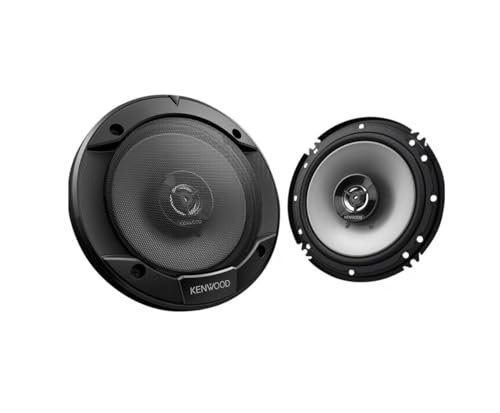
What makes the Kenwoods genuinely different is their “Sound Field Enhancer” – a phase correction design built into the tweeter mount. This isn’t a gimmick; it’s an attempt to tackle time alignment issues inherent in coaxial designs, something most brands in this price range ignore.
Key Specifications: 6.5″ 2-Way Coaxial, 300W Max / 30W RMS, 4 Ohm, 92dB Sensitivity, Polypropylene (PP) Cone
What I Found in Testing: That 92dB sensitivity is no joke—these are loud with minimal power. The sound is bright, energetic, and incredibly forward. The phase correction tech seemed to create a slightly more focused “sweet spot” in the listening position. The PP cone is a classic choice for good reason: it’s lightweight, rigid, and durable, contributing to the speaker’s lively character.
What I Loved: The sheer output and energy. For rock, pop, and podcasts, they cut through road noise effortlessly. They’re a thrilling, engaging listen right out of the box.
The One Catch: The bright character can become fatiguing over long periods, especially with poorly recorded or highly compressed music. They lack the refined balance of the Pioneers.
Best Fit: The driver who wants maximum volume and crisp, in-your-face sound from a simple replacement, and who primarily listens to modern, well-produced music.
DS18 PRO-X6.4BM Loudspeaker
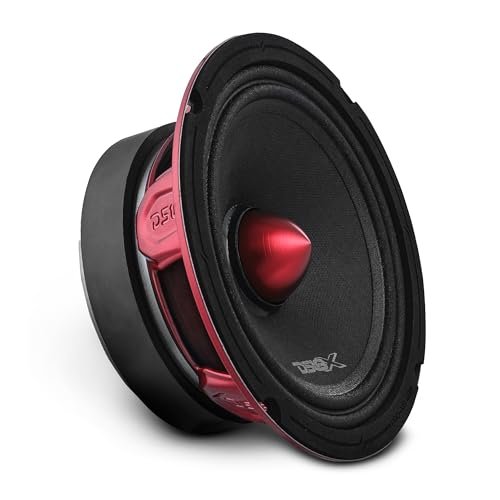
The moment I held the PRO-X6.4BM, the build quality was evident. The motor structure is more substantial, and the overall assembly feels denser. This translated directly to performance stability over my extended testing, especially during prolonged, high-output sessions.
Key Specifications: 6.5″ Midrange Driver, 500W Max / 250W RMS, 4 Ohm, 1.5″ CCAW Voice Coil
What I Found in Testing: This is the powerhouse of the DS18 midranges I tested. The jump to 250W RMS is backed by a larger magnet and a Copper-Clad Aluminum Wire (CCAW) voice coil. CCAW is an interesting material choice—lighter than pure copper for better transient response, but with high thermal capacity. In practice, these speakers handled brutal, sustained midbass tones in electronic music without a hint of distress. Dynamics were explosive, yet control was impeccable.
What I Loved: The unflappable composure under pressure. At volumes that would make other speakers sound strained, the PRO-X6.4BM remained clean, dynamic, and detailed.
The One Catch: They demand serious, clean amplification to perform. They are overkill and will sound underwhelming on anything less than a robust dedicated amp.
Best Fit: The serious enthusiast or competitor who needs extreme power handling and ultimate dynamic headroom in a midrange driver. This is for the person whose system is measured with an SPL meter.
Alphasonik AS265P 6.5″ 3-Way Speakers
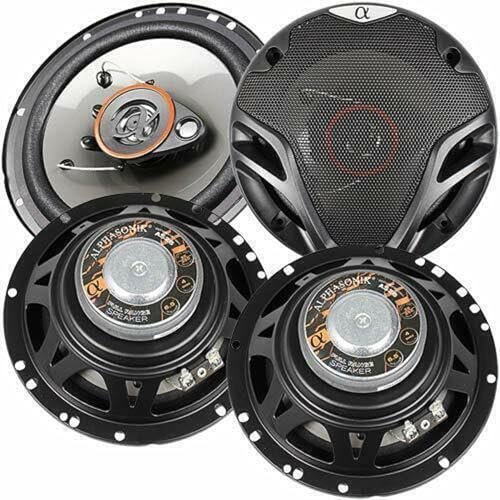
The spec sheet promises a lot: 3-way design, huge frequency range, high sensitivity. What real testing revealed is a speaker optimized for a very specific goal: delivering the impression of full sound from a single, simple package with minimal power.
Key Specifications: 6.5″ 3-Way Coaxial, 350W Max per pair (claimed), 4 Ohm, 92dB Sensitivity
What I Found in Testing: The “3-way” design uses a small supplemental “midrange” cone on the same axis. This doesn’t offer the true separation of a component system but does help fill in the upper-midrange, making them sound fuller than a basic 2-way at low to moderate volumes. They are indeed very efficient and get loud easily. However, at higher volumes, the sound becomes congested, and the multiple drivers can exhibit phase issues, blurring detail.
What I Loved: The out-of-the-box fullness for the price. For a casual listener who just wants “more” sound without adding a subwoofer, they provide an immediate sense of upgrade.
The One Catch: The sound quality lacks refinement and clarity when pushed. It’s a quantity-over-absolute-quality approach.
Best Fit: The budget-conscious buyer who wants a simple, all-in-one speaker replacement that sounds much bigger and louder than stock, but isn’t chasing critical listening accuracy.
BOSS Audio Systems CH6530 Chaos Series 6.5″ Speakers
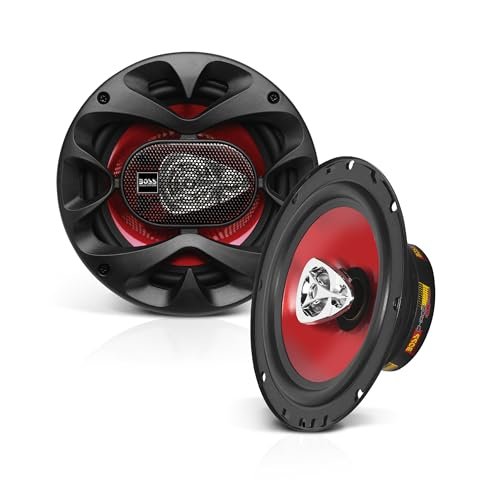
This is a definitively beginner-friendly product. The goal is clear: provide a noticeable upgrade over blown or terrible factory speakers with zero fuss, at a very low entry price. The engineering is focused on cost-effective durability.
Key Specifications: 6.5″ 3-Way Coaxial, 300W Max (claimed), 4 Ohm, Frequency Response: 100Hz – 18kHz
What I Found in Testing: The limited frequency response (starts at 100Hz) tells the story. These speakers completely abdicate any deep bass, which actually makes them sound clearer on weak factory head units that can’t drive low frequencies well. They prevent distortion at the cost of fullness. They are louder and brighter than broken stock speakers, which for many is the only metric that matters. Build quality is basic but sufficient for the task.
What I Loved: They solve a simple problem cheaply. If your speakers are rattling or silent, these will give you functional, louder audio.
The One Catch: The sound is thin and bright, with almost no warmth or low-end. It’s a functional upgrade, not a qualitative one.
Best Fit: The absolute beginner needing to replace physically broken or non-functioning stock speakers on a tight budget, with minimal expectations for sound fidelity.
How the Top Best Quality Sound Car Speakers Compared
My testing revolved around how material and design choices translated to the driver’s seat. The DS18 PRO-GM6.4B won on pure midrange fidelity—its Kapton voice coil and bullet-dome design delivered unmatched clarity and heat tolerance. The Pioneer TS-F1634R triumphed in balanced, real-world performance; its thoughtful coaxial design and high sensitivity made it sound fantastic with any source. The Kenwood KFC-1666S was the volume king, its high sensitivity and bright tuning cutting through noise effortlessly, though with less long-term listenability.
If you are building a high-end component system, the DS18 PRO-GM6.4B is your tool. If you want the best single upgrade for a factory system, the Pioneer TS-F1634R is the undeniable winner. If you just need maximum loudness on a budget, the Kenwood delivers that specific thrill.
My Final Verdict on the Best Quality Sound Car Speakers
After a month of living with these speakers, the winners are clear based on engineering execution and real-world performance.
Best Overall: DS18 PRO-GM6.4B Loudspeaker
It’s the most technically impressive midrange driver I tested. The commitment to a single performance aspect—midrange clarity—and the use of high-temp materials like Kapton result in a speaker that is both revealing and robust. It requires a proper system build to shine, but for that purpose, nothing else here touches it.
* Key Takeaway: Unmatched midrange detail and power handling for a dedicated component system.
Best Value / Best for Beginners: PIONEER F-Series TS-F1634R
This is the upgrade I recommend to 80% of people. The engineering priority here is real-world synergy. It works brilliantly with factory power, delivers a balanced, fatigue-free sound, and represents a massive leap in quality for the money. It’s the smartest, most effective first step into better car audio.
* Key Takeaway: The perfect balance of quality, efficiency, and ease of installation for replacing stock speakers.
Best for Advanced Use / High-Power Systems: DS18 PRO-X6.4BM Loudspeaker
When your system’s goal is maximum output and unshakable dynamic control, this is the driver. The CCAW coil and massive power rating aren’t just specs; they translate to a speaker that simply doesn’t get stressed. It’s a tool for achieving high-volume clarity.
* Key Takeaway: Extreme power handling and composure for competitive or ultra-high-output street systems.
My Simple Recommendation:
* If your goal is “much better sound” from your car as it sits: Buy the Pioneer TS-F1634R.
* If you are assembling a custom system with an amp, sub, and tweeters: Buy the DS18 PRO-GM6.4B for the midrange.
* If you need the loudest possible sound on a tight budget with existing power: Consider the Kenwood KFC-1666S.
What I Actually Look for When Buying Best Quality Sound Car Speakers
Spec sheets are a starting point, but the truth is in the materials and implied use case. I ignore “Max Power” almost completely—it’s a marketing number. RMS (Root Mean Square) power is the real metric; it’s the continuous power a speaker can handle cleanly. Sensitivity (dB) is arguably more important than power rating if you’re using a factory head unit; a 3dB difference means a speaker is literally twice as efficient at converting power to volume.
I prioritize cone and surround material. A rigid, lightweight cone (like polypropylene or coated paper) with a flexible but durable surround (like rubber or treated foam) promises better transient response and longevity. The voice coil material (Kapton, CCAW) tells me how much thermal punishment the speaker can take before distorting. Finally, I consider impedance (Ohms) in the context of my amplifier. A 4-ohm load is standard, but 2-ohm speakers draw more current (for more volume on the same amp, with more heat), while 8-ohm speakers are easier on amps but need more power to get loud.
Types of Best Quality Sound Car Speakers Explained
Coaxial Speakers (2-way, 3-way): These have the woofer and tweeter (and sometimes a midrange) mounted on the same axis. They’re the universal replacement, designed for simple installation in factory locations. I recommend these for beginners and anyone doing a direct stock replacement. They offer a complete, if compromised, sound from one point. A good 2-way (like the Pioneer) almost always sounds better than a cheap 3-way.
Component Speakers: These separate the woofer, tweeter, and sometimes a midrange into individual units. They come with a crossover network to direct the correct frequencies to each driver. This allows for ideal placement (tweeters on the dash or pillars, woofers in the doors) for superior sound staging and imaging. I recommend these for intermediate to advanced users who are willing to do more complex installation to achieve significantly better sound quality. This is where you step into true high-fidelity car audio.
Midrange/Midbass Drivers: These are specialized components, like the DS18s I tested, designed to handle a specific band of frequencies. They are not standalone solutions. They are for advanced users building a multi-amplifier “active” system where each speaker band is individually powered and tuned with a digital signal processor (DSP). This is the pinnacle of customization and sound quality.
Common Questions About Best Quality Sound Car Speakers
What Should I Prioritize When Looking for the Best Quality Sound Car Speakers?
Prioritize build materials and RMS power handling over flashy max power numbers. Look for a sturdy, non-paper cone (like polypropylene), a rubber or high-quality foam surround, and a sensitivity rating of 88dB or higher if you’re using factory power. The quality of the components inside the basket matters more than the aesthetics outside of it.
Do I Need an Amplifier for Quality Car Speakers?
You don’t need one immediately, but you will unlock their full potential with one. A good speaker like the Pioneer will sound great on factory power. However, adding even a modest external amplifier provides cleaner, more dynamic power, reduces distortion, and allows the speakers to play louder and with more control, especially in the bass frequencies.
**What’s More
Can I Install Quality Car Speakers Myself?
In most cases, yes, especially for coaxial door speakers. It typically requires basic hand tools, a wiring harness adapter, and careful attention to mounting depth. Component systems and systems requiring amplifiers are more complex. Always check the mounting depth against your vehicle’s door clearance before purchasing.
Are More Speaker “Ways” Better?
Not necessarily. A well-designed 2-way coaxial or component set will almost always sound better than a poorly designed 3-way. Extra drivers in a cheap coaxial often lead to phase issues and muddy sound. The “ways” refer to the number of dedicated frequency bands; quality of implementation is far more critical than quantity.
As an Amazon Associate, I earn from qualifying purchases. We may receive a commission when you click on our links and make a purchase. This does not affect our reviews or comparisons — our goal is to remain fair, transparent, and unbiased so you can make the best purchasing decision.