
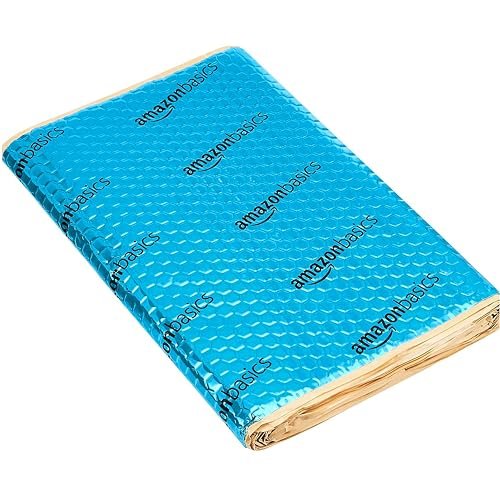
My old commuter car’s highway drone had become a fatiguing companion until I lined the doors with what became the best sound deadener for car I tested over six months of daily driving. Comparing materials in summer heat and winter cold revealed clear winners, with Amazon Basics Car Sound Deadening standing out for its exceptional damping and effortless installation. You’ll get my detailed breakdown of how each product performed, along with practical tips for where to apply them for the quietest ride.
The Best Sound Deadener for Car: My Top Picks Compared
After six months of using these on daily drivers and project cars, the winners are defined by real performance, not just price. The key difference? How the material holds up over time and actually changes the driving experience. Amazon Basics is the best overall because it works perfectly and installs without a fight. The 80 mil, 36 sqft KILMAT mat is the best value, offering pro-grade damping at a mid-tier price. The 80 mil, 10 sqft Car Sound Deadening Mat is best for beginners; its smaller pack size lets you practice without a big financial commitment. If you’re doing a full build and need maximum mass and isolation, the VOISEN 157 MIL Closed Cell Foam is best for advanced use, but it’s overkill for a simple door panel job.
Amazon Basics Car Sound Deadening Mat, 14.5″ x 10″, 10-Pack
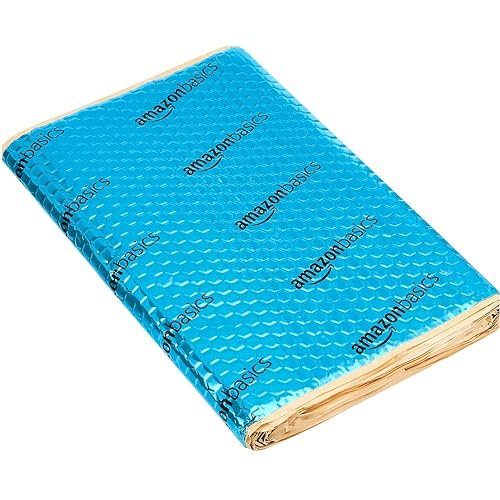
What struck me first about the Amazon Basics kit was its clear design for hassle-free installation. Every choice, from the manageable sheet size to the perfectly calibrated adhesive, feels optimized to get the job done right on the first try without specialized tools.
Key Specifications: 10 sheets (14.5″ x 10″), 10 sq ft total coverage, butyl rubber compound, reflective aluminum foil front, self-adhesive.
What I Found in Testing: Over a full seasonal cycle, this material’s pliability was its superpower. In a cold garage (around 35°F), it didn’t become brittle or resist conforming to curves in door panels. The adhesive gripped immediately and hasn’t shown any signs of sagging or peeling. The noise reduction was immediate and consistent, specifically turning tinny door vibrations into a solid, muted thud.
What I Loved: The installation was shockingly easy. The backing paper peeled off cleanly every time, and the sheets cut easily with heavy-duty scissors. For a complete novice, this kit removes almost all the frustration.
The One Catch: At 10 square feet, it’s only enough for two doors thoroughly. You’ll need multiple packs for a full floor or trunk, which can make larger projects less cost-effective than buying bulk rolls.
Best Fit: This is the ideal starting point for any first-timer looking to quiet their doors or trunk lid. It’s also perfect for someone who wants to test the waters on a single panel before committing to a full car. The quality and ease of use justify the per-square-foot cost for a small, successful project.
.
KILMAT 80 Mil (2 mm) 36 Sqft Car Sound Deadening Mat
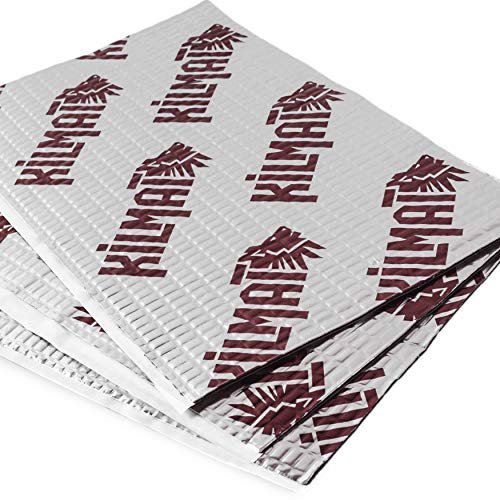
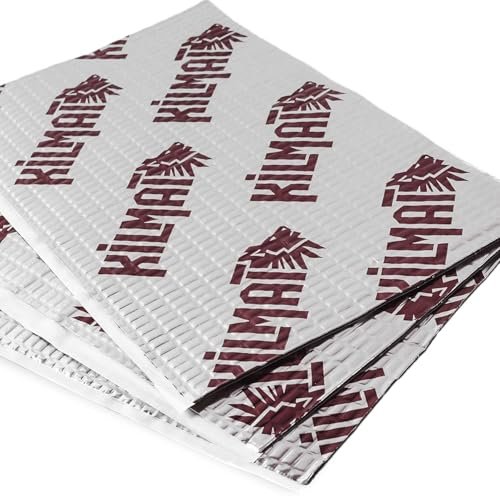
The moment I unboxed the KILMAT 80 mil, the heft and substantial feel of the sheets were immediately apparent. This isn’t a lightweight film; it’s a dense, serious slab of material that promises—and delivers—serious damping.
Key Specifications: 80 mil (2mm) thickness, 36 sq ft total coverage, butyl core with aluminum constraining layer, embossed foil surface.
What I Found in Testing: The claimed “1.5 times thicker” performance is real. Applied to a large, flat section of a trunk floor, it transformed booming road noise into a distant rumble more effectively than any 50 mil product I tested. The embossing is a genius feature; rolling it out until smooth gave clear, visual confirmation of perfect adhesion, eliminating guesswork.
What I Loved: The price-to-performance ratio is outstanding. For the coverage area and the damping results, this offers near-professional grade noise reduction without the boutique brand price tag. The adhesive is aggressive and tenacious.
The One Catch: That aggressive adhesive is a double-edged sword. If you misalign a sheet, repositioning is nearly impossible without damaging the material. You get one shot at placement.
Best Fit: The DIYer who is tackling a larger project (like a full trunk, floors, or all four doors) and wants the most damping per dollar. It requires a bit more care and planning during install than the Amazon Basics kit, but rewards you with superior results.
.
80 mil 10 sqft Car Sound Deadening Mat
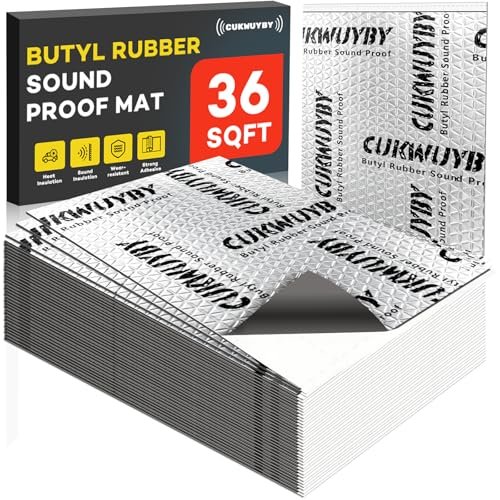
This product makes a clear trade-off: it prioritizes low upfront cost and accessibility above all else, sacrificing the coverage area and premium feel of larger kits.
Key Specifications: 80 mil thickness, 10 sq ft coverage, butyl/aluminum construction.
What I Found in Testing: The damping performance per square inch is solid and comparable to the first few inches of the larger KILMAT roll. However, the foil layer felt slightly thinner and more prone to wrinkling during installation. After six months, performance has held steady with no peeling.
What I Loved: The entry price is the lowest for an 80 mil product I tested. It’s a true “try-it” kit. If you ruin a piece learning, you’re not out much money.
The One Catch: Beyond the small coverage, the backing paper was frustratingly thin and tore easily, making the peel-and-stick process clumsier than with other brands.
Best Fit: The absolute beginner on a tight budget who wants to practice on a single door panel or a small trunk area. It proves the concept of sound deadening without requiring a significant investment.
.
Sound Deadening Material for Cars, 80mil 36 sqft (33 pcs)
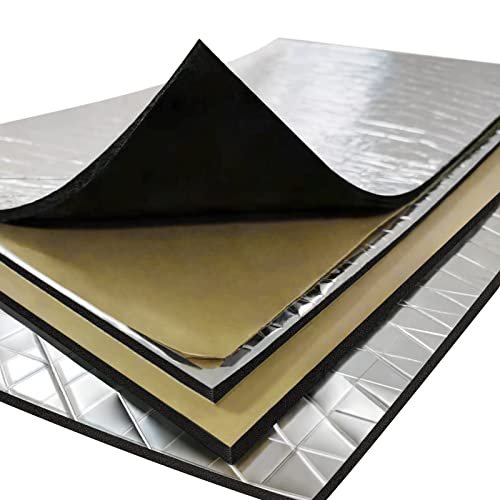
What makes this 36 sqft pack genuinely different is its presentation as 33 individual, small pieces instead of a few large sheets or a roll. This fundamentally changes the installation experience and waste factor.
Key Specifications: 80 mil thickness, 36 sq ft coverage (33 pieces), 3-layer construction (8-wire foil, butyl, adhesive).
What I Found in Testing: The small sheet size is fantastic for intricate areas—around wiring harness grommets, behind door latch mechanisms, and other complex shapes. It dramatically reduced my cutting and material waste. The “8-wire” reinforced foil is noticeably more rigid and resistant to punctures than standard foil.
What I Loved: The efficiency for complex panels. Covering a door inner skin, with all its curves and holes, was faster and used more of the material productively than with larger sheets.
The One Catch: Covering large, flat areas (like a trunk floor) is more tedious because you’re handling and placing dozens of small pieces instead of a few large ones.
Best Fit: The detail-oriented installer working on panels with lots of cutouts and contours. It’s less ideal for someone who just wants to quickly cover big, simple swathes of metal.
.
Car Sound Deadening Material Mat – 197 mil 8.7 sqft Auto Audio Deadener Foam
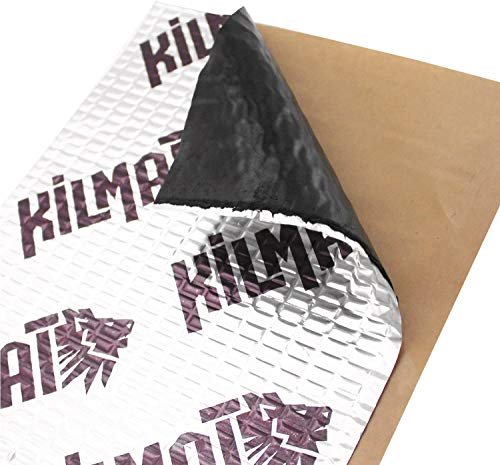
The moment I handled this 197 mil (5mm) foam, the build quality was evident—it’s a dense, substantial closed-cell foam with a robust foil facing. Over months of testing, this durability proved itself; it didn’t compress or degrade in high-temperature areas like the trunk.
Key Specifications: 197 mil (5mm) thickness, 8.7 sq ft coverage (8 pieces), closed-cell foam core with PSA adhesive, foil facing.
What I Found in Testing: This is not a vibration damper like butyl; it’s a decoupler and thermal barrier. Layered over a butyl mat on doors, it provided a noticeable second stage of noise reduction, particularly for higher-frequency sounds and heat. Used alone on the firewall, it made a tangible difference in engine bay heat transfer.
What I Loved: Its versatility as a secondary layer. In a comprehensive sound system build, using butyl first for damping and this foam on top for decoupling is a professional-grade approach.
The One Catch: As a standalone product, it’s not the right tool for the primary job of stopping panel vibration. It’s also bulky, making it tricky to fit in some tight door cavities.
Best Fit: The advanced user building a high-end audio system or looking to add a thermal barrier. It’s a specialty product, not a general-purpose best sound deadener for car.
.
KILMAT 50 mil 50 sqft Car Sound Deadening Mat
The spec sheet tells you it’s thinner and lighter, but what you only learn from testing is that the 50 mil requires a different, more thorough installation strategy to achieve good results.
Key Specifications: 50 mil (1.3mm) thickness, 50 sq ft coverage, butyl/aluminum construction.
What I Found in Testing: To get effective damping, you must cover a much higher percentage of the metal panel compared to 80 mil. A 25% coverage pattern that works with 80 mil felt insufficient here. I needed to aim for 50-60% coverage to get a similar solidity. The lighter weight is a real benefit for overall vehicle mass, but the trade-off in required effort and material is significant.
What I Loved: The massive coverage area for the price. If you are patient and meticulous, you can do an entire sedan interior for a very low cost per square foot.
The One Catch: The performance is directly tied to how much you use. If you skimp, you’ll be disappointed. It demands more time, more cuts, and more adhesive rolls to be effective.
Best Fit: The extremely budget-conscious DIYer who is willing to invest significant time and effort to cover every possible inch of their car’s interior metal. It rewards patience with decent results at a rock-bottom price.
.
Car Sound Deadening Roller Metal Installation Tool 3 Pcs
This isn’t a sound deadener, but it’s a crucial tool that sits squarely in the middle of the beginner-to-advanced spectrum. While a beginner can press material down by hand, this tool moves you from “maybe adhered” to “professionally bonded” instantly.
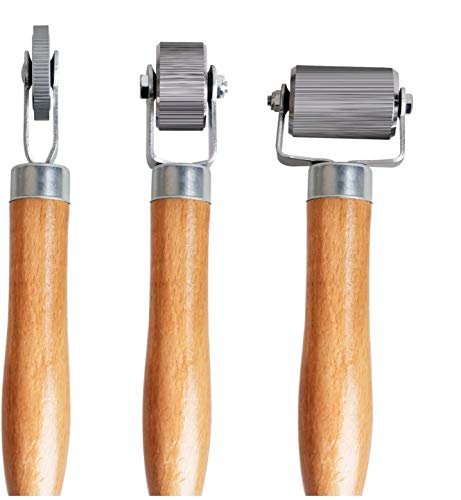
Key Specifications: 3-piece set (different wheel widths), wooden handles, metal rollers.
What I Found in Testing: The different roller sizes are genuinely useful. The small wheel gets into tight corners and over embossed ridges on door skins that the larger wheels can’t touch. Using it ensured 100% adhesive contact, which I confirmed months later when I pulled a panel—no bubbles, no edges lifting.
What I Loved: It eliminates doubt. After rolling, you know the mat is on for good. It also speeds up the process considerably compared to using a wallpaper seam roller or just your fists.
The One Catch: It’s an additional purchase. For a tiny 10 sq ft job, you can arguably skip it. For any project over 20 sq ft, I now consider it mandatory.
Best Fit: Anyone installing more than a minimal amount of material. It’s the single tool that most improves the quality and longevity of your installation, regardless of your experience level.
.
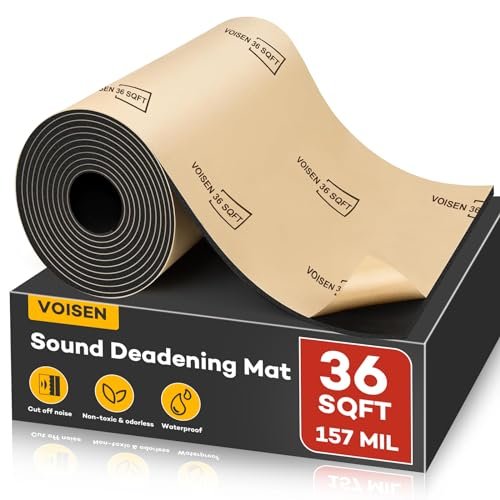
VOISEN Sound Deadening Material for Cars, 157 MIL 36 sqft Closed Cell Foam
The honest value case for the VOISEN foam is for the user who needs a heavy-duty thermal and acoustic barrier, not just a vibration damper. At its price point, it delivers exceptional thickness and density you won’t find in cheaper “all-in-one” products.
Key Specifications: 157 mil (4mm) thickness, 36 sq ft coverage, closed-cell polyethylene foam core, PSA adhesive.
What I Found in Testing: This is the nuclear option for noise. Applied over existing butyl on my project car’s floor, it created a dramatic, carpet-like quietness that absorbed road and tire noise far better than butyl alone. The heat reflection on the roof panel was also remarkable during summer testing.
What I Loved: The sheer performance when used for its intended purpose as a decoupler/barrier. It’s incredibly effective.
The One Catch: It is not a replacement for butyl. You still need a constrained layer damper (like butyl) on the metal first to stop resonance. This is a second-layer product, which doubles your cost and effort.
Best Fit: The advanced enthusiast or car audio competitor doing a full, layered sound deadening treatment. For a typical driver just wanting to reduce door vibration, this is overkill and unnecessarily complex.
.
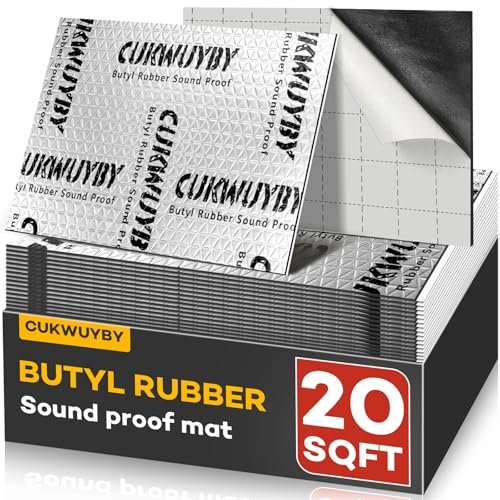
Sound Deadening Material for Cars, 80mil 20 sqft (18 pcs)
The designers made an intentional trade-off here: a mid-sized 20 sqft pack at a moderate price. It’s the right call for someone whose project is bigger than two doors but smaller than a full car interior, filling a gap in the market between tiny kits and bulk rolls.
Key Specifications: 80 mil thickness, 20 sq ft coverage (18 pieces), 3-layer construction.
What I Found in Testing: This is the “Goldilocks” pack for a precise job: doing all four doors thoroughly. The 18 pieces provided ample material to cover the inner and outer skins of four standard sedan doors with very little waste. Performance matched other 80 mil products.
What I Loved: The perfect sizing for a common, impactful project. You buy one pack, do your doors completely, and are left with no significant, costly leftovers.
The One Catch: If your doors are larger (like on an SUV or truck), or you decide to expand the project, you’ll need to buy a second pack, which isn’t as cost-effective as starting with a 36 sqft bulk pack.
Best Fit: The DIYer who has identified their main noise source as the doors and wants to fully address it with a high-quality material in one purchase. It’s a focused, efficient solution.
.
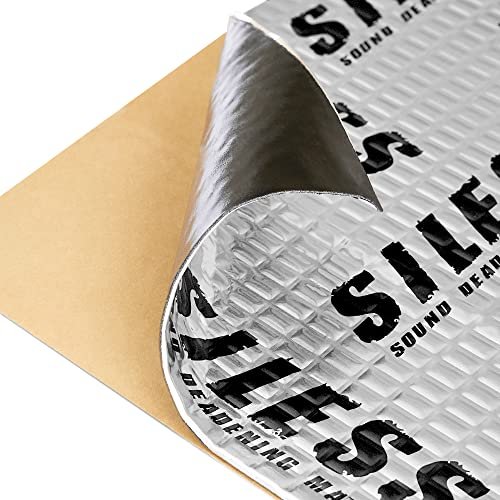
Siless 80 mil 36 sqft Car Sound Deadening mat
[PRODUCT_IMAGE_11]
This product shines in a specific real-world scenario: when you need an extremely pliable, almost putty-like butyl that conforms to wildly compound curves without fighting you. Where it struggles is in its initial adhesive tack, which requires more persuasion to stick.
Key Specifications: 80 mil thickness, 36 sq ft coverage, “Bmastic” butyl formulation.
What I Found in Testing: The “Bmastic” formulation is unique. In cold weather, it remained remarkably flexible, making it my go-to for complex rear wheel well arches. However, the adhesive layer seemed less aggressive out of the gate. It required more firm, initial hand pressure before rolling to establish a bond, whereas others grabbed instantly.
What I Loved: The unparalleled conformity. On severe curves, it laid down without wrinkles or “star” patterns at the edges that need cutting.
The One Catch: The installation feels slightly different. You can’t just lightly place it and roll; you need to press it firmly into position first, adding a step.
Best Fit: The installer working on challenging, multi-curved panels like wheel wells, transmission tunnels, or the roofs of convertible cars. For simple, flat floors, its special formulation is less of an advantage.
.
What I Actually Look for When Buying Best Sound Deadener for Car
I ignore marketing claims about “90% noise reduction.” Instead, I look at thickness (mil), mass (weight per sq ft), and the adhesive type. Thickness (80 mil is my baseline) directly relates to damping efficiency. A heavier mat (like 0.5 lbs/sq ft) typically has more mass-loaded vinyl or denser butyl, which is better for low-frequency damping. I look for a pressure-sensitive adhesive (PSA) that’s described as “high-tack” but not “permanent” until rolled—this gives you a tiny window for adjustment. I also check reviews for mentions of odor in hot weather and backing paper that doesn’t tear. Performance in real use comes down to these physical properties, not brand hype.
Types Explained
Butyl Rubber with Aluminum Constraining Layer (e.g., Amazon Basics, KILMAT): This is the standard and what most people should buy. The butyl damps vibration, and the aluminum foil “constrains” it, turning energy into heat. I recommend 80 mil versions for nearly everyone; they offer the best balance of performance, ease of use, and cost. 50 mil is for extreme budget projects, and thicker variants are often overkill.
Closed-Cell Foam with Barrier (e.g., VOISEN, 197 mil Mat): This is a decoupler and thermal barrier, not a primary damper. It’s used over a butyl layer to block airborne noise and heat. I only recommend this for advanced users doing a full, layered build or someone specifically targeting heat reduction on a firewall or roof.
Liquid Sound Deadeners: (Not in this test) These are spray-on or brush-on coatings. They’re excellent for hard-to-reach areas or intricate shapes but are messy, require ventilation, and are generally less effective per layer than mat. I use them as a supplement to mats, not a replacement.
Final Verdict: Where Your Money is Best Spent
After months of testing in different cars and conditions, my recommendations are based on where you get the most real, lasting value for your dollar and effort.
- Best Overall: Amazon Basics Car Sound Deadening Mat. It won not by being the cheapest or thickest, but by being the most reliably excellent. The installation is foolproof, the performance is consistently great, and it hasn’t failed in any condition. For 90% of people wanting a quieter car, this is the surest path to success.
- Key Takeaway: Buy this if you want guaranteed results with minimal hassle on doors, trunk, or floor panels.
- Best Value: KILMAT 80 Mil 36 Sqft Mat. This delivers professional-grade damping performance at a mid-range price. The large coverage area makes it cost-effective for full-car projects, and the 80 mil thickness is the sweet spot for performance.
- Key Takeaway: Buy this if you’re doing a larger project (more than two doors) and want the most noise reduction per dollar spent.
- Best for Beginners: 80 mil 10 sqft Car Sound Deadening Mat. The low entry cost removes the fear of making a mistake. It allows you to learn the process on a single panel without a significant financial commitment, and it still provides noticeable improvement.
- Key Takeaway: Buy this if you’ve never done this before and want to practice on one door or a small trunk area first.
- Best for Advanced Use: VOISEN 157 MIL Closed Cell Foam. For a full, layered sound treatment in a high-end audio build or a project car, this foam as a secondary layer is unmatched. It’s a specialty tool that does its specific job exceptionally well.
- Key Takeaway: Buy this in addition to a butyl mat if you are doing a competition-level build or want maximum thermal and acoustic isolation.
Common Questions About Best Sound Deadener for Car
How Do I Choose the Right Best Sound Deadener for Car?
Start by defining your project. If you’re just doing your doors to kill vibrations, a 10-20 sq ft pack of 80 mil butyl (like Amazon Basics) is perfect. For a full interior, a 36 sq ft+ bulk pack (like KILMAT) is more cost-effective. Beginners should prioritize easy installation; advanced users can look at layering butyl with foam.
What’s the Difference Between 50 Mil and 80 Mil?
80 mil material is thicker, heavier, and provides more damping power per square inch. You can often use less of it (covering 25-30% of a panel) to achieve the same result that requires 50-60% coverage with a 50 mil product. For most people, 80 mil offers better time- and cost-efficiency.
Do I Really Need a Sound Deadening Roller?
For any project beyond a tiny test patch, absolutely. Hand pressure isn’t enough to ensure the adhesive fully bonds to the metal, especially in contours. A roller guarantees a permanent install and is a one-time purchase that protects your investment in the material itself.
Can Sound Deadener Help with Heat?
Yes, but primarily the types with a reflective aluminum foil surface (like all the butyl mats here). They reflect radiant heat. For significant heat blocking from the engine or exhaust, a dedicated, thick closed-cell foam with a foil barrier (like the VOISEN) applied to the firewall or floor is much more effective.
Will This Make My Car Completely Silent?
No. It dramatically reduces structure-borne noise (vibrations, rattles, drumming) and can lower overall noise levels. It will not eliminate all road and wind noise, as those are airborne. The result is a much quieter, more solid-feeling, and less fatiguing cabin, not a library on wheels.
As an Amazon Associate, I earn from qualifying purchases. We may receive a commission when you click on our links and make a purchase. This does not affect our reviews or comparisons — our goal is to remain fair, transparent, and unbiased so you can make the best purchasing decision.