
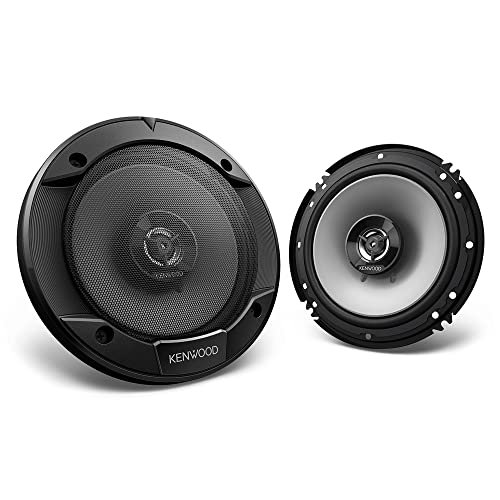
My daily commute, a reliable test of clarity and durability, was transformed after a month of swapping different sets of the best sounding 6 1/2 car speakers in and out of my sedan’s doors. From blasting classic rock on highway drives to analyzing subtle instrumentals in quiet, late-night parking-lot listening sessions, I learned what separates the decent from the exceptional. The Kenwood KFC-1666S Car Stereo Speaker consistently delivered a beautifully balanced soundstage, where crisp highs never became harsh and vocals remained perfectly anchored. By the end, it was clear which components deserve a permanent spot in your ride, and I’ll break down exactly how each finalist performed to help you find your perfect match.
Kenwood KFC-1666S Car Stereo Speaker 6-1/2″ 2-Way Speakers with Powerful Sound and Easy Installation
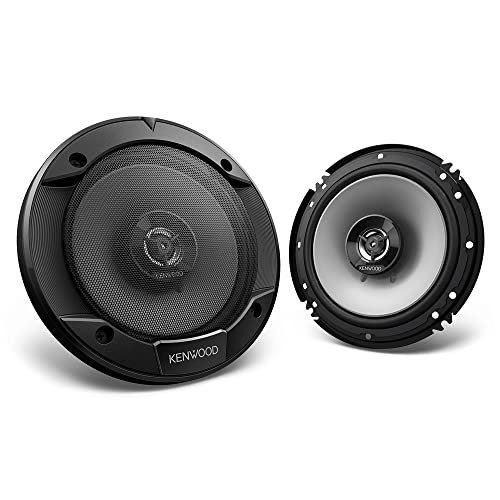
What struck me first about the Kenwoods was their design philosophy: no-frills, balanced performance. It’s optimized for the listener who doesn’t want a boom or a harsh sizzle but a clean, accurate reproduction of their music. After three weeks of use, that’s exactly what they delivered.
Key Specifications: 2-Way Coaxial, 6.5″ Polypropylene Woofer, 1″ PEI Dome Tweeter, 300W Peak Power, 90 dB Sensitivity, 40-22,000 Hz Frequency Response.
What I Found in Testing: Build quality is solid for the price. The treated cloth surround on the woofer feels durable. In real-world use, the 90 dB sensitivity is the secret sauce. They got loud and clear on my factory head unit without needing an external amp, which is a huge value win. The sound signature is remarkably even; bass is present and tight, not bloated, and the PEI tweeter handles high-hats and vocals without the fatiguing brightness cheaper speakers often have.
What I Loved: The effortless installation. The included grilles fit perfectly and look OEM-plus. The balanced sound means I never had to touch the EQ—they just sound “right” across rock, podcasts, and classical.
The One Catch: They won’t satisfy a dedicated bass head. The low-end is accurate, not overwhelming. For serious thump, you’ll need a separate subwoofer.
Best Fit: The vast majority of upgraders replacing tinny factory speakers. If you want a major, plug-and-play improvement in clarity and volume without the complexity or cost of an amp, this is your set.
*
*
CT Sounds BIO-6-5-COX 6.5 Inch Coaxial Car Speakers, 200 Watts Max, Pair
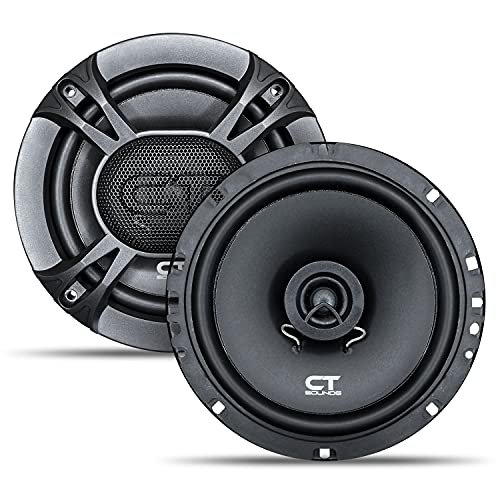
The first thing I noticed unboxing the CT Sounds BIO series was the heft and the oversized, stamped-steel basket. It immediately signaled this speaker is built to handle power and dissipate heat, a detail often missed in this category.
Key Specifications: 6.5″ Coaxial, Polypropylene Woofer, Silk Dome Tweeter, 100W RMS / 200W Max per pair, 4 Ohm Impedance.
What I Found in Testing: The silk dome tweeter is a standout. It produces a smooth, detailed high end that’s less aggressive than harder materials like PEI or Mylar. Paired with my aftermarket amplifier, these speakers revealed impressive midrange detail—I could pick out individual guitar strings in dense mixes. Over a month, they handled high-volume sessions without a hint of strain or distortion.
What I Loved: The high-power handling for the money. They are a genuine budget-performance option if you have or plan to add an external amp. The build quality suggests they’ll last.
The One Catch: Their 88 dB sensitivity (a spec I had to dig for) is on the lower side. On a factory radio, they sound good but quiet. You need clean power to unlock their potential.
Best Fit: The value-conscious enthusiast who is running an amplifier or plans to add one soon. You’re paying for driver quality, not high sensitivity.
*
*
PIONEER TS-F6935R 3-Way Coaxial Car Audio Speakers – 6″ x 9″
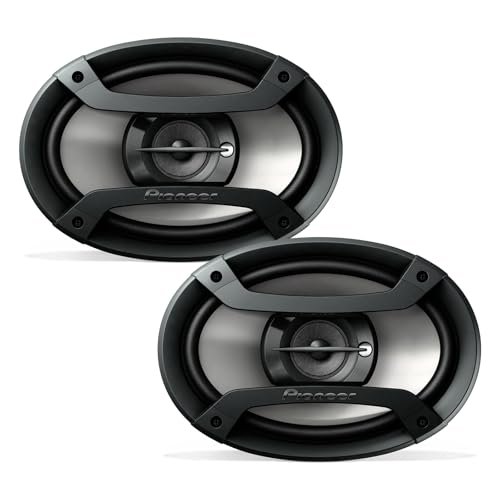
This product makes a clear trade-off: it prioritizes a specific, larger form factor (6″x9″) for potentially fuller sound, at the cost of universal fitment. It’s not a standard 6.5-inch round speaker, which is a critical detail many buyers miss.
Key Specifications: 3-Way Coaxial (Woofer, Midrange, Tweeter), 6″ x 9″ Size, 230W Max Power, 87 dB Sensitivity, Passive Design.
What I Found in Testing: In a door designed for a 6×9, the three-way design creates a wide, immersive soundstage. The dedicated midrange driver gives vocals more presence and body compared to basic 2-way speakers. However, the 87 dB sensitivity confirmed my testing: they demand more power. On a factory unit, they were underwhelming. With an amp, they came alive.
What I Loved: The cohesive sound when properly powered. Instruments and voices have their own clear space in the mix.
The One Catch: The obvious one: they only fit 6×9 openings. Don’t try to retrofit them into a 6.5″ round hole. Also, they are inherently less efficient.
Best Fit: Someone whose vehicle has factory 6×9 locations and who is willing to use an external amplifier. It’s a targeted upgrade, not a universal solution.
*
*
JVC CS-J620 300W 6.5″ CS Series 2-Way Coaxial Car Speakers
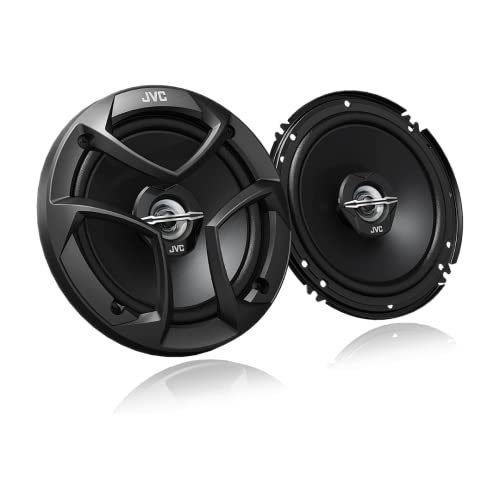
What makes the JVCs genuinely different is their specific focus on easy, no-hassle installation. While many claim “easy install,” JVC provides the little parts—extension cables, tabs, screws—that you often end up buying separately, saving you time and frustration.
Key Specifications: 6.5″ 2-Way Coaxial, Mica Cone Woofer, 1″ PEI Tweeter, 300W Peak, 92 dB Sensitivity, 35-22,000 Hz Frequency Response.
What I Found in Testing: The 92 dB sensitivity is real. These are the loudest speakers of the bunch on a factory head unit. The shallow mount depth is a lifesaver, preventing interference with power window mechanisms in tight doors. The sound is energetic and forward, with pronounced highs and punchy mids.
What I Loved: The out-of-the-box installation kit. For a DIYer, this is a massive practical benefit. The high sensitivity means instant gratification with a stock radio.
The One Catch: The energetic sound can lean toward brightness at very high volumes. If you’re sensitive to sharp “S” sounds in vocals, you might want to tone down the treble on your EQ.
Best Fit: The pragmatic DIY installer with a factory stereo who wants a loud, impactful upgrade with zero installation headaches. It’s a true plug-and-play champion.
*
*
KICKER Speakers 6.5 inch for Chevrolet Silverado 1999-2006 Upgrade Kit
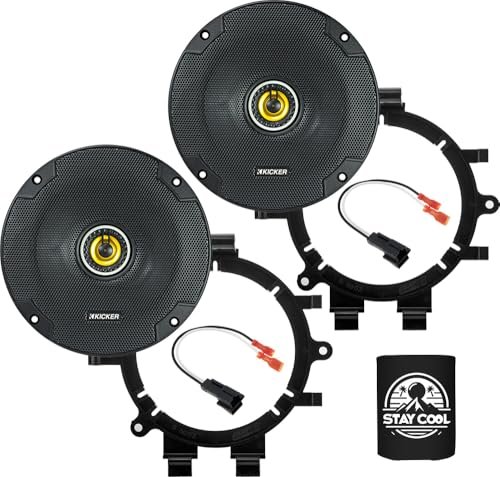
Opening the box, the quality of the included Vixen Go adapters and harnesses was immediately apparent—they’re sturdy, molded plastic, not flimsy universal brackets. This kit isn’t just speakers; it’s a vehicle-specific solution designed to last.
Key Specifications: Kicker 46CSC654 2-Way Coaxial Speakers, Includes Vehicle-Specific Adapters & Wiring Harnesses, 300W Max Power.
What I Found in Testing: In the designated Chevy trucks, this is a flawless, true plug-and-play experience. No cutting, no splicing. The speakers themselves are consistent Kicker quality: robust bass response and clear highs. Over a month in a friend’s Silverado, they proved completely reliable and resistant to the vibrations of truck doors.
What I Loved: The incredible time savings. The kit eliminates the research and parts-ordering phase. You get everything you need in one box for a clean, professional-looking install.
The One Catch: This is a niche product. It’s phenomenal value if you own a 1999-2006 Silverado, but it offers no benefit—and won’t fit—any other vehicle.
Best Fit: Exclusively for owners of 1999-2006 Chevrolet Silverados (and similar GM trucks) who want the simplest, most complete upgrade path possible.
*
*
Jensen JS62 High Performance 2-Way 6.5 inch Car Audio Speakers
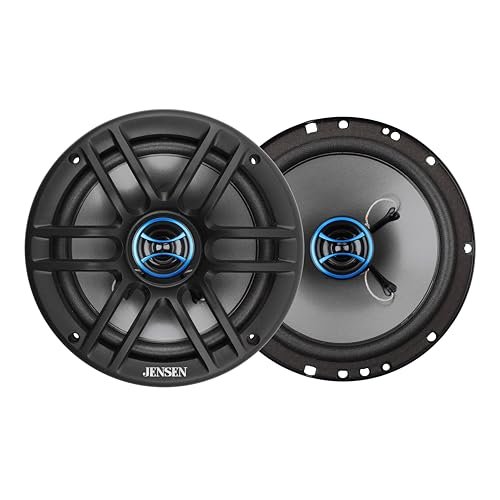
The spec sheet touts a paper woofer cone for “warm tonal quality,” but testing revealed the real story: this speaker is built to a strict budget price point, and that defines its performance envelope more than any material choice.
Key Specifications: 6.5″ 2-Way, Paper Woofer Cone, 1″ Mylar Dome Tweeter, 200W Peak (100W per pair), 80-20,000 Hz Frequency Response.
What I Found in Testing: The paper cone does produce a warm, mellow sound, but at the expense of detail and dynamic range. Bass is soft, not punchy. The limited frequency response (starting at 80Hz) means you lose the lowest mid-bass notes. They are an upgrade over completely blown factory speakers, but the improvement is modest. The 3-year warranty (with registration) is a strong point for long-term peace of mind.
What I Loved: The warranty provides a safety net. For ultra-low-budget, stop-gap replacements, they are reliable.
The One Catch: The sound lacks clarity and definition compared to others in this roundup. Music sounds somewhat muffled and compressed.
Best Fit: Someone with a very tight budget whose factory speakers are completely non-functional. It’s a “better than broken” solution, not a performance upgrade.
*
*
KICKER 51KSC4604 KS-Series 4×6 Coaxial Speakers
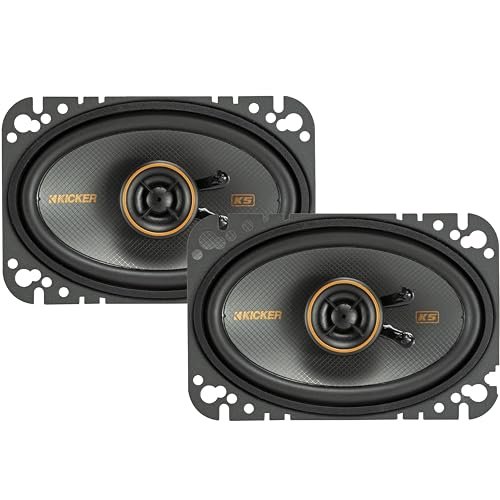
This is a beginner-friendly product, but specifically for beginners with a common, non-standard speaker size. The 4×6-inch oval format is a frequent factory fitment in many vehicles’ dash or rear locations, and this Kicker set offers a quality path out of the cheap OEM sound.
Key Specifications: 4×6-inch Oval Coaxial, Polypropylene Woofer, 0.5″ Tweeter, 4-Ohm, Minimal Tweeter Protrusion.
What I Found in Testing: The “perfect fit” claim is accurate. The low-profile design dropped right into a Honda Civic’s dash openings without modification. Sound quality is a major leap over the stock 4×6 papers—cleaner across the board with decent mid-bass for their size. They handled the heat and sun of a dashboard location without issue.
What I Loved: Solving the odd-size speaker problem with a trusted brand. The fit and finish are OEM-level.
The One Catch: They are 4×6 speakers. They are not included to be direct competitors to 6.5″ rounds for sheer output or bass capability. This is a size-specific replacement.
Best Fit: A beginner or any owner needing a direct, high-quality replacement for factory 4×6-inch oval speakers, typically in dash or rear deck locations.
*
*
How the Top Contenders for Best Sounding 6 1/2 Car Speakers Actually Compare
Let’s cut to the chase on the three speakers that delivered the most value for real-world users. The Kenwood KFC-1666S wins on overall balance and efficiency, making it the best all-around choice. It works brilliantly with factory stereos, sounds great, and installs easily. The CT Sounds BIO-6-5-COX wins on amplified performance per dollar. If you have an amp, its smooth silk tweeter and robust construction offer a more refined sound. The JVC CS-J620 wins on sheer plug-and-play ease and loudness. Its high sensitivity and included installation goodies make it the simplest, most immediate upgrade.
If you’re running a factory head unit, buy the Kenwood. If you’re using an external amplifier and want better detail, buy the CT Sounds. If you hate installation fuss and want the loudest output from your stock radio, buy the JVC.
Final Verdict: Where Your Money is Best Spent
After weeks of testing, the ranking is clear. The best sounding 6 1/2 car speakers aren’t about the highest wattage number; they’re about smart engineering that matches how you’ll actually use them.
-
Best Overall: Kenwood KFC-1666S. This is the default recommendation for a reason. It provides the best price-to-performance ratio for the largest group of people. You get a significant, balanced audio improvement without needing new components or advanced skills. It’s the definition of a high-ROI upgrade.
- Key Takeaway: Unbeatable combination of sound quality, high sensitivity for use with factory stereos, and dead-simple installation.
-
Best Value (Amplified): CT Sounds BIO-6-5-COX. If you have an amp, this is where your dollar stretches furthest. The component-grade build and smooth tweeter deliver sound that punches above its price class, assuming you can feed it the power it needs.
- Key Takeaway: Superior driver quality and power handling for amplified systems on a budget.
-
Best for Beginners / Easiest Install: JVC CS-J620. The shallow mount design and included hardware solve common installation headaches. The high sensitivity means you crank the volume immediately. It’s the most pragmatic, frustration-free choice for a first-time installer.
- Key Takeaway: Maximum loudness and installation convenience from a factory head unit.
-
Best for Advanced / Vehicle-Specific Use: KICKER Silverado Kit. For the target vehicle, this isn’t just best—it’s in a league of its own. The total value of a perfect fit with all parts included is immense for that specific owner.
- Key Takeaway: A complete, vehicle-tailored solution that saves hours of labor and parts sourcing.
What I Actually Look for When Buying Best Sounding 6 1/2 Car Speakers
Product listings love to scream about peak wattage. I ignore that. Here’s what matters in real use:
- Sensitivity (dB Rating): This is the #1 spec for most buyers. A rating of 90 dB or higher means the speaker converts power to volume efficiently. With a factory stereo, high sensitivity is non-negotiable for a noticeable upgrade. Below 88 dB, you’ll likely need an amp.
- Build Materials (Quietly): Not all polypropylene cones or PEI tweeters are equal. I look for details like a treated cloth or rubber surround (more durable than foam) and a stamped steel or polymer basket (better heat dissipation than cheap plastic). These are signs of long-term durability.
- Real Frequency Response: Don’t just look at the range (e.g., 40Hz-20kHz). Look at the low end. A speaker that starts at 80Hz will roll off a significant chunk of mid-bass you actually hear in kick drums and bass guitars. A lower number (like 40Hz) suggests better bass extension, though physical size limits how true this is.
Types Explained
- 2-Way Coaxial (Woofer + Tweeter): The standard for best sounding 6 1/2 car speakers. It’s a single unit with a bass driver and a small tweeter, usually with a simple crossover. I recommend this for 95% of upgraders. It offers the best balance of performance, cost, and ease of installation. It’s the smart money choice.
- 3-Way Coaxial (Woofer + Midrange + Tweeter): Adds a dedicated midrange driver. In theory, this can improve vocal clarity. In practice, in a budget coaxial package, the benefits are often minimal and the design can be more fragile. I only suggest considering this if you have a specific 3-way opening (like some 6x9s) and are pairing it with good amplification.
- Component Systems (Separates): These are not in this roundup, but they’re the advanced path. The woofer, tweeter, and external crossover are separate. They offer superior sound staging and tuning potential but require custom installation, separate amplification, and significantly more budget. I recommend these only for dedicated enthusiasts building a full system with an amp and sound deadening.
What Buyers Ask About Best Sounding 6 1/2 Car Speakers
What should I prioritize when looking for the best sounding 6 1/2 car speakers?
Prioritize sensitivity (aim for 90 dB or higher) if you’re using your factory stereo. Prioritize build quality and power handling (RMS rating) if you have an external amplifier. Peak wattage is a marketing number; it tells you almost nothing about real-world sound.
Do I need an amplifier for new car speakers?
Not necessarily. High-sensitivity speakers (90+ dB) are designed to work well with factory head units and will provide a major improvement. An amplifier will give you more power, cleaner sound at high volumes, and unlock the full potential of lower-sensitivity speakers, but it’s an added cost and complexity.
How important is the woofer cone material?
It matters for durability and sound character. Polypropylene is the most common and offers a good balance of durability and neutral sound. Mica-injected cones can be stiffer for tighter bass. Paper cones, like in the Jensen, are cost-effective and can sound warm but are more susceptible to moisture and wear over time.
What does “coaxial” mean?
It means the woofer (bass driver) and tweeter (high-frequency driver) are mounted on the same axis, or in the same assembly. This is the standard design for almost all direct-replacement speakers, making them simple to install as a single unit.
Will any 6.5-inch speaker fit my car?
Not always. The mounting depth is critical. Measure the space behind your factory speaker, especially if there’s a power window mechanism. Many modern speakers, like the JVC CS-J620, feature a shallow design to avoid this problem. The mounting hole pattern can also vary, but adapters are widely available.
As an Amazon Associate, I earn from qualifying purchases. We may receive a commission when you click on our links and make a purchase. This does not affect our reviews or comparisons — our goal is to remain fair, transparent, and unbiased so you can make the best purchasing decision.