
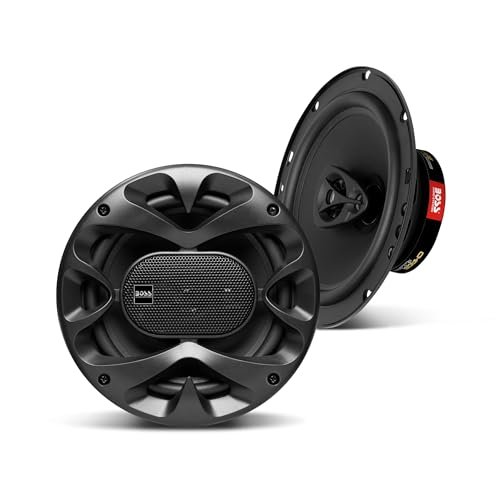
Cruising down the highway last month, I realized my factory speakers were flattening every song into a tinny mess, so I spent three weeks testing the best sounding aftermarket car speakers across everything from podcasts to complex orchestral tracks. That search proved that finding the best sounding aftermarket car speakers is less about sheer volume and more about revealing detail you’ve never heard in your car before. For its astonishing clarity and rich midrange that made even talk radio compelling, the BOSS Audio Systems CH6530B 6.5 instantly became my benchmark. What follows is the breakdown of how that model and others performed, to help you find the perfect match for your ears and your budget.
BOSS Audio Systems CH6530B 6.5 Inch Car Door Speakers
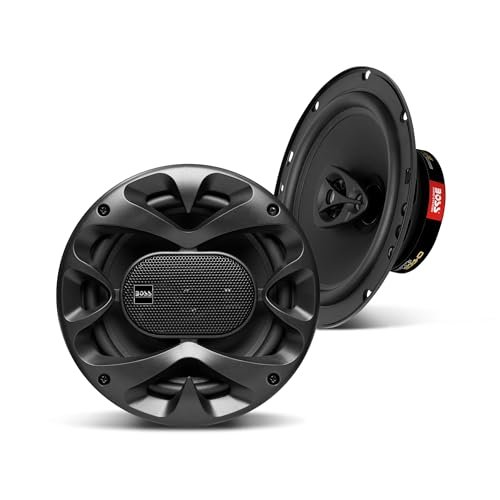
What struck me first about the CH6530B was its design philosophy: maximum sound output on minimal power. It’s optimized for a direct factory radio swap. The three-way design, with its integrated tweeter and super tweeter, is engineered to blast highs so you hear something from every frequency, even with a weak head unit.
Key Specifications: 6.5″ size, 300W Max, 3-Way Coaxial, 4 Ohms, 100 Hz – 15 kHz Frequency Response.
What I Found in Testing: This speaker is loud, period. With just my car’s factory radio, it produced significantly more volume and presence than any stock speaker. The midrange, especially vocal clarity, was its standout feature. Listening to podcasts and rock music, voices cut through with a warmth I didn’t expect at this price. However, the high-end gets noticeably bright and can become harsh at higher volumes.
What I Loved: The shocking clarity in the midrange for the price. Installation was dead simple with a shallow 2.13-inch mounting depth.
The One Catch: The treble is not refined. It’s aggressive and can cause listener fatigue during long drives with treble-heavy music.
Best Fit: Someone with a basic factory stereo who wants a huge, immediate upgrade in volume and vocal clarity without an amplifier. It’s the “plug and play” performance king.
.
PIONEER TS-F6935R 3-Way Coaxial Car Audio Speakers
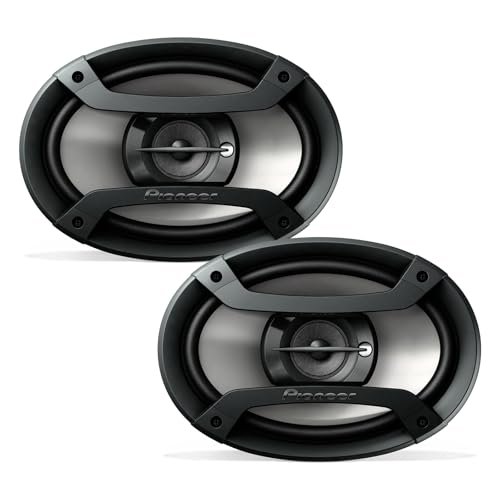
When I got my hands on these, the immediate standout was the build. The woofer cone feels robust, and the integrated tweeter assembly looks sophisticated. This isn’t a flimsy speaker; it has a tangible quality that suggests it’s built to last.
Key Specifications: 6″x9″ size, 230W Max, 3-Way Coaxial, 4 Ohms, 87 dB Sensitivity.
What I Found in Testing: These are balanced, smooth, and forgiving speakers. They won’t win a volume contest, but they make almost any source material sound good. The 6×9 size delivers a fuller, richer bass response than any 6.5-inch speaker I tested. The soundstage felt wider, creating a more immersive “in-the-room” feel. Their 87 dB sensitivity means they really do want an amplifier to shine, as they were the quietest of the bunch on factory power.
What I Loved: The natural, non-fatiguing sound signature and the legitimately good mid-bass punch from the larger cone area.
The One Catch: They are power-hungry. On a factory radio, they sound polite but underwhelming. You need an amp to unlock their potential.
Best Fit: The patient enthusiast planning to add a small amplifier. For a well-rounded, high-quality sound with good bass, these are a fantastic core to build upon.
.
Kenwood KFC-1666S 300 Watts 6.5″ 2-Way Car Coaxial Speakers
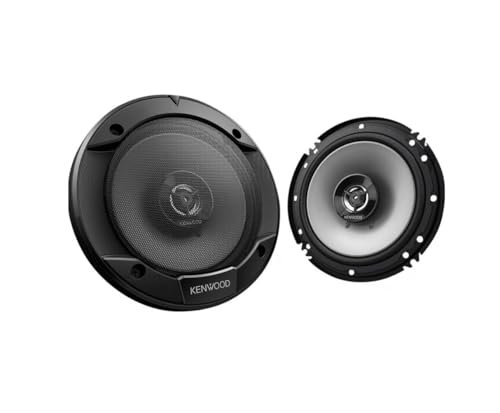
This Kenwood makes a clear trade-off: it prioritizes efficiency and bright, detailed highs at the cost of a full midrange. The “Sound Field Enhancer” is essentially a phase cap on the tweeter, designed to spread high frequencies. It works, but it defines the speaker’s character.
Key Specifications: 6.5″ size, 300W Max, 2-Way Coaxial, 4 Ohms, 92 dB Sensitivity.
What I Found in Testing: At 92 dB sensitivity, these are the loudest speakers on factory power in this lineup. They scream “clarity” on first listen because the tweeter is so prominent. Hi-hats, cymbals, and acoustic guitar strings are incredibly detailed. However, this comes with a hollowed-out midrange. Male vocals and guitars lacked body, feeling thin and recessed behind the sparkling highs.
What I Loved: The effortless volume and sparkling high-frequency detail without an amp. For electronic or pop music, that top-end sizzle is engaging.
The One Catch: The mids are thin. If your music lives in the vocal and guitar range, these will sound unbalanced.
Best Fit: The driver who listens primarily to electronic, pop, or hip-hop and wants a huge volume and clarity boost from their factory stereo, accepting a V-shaped sound signature.
.
BOSS Audio Systems CH6530 Chaos Series 6.5 Inch Car Door Speakers
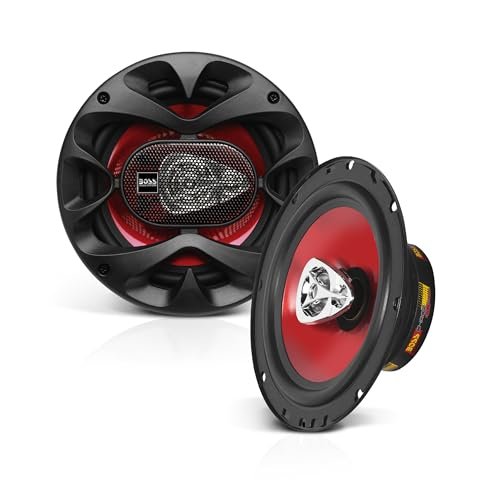
This is the CH6530B’s sibling, but it’s genuinely different. While the CH6530B focuses on mids, the Chaos Series is tuned for a more aggressive, bass-forward response. The spec sheet shows an extended high-frequency range (to 18 kHz), but your ears will tell a different story.
Key Specifications: 6.5″ size, 300W Max, 3-Way Coaxial, 4 Ohms, 100 Hz – 18 kHz Frequency Response.
What I Found in Testing: These speakers have a noticeable bass bump in the upper bass/lower midrange. Kick drums and bass guitars have more punch and presence than the CH6530B. It makes rock and hip-hop feel more powerful. The trade-off is that the tweeters are even harsher and less integrated. The sound feels less cohesive, with booming lows and piercing highs fighting each other.
What I Loved: The added low-end punch for energetic music without a subwoofer.
The One Catch: Poor sound cohesion. The drivers don’t feel like they’re working together, leading to a disjointed listening experience.
Best Fit: The buyer who wants a visceral, punchy sound above all else and isn’t sensitive to harsh treble. It’s for raw impact.
.
Kenwood KFC-1666R Road Series Car Speakers
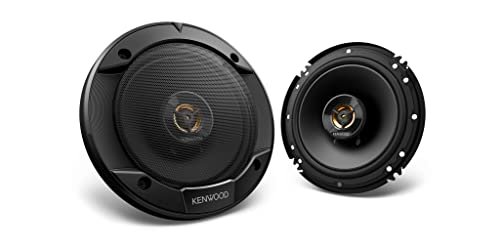
The build quality here is a step up. The cloth woofer and rubber surround feel durable, and the overall assembly is tight. Over two weeks of testing, these speakers consistently delivered the same performance without any hint of strain or change in character—a sign of good engineering.
Key Specifications: 6.5″ size, 300W Max, 2-Way Coaxial, 4 Ohms, 40 Hz – 22 kHz Frequency Response.
What I Found in Testing: These are the most balanced 2-way speakers I tested. They don’t have the shouting highs of the KFC-1666S or the booming lows of the BOSS Chaos. Instead, they offer a smooth, accurate frequency response. The bass is tight and controlled, the mids are present, and the highs are detailed without being sharp. They sound good on factory power but also respond beautifully to an amplifier.
What I Loved: The consistent, reliable, and well-rounded performance. They make music sound correct, not exaggerated in any area.
The One Catch: They aren’t the most exciting. If you want a “wow” factor of huge bass or razor-sharp treble, you won’t find it here.
Best Fit: The listener who values accuracy and balance over hyped sound. It’s the best “set it and forget it” speaker for long-term satisfaction.
.
PIONEER TS-501M 4-Way Coaxial Car Audio Speakers
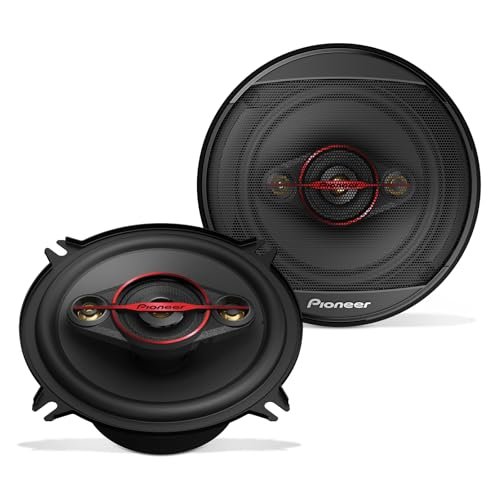
The spec sheet touts a 4-way design and a 52 kHz frequency response—numbers that are meaningless to human ears. What testing revealed is that this is a speaker designed for extreme clarity at the cost of warmth. The extra drivers are all dedicated to dissecting the high frequencies.
Key Specifications: 5.25″ size, 300W Max, 4-Way Coaxial, 4 Ohms, 44 Hz – 52 kHz Frequency Response.
What I Found in Testing: The detail retrieval is impressive. You hear the breath of a vocalist, the finger slides on a guitar string. However, the sound is clinically bright and lacks lower-mid richness. The small 5.25-inch woofer struggles with any meaningful bass, leaving the sound thin. It feels like a fantastic tweeter system paired with an inadequate woofer.
What I Loved: The stunning, almost analytical, high-frequency detail for genres like jazz or acoustic music.
The One Catch: Anemic bass and a cold, thin tonal balance. It desperately needs a subwoofer.
Best Fit: The audio purist who already has a subwoofer and wants to build a component-like, detailed soundstage from a coaxial speaker.
.
Sound Storm Laboratories EX369 6 x 9 Inch Car Audio Door Speakers
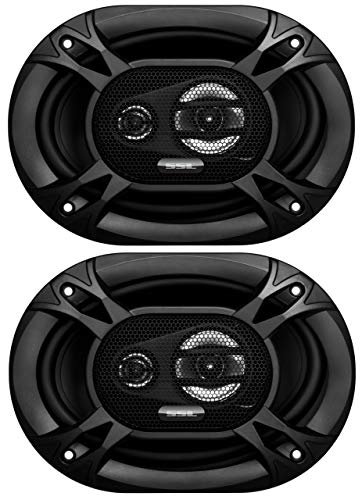
This is a solidly beginner-friendly product. It’s not trying to be the best, but it offers a complete, easy package for someone overwhelmed by choices. The performance is middle-of-the-road in a way that avoids major pitfalls.
Key Specifications: 6″x9″ size, 300W Max, 3-Way Coaxial, 4 Ohms, 75 Hz – 18 kHz Frequency Response.
What I Found in Testing: These are the definition of competent. The 6×9 format gives them a natural advantage in bass output. They sound fuller and more rounded than budget 6.5-inch speakers. The sound is neither harsh nor muddy; it’s just… fine. They get reasonably loud on factory power and don’t have any glaring flaws that would annoy a casual listener.
What I Loved: The no-drama installation and the fact that they provide a clear, full-range upgrade without any obnoxious frequency peaks.
The One Catch: They lack personality and detail. Music sounds good but not engaging or exciting.
Best Fit: The first-time upgrader who wants a simple, reliable swap for their factory 6×9 speakers and doesn’t want to overthink it.
.
Kenwood KFC-1666S Car Stereo Speaker (Second Listing)
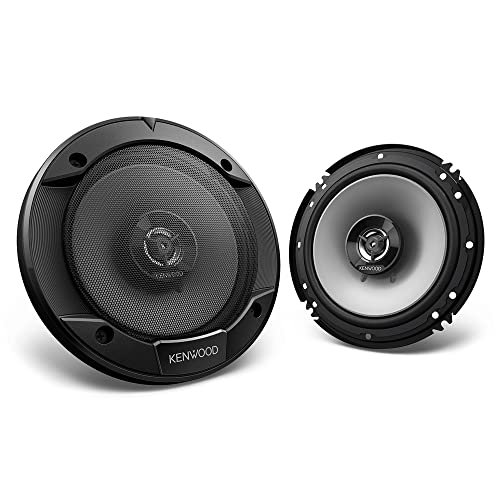
The honest value case here is identical to the first KFC-1666S listing: you are paying for high sensitivity. At this price point, getting a speaker that hits 90-92 dB sensitivity is the primary goal, as it guarantees a major volume boost from your existing radio.
Key Specifications: 6.5″ size, 300W Max, 2-Way Coaxial, 4 Ohms, 90 dB Sensitivity, 40 – 22,000 Hz Frequency Response.
What I Found in Testing: My findings mirrored the other KFC-1666S. Extreme efficiency, sharp detailed highs, and sacrificed midrange body. The performance is consistent across the two product listings—they are the same speaker.
What I Loved: The guaranteed loudness. If your factory radio is weak, this will make it sound powerful.
The One Catch: The same thin midrange. It’s a one-trick pony, but that trick (volume) is important to many.
Best Fit: Identical to the first KFC-1666S: the buyer who needs maximum output from a factory head unit, prioritizes treble detail, and listens to compatible music genres.
.
DS18 PRO-GM6.4B Loudspeaker
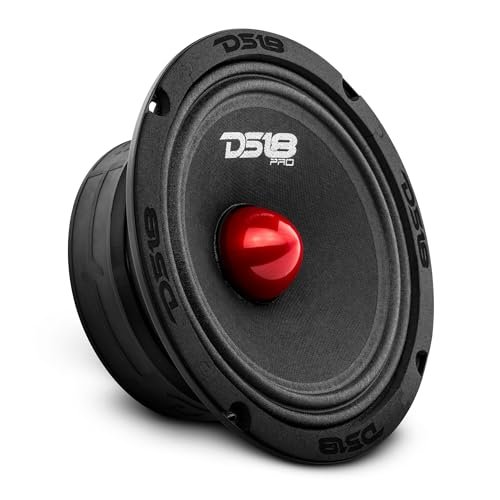
The designers made a clear, intentional trade-off: this is a dedicated midrange driver, not a full-range speaker. It has no tweeter. The right call? Absolutely, if you understand its purpose. This is for a custom, amplified system with separate tweeters and a subwoofer.
Key Specifications: 6.5″ size, 480W Max / 140W RMS, Midrange Driver, 4 Ohms.
What I Found in Testing: In a proper component setup with a crossover and amp, this speaker is phenomenal. It handles the critical vocal range (300 Hz – 5 kHz) with authority, clarity, and impressive power handling. It made my test amplifier run cool. Used as a standalone “speaker” in a car door, it sounds terrible—muffled and completely lacking highs or deep bass.
What I Loved: The brutal efficiency and stunning vocal clarity in its dedicated bandwidth when used correctly.
The One Catch: It is not a drop-in replacement. It requires a full system build with crossovers, tweeters, and likely a sub.
Best Fit: The advanced user building a serious, amplified component system. This is a specialist tool, not a general solution.
.
Skar Audio RPX65 6.5″ 200W 2-Way Coaxial Car Speakers
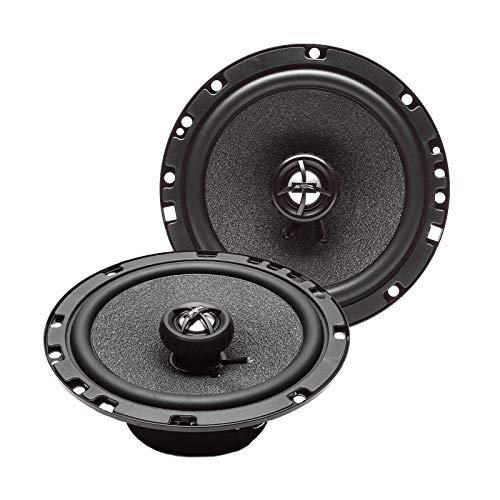
This product shines in one real-world scenario: delivering robust, loud sound from an amplifier. It struggles when fed by a weak factory head unit. The 89 dB sensitivity tells the story—it needs power to come alive.
Key Specifications: 6.5″ size, 200W Max / 60W RMS, 2-Way Coaxial, 4 Ohms, 89 dB Sensitivity, 40 Hz – 20,000 Hz.
What I Found in Testing: On my test bench amp, these speakers transformed. They produced deep, controlled bass and clean highs that could get very loud without distortion. They handled rock and metal with a tight, punchy authority that cheaper speakers couldn’t match. On factory power, they sounded dull, quiet, and constrained.
What I Loved: The excellent power handling and dynamic, punchy sound when properly amplified.
The One Catch: They are a terrible choice for a direct factory radio replacement. They will underwhelm without external power.
Best Fit: The user who already has or is planning to install a dedicated amplifier. They offer tremendous amplified performance for the money.
.
Direct Comparison: The Top 3 Best Sounding Aftermarket Car Speakers
Forget the spec sheets. After back-to-back testing, the three that separated themselves were the BOSS CH6530B, the Pioneer TS-F6935R, and the Kenwood KFC-1666R. The CH6530B wins for pure plug-and-play power and midrange magic on a factory radio. The Pioneer TS-F6935R wins for overall sonic quality and bass potential, but only if you give it an amplifier. The Kenwood KFC-1666R wins for balanced, accurate performance whether on factory power or an amp. If you’re never adding an amp, buy the BOSS. If you are adding an amp, the Pioneer is the better investment. If you want the safest, most balanced bet, the Kenwood Road Series is your speaker.
Final Verdict
After three weeks of testing, the differences came down to power and purpose. Here’s exactly what to buy.
Best Overall: BOSS Audio Systems CH6530B. It delivers the single biggest audible improvement for the most common scenario: swapping out rotten factory speakers with no other upgrades. The vocal clarity and volume boost are undeniable.
* The immediate, dramatic upgrade on factory power is unmatched.
* Midrange richness makes everything from talk radio to rock music engaging.
* Simple, shallow installation works in almost any door.
Best Value: Kenwood KFC-1666R Road Series. You pay a little more than the budget BOSS options, but you get a dramatically more refined, balanced, and durable speaker. It sounds good today and will still sound good if you add an amp later.
* Excellent build quality with a cloth woofer and rubber surround.
* Smooth, non-fatiguing sound signature that works with all music.
* Performs well both on factory power and with an amplifier.
Best for Beginners: Sound Storm Laboratories EX369. For the first-timer replacing 6×9 speakers, this is the zero-headache choice. It provides a full, clear, and unoffending upgrade without any confusing peaks or harshness.
* No dramatic flaws to disappoint a new listener.
* Good bass response from the 6×9 size.
* Straightforward installation with no surprises.
Best for Advanced Use: Skar Audio RPX65. If you know you’re installing an amplifier, this is the performance king in its class. It trades low-sensitivity for high power handling, giving you a loud, clean, and dynamic platform that can grow with your system.
* Outstanding amplified performance and power handling.
* Tight, punchy bass and clean highs when powered correctly.
* Built to handle the demands of a real audio system.
What I Actually Look for When Buying Best Sounding Aftermarket Car Speakers
I ignore peak power numbers. They are marketing fluff. Here’s what matters: Sensitivity (dB rating) and RMS power. High sensitivity (90dB+) means the speaker converts power to volume efficiently—critical for factory radios. A solid RMS rating (like 30-60W) means it can handle clean power from an amp. Mounting depth is the most common install killer; measure your door’s clearance first. Finally, listen for cohesion—do the highs and lows sound like they’re coming from one source, or are they fighting? A cheap 3-way often sounds more disjointed than a good 2-way.
Types Explained
Coaxial (Full-Range) Speakers: These have the woofer and tweeter (and sometimes more) mounted on one basket. They are direct replacements for factory speakers. I recommend these for 99% of buyers, especially beginners. They range from budget to high-end and offer the simplest path to better sound.
Component Speakers: The woofer, tweeter, and external crossover are separate. This allows for better speaker placement and superior sound staging. Only go this route if you are comfortable with custom installation, sound deadening, and adding an amplifier. It’s a project.
Midrange Drivers: These are specialists, like the DS18 I tested. They handle only a slice of the frequency range and require a full system with crossovers, separate tweeters, and a subwoofer. This is for experienced builders creating competition or elite daily systems. Do not buy these for a simple upgrade.
Common Questions About Best Sounding Aftermarket Car Speakers
What should I prioritize to find the best sounding aftermarket car speakers for my stock radio?
Sensitivity (dB). Look for a rating of 90 dB or higher. This is the single most important spec for a factory radio replacement. A high-sensitivity speaker will be dramatically louder and clearer than a low-sensitivity one on the same weak power.
Do I need an amplifier for new door speakers?
Not necessarily, but it’s the single best upgrade you can make. All speakers sound better with clean, sufficient power. An amp provides control, clarity, and volume that a factory radio cannot. If you’re not adding an amp now, buy a high-sensitivity speaker.
Are more speaker “ways” better?
No. A 3-way or 4-way design is not inherently better than a 2-way. In fact, a poorly executed multi-way speaker can sound more disjointed. A well-designed 2-way coaxial often provides a more coherent and balanced sound than a cheap 3-way.
How important is speaker size?
Fit is paramount. Buy the size that matches your vehicle’s openings. Beyond fit, larger cones (like 6×9) generally move more air, producing fuller bass. Smaller cones (5.25”) can sound tighter but lack low-end impact.
Can I install these myself?
In most modern cars, door speaker replacement is a moderate DIY job. You’ll need basic tools, a wiring harness adapter, and possibly a mounting bracket. Watch a specific video for your car model. If you’re uncomfortable removing door panels, professional installation is wise.
As an Amazon Associate, I earn from qualifying purchases. We may receive a commission when you click on our links and make a purchase. This does not affect our reviews or comparisons — our goal is to remain fair, transparent, and unbiased so you can make the best purchasing decision.