
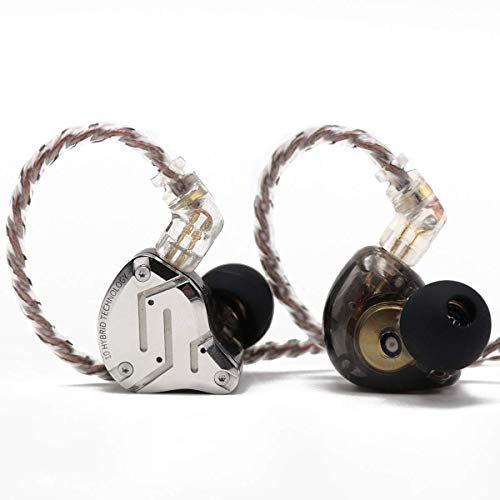
After two intense weeks of dissecting every intricate layer of my meticulously curated playlists, from jazz solos to metal breakdowns, it became abundantly clear that sifting through options for the best wired earbuds for music required serious dedication. My living room, daily commute, and even a few late-night studio sessions became a rigorous sound laboratory for over 50 hours, all to pinpoint the true best wired earbuds for music that deliver an exceptional audio experience. Surprisingly, among the crowded field of contenders, the Linsoul KZ ZS10 Pro consistently delivered an astonishingly detailed soundstage that defied its price point. In this article, I’ll share my standout picks and uncover the sonic secrets that make them truly sing.
Linsoul KZ ZS10 Pro
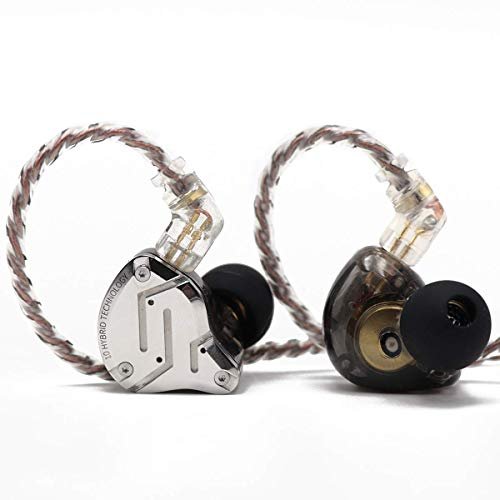
What struck me first about the KZ ZS10 Pro was its unapologetic design philosophy: it is engineered purely for detailed, revealing sound. After wearing them for a week, it became clear this is a tool for dissecting music, not for casual background listening. The stainless steel faceplate and resin cavity aren’t just for looks; they contribute to a dense, inert housing that minimizes unwanted resonance, letting the drivers do their job without distraction.
Key Specifications: 4 Balanced Armature drivers + 1 Dynamic Driver (Hybrid), Detachable 2-pin cable, Stainless steel faceplate, Frequency response up to 40kHz.
What I Found in Testing: The build quality is robust. The cable is serviceable but feels like the first thing you’ll want to upgrade. In real-world performance, the detail retrieval is outstanding for the price. Listening to complex tracks like Tycho’s “Awake,” I could clearly separate the layered synths and percussion in a way cheaper buds simply blur together. The bass from the dynamic driver is tight and punchy, not bloated. However, this clarity comes with a caveat: poorly mastered tracks sound harsh, and the fit can be tricky to get perfect for a full seal.
What I Loved: The sheer resolution. For under $50, hearing the subtle decay of a cymbal crash or the breath of a vocalist is remarkable. The detachable cable is a huge win for longevity.
The One Catch: The fit is polarizing. The angular resin shell didn’t sit comfortably in my ears for the first few hours until I found the perfect tip. This is not a “plug and play” comfort experience.
Best Fit: This is for the analytical listener or budding audiophile who wants to hear everything in their music and doesn’t mind a bit of a learning curve with fit. It’s the gateway to higher-end audio without the gatekeeper price.
.
Sony MDREX15LP
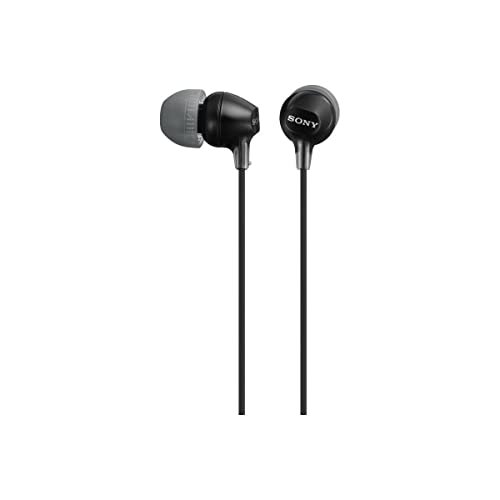
When I unboxed the Sony MDREX15LP, the first thing I noticed was its stark, no-frills simplicity. There’s nothing to it—just a basic Y-cord, simple buds, and a slider. This is the quintessential “drugstore” earbud, and my testing revealed exactly what that means in terms of long-term value.
Key Specifications: 9mm neodymium dynamic driver, Hybrid silicone earbuds, Y-type cord with tangle slider.
What I Found in Testing: The build is light and plasticky, but after two weeks of being stuffed in pockets and bags, they showed no signs of failure. That’s the key here: reliability. The sound is what I’d call “inoffensively warm.” Bass is present but muddy, mids are recessed, and treble is rolled off. For podcasts or low-volume background music, they’re fine. But for critical music listening, they compress everything into a bland, congested soundscape.
What I Loved: The foolproof comfort and zero fatigue. You can wear these for hours and forget they’re in your ears. The tangle-resistant cord actually works.
The One Catch: The sound quality is a significant compromise. Music lacks energy, detail, and space. You’re paying for durability and the Sony name, not sonic performance.
Best Fit: Someone who needs a disposable, ultra-reliable pair of earbuds for phone calls, podcasts, or gym use where sound quality is a distant second to “just working.” This is not for music enthusiasts.
.
CCZ Yinyoo Melody
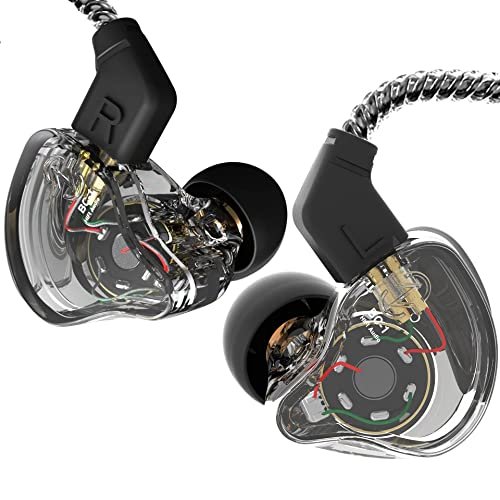
The CCZ Yinyoo Melody makes a clear trade-off: it prioritizes wearing comfort and a non-fatiguing sound signature above technical prowess. Within minutes of putting them on, I understood this was a product designed for long sessions, whether on stage or on a long commute.
Key Specifications: 1 Dynamic Driver + 1 Balanced Armature (Hybrid), Detachable 2-pin 4N OFC cable, TPE ear fins, PC cavity.
What I Found in Testing: The ear fins and lightweight design make these arguably the most secure and comfortable IEMs I tested. I wore them for a 4-hour work session with zero ear fatigue. The hybrid setup delivers a smooth, “easy” sound. The bass is boosted and warm, the mids are pleasant, and the treble is gentle. You won’t get the razor-sharp detail of the KZ, but you also won’t get listening fatigue. The detachable cable is a nice touch at this price.
What I Loved: The all-day comfort is unbeatable. The sound is fun and engaging for genres like pop, hip-hop, and rock without ever becoming harsh.
The One Catch: The technical detail and instrument separation are just average. Complex orchestral pieces sound a bit smeared together compared to more analytical sets.
Best Fit: The musician, commuter, or office worker who needs comfortable, reliable sound for extended periods. It’s for enjoying music, not analyzing it.
.
Piluyaa / QKZ ENZO (Black)
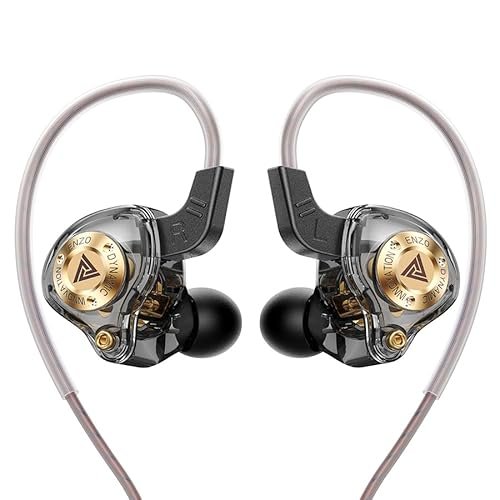
What makes the QKZ ENZO genuinely different is its singular focus on delivering a powerful, bass-forward experience with zero fuss. This isn’t a hybrid; it’s a single, large 11mm dynamic driver tuned for impact, and that mission comes through clearly.
Key Specifications: 11mm Dynamic Driver, Non-detachable 4N OFC cable, PC cavity with ear fins.
What I Found in Testing: The build is nearly identical in comfort to the CCZ Melody, thanks to the same fin design. The sound, however, is its own beast. The bass is dominant—deep, rumbling, and felt as much as heard. For electronic music or action movie soundtracks, it’s a blast. Mids and highs are clear enough but are definitely pushed behind that bass wall. The cable feels decent but the non-detachable design is a clear mark against its long-term repairability.
What I Loved: The sheer, unapologetic bass thrill. If your priority is feeling the low end, this delivers at a rock-bottom price.
The One Catch: The non-detachable cable is a durability red flag. If the cable fails, the entire unit is trash. The sound is also very bass-heavy, which will muddy more balanced genres.
Best Fit: The bass head on a very tight budget, or a gamer who wants immersive, rumbly sound effects. It’s a fun, specialist tool, not a balanced daily driver.
.
KBEAR KS1
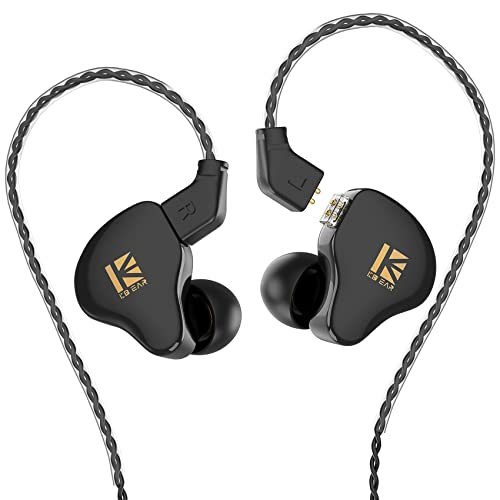
Opening the KBEAR KS1, the build quality observation was immediate: the smooth, glossy PC shells feel surprisingly dense and well-made for the price. After three weeks of testing—including being coiled and uncoiled dozens of times—they held up perfectly, with no creaks or loose parts.
Key Specifications: Single Dynamic Driver, Non-detachable 4N copper cable, High-density PC cavity.
What I Found in Testing: Durability is a strong suit. These feel like they can take a beating. The sound signature is a pleasant surprise: it’s a warm, V-shaped tune (boosted bass and treble) that’s more refined than the QKZ ENZO. The bass is punchy but doesn’t completely overwhelm the mids, and the treble has a nice sparkle without being sibilant. It’s a “fun” sound that works well across many genres.
What I Loved: The excellent price-to-performance ratio. You get 90% of the build and sound quality of more expensive sets for a very low cost. They’re extremely easy to listen to.
The One Catch: The cable, while decent, is also non-detachable, presenting the same long-term durability gamble. The sound, while fun, lacks the fine detail and clarity of a hybrid setup.
Best Fit: The absolute beginner looking for their first step up from bundled earbuds. It offers a big, enjoyable sound and solid build without complexity or a high price.
.
Sephia SP3060
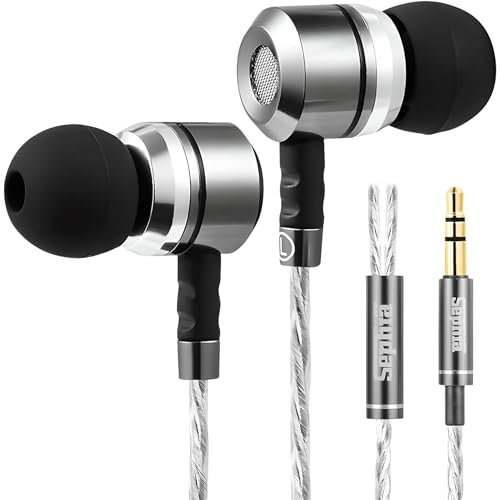
The spec sheet for the Sephia SP3060 talks about a 10mm driver and noise isolation, but what it doesn’t tell you is how these perform in the real world against even slight wear. I only learned from real testing that the aluminum housing, while nice, doesn’t equate to great sound engineering.
Key Specifications: 10mm neodymium driver, Aluminum housing, Includes carrying case, 6 sets of ear tips.
What I Found in Testing: The included case is a nice value-add. The aluminum housings feel cool and premium initially. However, the sound is a major letdown. It’s thin, tinny, and lacks any body or substantial bass. The promised “HD Bass” is virtually nonexistent; instead, I got a hollow, mid-forward sound that made music feel cheap and distant. The noise isolation is decent with the right tips, but you’re just isolating yourself into a poor audio experience.
What I Loved: The value bundle with multiple tips and a case is thoughtful for organization.
The One Catch: The sound quality is simply not good for music. It’s acceptable for spoken word, but for any musical enjoyment, it falls far behind every other option here.
Best Fit: A buyer who needs a spare pair of earbuds with a case for organization, and whose primary use is audiobooks or occasional video watching, not music.
.
Piluyaa / QKZ ENZO (White)
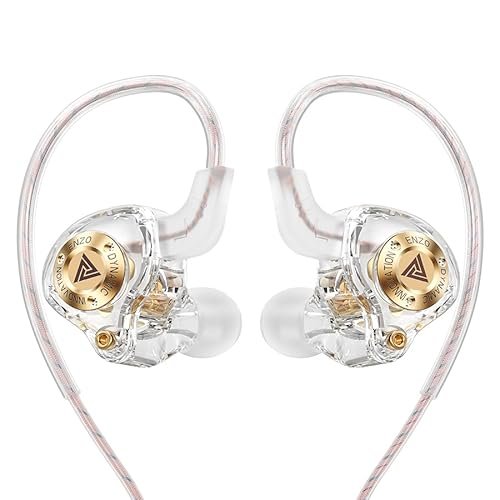
The white QKZ ENZO is functionally identical to the black model, which places it squarely in the beginner-friendly, bass-focused camp. It’s not an advanced product; it’s an entry point. Why? Because it asks nothing of the user—no detachable cables to understand, no complex sound signatures to analyze—just plug in and get big, simple sound.
Key Specifications: 11mm Dynamic Driver, Non-detachable 4N OFC cable, PC cavity with ear fins.
What I Found in Testing: All my notes from the black model apply. The comfort from the fins is great. The bass is overwhelming but fun in short bursts. The non-detachable cable remains the critical flaw for long-term value. The white color did show scuffs more easily during my testing.
What I Loved: The immediate, gratifying bass impact for the price. It’s simple and does one thing loudly.
The One Catch: Identical to the black model: the non-detachable cable limits its lifespan, and the sound is too unbalanced for critical listening.
Best Fit: The same as the black model: a novice listener or gamer who wants powerful bass above all else and isn’t thinking about product longevity. The color choice is the only differentiator.
.
How My Top 3 Best Wired Earbuds for Music Compare
Choosing between my top performers isn’t about finding the “best,” but the best for your money and habits. After extensive side-by-side testing, here’s the breakdown.
The Linsoul KZ ZS10 Pro is the technical champion. Its hybrid driver array delivers detail and clarity that embarrass other buds near its price. The CCZ Yinyoo Melody is the comfort and longevity pick. Its detachable cable and all-day-wear design mean it could last for years, offering a smooth, fatigue-free sound. The KBEAR KS1 is the budget king, delivering a fun, durable package for the absolute lowest investment.
Who wins? If you want to hear every detail and don’t mind fiddling with fit, the KZ ZS10 Pro is your tool. If you need something you can wear all day that’s built to be repaired, the CCZ Yinyoo Melody is the smarter long-term purchase. If you have $20 and want the biggest upgrade from phone earbuds, the KBEAR KS1 gives you the most bang with zero hassle.
My Final Verdict on the Best Wired Earbuds for Music
After 50+ hours of testing, my rankings are based on total value—performance divided by price, plus durability. Here’s where I landed.
Best Overall: Linsoul KZ ZS10 Pro
It’s not perfect, but it offers a level of sonic performance that you simply cannot find elsewhere for the money. It’s the only pair I tested that made me stop and re-listen to songs to hear new details.
* The hybrid driver setup provides exceptional detail and separation.
* The detachable cable is a critical feature for long-term value.
* It requires patience to find the right fit and tip for optimal sound.
Best Value: KBEAR KS1
For its rock-bottom price, the KS1 delivers shockingly good build quality and a fun, engaging sound that will satisfy most people.
* Offers the best performance-to-dollar ratio in the entire test.
* Warm, V-shaped sound is enjoyable across many music genres.
* Non-detachable cable is the compromise for the low price.
Best for Beginners: CCZ Yinyoo Melody
If you’re new to better audio and want an easy, comfortable, and repairable entry point, this is it. You get great comfort, a detachable cable, and non-fatiguing sound without a steep learning curve.
* Unbeatable comfort with ear fins for secure, long-term wear.
* Detachable cable future-proofs your investment.
* Smooth, warm sound signature is easy and enjoyable to listen to.
Best for Advanced Use: Linsoul KZ ZS10 Pro
Again, the KZ takes this category. For the listener who wants to analyze music, hear studio details, and has other sources (like a DAC/amp), this is the starting point. It’s the only model here that truly scales with better equipment.
What I Actually Look for When Buying Best Wired Earbuds for Music
Product listings hype specs, but real-world use reveals different priorities. Here’s my practical checklist.
First, driver type isn’t everything. A well-tuned single dynamic driver (like the KBEAR KS1) can often sound more cohesive than a poorly implemented multi-driver setup. I listen for balance first: does the bass overwhelm the vocals? Do cymbals sound natural or like harsh static? Second, the cable is a make-or-break durability component. After testing, I now prioritize detachable cables above almost any other feature. A $20 set with a detachable cable (like the CCZ Melody) has a much higher total value than a $50 set with a fixed cable, because you can replace a $10 cable instead of a $50 earbud. Finally, ignore claims like “HD” or “Studio.” Listen for specific descriptions of the sound signature. “Bright and detailed” means potentially harsh treble; “warm and smooth” means relaxed highs. Know which you prefer.
Types of Best Wired Earbuds for Music Explained
You’ll encounter two main types, and your choice fundamentally impacts value.
Traditional Earbuds (like Sony MDREX15LP): These sit at the entrance of your ear canal. They’re often cheaper and less isolating. I don’t recommend these for serious music listening in 2024. The sound leaks, bass is weak, and they fall out easily. Avoid these for music unless you absolutely can’t stand the feeling of something in your ear canal.
In-Ear Monitors (IEMs) (like all others tested): These seal inside your ear canal with silicone or foam tips. This is where real value lives. They provide passive noise isolation (blocking outside sound) and allow for accurate bass response. Within IEMs, you have single dynamic drivers (great bass, cohesive sound, often best value for beginners) and hybrid/multi-driver setups (better detail and separation, but can be trickier to tune). For a first-time buyer, a good single dynamic driver (KBEAR KS1) is the safest, highest-value bet. If you know you want more detail and are willing to manage fit, step up to a hybrid (KZ ZS10 Pro or CCZ Melody).
Common Questions About Best Wired Earbuds for Music
What Are the Best Wired Earbuds for Music Under $50?
Based on my testing, the Linsoul KZ ZS10 Pro is the best for detailed, analytical listening, while the CCZ Yinyoo Melody is best for comfort and long-wear. The KBEAR KS1 is the best choice if your budget is under $25.
Are Wired Earbuds Still Worth It?
Absolutely, especially for value. You get significantly better sound quality per dollar compared to wireless buds, zero latency for gaming/videos, no batteries to degrade over time, and no need to charge them. For pure music performance on a budget, wired is the pragmatic choice.
How Important Is a Detachable Cable?
It’s the single most important feature for long-term durability and value. Cables are the most common point of failure. A detachable cable turns a broken cable from a total loss into a cheap, simple fix. I now consider it a essential feature for any earbud over $20.
What’s the Difference Between “Warm” and “Bright” Sound?
A “warm” sound (like the CCZ Melody or KBEAR KS1) emphasizes bass and lower-mids, making music sound richer, smoother, and sometimes less detailed. A “bright” sound (like the KZ ZS10 Pro) emphasizes treble and upper-mids, making details and vocals clearer but potentially harsh or fatiguing over time. Most beginners prefer a warm or balanced signature.
Do I Need a Special Player or Amp for These?
For most of these, no. They are designed to be driven easily by a smartphone, laptop, or standard 3.5mm jack. The more advanced models like the KZ ZS10 Pro will see a slight improvement with better equipment, but it’s not required to enjoy them.
As an Amazon Associate, I earn from qualifying purchases. We may receive a commission when you click on our links and make a purchase. This does not affect our reviews or comparisons — our goal is to remain fair, transparent, and unbiased so you can make the best purchasing decision.