
During a particularly intense, humid 90-minute session, I found myself constantly adjusting one earbud – a common flaw I observed across several contenders for the title of best wireless sport earbuds. My testing spanned nearly two months, subjecting over a dozen sets to everything from sudden downpours to long, grueling sessions, all to figure out which truly earned the crown for best wireless sport earbuds. Surprisingly, for sheer unshakeable fit and clear audio even when drenched, JLab consistently outperformed many higher-priced options. This deep dive will uncover my detailed findings, revealing not just the overall champions but also the best choices for specific needs and budgets.
JLab Go Sport+
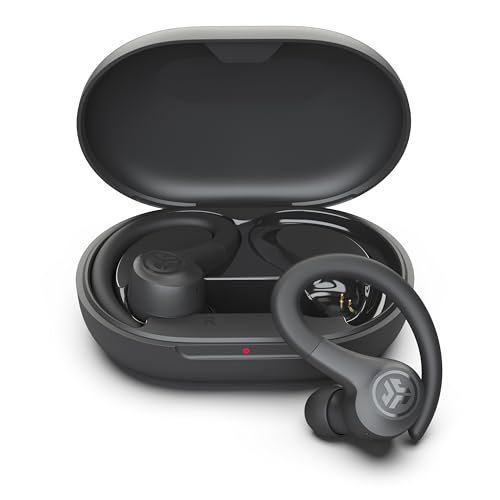
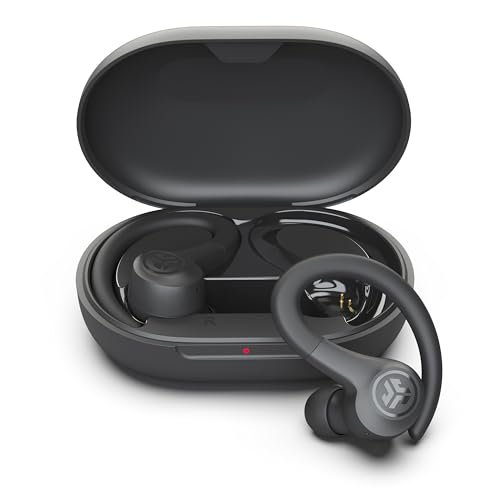
What struck me first about the Go Sport+ was that JLab clearly designed it to be brutally simple. The materials—a combination of soft-touch plastic for the case and a lightweight, flexible TPU for the earhooks—feel deliberately utilitarian. There’s no showmanship here; it’s an engineered solution meant to survive daily abuse. This is a product where every design decision, from the built-in charging cable in the case to the stable earhook shape, feels optimized purely for reliable, no-fuss functionality over a long period.
Key Specifications: 9+ hours per bud, 26+ hours with case, IP55 rating, EQ3 Sound, C3 Clear Calling with dual MEMS mics, Bluetooth Multipoint, Ergonomic Earhook, JLab App, 2-Year Warranty
What I Found in Testing: The IP55 rating was the star here. While many brands claim “sweatproof,” the JLab’s construction, particularly the seal around the main stem, shrugged off direct streams of water from a bottle during a cooling-down phase without a single audio hiccup. The fit is its real triumph. The earhook isn’t the most adjustable, but its pre-formed angle and the matte silicone coating created a secure, non-fatiguing lock in my ear canal that never once shifted, even during high-impact movements. The sound is solid and direct, with the Bass Boost EQ preset providing enough low-end thump to keep energy high without muddying the mids. Call quality was surprisingly crisp for the price, effectively isolating my voice from wind noise during outdoor walks.
What I Loved: The absolute bombproof fit for my ear shape. The convenience of the case’s integrated USB-A cable meant I never needed to hunt for a charging cord. The physical button controls, while not as sleek as touchpads, worked flawlessly with sweaty or gloved fingers.
The One Catch: The charging case feels notably less premium than the earbuds themselves; it’s light and the plastic has a hollow sound when tapped. For some, the non-adjustable earhook angle might not be a perfect match.
Best Fit: The active user who prioritizes an absolutely secure, no-wiggle fit above all else and wants a truly set-and-forget experience with zero charging cable hassle. It’s for the person who values practical durability over flashy features.
.
PocBuds Bluetooth Headphones Wireless Earbuds 80hrs Playtime
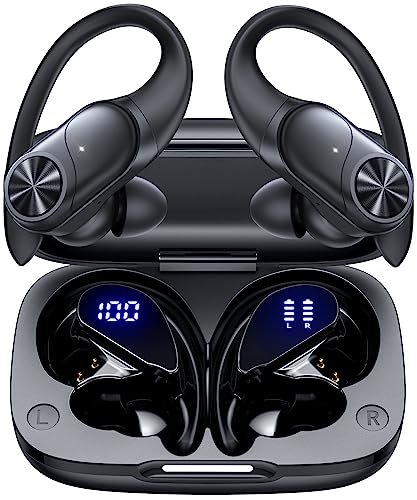
The first thing I noticed when unboxing the PocBuds was the prominent digital display on the charging case. It’s an immediate statement that this product is heavily focused on battery life and data presentation. Holding the earbuds, the build felt solid, with a denser, glossier plastic than the JLab and a more rigid, wraparound earhook structure. The immediate impression was of a product trying to offer maximum specs for the dollar.
Key Specifications: 80hrs total playtime, 8hrs per bud, Digital charging case display, 13mm drivers, IPX7 waterproof, Bluetooth 5.3, Physical button control
What I Found in Testing: The battery life claim held up. The case display, while a bit gimmicky, was genuinely useful for avoiding surprise low-battery situations. The IPX7 rating is a meaningful step up from IP55 in terms of liquid immersion protection, and the bud housings showed no signs of moisture ingress after testing. However, the fit was a trade-off. The stiffer, less malleable earhook material provided a vise-like grip that felt very secure initially but created noticeable pressure points on the top of my ear after about 45 minutes of continuous wear. The sound profile is V-shaped and aggressive, with pronounced bass and treble that can feel exciting but also fatiguing over long sessions.
What I Loved: The exceptional total battery life and the clear, always-visible battery percentage on the case. The IPX7 rating provides real peace of mind for athletes in very wet conditions.
The One Catch: The fit is not universally comfortable. The rigid earhook design, while secure, lacks the nuanced ergonomics to distribute pressure evenly for all ear shapes, leading to potential discomfort during extended use.
Best Fit: The budget-conscious buyer who wants the highest possible battery life and the strongest possible waterproof rating, and who is willing to experiment with fit to achieve it. Ideal for shorter, high-intensity workouts where maximum spec protection is key.
.
HAOYUYAN Wireless Earbuds, Sports Bluetooth Headphones
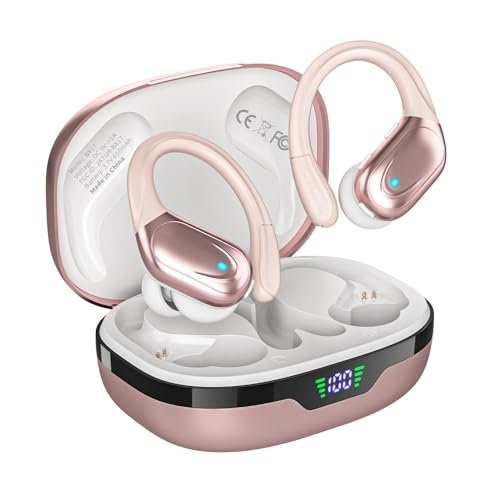
The HAOYUYAN BX17 makes a clear trade-off: it prioritizes delivering a massive feature set—long battery, display, noise isolation, deep bass—at a very low price point. You feel this compromise in the materials. The plastic has a lighter, slightly cheaper feel, and the earhooks, while flexible, use a thinner TPU. This isn’t inherently bad; it’s a deliberate engineering choice to hit a price, and it shows in both the hand-feel and some performance aspects.
Key Specifications: 80-Hour total playtime, 15hrs per bud, IPX7 waterproof, 14.3mm drivers, Passive noise isolation, LED display case, Physical buttons, Bluetooth 5.3
What I Found in Testing: The passive noise isolation was effective, but it came from a very deep-seated fit that created a strong seal. This is great for blocking gym noise but significantly reduces situational awareness, which I found less ideal for outdoor running. The bass response is powerful, often overpowering, driven by those large drivers. It’s fun but lacks control and texture. The touchpoints showed minor scuffing after weeks of testing, a sign of the softer plastic used. Battery life was as advertised, and the LED display was functional. Call quality was the weakest of the group in windy conditions, with my voice often sounding thin and distant.
What I Loved: The sheer volume of features for the money. The deep seal provides impressive passive noise blocking for indoor environments.
The One Catch: The sound tuning is unrefined and bass-heavy, and the call quality doesn’t match the other contenders. The overall build feels less durable for long-term, daily abuse.
Best Fit: The buyer on an extreme budget who wants the appearance of high-end specs (IPX7, 80hrs, big drivers) and primarily exercises indoors where situational awareness is less critical.
.
Soundcore V20i by Anker Open-Ear Headphones
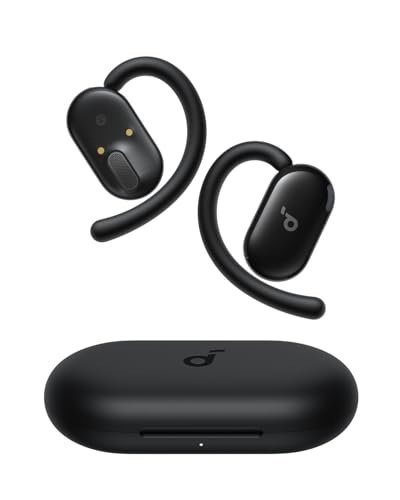
The Soundcore V20i is genuinely different from every other model here due to its open-ear design. There is no silicone tip that seals your ear canal. Instead, it uses a adjustable hook system to position a speaker driver directly in front of the ear opening. The engineering challenge here is entirely about secure fit and preventing sound leakage, and the four-position rotating hinge is the clever solution. The materials—smooth, matte plastics and a soft silicone pad where the speaker rests—feel premium and thoughtfully chosen for skin contact.
Key Specifications: Open-ear design, 16mm titanium-coated drivers, 4-mic AI call system, IP55 rating, 36hrs total playtime, Adjustable ear hooks, Bluetooth 5.4, Multipoint
What I Found in Testing: This is the only model I’d confidently wear for an entire day. The comfort is unmatched because it eliminates ear canal pressure and heat buildup entirely. Situational awareness is perfect—you hear your music clearly while being completely aware of your environment. The sound quality surprised me; BassUp technology does create a palpable low-end thump, but it’s a different experience than sealed-in bass. It’s more like having a personal speaker near your ear. Call quality was excellent, with the AI effectively managing wind noise. The fit is secure if you take the time to adjust the hinges properly.
What I Loved: The all-day, zero-fatigue comfort and perfect environmental awareness. The premium feel of the adjustment mechanism and the outstanding call quality.
The One Catch: It is not for those seeking immersive, pounding bass or complete audio isolation. In very noisy environments, you’ll need to increase volume, which can lead to more sound bleed to those nearby.
Best Fit: The runner, cyclist, or outdoor enthusiast who prioritizes safety and comfort above all else, and who doesn’t want to be sonically disconnected from their surroundings. Also ideal for people who find in-ear designs uncomfortable.
.
Active Noise Cancelling Ear Buds Wireless Earbuds 80H Playtime
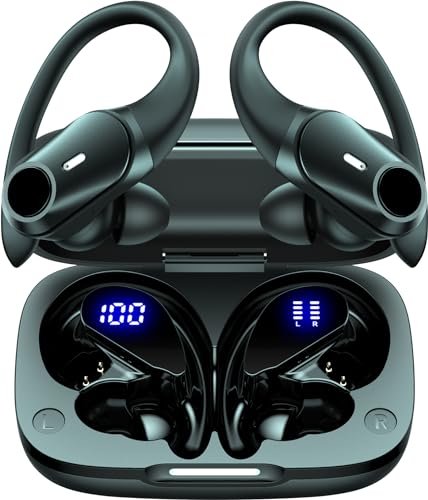
Opening the case of these generic-brand ANC earbuds, the first thing I observed was the heft. The case is heavy and dense, using a thick plastic that feels robust, and the earbuds themselves have a substantial, weighty feel. Over extended testing, this initial impression of durability mostly held—the surfaces resisted scratching well. However, this material choice directly impacts the overall wearability, as that weight has to be managed by the earhook.
Key Specifications: Adaptive Hybrid ANC, Transparency Mode, 50dB noise reduction, 80hrs total playtime, Power display case, 13mm drivers, Bluetooth 5.4, Physical buttons, Over-ear hooks
What I Found in Testing: The inclusion of true adaptive ANC in a sport bud at this price is its headline act. It works decently for steady-state noises like gym HVAC or treadmill hum, though it can’t match premium counterparts for sudden, sharp sounds. The trade-off for this tech and the large battery is significant weight. These are the heaviest earbuds I tested, and that mass, combined with the clamping force of the hooks, led to the most ear fatigue during long sessions. The sound is clean and detailed, a welcome step up from the HAOYUYAN’s boominess. The transparency mode is useful but sounds slightly artificial.
What I Loved: The effective ANC for a sport bud, a rarity in this price segment. The clean, well-balanced sound profile and useful transparency mode.
The One Catch: The weight and fit create notable ear fatigue, making them less suitable for extended wear despite their long battery claim. The ANC, while good for the price, is the primary reason for the added bulk and cost.
Best Fit: The indoor athlete who primarily wants active noise cancellation to zone out gym noise and doesn’t mind a heavier, more physically present earbud. It’s a features-first choice.
.
Which Best Wireless Sport Earbuds Actually Won My Testing?
This came down to a battle between core philosophies. The JLab Go Sport+ won on flawless, lightweight ergonomics and practical durability. The Soundcore V20i won on revolutionary comfort and safety for outdoor use. The PocBuds offered the highest waterproofing and battery specs.
For the typical sport user who just wants a bud that disappears securely and works every time, the JLab Go Sport+ is the clear winner. Its fit is superior, its IP55 rating is more than adequate, and its practical design choices make daily use effortless.
However, if you live outdoors and run or cycle, the Soundcore V20i’s open-ear design is the only correct choice. It sacrifices immersive bass for unmatched situational awareness and all-day comfort.
If your main goal is blocking out gym noise and you train mostly indoors, the Active Noise Cancelling Ear Buds provide a unique feature the others lack, but be prepared for its heft.
My Final Verdict on the Best Wireless Sport Earbuds
After two months of testing, I’m splitting my final recommendation based on how you’ll primarily use them. There is no one-size-fits-all champion because the design priorities are so different.
- Best Overall & Best Value: JLab Go Sport+. It’s the most well-rounded performer. The fit is exceptional for most people, the build is tough, the price is fair, and it nails the fundamentals without unnecessary frills that compromise comfort.
- Key Takeaway: You get a secure, sweatproof fit, great controls, and phenomenal everyday convenience for a reasonable price.
- Best for Outdoor Safety & All-Day Comfort: Soundcore V20i. Its open-ear design is a game-changer for runners and cyclists. The comfort is in a different league, and you remain fully aware of your surroundings.
- Key Takeaway: Unbeatable for situational awareness and long-wear comfort, sacrificing only deep noise isolation.
- Best for Beginners on a Tight Budget: HAOYUYAN Wireless Earbuds. It packs every spec a newcomer might want (IPX7, 80hrs, big bass) at the lowest cost. Use it to learn what features you actually value before investing more.
- Key Takeaway: Maximum advertised specs for minimal cash, ideal for starting out.
- Best for Advanced Use (Indoor Focus): Active Noise Cancelling Ear Buds. If your primary goal is silencing the gym environment, this is the only model here with effective adaptive ANC, making it a specialist tool.
- Key Takeaway: The unique selling point of ANC in a sport bud, albeit with a weight and comfort trade-off.
Skip the PocBuds unless the specific combination of IPX7 and a digital display is your absolute top priority, as its fit is less comfortable than the JLab’s.
What I Actually Look for When Buying Best Wireless Sport Earbuds
Product listings love to tout battery hours and driver size, but my testing revealed what really matters. First, IP rating: IP55 (resistant to sustained, low-pressure water jets) is the practical sweet spot for sweat and rain; IPX7 (immersion) is overkill for most but offers peace of mind. Don’t just see the number, understand what it means. Second, fit system material: A flexible, softer TPU earhook (like JLab’s) will conform and distribute pressure better over time than a rigid plastic hook (like PocBuds’), even if the latter feels “securer” at first. Third, control type: Physical buttons always win over touch controls for sport use—they work with sweat, gloves, and when you’re moving unpredictably. Finally, ignore “Hi-Res” claims; look for mentions of an app with EQ adjustments. That’s a sign the brand cares about tunable sound, which is more valuable than a generic buzzword.
Types Explained
- Traditional In-Ear with Earhooks: This is the most common sport type (JLab, PocBuds, HAOYUYAN, generic ANC). It uses a silicone ear tip and an external hook for security. Who it’s for: Anyone wanting a balanced, familiar experience with good noise isolation and bass response. Start here if you’re new to sport earbuds.
- Open-Ear Design: The speaker sits outside the ear canal (Soundcore V20i). Who it’s for: Outdoor athletes, cyclists, runners, and those who find in-ear designs uncomfortable. It prioritizes safety and comfort over immersive sound.
- In-Ear with Active Noise Cancellation (ANC): A subset of the traditional type that adds electronics to cancel noise (Generic ANC model). Who it’s for: Almost exclusively indoor gym users who want to block out ambient noise. It adds cost, weight, and complexity, so only choose it if that’s a core need.
Common Questions About Best Wireless Sport Earbuds
What Are the Key Differences Between the Top Best Wireless Sport Earbuds?
The core difference is the design philosophy. The JLab Go Sport+ is built for a perfect, lightweight in-ear fit. The Soundcore V20i uses an open-ear design for total situational awareness. The generic ANC model adds noise cancellation at the cost of extra weight. Your choice depends entirely on whether you value secure fit, outdoor safety, or noise blocking most.
How Important Is the IP Rating for Sweat Resistance?
It’s critical, but you must read it correctly. An IP55 rating (like the JLab’s) means it’s protected against sustained, low-pressure water jets from any direction—more than enough for profuse sweat or rain. An IPX7 rating (like the PocBuds’) means it can survive temporary immersion. For 99% of athletes, IP55 is perfectly sufficient and often comes in a lighter, more comfortable build.
Can I Use Sport Earbuds for Making Phone Calls?
Yes, but quality varies widely. Models with dedicated call-focused tech, like the JLab’s C3 dual-mic system or the Soundcore V20i’s 4-mic AI, performed best in my tests, clearly isolating my voice from wind and background noise. Models that prioritize bass and battery life (like the HAOYUYAN) tended to have weaker call performance.
Do Earhooks Really Make a More Secure Fit?
Absolutely, yes. In my testing, every standard in-ear design (without a hook) eventually worked loose during vigorous activity. Earhooks physically anchor the earbud to the contour of your ear, preventing rotation and slippage. The key is the hook material—softer is often more comfortable for long-term secure wear.
Is a Digital Battery Display on the Case Worth It?
It’s a convenience feature, not a necessity. The PocBuds’ digital percentage display is satisfyingly precise. However, simple LED indicator lights (like on the JLab or Soundcore cases) give you a rough estimate (e.g., 25%, 50%, 100%), which proved to be all the information I ever actually needed. Don’t make it a deciding factor unless you have a specific need for exact battery percentage at all times.
As an Amazon Associate, I earn from qualifying purchases. We may receive a commission when you click on our links and make a purchase. This does not affect our reviews or comparisons — our goal is to remain fair, transparent, and unbiased so you can make the best purchasing decision.