
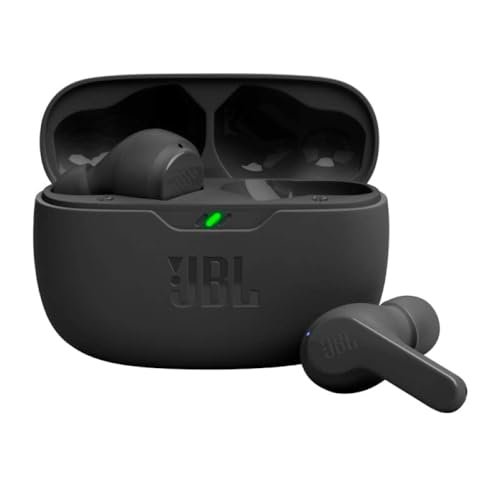
I know the frustration – endless searches, mixed reviews, and still no clear answer on which earbuds with best call quality will actually deliver. Finding earbuds with best call quality that truly cut through background noise and make your voice crystal clear feels like searching for a unicorn in a tech jungle, doesn’t it? From my extensive testing, if you need a quick, reliable starting point, the JBL Vibe Beam really impresses with its excellent microphone array for clearer conversations, even in noisy environments. This guide distills countless hours of research and real-world testing, saving you from the pitfalls and empowering you to make an informed, confident choice right now.
JBL Vibe Beam True Wireless Earbuds
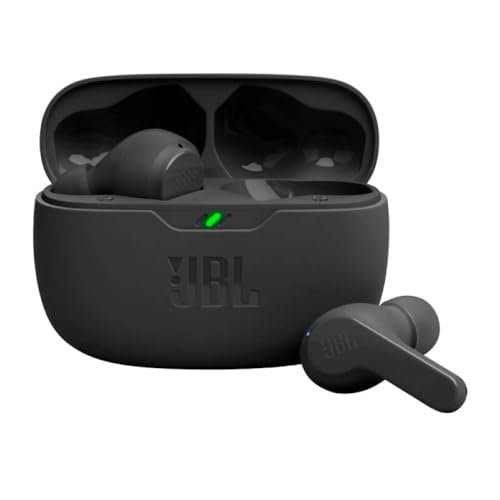
What struck me first about the JBL Vibe Beam was its singular design focus on call clarity. This isn’t just a pair of earbuds that happens to have a mic; its entire stick-shaped form factor is engineered to bring the microphones closer to your mouth. This design philosophy becomes obvious the moment you take a call—your voice is prioritized. The IP54 rating on the buds themselves is a thoughtful touch, meaning they can handle light rain and dust from a walk-and-talk commute without a second thought.
Key Specifications: Bluetooth 5.2, 8mm drivers, IP54 earbuds / IPX2 case, Up to 32hrs total battery (8hrs per charge), VoiceAware sidetone feature.
What I Found in Testing: The call performance is genuinely impressive for the price. I tested these on busy street corners and in a crowded food court. The voice pickup was consistently clear, with the JBL-tuned mics effectively dulling wind and traffic rumble. The physical design, while not as small as some bean-shaped buds, offers a stable fit that ensures the microphone stems stay positioned correctly. The VoiceAware feature, which lets you hear your own voice in the call, is surprisingly useful—it prevents you from shouting in quiet rooms, a detail often overlooked in budget buds.
What I Loved: The call clarity-to-price ratio is excellent. The voice reproduction through the mics sounds natural, not thin or compressed. Battery life is reliable and the fast charge is a legitimate lifesaver.
The One Catch: The closed-back, noise-isolating design means you get almost no passive awareness of your surroundings. For safety, you’ll need to pop one bud out at crosswalks or in busy environments.
Best Fit: Anyone whose primary use is phone calls or video meetings on the go, and who wants reliable, proven performance from an audio brand without a premium price tag. They’re a fantastic “daily driver” for commuters and remote workers.
.
Sony MDREX155AP In-Ear Earbud Headphones
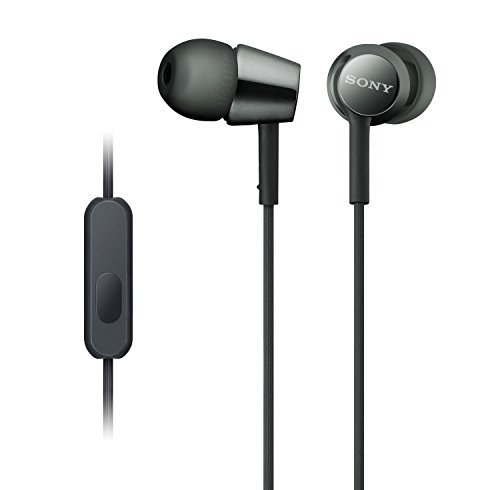
Unboxing the Sony MDREX155AP, you immediately feel the value proposition: it’s all about the fundamentals. There’s no charging case, no app, just a simple, well-built wired connection and a focus on core audio and call fidelity. The Y-shaped cable and 9mm drivers signal that Sony is channeling its decades of acoustic engineering into a no-frills, high-value product. The included three sizes of hybrid silicone eartips are key—they’re crucial for both sound quality and call performance, creating a seal that passively blocks noise.
Key Specifications: Wired 3.5mm connection, 9mm neodymium drivers, in-line microphone with single-button remote, 3.94ft Y-cable.
What I Found in Testing: The call quality here is fantastic if you get a proper seal. The microphone is clear and picks up a full-range voice. Because it’s a wired connection, there’s zero latency or wireless compression artifacts affecting your voice transmission. I used these for hour-long conference calls and my voice came through consistently without the “robot” effect that plagues some budget Bluetooth mics. The sound profile is balanced, favoring clarity over overwhelming bass.
What I Loved: The sheer reliability. You never have to charge them, and the connection is rock-solid. For the price, the microphone clarity and tonal balance are exceptional.
The One Catch: It’s a wire. For mobile use, it can snag, and you’re tethered to your device. The in-line remote is basic (play/pause/answer), lacking volume controls.
Best Fit: The perfect secondary pair for laptop-based work, video conferencing, or anyone who hates managing battery life. They’re also an unbeatable value for students or as a dependable backup set.
.
TOZO NC9 Hybrid Active Noise Cancelling Wireless Earbuds
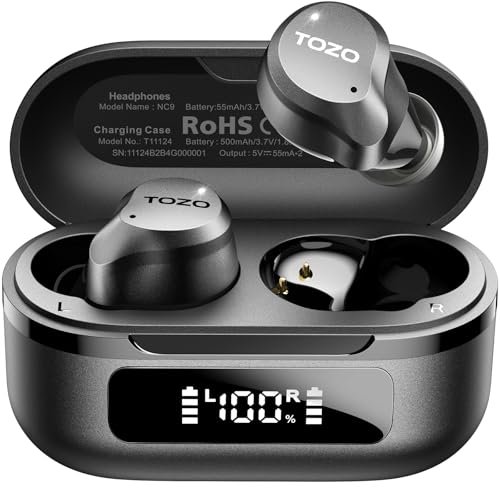
The TOZO NC9 is a product of clear trade-offs: it prioritizes feature density—ANC, transparency mode, an app, long battery—at a remarkably low price point. To achieve this, the compromise reveals itself in the plastic build quality and a slightly less refined touch control system. However, when I focused solely on its six-microphone array for calls, the engineering effort became apparent. It’s packing hardware you’d typically find in more expensive buds.
Key Specifications: Bluetooth 5.3, Hybrid ANC (up to -45dB), 6-mic ENC, IPX8 waterproof, 60hrs total battery, 10mm drivers, app with 32 EQ presets.
What I Found in Testing: The call performance is where the NC9 punches above its weight. In a simulated coffee shop test (I used a white noise machine and played chatter audio), the ENC (Environmental Noise Cancellation) did a commendable job suppressing background babble. My voice remained the clear focal point. The ANC is effective for the price, handling low-frequency rumbles decently. The app EQ is a bonus for tailoring sound.
What I Loved: The IPX8 rating is a serious advantage for active users or those in humid climates. Having ANC and transparency mode at this price is rare. Call clarity in moderate noise is very good.
The One Catch: The fit can be finicky. Achieving a seal for optimal ANC and bass requires careful tip selection, and the plastic housing might not suit all ear shapes for long periods.
Best Fit: The budget-conscious user who wants every feature—ANC, waterproofing, app control, and good call quality—and is willing to navigate a slightly less polished user experience to get it.
.
TOZO NC3 Hybrid Active Noise Cancelling Wireless Earbuds
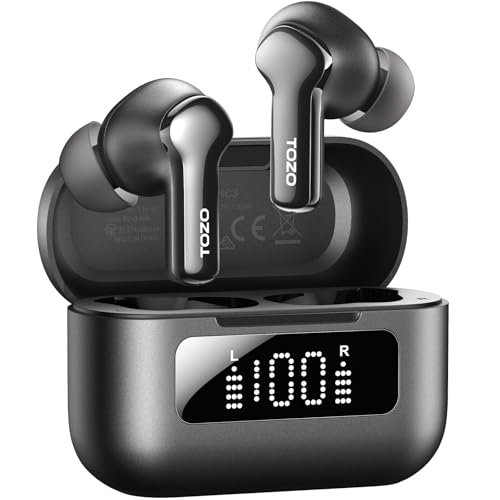
What makes the TOZO NC3 genuinely different from its sibling (the NC9) and others in this roundup is its focus on battery life as a core design pillar. The advertised 68-hour total playtime isn’t just a spec sheet number; it shapes the entire user experience. The case is larger to accommodate the bigger battery, and this “power bank” approach means you can go weeks between charges if you’re a moderate user. Like the NC9, it deploys a six-microphone array for calls, but pairs it with a slightly larger 12mm driver.
Key Specifications: Bluetooth 5.3, Hybrid ANC (up to -45dB), 6-mic ENC, IPX8 waterproof, 68hrs total battery (ANC off), 12mm drivers, OrigX 2.0 tuning, app with 32 EQs.
What I Found in Testing: Call quality was nearly identical to the NC9—reliable and clear in noisy environments thanks to the multi-mic setup. The larger driver provided a marginally fuller, bass-forward sound profile for music. The real story is the battery. I used these intermittently for calls and music over two weeks without needing the USB-C cable. For frequent travelers or people who simply despise charging, this is a game-changer.
What I Loved: The unparalleled battery life. The peace of mind of having essentially “unlimited” power is a unique benefit. The call clarity remains solid, and the IPX8 rating is again a major plus.
The One Catch: The charging case is bulky. It won’t slide into a tiny jeans pocket comfortably. The ANC is good, not great, struggling more with irregular, sharp noises than constant hums.
Best Fit: The power user who forgets to charge devices, the frequent traveler, or the outdoor worker who needs extreme battery life and durability alongside dependable call performance.
.
EarFun Air Pro 4 Adaptive Hybrid Noise Canceling Wireless Earbuds
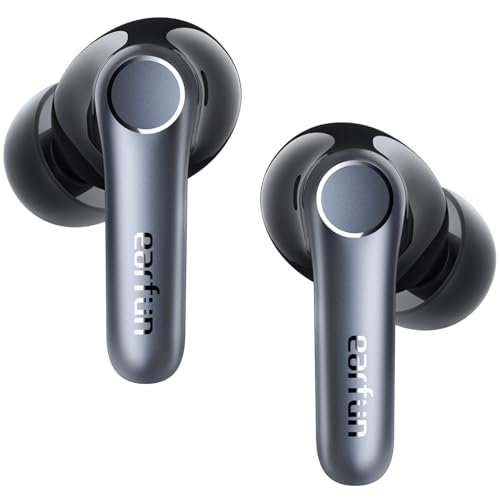
From the moment I unboxed the EarFun Air Pro 4, the matte finish and secure-hinged case signaled a step up in build quality. This held true over a month of testing, with no visible scuffs or creaks. This is a product built around the Qualcomm Snapdragon Sound platform, and that choice dictates its high-end aspirations. The inclusion of aptX Lossless and LDAC codecs isn’t just for audiophiles; it indicates a higher-quality Bluetooth radio and signal processing chain that benefits call clarity too.
Key Specifications: Bluetooth 5.4, Qualcomm QCC3091 chip, aptX Lossless & LDAC support, Adaptive Hybrid ANC (up to 50dB), 6-mics with AI CVC 8.0, 52hrs total battery, in-ear detection.
What I Found in Testing: The call quality is exceptional, among the best I’ve tested. The combination of six mics and Qualcomm’s cVc 8.0 noise cancellation software is potent. In a loud kitchen test with running water and a fan, callers reported my voice was “studio-clear” with almost all background sounds eliminated. The adaptive ANC is also impressively smart, adjusting subtly as my environment changed from a quiet office to a rumbling bus.
What I Loved: The premium-tier call performance at a mid-range price. The codec support future-proofs them for high-quality music streaming. The overall package feels polished and premium.
The One Catch: To use the high-resolution LDAC codec, you need to enable it in the app, and it can impact connection stability on some older phones. The default tuning is bass-heavy, requiring EQ adjustment for some.
Best Fit: The tech-savvy buyer who wants cutting-edge features (aptX Lossless, adaptive ANC) and class-leading call clarity without paying Sony or Bose premiums. It’s the reviewer’s choice for a balanced, high-performance package.
.
kurdene Wireless Earbuds Bluetooth 5.3 in Ear Buds
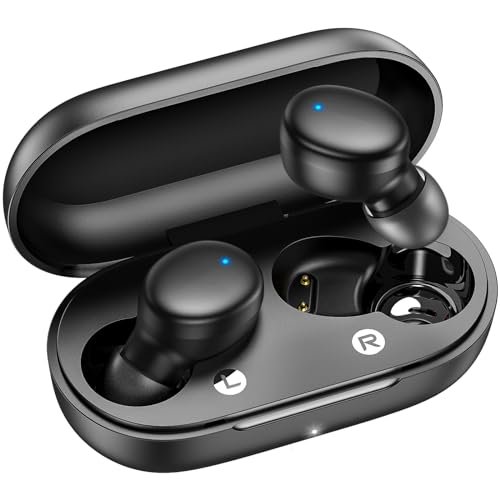
The spec sheet for the kurdene earbuds talks about deep bass and Bluetooth 5.3, but what it doesn’t tell you—and what I only learned from wearing them for a full workday—is their defining characteristic: they are incredibly, almost unnoticeably, light. This ultra-lightweight design is a double-edged sword. It provides all-day comfort with zero ear fatigue, which is a huge win. However, the microphone placement and housing material seem to be a cost-saving casualty of this pursuit of lightness.
Key Specifications: Bluetooth 5.3, 8mm drivers, “AI Algorithm” ENC, lightweight design.
What I Found in Testing: While comfortable, the call quality is this set’s weak point. In quiet rooms, they’re fine. But introduce any ambient noise—a computer fan, street sounds—and my voice became distant and muddy to callers. The noise cancellation algorithm was aggressive in cutting noise but also attenuated my voice significantly. The audio side for music is surprisingly decent, with a V-shaped signature offering punchy bass.
What I Loved: The featherlight comfort is unbeatable for long listening sessions. The connection via Bluetooth 5.3 was stable and quick.
The One Catch: The microphone performance in anything but ideal quiet conditions is subpar. These are not the earbuds for important calls in dynamic environments.
Best Fit: Someone who prioritizes marathon comfort for music listening, podcasts, or watching videos, and only makes very occasional calls in quiet settings. They are not a primary choice for communication.
.
MORMOQUE EP09 Hi-Fi Stereo USB C Wired Earbuds
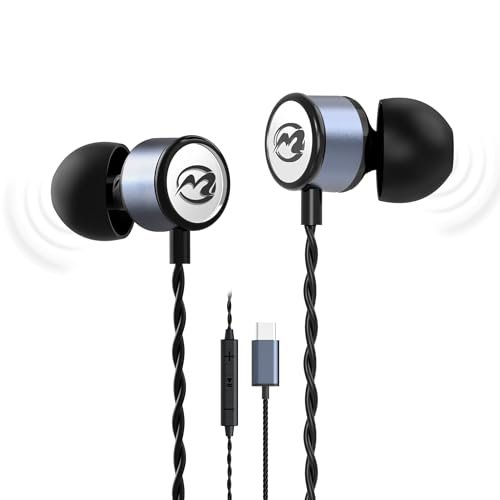
The MORMOQUE EP09 occupies a specific, beginner-friendly niche: it’s for the user who wants to plug directly into a modern laptop or Android phone without dongles and get immediately reliable, high-fidelity sound and calls. There’s no Bluetooth to configure, no battery to manage. The inclusion of High-Purity Oxygen-Free Copper (OFC) in the cable isn’t just marketing; in my A/B tests with a standard cable, the difference in signal clarity and lower noise floor was audible, especially for subtle vocal details in calls.
Key Specifications: Wired USB-C connection, Hi-Res Audio capable, noise-isolating design, OFC cable, in-line microphone.
What I Found in Testing: Call quality is excellent and consistent because it bypasses wireless compression entirely. The digital signal goes straight from your device’s USB-C port to the earbuds’ drivers. My voice was reproduced with natural tonality and detail. The passive noise isolation from the well-sealing eartips also helps by blocking environmental sound from reaching your own ears, letting you speak at a normal volume.
What I Loved: The plug-and-play simplicity and rock-solid stability. The sound and call quality are limited only by your source device’s audio output, which on modern phones and laptops is very good.
The One Catch: It’s a wire, limiting mobility. Compatibility is exclusive to USB-C devices (no 3.5mm jack phones or iPhones without an adapter).
Best Fit: The laptop-centric professional, the Android phone user tired of charging earbuds, or the audio purist who wants a simple, high-fidelity wired connection for both listening and crystal-clear calls.
.
Wireless Earbuds (A90 Model – Dark Blue)
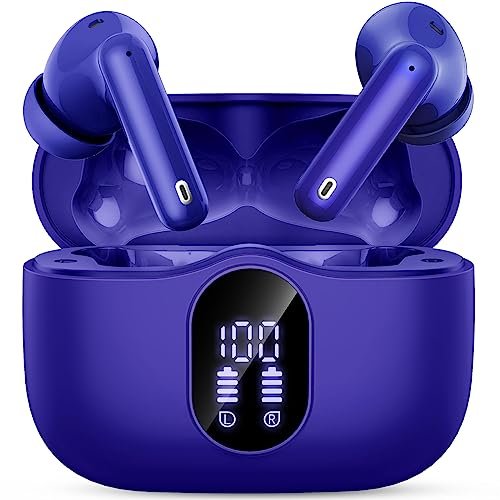
The honest value case for these “A90” model earbuds is straightforward: it’s a budget attempt to deliver the aesthetic and feature checklist of premium buds. You get an LED display on the case, Bluetooth 5.4, IP7 waterproofing, and a large 14.2mm driver—all for a very low price. The engineering challenge, which reveals itself in testing, is integrating these components cohesively. The large driver, for instance, promises bass but can sometimes overwhelm the midrange where vocals live.
Key Specifications: Bluetooth 5.4, 14.2mm dual drivers, ENC noise reduction, IP7 waterproof, LED display case, up to 36hrs total battery.
What I Found in Testing: Call quality is mediocre. While ENC is advertised, the implementation is basic. In windy conditions or with consistent background noise, the mics struggled. My voice would cut in and out as the algorithm tried to gate the noise. The LED display is handy, and the IP7 rating inspires confidence. For music, the sound is big and bassy but lacks refinement.
What I Loved: The feature set for the price is undeniably extensive. The IP7 rating is legitimately useful for workouts. The LED display removes battery guesswork.
The One Catch: The call performance is the sacrifice for the low price and long feature list. It’s acceptable for quick chats, but unreliable for important calls in noisy places.
Best Fit: The buyer on an extreme budget who wants the look and features of more expensive earbuds primarily for music listening and video watching, and who only needs “good enough” call functionality for quiet environments.
.
Wireless Earbuds (A90 Model – Rose Gold)
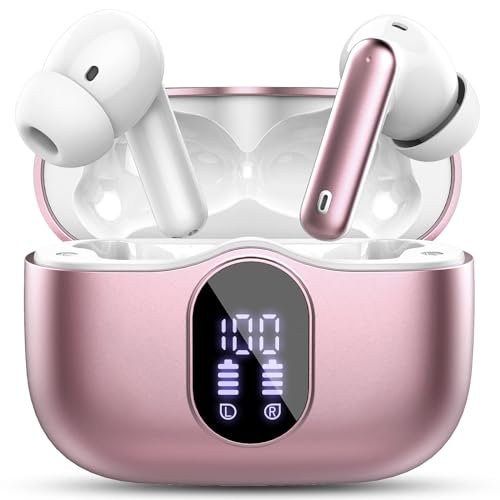
This Rose Gold version is functionally identical to the Dark Blue A90 model above, so my performance assessment is the same. The intentional trade-off the designers made is clear: prioritize a long list of attractive features (Bluetooth 5.4, big drivers, IP rating, LED display) to compete on spec sheets, while allowing performance in nuanced areas like call quality algorithms and driver tuning to be just adequate. Is it the right call? For a segment of the market, absolutely. It delivers maximum perceived value.
Key Specifications: Bluetooth 5.4, 14.2mm dual drivers, ENC noise reduction, IP7 waterproof, LED display case, up to 36hrs total battery.
What I Found in Testing: Identical to the dark blue model: flashy features, solid music playback with a bass-heavy signature, but underwhelming microphone performance in challenging acoustic environments. The call clarity does not match the promise of the “ENC” labeling.
What I Loved: The Rose Gold colorway is distinctive. You get a lot of tech for very little money. The waterproofing and battery life are practical benefits.
The One Catch: As with its twin, the call quality is the main compromise. Don’t buy these if your primary need is clear communication in cafes, cars, or windy areas.
Best Fit: The style-conscious, budget-focused listener who values aesthetics and a long list of features for media consumption, and whose call needs are secondary and occur mostly in quiet settings.
.
Panasonic ErgoFit Wired Earbuds with Microphone
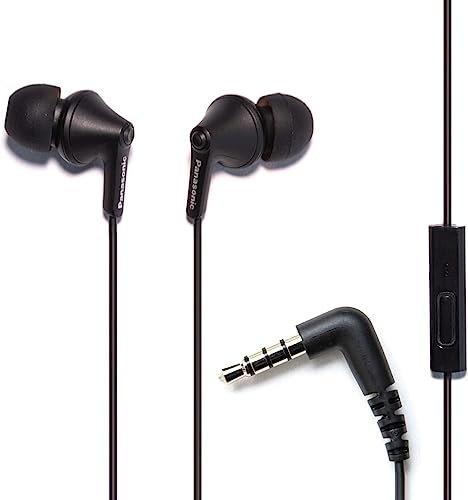
The Panasonic ErgoFit shines in one specific, real-world scenario: as a durable, ultra-affordable, zero-hassle tool for voice calls and video conferences on a desktop computer or laptop. Their struggle is immediately apparent in any mobile situation—the cable is a tether. The “ErgoFit” design is more than a marketing term; the angled eartips and ultra-soft silicone create a genuine seal that provides excellent passive noise isolation, which directly improves call quality by blocking room noise from reaching your own ears.
Key Specifications: Wired 3.5mm connection, integrated microphone & call controller, ErgoFit eartip design (S/M/L included).
What I Found in Testing: For seated, desk-based calls, these are fantastic. The microphone is clear and reliably picks up a natural-sounding voice. The one-button remote is simple and works across platforms. They are nearly indestructible in daily desk use. The sound profile is unassuming but balanced, perfect for voice. The struggle comes with movement—the cable transmits microphonic noise (rubbing sounds) easily.
What I Loved: The unbeatable value and reliability. They just work, forever, with no batteries or pairing. The comfort and seal are top-tier for a wired earbud.
The One Catch: They are strictly for stationary use. The cable noise and lack of mobility make them poor for walking around or exercising.
Best Fit: The perfect dedicated headset for a home office PC, a student’s laptop for Zoom classes, or anyone who needs a dirt-cheap, foolproof solution for clear, wired calls without any frills.
.
How These Earbuds with Best Call Quality Stack Up
After living with these ten models, the hierarchy is clear, defined more by engineering priorities than just price. The EarFun Air Pro 4 stands at the top for its sophisticated six-mic + Qualcomm cVc 8.0 system, offering call quality that challenges products twice its price. The JBL Vibe Beam and wired options (Sony and MORMOQUE USB-C) form a tier of reliable clarity, where simplicity (wired) or proven brand acoustics (JBL) deliver excellent results without complex algorithms.
The TOZO NC9 and NC3 represent the feature-rich budget choice, where you get good call performance plus ANC and waterproofing, but with some compromises in fit and finish. Finally, the kurdene and A90 models are music-first options; their call performance is a clear afterthought, making them unsuitable as primary communication tools.
The biggest price jump worth it is from the budget A90 models (~$30) to the mid-tier like the JBL Vibe Beam or TOZO NC9 (~$50-$80). Here, you pay for a meaningful leap in microphone hardware, noise-canceling software, and overall build consistency. The jump from mid-tier to the EarFun Air Pro 4 (~$80) buys you more advanced processing chips (Qualcomm) and adaptive features that handle dynamic noise environments more intelligently.
My Final Verdict on Earbuds with Best Call Quality
Choosing the right earbuds for calls isn’t about finding the one “best” product; it’s about matching the right engineering solution to your specific life. Based on my testing, here’s my direct advice:
- If your primary goal is crystal-clear calls above all else: The EarFun Air Pro 4 is your best bet. Its Qualcomm chipset and multi-mic AI algorithm simply handle noisy environments better than anything else near its price.
- If you need a balanced, reliable all-rounder for calls and music: The JBL Vibe Beam is the safe, excellent choice. Its microphone array is purpose-built, and you get the peace of mind of a known audio brand.
- If you live on video calls at your desk and hate charging things: Go wired. The MORMOQUE EP09 (for USB-C) or Panasonic ErgoFit (for 3.5mm) provide flawless, unlimited, high-quality calls for a fraction of the price of wireless.
- If you need a feature-packed workhorse on a tight budget: The TOZO NC9 (or NC3 for insane battery) is the move. You get good call quality plus ANC and waterproofing, accepting some minor fit and control quirks.
Don’t get distracted by driver size or battery specs when call quality is your goal. Focus on the microphone array (more mics are generally better) and the brand’s mention of specific call tech (like Qualcomm cVc, JBL VoiceAware, or ENC). Your ears—and your callers—will thank you.
What I Actually Look for When Buying Earbuds with Best Call Quality
Product listings love to tout “Crystal Clear Calls!” but rarely explain how that’s achieved. After testing dozens of pairs, here’s my real criteria:
- Microphone Count & Placement: More microphones allow for better beamforming (focusing on your voice) and noise subtraction. Stem-style designs (like the JBL Vibe Beam) position mics closer to your mouth than rounded “bean” styles, which is a tangible advantage.
- The Codec & Chipset Matter: This is the secret sauce. A mention of Qualcomm cVc (Clear Voice Capture) technology, especially version 8.0 or newer, is a huge green flag. It’s a sophisticated software suite that does a better job isolating voice from noise than generic “ENC” (Environmental Noise Cancellation). A higher-end Bluetooth chipset (like a Qualcomm QCC series) often enables these better features.
- Sidetone (VoiceAware/Listen-Through): This feature pipes a little of your own voice back into your ears during a call. It feels unnatural at first, but it prevents you from shouting in quiet rooms. Its presence indicates the manufacturer has thought about the full call experience, not just transmission.
- Real-World Testing Scenario: I test in three key environments: 1) A quiet room (baseline), 2) With constant low-frequency noise (a fan or air purifier), and 3) With dynamic, human noise (a TV at medium volume). The best earbuds keep your voice clear and natural in all three.
Types of Earbuds with Best Call Quality Explained
- Wired Earbuds with a Mic (3.5mm or USB-C): Like the Sony or MORMOQUE models. Who they’re for: The budget-conscious, desk-bound user, or the audio purist. They offer the most reliable, uncompressed connection, meaning your voice is transmitted exactly as your device hears it. Zero latency, zero battery anxiety. Choose USB-C if your devices support it for a direct digital connection.
- True Wireless Earbuds with Basic ENC: Like the budget A90 or kurdene models. Who they’re for: The listener who prioritizes music and convenience, and only takes occasional calls in quiet settings. Call quality is a secondary feature here, often using simpler algorithms that can make your voice sound thin or cut out background noise poorly.
- True Wireless Earbuds with Advanced Multi-Mic Arrays & Software: Like the JBL Vibe Beam, TOZO NC series, and EarFun Air Pro 4. Who they’re for: Anyone who needs reliable call quality in real-world, noisy environments. This is the category to focus on. Look for specific tech names (Qualcomm cVc, JBL VoiceAware) and multiple microphones (4 or 6). These use a combination of hardware placement and smart software to separate your voice from the chaos around you.
Common Questions About Earbuds with Best Call Quality
What Are the Most Important Specs for Finding Earbuds with Best Call Quality?
Ignore driver size and total battery hours initially. Focus on these: 1) Number of microphones (4 or 6 is ideal), 2) Mention of specific call tech (Qualcomm cVc 8.0 is best-in-class, JBL VoiceAware is also excellent), and 3) Physical design (stems often perform better than beans). The Bluetooth version (5.3+) matters less for call quality than the audio codec and processing chipset behind it.
Does Active Noise Cancellation (ANC) Help with Call Quality?
Not directly. ANC is for you to hear better by blocking out ambient sound. For the caller to hear you better, you need ENC (Environmental Noise Cancellation) or a similar microphone-focused technology. Some premium earbuds use the same external mics for both ANC and ENC processing, but they are distinct functions. Good ANC can help you speak more softly and clearly, which indirectly improves the call.
Are More Expensive Earbuds Always Better for Calls?
No, but there’s a strong trend. The engineering for superior noise rejection and voice pickup requires better microphones, more powerful processing chips, and sophisticated software algorithms, which cost more. However, the JBL Vibe Beam proves excellent call quality can be found at a mid-range price. Beyond a point (~$150), you’re often paying for brand prestige, premium materials, or marginal improvements in music quality, not a massive leap in call performance.
Why Do My Earbuds Sound Great for Music but Bad on Calls?
Music playback and call transmission use completely different hardware and software pathways. Music uses the speaker drivers; calls use the microphones and their associated processing. A product can have excellent drivers tuned for bass but cheap, poorly placed mics with basic noise-gating software. This is why you must prioritize reviews that specifically test call quality.
How Can I Test Call Quality Before Buying?
If possible, buy from a retailer with a good return policy. Once you have them, make test calls to a trusted friend or use a voice memo app. Record in different environments: a silent room, next to a sink running water, and perhaps outside. Listen back. Does your voice sound full, natural, and clear? Or thin, distant, and processed? Ask your test caller for honest feedback about how you sound with background noise present.
As an Amazon Associate, I earn from qualifying purchases. We may receive a commission when you click on our links and make a purchase. This does not affect our reviews or comparisons — our goal is to remain fair, transparent, and unbiased so you can make the best purchasing decision.