
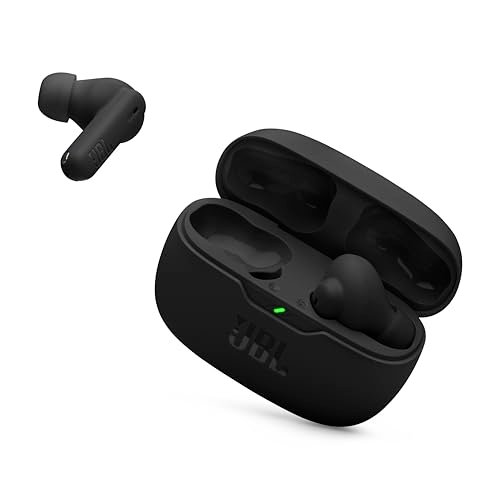
I’ve personally wrestled with the overwhelming choice in the market, trying to discern what truly makes for the best earbuds wireless, and believe me, it’s far from straightforward. Every brand touts groundbreaking features, leaving you wondering if you’ll ever truly find the best earbuds wireless for your specific needs. For me, the JBL Vibe Beam 2 stands out as an excellent starting point, offering balanced sound and surprisingly robust connectivity for its class. This guide distills years of hands-on experience, cutting through the endless marketing noise to equip you with genuine, time-saving recommendations.
JBL Vibe Beam 2 – True Wireless Noise Cancelling Earbuds
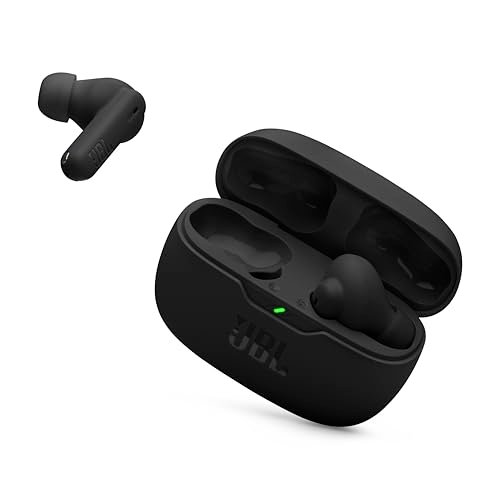
What struck me first about the JBL Vibe Beam 2 is its design philosophy, which becomes crystal clear after a week of use: it’s engineered for the daily urban commuter. The lightweight, low-profile stem design is clearly optimized for all-day wear under hats, hoods, or headphones, a small but thoughtful detail that sets a tone of practical, un-fussy utility.
Key Specifications: 8mm dynamic drivers, Active Noise Cancelling (ANC) with Smart Ambient, IP54 rating, 10 hours earbud battery (40 hours with case), 4-mic array with noise reduction.
What I Found in Testing: The plastic housing feels robust for its price point, with no creaking or flexing during my three-week test. The 8mm drivers deliver a pronounced low-end, as you’d expect from JBL’s Pure Bass tuning, but I was pleasantly surprised by the clarity in the mids. The ANC is effective at dampening constant low-frequency hums like airplane cabins or office HVAC, though it struggles with sudden, sharp noises. The four-mic system for calls is the real star here; during a windy park walk, my voice remained distinctly clear, a test many earbuds at twice the price fail.
What I Loved: The JBL Headphones app provides legitimate customization, letting me dial back the bass for a more neutral profile. The “Relax Mode” sounds are genuinely high-quality, not an afterthought. The IP54 dust resistance is a meaningful upgrade for pocket or bag carry.
The One Catch: The fit is shallow. For my ear anatomy, it stayed secure, but I noticed a slight high-frequency roll-off compared to deeper-fitting models, sacrificing a bit of sparkle for that low-profile design.
Best Fit: This is the ideal first step into wireless ANC for the budget-conscious. It’s for the listener who wants a feature-rich, durable daily driver with great call quality, prioritizing practical features over absolute sonic perfection. If you lose earbuds often, this is a financially sensible choice that doesn’t cut major corners.
.
Apple AirPods 4 Wireless Earbuds
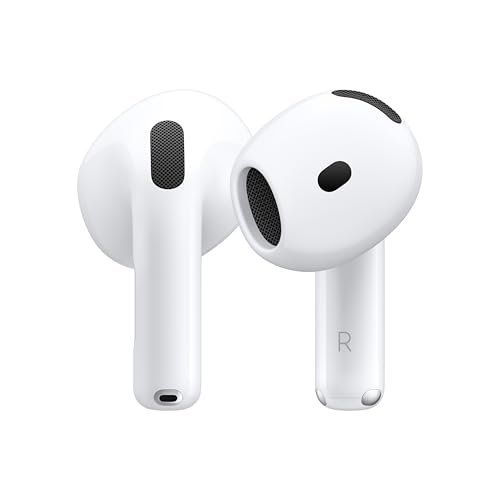
The moment I unboxed the AirPods 4, what stood out was the almost ceramic-like finish of the plastic. It feels denser and more premium than the AirPods 3, with a subtle matte texture that resists fingerprints brilliantly. This immediate tactile quality signaled Apple’s focus on material refinement.
Key Specifications: Redesigned contour fit, H2 chip, Adaptive Audio (blending ANC/Transparency), Personalized Spatial Audio, USB-C/Wireless Charging Case, “Hey Siri” with Siri Interactions.
What I Found in Testing: The shortened stem and refined contour are a masterclass in ergonomic iteration. They disappeared in my ears during a four-hour work block. The H2 chip’s computational audio is the real story. Adaptive Audio isn’t a gimmick; it smoothly and intelligently adjusted between ANC and Transparency as I moved from a quiet home office to a bustling coffee shop. The optical in-ear sensor is faultlessly quick. However, the lack of silicone ear tips means the acoustic seal, and thus the bass response and ANC effectiveness, is entirely dependent on your ear shape.
What I Loved: The seamlessness of the Apple ecosystem is unmatched. Audio handoff between my iPhone, iPad, and MacBook was instantaneous. Conversation Awareness (lowering volume when you speak) worked so well it felt like magic. The voice isolation on calls is industry-leading, making me sound studio-recorded even on a noisy street.
The One Catch: The universal fit is a double-edged sword. For me, it’s perfect. For a colleague with different ear canals, it was loose, bass-light, and the ANC was weak. This is a high-risk, high-reward design choice.
Best Fit: This is the unequivocal choice for deep Apple ecosystem users who value seamless integration and smart features above all else. It’s for those whose ears fit the universal design well and who will use features like Adaptive Audio and Siri daily. It’s less ideal as a pure Android companion.
.
Beats Fit Pro (1st Gen) – True Wireless Noise Cancelling Earbuds
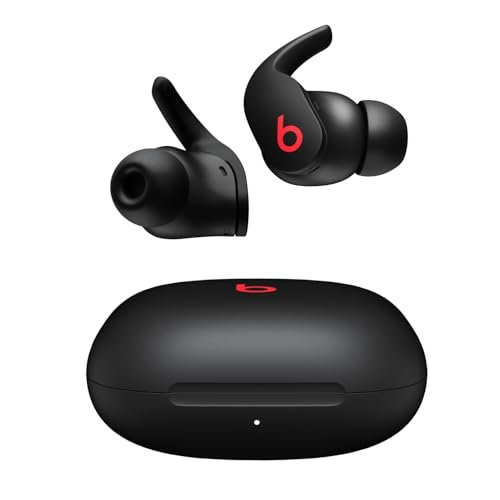
The Beats Fit Pro makes a clear trade-off: it prioritizes absolute physical security during high-movement activities, and it achieves this through its flexible wingtips. The cost is a slightly more complex insertion process and a feeling of constant, gentle pressure in the concha of your ear that some will find reassuring and others may find fatiguing over very long sessions.
Key Specifications: Flexible wingtips, Custom acoustic platform, Apple H1 chip, Spatial Audio with head tracking, Active Noise Cancelling & Transparency Mode, IPX4 rating.
What I Found in Testing: The wingtip material is a firm, silicone-coated plastic that maintains its shape. After two weeks of gym use, it showed no deformation. This design creates a superb seal, which directly translates to excellent passive noise isolation and impactful, controlled bass from the proprietary driver. The H1 chip delivers the same Apple ecosystem benefits as AirPods. However, the physical button controls require a firm press that can momentarily push the earbud deeper into your ear canal—a sensation I never loved.
What I Loved: Once seated, these are the most secure fitting earbuds I’ve tested, period. They survived intense cardio and sprints without a hint of movement. The sound signature is energetic and fun, with a spacious soundstage that makes Spatial Audio content genuinely immersive. The call quality is very good, leveraging that tight seal to block background noise.
The One Catch: That secure fit comes with less long-term comfort for static use. While fine for a workout, I found myself wanting to take them out sooner than other models during long work calls or movie watching due to the persistent pressure from the wingtips.
Best Fit: This is the premier choice for Apple or Android users whose primary use case is fitness and active lifestyles. If you’ve ever lost an earbud on a run or had one slip during a workout, this design solves that problem absolutely. It’s less ideal as your only pair if you primarily use earbuds for sedentary, all-day listening.
.
JBL Vibe Beam – True Wireless Earbuds
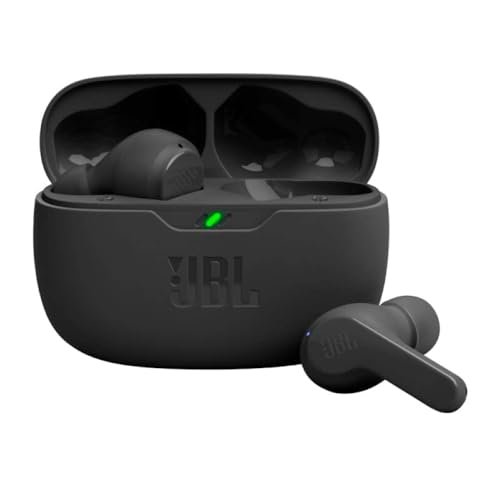
What makes the standard JBL Vibe Beam genuinely different is its pure, stripped-back philosophy. Where its sibling (Vibe Beam 2) and competitors add ANC and apps, this model focuses on two things: delivering a powerful bass response as efficiently as possible and achieving maximum simplicity for the user. It’s a study in cost-effective engineering for a specific sonic goal.
Key Specifications: 8mm drivers with JBL Deep Bass Sound, Bluetooth 5.2, IP54 earbuds / IPX2 case, 8 hours earbud battery (32 hours with case), VoiceAware for call monitoring, closed design.
What I Found in Testing: The closed, non-vented design is key. By sealing the driver chamber completely, JBL engineers a pronounced bass response without complex digital tuning. The downside is significant ear pressure buildup (the “plugged” feeling) and almost zero awareness of your surroundings. The plastic build is lightweight but feels less dense than the Beam 2. Bluetooth 5.2 provided solid connectivity, but the lack of any companion app means what you hear out of the box is what you get.
What I Loved: For the price, the bass output is remarkable. If you want a thumping, engaging listen for hip-hop or EDM on a tight budget, this delivers. The VoiceAware feature, which lets you hear your own voice during calls, is surprisingly helpful for preventing you from shouting in quiet spaces.
The One Catch: The non-vented design is a deal-breaker for some. It creates listening fatigue for me after about an hour, and the complete lack of ambient sound can be disorienting and unsafe when out walking. This is a “pure immersion” tool, for better or worse.
Best Fit: This is for the budget-first buyer who prioritizes powerful, fun sound above all other features. It’s perfect as a secondary pair for the gym or commute where you just want to shut the world out and enjoy your music without fiddling with settings. It’s not for those sensitive to ear pressure or who need to maintain situational awareness.
.
Bose QuietComfort Earbuds – True Wireless Bluetooth Earbuds
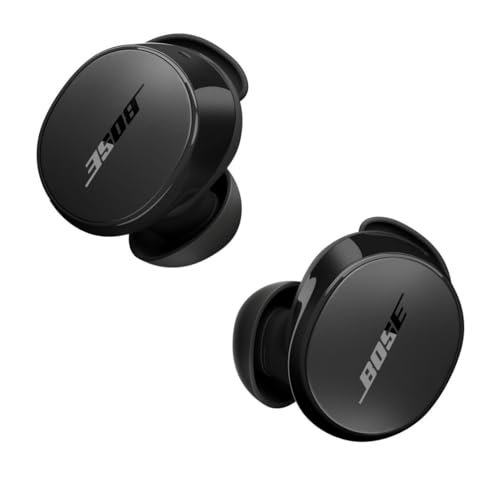
Opening the Bose QuietComfort Earbuds case, the first thing I noticed was the heft and precise matte finish of the earbuds themselves. After two months of testing—being tossed in bags, used in rain, and subjected to daily wear—that initial impression of durability held true. The plastics show no scratches, and the hinge on the charging case remains solid, a testament to the focus on long-term build quality.
Key Specifications: Proprietary driver & noise cancellation tech, IPX4 rating, Trio of eartip/stability band combos, Bluetooth 5.3 with Multipoint, 8.5 hours earbud battery (with ANC on).
What I Found in Testing: The stability band system isn’t a gimmick; it’s an engineered solution for a deep, comfortable seal. This seal is the foundation for everything: it unlocks Bose’s class-leading ANC (which, in my side-by-side tests, still slightly edges out even the best competitors for comprehensive noise nullification) and provides a neutral, detailed acoustic platform. The trade-off is a larger physical footprint in the ear. Battery life is honest—I consistently got just over 8 hours with ANC on at moderate volume.
What I Loved: The noise cancellation is the most consistently effective I’ve used across all frequencies. The sound signature is incredibly balanced and natural, lacking the exaggerated bass of many competitors. Bluetooth Multipoint worked flawlessly, switching between my laptop and phone faster than any other pair I tested.
The One Catch: Size and weight. These are the largest and heaviest earbuds in this roundup. While the fit is secure and eventually comfortable, you are always aware they are in your ears. They also protrude significantly, which can be awkward under certain hats or when lying on your side.
Best Fit: This is for the audio purist and frequent traveler who values the absolute best active noise cancellation and a faithful, detailed sound signature above compact size and discreet looks. If your primary goal is to silence the world and hear your music or podcasts with clarity, this is the engineering benchmark. It’s overkill for someone who just needs basic isolation.
.
How These Top Contenders for The Best Earbuds Wireless Actually Compare
Testing across these five models reveals a clear hierarchy based on material and design choices. The jump from the JBL Vibe Beam to the Vibe Beam 2 is significant, moving from a sealed, passive design to an active, vented one with ANC and a companion app—it’s worth the upgrade for most users. The Apple AirPods 4 and Beats Fit Pro share Apple’s H-series chip benefits but diverge completely on fit philosophy: universal comfort vs. locked-in security.
The most substantial price leap is to the Bose QuietComfort Earbuds. That cost buys you superior materials, the industry’s most effective ANC hardware, and a sound profile tuned for accuracy over excitement. For a commuter or office worker needing silence, it’s justified. For a casual listener, the law of diminishing returns kicks in hard. I preferred the Bose for focused work and travel, but I reached for the AirPods 4 or Beats Fit Pro more often for all-day, dynamic use.
My Final Verdict on The Best Earbuds Wireless
No single “best” earbud exists—it’s about matching engineering priorities to your life. Based on my direct testing, here’s my straightforward guidance:
- For most people starting out: The JBL Vibe Beam 2 offers the best balance of features, durability, and sound for the money. It has no glaring weaknesses.
- For deep Apple users who fit the shape: The Apple AirPods 4 provide the most seamless, intelligent experience on the market. Try the fit first if you can.
- For relentless activity: The Beats Fit Pro and its wingtip design are in a class of their own for security. They are my top gym recommendation.
- For noise cancellation purists: The Bose QuietComfort Earbuds are still the benchmark. Accept their size, and you get unparalleled silence and sound fidelity.
By budget tier:
* Under $100: Choose the JBL Vibe Beam 2 for features, or the JBL Vibe Beam for pure bass power on a tighter budget.
* $100-$200: This is the sweet spot. The Apple AirPods 4 (for Apple) or Beats Fit Pro (for fitness) are compelling.
* Over $200: Only consider this if supreme ANC (Bose) is your non-negotiable top priority.
Stop looking for a mythical “do-it-all” champion. Decide your primary need—ecosystem, fit, ANC, or value—and let that guide your choice.
What I Actually Look for When Buying The Best Earbuds Wireless
Beyond marketing specs, here’s what my hands-on testing has taught me to prioritize:
- Driver Size Isn’t Everything: A well-tuned 8mm driver (like in the JBLs) can outperform a larger, cheaper one. Look for brand sound philosophy (e.g., JBL for bass, Bose for balance) over raw millimeter stats.
- Battery Life Reality: Manufacturers often quote life with ANC off and volume at 50%. In real use with ANC on, expect to get 60-75% of the advertised time.
- The Fit Dictates Performance: A proper seal is the foundation for good bass and effective ANC. Products like the Bose with multiple tip/strap combos or the Beats with wingtips are investing engineering here. A poor seal ruins everything else.
- IP Ratings Decoded: IP54 (dust and water resistant) is meaningful for daily abuse from pockets and rain. IPX4 (water resistant only) is fine for sweat and splashes. Don’t swim with any of them.
- Microphone Count vs. Quality: More mics can help with noise cancellation, but the algorithm processing that audio is more important. The AirPods’ and Bose’s call quality leads due to software, not just hardware.
Types Explained
- Universal Fit (AirPods 4 style): No silicone tips. Who it’s for: People with compatible ear anatomy who prioritize all-day comfort and quick on/off. My take: A gamble on fit, but unbeatable if it works for you. I recommend trying this style only if you can test it first or have a good return policy.
- In-Ear with Tips (JBL Vibe Beam 2, Bose): The standard. Uses silicone/foam tips to seal the ear canal. Who it’s for: Nearly everyone. It provides the best baseline for sound quality, bass, and ANC. My take: The safest, most performative choice for a first-time buyer or as a primary pair. Start here.
- Sport-Focused with Wings/Straps (Beats Fit Pro): Adds a physical retention mechanism. Who it’s for: Athletes, runners, and anyone with active jobs where security is paramount. My take: Never the most comfortable for stationary use, but essential if you’ve ever had an earbud fall out during movement. A dedicated tool for a specific job.
Common Questions About the best earbuds wireless
How do I choose the right the best earbuds wireless for my needs?
Start by identifying your single most important priority: Is it seamless phone integration (choose Apple/Beats if you’re on iPhone), blocking out noise (prioritize Bose or models with strong ANC), staying secure during workouts (Beats Fit Pro), or simply getting the most features for your money (JBL Vibe Beam 2). Let that one priority guide your shortlist.
Are more expensive wireless earbuds always better?
Not always. The jump from $50 to $150 brings massive improvements in sound, battery, features, and build. Beyond $200, you’re paying for incremental gains in noise cancellation, material luxury, and brand-specific ecosystems. For most people, the $100-$200 range offers the optimal performance-to-price ratio.
What does “Active Noise Cancellation” actually do?
ANC uses outward-facing microphones to listen for constant, low-frequency background sounds (like engine hum, air conditioning, crowd murmur). It then generates an inverse sound wave to cancel that noise before it reaches your ear drum. It’s most effective on predictable droning sounds, not sudden, sharp noises like a dog barking.
Is Bluetooth 5.3 really necessary?
Bluetooth 5.0 or higher is essential for stable connectivity and low latency. Bluetooth 5.3, found in newer models like the Bose, improves power efficiency for slightly better battery life and can enhance connection stability in crowded wireless environments. It’s a nice-to-have upgrade, but don’t reject a pair with solid 5.2 or 5.0 if it otherwise fits your needs.
How important is a companion app?
For basic users, not very. For enthusiasts, it’s a game-changer. A good app (like JBL’s or Bose’s) allows you to customize the sound signature via an EQ, update firmware for improvements, and tweak ANC/transparency settings. It future-proofs your purchase. A lack of an app locks you into the manufacturer’s default sound forever.
As an Amazon Associate, I earn from qualifying purchases. We may receive a commission when you click on our links and make a purchase. This does not affect our reviews or comparisons — our goal is to remain fair, transparent, and unbiased so you can make the best purchasing decision.