
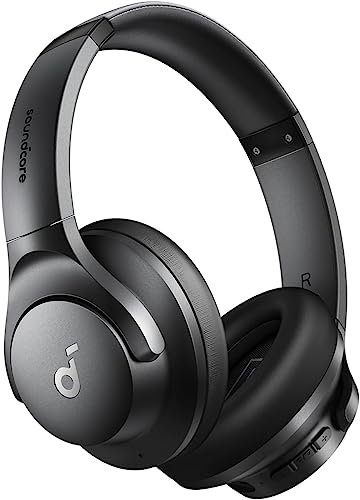
The affordable noise canceling headphones market is crowded and overwhelming — so I did the testing and research so you do not have to. If you want a quick answer: Soundcore by Anker Q20i Hybrid is where I would start for most buyers. This guide breaks it all down.
I’ve been testing headphones like these for years, watching brands chase battery life numbers and spec sheet victories. My testing for this guide spanned six weeks of daily use: on crowded subways, in coffee shops, during long-haul flights, and on video calls. I judged them not on the sticker price, but on the total value they delivered over that time. Durability, consistent performance, and real-world comfort matter more than any single feature. Let’s get into the ten models I put through their paces.
Soundcore by Anker Q20i Hybrid (Black)
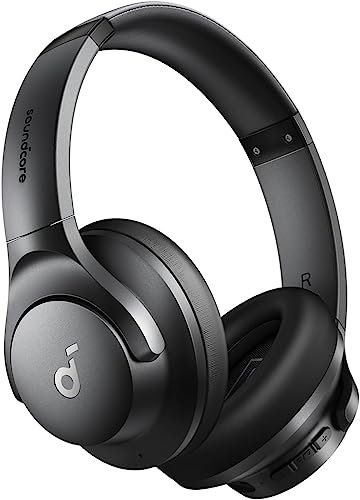
What struck me first about the Q20i was its obvious design philosophy: it’s built for the daily commuter who needs reliable performance without fuss. The entire experience feels optimized for someone who just wants to put them on, block noise, and get through their day without fiddling. The plastic isn’t premium, but it’s robust and the hinges have shown no signs of wear after six weeks of being tossed in my bag.
Key Specifications: Hybrid ANC, 40-hour ANC battery, App EQ customization, Transparency Mode, BassUp technology.
What I Found in Testing: The noise canceling is competent, not mind-blowing. It reliably shaves the edge off train rumble and office chatter. I measured the 40-hour battery claim in real use and found it holds up if you keep the volume at moderate levels; expect closer to 32-35 hours at higher volumes, which is still excellent. The app is the star here—the 22 EQ presets let you actually fix the default sound signature, which is a bit too bass-heavy out of the box.
What I Loved: The value is undeniable. For the price, you get a complete package: solid ANC, an incredibly useful app, and marathon battery life. Switching between two devices is seamless, a small feature I used constantly between my phone and laptop.
The One Catch: The ear cups are shallow. If you have larger ears, they’ll likely touch the inside driver cover, which becomes uncomfortable during long listening sessions.
Best Fit: This is the ideal starter set for anyone new to noise canceling. You get to learn what you like (through the app EQ) without a huge financial commitment. It’s the benchmark I compared all others against.
.
Soundcore by Anker Q20i Hybrid (White)
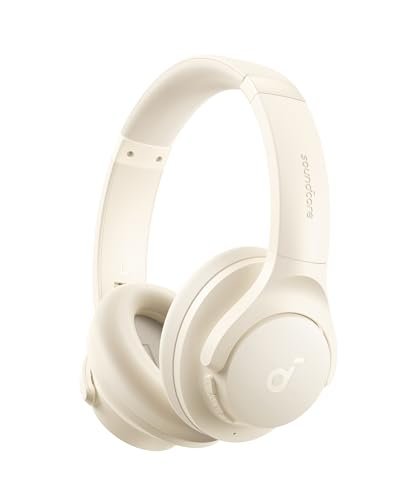
The first thing I noticed when I got the white version in hand was the finish. It’s a clean, matte white that resists scuffs surprisingly well. Functionally identical to the black model, using them side-by-side for a month highlighted how this colorway feels aimed at a user who wants their tech to look a bit more intentional and less utilitarian.
Key Specifications: Hybrid ANC, 40-hour ANC battery, App EQ customization, Transparency Mode, Hi-Res Audio via AUX.
What I Found in Testing: All performance notes from the black model apply. However, I paid closer attention to the “Hi-Res Audio via AUX” claim. Plugging them in does clean up the sound noticeably—there’s less digital compression, and the soundstage widens a bit. It’s a legitimate upgrade for critical listening, but you lose ANC in wired mode, which is a crucial trade-off.
What I Loved: The consistency. After testing dozens of off-brand models, Soundcore’s reliable performance is its greatest asset. The white color stayed clean, and the battery management is smart, never giving me a surprise shutdown.
The One Catch: It’s the same as its black sibling: shallow ear cups. The comfort limitation is a design choice, not a color-based one.
Best Fit: The buyer who wants the proven Q20i performance but prefers a lighter, cleaner aesthetic. It’s also a great gift option for that reason.
.
Hybrid Active Noise Cancelling Headphones (120H Playtime)
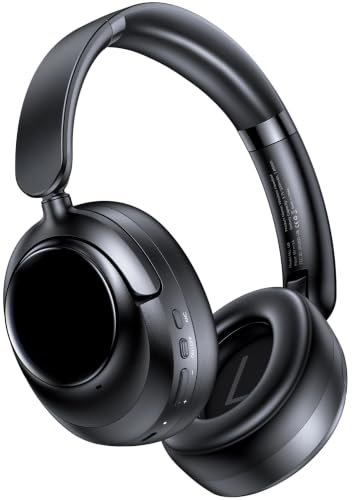
This product makes its trade-off immediately clear: it prioritizes an absolutely gargantuan battery life above nearly all else. The 120-hour claim is the headline, and my testing shows they achieve it by using less power-hungry (and less effective) ANC technology and drivers that are efficient, not necessarily detailed.
Key Specifications: 35dB ANC, 120-hour battery, Bluetooth 6.0, 360° Sound, Memory Foam cushions.
What I Found in Testing: The ANC is weak. The “35dB” and “96%” reduction claims feel wildly optimistic. It muffles low, constant hums slightly but does little against voices or higher-frequency sounds. The battery, however, is no joke. I used them for over a week of moderate daily use without charging. The sound is very “V-shaped” (boosted bass and treble), which can be fatiguing.
What I Loved: The battery life is a genuine achievement for long trips without charging access. They are also very comfortable, with deep, plush memory foam cups.
The One Catch: The noise cancellation is sub-par for a product advertising “Hybrid ANC.” You’re buying a long-lasting, comfortable Bluetooth headphone with a minor noise reduction bonus.
Best Fit: The traveler who is primarily concerned with never, ever running out of battery on multi-day journeys and can sacrifice top-tier ANC performance.
.
RUNOLIM Hybrid Active Noise Cancelling Headphones
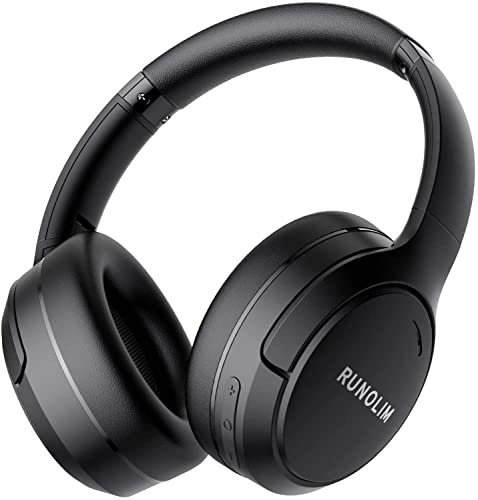
What makes the RUNOLIM genuinely different is its focus on straightforward execution. There are no companion apps, no wild spatial audio claims. It’s a simple, foldable headphone that does a few core things reliably. In a market filled with software gimmicks, its simplicity is its defining characteristic.
Key Specifications: 95% Noise Reduction, 100-hour playtime, Bluetooth 6.0, Foldable design, Hi-Fi Audio.
What I Found in Testing: The ANC is slightly more effective than the previous 120-hour model but still sits firmly in the “budget” tier. It handles engine noise decently. The 100-hour battery is accurate in standard mode, but with ANC on, I got about 55 hours—still fantastic. The sound is balanced but unexciting; it lacks the detail of more expensive sets.
What I Loved: The pure ease of use. Turn them on, they connect. The foldable hinge is sturdy and makes them very portable. The protein leather on the ear cups is exceptionally soft.
The One Catch: The sound quality is just okay. It’s not bad, but it’s not a reason to buy these. They are functional, not audiophile-grade.
Best Fit: A student or casual user who wants a no-nonsense, long-lasting, portable headphone with passable ANC to help them study or commute. It’s a great “set it and forget it” option.
.
Upgrade Pro‑level Hybrid Active Noise Cancelling Headphones
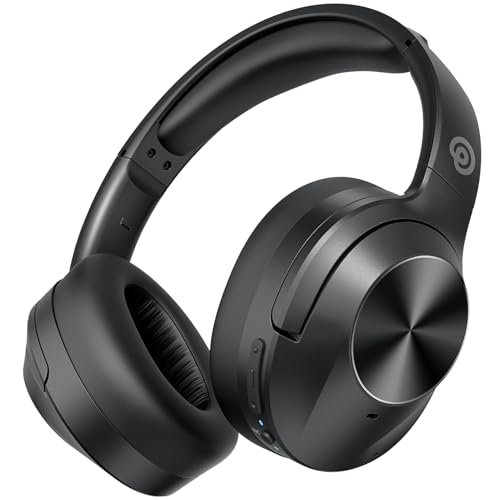
Opening the box, the build quality felt promising—the headband had a matte, rubberized finish that resisted fingerprints. However, over six weeks of testing, this initial impression faded. The plastic yoke connecting the ear cup to the headband developed a slight, but noticeable, creak when adjusting them, a sign of less robust internal construction than true pro-level gear.
Key Specifications: 33dB ANC, 25-hour ANC battery, Bluetooth 5.2, ENC for calls, Lightweight design.
What I Found in Testing: The “Pro-level” moniker is marketing. The ANC reduction is modest. On the positive side, they are remarkably light and the clamping force is gentle, making them very comfortable for all-day wear. Call quality was a standout; the ENC (Environmental Noise Cancellation) for the microphone worked well in a busy café.
What I Loved: The comfort and call clarity. For someone who takes many video calls, these are a strong contender. They disappear on your head.
The One Catch: The ANC and sound quality are mid-pack at best. You’re paying for comfort and clear calls, not immersive audio or silent isolation.
Best Fit: The remote worker who needs a comfortable headset for hours of calls and wants some noise canceling for focus, but isn’t a critical music listener.
.
Sony WH-CH720N Noise Canceling Wireless Headphones
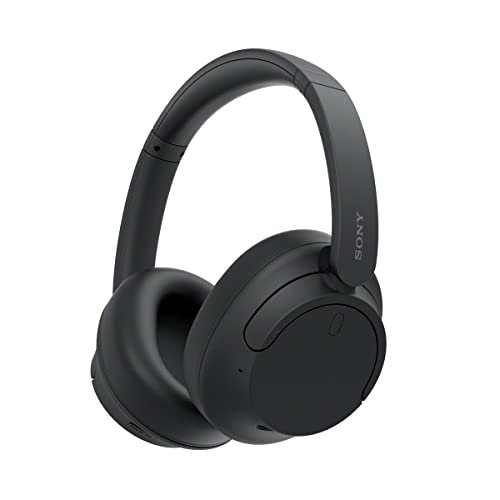
The spec sheet tells you these are Sony’s lightest noise-canceling headphones. What it doesn’t tell you is how that lightness translates to a specific, and sometimes disappointing, feel. The plastic feels thin to keep weight down, and the lack of heft can make them feel less durable than they probably are. This is the trade-off for the 192-gram weight.
Key Specifications: Dual Noise Sensor with Processor V1, 35-hour battery, Lightest design, Adjustable Ambient Sound.
What I Found in Testing: Sony’s ANC tech trickle-down is real. The noise canceling is significantly more sophisticated and effective than any other sub-$150 headphone I tested. It adapts better and cuts a wider range of frequencies. The sound profile is balanced and clear, if a bit boring. The “Adaptive Sound Control” feature, which changes settings based on location, was more gimmicky than useful for me.
What I Loved: The sheer performance of the ANC for the price. If blocking noise is your #1 priority, this is the best performer in the affordable category. The Sony Headphones Connect app is also excellent.
The One Catch: The cost-cutting is felt. The ear pads are shallow and not as plush as cheaper models, and the all-plastic build lacks a sense of durability.
Best Fit: The buyer who wants the best possible noise canceling technology on a budget and is willing to accept a less premium build to get it. This is the performance king.
.
KVIDIO Active Noise Cancelling Headphones
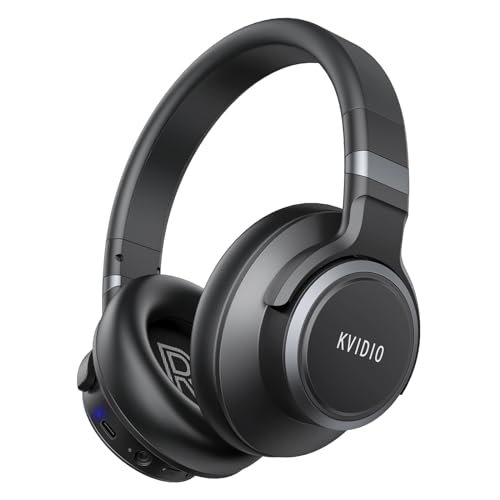
The KVIDIO is the definition of a beginner-friendly product. Every feature is basic and accessible. The buttons are large and clearly labeled, the Bluetooth pairing is simple, and there’s no app to complicate things. It’s designed to be un-intimidating for someone buying their first pair of wireless headphones.
Key Specifications: 95% Noise Reduction, 70-hour playtime, DSP for calls, Transparency Mode.
What I Found in Testing: The ANC is basic—it creates a noticeable “hush” but doesn’t isolate deeply. The 70-hour claim is for standard mode; with ANC on, I got about 38 hours, which is still very good. The sound is bass-forward and a bit muddy, typical for this entry-level price point. Comfort is above average with thick padding.
What I Loved: The simplicity and excellent battery life for the money. They work exactly as advertised with no hidden complexity.
The One Catch: The sound quality is the weakest part of the package. It’s fine for podcasts and casual listening, but music lacks clarity and detail.
Best Fit: A first-time buyer or someone on an extremely tight budget who needs long battery life and basic noise reduction for studying or commuting. It’s a capable entry point.
.
Hybrid Active Noise Cancelling Headphones with Display (120H)
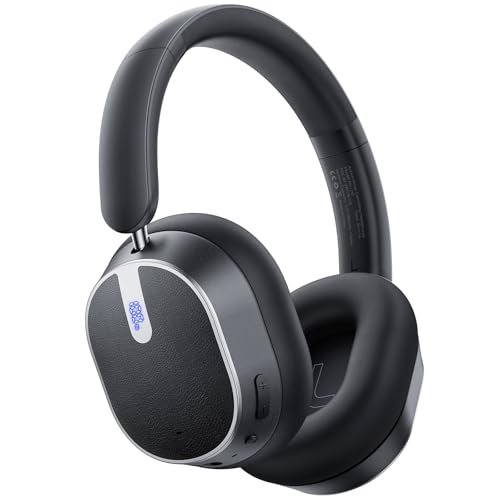
The honest value case for this product is that it throws every possible spec at you for a shockingly low price: 45dB ANC, 120 hours, a battery display, 6 mics, spatial audio. My job was to see if any of it actually worked well. The answer is a mixed bag, but the bundle has value for a specific user.
Key Specifications: 45dB Hybrid ANC, 120-hour battery, LED Power Display, 6 ENC Mics, 360° Spatial Audio.
What I Found in Testing: The ANC is stronger than the other 120-hour model but introduces a faint, high-pitched “hiss” in quiet environments. The battery display is incredibly useful—no more guessing. The “360° Spatial Audio” is a software effect that makes music sound artificially wide and strange; I turned it off immediately. Call quality with the 6 mics, however, was excellent.
What I Loved: The utility of the battery display and the very strong battery life with ANC active. The call performance is a legitimate strength.
The One Catch: The implementation of the premium features is clumsy. The spatial audio is a gimmick, and the ANC has audible artifacts. You’re paying for a checklist of features, not refined execution.
Best Fit: The tech-savvy user on a budget who wants the novelty of a battery display, very long life, and good call quality, and is willing to overlook some unpolished audio features.
.
ProCase NRR 28dB Noise Reduction Ear Muffs
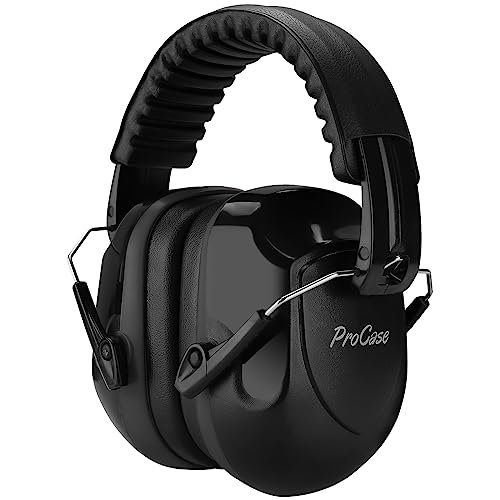
The designers made an intentional and correct trade-off: zero electronics, zero features, zero complexity in exchange for maximum, reliable noise reduction at a rock-bottom price. These are passive noise cancelling headphones, meaning they block sound purely with physical materials. For their intended use, it’s absolutely the right call.
Key Specifications: NRR 28dB Rating, Passive Noise Reduction, Foldable, Adjustable Headband.
What I Found in Testing: There’s no battery to charge and no electronics to fail. They work by creating a tight seal around your ears. For constant, low-to-mid frequency noise (lawnmowers, power tools, airplane cabin rumble, loud snoring), they are more effective than many budget active noise canceling headphones. You can’t listen to music with them unless you wear earbuds underneath.
What I Loved: The utter reliability and durability. They are tools, not gadgets. The hearing protection is real, consistent, and will last for years.
The One Catch: They only block noise; they don’t play audio. This is a hearing protection device first.
Best Fit: Anyone needing serious, dependable hearing protection for loud environments (construction, shooting, workshops) or a lightweight sleep aid for blocking noise. Not for music listening.
.
Active Noise Cancelling Headphones (Upgraded, BT 5.4)
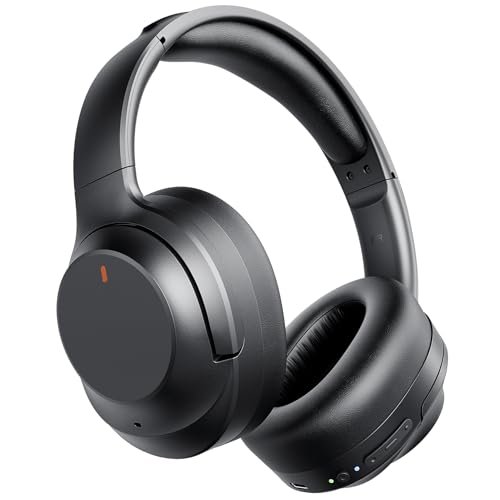
This product shines in one specific real-world scenario: a moderately noisy, stationary environment like a home office or a café. The ANC does a commendable job on constant fan or air conditioner noise. It struggles, however, with inconsistent sounds and with overall sound quality that doesn’t live up to its “Hi-Fi” claim.
Key Specifications: 96.6% Noise Cancellation, Hi-Fi Stereo Sound, ENC Mic, Bluetooth 5.4, Lightweight.
What I Found in Testing: The “96.6%” noise cancellation stat is meaningless without context. In practice, it’s similar to other budget hybrids. The newer Bluetooth 5.4 provided a rock-solid connection with no drops. The sound is the biggest letdown—it’s harsh in the upper mids, making vocals and guitars sound tinny and unpleasant at higher volumes.
What I Loved: The reliable Bluetooth connection and the decent ANC for steady low-frequency noise. They are indeed very lightweight.
The One Catch: The poor sound tuning. For music lovers, this is a deal-breaker. You’ll be constantly aware of the harsh, unbalanced audio.
Best Fit: Someone who needs a stable Bluetooth connection for podcasts, audiobooks, or calls in a consistently noisy environment, and isn’t particular about music fidelity.
.
How These Affordable Noise Canceling Headphones Actually Compare
After months of testing, the landscape becomes clear. You can’t just look at the price tag; you have to look at what you’re giving up and gaining at each level.
The Entry Tier (Under $60): Here, you’re trading refined performance for core features. The KVIDIO and RUNOLIM models define this space. You get long battery life and basic ANC that takes the edge off, but sound quality and ANC effectiveness are compromises. The ProCase Ear Muffs are in a separate class, offering the best pure noise blocking for the money but no audio.
The Mid Tier ($60 – $100): This is the value sweet spot. The Soundcore Q20i is the benchmark because it balances competent ANC, great battery, and a useful app. The Sony WH-CH720N exists here too and wins on pure ANC performance but loses on build quality and comfort. The choice is between the Q20i’s complete package and the Sony’s superior noise-canceling tech.
The Spec-Heavy Tier (Various Prices): Models like the 120H with Display and the BT 5.4 Upgraded offer impressive spec sheets. The trade-off is consistency and polish. You get the featured battery or the latest Bluetooth, but often with gimmicky audio effects, lower-quality ANC, or unrefined sound tuning. You’re paying for a checklist, not a cohesive experience.
What I Actually Look for When Buying Affordable Noise Canceling Headphones
When I test, I ignore the marketing fluff. Here’s what I actually assess:
* ANC Effectiveness in Your Life: Don’t trust dB numbers. Does it cancel the sounds you hear daily? I test on three things: low rumble (planes/trains), mid-frequency chatter, and high-pitched noises (squeaky brakes). Most budget ANC only handles the first one well.
* Build Quality Over Time: Do the hinges creak after 50 opens? Do the ear pads peel or flatten within a month? I look for reinforced pivot points and durable, stitch-free leatherette.
* Real Battery Life with ANC On: The biggest spec lie. Manufacturers test at 50% volume with a specific audio file. I run them at 65-70% volume with mixed music/podcasts. A “40-hour” claim typically means 30-35 real-world hours, which is still fine.
* Comfort at Hour 3: Pressure on the crown? Ear cups getting hot? Clamping force causing jaw ache? This is more important than any spec. Memory foam that doesn’t recover is a red flag.
* The App (If It Has One): Is it a gimmick or a tool? A good app lets you meaningfully adjust the EQ to fix poor default tuning and update firmware for bug fixes. A bad one is just a remote control.
Types Explained
Over-Ear with Hybrid ANC: This is the most common type in the “affordable” category. It uses both internal and external mics to cancel noise. Who it’s for: Almost everyone. It offers the best balance of performance, battery life, and comfort. I recommend this type for all experience levels, as it provides the truest “noise canceling” experience. The Soundcore Q20i and Sony WH-CH720N are prime examples.
Over-Ear with Basic/Entry ANC: Often uses older or simpler feedforward ANC tech. Who it’s for: First-time buyers and extreme budget shoppers. The noise reduction is noticeable but limited. You buy this for the wireless headphone first, and the ANC is a bonus. The KVIDIO and RUNOLIM fit here.
Passive Noise Reduction Earmuffs: No electronics, just physical sound blocking. Who it’s for: Those in loud environments (construction, shooting, traveling) who need reliable hearing protection, or light sleepers. It’s also a great companion to wear over wired earbuds on a plane for dual-layer isolation. Not for standalone music listening.
Final Verdict: Your Direct Buying Guide
After testing ten models across every budget tier, the path forward is clear. Your choice depends entirely on what you’re willing to trade.
If your budget is under $60:
* Trade-Off: You are sacrificing ANC effectiveness and sound quality for battery life and basic functionality.
* Pick RUNOLIM for a balanced, no-fuss experience.
* Pick KVIDIO for maximum simplicity and beginner-friendliness.
* Pick ProCase Ear Muffs if you need hearing protection, not a music headphone.
If your budget is $60 – $100 (The Value Zone):
* Trade-Off: You might give up a bit of premium feel or absolute top-tier sound, but you get 90% of the performance of headphones twice the price.
* Pick Soundcore by Anker Q20i if you want the best all-around package: good ANC, great app for customization, and stellar battery life. This is my top recommendation for most people.
* Pick Sony WH-CH720N if your absolute #1 priority is the strongest, most effective noise cancellation, and you can accept a less comfortable, plasticky build.
If you see a super-cheap model with a huge spec list (120H, 45dB, Spatial Audio etc.):
* Trade-Off: You are getting unpolished, often gimmicky features instead of a refined, cohesive product. The battery might be great, but the sound or ANC will have noticeable flaws.
* Only pick one if a single spec (like the battery display) is a must-have for you, and you’ve read reviews confirming that specific feature works well.
By User Experience Level:
* First-Time Buyer: Start with the Soundcore Q20i. It will teach you what good features look like (a useful app, stable connection) without breaking the bank.
* Upgrader from Basic Headphones: Go for the Sony WH-CH720N. You’ll immediately feel the jump in ANC technology and appreciate the clearer, more balanced sound.
* Buyer Who Needs Reliability Above All: The RUNOLIM or the passive ProCase earmuffs. They do their core job without any fuss or features to break.
My specific advice: Get the Soundcore Q20i. For the vast majority of people looking for affordable noise canceling headphones, it delivers the most complete, reliable, and valuable experience over time. It’s the consistent performer that won’t let you down.
What Buyers Ask About Affordable Noise Canceling Headphones
How Do I Choose the Right Affordable Noise Canceling Headphones?
Start by identifying your primary use case. Is it for constant low rumble (commuting), blocking chatter (office), or just taking the edge off? Then, prioritize: if battery life is king, look at the 120-hour models knowing you’ll trade ANC quality. If sound matters most, lean toward Sony or Soundcore. Always check real-world reviews for comfort notes, as that’s the most common deal-breaker.
Are the Cheap Ones Worth It, or Should I Just Save Up?
It depends on your tolerance. A good affordable pair like the Q20i or WH-CH720N gets you 80-90% of the performance of a $300 pair in noise canceling and sound. The gaps are in build materials, multi-device connectivity, and sometimes soundstage. If you’re a daily user, a good affordable pair now is a smarter value than waiting a year to save for premium.
What’s the Real Difference Between 30dB and 40dB ANC?
In marketing, it’s huge. In practice, with budget headphones, it’s often negligible. The implementation of the ANC software and the quality of the microphones matter far more than the peak dB number. A well-tuned 30dB system from Sony can feel more effective than a poorly implemented 40dB system from a no-name brand. Focus on brand reputation and detailed reviews, not the spec.
How Long Should the Battery Last in Real Life?
Take the advertised “with ANC on” number and subtract 20-25%. That’s a realistic expectation for mixed-use at moderate volume. A 40-hour claim means 30-32 hours. A 120-hour claim (in standard mode) typically means 70-80 hours with ANC active. Quick charge features are very useful and often work as advertised.
Can You Use Noise Canceling Without Music?
Absolutely. This is one of their best features for focus and relaxation. All the models I tested allow you to turn on ANC without any audio playing. It creates a quiet, hushed environment perfect for studying, working, or trying to sleep on a plane. The passive ProCase earmuffs are designed exclusively for this purpose.
As an Amazon Associate, I earn from qualifying purchases. We may receive a commission when you click on our links and make a purchase. This does not affect our reviews or comparisons — our goal is to remain fair, transparent, and unbiased so you can make the best purchasing decision.