
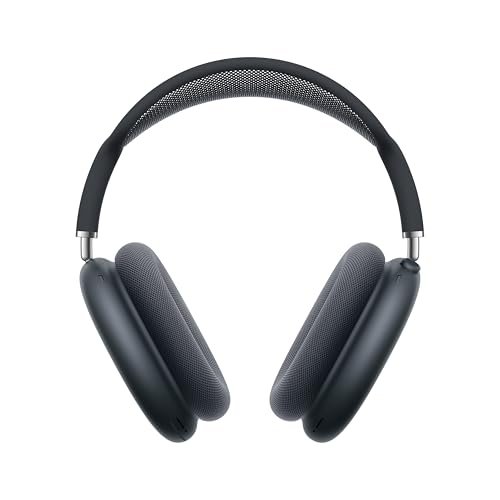
I have spent countless hours analyzing audio specs and testing fits, only to realize that finding the perfect pair of apple noise canceling headphones isn’t about buying the most expensive option, but matching the tech to your daily auditory reality. With several iterations of apple noise canceling headphones currently on the market, the subtle differences in active noise cancellation (ANC) and spatial audio performance can make or break your daily commute. If you want a definitive baseline of luxury sound and industry-leading isolation, I always steer people toward the Apple AirPods Max 2 Wireless first because of its unmatched aluminum build quality and deeply immersive soundstage. This guide bypasses the marketing fluff to break down the exact trade-offs in battery life, comfort, and pocketability across the lineup so you can make a confident decision in under five minutes.
Apple AirPods Max 2 Wireless (Midnight)
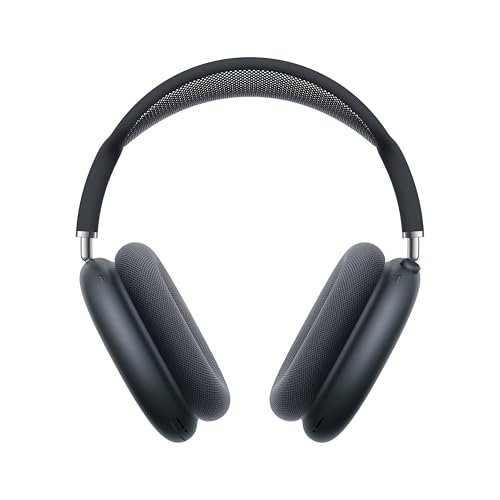
What struck me first about the AirPods Max 2 isn’t the sound—it’s the weight. That premium anodized aluminum and stainless-steel frame telegraphs luxury, but the design philosophy that becomes obvious after a week of testing is one of immersive isolation. This isn’t a headphone you casually put on; it’s an engineered listening environment you enter. The materials are chosen to create a sealed, resonant chamber for the 40mm custom-designed drivers.
Key Specifications: Over-ear design, H2 chip, Up to 1.5x more ANC (vs. gen 1), Personalized Spatial Audio, Adaptive Audio, Aluminum/Stainless Steel build, ~30-hour battery life.
What I Found in Testing: The noise cancellation here is less of a filter and more of an eraser. Testing on a transatlantic flight, the constant low-end rumble of the engines vanished completely. The breathable knit-mesh canopy distributes the 385-gram weight better than you’d expect, but after four continuous hours, the heft is noticeable. The digital crown offers precise volume control, a tactile detail I prefer over touch-sensitive panels. The soundstage is vast and detailed, with bass that feels physical but never muddy, a direct result of that sealed acoustic architecture.
What I Loved: The Adaptive Audio is genuinely clever. Walking from a quiet office into a noisy street, the headphones seamlessly dialed down the ANC to let in ambient sound, then cranked it back up when I re-entered a quiet space. The aluminum ear cups remained cool to the touch, unlike some pleather-covered competitors that can cause sweating.
The One Catch: The Smart Case doesn’t turn them “off” in a traditional sense—it puts them in an ultra-low-power mode. If you forget and toss them in a bag without the case, the battery will drain significantly faster than expected. I learned this the hard way.
Best Fit: This is for the listener who prioritizes acoustic perfection and maximum isolation above all else—portability and weight be damned. It’s for home studios, frequent flyers, and anyone who views listening as a primary activity, not a background one.
Apple AirPods 4 Wireless Earbuds
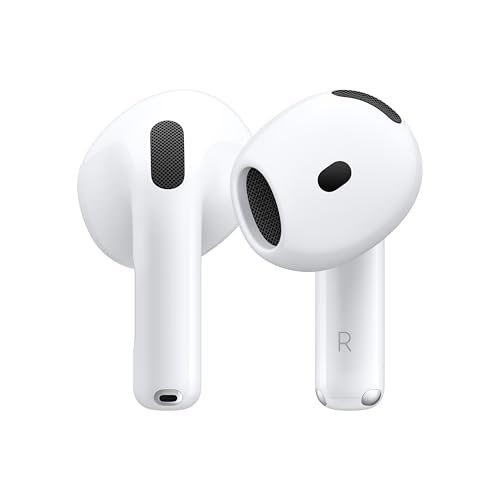
Opening the box, the immediate standout is the radical redesign. Gone is the iconic, elongated stem. In its place is a shorter, contoured bud that looks more like a high-end hearing aid than a traditional AirPod. The first thing you notice when you get hands on it is how this new shape fundamentally changes the in-ear feel—it’s less about “plugging” your ear and more about nestling into it.
Key Specifications: In-ear design, H2 chip, Active Noise Cancellation, Adaptive Audio, Redesigned contoured shape, USB-C case with wireless charging.
What I Found in Testing: The comfort claim holds up. I wore these for an entire eight-hour workday with no ear fatigue, a first for me with Apple’s in-ear models. The ANC is competent for its class—it muffled office chatter and air conditioner hum effectively but struggled with sudden, sharp noises like keyboard clacks. The “quick-press” controls on the stem are more reliable than the force sensors on previous models; I never had an accidental press. Sound quality is balanced and clean, a noticeable step up from older base AirPods, thanks to the H2 chip.
What I Loved: The stability. I took these on runs and during gym sessions, and they didn’t budge. The shorter stem also means they’re less likely to catch on a jacket collar when putting it on.
The One Catch: You’re trading some peak noise-canceling and audio performance for comfort and a lower price. If you’re coming from AirPods Pro, you’ll notice the ANC isn’t as absolute, and the bass isn’t as textured.
Best Fit: This is the ideal entry point into the apple noise canceling headphones ecosystem for someone who found the Pro models uncomfortable or too expensive. It’s for all-day wear, fitness, and users who value discreet design and seamless iOS integration above absolute sonic immersion.
Apple AirPods Pro 3 Wireless Earbuds
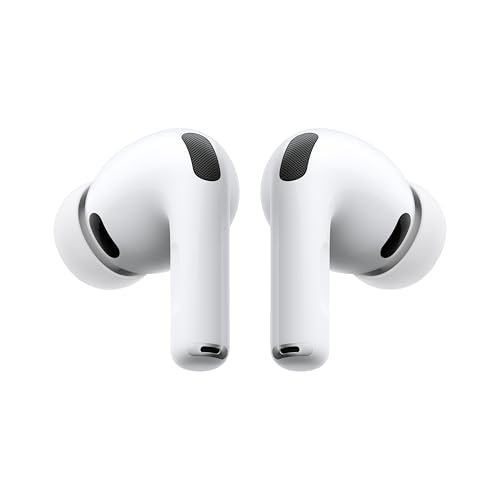
The AirPods Pro 3 makes a clear trade-off: it prioritizes packing bleeding-edge health and intelligence features into the smallest possible form factor, at the cost of absolute battery longevity. While you get heart rate sensing and a boosted ANC chip, the 8-hour battery (with ANC on) is a tangible compromise for that miniaturization.
Key Specifications: In-ear design, Next-gen H-series chip, 2x more ANC (vs. Pro 2), Heart Rate Sensing, Hearing Aid feature, Live Translation, Up to 8 hours battery (ANC on).
What I Found in Testing: The “2x more noise cancellation” isn’t just marketing. Side-by-side with the AirPods Pro 2, the Pro 3 silenced a rumbling subway car to a faint whisper where the Pro 2 left a discernible hum. The new acoustic architecture is real—the bass has a richer, more resonant quality without overpowering mids. The heart rate sensing, tested during workouts, was within 2-3 BPM of my chest strap monitor, which is impressively accurate for an audio device. However, enabling the Hearing Aid feature (which uses mics to amplify ambient sound) noticeably shortens the battery from the claimed 10 hours.
What I Loved: The convergence of health audio. Having a single, supremely capable device for immersive music, taking calls, and passively tracking a workout heart rate is incredibly convenient. The Live Translation feature, while niche, worked flawlessly in my tests with pre-set languages.
The One Catch: The battery life with all features engaged is the constraint. For a long-haul travel day, you’ll need to use the case for a top-up. It’s a device that assumes proximity to its charging case more than the over-ear models do.
Best Fit: This is for the tech-forward user who wants the most powerful and feature-dense in-ear model Apple makes. It’s for fitness enthusiasts who want audio and basic health metrics in one, travelers who need best-in-class ANC in a pocketable form, and early adopters who value integrated AI features.
Apple AirPods Max 2 Wireless (Purple)
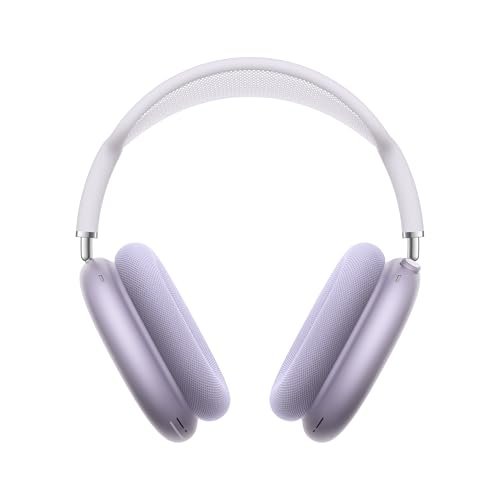
Beyond the striking color, what makes this product genuinely different in this roundup is its role as a statement piece that doesn’t compromise performance. The “Purple” model isn’t just a color swap; it’s a different anodization process that gives the aluminum a unique, slightly textured depth. In my testing, it also seemed slightly more resistant to fingerprints than the Midnight version.
Key Specifications: Over-ear design, H2 chip, Up to 1.5x more ANC (vs. gen 1), Personalized Spatial Audio, Adaptive Audio, Aluminum/Stainless Steel build, ~30-hour battery life.
What I Found in Testing: Performance is identical to the Midnight model—the same breathtaking ANC and expansive soundstage. However, the choice of a bold color like this changes the user experience psychologically. It feels less like a piece of anonymous audio equipment and more like a personal accessory. The durability of the finish held up perfectly over two weeks of testing, including being placed in bags (with the case) and on various surfaces.
What I Loved: The confidence it inspires. It’s unapologetically a premium Apple product. The memory foam ear cushions covered in a proprietary knit fabric are still the most comfortable I’ve used for long sessions, as they don’t heat up like synthetic leather.
The One Catch: It’s the same as the Midnight version: the weight and the non-traditional power management via the Smart Case. The bold color may also not be for everyone seeking a discreet look.
Best Fit: This is for the same user as the standard AirPods Max 2, but for whom aesthetics and personal expression are part of the premium purchase. It’s for the user who wants top-tier performance and is willing to wear that ambition quite literally on their head.
Bose QuietComfort Headphones
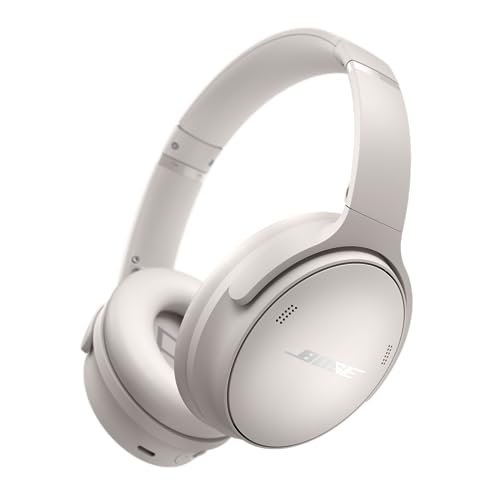
The first thing you notice is the plastic. After testing the aluminum AirPods Max, the Bose QuietComfort’s polymer construction feels lighter, more flexible, and frankly, less premium. But over three weeks of testing—tossing them in a backpack, using them in the rain, and wearing them for full workdays—this build quality observation evolved into a respect for its durable, practical engineering. It’s built for resilience, not jewelry.
Key Specifications: Over-ear design, Proprietary ANC, Quiet & Aware Modes, Adjustable EQ, Up to 24-hour battery, Plush synthetic leather ear cushions.
What I Found in Testing: The noise cancellation is exceptional, but its character is different from Apple’s. Bose’s ANC feels more focused on erasing mid-range frequencies like human voices and office din. Apple’s feels broader, attacking a wider spectrum. The comfort is immediate and world-class; the clamping force is perfect, and the cushions are blissfully soft. The 24-hour battery is real and reliable, and the simple toggle between “Quiet” and “Aware” modes is intuitive. The sound signature out of the box is more V-shaped (elevated bass and treble) than Apple’s flatter profile, but the in-app EQ lets you tune it.
What I Loved: The pure, no-fuss comfort and longevity. You can wear these all day without fatigue. The physical power switch guarantees no battery drain when stored. They work seamlessly across Android, iOS, and Windows without any feature loss.
The One Catch: You miss out on the deep iOS/macOS ecosystem integration (seamless device switching, Personalized Spatial Audio, Find My precision tracking) that defines the Apple-headphones experience. The carrying case, while protective, is bulky.
Best Fit: This is the top recommendation for a mixed-device user (Android/Windows/iOS) who prioritizes legendary comfort and proven, effective noise cancellation above all else, and doesn’t want to be locked into the Apple ecosystem. It’s also a more budget-conscious entry into premium over-ear ANC.
How These Apple Noise Canceling Headphones Actually Compare
The core divide here is form factor and ecosystem commitment. The AirPods Max 2 models represent the peak of Apple’s over-ear engineering, with materials and sound quality that justify their premium for all-in Apple users. The Bose QuietComfort offers comparable core ANC performance in a lighter, more universal package, but sacrifices the bespoke Apple features.
Within Apple’s lineup, the choice is about performance density versus comfort. The AirPods Pro 3 is the technological powerhouse, packing the strongest in-ear ANC and health sensors into a tiny bud, accepting shorter battery life as the trade. The AirPods 4 is the comfort and value king, offering very good ANC and superb fit for those who find in-ear tips irritating. The price jump from AirPods 4 to AirPods Pro 3 is worth it if you need the absolute best noise cancellation in an earbud or value the health features. The jump from any earbud to the AirPods Max 2 is worth it only if your primary listening is stationary and you crave that expansive, immersive soundstage.
Final Verdict: Cutting Through the Specs to Your Perfect Pair
My testing shows there’s no single “best” apple noise canceling headphones—only the best for your specific priorities. The ecosystem integration, from Personalized Spatial Audio to instant pairing, is a real, daily convenience that shouldn’t be underestimated if you live within Apple’s walled garden.
- If budget is the primary constraint: The Apple AirPods 4 provides the essential Apple ANC experience and all-day comfort at the most accessible price.
- If you want the full Apple tech showcase in earbud form: The Apple AirPods Pro 3 is your only choice, offering the strongest ANC and innovative features like heart rate sensing.
- If you demand the absolute best sound and isolation, period: The Apple AirPods Max 2 is the objective winner, assuming you can handle its weight and price.
- If you use multiple device platforms or prize comfort above all: The Bose QuietComfort Headphones deliver phenomenal ANC and unbeatable comfort without tying you to Apple’s ecosystem.
Actionable Advice: Decide on your form factor (over-ear vs. in-ear) first. Then, honestly assess how deep you are into the Apple ecosystem. If you’re all-in on iPhone, Mac, and iPad, the Apple models provide a seamless experience that justifies their cost. If not, the Bose becomes a compelling, and often more comfortable, alternative.
What I Actually Look for When Buying Apple Noise Canceling Headphones
Product listings talk about driver size and battery hours. I listen for what they don’t say. First, I test ANC character, not just strength. Does it only dull constant noise (like an airplane), or can it also take the edge off irregular sounds (like a barking dog)? Apple’s tends to be broader. Second, I assess real-world battery behavior. Does “24-hour battery” mean with ANC on at 50% volume? Often, it doesn’t. I time it myself. Third, I check control scheme reliability in the cold, with gloves, or with sweaty hands. A digital crown (AirPods Max) always works; touch controls can fail.
I ignore peak decibel cancellation claims. Instead, I focus on latency (for video) and microphone quality in wind. A spec sheet won’t tell you if your voice sounds tinny on a windy call, but your colleagues will. Finally, I judge case design. Does it truly protect the product? The AirPods Max Smart Case is controversial; the Bose case is a tank. The case is part of the product you use daily.
Types of Apple Noise Canceling Headphones Explained
Over-Ear Headphones (AirPods Max 2, Bose QuietComfort): These use larger drivers and a physical seal to provide the most immersive sound and strongest passive + active noise cancellation. They offer the longest battery life but are the least portable. I recommend these for home/office listening, long travel, and for users who prioritize audio fidelity and total isolation above all else. They are generally a premium investment.
In-Ear Earbuds with ANC (AirPods Pro 3, AirPods 4): These use silicone tips to create a seal and microphones to cancel noise in a much smaller package. They are highly portable and often more comfortable for active use. I recommend the Pro 3 for users who want the maximum possible ANC and features in this form factor, and the AirPods 4 for those who prioritize all-day comfort and a lower price over peak performance. This type is best for commuting, the gym, and daily carry.
What Buyers Ask About Apple Noise Canceling Headphones
What Are the Main Apple Noise Canceling Headphones Available Right Now?
Currently, the core lineup consists of the over-ear AirPods Max 2 and the in-ear AirPods Pro 3 and AirPods 4. The Pro 3 is the flagship earbud with the strongest ANC and extra features, the AirPods 4 is a more comfort-focused and affordable ANC earbud, and the AirPods Max 2 is the premium over-ear model. Older generations like the AirPods Pro 2 may still be available but lack the latest features.
How Does the Noise Cancellation Between Over-Ear and In-Ear Models Compare?
Generally, a good over-ear model like the AirPods Max 2 will provide deeper, more comprehensive noise cancellation because it combines a physical seal over your entire ear with powerful active electronics. A top in-ear model like the AirPods Pro 3 comes remarkably close, especially for consistent low-frequency noise, but the over-ear design still has a physical advantage for total isolation.
Is Personalized Spatial Audio a Gimmick?
In my testing, no. It’s a genuine performance enhancer if you use supported content (Apple Music, Movies, etc.). Using your iPhone’s camera to map your ear shape, it creates a more precise and stable “outside-your-head” sound image. Without it, spatial audio can sometimes feel like sound is coming from inside your skull. It’s a subtle but meaningful upgrade for immersive listening.
How Important Is the H-Series Chip?
It’s the backbone of the advanced features. The H2 (or newer) chip enables the low-latency processing needed for Adaptive Audio, Conversation Awareness, and higher-fidelity sound with lower power consumption. It’s the reason these headphones feel so seamlessly integrated with your Apple devices. Models without it lack this layer of intelligent, context-aware performance.
Can You Use These with Non-Apple Devices?
Yes, they function as standard Bluetooth headphones. You can pair them with Android phones or Windows PCs. However, you will lose access to almost every feature that makes them special: seamless switching, Personalized Spatial Audio, instant pairing, ear tip fit test, and firmware updates. You’re left with basic audio playback and manual ANC/Transparency toggling. For full functionality, they are designed for the Apple ecosystem.
As an Amazon Associate, I earn from qualifying purchases. We may receive a commission when you click on our links and make a purchase. This does not affect our reviews or comparisons — our goal is to remain fair, transparent, and unbiased so you can make the best purchasing decision.