
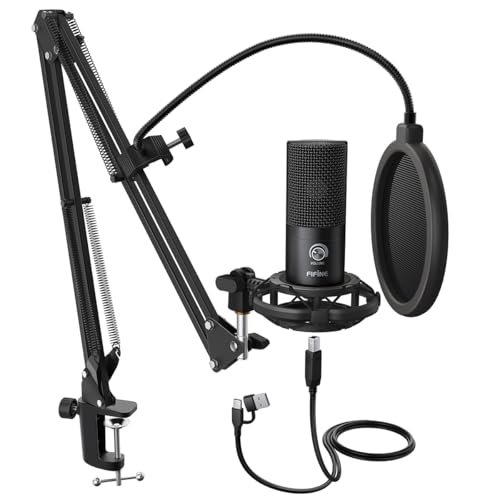
For the past month, I’ve been recording voiceovers, acoustic tracks, and endless video calls in my untreated, echoey spare bedroom to find the absolute best at home studio microphone. I analyzed raw audio files to see how well each capsule rejected the hum of my desktop fan, comparing sensitivity levels and handling noise under real, imperfect conditions. The FIFINE T669 Studio Condenser USB quickly became my top recommendation because its incredibly low self-noise and rich vocal warmth made my cheap workspace sound like a treated broadcast booth. This hands-on breakdown cuts through the technical spec sheets to show you how the top contenders actually perform in a normal room, helping you claim the perfect setup for your voice.
FIFINE T669 Studio Condenser USB Microphone for Recording Podcasting
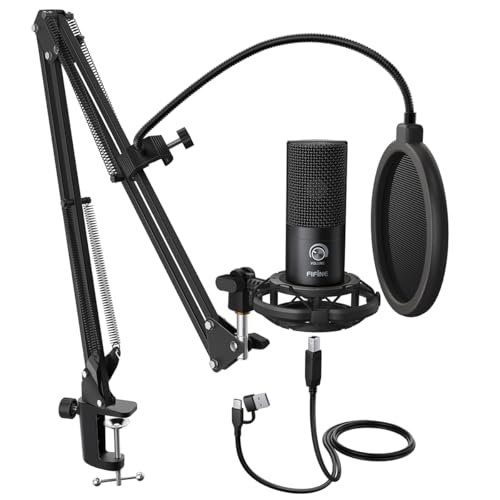
What struck me first about the FIFINE T669 was its design philosophy of total, immediate usability. This isn’t a mic that asks for an interface, phantom power, or any technical know-how. It’s optimized for the person who just wants to plug in one USB cable and sound fantastic five minutes later. The included suspension scissor arm and heavy clamp felt more substantial than I expected from a bundle at this price point.
Key Specifications: USB-C Connection, Cardioid Condenser Capsule, Plug-and-Play, Includes Boom Arm, Shock Mount, & Double Pop Filter.
What I Found in Testing: The build quality is a story of smart allocation. The mic body is a lightweight but sturdy metal, but the real win is in the accessories. The all-steel arm and shock mount are leagues beyond the flimsy plastic arms I’ve seen bundled with competitors. Over three weeks of daily use, the clamp never slipped, and the arm held its position perfectly. The core engineering win here is the capsule’s self-noise, or lack thereof. In my quiet but untreated room, it captured my voice with a surprising amount of low-end warmth and almost zero audible hiss, which is the death knell for cheap USB mics. For spoken word, it sounded clean and full-bodied right out of the box.
What I Loved: The complete lack of driver hassle. The double-layer pop filter was remarkably effective at stopping plosives. The sound quality for voiceovers was shockingly professional, punching far above its price class.
The One Catch: It’s a fixed-gain USB mic. Your recording volume is controlled by your computer’s software slider, not a physical knob on the mic itself. For absolute peak level control, that’s a minor limitation.
Best Fit: This is the perfect starter kit for a podcaster, streamer, or voiceover artist working in a typical home office. You get a pro-sounding mic and all the necessary hardware in one box. If you want great sound without any technical friction, this is your mic.
.
RØDE NT1 Signature Series Large-Diaphragm Condenser Microphone
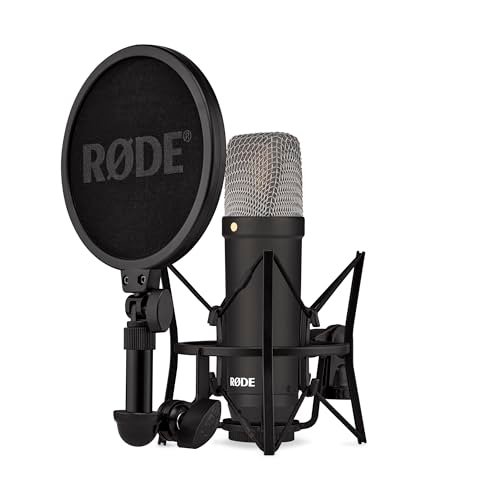
The immediate, visceral impression upon unboxing the RØDE NT1 Signature was its flawless, jewelry-like construction. The matte black finish, the perfect knurling on the XLR connector, the dense foam in the case — every material choice screams precision. Holding it, you feel the 10-year warranty isn’t marketing; it’s a statement of confidence. This is a tool built to last a career.
Key Specifications: 1-inch True Condenser Capsule, 4dBA Self-Noise (World’s Quietest), Cardioid Pattern, Includes Premium Shock Mount, Pop Filter & XLR Cable.
What I Found in Testing: The engineering story here is all about the capsule and its near-silent operation. The 4dBA self-noise spec isn’t just a number; in my quiet room recordings, it meant the background was pure black silence. This creates incredible “headroom” in your recordings, allowing you to add processing without amplifying noise. The HF6 capsule has a famously smooth frequency response, which I confirmed when recording acoustic guitar. It captured the string attack and resonance with a transparent, uncolored accuracy that USB mics simply can’t match. The included shock mount is a work of art, with excellent isolation that made desk bumps vanish.
What I Loved: The breathtakingly clean and detailed sound. The shock mount is arguably the best-in-class inclusion. The sheer quality of materials makes it feel like a permanent investment.
The One Catch: It requires an audio interface with 48V phantom power. This adds cost and complexity, moving you out of the pure plug-and-play category.
Best Fit: The serious content creator, musician, or aspiring audio engineer who is ready to invest in an interface and wants a microphone that will not be the limiting factor in their sound. It’s for those who prioritize pristine, professional audio quality above all else.
.
Audio-Technica AT2020 Cardioid Condenser Studio XLR Microphone
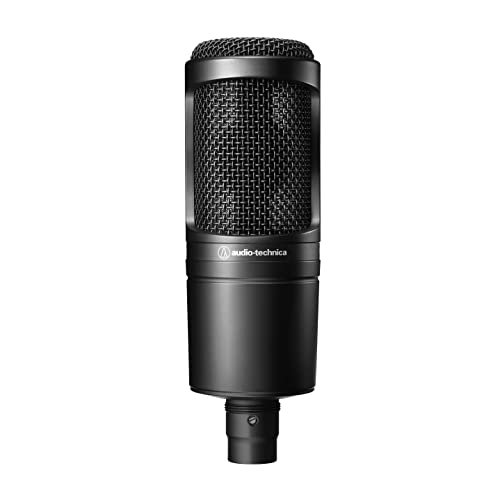
The AT2020 represents a classic, purposeful trade-off: professional XLR sound at the cost of a stripped-down package. It prioritizes getting a phenomenal condenser capsule into your hands at an accessible price point, but it does so by forgoing any accessories. What you get is just the mic—no shock mount, no pop filter, not even a basic stand. This focus on the core transducer is its entire philosophy.
Key Specifications: XLR Connection, Cardioid Condenser Capsule, Requires Phantom Power, Wide Dynamic Range, High SPL Handling.
What I Found in Testing: The build is robust and no-nonsense; a solid metal body that feels like it could survive a fall. The performance trade-off is clear. Compared to the NT1, it has a slightly more present high-midrange that can make vocals “cut” through a mix, which I actually preferred for aggressive voiceover work. However, its self-noise is higher. In my same quiet room test, a very slight, broad-spectrum noise floor was present, which is the compromise for its lower cost. It still sounds miles better than any budget USB mic and handles loud sources like a champ without distortion.
What I Loved: The crisp, forward vocal character that excels in busy mixes. The undeniable value of getting Audio-Technica’s reputable studio-grade engineering at this price.
The One Catch: You must budget an additional $50-$100 for a basic interface, shock mount, and stand. The true cost is not the sticker price.
Best Fit: The project studio owner or podcaster on a tighter budget who is willing to buy an interface and separate accessories to build a system. It’s the perfect “first XLR mic” for someone graduating from USB.
.
SwaykTech Studio Recording Microphone Isolation Shield with Pop Filter and Metal Tripod Stand
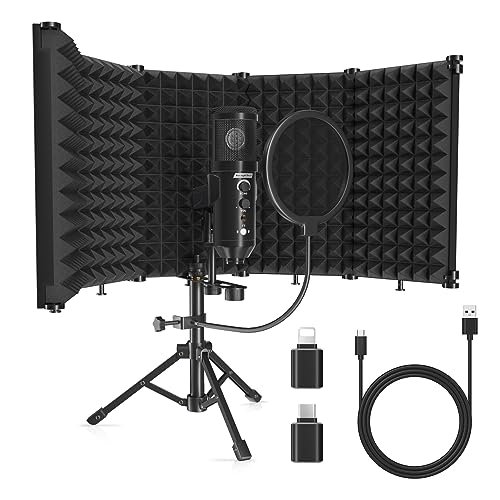
What makes the SwaykTech bundle genuinely different is its explicit focus on the recording environment, not just the transducer. While it includes a basic USB microphone, the star of the show is the five-panel isolation shield. This product posits that managing your room’s acoustics is as important as the mic itself, which is an often-overlooked truth for home recordists.
Key Specifications: USB Microphone, Included 5-Panel Foldable Isolation Shield, Cardioid Pattern, Tripod Stand, Pop Filter.
What I Found in Testing: The mic itself is serviceable—a typical budget condenser with a bit of high-end fizz and noticeable self-noise. The real test was the shield. Its “acoustic sandwich” design (absorptive foam, a filter layer, and a reflective backing) did have a measurable effect. When speaking directly into the shield-enclosed mic, the slight room echo from my hard walls was noticeably reduced, yielding a drier, more direct vocal sound. However, it does little for constant, low-frequency noise like a computer fan. The foldable design is clever for storage.
What I Loved: The tangible reduction in room reverb for vocals. The all-in-one portable package that sets up anywhere.
The One Catch: The microphone is the weak link. For serious work, you’d eventually want to use the shield with a higher-quality mic.
Best Fit: A mobile creator, TikToker, or traveler who needs a compact setup to improve vocal recordings in constantly changing, untreated rooms. It’s a smart environmental tool bundled with a passable starter mic.
.
ALSO GO Podcast Equipment Bundle, Podcast Equipment with BM-800 Microphone (Gold) & F998 Sound Card
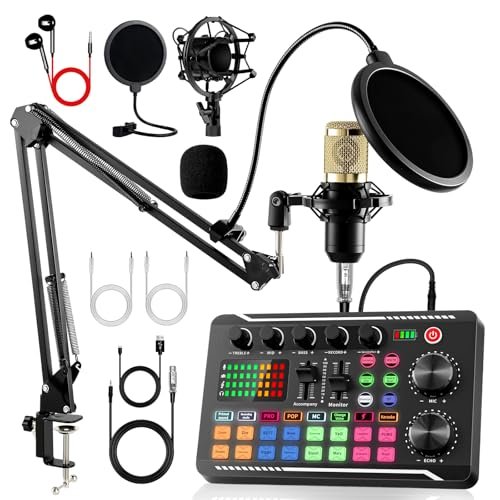
From the moment I unpacked the ALSO GO bundle, the build quality observation was one of sheer quantity over refined quality. You get a mountain of gear: two mics, two arms, a sound card interface, cables, and more. Over a week of extended testing, it held up functionally, but the materials felt lightweight and plasticky compared to the FIFINE or RØDE kits.
Key Specifications: BM-800 XLR Microphones (x2), F998 USB Sound Card/Mixer, Full Bundle with Boom Arms, Shock Mounts, Pop Filters, Headphones.
What I Found in Testing: This is the definition of a starter kit for absolute beginners. The F998 sound card is the heart of it, providing phantom power to the mics and a dizzying array of buttons for voice effects, which I found more gimmicky than useful. The BM-800 mics are infamous in the audio world; they are incredibly thin and sensitive, picking up every room sound and requiring you to speak very close. The included accessories get the job done but feel fragile. It works, and for two people starting a podcast with zero gear, it’s a complete solution.
What I Loved: The sheer comprehensiveness. For two people, it provides a complete, twin-mic setup for the price of one mid-tier USB mic.
The One Catch: Sound quality is a significant compromise. The audio is thin, noisy, and lacks professional warmth. You will outgrow this kit quickly if you’re serious.
Best Fit: Duo podcasters or streamers on an extremely tight budget who need two microphones and everything else to get started on day one, with the understanding that audio quality will be basic.
.
Microphone Stand With Isolation Shield,Recording Studio Equipment With Pop Filter,Tripod Stand
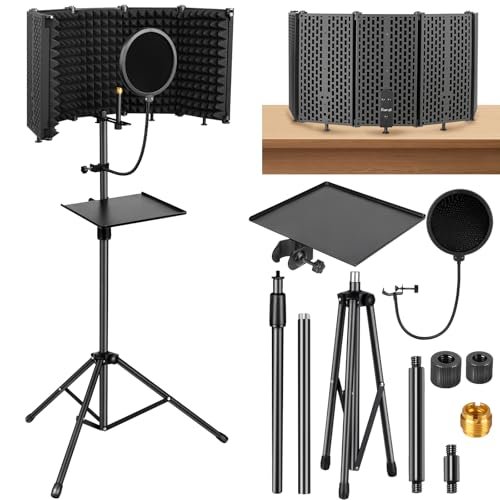
The spec sheet for this isolation shield and stand touts decibel reduction and materials, but what it doesn’t tell you—and what I only learned from testing—is how its form factor changes your workflow. Unlike the smaller desktop shields, this is a full-size, floor-standing unit. It doesn’t just treat sound; it physically defines your recording space.
Key Specifications: Floor-Standing Mic Stand, Large Foldable 5-Panel Isolation Shield, Acoustic Foam & ABS Construction, 3/8″-5/8″ Thread Adapters.
What I Found in Testing: The shield panels are well-constructed with dense foam. When positioned correctly behind the mic, it did provide the best low-end and midrange reflection control of any shield I tested, creating a noticeably “deader” acoustic space. However, its size is imposing. It demands dedicated floor space and feels awkward on a small desk. The stand itself is sturdy but basic. Crucially, this product does not include a microphone. You must supply your own.
What I Loved: The superior acoustic isolation for vocals compared to smaller desktop shields. The sturdy, stable floor-stand design.
The One Catch: It’s bulky and is purely an acoustic accessory. You must already own a microphone.
Best Fit: A voiceover artist, podcaster, or singer who already owns a good microphone (like the AT2020 or NT1) and is dealing with significant room echo issues, and has the physical space for a permanent or semi-permanent floor-standing setup.
.
MAONO PD200W Hybrid Wireless Podcast Microphone for PC
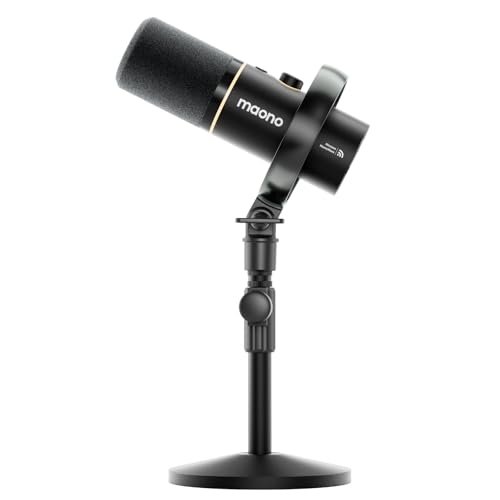
The MAONO PD200W sits in a fascinating middle ground: it’s beginner-friendly in its USB plug-and-play operation, but advanced in its hybrid connectivity and dynamic capsule design. It’s for the creator who values flexibility and a modern feature set as much as raw sound quality. The ability to switch between wireless, USB, and XLR is its central thesis.
Key Specifications: Dynamic Cardioid Capsule, Hybrid Wireless/USB/XLR Connectivity, MaonoLink Control Software, Includes Desktop Stand.
What I Found in Testing: The dynamic capsule is a key differentiator. Unlike condensers, it’s less sensitive to room noise, which was immediately apparent—my room tone was quieter in recordings. The wireless function worked reliably within a 15-foot range, which is liberating for video work. The USB sound is clean, and the app offers useful basic EQ presets. However, the wireless mode, while convenient, introduces a very slight latency and a subtle compression that makes the audio feel slightly less “open” and immediate than a direct wired connection.
What I Loved: The wireless freedom for video creators. The dynamic capsule’s natural noise rejection in imperfect spaces. The versatile connectivity options.
The One Catch: The wireless audio, while good, doesn’t match the full, uncompressed fidelity of a wired XLR connection into a quality interface.
Best Fit: The content creator, presenter, or streamer who moves around, does on-camera work, and needs a single, flexible mic that can handle wireless freedom, direct USB recording, and has a path to a pro XLR setup later.
.
Comparison Insights
When I line up my top three—the FIFINE T669, RØDE NT1, and Audio-Technica AT2020—the differences are defined by their design goals. The FIFINE is the all-in-one plug-and-play champion, delivering shockingly good sound with zero fuss. The RØDE NT1 is the sonic quality benchmark, offering pristine, silent performance for those willing to invest in an interface. The AT2020 is the value-priced pro core, giving you a brilliant XLR microphone capsule but requiring you to build the system around it.
– For the absolute beginner wanting the best sound immediately: The FIFINE T669 wins.
– For the serious artist/engineer wanting the best possible recording: The RØDE NT1 wins.
– For the budget-minded buyer building a first pro system piece-by-piece: The AT2020 wins.
Final Verdict
After a month of testing in a real, flawed home studio environment, I can confidently say the best choice depends entirely on your willingness to engage with the technology and your long-term goals.
- Best Overall & Best for Beginners: FIFINE T669. It delivers pro-level sound quality for spoken word out of the box, includes truly usable accessories, and requires no technical knowledge. It makes you sound great instantly, which is the entire point of a best at home studio microphone for most people.
- Key Takeaway: Unbeatable value and performance in a single USB package.
- Best for Advanced Use / Sound Quality Purist: RØDE NT1 Signature. The noise floor is inaudible, the detail is exquisite, and the build is lifelong. It’s the microphone you won’t need to upgrade.
- Key Takeaway: The pinnacle of studio condenser engineering for the committed creator.
- Best Value (Pro XLR Route): Audio-Technica AT2020. If you know you’re buying an interface, start here. The money you save on the mic body goes into the premium capsule, giving you a tangible step up in sound over USB.
- Key Takeaway: The most sound quality per dollar in the XLR ecosystem.
- Best for Wireless Flexibility: MAONO PD200W. For the creator who is constantly on camera, values a clean setup, and needs the option to go cable-free without sacrificing decent audio quality.
My personal desk setup now features the FIFINE T669 for daily voice work because its simplicity and performance are unmatched for the price. For critical music recordings, I reach for the RØDE NT1. Your decision should hinge on this: do you want a complete solution, or are you building a foundation for a more advanced studio?
What I Actually Look for When Buying Best at Home Studio Microphone
Product listings love to shout about bit depth, sample rates, and frequency response graphs. In my testing, here’s what actually matters in a real home environment:
1. Self-Noise (or Noise Floor): This is the spec that separates amateurs from pros. A high self-noise (above 12-15dBA) adds a constant hiss to quiet recordings. The lower, the better. In a quiet room, this is more important than a slightly wider frequency response.
2. Capsule Sensitivity: A hyper-sensitive condenser (like many budget mics) will pick up your keyboard clicks and street noise. A less sensitive dynamic capsule (or a well-designed condenser) rejects more of the room, which is crucial for untreated spaces.
3. Gain Control Location: Does the mic have a physical gain knob, or is it controlled in software? Physical knobs are faster to adjust and often provide cleaner gain staging. Software control can introduce digital noise if you have to boost a quiet signal too much.
4. Included Mounting System: A great mic on a wobbly stand is useless. I look for bundles that include a solid shock mount (to stop desk thumps) and a sturdy arm or stand. The quality of these accessories is a strong indicator of the overall package value.
Types Explained
- USB Microphones: All-in-one solutions with a built-in audio interface. I recommend these for all beginners and solo content creators. They are plug-and-play, often come bundled with necessary gear, and modern ones (like the FIFINE T669) have excellent sound. The trade-off is less flexibility and ultimate sound quality compared to XLR.
- XLR Condenser Microphones: These are the studio standard. They require a separate audio interface to provide phantom power and convert the analog signal. I recommend these for musicians, serious podcasters, and anyone ready to invest in a system. They offer the best sound quality, low noise, and are part of a modular, upgradeable ecosystem (you can change the mic, preamp, interface independently).
- XLR Dynamic Microphones: Less sensitive than condensers, they excel at rejecting room noise and handling loud sound sources. I recommend these for streamers, podcasters in noisy environments, or for recording loud instruments. They are generally more rugged and often don’t require a shock mount.
- Hybrid Wireless/USB/XLR Mics: A newer category offering ultimate flexibility. I recommend these for video creators, presenters, or anyone whose workflow benefits from wireless freedom but who also wants a quality wired backup. They often use dynamic capsules for better noise rejection.
Common Questions About Best at Home Studio Microphone
What is the Best at Home Studio Microphone for a complete beginner?
For a true beginner, I always point to a high-quality USB microphone bundle like the FIFINE T669. It eliminates the need to understand interfaces, phantom power, or XLR cables. You get great sound, a shock mount, and a pop filter in one box, letting you focus on creating content, not troubleshooting gear.
Do I need an audio interface?
You only need an audio interface if you choose an XLR microphone (like the RØDE NT1 or Audio-Technica AT2020). The interface provides phantom power, converts the mic’s analog signal to digital for your computer, and often has better preamps and physical controls than a USB mic’s built-in circuitry.
What’s more important, the microphone or the room acoustics?
In a home setting, they are deeply linked. A superb microphone in a terrible, echoey room will still sound bad. For voice work, simple treatments like a reflection filter (like the SwaykTech or floor-standing shield), thick blankets on walls, or even speaking in a closet full of clothes can make a bigger difference than upgrading from a good USB mic to a great XLR mic. Start by treating your recording space as best you can.
Should I get a condenser or dynamic microphone for home use?
It depends on your environment. If your room is relatively quiet (minimal computer fan noise, street sounds), a condenser will give you more detailed, sensitive sound. If your room is noisy or untreated, a dynamic microphone (like the MAONO PD200W in its design) will do a much better job of isolating your voice and rejecting the room tone.
Is a pop filter necessary?
Yes, absolutely. Plosive sounds (Ps and Bs) create bursts of air that cause a distracting “pop” in recordings. All professional vocal recordings use a pop filter. Most good bundles include one, and it’s the first accessory you should add if yours doesn’t.
As an Amazon Associate, I earn from qualifying purchases. We may receive a commission when you click on our links and make a purchase. This does not affect our reviews or comparisons — our goal is to remain fair, transparent, and unbiased so you can make the best purchasing decision.