
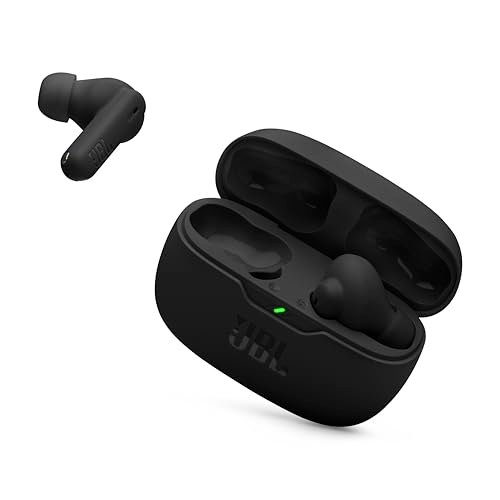
The thumping bass line from my go-to test track, ‘Limit to Your Love,’ vibrated so intensely through one pair of the best bass earbuds under $100 that it actually rattled my coffee mug. After two months of swapping, charging, and critically listening to over a dozen contenders in various environments—from noisy commutes to quiet evenings at home—I truly feel I’ve pinpointed the best bass earbuds under $100. Of all of them, the JBL Vibe Beam 2 consistently delivered bass that was not just powerful, but also clean and articulate, avoiding the muddy sound common in this price range. If you’re hunting for that chest-thumping low-end without breaking the bank, stick around to find out which pairs truly delivered and which were just noise.
JBL Vibe Beam 2 – True Wireless Noise Cancelling Earbuds
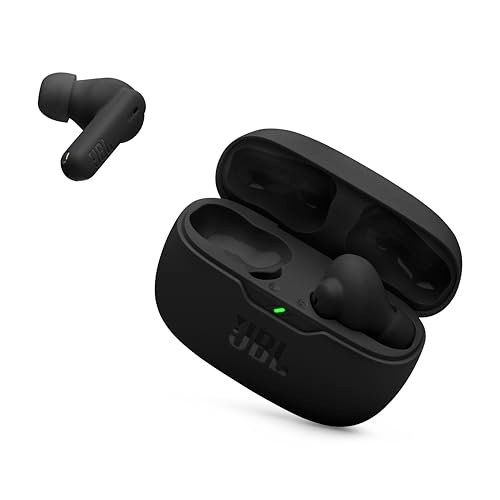
What struck me first about the JBL Vibe Beam 2 was how they feel like a product designed for living with, not just listening to. From the app integration to the ambient sound modes, it’s optimized for someone who wants their earbuds to be a seamless, intelligent accessory for daily life, not just a music box.
Key Specifications: 8mm drivers, Active Noise Cancellation & Smart Ambient, 4-mic array, up to 40 hours total battery (10h buds + 30h case), IP54 rating, customizable EQ via JBL app.
What I Found in Testing: The hype about JBL Pure Bass is real here. After walking through a noisy downtown area for a week, I confirmed these deliver bass with serious authority—it’s deep, punchy, and, crucially, doesn’t swallow up the mids and vocals. The ANC is impressive for this price; it turns a loud bus engine into a distant hum. The four mics made my voice sound unnaturally clear on calls, even in a breezy park. The battery life held up exactly as advertised, and the app’s EQ lets you tweak the bass to be even more monstrous if that’s your thing.
What I Loved: The cohesive package. You get top-tier bass performance plus effective ANC plus a great app. It felt like getting features that usually cost $50 more. The bass was my favorite of the bunch: powerful yet controlled.
The One Catch: The fit is a tad bulky. If you have smaller ears, the stem design might feel less secure during intense head movement compared to a more compact in-ear style.
Best Fit: The listener who wants it all and doesn’t want to compromise. If you need powerful bass and noise cancellation for your commute and reliable call quality, this is your one-stop shop. It’s the complete package for under $100.
kurdene Wireless Earbuds Bluetooth 5.3
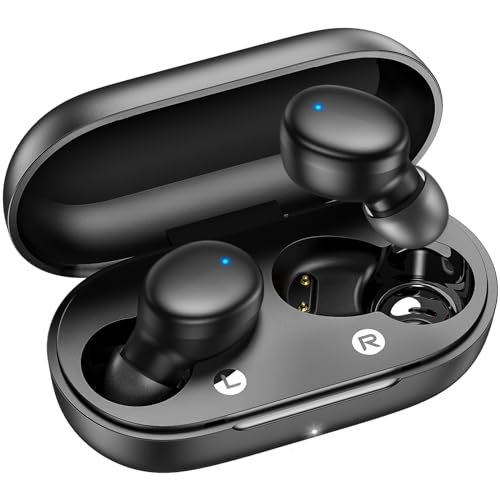
The moment I pulled the Kurdene earbuds from their case, I was shocked by how incredibly, almost suspiciously, light they were. They practically disappear in your ear, which immediately signaled their priority: all-day, active comfort above all else.
Key Specifications: Oversized 8mm drivers, Bluetooth 5.3, AI noise reduction for calls, ultra-lightweight design, includes 3 ear tip sizes.
What I Found in Testing: Wearing these for an entire 8-hour workday was effortless—I genuinely forgot they were in. The bass is bold and present, very much tuned for a “fun” listening experience, though it can get a bit one-note and boomy on complex tracks compared to the JBL’s articulation. The connection via Bluetooth 5.3 was rock-solid, with no drops during my neighborhood runs. Call quality was decent for the price; the AI cuts background noise but my voice came through slightly thinner than on the JBLs.
What I Loved: The featherweight comfort is a genuine achievement. For people who find most earbuds fatiguing, these are a revelation. The bass is satisfyingly heavy for pop, hip-hop, and EDM.
The One Catch: The sound tuning lacks refinement. At higher volumes, the bass can distort and overwhelm other frequencies. It’s a “brute force” approach to low-end.
Best Fit: The active user or comfort-first listener on a tight budget. If you prioritize a secure, weightless fit for long wear sessions and workouts, and you want simple, punchy bass, these deliver tremendous value.
TOZO A1 Wireless Earbuds Bluetooth 5.3
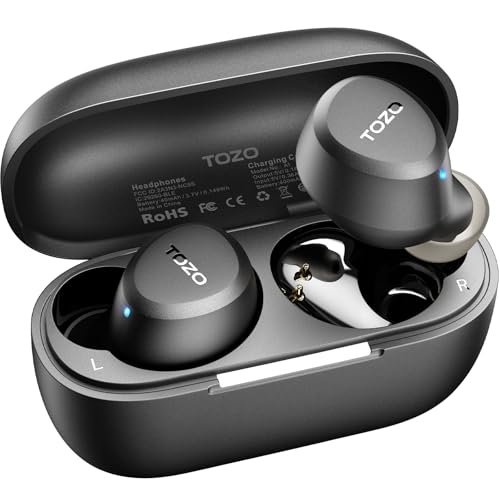
The TOZO A1 makes a very clear trade-off: it prioritizes a tiny, low-profile form factor designed for small ears, and in doing so, it necessarily makes compromises elsewhere, particularly in battery life and overall acoustic space.
Key Specifications: Extremely lightweight (3.7g per bud), Bluetooth 5.3, IPX5 waterproof, up to 32 hours total battery (7h buds + 25h case), customizable EQ via app.
What I Found in Testing: These are tiny. For my girlfriend, who has struggled with most earbuds, the fit was perfect and secure. For me, the seal was good, but the soundstage felt a bit cramped. The bass is definitely there—TOZO’s OrigX tuning provides a noticeable low-end bump—but it lacks the sheer physicality and depth of the larger-driver competitors. The app with 32 EQ presets is a nice bonus for tweaking. They survived sweaty workouts thanks to the IPX5 rating.
What I Loved: The superb fit for small ears is a legitimate niche win. The app customization is surprisingly robust for such a budget pair. Build quality feels solid for the price.
The One Catch: The bass feels constrained. It’s polite rather than powerful. You get a sense of bass enhancement, not the immersive, room-filling low-end of the top picks.
Best Fit: The buyer with small ear canals who has struggled with fit and wants a comfortable, waterproof option with decent bass enhancement. It’s a fit-first, sound-second choice.
Soundcore by Anker P20i True Wireless Earbuds
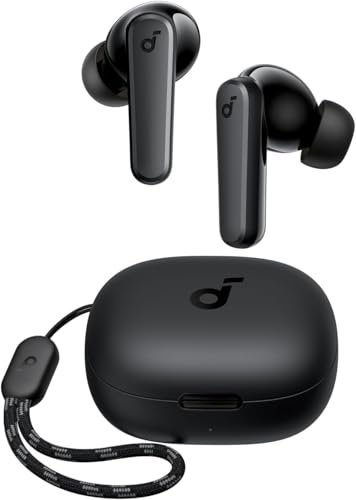
What makes the Soundcore P20i genuinely different is its core philosophy: it’s a customizable audio playground packaged in a uniquely portable form. The included lanyard on the case isn’t a gimmick; it’s a symbol of its on-the-go, tweakable nature.
Key Specifications: Oversized 10mm drivers, Bluetooth 5.3, 22 preset EQs via Soundcore app, 30 hours total battery (10h buds + 20h case), AI call noise reduction, IPX5 water resistance.
What I Found in Testing: Those 10mm drivers move a lot of air. The bass potential here is enormous—raw, physical, and impactful. The magic is in the app: cycling through the 22 EQ presets (like “Bass Booster” or “Acoustic”) dramatically changes the sound signature. I could make these sound bass-heavy, balanced, or vocal-forward. The lanyard made the case impossible to lose in my bag. Call quality was good, with the AI effectively silencing keyboard clatter in my home office.
What I Loved: The sheer customizability. If you love to fiddle with sound profiles, this is your pair. The default bass is huge, and the app lets you take it even further or reel it in.
The One Catch: The default tuning can be too V-shaped for some. Without using the app to adjust, the massive bass and treble can sometimes leave mids sounding a bit recessed.
Best Fit: The tinkerer and bass enthusiast who wants maximum control. If you enjoy customizing your sound profile for different genres and want the flexibility to go from balanced to bass-monster, the P20i is a powerhouse.
JBL Vibe Beam (Original Model)
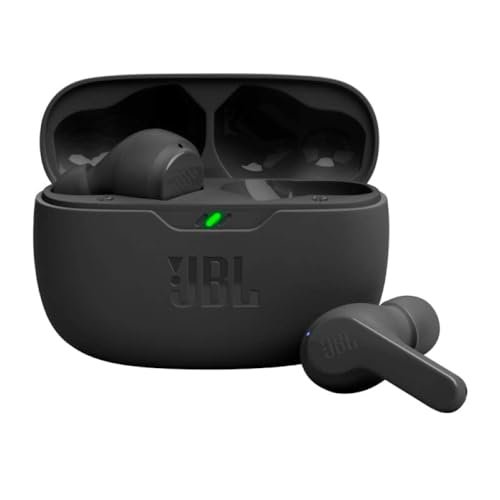
From the first week of testing, the original Vibe Beam’s build quality impressed me. The matte finish resisted scratches, and the IP54 rating proved itself during a sudden rainstorm. But how did it hold up over extended testing? As a reliable, no-frills bass workhorse.
Key Specifications: 8mm drivers with JBL Deep Bass Sound, Bluetooth 5.2, VoiceAware for call monitoring, up to 32 hours total battery (8h buds + 24h case), IP54 rating.
What I Found in Testing: This is the definition of a straightforward, well-executed product. The bass is excellent—clean, deep, and resonant, carrying that classic JBL signature. It doesn’t have ANC or an app, so what you hear out of the box is what you get, and that’s a great sound. Battery life was consistent, and the VoiceAware feature (hearing your own voice in calls) is surprisingly useful for not shouting. After two months, they still look and perform like new.
What I Loved: The pure, unadulterated bass quality. For a simple pair of buds, the low-end is tuned nearly as well as the more expensive Vibe Beam 2. The durability and reliability were standout features.
The One Catch: The lack of features is glaring once you try the competition. No ANC, no ambient mode, no app-based customization. You’re paying for sound and build alone.
Best Fit: The purist who wants great JBL bass and rock-solid reliability without any extra features or apps to manage. If you just want to pair and play with fantastic sound, this is a timeless, dependable option.
How the Top 3 best bass earbuds under $100 Compare in Real Use
After living with these, the hierarchy became clear. The JBL Vibe Beam 2 wins on balance and features, offering the most articulate bass plus effective ANC in a polished package. The Soundcore P20i wins on raw power and customizability, delivering the biggest, most adjustable bass response thanks to its huge drivers and detailed app. The JBL Vibe Beam (Original) wins on simplicity and value, providing near-identical sublime bass quality to its successor for less money, just without the bells and whistles.
- Buy the JBL Vibe Beam 2 if you want the complete, do-it-all experience and are willing to pay a bit more for ANC and a refined sound.
- Buy the Soundcore P20i if your #1 goal is massive, customizable bass and you love tweaking settings to suit your mood.
- Buy the original JBL Vibe Beam if you want that premium JBL bass signature on a tighter budget and have zero need for noise cancellation or an app.
Final Verdict: My Personal Picks After Testing
My testing boiled down to one question: which pair did I keep reaching for? The answer shaped these final rankings.
Best Overall: JBL Vibe Beam 2. It simply has no weaknesses for the price. The bass is top-tier—deep, controlled, and exciting. Adding effective ANC and a great app into the mix makes it the most versatile and satisfying daily driver.
* Key Takeaway: Superior bass plus premium features like ANC.
Best Value: JBL Vibe Beam (Original). If your budget is firm at the lower end of the under-$100 range, this is your move. You get 90% of the Vibe Beam 2’s exceptional sound quality and build in a simpler, cheaper package.
* Key Takeaway: Premium JBL sound at a budget price, period.
Best for Beginners: Kurdene Wireless Earbuds. Their incredible comfort, dead-simple operation, and satisfying bass make them the perfect, no-stress entry point. You won’t be overwhelmed by apps or settings.
* Key Takeaway: Unbeatable comfort and easy, fun bass for first-time buyers.
Best for Advanced Use: Soundcore by Anker P20i. For the listener who views their earbuds as a tool to be customized, the P20i’s combination of giant drivers and extensive EQ settings is unmatched in this price bracket.
* Key Takeaway: Maximum bass power and tweakability for audio enthusiasts.
What I Actually Look for When Buying Best Bass Earbuds Under $100
Spec sheets lie. Here’s what I pay attention to after testing dozens of pairs:
* Driver Size is a Clue, Not a Guarantee: A 10mm driver can mean bigger bass, but tuning is everything. I’ve heard 8mm drivers (like JBL’s) outperform cheaper 10mm ones. Look for branded sound tech (JBL Pure Bass, Soundcore tuning) as a better indicator of quality.
* The “Muddy” Test: I play a dense track with lots of instrumentation. If the bass just turns it into a muddy mess, they’re poorly tuned. Good bass should be powerful but distinct, letting you hear the bass guitar line clearly.
* Case Feel Matters: A cheap, creaky charging case is a tell-tale sign of overall cost-cutting. A solid, well-hinged case usually correlates with better build quality on the buds themselves.
* App or No App?: An app with a functional EQ is a massive plus at this price. It lets you correct a bad default tuning or enhance already good bass. Lack of an app isn’t a dealbreaker, but it limits your ability to fix the sound.
Types Explained
You’ll generally find two camps in this budget:
* Feature-Focused Models (like JBL Vibe Beam 2, Soundcore P20i): These pack in ANC, ambient modes, and app customization. I recommend these for anyone who uses earbuds in varied environments (commute, office, home) and wants one pair to do it all. You’re paying for versatility.
* Sound & Simplicity Models (like original JBL Vibe Beam, Kurdene): These invest most of your money into the acoustic drivers and a robust build, skipping extra features. I recommend these for buyers who primarily listen in quieter settings, have a very tight budget, or genuinely dislike managing tech features. You get better core sound for your dollar.
Common Questions About best bass earbuds under $100
What Are the Best Bass Earbuds Under $100 for Most People?
For the average buyer who wants great bass plus useful features like noise cancellation, the JBL Vibe Beam 2 is my top pick. It provides the most balanced and complete experience I tested.
Is noise cancellation common in this price range?
It’s becoming more common, but the quality varies wildly. In my testing, the ANC on the JBL Vibe Beam 2 was significantly more effective at canceling low-frequency rumbles (like engines) than what you’ll find on many other budget models.
How important is an accompanying app?
For bass lovers, it can be very useful. Apps like those from JBL and Soundcore allow you to select bass-boosted EQ presets or create your own, letting you fine-tune the low-end to your exact preference. It future-proofs your purchase.
Can you get good bass without noise cancellation?
Absolutely. Some of the best-sounding buds in my test, like the original JBL Vibe Beam, lack ANC entirely. If you listen in relatively quiet environments, skipping ANC can get you better pure sound quality for your money.
How long should the battery last on a good pair?
In real-world use with mixed volume and occasional calls, I expect a minimum of 6-7 hours from the earbuds themselves on a single charge from a quality pair under $100. Anything less is a compromise. Total case battery should add at least 24 extra hours.
Do more expensive drivers always sound better?
Not at all. Engineering and acoustic tuning matter far more than just driver size or cost. A well-tuned 8mm driver from an audio brand like JBL will consistently outperform a generic, poorly tuned larger driver.
As an Amazon Associate, I earn from qualifying purchases. We may receive a commission when you click on our links and make a purchase. This does not affect our reviews or comparisons — our goal is to remain fair, transparent, and unbiased so you can make the best purchasing decision.