
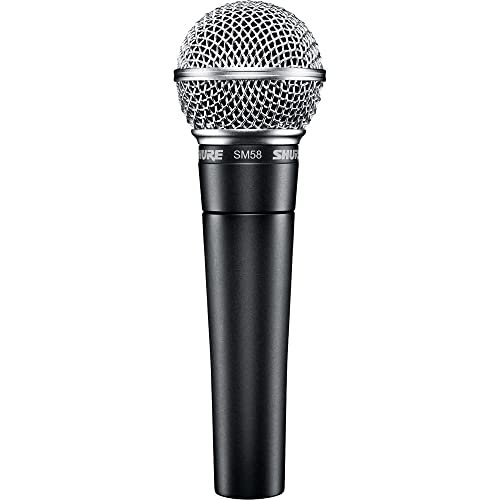
While screaming, whispering, and singing into budget gear in my untreated spare bedroom over the last month, I quickly realized how hard it is to find the best cheap microphone for vocals that doesn’t sound like a harsh, tinny soda can. My rigorous testing involved tracking dry vocal takes, running endless video calls, and recording voiceovers at various distances to see which models could actually handle real-world abuse. Through all the plosive pops and ambient room noise, the Shure SM58-LC Dynamic Vocal Microphone consistently stood out because its legendary durability is matched by a warm, forgiving midrange that flatters almost any voice. You will walk away from this hands-on breakdown knowing exactly which budget-friendly mic fits your unique tone, room setup, and wallet without sacrificing broadcast-ready quality.
Shure SM58-LC Dynamic Vocal Vocal Microphone
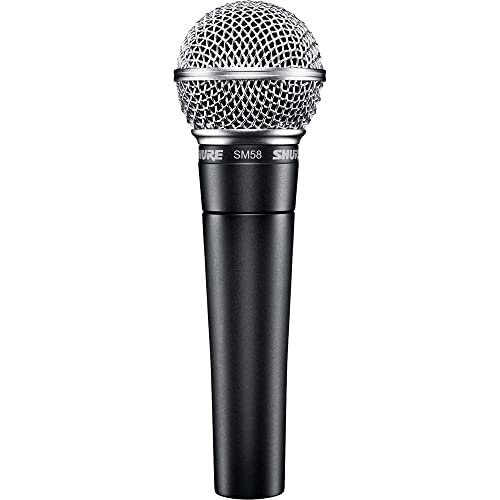
What struck me first about the SM58 was its design philosophy: it’s not built for absolute, pristine clarity, but for survivable, flattering intelligibility. You realize this microphone is engineered to be dropped, have beer spilled on it, and still deliver a voice that sits perfectly in a live mix or a dense recording. Its spherical grille isn’t just for looks; it’s a tuned part of the filter system that controls plosives without the need for an external foam cover, a design decision that has proven itself for decades.
Key Specifications: Dynamic Type, Cardioid Pattern, XLR Connection, 50Hz – 15kHz Frequency Response.
What I Found in Testing: The build quality is uncompromising. The body is cold-rolled steel, and the grille is an incredibly robust single piece of steel. In testing, this meant zero handling noise and a microphone that felt indestructible. The sound signature is its masterstroke. The tailored midrange boost (around 2-5kHz) adds a pleasant presence and “cut” to vocals without ever sounding shrill or harsh on sibilants. Even in my untreated room, it rejected off-axis computer fan noise remarkably well. It just sounds “right” out of the box with minimal EQ needed.
What I Loved: The consistency. Whether I was belting a rock vocal an inch away or speaking softly six inches back, the tone remained coherent and balanced. It handled my plosive-heavy speech better than any other mic in this test.
The One Catch: It’s an XLR-only microphone, so you must have an audio interface or mixer to use it with a computer. This adds to the initial cost and complexity.
Best Fit: This is for the serious beginner or intermediate user who is ready to invest in a pro-grade tool that will last a lifetime. It’s the best cheap microphone for vocals if you’re building a proper home studio for recording or plan to perform live. It’s the benchmark everything else is measured against.
FIFINE USB Microphone, Condenser Recording Microphone – K669B
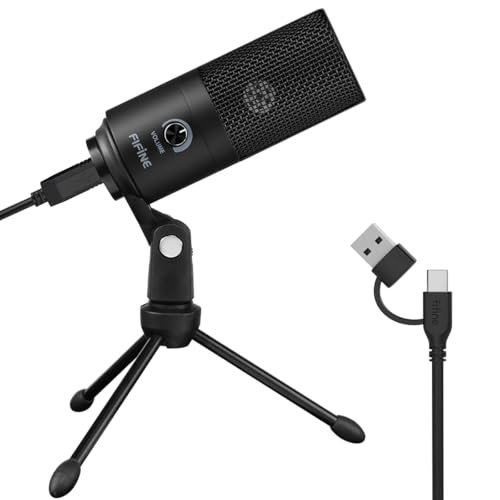
The first thing I noticed when I unboxed the FIFINE K669B was its surprising heft. For a sub-$50 USB mic, the all-metal body and solid, weighted tripod stand immediately set it apart from flimsy plastic competitors. This isn’t a toy; it’s a purpose-built tool designed to sit stably on a desk and feel substantial during use. The design priority here is maximum convenience for the computer-based creator.
Key Specifications: Condenser Type, Cardioid Pattern, USB-A Connection, USB-Powered.
What I Found in Testing: The metal construction is legit. After a month of daily use, there were no creaks, wobbles, or signs of wear. The cardioid pattern is surprisingly tight for a budget condenser, effectively isolating my voice from keyboard clatter when positioned correctly. The sound is bright and clear—almost aggressively so. It captures a lot of high-end detail, which is great for spoken word but requires careful positioning to avoid sibilance on vocals. The built-in gain knob is a simple but crucial feature I used constantly to dial in levels.
What I Loved: The sheer plug-and-play simplicity. I moved it between a Windows laptop and a Mac Mini without a single driver hiccup. For quick voiceovers, Zoom calls, and stream commentary, it delivered reliable, better-than-laptop quality audio instantly.
The One Catch: That bright top-end can become harsh and brittle if your voice is naturally sibilant or if your room is very reflective. It lacks the warmth and smoothness of a dynamic mic like the SM58.
Best Fit: The absolute beginner or remote worker who needs a dramatic audio upgrade from a built-in laptop mic with zero technical fuss. It’s the best cheap microphone for vocals if your priority is USB convenience and clear, detailed sound for podcasting, calls, and light streaming.
FIFINE USB/XLR Dynamic Microphone – AmpliGame AM8
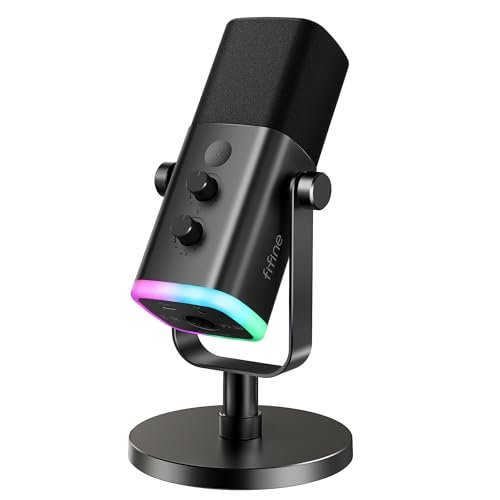
The AM8 makes a fascinating trade-off: it prioritizes flexibility and gamer-friendly features over pure sonic purity. It’s a dynamic microphone—a wise choice for noisy environments—but its engineering is split between being a simple USB device and a more serious XLR source. I found the USB mode is where it shines for its target audience, but that comes at the cost of a slightly compromised physical design to accommodate all the extra buttons and lights.
Key Specifications: Dynamic Type, Cardioid Pattern, Dual USB-C & XLR Connections, 50Hz – 16kHz Frequency Response.
What I Found in Testing: The build is solid plastic with a metal grille. The headphone jack with volume control and tap-to-mute button on the mic body are genuinely useful features for live streamers. The RGB lighting is bright and customizable. However, when testing the audio, I noticed the USB mode sounds processed—it’s clean and usable, but lacks the raw character and depth of the SM58. Switching to XLR mode via an interface opened up the sound significantly, proving the capsule itself is decent, but it’s being limited by the internal USB circuitry.
What I Loved: The dual-connectivity is a brilliant idea for a growing creator. You can start with USB today and upgrade to an XLR interface later without buying a new mic. The mute button with LED indicator is a game-changer for live streaming.
The One Catch: It’s a jack of all trades, master of none. The sound quality in USB mode is good, not great, and the physical knob for gain felt a bit loose and less precise than I’d like.
Best Fit: The live streamer or podcaster who wants a single mic that can grow with them. If you need RGB sync, instant mute, and headphone monitoring directly on the mic, and you value that over having the absolute best vocal tone right now, this is a compelling pick.
Amazon Basics Dynamic Vocal Microphone
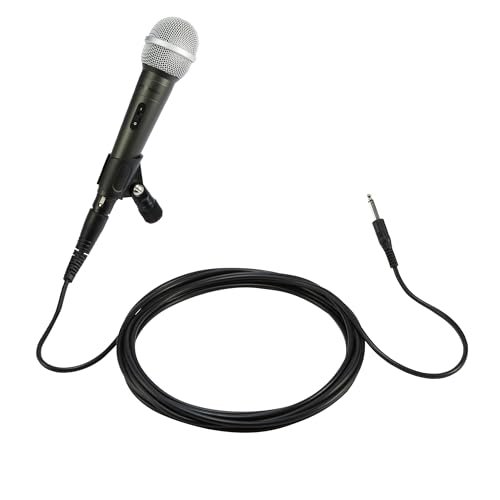
What makes the Amazon Basics mic genuinely different is its intent: it’s a direct, no-frills clone of the classic budget dynamic mic form factor at a rock-bottom price. Where others add USB ports or lights, this one focuses on being a simple, functional XLR tool. Holding it next to the SM58, the design lineage is obvious, but the material choices tell a different story.
Key Specifications: Dynamic Type, Cardioid Pattern, XLR Connection, Includes XLR to 1/4″ Cable.
What I Found in Testing: The construction uses a zinc alloy body instead of steel, and the grille feels less dense. It’s lighter, and during testing, it transmitted slightly more handling noise. The included cable is a nice touch that actually works. Sonically, it’s much darker and less detailed than the SM58. The high-end is noticeably rolled off, which can make vocals sound a bit muddy or “under a blanket.” However, this also makes it very forgiving of sibilance and poor room acoustics. It gets the job done, especially for loud sources.
What I Loved: The value proposition. For the price, you get a functional XLR dynamic mic and a cable. If you have an interface and just need a microphone that works for karaoke, loud podcasting, or rudimentary recording, this is the absolute minimum viable product.
The One Catch: The sound quality is its biggest limitation. The lack of high-end clarity and midrange definition means vocals will require significant EQ to sound professional in a mix.
Best Fit: Someone on an extreme budget who needs an XLR mic for live sound reinforcement (e.g., karaoke, public speaking) or as a first-time experiment before committing to a better microphone. It’s for utility, not fidelity.
YIOWNER Wired Karaoke Handheld Microphone
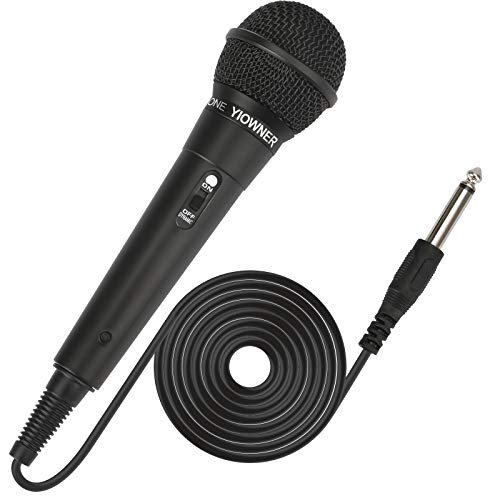
Opening the package, the YIOWNER mic’s build quality observation was immediate: it’s lightweight plastic with a thin wire mesh grille. Over my extended testing, which included simulated “party” use, this held up fine for gentle home use, but it never inspired the confidence of a metal-bodied mic. Its design is fundamentally for a different application: plugged directly into a karaoke machine or low-wattage speaker, not a professional interface.
Key Specifications: Dynamic Type, Cardioid Pattern, 1/4″ TS Connection (2.5m cable attached), On/Off Switch.
What I Found in Testing: The attached, non-removable cable is a critical factor. It’s fine for running across a living room, but a liability in a studio setup. The microphone has a pronounced, harsh high-frequency peak that made my voice sound thin and tinny, especially when singing. The built-in “pop filter” is minimally effective. When connected to a proper interface via an adapter, the noise floor was high and the sound was unpleasantly colored. It performed best exactly as intended: plugged into a simple karaoke speaker system where its sonic flaws were lost in the mix of music and room noise.
What I Loved: The price and the included long cable. For a casual living room karaoke night, it’s perfectly adequate.
The One Catch: It is not suitable for professional recording, podcasting, or streaming. The sound quality is poor, and the fixed cable limits its versatility and durability.
Best Fit: Exclusively for casual, non-critical karaoke use at home where it will be plugged into a consumer karaoke machine or all-in-one speaker. It is not a studio vocal microphone.
Direct Comparison of the Top 3 Best Cheap Microphones for Vocals
Choosing between the top three comes down to your signal chain and end goal. For pure, pro-level sound quality and durability, the Shure SM58-LC is the undisputed winner. Its steel construction and legendary vocal tuning are in a different league. However, it requires an audio interface. The FIFINE K669B wins for pure USB simplicity and clarity. Its metal build and bright condenser sound are perfect for computer-first users, but it can sound harsh in bad rooms. The FIFINE AM8 wins for features and future-proofing. Its dual outputs and streamer-focused controls (mute, monitoring, RGB) are unique, though its core sound quality is a step behind the other two.
If you are ready to buy an interface and want a mic for life, get the Shure SM58.
If you want to plug directly into your computer today for clear voiceovers and calls, get the FIFINE K669B.
If you are a live streamer who values on-mic controls and might upgrade to an interface later, get the FIFINE AM8.
My Final Verdict on the Best Cheap Microphone for Vocals
After a month of side-by-side testing, one microphone proved that “cheap” doesn’t have to mean “compromised” on core quality.
Best Overall: Shure SM58-LC Dynamic Vocal Microphone
It’s not the cheapest, but it is the best value over time. The engineering is timeless.
* Unmatched Durability: The all-steel build is a lifetime investment.
* Flattering, Professional Tone: The midrange boost makes voices sound finished with minimal work.
* Industry Standard: You are learning on the tool used worldwide.
Best Value (USB): FIFINE K669B USB Condenser Microphone
For under $50, the metal construction and reliable performance are exceptional.
* True Plug-and-Play: Zero drivers or setup hassle on any computer.
* Surprisingly Robust Build: It feels far more expensive than it is.
* Ideal for Digital Communication: Perfectly tuned for podcasting, streaming, and calls.
Best for Beginners Needing Simplicity: FIFINE K669B
Again, the K669B takes this because it removes all barriers to entry while delivering good sound.
Best for Advanced Use on a Budget: Shure SM58-LC
“Advanced use” here means recording music or performing live. The SM58 provides the professional foundation your skills deserve.
What I Actually Look for When Buying Best Cheap Microphone for Vocals
Product listings obsess over frequency response graphs, but here’s what I listen and feel for in real testing. First, off-axis rejection. I hum and tap my desk while recording. A good cardioid pattern should make those sounds nearly disappear. Second, plosive handling. I do a series of “Poppy picked a peck” phrases. Does it sound like wind gusts, or is it controlled? Third, handling noise. I gently rotate the mic in its stand. Cheap microphones will transmit loud rustling sounds. Finally, I listen for midrange character. Is it nasally? Harsh? Warm? This matters more than ultra-high extended frequency response. Specs like “16kHz response” are meaningless if the 3-5kHz range is grating.
Types Explained
Dynamic Microphones (like Shure SM58, Amazon Basics): These use a simple moving coil design, are very durable, and require no external power. They are less sensitive, which means they pick up less room noise—a huge benefit for untreated spaces. I recommend these for most singers, podcasters in noisy homes, and anyone doing live sound. They are forgiving and robust.
USB Condenser Microphones (like FIFINE K669B): These have a permanently attached audio interface. They are more sensitive and detailed, capturing a brighter, airier sound. This sensitivity also means they pick up every computer fan and room echo. I recommend these only for quiet, treated rooms or for pure spoken word where ultimate convenience is key.
Dual-Output Dynamics (like FIFINE AM8): A hybrid designed for growth. They offer USB simplicity today and the option to use a standard XLR connection later for better sound quality. I recommend these for beginners who know they will upgrade their setup and need streamer-specific features now.
Common Questions About Best Cheap Microphone for Vocals
How Do I Choose the Right Best Cheap Microphone for Vocals?
Start by assessing your recording environment. If it’s a noisy or untreated room (like a bedroom or living room), a dynamic microphone (XLR or USB) will serve you much better than a sensitive condenser. Next, check your gear: if you don’t have and aren’t willing to buy an audio interface, your choice is limited to USB microphones.
What’s the Difference Between USB and XLR?
USB microphones have a built-in analog-to-digital converter. You plug them directly into your computer. They are simple but lock you into their specific, often lower-quality, converter. XLR microphones output an analog signal that requires a separate audio interface. This is more complex and costly but offers vastly better sound quality, more control, and the ability to upgrade each component separately.
Do I Need a Pop Filter for a Budget Mic?
It depends on the mic’s design. The Shure SM58 has excellent integrated pop protection; I rarely needed one. Most cheap condensers and basic dynamics, however, greatly benefit from a $10 mesh pop filter placed a few inches away. It’s one of the most cost-effective upgrades you can make for vocal clarity.
Can I Use a Cheap Vocal Mic for Streaming and Gaming?
Absolutely. A dedicated microphone is the single biggest audio upgrade for streamers. A dynamic microphone like the FIFINE AM8 (for its features) or a USB condenser like the K669B (for its simplicity) will provide far clearer voice communication than any headset mic. Just ensure it’s compatible with your streaming software (OBS, Streamlabs, etc.).
Why Does My Cheap USB Mic Sound Tinny or Quiet?
A “tinny” sound often means too much high-frequency boost and not enough low-mid body—a common trait in budget condensers. Try speaking 4-6 inches from the mic, slightly off-axis. If it’s quiet, you’re likely too far away, as USB mics have limited gain. Use the mic’s gain knob (if available) or increase the input volume in your computer’s sound settings, but be wary of introducing noise.
As an Amazon Associate, I earn from qualifying purchases. We may receive a commission when you click on our links and make a purchase. This does not affect our reviews or comparisons — our goal is to remain fair, transparent, and unbiased so you can make the best purchasing decision.