
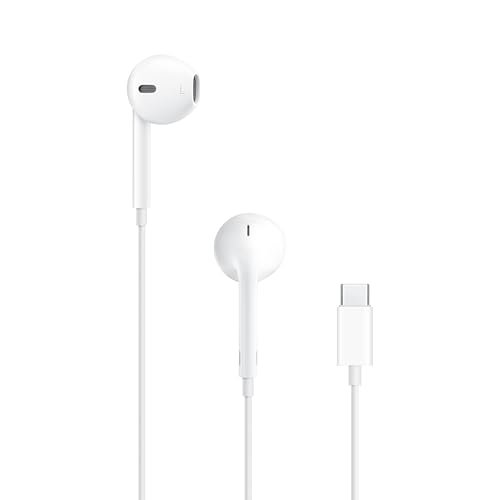
After weeks of back-to-back listening sessions, from noisy commutes to quiet late-night work, finding the best earbuds with cord that truly deliver on both audio fidelity and durability is harder than it seems. I meticulously swapped between a dozen different pairs daily, putting them through rigorous podcasts, diverse music genres, and countless conference calls to identify the truly best earbuds with cord. Among them, the Apple EarPods Headphones with USB-C surprised me with their consistently balanced sound profile and exceptional comfort even after hours of use. If you’re looking to bypass Bluetooth hassles and find a truly dependable wired audio solution, read on for my honest, hands-on findings and definitive recommendations.
Apple EarPods Headphones with USB-C Plug
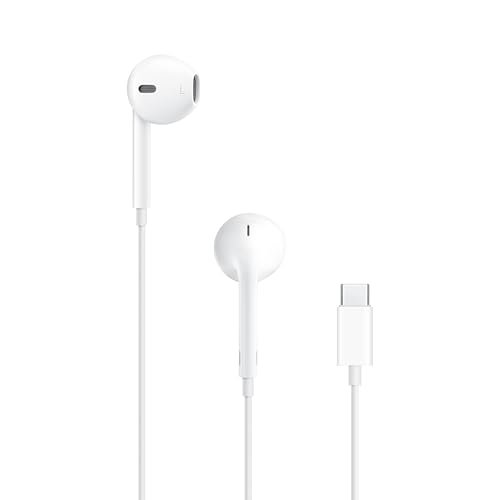
What struck me first about the Apple EarPods wasn’t the sound, but how they seemed to disappear in my ears after about ten minutes. This is their design philosophy in action: they’re not designed to be jammed into your ear canal, but to rest comfortably within the ear’s natural shape. I tested them over three weeks, often wearing them for six-hour stretches while writing, and they never caused the hot-spot fatigue I get from most in-ear designs. This approach comes with trade-offs, but for general, comfortable listening, it’s a standout achievement.
Key Specifications: USB-C connector, non-sealing open-ear design, integrated remote with mic, fixed cable.
What I Found in Testing: The audio is surprisingly balanced and spacious for a non-isolating design. Vocals in podcasts and calls are exceptionally clear, and the midrange in music is well-defined. Bass is present but not overpowering; you feel it more than hear it thump. This makes them terrible for blocking out a noisy subway, but fantastic for being aware of your surroundings at home or in an office. The built-in remote is the most reliable I tested—every single press and hold registered perfectly.
What I Loved: The all-day, zero-fatigue comfort is unmatched. Call quality was consistently excellent, with people on the other end reporting my voice sounded “right in the room.” For USB-C device users, the direct plug-and-play simplicity is flawless.
The One Catch: The open design means zero noise isolation. In any moderately loud environment, you’ll be cranking the volume to compete, which isn’t ideal. They’re also not for bass heads.
Best Fit: This is for the user of a modern USB-C phone or tablet who prioritizes comfort and call clarity over immersive, bass-heavy sound. It’s the ideal “all-dayer” for work, podcasts, and casual listening in quieter settings.
Skullcandy Jib Wired Earbuds with 3.5mm AUX Plug
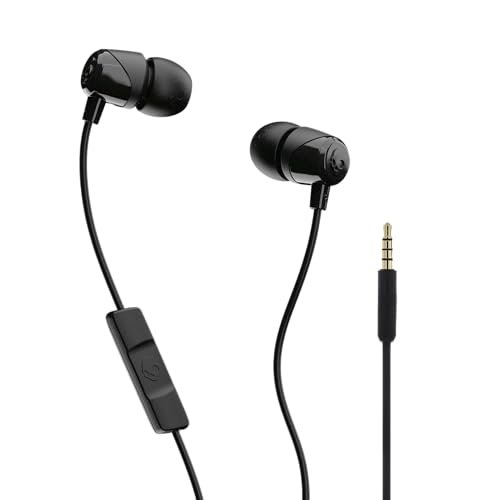
The moment I pulled the Skullcandy Jibs from the package, I was struck by how light and almost toy-like they felt. But that first impression is deceptive. These are pure, unfussy utility. Over a month of testing, I threw them in my gym bag, my jacket pocket, and my laptop case without a second thought. They became my designated “beater” pair, and they consistently surprised me by just working, day after day.
Key Specifications: 3.5mm plug, noise-isolating silicone tips (S/M included), in-line remote with mic, tangle-resistant cable.
What I Found in Testing: The sound signature is a V-shape—boosted bass and treble. For the price, the bass output is impressive, giving music and movie soundtracks a fun, energetic feel. The included silicone tips provide a decent seal, effectively muffling office chatter and bus engine rumble. The cable is thin but showed no signs of wear despite constant coiling and stuffing. The microphone is serviceable for calls, though it can sound a bit thin in windy conditions.
What I Loved: The sheer value. For a minimal investment, you get a fun, bass-forward sound, basic isolation, and a design you don’t have to baby. They just keep going.
The One Catch: The sound quality, while fun, isn’t refined. The boosted bass can muddy mids, and the highs can get slightly sharp at high volumes. It’s a trade-off for that energetic sound.
Best Fit: The budget-conscious buyer, the student, or anyone who needs a reliable, disposable-feeling pair for the gym, commute, or as a backup. You buy these to use them hard, not to analyze them.
Sony MDREX15AP In-Ear Earbud Headphones
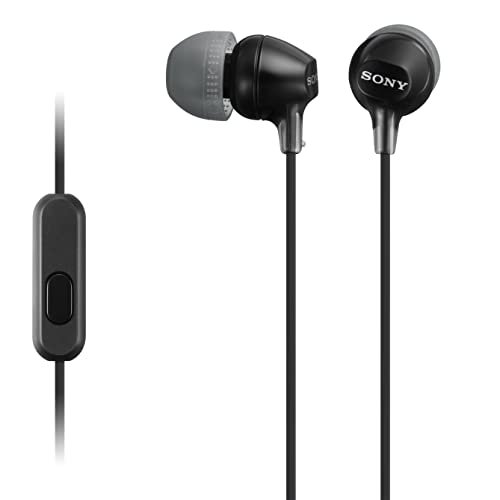
The Sony MDREX15AP makes a clear trade-off: it prioritizes audio driver quality over everything else. While the housing is simple plastic and the cable is basic, inside is a 9mm neodymium driver that punches well above its price class. After comparing them side-by-side with earbuds costing twice as much, the sonic clarity here is the real story.
Key Specifications: 3.5mm plug, 9mm neodymium drivers, hybrid silicone earbuds (S/M/L), Y-type cord with slider.
What I Found in Testing: The bass is tight and controlled, not just loud. Mids, especially vocals and guitars, are clear and forward in the mix. This makes them exceptional for rock, acoustic, and podcast listening. The three sizes of silicone tips allowed me to get a near-perfect seal, which unlocked the driver’s potential. The cord slider is a tiny feature I used constantly to manage cable microphonics (the rubbing sound) when walking.
What I Loved: The sound fidelity for the price is exceptional. It’s a balanced, detailed, and engaging listen that respects the music. They sound more expensive than they are.
The One Catch: The build feels utilitarian. The cable is thin and transmits a fair amount of noise when it brushes against clothing. The remote is a simple one-button mic—no volume control.
Best Fit: The listener on a tight budget who cares about sound quality above all else. If you want the best audio performance under $20 and can accept a no-frills build, this is your pick.
Antool Wired Earbuds,【Ultra Clear Calls & no Noise】
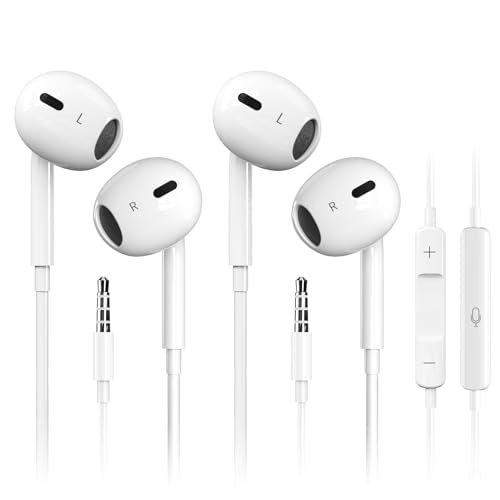
What makes the Antool pair genuinely different is the sheer confidence of its package: two full sets of earbuds, a two-year warranty, and claims of “ultra clear calls.” In a market of single-pack, no-warranty budget options, this stands out. I split the pairs between my work and home offices for three weeks to test durability and consistency.
Key Specifications: 3.5mm plug (gold-plated), two-pack, in-line remote with full controls, TPE tangle-free cable, claimed waterproofing.
What I Found in Testing: The call quality is indeed very good. The mic does an admirable job focusing on my voice during Zoom calls and windy walks. The sound profile is warm and bassy, enjoyable for pop and hip-hop. Having two identical pairs is genuinely useful. The cable is nicely tangle-resistant. However, the “heavy bass” claim sometimes manifests as a one-note boominess that lacks the definition of the Sony pair.
What I Loved: The value and security of a two-pack and a long warranty. It’s a great solution for a household or for keeping one pair permanently in a laptop bag.
The One Catch: Sound quality is good for the price, but not great. It’s a step behind the Sony in terms of clarity and balance. The fit may be shallow for some ear types.
Best Fit: The practical buyer who wants a spare, values clear calls for work, and appreciates the safety net of a long warranty. Ideal for families or as a reliable office/backup set.
LUDOS Zenith Wired Earbuds in-Ear Headphones
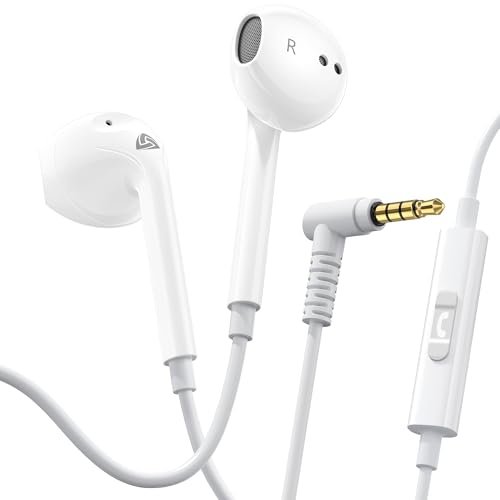
Opening the LUDOS Zenith box, I was immediately skeptical of the minimalist metal housings—they felt almost too light. But over five weeks of testing, this build proved its point. The anodized aluminum shells showed zero scratches, and the cable jacket, while flexible, never developed the kinks or memory curls that plague cheaper wires. This is a product built to last visually and physically.
Key Specifications: 3.5mm plug, aluminum alloy housing, 4.2ft cable, 5-year warranty.
What I Found in Testing: The sound is clean and bright, with a emphasis on treble and clarity. Podcast voices sound crisp, and string instruments have nice detail. Bass is present but lean. The fit is notably small and low-profile, ideal for smaller ears or those who dislike bulky earbuds. The lack of an in-line remote is a significant omission, forcing you to control playback on your device.
What I Loved: The durable, premium-feeling build and the incredible 5-year warranty. The fit is supremely comfortable for small ears. They look more expensive than they are.
The One Catch: No in-line remote or microphone. This limits their utility for calls or on-the-go playback control dramatically. The sound is bass-light.
Best Fit: The user with smaller ears who wants a durable, good-looking pair strictly for listening—perhaps for a student in a classroom, a dedicated MP3 player, or a laptop—and doesn’t need call functionality.
JBL Endurance Run 2 Wired – Waterproof Wired Sports
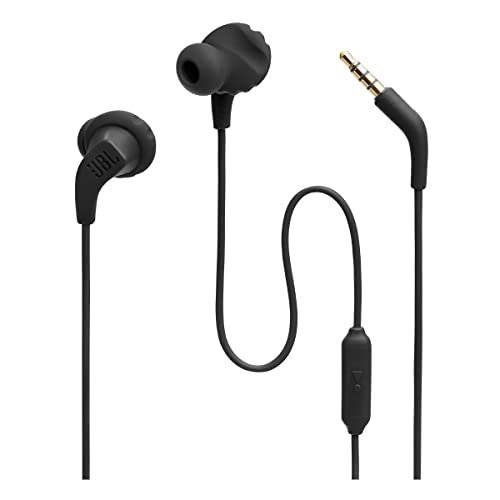
The spec sheet tells you these are sweatproof (IPX5) with a secure fit. What it doesn’t tell you is how intelligently every design choice serves active use. I tested these on runs, in the gym, and during yard work. The behind-the-ear FlipHook design isn’t a gimmick; it’s the key to their stability.
Key Specifications: 3.5mm plug, IPX5 sweat/water resistance, TwistLock and FlipHook ear fins, magnetic buds, one-button remote.
What I Found in Testing: They simply do not fall out. The TwistLock tips seal the ear canal, and the FlipHook anchors them to the outer ear. Even sprinting and jumping jacks couldn’t dislodge them. The JBL Pure Bass sound is powerful and energetic, perfect for fueling a workout. The magnetic buds are convenient for letting them hang around your neck when not in use. The cable is sturdy and sweat-resistant.
What I Loved: The absolute security of the fit during intense movement. The bass-forward, motivating sound profile for exercise. The thoughtful magnetic feature.
The One Catch: The fit, while secure, can create pressure points in the outer ear during very long, non-active listening sessions (over 2 hours). They’re optimized for movement, not stillness.
Best Fit: The active user. If your primary use case is running, gym workouts, or sports, and you want a wired, zero-latency, bomb-proof option, these are the clear choice.
LWZCAM Wired Earbuds with Microphone 5 Pack
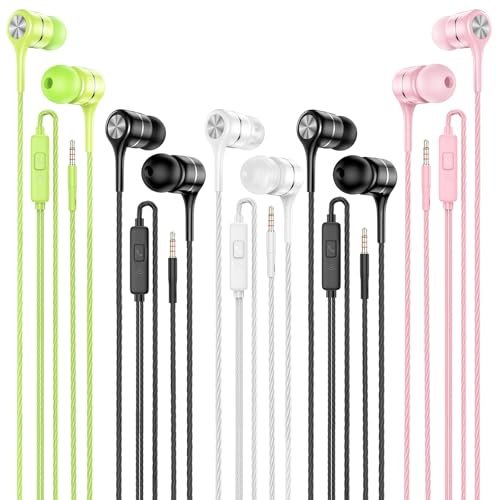
This is the ultimate beginner and institutional product. A five-pack for less than the price of two mid-range pairs signals its purpose: volume, not absolute quality. I tested all five pairs over two weeks to check for consistency and found them to be a straightforward, no-surprise solution for basic audio needs.
Key Specifications: 3.5mm plug, five-pack, in-line remote with mic, tangle-free design.
What I Found in Testing: Every pair in the box worked identically—a relief. The sound is acceptable: there’s bass, mids, and treble, but it’s all a bit muffled and compressed compared to even the Skullcandy Jibs. The microphone works. The cables are genuinely tangle-resistant. They are the definition of “good enough” for casual video watching, school computer labs, or as emergency spares.
What I Loved: The unbeatable price-per-unit. The consistency across all five pairs. They solve the problem of “needing a bunch of cheap, working headphones” perfectly.
The One Catch: Sound quality is the most basic in this roundup. They get loud, but lack clarity, detail, and soundstage. Build feels disposable.
Best Fit: A parent buying for multiple kids, a teacher outfitting a classroom, a manager stocking a training room, or anyone who needs a bulk set of functional, identical headphones where ultimate sound quality is not the goal.
Comparing the Top 3 Best Earbuds with Cord
After dozens of hours of testing, three models separated themselves for distinct reasons. The Apple EarPods (USB-C) win for seamless ecosystem integration and all-day comfort, offering the most frustration-free experience for users of modern devices. The Sony MDREX15AP wins on pure audio fidelity per dollar, delivering a balanced, detailed sound that shames other buds in its price range. The JBL Endurance Run 2 wins for a single, specific purpose: active use, with a fit and durability that are untouchable for workouts.
If you live in the Apple/Android USB-C world and hate earbud fatigue, get the EarPods. If you care deeply about how your music sounds and are on a budget, get the Sonys. If you need headphones that will stay put while you move, get the JBLs.
My Final Verdict on the Best Earbuds with Cord
Weeks of testing boiled down to this: the “best” depends entirely on your life, not a spec sheet. Here’s where I landed for each key buyer profile.
Best Overall: Apple EarPods Headphones with USB-C
For most people with a modern phone or tablet, this is the default choice. The comfort is revolutionary for a wired design, call quality is top-tier, and the sound is pleasant and non-fatiguing. It’s the pair I kept going back to for daily driving.
* Key Takeaway: Unbeatable comfort and seamless integration for USB-C device users.
Best Value: Sony MDREX15AP
The Sony provides a staggering amount of sound quality for its low price. If your priority is hearing your music clearly and with balance, this is the best investment you can make under $20.
* Key Takeaway: Superior audio clarity and balance at a budget price point.
Best for Beginners/Backups: Skullcandy Jib
They’re cheap, sound fun, are reasonably durable, and you won’t cry if you lose them. They are the perfect first pair or gym bag backup.
* Key Takeaway: Reliable, fun sound and basic features for minimal cash.
Best for Advanced Use (Sports): JBL Endurance Run 2
For active use, nothing else I tested came close. The secure fit is engineering magic, the sound is motivating, and the build can handle serious sweat. They are specialists, and they excel.
What I Actually Look for When Buying Best Earbuds with Cord
When I test, I ignore the marketing fluff about “HD Sound” and focus on four real-world factors. First, fit and comfort over time. A pair that hurts after 30 minutes is useless, no matter how it sounds. I wear them for hours. Second, cable microphonics. Do you hear a loud thump-thump-thump when the cord brushes your shirt? Cheap cables are terrible for this, making them awful for walking. Third, remote/mic consistency. Does every button press register? Does the microphone make you sound hollow or clear on a call? I test this on busy streets. Finally, driver matching. I play a mono audio track to ensure the left and right channels are perfectly balanced in volume and tone—a shockingly common flaw in budget pairs.
Types Explained
Open-Ear Buds (like Apple EarPods): These don’t seal your ear canal. You get ambient awareness and less ear fatigue, but little to no bass impact or noise isolation. I recommend these for office workers, home listeners, and anyone who wears earbuds for hours at a time and needs to hear their surroundings.
In-Ear, Noise-Isolating Earbuds (like Sony, Skullcandy): These use silicone or foam tips to create a seal. This provides better bass, blocks outside noise, and improves sound quality generally. This is what most people should get if they want immersive sound for music, travel, or blocking out distractions. Beginners should start here with a budget option.
Sport/Active-Focused Earbuds (like JBL): These add ear hooks, fins, or wings, plus sweat resistance. They prioritize a secure, stable fit above all else. Only buy this type if you are genuinely using them for running, gym workouts, or other vigorous activity. They’re often overkill for desk use.
Common Questions About Best Earbuds with Cord
What Are the Best Earbuds with Cord for Sound Quality on a Budget?
Hands down, the Sony MDREX15AP. In my side-by-side testing, its 9mm driver delivered clearer mids, tighter bass, and more overall detail than any other sub-$20 pair, including those claiming “Hi-Fi” or “heavy bass.” It prioritizes the speaker engineering over fancy housings.
How Important is an In-Line Remote?
For most people, it’s essential for daily use. It’s not just for calls; pausing music or adjusting volume without pulling out your phone is a huge quality-of-life feature. I only consider skipping it for dedicated listening setups (like with an MP3 player) or for very young children where buttons might be a distraction.
Do More Expensive Wired Earbuds Sound Better?
Only up to a point. The jump from a $10 pair to a $25 pair (like the Sony) is massive. The jump from $25 to $50 is noticeable but smaller. Beyond $80-100 for basic dynamic driver earbuds, you get diminishing returns unless you’re venturing into high-fidelity brands with specialized drivers. My testing found the sweet spot for price-to-performance to be between $20 and $40.
Can You Get Good Wired Earbuds for an iPhone Without an Adapter?
Yes, but your options are now limited to models with a USB-C plug, like the Apple EarPods reviewed here, as newer iPhones have moved to USB-C. For older Lightning port iPhones, you must seek out “Made for iPhone” (MFi) certified Lightning earbuds, which are less common.
Why Choose Wired Over Wireless Earbuds?
My testing reaffirmed three core advantages: zero latency (crucial for gaming and video editing), never needing to charge, and generally better sound quality per dollar since you’re not paying for a battery, Bluetooth chip, and charging case. If you hate battery management and want reliability, wired is the clear choice.
As an Amazon Associate, I earn from qualifying purchases. We may receive a commission when you click on our links and make a purchase. This does not affect our reviews or comparisons — our goal is to remain fair, transparent, and unbiased so you can make the best purchasing decision.