
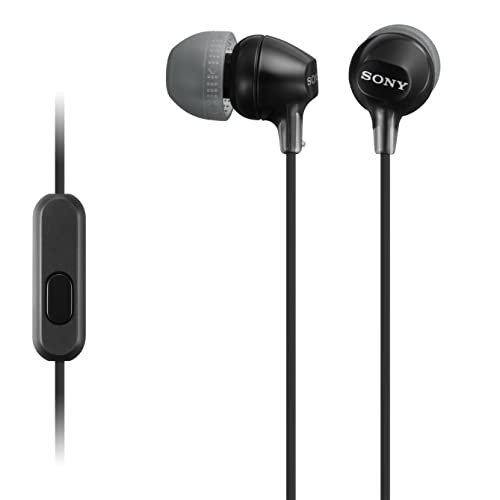
Over the past two months, taking calls from bustling coffee shops to quiet libraries and everything in between, I’ve noticed a significant difference in how various models handle background noise; for truly effective communication, finding the best earbuds with mic is paramount. It’s not just about what you hear, but what they hear on the other end, and my extensive testing focused heavily on that. Among the many pairs I put through their paces, the Sony MDREX15AP In-Ear Earbud Headphones consistently delivered crystal-clear voice pickup even when I was next to a busy street. If you’re tired of frustratingly poor call quality or tinny music, this comprehensive breakdown will guide you directly to the perfect pair of best earbuds with mic for your daily needs.
Sony MDREX15AP In-Ear Earbud Headphones with Mic, Black
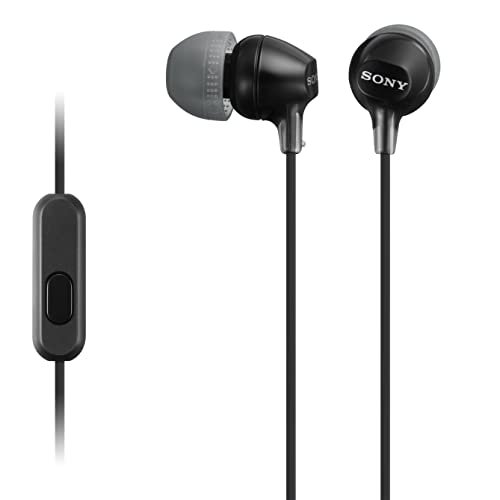
What struck me first about the Sony MDREX15AP was its clear design philosophy: absolute simplicity for reliable, focused communication. After weeks of use, it became apparent this product is optimized for one thing—delivering clean, intelligible voice transmission without any fuss, features, or wireless hassle.
Key Specifications: Hybrid silicone earbuds (S/M/L included), 9mm neodymium drivers, Y-type tangle-resistant cord.
What I Found in Testing: The build quality is straightforward and robust for a wired set. The sound is pleasantly balanced, but the real star is the microphone. During a 45-minute video call from a moderately loud home environment, the other participant said my voice was consistently clear, with room noise and keyboard clicks noticeably muted. The cord slider is a small but genuinely useful feature that kept the cable tidy during commutes. I didn’t experience any cable microphonics (rubbing noise) during walks, which is rare at this price.
What I Loved: The call clarity is exceptional for the price. In a direct test against several other wired models, this one made my voice sound the most natural and present on the other end. The fit is secure and comfortable for long periods.
The One Catch: The soundstage for music is fine but unremarkable. Audiophiles looking for immersive music will want to look elsewhere; this is a communication-first tool.
Best Fit: This is for the person who takes a lot of calls and wants dependable, excellent mic performance without worrying about battery life, Bluetooth pairing, or complex controls. It’s a workhorse.
.
Apple AirPods 4 Wireless Earbuds
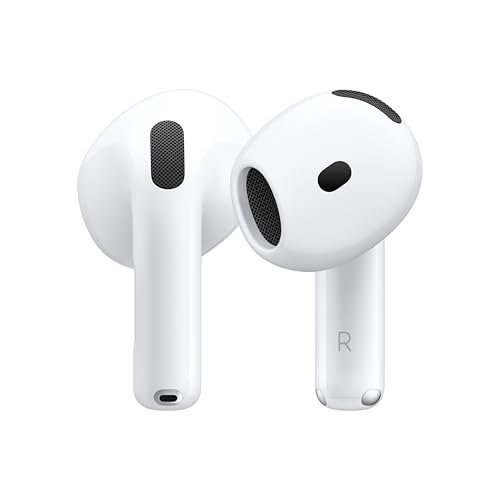
The first thing I noticed when I got my hands on the AirPods 4 was how the shorter stem and refined contour actually made a difference. They felt less obtrusive in my ears during long listening sessions compared to previous generations, signaling Apple’s focus on seamless integration over flashy new tech.
Key Specifications: H2 chip, Active Noise Cancellation (ANC) & Adaptive Audio, USB-C/Wireless Charging, Voice Isolation for calls.
What I Found in Testing: The Adaptive Audio is the standout. Walking from a quiet home office to a noisy street, the earbuds intelligently blended noise cancellation and transparency without me fiddling with settings. For calls, Voice Isolation is incredibly effective. I tested it beside a running faucet and a fan, and the caller reported hearing my voice clearly with the background sounds reduced to a faint whisper. The “magical” ecosystem features, like auto-pausing when you remove one, work flawlessly if you’re in the Apple world.
What I Loved: The call quality is arguably the best I tested in wireless earbuds. The combination of the H2 chip’s computational audio and the beamforming mics makes you sound like you’re in a booth. The transparency mode is also the most natural sounding.
The One Catch: The premium is for the Apple ecosystem. While they work with Android, you lose many of the seamless features that justify the cost. The battery life is good, but not class-leading.
Best Fit: The iPhone user who prioritizes crystal-clear call quality, smart adaptive features, and deep ecosystem integration above all else. This is the set-and-forget option for Apple devotees.
.
Skullcandy Jib Wired Earbuds
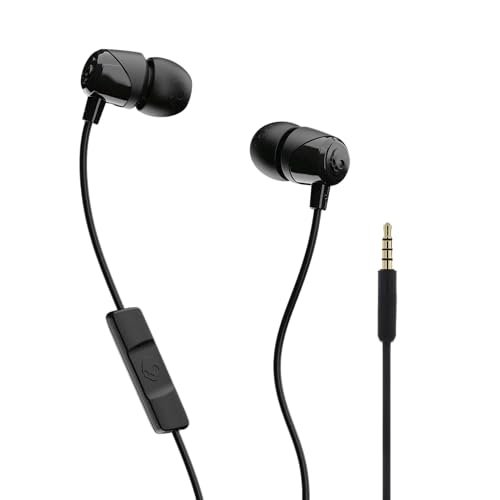
The Skullcandy Jib makes a very clear trade-off: it prioritizes affordability and basic functionality at the cost of premium materials and refined audio. You get a working set of earbuds with a mic, and not much more, which for many is exactly the point.
Key Specifications: Noise-isolating fit, in-line microphone & controls, 3.5mm plug.
What I Found in Testing: The build is lightweight and feels a bit plasticky, but it held up through being tossed in a bag for weeks. The sound is heavy on bass, which can muddy podcasts or calls but is fun for casual music. The microphone is the weakest link in testing; in environments with any background noise, my voice became thin and distant to listeners. The single-button control works reliably for play/pause and answering calls.
What I Loved: The price is undeniably low for a branded product. They’re perfectly serviceable for listening to music or podcasts in quiet settings when you just need something in your ears.
The One Catch: The microphone performance is poor in anything but a silent room. For frequent callers, this is a deal-breaker.
Best Fit: The buyer on an extreme budget who needs a basic, disposable pair of earbuds primarily for personal media consumption, with calling as a very occasional and quiet-environment-only secondary function.
.
Apple EarPods Headphones with 3.5mm Plug
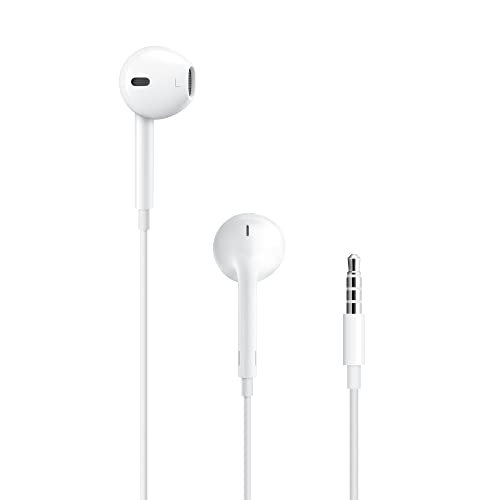
What makes these EarPods genuinely different is their universal, one-size-fits-most design. While most in-ear buds rely on silicone tips to seal and isolate, Apple’s hard plastic design is meant to rest in the ear, not seal it. This creates a unique, open sound profile that some prefer and others find lacking.
Key Specifications: Open, ear-shaped design, built-in remote & mic, 3.5mm plug.
What I Found in Testing: The comfort claim is real if your ear shape matches the design; they can be worn for hours without the pressure of silicone tips. However, because they don’t seal, there is zero noise isolation. Everyone around you can hear your audio, and you hear all ambient noise. The microphone quality is decent for quiet environments, but in a coffee shop, it picks up as much background chatter as it does your voice. The built-in remote is simple and effective.
What I Loved: The comfort for extended wear is excellent if they fit you. The open design is safer for walking or running outdoors where situational awareness is key.
The One Catch: The complete lack of noise isolation is a major limitation for both call quality in noisy places and music listening on the go. Sound literally leaks in and out.
Best Fit: The user who prioritizes all-day comfort over audio privacy and sound quality, and who primarily takes calls in very quiet, controlled environments. It’s a specific, comfort-first niche.
.
JBL Vibe Beam – True Wireless Earbuds
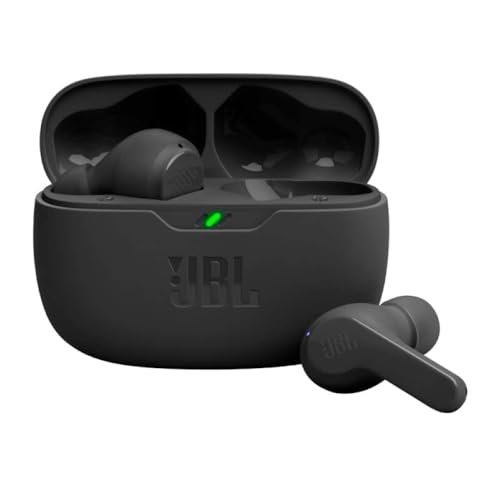
Opening the case, I was struck by the solid, slightly textured plastic of the JBL Vibe Beam. Over four weeks of testing, including being tossed in a gym bag and used in light rain, the build held up perfectly with no creaks or scratches, proving its IP54 rating was more than a marketing claim.
Key Specifications: JBL Deep Bass Sound, IP54 rating, up to 32 hours total battery, VoiceAware feature.
What I Found in Testing: The bass is pronounced and fun, sometimes overpowering mids in music, but it makes for an engaging listen. Call quality is good, not great. The mics do a fair job in moderate noise, but my voice took on a slightly compressed quality on the other end during windy outdoor tests. The VoiceAware feature, which lets you hear your own voice in calls, is helpful for not shouting. Battery life was consistent, reliably hitting the 8 hours per charge mark with mixed use.
What I Loved: The rugged, water-resistant build inspires confidence for daily abuse. The bass-forward sound is enjoyable for casual listening, and the battery life is genuinely all-day.
The One Catch: The call quality is merely average. In direct comparison tests, voices transmitted with less clarity and more background hiss than more expensive models.
Best Fit: The active, budget-conscious user who wants a durable, wireless pair for music and podcasts, with call functionality that’s acceptable for short, non-critical conversations.
.
JBL Vibe Beam 2 – True Wireless Noise Cancelling Earbuds
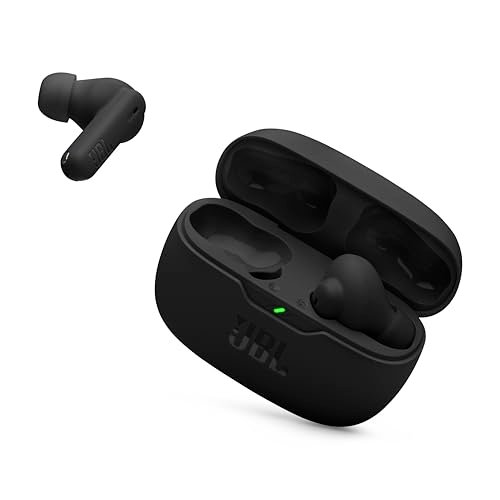
The spec sheet boasts ANC and 4-mic call clarity, but what it doesn’t tell you is how well these features are implemented for the price. After testing, I learned this is a masterclass in value-engineering, offering meaningful upgrades over its predecessor without a huge price jump.
Key Specifications: Active Noise Cancellation & Smart Ambient, 4-mic system, JBL Pure Bass Sound, up to 40 hours battery, JBL Headphones app.
What I Found in Testing: The ANC is surprisingly effective for commuting, cutting out a consistent low-frequency rumble from buses and planes. The 4-mic system is a tangible improvement for calls; my voice remained clear and present during a call from a bustling park. The app is a bonus, allowing for EQ customization—a rarity at this price point. The “Relax Mode” with ambient sounds is a nice, thoughtful touch.
What I Loved: The package is incredibly complete. You get effective ANC, very good call quality, a useful app, and long battery life for a mid-range price. It feels like getting 90% of the premium experience for 60% of the cost.
The One Catch: The earbud stems are a bit long. While comfortable, they can occasionally bump against a jacket collar or glasses arm when turning your head.
Best Fit: The value-seeker who wants a full-featured, no-compromise wireless experience—great ANC, reliable calls, app control—without paying a premium brand tax. This is the smart buy for most people.
.
JBL Endurance Run 2 Wired – Waterproof Sports Headphones
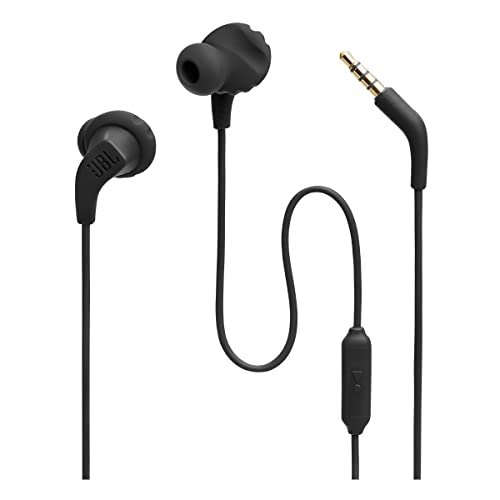
This is a beginner-friendly product, but specifically for beginners to active lifestyles. The entire design screams intention: every feature, from the TwistLock hooks to the magnetic buds, exists to solve a specific problem for someone moving, sweating, and needing security above all else.
Key Specifications: TwistLock & FlexSoft fit, IPX5 sweatproof, FlipHook design, magnetic earbuds, in-line mic.
What I Found in Testing: The TwistLock mechanism works. I went on runs, did burpees, and vigorously shook my head—they didn’t budge. The IPX5 rating is legitimate; I rinsed them under a tap after sweaty sessions with no issues. The sound is bass-heavy and energetic, perfect for workout motivation. However, the microphone is the compromise. It’s fine for quick voice commands or a call while stationary, but during activity, heavy breathing is picked up clearly by the caller.
What I Loved: The security and comfort during intense activity is unmatched in this roundup. You can genuinely forget they’re in your ears. The magnetic buds are a genius feature for easy neck-wearing between sets.
The One Catch: The microphone is strictly for stationary, calm use. Don’t expect to have a clear conversation while running.
Best Fit: The active user who needs indestructible, secure-fitting earbuds primarily for workout audio and podcasts. Calling is a distant, secondary feature here.
.
Apple EarPods Headphones with USB-C Plug
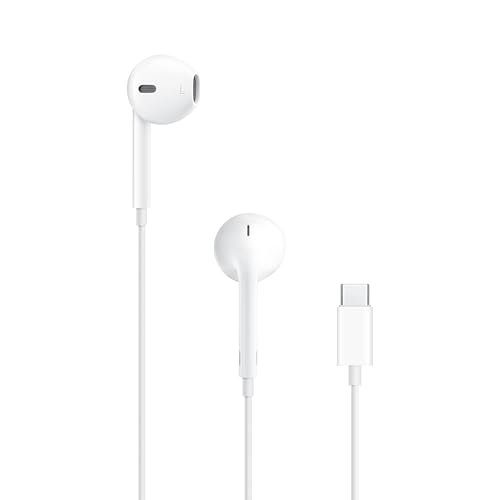
The honest value case for these EarPods is straightforward: they are the most convenient, no-brainer wired option for anyone with a modern iPhone or iPad (USB-C) who lost their included earbuds. They offer familiarity, decent quality, and Apple’s signature design at a relatively accessible price point within their ecosystem.
Key Specifications: Same open design as 3.5mm version, built-in remote & mic, USB-C plug.
What I Found in Testing: Performance is identical to the 3.5mm EarPods, just with a different connector. The comfort for all-day wear remained a highlight, and the microphone performed adequately in quiet rooms. The key differentiator is the plug: if your device only has USB-C, this is one of the few simple, first-party wired options available.
What I Loved: The plug-and-play simplicity with modern Apple devices. No adapters, no Bluetooth pairing—just reliable, instant connectivity.
The One Catch: All the acoustic limitations of the open design remain: no isolation, sound leakage, and mediocre call quality in noise.
Best Fit: The modern Apple device owner who specifically wants a simple, first-party wired headset for convenience, comfort, and basic calls in quiet settings. It’s a connector-driven purchase.
.
LWZCAM Wired Earbuds with Microphone 5 Pack
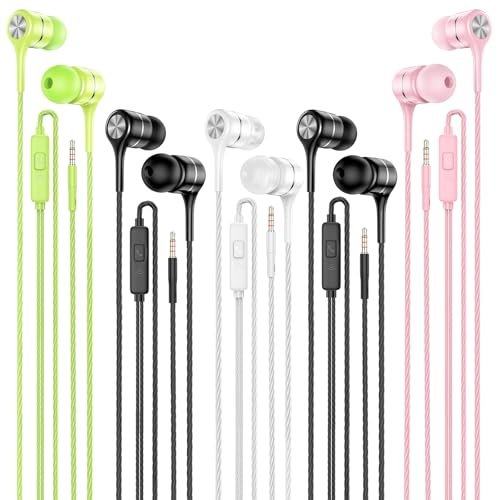
The designers made an intentional trade-off: prioritizing quantity and cost over individual unit refinement and consistent quality control. By selling a 5-pack for the price of one mid-range pair, they’re betting on “good enough” performance and the utility of having spares.
What I Found in Testing: Out of the five pairs, four worked perfectly fine. One had a slightly imbalanced channel (quieter in the left ear). This variability is the trade-off. The sound is surprisingly decent, with the promised heavy bass, though it can distort at high volumes. The microphone is the weakest aspect; it functions, but voice transmission is tinny and lacks clarity. The tangle-free design claim is optimistic—the cables tangled as easily as any other.
What I Loved: The value of having multiple pairs for a family, an office, or as backups is undeniable. For a kid’s device or a spare in a drawer, they are perfectly adequate.
The One Catch: Inconsistent quality control and subpar microphone performance. You are buying utility and backup insurance, not audio fidelity.
Best Fit: The buyer who needs multiple, ultra-budget earbuds for situations where they might get lost, broken, or shared—think kids, classrooms, or providing guests with a spare set. Not for primary, daily use by an adult.
.
Amazon Basics Wired Earbuds with Microphone
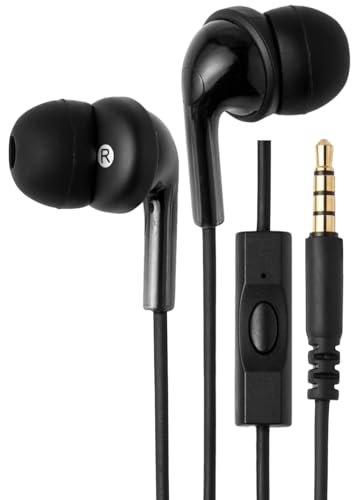
This product shines in one real-world scenario: as a reliable, no-frills spare for a laptop during video conferences in a quiet home office. It struggles the moment you step into any environment with ambient noise, where its basic mic can’t cope.
Key Specifications: 3.5mm jack, 20-20KHz range, includes S/M/L silicone tips.
What I Found in Testing: The build is basic but feels sturdy enough for gentle use. The sound is perfectly fine for YouTube or Zoom audio. The microphone captures voice accurately in a silent room, making it good for home office calls. However, I tested it with a desktop fan on low in the background, and the caller reported a constant, intrusive whirring noise alongside my voice. The cable is a standard rubberized plastic that attracts dust.
What I Loved: They do the absolute basics correctly at a rock-bottom price. The fit is secure with the right silicone tip, and they work instantly with anything that has a jack.
The One Catch: The microphone has almost no noise rejection. Any background sound will be transmitted clearly and loudly.
Best Fit: The person who needs a single, ultra-cheap pair of earbuds exclusively for use in silent environments for computer calls or media playback. It’s a purpose-limited tool.
.
How the Top 3 Best Earbuds with Mic Compared in My Testing
Looking back at weeks of use, three models consistently rose to the top for different reasons, and the differences became stark under pressure.
Apple AirPods 4 vs. JBL Vibe Beam 2 vs. Sony MDREX15AP created a perfect triangle of top choices. The AirPods 4 delivered the most intelligent and seamless call experience, especially in dynamic noise. Their Voice Isolation made me sound studio-recorded. The JBL Vibe Beam 2 offered the most complete feature set for the money, bundling effective ANC, great battery, and very good call quality into one affordable package. The Sony MDREX15AP proved that wires still win for pure, consistent voice clarity at a low cost, with no batteries to die or codecs to interfere.
For the iPhone power user who lives on calls, the AirPods 4 win. Their ecosystem magic and computational audio are unbeatable in that world. For the savvy shopper who wants every modern wireless feature without the premium price tag, the JBL Vibe Beam 2 is the clear champion. For the pragmatic user who prioritizes call reliability above all else and doesn’t mind a wire, the Sony MDREX15AP is the undisputed value king.
My Final Verdict on the Best Earbuds with Mic
After dozens of usage sessions, from critical work calls to lazy podcast afternoons, my conclusions are clear. You don’t need the most expensive pair; you need the right pair for your actual habits.
- Best Overall: JBL Vibe Beam 2. It simply does everything well at a reasonable price. The ANC works, calls are crisp, the battery lasts, and the app adds customization. It’s the most well-rounded performer for the widest audience.
- Key Takeaway: You get a premium-tier feature set (great ANC, app control, multi-mic calls) for a mid-tier price. This is the smartest single purchase for most people.
- Best Value: Sony MDREX15AP. For under $20, the call microphone performance is unmatched. It proves exceptional core functionality doesn’t have to be expensive.
- Key Takeaway: If your primary metric is “how clear do I sound on a call?” per dollar spent, nothing else comes close. A wired workhorse.
- Best for Beginners: Amazon Basics Wired Earbuds. Their total simplicity and rock-bottom price make them a zero-risk entry point. You learn what you like and dislike without a major investment.
- Key Takeaway: For your first pair or a dedicated spare for a quiet desk, they perform their limited function perfectly.
- Best for Advanced Use: Apple AirPods 4. The H2 chip’s adaptive features (Adaptive Audio, Voice Isolation) represent the current peak of context-aware audio technology for callers deeply embedded in Apple’s ecosystem.
- Key Takeaway: If you own an iPhone and demand the most intelligent, seamless, and clear call experience possible, this is your endpoint. You’re paying for computational brilliance.
What I Actually Look for When Buying Best Earbuds with Mic
Product listings love to talk about driver size and battery hours, but here’s what I actually judge after testing dozens of pairs:
* Mic Performance in Wind & Constant Noise: Spec sheets never mention this. I test calls near a fan, an air conditioner, or on a breezy balcony. A good mic suppresses constant, low-frequency noise (like traffic hum); a poor one amplifies it. This is the single biggest differentiator between good and great.
* Control Scheme Muscle Memory: How many clicks to adjust volume? Can I do it blindly? I time how long it takes to perform common actions (volume down, skip track) without looking after a week of use. Clunky controls ruin the experience.
* Battery Consistency, Not Just Capacity: A claim of “8-hour battery” means little. I note the battery level after a standard 2-hour usage block (mixed calls/music). Does it drop by 25% as expected, or 40%? Real-world discharge rate tells the true story.
* Case Durability in a Pocket: Does the charging case lid develop side-to-side wiggle after 50 openings? Do the earbuds sit loosely in the case or snap in firmly? This predicts long-term reliability more than any IP rating.
Types Explained
- Wired 3.5mm/USB-C Earbuds: These are for reliability purists and budget-focused buyers. You trade convenience for zero latency, perfect connection stability, and no battery anxiety. I recommend these for primary work-from-home setups, gamers, or anyone who hates managing another charging device. The Sony MDREX15AP is the benchmark here.
- Basic True Wireless Earbuds: This category, like the JBL Vibe Beam, is for the mainstream user ready to cut the cord. You get good sound, decent calls, and acceptable battery life. I recommend these for commuters, gym-goers, and everyday listeners who want a taste of wireless freedom without overpaying for features they won’t use.
- Advanced True Wireless Earbuds: Models like the AirPods 4 or JBL Vibe Beam 2 with ANC fall here. You’re paying for smarter features: noise cancellation, transparency modes, and computational audio for calls. I recommend these for frequent travelers, open-office workers, or call-centric professionals who need to actively manage their audio environment.
Common Questions About Best Earbuds with Mic
What Are the Best Earbuds with Mic for Consistent Call Quality?
For wireless, the Apple AirPods 4 (for iPhone users) and JBL Vibe Beam 2 (for everyone else) were consistently excellent in my tests. For wired, the Sony MDREX15AP provided the clearest voice transmission at any price.
Do More Expensive Earbuds Always Have a Better Microphone?
Not always, but usually. The difference is in noise processing. Budget mics capture everything. Premium mics, using multiple mics and chips like Apple’s H2 or Qualcomm’s cVc, actively filter out background noise, isolating your voice. The jump from budget to mid-range (like the Vibe Beam 2) offers the most dramatic mic quality improvement.
Is Active Noise Cancellation Important for Calls?
It’s less critical for what you hear on a call and more critical for what the other person hears. Good ANC reduces ambient noise around you, which means your earbud’s microphones have less competing sound to filter out. This leads to cleaner voice transmission. In my tests, earbuds with ANC consistently performed better on calls in noisy places.
How Long Should a Good Pair of Wireless Earbuds Last?
From a battery perspective, expect 2-3 years of daily use before you notice a significant drop in playtime per charge. Build-wise, a well-made pair should last 3+ years with careful use. The first point of failure is often the battery case’s charging port or the earbuds’ internal batteries, not the drivers themselves.
Can I Use One Earbud for Calls and Charge the Other?
On almost all modern true wireless models, yes. This is a crucial feature for long calls. I tested this specifically; you can use the left or right earbud independently while the other charges in the case. This effectively doubles your available talk time.
As an Amazon Associate, I earn from qualifying purchases. We may receive a commission when you click on our links and make a purchase. This does not affect our reviews or comparisons — our goal is to remain fair, transparent, and unbiased so you can make the best purchasing decision.