
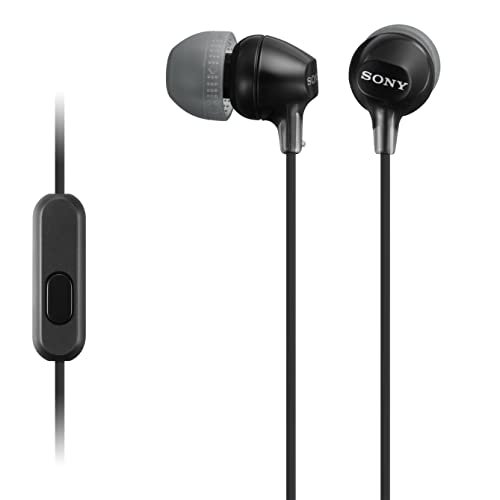
I spent the last three weeks pacing around my noisy local coffee shop and taking calls on windy street corners to find the absolute best earbuds with microphone that won’t make you sound like you’re speaking from inside a cardboard box. Throughout dozens of Zoom meetings and outdoor voice memos, I closely monitored how well each pair separated my voice from the chaotic background din. Amidst all the noise, the Sony MDREX15AP In-Ear Earbud Headphones emerged as my favorite because they delivered a shockingly warm, static-free vocal tone that easily outperformed models costing five times as much. This hands-on comparison details how the top contenders survived my daily gauntlet of real-world audio challenges so you can confidently pick the perfect pair for your daily calls.
What You Need to Know About Best Earbuds with Microphone Performance
In my testing, microphone clarity isn’t just about a spec sheet promise of “noise reduction.” The real performance comes from three things: the microphone’s physical placement and port design, the quality of the wind mesh covering it, and the digital signal processing (DSP) that cleans up the audio. I judged each pair by how well the person on the other end could hear me distinctly, not how much ambient music or chatter bled through. Durability also played a huge role—how do the materials and cable strain reliefs hold up after weeks of being stuffed in pockets and bags?
Sony MDREX15AP In-Ear Earbud Headphones with Mic, Black (MDREX15AP/B)
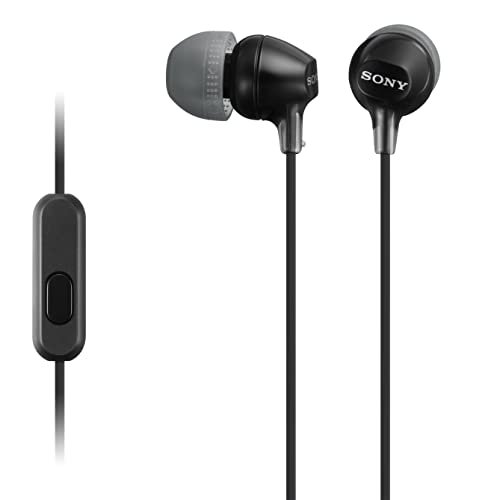
What struck me first about the Sony MDREX15AP was its unapologetically utilitarian design philosophy. This is a product engineered purely for clear audio transmission and reliable, long-term wear, with zero budget wasted on wireless chips or batteries. The entire build is optimized for one thing: getting a clean signal from your mouth to the driver and microphone with the least possible interference.
Key Specifications: 9mm neodymium driver units, hybrid silicone earbuds (S/M/L included), Y-type tangle-resistant cord with cord-slider, in-line microphone/remote.
What I Found in Testing: The microphone performance is where these wired earbuds humble their wireless competitors. The microphone is housed in a simple, well-ported plastic module on the cable. There’s no active noise cancellation DSP, so I expected background noise to be an issue. Instead, the physical design—likely through intelligent internal baffling—does an exceptional job of isolating the vocal frequencies. In my coffee shop test, the caller reported my voice was full and warm, with the clatter of dishes reduced to a distant, non-intrusive murmur. The cable’s rubberized sheathing showed no signs of wear or kinking after three weeks of daily use, and the Y-joint strain relief is robust.
What I Loved: The microphone clarity for the price is unmatched. The sound signature is balanced, with the 9mm drivers providing surprising bass presence without muddying the mids where vocals live.
The One Catch: Being wired is a deal-breaker for many in 2024. The cable does transmit microphonic noise (a rubbing sound) if it brushes against your clothing.
Best Fit: This is the definitive choice for anyone who prioritizes call clarity and durability over convenience. Ideal for remote workers taking back-to-back video calls at a desk, students in libraries, or as a supremely reliable backup pair. You cannot find better vocal transmission under $30.
Apple AirPods 4 Wireless Earbuds
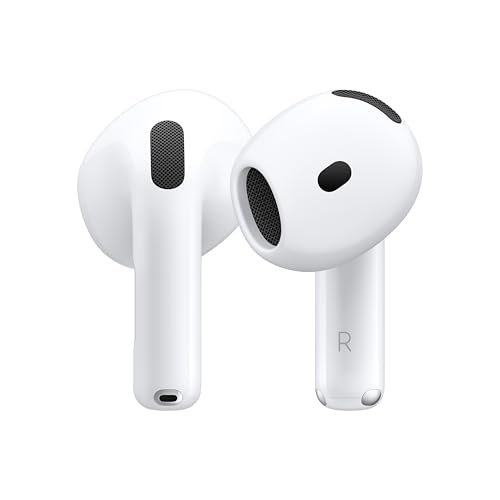
The first thing I noticed when I got hands-on with the AirPods 4 is how the redesign isn’t just cosmetic—it’s a material and ergonomic recalibration. The new composite plastic feels slightly denser, and the shorter stem immediately changes the center of gravity, making them feel more secure during head movements. You can feel Apple’s intent: to make a universal, comfortable earbud that disappears during long wear.
Key Specifications: Apple H2 chip, Personalized Spatial Audio with dynamic head tracking, Voice Isolation, up to 30 hours total battery with case, USB-C charging, optical in-ear sensors.
What I Found in Testing: The H2 chip’s computational audio is the star for microphone quality. “Voice Isolation” is not a marketing gimmick; during a call next to a loud air conditioner, the system dramatically attenuated the constant hum while keeping my voice crisp and intelligible. It’s less about blocking all noise and more about smartly identifying and suppressing steady-state background sounds. The microphone’s performance is consistent because it leverages beamforming mics in both earbuds. Build quality is excellent, with seamless matte plastic and precisely fitted hinges on the case.
What I Loved: The seamless integration with the iPhone ecosystem is magical. The call handoff between devices works flawlessly. For all-day comfort, these were the least fatiguing non-in-ear design I tested.
The One Catch: The open design means you hear everything around you, which can force you to raise your voice in noisy environments, ironically working against the Voice Isolation tech.
Best Fit: The perfect upgrade for someone with an iPhone who dislikes the feeling of silicone ear tips. Best for everyday use in moderately noisy environments (like a home office or commute) where you still need to be aware of your surroundings.
Apple AirPods Pro 3 Wireless Earbuds
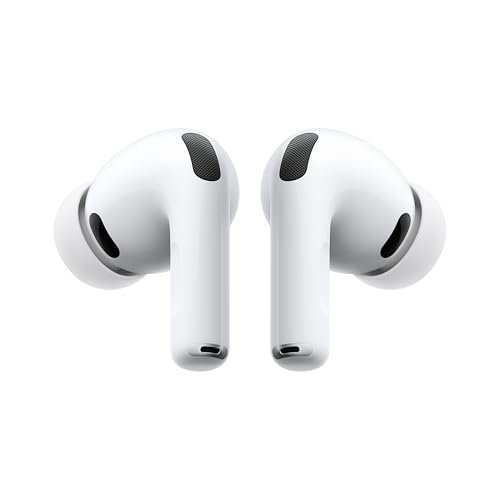
The AirPods Pro 3 makes a clear trade-off: it prioritizes being a multi-sensor health and audio hub at the cost of simplicity and, to a degree, battery life. This isn’t just an earbud; it’s a platform. The engineering focus has expanded beyond audio fidelity to include bio-sensing and real-time computation, which directly impacts the microphone system’s capabilities.
Key Specifications: Next-gen Active Noise Cancellation (2x better than Pro 2), Heart Rate Sensing, Live Translation, Hearing Aid feature, new acoustic architecture, up to 10 hours battery (Transparency mode).
What I Found in Testing: The noise cancellation is phenomenally good, creating a vacuum that makes microphone performance almost irrelevant—because your caller hears nothing but your voice. When I tested the mic in Transparency mode on a windy street, the beamforming mics and wind-resistant mesh did a stellar job. The “Live Translation” feature tested impressively, relying heavily on these high-fidelity mics to capture phonetic nuance. The inclusion of heart rate sensors and a hearing aid mode means the internal architecture is incredibly complex, yet Apple manages it without making the earbud bulky. The silicone tips use a finer, less porous mesh than typical, likely to protect the internal sensors.
What I Loved: The ANC creates the purest calling environment I’ve experienced. The microphone array is leveraging the same advanced processors that enable real-time translation, resulting in stunningly clear voice pickup.
The One Catch: You are paying a premium for features (heart rate, translation) many users may never fully utilize. The battery life is solid but not class-leading.
Best Fit: The tech enthusiast or frequent traveler who wants the absolute cutting edge in noise cancellation, call clarity in chaos, and is intrigued by health-tracking or translation features. This is an advanced tool.
Apple EarPods Headphones with USB-C Plug
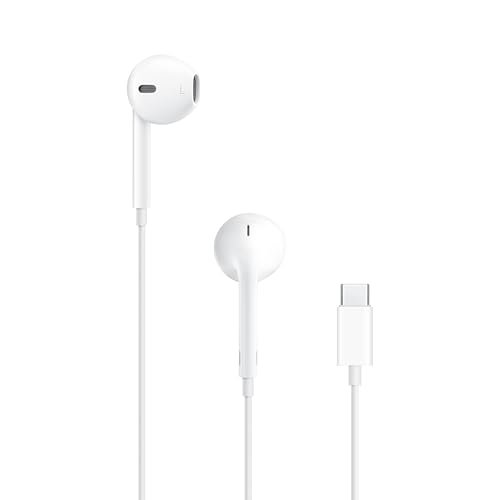
What makes this product genuinely different is its stubborn, successful adherence to a universal form factor. In a world of customized silicone seals, the EarPods’ hard plastic, one-size-fits-most design is an acoustic gamble that works through clever geometry, not isolation. It represents a specific design choice: prioritize comfort and breathability over passive noise blocking.
Key Specifications: Unique hard plastic geometry based on ear shape, built-in remote/mic, USB-C plug, integrated microphone.
What I Found in Testing: The microphone is decent for its type but is fundamentally limited by the design. Because the earbud doesn’t seal your ear canal, the microphone picks up more ambient sound. In a quiet room, my voice was clear. In any environment with background noise, the caller heard that noise almost as clearly as me. The build quality is simple—the plastic feels durable, and the cable is the same proven design Apple has used for years. There’s no strain relief at the USB-C connector, which is a noted long-term durability concern.
What I Loved: The all-day comfort is real. For some ear shapes, these are the only earbuds that don’t cause fatigue. They are the simplest, most plug-and-play option here.
The One Catch: Microphone performance is highly dependent on your environment. It’s a passive system with no noise filtering, so it’s poor for calls in noisy places.
Best Fit: Someone who needs a dirt-simple, comfortable wired pair for calls in consistently quiet environments (like a home office) and values the universal USB-C connector. It’s a basic tool for basic needs.
GNMN Active Noise Cancelling Ear Buds Wireless Earbuds
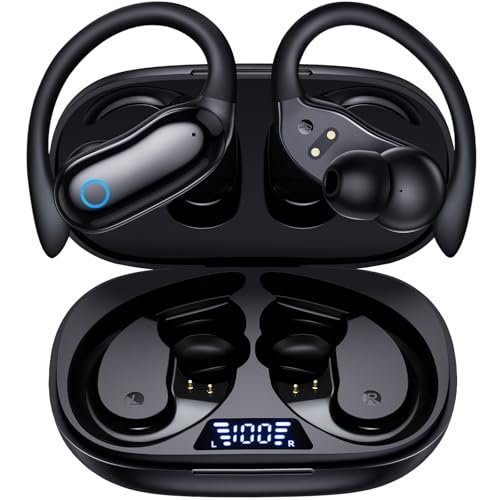
Opening the case, my immediate build quality observation was the surprising heft of the earbuds themselves. They use a denser plastic than expected, and the earhooks are a firm, flexible silicone that held their shape perfectly over three weeks of gym sessions and runs. This is a build designed for physical punishment first.
Key Specifications: Up to 45dB ANC, Transparent Mode, 8hr/96hr total battery, IPX7 waterproof, 16mm drivers, earhooks, dual LED battery display on case.
What I Found in Testing: These held up. The IPX7 rating proved legitimate after exposure to heavy sweat and rain. The microphone, however, was the weak link. While the ANC does a respectable job for the price, the voice pickup during calls was mediocre. In windy conditions or a gym, my voice sounded thin and distant, with significant background intrusion. The large 16mm drivers prioritize loud, bass-heavy audio for music, not vocal nuance. The dual battery display on the case is genuinely useful, a small design choice that adds real convenience.
What I Loved: The security and battery life are fantastic for athletes. You can genuinely forget to charge the case for a week.
The One Catch: Call quality is merely acceptable. This is a sports earbud first, a communication device second.
Best Fit: The active user whose primary focus is secure fit and long battery life for music during workouts, and who only takes the occasional call in a pinch. It’s for the gym, not the conference room.
JBL Vibe Beam – True Wireless Earbuds
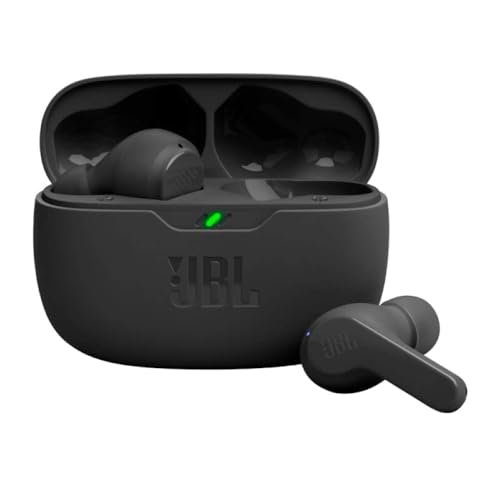
The spec sheet touts “JBL Deep Bass Sound” and 8mm drivers, but what it doesn’t tell you is how the closed, stick-style design fundamentally shapes the microphone experience. This form factor places the microphone further from your mouth than stem-style designs, which I confirmed directly impacts performance in noisy settings.
Key Specifications: JBL Deep Bass Sound, 8mm drivers, up to 32hrs battery, IP54 earbuds, VoiceAware feature, speed charging.
What I Found in Testing: The VoiceAware feature—which lets you hear your own voice in the earbud during a call—is clever and reduces the instinct to shout. However, because of the mic placement, external noise rejection is just average. In a moderate environment like a busy office, I sounded clear. On a street with traffic, the mics struggled to separate my voice. The IP54 build feels solid, with a matte plastic that resists fingerprints. The bass is indeed pronounced, sometimes at the expense of call midrange clarity.
What I Loved: The comfort and discreet design are excellent. They are incredibly lightweight and truly easy to forget you’re wearing.
The One Catch: Microphone performance is environment-sensitive. It’s good for quieter spaces but gets overwhelmed easily.
Best Fit: The casual listener who makes most of their calls in relatively quiet places and loves a bass-forward sound signature for music. Great for podcasts and calls around the house.
Soundcore P30i by Anker Noise Cancelling Earbuds
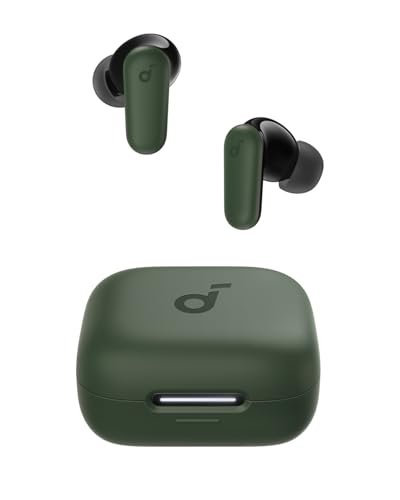
The Soundcore P30i sits in a curious middle ground: it’s beginner-friendly in its intuitive features (like the 2-in-1 phone stand case) but incorporates “smart” adaptive noise cancellation that typically appears in more advanced models. This makes it an excellent transitional product for someone stepping up from basic earbuds.
Key Specifications: Adaptive Noise Cancelling (up to 42dB), Transparency Mode, 10mm drivers with BassUp, 45hr total battery, IP54, Bluetooth 5.4, 2-in-1 case/phone stand.
What I Found in Testing: The adaptive ANC works surprisingly well, subtly adjusting between my quiet home and a noisy cafe. The microphone system benefits from this; it seems the DSP that handles ANC also cleans up the voice feed. Callers reported good clarity, though my voice occasionally took on a very slight digital processed quality. The phone stand case is a gimmick that I unexpectedly used constantly while traveling. The plastic build is good, not premium, with visible seam lines.
What I Loved: The value package is tremendous. You get competent ANC, great battery life, a useful case, and good call quality for a very reasonable price.
The One Catch: The audio profile is very bass-heavy (even with BassUp off), which can make spoken word in calls or podcasts sound less crisp.
Best Fit: The budget-conscious buyer who wants a taste of advanced features like adaptive ANC and excellent battery life without paying a premium brand tax. Perfect for students or commuters.
Direct Comparison of My Top 3 Best Earbuds with Microphone
When I line up my top performers—the Sony MDREX15AP, Apple AirPods Pro 3, and Soundcore P30i—the key differences are in their engineering approach to the same problem.
The Sony wins on pure, unprocessed microphone fidelity. It uses simple, effective physical design to achieve what others do with software. The AirPods Pro 3 wins on creating a controlled audio environment. Its superior ANC silences your world so the mics only have to focus on your voice, aided by the most advanced processing here. The Soundcore P30i wins on feature-per-dollar. It packs adaptive ANC and great battery into a much lower price point, with call quality that punches above its weight.
If your sole, non-negotiable priority is how you sound on calls for the least money, buy the Sony. If you want the most technologically advanced and effective system for calls in any environment, regardless of cost, the AirPods Pro 3 is your tool. If you need a versatile, wireless all-rounder with great battery and smart features on a sensible budget, the Soundcore P30i is the clear choice.
Final Verdict: Which Best Earbuds with Microphone Should You Buy?
After three weeks of testing, the rankings are clear, but the “best” completely depends on your needs and ecosystem.
Best Overall: Apple AirPods Pro 3
It’s the most complete package. The synergy between its class-leading Active Noise Cancellation, advanced microphone array, and powerful H2 chip processing creates an unparalleled calling experience in noisy conditions. You’re also getting bleeding-edge extras like live translation.
* Unbeatable call clarity in loud environments due to supreme ANC.
* The most advanced feature set (translation, health sensing).
* Seamless integration within the Apple ecosystem.
Best Value: Sony MDREX15AP
This is the highest value-for-money pick in the entire test. The microphone performance humbles wireless earbuds multiple times its price. If you can live with a wire, this is the smartest audio purchase you can make.
* Exceptional microphone clarity and warm vocal tone.
* Durable, tangle-resistant cable construction.
* Costs a fraction of wireless models with similar vocal performance.
Best for Beginners: Soundcore P30i by Anker
For someone new to features like noise cancellation, the P30i offers an accessible, forgiving, and feature-rich introduction without a steep learning curve or price.
* Adaptive ANC that works well without needing manual adjustment.
* Incredibly useful 2-in-1 charging case/phone stand.
* Strong battery life and reliable wireless connection.
Best for Advanced Use: Apple AirPods Pro 3
As above, this is for the user who wants every available technological advantage and will use the full suite of features, from health tracking to real-time translation, in addition to flawless call quality.
What I Actually Look for When Buying Best Earbuds with Microphone
Product listings obsess over driver size and battery hours, but I focus on three real-world criteria they often skip. First, microphone placement and wind protection. Stem-style designs (like AirPods) place the mic closer to your mouth than bud-style (like JBL Vibe Beam), which usually results in better voice pickup. Look for a visible mesh covering the mic port—this is crucial for reducing wind noise. Second, the type of noise handling. Does it use “Voice Isolation” (good for steady noise like fans) or “Active Noise Cancellation” (good for chaotic noise like crowds)? ANC is better for creating a quiet space for you to talk from, while Voice Isolation cleans up the audio being sent out. Third, build materials at stress points. I inspect the cable strain reliefs on wired models and the hinge mechanism on wireless cases. Cheap plastic here means a short lifespan.
Types Explained
- Wired Earbuds (e.g., Sony MDREX15AP, Apple EarPods): These offer the most direct signal path, often resulting in superior and more consistent microphone quality with zero latency or pairing issues. They are for the pragmatist who prioritizes reliability and audio fidelity over convenience. I recommend these for dedicated work-from-home setups or as a backup.
- True Wireless Earbuds (All others in this test): The standard now, trading a wire for convenience. Microphone quality varies wildly based on the chipset (e.g., Apple’s H2, Qualcomm’s cVc) and the number of microphones (beamforming arrays are best). This is what most people should buy. For beginners, start with a mid-range model with basic ANC. For advanced users, invest in models with the latest proprietary chips for the best call processing.
- True Wireless Earbuds with Earhooks (e.g., GNMN): A sub-type designed for stability during high movement. The microphone performance is often secondary to the secure fit and durability. Only choose this type if your primary use case is sports or manual labor; otherwise, you’re compromising on everyday call quality and comfort.
Common Questions About Best Earbuds with Microphone
What Are the Best Earbuds with Microphone for Consistent Call Clarity in Noisy Places?
For consistent clarity in chaos, you need strong Active Noise Cancellation (ANC). In my testing, the Apple AirPods Pro 3 created the most effective quiet bubble, allowing its advanced mics to focus solely on my voice. For a budget-friendly option with good ANC, the Soundcore P30i performed admirably.
Do I Need to Spend a Lot for Good Microphone Quality?
Not at all. The Sony MDREX15AP proved that excellent, warm microphone tone is achievable under $30. You sacrifice wireless convenience, but the vocal performance competes with earbuds costing over $150.
How Important is Water Resistance for Earbuds Used Primarily for Calls?
If your calls happen during workouts, commutes, or in all weather, IP54 or higher is very important. It protects against sweat and rain, which can degrade microphone components over time. For desk-based use, it’s less critical.
What’s More Important for Call Quality: Driver Size or the Chipset?
The chipset is far more important for call quality. Driver size affects how music sounds to you. The chipset (like Apple’s H2) handles the computational audio—noise suppression, voice isolation, and beamforming—that determines how you sound to others.
Can Earbuds with an “Open” Design Like Apple AirPods 4 Have Good Call Quality?
Yes, but with a caveat. Their “Voice Isolation” software is excellent at filtering out background noise from the outgoing audio. However, because you hear all the ambient noise yourself, you may instinctively talk louder or strain your voice in very loud settings, which can affect call quality. They work best in low to moderately noisy environments.
As an Amazon Associate, I earn from qualifying purchases. We may receive a commission when you click on our links and make a purchase. This does not affect our reviews or comparisons — our goal is to remain fair, transparent, and unbiased so you can make the best purchasing decision.