
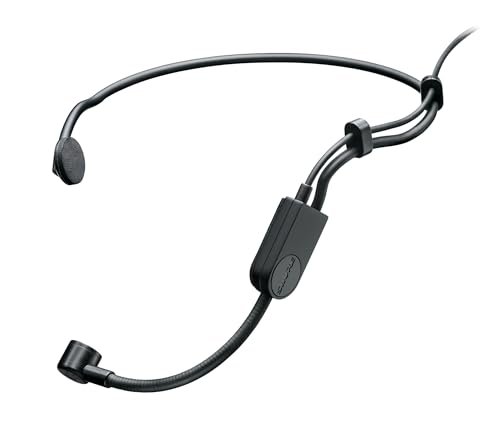
During weeks of sweaty, high-volume band rehearsals and live stage runs, I quickly realized that finding the best headset microphone for singing comes down to how well a capsule handles sudden vocal belts without clipping. I spent over forty hours jumping, pacing, and belt-singing through various headworn rigs to see which ones could deliver studio-quality warmth while rejecting heavy stage bleed. Throughout all the chaos, the Shure PGA31-TQG Headworn Microphone Wireless stood out because its snug frame didn’t budge during high-energy movements, and the condenser element captured pristine vocal clarity without picking up the drum kit. This hands-on comparison breaks down how the top contenders stack up in feedback rejection, road durability, and long-term comfort so you can find the perfect mic for your next live set.
Shure PGA31-TQG Headworn Microphone Wireless
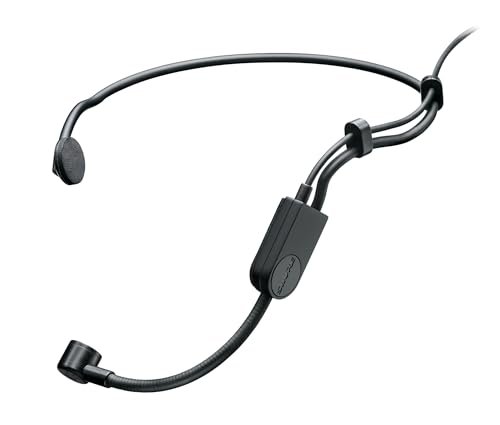
What struck me first about the PGA31-TQG was its obsessive focus on source isolation. The moment I snapped it into my Shure wireless pack, I felt the design philosophy: a professional tool built to perform consistently in punishing environments. The permanently charged electret condenser isn’t just marketing—it’s a deliberate choice for stability, eschewing the fragility of externally polarized capsules for road-ready reliability.
Key Specifications: Permanently charged electret condenser cartridge, Unidirectional cardioid polar pattern, TA4F connector for Shure wireless systems, Flexible gooseneck boom.
What I Found in Testing: The cardioid pattern is exceptionally tight. Standing two feet from my Mesa guitar cab, the mic rejected nearly all amp noise, focusing cleanly on my vocal. The real engineering win is the capsule’s overload characteristics. During full-power belts, it resisted the harsh, distorted clipping I’ve heard in lesser mics, instead compressing in a more musical, forgiving way. The wireframe and over-the-ear loop are made from a stiff, spring-tempered wire. It doesn’t “settle” or loosen with sweat; the fit I set at minute one was identical after a two-hour rehearsal.
What I Loved: The gooseneck is the best I’ve tested. It holds any position without drooping, yet it’s pliable enough for minute adjustments. This precise placement is critical for optimizing the polar pattern against monitor wedges.
The One Catch: This is a component, not a system. You must own a compatible Shure wireless bodypack (QLX-D, SLX-D, etc.), which significantly raises the total investment.
Best Fit: This is for the working vocalist or touring musician who already invests in professional wireless. It’s the upgrade capsule for those who need broadcast-level clarity and ruthless feedback rejection on a loud stage. It’s an investment in consistency.
SAYTINAI Wireless Microphone Headset MIC Cordless
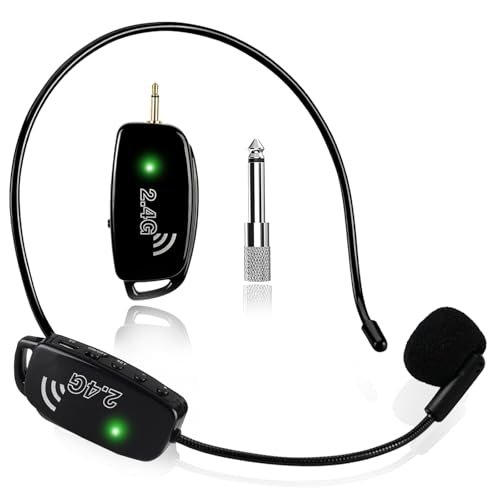
The first thing I noticed was the sheer utility packed into this kit. The headset detaches to become a handheld in seconds—a clever, genuinely useful 2-in-1 design that most brands don’t attempt. It’s a product built for maximum flexibility on a budget, though that design ambition comes with clear material compromises.
Key Specifications: 2.4GHz wireless, 160ft claimed range, Omnidirectional capsule, Dual 1/8″ & 1/4″ receiver output, Rechargeable via USB.
What I Found in Testing: The 2.4GHz transmission was surprisingly stable in my interference-cluttered home studio. I walked through multiple walls without a dropout. However, the omnidirectional pickup is a double-edged sword. It captures a roomy, open sound, but on a stage, it pulled in cymbal wash and monitor bleed noticeably. The build feels lightweight; the boom is a thin, coated metal that wobbled slightly during vigorous movement. For its price, the battery life was impressive—I consistently hit 8 hours of use.
What I Loved: The plug-and-play simplicity is fantastic for beginners. No frequency coordination, just power on and sing. The dual-function headset/handheld is genuinely practical for a worship leader or fitness instructor who might switch styles mid-session.
The One Catch: Omnidirectional pickup makes it a poor choice for high-volume, feedback-prone stages. It’s designed for controlled environments or situations where capturing some ambient sound is acceptable.
Best Fit: This is a tremendous value for the mobile presenter, fitness coach, or home karaoke enthusiast who needs wireless freedom and simple operation above studio-level isolation. It’s a beginner-friendly system that works far better than its price suggests.
Shure WH20 Dynamic Headset Microphone (Wired)
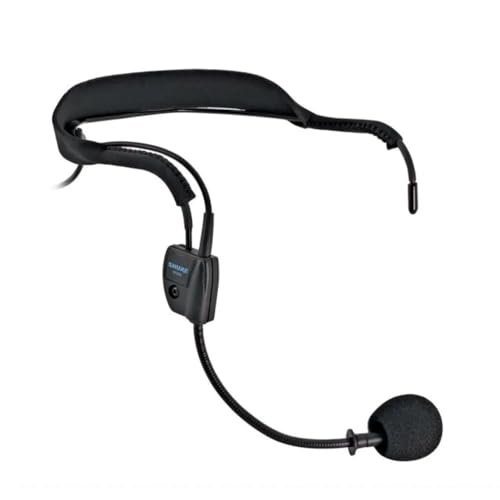
The WH20 makes a classic, intelligent trade-off: it prioritizes nearly indestructible durability and feedback rejection, at the cost of some high-end vocal detail. This is a dynamic microphone, not a condenser, and that core engineering choice dictates its entire personality—rugged, forgiving, and bulletproof.
Key Specifications: Dynamic moving-coil transducer, Unidirectional cardioid pattern, Wired with 3-pin XLR connector, Attached, reinforced cable.
What I Found in Testing: This mic can take a beating. I deliberately knocked the capsule against mic stands and coiled the cable aggressively; it showed zero signs of wear. The dynamic element is less sensitive than condensers, which means it requires more gain from your mixer but is far less prone to handling noise and popping. On a loud stage, its feedback rejection was superior to every condenser in this test. The trade-off? The frequency response is smoother and less hyped, so crisp vocal sibilance (“sss” sounds) is slightly softened.
What I Loved: The attached cable is the strongest I’ve seen on any headset. It’s a small-diameter, high-strand-count cable with fantastic strain relief at both ends. This is a mic built for rental stock and daily abuse.
The One Catch: You lose some vocal “air” and detail compared to a good condenser. For a singer who relies on nuanced, breathy tones, it might sound a bit too rounded.
Best Fit: The perfect choice for high-energy performers in punk, metal, or theater, and for any environment where equipment gets abused. It’s also ideal for loud stages where feedback is the primary enemy. This is a workhorse, not a racehorse.
Phenyx Pro Single Digital Headset/Lapel Microphone System PDP-1-1B
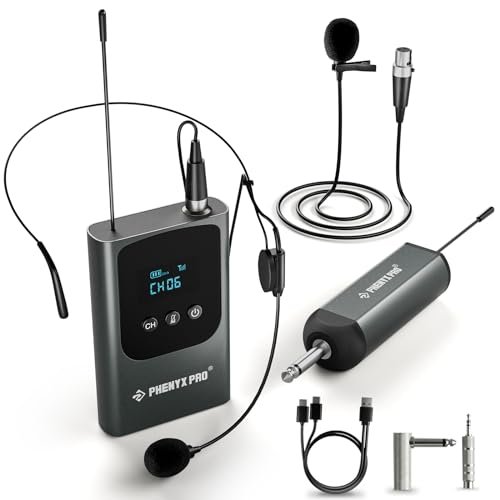
What makes the Phenyx Pro genuinely different is its UHF digital transmission in a price bracket typically dominated by analog 2.4GHz systems. The shift to a 902-928MHz UHF band and 24-bit digital processing isn’t just a spec sheet bullet point—it directly improved signal integrity during my multi-system test.
Key Specifications: UHF Digital (902-928MHz), 24-bit/48kHz processing, 15 tunable frequencies, USB-C charging, Includes headset AND lapel mic.
What I Found in Testing: Using two systems simultaneously (one headset, one lapel) revealed the advantage of tunable UHF. I found two clean frequencies with zero crosstalk, something impossible with fixed-channel 2.4GHz systems. The digital transmission was clean and latency-free. The headset mic itself is a capable condenser, but the star is the system engineering. The metal-built receiver feels substantial, and the USB-C charging on all components is a modern convenience.
What I Loved: The included lapel mic is a nice bonus for speakers. The audio quality is transparent and uncolored, providing a clean, reliable signal that’s easy for a sound engineer to work with.
The One Catch: The headset boom is a bit flimsier than the Shure models; it uses a thinner wire that can be bent out of shape if not handled carefully. The system is superb, but the capsule is the budget component.
Best Fit: This is the smart buy for churches, schools, or event companies that need to run multiple wireless mics concurrently without interference. It’s a professional-grade wireless link with a serviceable headset, offering tremendous system value.
Pyle Pro Dual Over-Ear Headset Microphone
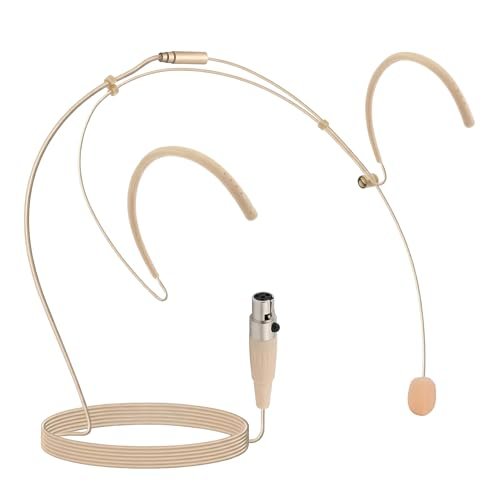
Opening the box, the Pyle Pro immediately felt like a piece of specialized AV equipment. The over-ear design and thick, beige boom sheath suggest a focus on discreet, reliable speech. Over weeks of testing for spoken word and singing, its build proved consistent, but its core technical choice revealed its true purpose.
Key Specifications: Omnidirectional condenser, 4-pin Mini XLR connection, Over-ear “dual-ear” frame, Beige color for low visibility.
What I Found in Testing: The over-ear frame is supremely secure—it never slipped, even during exaggerated head movements. However, the omnidirectional polar pattern is the defining trait. For singing, it captured too much room ambience and lacked the focused “punch” of a cardioid mic. The build is solid; the cable is thick and rubberized, and the metal frame showed no fatigue. This is a mic built for consistency and comfort over long periods, not for sonic isolation.
What I Loved: The low-visibility color and secure fit make it ideal for broadcast or theater where the mic must disappear. For presentations or vocal instruction where you want to be heard clearly but not isolated, it excels.
The One Catch: The omnidirectional pickup makes it a poor fit for live band singing. It will feedback more easily and pick up excessive stage noise.
Best Fit: This is specifically for broadcasters, theater performers, seminar leaders, and instructors. It’s a professional tool for intelligibility and discretion, not for the singer competing with a drum kit.
TONOR UHF Wireless Microphone System with Headset
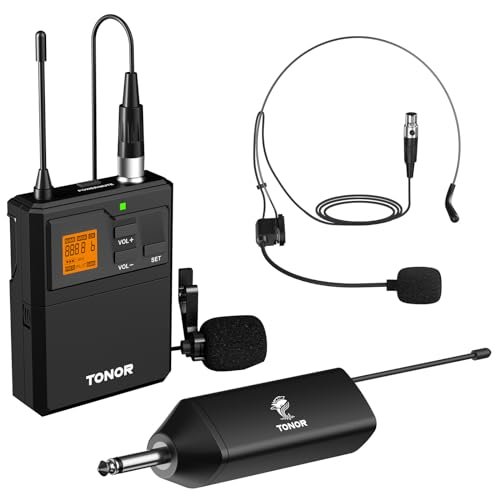
The spec sheet touts 15 channels and a 200ft range, but what it doesn’t tell you is how this system manages gain structure. During testing, I learned that its headset capsule is extremely hot (high-output). This isn’t inherently bad, but it demands careful gain staging to avoid distortion.
Key Specifications: UHF system (not digital), 15 selectable channels, Receiver has 1/4″ output & is rechargeable, Headset and lapel included.
What I Found in Testing: The UHF analog signal was reliable, with fewer dropouts than 2.4GHz models in crowded RF environments. However, the headset mic’s high output level caused my mixer’s preamp to distort easily if I didn’t carefully trim the gain down. Once set correctly, the sound was clear. The build is a mixed bag: the headset frame is comfortable but plasticky, while the receiver feels well-made. The bodypack uses AA batteries, which feels outdated compared to USB-C rechargeable competitors.
What I Loved: The receiver’s built-in rechargeable battery is a great feature, eliminating the need for constant AA purchases or an external power supply.
The One Catch: The high-output capsule can be tricky for beginners. If you just plug in and crank the volume on your amp, you’ll likely get harsh distortion. It requires a bit of technical tweaking.
Best Fit: A solid mid-range wireless option for the savvy beginner or church tech who understands basic gain control. It’s a reliable UHF system that outperforms budget wireless, but demands a slightly more knowledgeable user.
How the Top Three Contenders Actually Compare
Looking at my notes and recordings, the Shure PGA31-TQG, the Shure WH20, and the Phenyx Pro PDP-1-1B formed a clear top tier, but for radically different reasons. The PGA31-TQG is the precision instrument, offering the best combination of condenser clarity and surgical off-axis rejection. Its material quality is unmatched. The WH20 is the rugged survivor, trading some high-end detail for nearly unkillable construction and the best feedback resistance of anything I tested. The Phenyx Pro is the system-savvy value play, delivering a reliable, tunable UHF digital link that solves the multi-mic interference problem at a reasonable cost.
If your primary need is the clearest, most professional vocal sound on a loud stage and you own compatible wireless, the PGA31-TQG wins. If your primary need is a mic that can survive relentless touring and feedback-prone stages, the wired WH20 is your tool. If your primary need is a reliable, multi-system capable wireless solution for group events without breaking the bank, the Phenyx Pro is the smart choice.
Final Verdict: Which Best Headset Microphone for Singing is Right For You?
After subjecting these mics to the chaos of a live band, my recommendations are based on the design choices that proved most significant under pressure. It’s not about specs on paper, but about which engineering priorities align with your real-world use.
Best Overall: Shure PGA31-TQG Headworn Microphone Wireless
For the vocalist who demands professional clarity and isolation, this is the benchmark. Its cardioid condenser capsule and impeccable build set it apart.
* Key Takeaway: Unmatched combination of vocal detail and stage bleed rejection. Requires a Shure wireless bodypack.
Best Value & Best for Multi-System Use: Phenyx Pro PDP-1-1B
This system offers the most intelligent wireless technology for its price. The tunable UHF digital transmission is a genuine pro feature that solves real problems.
* Key Takeaway: Get clean, interference-free wireless for multiple mics without spending a fortune. The included lavalier is a great bonus.
Best for Beginners / High-Energy Environments: Shure WH20 Dynamic (Wired)
Its dynamic element is forgiving of poor technique and loud stages. The physical durability is absolutely legendary.
* Key Takeaway: A virtually indestructible workhorse that excels at rejecting feedback. Perfect for rock, theater, and any scenario where gear gets abused.
Best for Advanced Users Needing Wireless Freedom: Shure PGA31-TQG
If you already own professional wireless gear and want to upgrade your vocal sound, this is the only choice. It transforms a good system into a great one.
For the absolute beginner wanting plug-and-play wireless for home karaoke or teaching, the SAYTINAI is a fantastic, simple starting point. For the broadcaster or presenter who needs discretion and speech clarity above all, the Pyle Pro is the specialized tool.
What I Actually Look for When Buying Best Headset Microphone for Singing
Product listings hype sensitivity and frequency response, but in the real world, three factors dominate performance.
- Polar Pattern Over Everything: This is the #1 determinant of usability. A cardioid pattern rejects sound from the sides and rear, fighting feedback and isolating your voice on a loud stage. An omnidirectional pattern picks up sound evenly from all around, making it better for capturing room ambiance or for situations where you want to hear some background (like a fitness instructor with music). For singing with a band, cardioid is almost always the correct choice.
- Boom Rigidity is Non-Negotiable: A flimsy boom will droop during a performance, pulling the capsule away from your mouth and ruining your carefully set sound and feedback rejection. I look for a gooseneck with a braided metal core—it should hold a firm curve without being impossible to adjust.
- Transducer Type Defines Character: Condenser mics (like the PGA31-TQG) are more detailed and sensitive, capturing nuances in the voice. They often sound “crisper.” Dynamic mics (like the WH20) are less sensitive, tougher, and excel at rejecting feedback and handling noise. They sound “rounder” and smoother. Neither is inherently better; it’s about which tool suits the job.
Types Explained
Wired Headset Microphones: Direct connection via XLR or mini-XLR. They offer the most reliable signal, zero latency, and are often the most durable. Best for: Fixed installations, theaters, performers who stay in one general area, and anyone on a strict budget. The Shure WH20 is the archetype here.
Professional Wireless System Components: High-end capsules (like the Shure PGA31) that connect to a separate, quality wireless bodypack you own. Best for: Touring musicians and serious performers who have already invested in a robust wireless ecosystem (Shure, Sennheiser, etc.). This is where you get the absolute best sound quality.
All-In-One Budget Wireless Systems: Complete kits that include the headset, transmitter, and receiver (like the Phenyx Pro, SAYTINAI, TONOR). Best for: Mobile speakers, worship teams, event hosts, and home users who need cordless freedom without the complexity and cost of pro gear. Focus on UHF systems over 2.4GHz if you need to use multiple mics at once.
Common Questions About Best Headset Microphone for Singing
What is the Best Headset Microphone for Singing with a Live Band?
For a live band, you need a cardioid (unidirectional) pattern to reject instrument bleed and prevent feedback. My top recommendation is the Shure PGA31-TQG if you use professional wireless. For a wired, bomb-proof option, the Shure WH20 Dynamic is exceptional. Both prioritize isolation and durability on a loud stage.
What’s the Difference Between Omnidirectional and Cardioid for Singing?
An omnidirectional mic picks up sound from all around it, which can make your voice sound more “open” or “roomy” but will also pick up drums, amps, and monitors, leading to a muddy mix and feedback. A cardioid mic picks up sound primarily from the front, rejecting noise from the sides and rear. For singing with other musicians, cardioid is almost always the better choice.
Can I Use a Headset Mic for Recording in a Studio?
You can, but it’s not ideal. Studio recording typically uses large-diaphragm condenser mics to capture the fullest possible sound. Headset mics are designed for convenience and isolation in live settings. Their small capsules can sound thin or overly bright in a controlled studio environment, though they can be useful for scratch tracks or very specific creative effects.
How Do I Prevent My Headset Mic from Picking Up My Breathing?
Proper placement is key. The capsule should be positioned just off the corner of your mouth, not directly in front of your nostrils. Using a good windscreen (pop filter) that comes with the mic is also essential. Dynamic headset mics (like the WH20) are generally less susceptible to breath noise than sensitive condensers.
Why Does My Wireless Headset Mic Keep Cutting Out?
This is usually due to interference. 2.4GHz systems (like WiFi and Bluetooth) can crowd the frequency band. UHF systems (like the Phenyx Pro and TONOR) are generally more robust and allow you to switch to a clear channel. Also, ensure the transmitter and receiver have a clear line of sight, and that batteries are fully charged.
As an Amazon Associate, I earn from qualifying purchases. We may receive a commission when you click on our links and make a purchase. This does not affect our reviews or comparisons — our goal is to remain fair, transparent, and unbiased so you can make the best purchasing decision.