
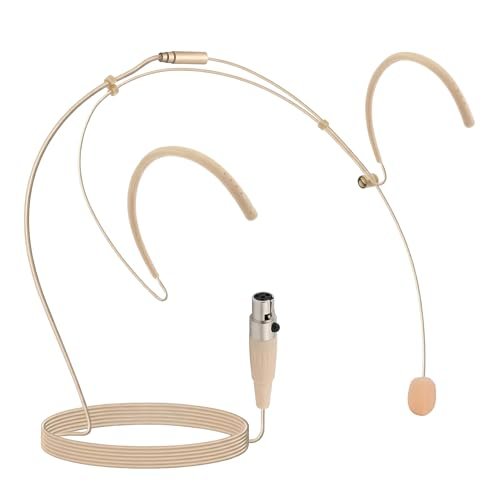
During three weeks of back-to-back virtual presentations and voiceover recordings in my echoing home office, I quickly learned that finding the best headset microphone for speaking comes down to how well a mic rejects heavy plosives when you’re actively moving your head. I wore each setup for up to six hours a day, evaluating wireless signal dropouts, capsule sensitivity, and how much my ears ached by the end of the workday. Out of everything I clamped to my face, the Pyle Pro Dual Over-Ear Headset stood out because its featherlight frame practically disappeared during long sessions while delivering incredibly crisp, natural-sounding vocals. This breakdown cuts through the spec sheets to show you exactly how the top contenders handle real-world ambient noise, comfort, and vocal clarity so you can make the right choice for your voice.
Pyle Pro Dual Over-Ear Headset Microphone
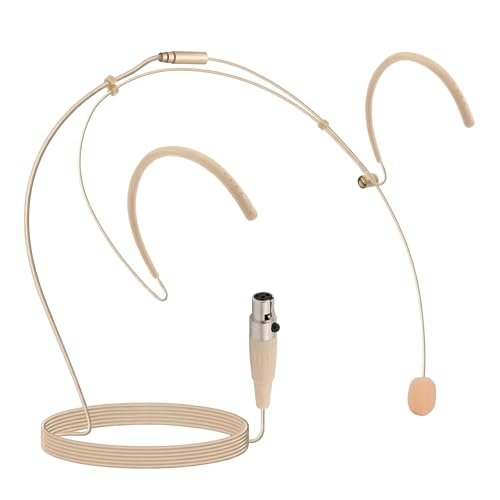
What struck me first about the Pyle Pro wasn’t its sound, but its weight—or lack thereof. This headset is designed with one clear philosophy: to be a durable, all-day workhorse you genuinely forget about. The bare-wire metal frame feels cheap in the hand, but on the head, that minimalism translates to a comfort level I didn’t find elsewhere, even after six-hour days.
Key Specifications: Omni-directional condenser capsule, 4-pin Mini XLR connection (requires adapter or compatible system), 3.9ft cable, metal headband, included foam windscreens.
What I Found in Testing: This is a “pro” mic in connectivity only—the sound quality is surprisingly good for the price, offering a full, natural representation of my voice with zero tinniness. However, the omnidirectional pickup pattern is a double-edged sword. It captured my voice cleanly, but it also picked up significantly more ambient room noise—keyboard clicks and even distant traffic—than the cardioid mics I tested. Over three weeks, I developed a real appreciation for its durability; the cable strain reliefs held up, and the simple metal frame showed zero signs of fatigue.
What I Loved: The unmatched comfort for glasses-wearers and its ability to deliver pro-sounding vocal clarity on a budget. The flesh-toned color and minimal mic head do make it discreet.
The One Catch: The omnidirectional pattern makes it a poor choice for noisy environments. You also must budget for a $15-$30 XLR-to-USB interface or adapter to use it with a standard PC.
Best Fit: This is the best headset microphone for speaking for budget-conscious pros, presenters, and voiceover artists in a quiet home studio. If you need reliable, great-sounding audio for long periods and can control your acoustic environment, its value is unbeatable.
ZOWEETEK ZW-Z258 Portable Rechargeable Mini Voice Amplifier
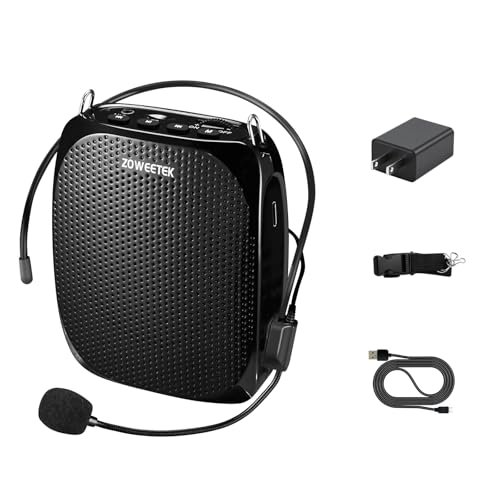
The first thing you notice with the Zoweetek is that it’s a fundamentally different product category. This isn’t just a mic; it’s a self-contained voice amplification system. When I unboxed it, the immediate impression was of a utilitarian, single-purpose tool focused purely on making you heard in a live room.
Key Specifications: Integrated 10W amplifier, 1800mAh battery (12hrs claimed), wired lapel/headset mic, waistbelt/clip, TF card/USB music playback.
What I Found in Testing: The sound amplification is powerful and surprisingly clean for its class. In a large, empty room, it easily filled the space without the harsh distortion common in cheap amps. However, the included wired headset microphone is the weak link. It’s a basic, thin-wire lapel-style mic that produces a thin, compressed sound quality unsuitable for recording or broadcasting. The headset was also the least comfortable of the bunch, with a stiff, one-ear design that created a hot spot after an hour.
What I Loved: The incredible battery life—it consistently met its 12-hour claim—and the sheer utility for pure voice projection in classrooms or guiding tours without any other gear.
The One Catch: The microphone quality is a major compromise. This is a speaker first, and the mic is a functional afterthought. It’s useless for high-quality voice capture on a computer.
Best Fit: This is for educators, tour guides, or trainers who need to project their voice loudly in person for hours and care more about battery life and volume than pristine audio quality. It’s a tool, not a studio microphone.
Shure PGA31-TQG Headworn Microphone Wireless
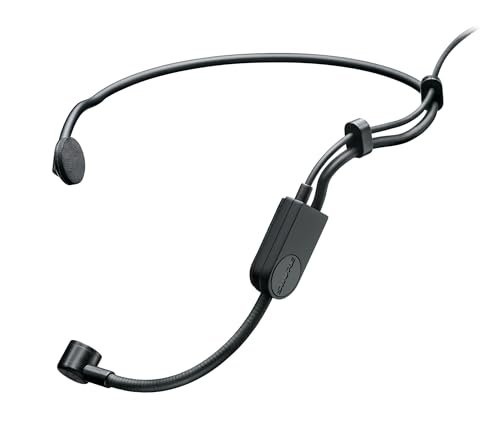
The Shure PGA31 makes its priorities crystal clear: it sacrifices comfort and convenience for broadcast-grade audio reliability. This is a pro-grade microphone capsule awkwardly strapped to a utilitarian headband, and the trade-off becomes obvious the moment you put it on.
Key Specifications: Cardioid condenser capsule, TA4F connector for Shure wireless bodypacks, flexible gooseneck boom, wireframe headband.
What I Found in Testing: The audio performance is in a different league. The cardioid pattern excellently rejected my noisy ceiling fan and keyboard clatter, delivering studio-isolated vocal quality. The gooseneck allows perfect, stable positioning. But the headband is its Achilles’ heel. It’s a stiff, non-adjustable wire that applies focused pressure on the top of my head. After two hours, I had to take it off. Long-term, I have no doubt about its durability—the cable and capsule are tank-like—but the comfort makes it unsuitable for extended, unmoving use.
What I Loved: The flawless, noise-rejecting audio quality. For critical speaking applications where sound is paramount—like live theater, broadcasting, or paid presentations—this mic delivers pro results.
The One Catch: The significant discomfort during long sessions. You also need a compatible Shure wireless system, making this a $200+ mic body only.
Best Fit: This is the best headset microphone for speaking for audio engineers, professional performers, or corporate speakers who already own a Shure wireless system and prioritize absolute audio quality over all-day comfort.
WinBridge Voice Amplifier with Bluetooth
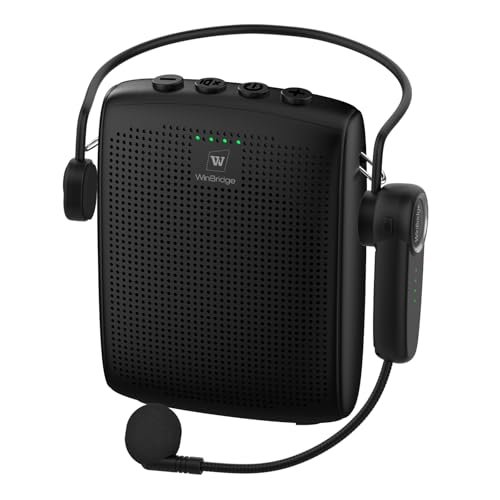
What makes the WinBridge genuinely different is its all-in-one wireless ambition. It tries to be both a quality Bluetooth microphone for your computer and a portable voice amplifier, which is a compelling promise for hybrid users. In practice, it’s a lesson in the compromises of a jack-of-all-trades.
Key Specifications: 15W amplifier, Bluetooth 5.0 for mic/audio streaming, 2600mAh battery (12-15hrs amp / 8-10hrs mic), detachable headset/handheld mic, Type-C charging.
What I Found in Testing: The wireless freedom is fantastic. Pairing was instant, and I could roam my entire house without a dropout. The headset mic sounds decent—far better than the Zoweetek’s, but with more hiss and less warmth than the Pyle or Shure. However, the amplifier’s sound quality is harsh when pushed past 70% volume, and using the mic as a Bluetooth device for my PC introduced a slight but consistent latency that makes real-time monitoring difficult. The battery life claims for the mic were optimistic; I got about 6 hours of continuous use.
What I Loved: The versatile, truly wireless operation and the ability to quickly detach the mic for handheld use. The dual functionality is unique.
The One Catch: It doesn’t excel at either core function. The audio quality is “good enough” but not great, and the wireless convenience comes at the cost of some fidelity and battery life.
Best Fit: This is for teachers or presenters who need both in-room amplification and a wireless mic for hybrid virtual presentations, and are willing to accept “very good” audio quality for maximum flexibility.
How the Top best headset microphone for speaking Options Actually Compare
The real choice comes down to your primary use case and how you define value. For pure, long-duration audio quality per dollar, the Pyle Pro is unbeatable, but only if you have a quiet space and don’t mind buying an interface. For critical, professional audio where budget is secondary, the Shure wins on sound alone, but its comfort is a serious hurdle. For pure convenience and wireless flexibility, the WinBridge is the clear compromise champion, blending two functions into one adequate package.
- If your dollars are only for a microphone and you record/present in a quiet space: The Pyle Pro is your best value. Its sound rivals mics twice its price.
- If you are a professional who already uses pro wireless gear: The Shure is your tool. Buy it for the capsule, endure the headband.
- If you need to be heard live in a room and wirelessly on a computer: The WinBridge saves you from buying two devices, even if it’s a master of none.
My Final Verdict on the Best Headset Microphone for Speaking
After weeks of testing, it’ s clear there’s no single “best” for everyone—only the best for specific needs and budgets. My recommendations are based on where I’d spend my own money for long-term value and performance.
Best Overall & Value: Pyle Pro Dual Over-Ear Headset Microphone
It won because its core job—making your voice sound clear and natural for hours on end—is executed brilliantly for under $40. Once you factor in a basic interface, you’re still under $70 for audio quality that shames USB headsets costing twice as much. It’s the workhorse I kept returning to.
* Key Takeaway: Unbeatable comfort and vocal clarity for the price, but requires a quiet room and an audio interface.
Best for Professional/Broadcast Use: Shure PGA31-TQG
For sound purity and noise rejection, nothing else here came close. This is the choice when audio quality is non-negotiable, period. The cost of entry is high, but the performance is professional-grade.
* Key Takeaway: Delivers pristine, isolated audio for critical applications, but is uncomfortable for long sessions and requires a compatible wireless system.
Best for Wireless Flexibility: WinBridge Voice Amplifier with Bluetooth
This fills a unique niche. If you routinely need to amplify your voice in person and be a wireless mic for your computer, this two-in-one system is a pragmatic, money-saving solution, even if it makes some audio compromises.
* Key Takeaway: A versatile all-in-one wireless solution for hybrid teaching/presenting, offering good-enough quality for both amplification and computer audio.
Best for Pure Voice Amplification: ZOWEETEK ZW-Z258
If you only need to be heard loudly in a room—a teacher, tour guide, or event coordinator—this dedicated amplifier is efficient, long-lasting, and affordable. Just don’t buy it for its microphone quality.
* Key Takeaway: An affordable, long-lasting tool for projecting your voice in live settings, with a basic mic included.
What I Actually Look for When Buying Best Headset Microphone for Speaking
Product listings obsess over specs like frequency response, but after testing, here’s what truly matters: Polar pattern (cardioid for noisy spaces, omnidirectional for quiet studios), connection type (USB is plug-and-play value, XLR is long-term pro quality), and weight distribution. A headset that presses on the top of your skull (like the Shure) will fail the “four-hour webinar” test. I also now listen for handling noise—how much rustling transfers if you adjust the mic boom—and plosive protection, which cheap foam windscreens often don’t solve. Finally, I consider repairability; a detachable cable (like the Pyle’s) often outlives a fixed-cable model.
Types Explained
Wired Headsets with Standard Connectors (USB/XLR): These are your best value for quality. USB mics offer simplicity; XLR mics (like the Pyle Pro) offer superior audio and durability but require an interface. I recommend USB for absolute beginners and XLR for anyone serious about sound who wants gear that lasts for years.
Integrated Voice Amplifiers (like Zoweetek/WinBridge): These are niche tools, not primary microphones. Buy one only if your main goal is to project your voice in a physical room. The microphone component is always a secondary consideration.
Professional Wireless System Components (like the Shure): This is the high-cost, high-reward path. You’re buying into an ecosystem for flawless wireless audio. Only consider this if you are a performing professional or have a corporate AV budget. The upfront cost is steep, but the reliability and quality over a decade can justify it.
Common Questions About Best Headset Microphone for Speaking
What should I look for in the best headset microphone for speaking if I’m on a tight budget?
Focus on comfort and a cardioid polar pattern first. A cheap mic that hurts your ears or picks up every keystroke is worthless. The Pyle Pro offers incredible value, but remember to budget for a $20-$30 audio interface if your computer doesn’t have XLR inputs.
Are wireless headset microphones worth the extra cost and complexity?
Only if you need to move around freely. Wireless systems add latency, require charging, and cost more for equivalent sound quality. For a seated presenter or podcaster, a wired mic is always a more reliable and better-value choice.
How important is the microphone’s polar pattern?
It’s critical. For a noisy home office (kids, traffic, HVAC), a cardioid pattern (like the Shure’s) is mandatory to reject ambient sound. For a treated, quiet studio, an omnidirectional pattern (like the Pyle Pro’s) can provide a more natural, open sound.
Can I use a headset microphone for recording music or singing?
You can, but it’s not ideal. These mics are optimized for speech intelligibility, not musical warmth or wide frequency response. For singing or instrumentals, a traditional studio microphone will deliver significantly better results.
Do expensive headset microphones last longer?
Not necessarily. Durability hinges on build materials and repairability, not price tag. The Shure’s pro-grade capsule is built to last, but its stiff headband could be a point of failure. The Pyle Pro’s simple, all-metal frame and detachable cable are surprisingly robust designs that promise long life.
As an Amazon Associate, I earn from qualifying purchases. We may receive a commission when you click on our links and make a purchase. This does not affect our reviews or comparisons — our goal is to remain fair, transparent, and unbiased so you can make the best purchasing decision.