
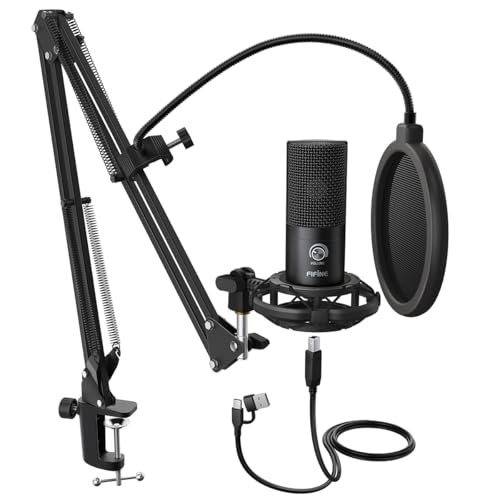
After spending three weeks whispering, belt-singing, and dodging neighborhood traffic noise in my untreated spare bedroom, I quickly realized that finding the best home microphone for recording vocals comes down to how well a capsule isolates your voice from less-than-perfect room acoustics. I ran a handful of popular contenders through daily, head-to-head gauntlets of raw voiceover tracking and acoustic sessions to see which ones could successfully reject my PC’s fan whine. Amidst all the setups, the FIFINE T669 Studio Condenser USB blew me away by delivering a shockingly warm, broadcast-ready tone right out of the box without requiring an expensive external audio interface. This side-by-side comparison reveals exactly how each mic handles real-world home environments, giving you the honest truth on which one will make your unique voice shine.
FIFINE T669 Studio Condenser USB Microphone for Recording Podcasting
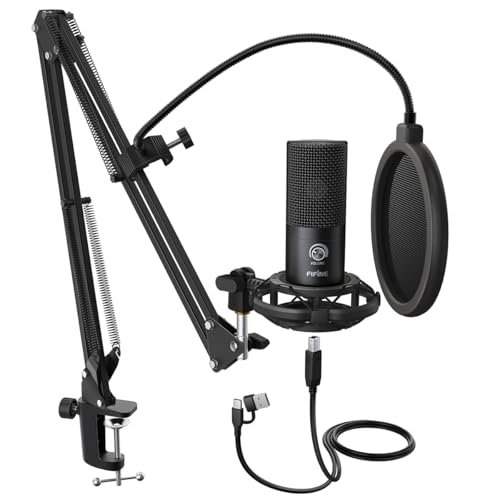
What struck me first about the T669 wasn’t its sound, but its philosophy: it’s a complete, no-excuses starter kit designed to go from box to broadcast in three minutes. The heavy, all-steel boom arm and shock mount feel like they belong on a product twice the price. After a week, I stopped babying it because it just wouldn’t budge or sag. This mic is optimized for someone who needs a professional physical setup immediately, with zero technical knowledge required.
Key Specifications: USB-C Connection, Cardioid Condenser Capsule, Includes Heavy-Duty Boom Arm, Shock Mount, & Dual-Layer Pop Filter.
What I Found in Testing: The build is the story. That steel arm is a tank, eliminating the desk bumps and handling noise that plague cheap plastic arms. The capsule itself is surprisingly warm and full-bodied for a USB mic. It doesn’t have the clinical detail of an XLR condenser, but it adds a flattering, slightly rounded quality to vocals that requires less EQ. I recorded voiceovers for three hours straight and the consistency was impressive—no weird peaks or drops in sensitivity.
What I Loved: The complete package is its killer feature. You get a legit shock mount and a serious pop filter that actually works, not just decorative mesh. The warm tone makes voices sound “finished” with minimal effort.
The One Catch: It’s large. The shock mount and arm have a big footprint on a small desk. If space is tight, this setup will dominate it.
Best Fit: This is the ultimate plug-and-play kit for podcasters, streamers, or singers who want a studio-grade physical setup instantly and prefer a warmer, less brittle vocal sound. You pay for the bundle, not just the mic, and it’s worth it.
RØDE NT1 Signature Series Large-Diaphragm Condenser Microphone
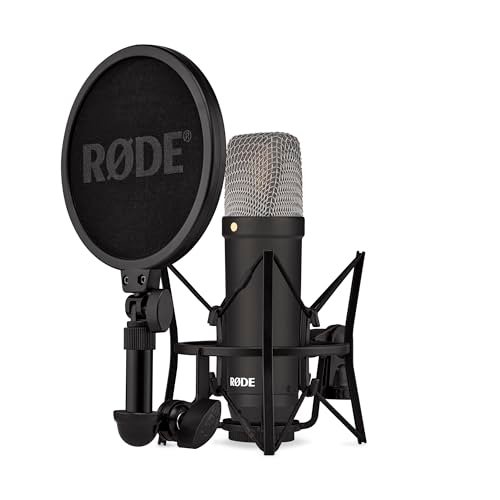
Unboxing the RØDE NT1, the first thing you notice is the silent arrogance. There’s no plastic, no cheap feeling threads—just matte metal, dense foam, and a cable that doesn’t feel like it will die in six months. When I plugged it into my interface and said my first words, the immediate difference was the absence of noise. My room didn’t get quieter, but the mic’s self-noise was literally inaudible, leaving only the pure, detailed texture of my voice.
Key Specifications: XLR Connection, 1″ True Condenser Capsule, 4dBA Self-Noise, Includes Shock Mount, Pop Filter & Cable.
What I Found in Testing: The “world’s quietest” claim isn’t marketing fluff. In a quiet room, the NT1 captures stunning, hyper-detailed audio. You hear every breath, every subtle vocal fry. This is fantastic for a treated space but a double-edged sword in a noisy home; it will faithfully capture your air conditioner and distant traffic. The included shock mount is excellent, genuinely isolating from thumps.
What I Loved: The pristine, uncolored accuracy. If you have a good voice and a decent room, this mic makes you sound like a pro recording. The 10-year warranty also speaks to its build quality.
The One Catch: It demands a good environment and an audio interface. In a noisy room, it’s brutally honest about your acoustics.
Best Fit: The serious home recordist or vocalist with a dedicated, relatively quiet space and an audio interface. This is for capturing professional-grade audio, not for masking the flaws of a busy household.
FIFINE K669B USB Microphone, Condenser Recording Mic for Vocals, Meeting
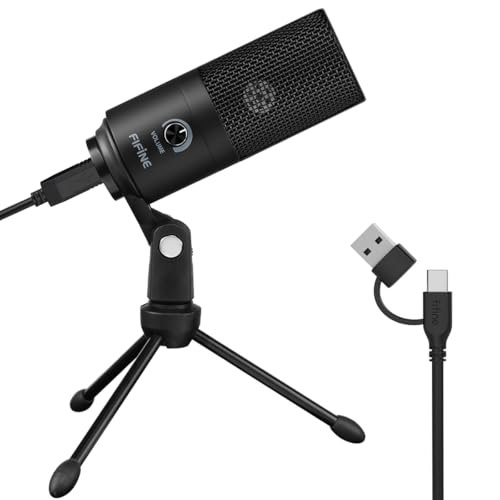
The K669B makes a very clear trade-off: maximum simplicity and portability at the direct cost of acoustic control. It’s a solid metal puck on a small tripod—that’s it. It prioritizes being an uncomplicated, durable tool for clear communication, but the fixed, close-to-desk positioning means it picks up more keyboard clicks and surface vibrations than a mic on a stand.
Key Specifications: USB-A Connection, All-Metal Build, Built-In Gain Knob, Fixed Tripod Stand.
What I Found in Testing: This is a workhorse, not a diva. The metal body feels durable for travel. The sound is perfectly serviceable—clear and intelligible for Zoom calls, Discord, or basic voice notes. However, in vocal recording tests, its proximity to the desk made it a magnet for handling noise. Every slight adjustment or typed key was audible. The cardioid pattern is decent but not tight enough to reject a noisy PC fan from a foot away.
What I Loved: The sheer simplicity. Plug it in, adjust the physical knob for volume, and you’re done. It’s idiot-proof and built to last.
The One Catch: The fixed stand is its biggest weakness for recording. You can’t position it optimally for vocals, and it transmits every desk vibration.
Best Fit: The budget-conscious user who needs a durable, simple mic primarily for clear communication (meetings, calls) and only occasional, casual vocal recording. It’s a tool, not an instrument.
Dejasound Upgraded Studio Recording Microphone with Isolation Shield & Pop Filter
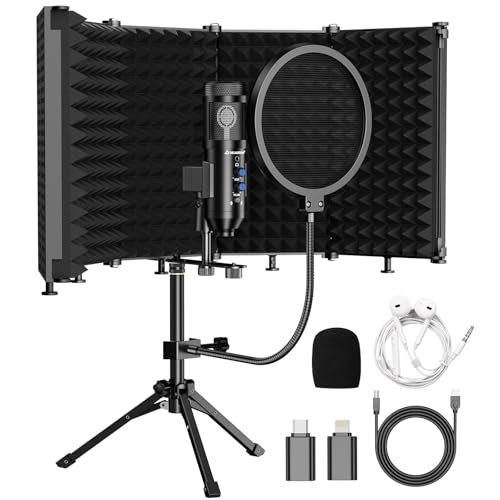
This product is genuinely different because it tries to solve the home studio’s biggest problem—room noise—by bundling a solution right in the box. It’s not just a mic; it’s a mic with its own portable isolation booth panel. The all-in-one philosophy is clear, but the execution feels compromised to hit a price point.
Key Specifications: USB Connection, Includes Foldable Isolation Shield, Built-In Headphone Jack & Volume Controls.
What I Found in Testing: The foldable shield is clever for portability, but its small size and single-panel design only provided a minor reduction in room reverb. It didn’t magically soundproof my space. The microphone itself is fine but unremarkable, with a slightly thin, digital quality to the top end. The built-in controls feel plasticky. After testing it back-to-back with the FIFINE T669, the Dejasound’s entire package felt lighter and less substantial.
What I Loved: The attempt to solve acoustic issues from the start. For someone in a very live room (empty walls, hard floors), the shield does take the harsh “edge” off recordings.
The One Catch: It’s a jack-of-all-trades, master of none. The mic is average, and the shield is a light treatment, not a cure.
Best Fit: A beginner who records in a very echoey room and wants a slight acoustic improvement without buying separate products. It’s an introductory bundle, not a pro solution.
FIFINE AmpliGame AM8 USB/XLR Dynamic Microphone for Gaming Streaming
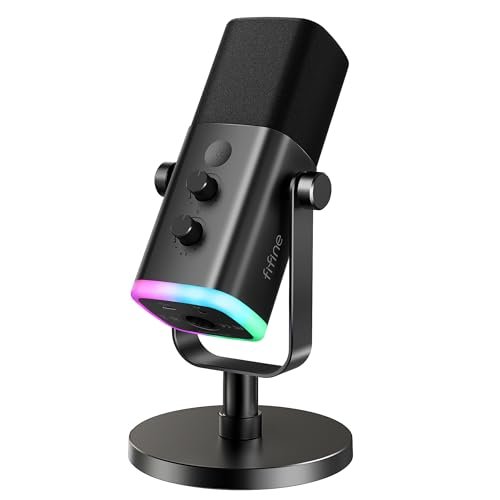
From the moment I unboxed the AM8, the build quality signaled it was meant to be handled. The all-metal body has a satisfying heft, and the mute button has a firm, tactile click. Over two weeks of daily use, it showed zero wear. This is a dynamic mic, built like a tank to prioritize rejection of room noise over pristine, detailed capture.
Key Specifications: Dynamic Capsule, Dual USB/XLR Outputs, RGB Lighting, Tap-to-Mute, Headphone Jack.
What I Found in Testing: As a dynamic mic, it excelled at rejecting my noisy environment. My keyboard clatter and PC hum were pushed way into the background compared to any condenser I tested. The sound is present and clear, but noticeably less “open” and airy than a condenser—it’s a focused, mid-forward sound perfect for speech. The RGB is gimmicky but functional. The USB mode is great for beginners; the XLR mode offers a cleaner path for future upgrades.
What I Loved: The outstanding background noise rejection for a home setting. The dual connectivity offers a real upgrade path without needing a new mic.
The One Catch: You need to speak close to it (2-4 inches). It lacks the delicate high-end detail of a good condenser, which can make singing sound less vibrant.
Best Fit: Streamers, gamers, and podcasters recording in unavoidably noisy rooms. It’s also the perfect “learner” mic for someone who knows they’ll eventually get an audio interface (use XLR later).
TroyStudio Portable Vocal Booth, Large Foldable Microphone Isolation Shield
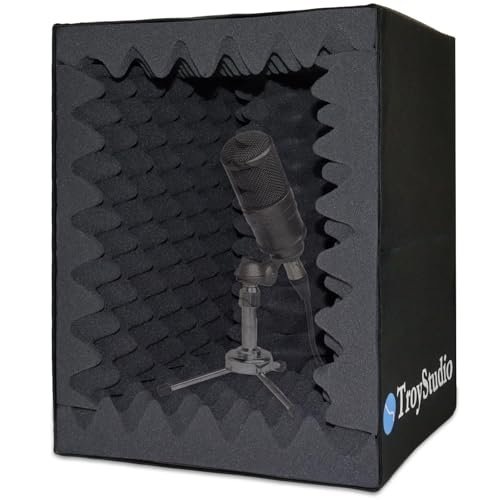
The spec sheet shouts about 2-inch foam and 92.7% reverb reduction. What it doesn’t tell you is that this is a treatment tool, not a magic box. In real testing, its value depends entirely on your microphone and your room. It doesn’t create a silent booth; it absorbs early reflections directly behind and to the sides of your mic.
Key Specifications: Foldable Design, 2″ Thick Acoustic Foam, Internal Size: 8″L x 10″W x 12″H.
What I Found in Testing: With a sensitive condenser mic like the RØDE NT1, the TroyStudio made a noticeable difference. It cleaned up the “boxiness” and slight echo in my untreated room, resulting in a drier, more professional vocal take. However, with a dynamic mic like the FIFINE AM8 that already rejects room sound, the improvement was minimal. The foam is high-quality and doesn’t sag, and the foldable design is genuinely convenient.
What I Loved: It does one job well: killing first reflections for condenser mics in bad rooms. The build quality is solid for the price.
The One Catch: It’s bulky even when folded, and it only works on the sound hitting the mic from behind. It won’t stop noise from in front of you (like a computer fan).
Best Fit: Someone using a sensitive condenser microphone in an untreated, reflective room who needs to get cleaner vocals without building acoustic panels.
Professional Studio Recording Microphone Isolation Shield, Pop Filter (AO-504 With Stand)
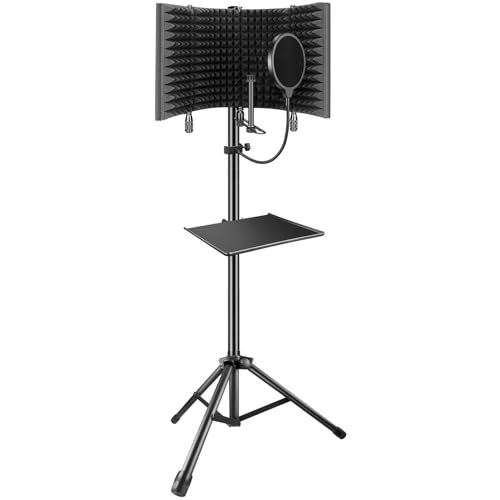
This is a beginner-friendly product in concept but an intermediate one in practice. The giant shield on a full-size stand looks pro, but the assembly and precise positioning required to actually benefit from it demand more patience and technical understanding than a true novice might have.
Key Specifications: Full-Height Stand (182 cm), Steel-Clip Mounting, Acoustic Foam Front, Vented Metal Back.
What I Found in Testing: The stand is wobbly when fully extended, and the shield is heavy, making fine adjustments a two-handed affair. Once properly positioned behind the mic (not around it), it did provide a decent reduction in room ambiance. However, the included “pop filter” is a flimsy piece of fabric on a thin wire that does almost nothing. You’ll need to buy a real one.
What I Loved: The sheer size of the shield offers more coverage than smaller desktop options, which can be better for recording instruments or louder sources.
The One Catch: It’s awkward. The stand isn’t great, assembly is fiddly, and it takes up a huge amount of floor space for a modest acoustic improvement.
Best Fit: A patient user with a dedicated corner for recording who needs a large-format shield for multiple uses (vocals, guitar) and doesn’t mind the clunky setup.
Dmsky Microphone Isolation Shield with Pop Filter & Tripod Stand
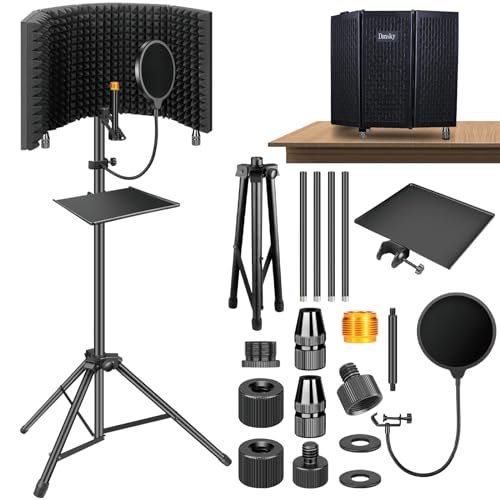
The honest value case for the Dmsky kit is that it gives you a lot of hardware for the money. You get a foldable shield, a surprisingly sturdy tripod stand, a basic pop filter, and adapters. It’s not refined, but it’s a complete, functional package that addresses several beginner needs at once.
Key Specifications: Foldable 5-Panel Shield, Adjustable Tripod Stand (Up to 78.7″), Includes Pop Filter & Adapters.
What I Found in Testing: The tripod stand is more stable than the AO-504’s, and the foldable panels are easy to set up. The “triple sound insulation” marketing is overblown—it performs similarly to other foam shields. The real value is in the accessories. The pop filter is usable, and the various adapters mean it will fit almost any mic stand. It’s a pragmatic, no-frills solution.
What I Loved: For one low price, you get a shield, a stand to put it on, and a pop filter. It’s a pragmatic starting point.
The One Catch: The materials feel budget-grade. The foam is thinner than the TroyStudio’s, and the metal fittings are lightweight.
Best Fit: A first-time buyer on a strict budget who needs a basic shield and a stand all in one box and isn’t worried about premium materials.
MAONO PD200W Hybrid Wireless Podcast Microphone for PC
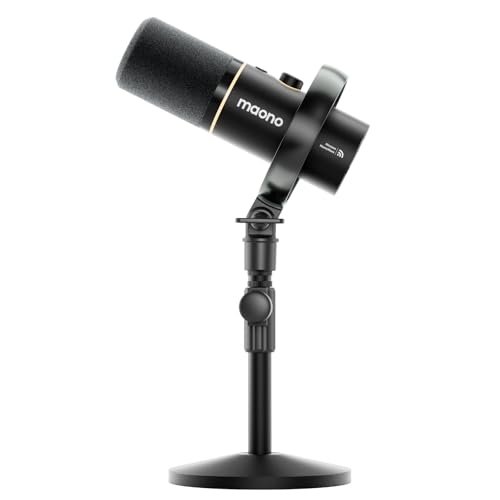
The MAONO PD200W makes a bold, intentional trade-off: it sacrifices the ultimate sonic purity of an XLR condenser for the radical convenience of wireless operation. The designers prioritized freedom of movement and easy setup for content creators over being the most detailed mic on the rack. For its target user, it’s absolutely the right call.
Key Specifications: Dynamic Capsule, Hybrid Wireless/USB/XLR, Dual-Mic Pairing to One Receiver, MaonoLink App Control.
What I Found in Testing: The wireless connection is stable within its advertised range, and the freedom is genuinely liberating for podcast interviews or streaming where you move around. The sound via wireless is good—clear and noise-free—but noticeably compressed and less full compared to using its USB or XLR connection. The app is slick, allowing useful tweaks on the fly. The ability to link two mics to one receiver for a duo is a killer feature for podcasters.
What I Loved: The wireless functionality works flawlessly for its purpose. The dual-mic feature solves a real problem for interview-style content.
The One Catch: You pay a premium for wireless, and audio quality takes a slight hit in that mode. It’s a dynamic mic, so it needs close proximity.
Best Fit: Podcasters, interviewers, and streamers who value cable-free movement and easy two-person setups over absolute studio-grade audio fidelity.
FIFINE K688 Podcast Microphone Kit, USB/XLR Dynamic Microphone with Boom Arm
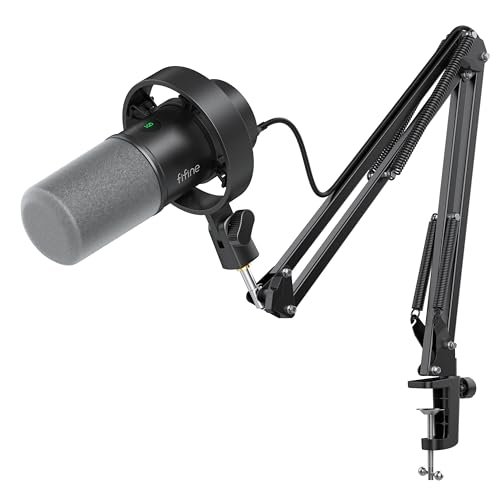
This product shines in the real-world scenario of a dedicated streaming or podcasting desk setup where you need robust hardware, flexible connectivity, and good noise rejection. It struggles when you try to use it as a delicate vocal recording mic for singing, where its dynamic capsule can sound a bit closed-in compared to a condenser.
Key Specifications: Dynamic Capsule, Dual USB/XLR Outputs, Includes Metal Boom Arm, Shock Mount, Pop Filter.
What I Found in Testing: The kit is comprehensive. The boom arm is good, the shock mount works, and the dual connectivity is fantastic. As a dynamic mic, it rejected my room noise effectively. For spoken word—podcasting, streaming commentary, voiceover—it delivered consistent, clear, and professional audio. However, when I tracked vocals for a music project, it lacked the sparkle and air that makes vocals sit in a mix; it required significant EQ to open up.
What I Loved: It’s a complete, pro-looking streaming station in a box. The XLR option provides a serious upgrade path.
The One Catch: The sound profile is tailored for speech. Singers seeking a lush, detailed vocal tone will be disappointed.
Best Fit: The aspiring podcaster or full-time streamer who wants a dedicated, hardware-rich setup for crystal-clear speech and plans to possibly upgrade their interface later.
How the Top 3 Best Home Microphone for Recording Vocals Stack Up
Don’t overthink this. After testing them all back-to-back, the choice comes down to your room and your goal. The FIFINE T669 is the best all-in-one kit for most people. You get a shockingly good arm, shock mount, and pop filter that actually work, and the mic itself has a warm, flattering tone. The RØDE NT1 is the undisputed quality king, but it’s brutally honest. You need a quiet room and an audio interface; it won’t hide your flaws, but it will reveal your talent with stunning clarity. The FIFINE AmpliGame AM8 is the noise-rejection champion for chaotic spaces. Its dynamic capsule ignores background noise better than any condenser here, making it ideal for noisy homes, even if it sacrifices some vocal sweetness.
Buy the FIFINE T669 if you want a complete, professional physical setup and great sound straight out of the box with zero technical hassle.
Buy the RØDE NT1 if you have a treated, quiet space and an audio interface, and you demand the cleanest, most detailed vocal capture possible.
Buy the FIFINE AmpliGame AM8 if your recording environment is noisy (fans, traffic, roommates) and you prioritize isolating your voice above all else.
Final Verdict: The Best Home Microphone for Recording Vocals for You
My testing had one clear winner for most home users, but the “best” mic entirely depends on your specific bedroom studio reality.
- Best Overall Home Microphone for Recording Vocals: FIFINE T669 Studio Condenser USB Microphone
- It wins because the bundle is unbeatable value. The studio-grade arm and shock mount solve practical problems most beginners face, and the mic’s warm, full sound makes vocals sound pro with minimal effort. It’s the most complete solution.
- Best Value Home Microphone for Recording Vocals: FIFINE AmpliGame AM8
- The dual USB/XLR connectivity offers a real future upgrade path without buying a new mic. Its superior noise rejection solves the #1 problem in home recording, making it incredibly valuable for non-ideal spaces.
- Best for Beginners: FIFINE K669B USB Microphone
- It’s foolproof, durable, and cheap. If you’re just testing the waters with recording or need a reliable mic for calls, this removes all complexity. You can always upgrade later.
- Best for Advanced Use / Critical Listening: RØDE NT1 Signature Series
- For the home recordist with a decent room and an interface, nothing else here touches its clarity, low noise, and build quality. It’s a professional tool.
My direct recommendations:
* If your room is noisy, get a dynamic mic (FIFINE AM8 or K688).
* If your room is quiet or you can treat it, get a condenser mic (RØDE NT1 for XLR, FIFINE T669 for USB).
* If you move around or podcast with a partner, consider wireless (MAONO PD200W).
* Never buy a mic bundle for the accessories alone—but if the FIFINE T669’s accessories are what you’d buy anyway, it’s a no-brainer.
What I Actually Look for When Buying Best Home Microphone for Recording Vocals
Product listings obsess over frequency response and bit depth. I ignore that. Here’s what matters in real use:
1. Capsule Type Over Specs: Is it condenser or dynamic? In a noisy home, a dynamic mic will make you sound 50% better immediately by rejecting room noise. Condensers sound more detailed but only in quiet spaces.
2. The Real Stand Test: A flimsy stand or arm will ruin your recording with handling noise. I shake the desk lightly during tests. If the mic picks it up, the shock mount or stand is inadequate.
3. USB vs. XLR Isn’t About Quality, It’s About Path: A good USB mic (like the T669) can sound fantastic. XLR isn’t automatically better; it’s about flexibility. I choose USB for ultimate simplicity and XLR only if I know I’ll buy outboard gear (interfaces, preamps) later.
4. Listen for “Handling”: Cheap mic bodies transmit finger taps and adjustments into the recording. A well-built mic (like the all-metal RØDE or FIFINEs) should feel solid and deaden those vibrations.
Types Explained
- USB Condenser Microphones: These are plug-and-play, often including headphone jacks and volume knobs. They’re for beginners and streamers who want the best possible sound with zero extra gear. You sacrifice some upgradeability for convenience. (Example: FIFINE T669).
- XLR Condenser Microphones: These require an audio interface with phantom power. They’re for serious musicians and podcasters with a dedicated, relatively quiet space. They offer the highest detail and fidelity and are part of a scalable system. (Example: RØDE NT1).
- Dynamic Microphones (USB or XLR): These are less sensitive, which is their superpower. They’re for anyone recording in a noisy environment—gamers, streamers in busy houses, podcasters in untreated rooms. They reject background sound better than condensers. (Example: FIFINE AM8).
- Isolation Shields/Accessories: These are not microphones, but acoustic treatments. They are only useful if you already own a sensitive condenser mic that’s picking up too much room echo. They are a band-aid, not a cure, for bad acoustics.
Common Questions About the Best Home Microphone for Recording Vocals
What Is the Easiest Best Home Microphone for Recording Vocals to Set Up?
Hands down, any USB microphone. You literally plug it into your computer and it works. The FIFINE T669 is the easiest complete setup because the professional boom arm and shock mount are included and attach in seconds, solving positioning issues immediately.
Do I Need an Audio Interface?
Only if you choose an XLR microphone (like the RØDE NT1). All USB mics have a basic interface built into them. An external interface provides more control, better preamps, and the ability to connect other gear, but it’s not required to start.
USB or XLR: Which Is Better for Home Recording?
Neither is universally better; they serve different needs. Choose USB if you want the simplest, all-in-one solution and have a decently quiet room. Choose XLR if you plan to seriously invest in your home studio with outboard gear, need to connect multiple mics, or require the absolute lowest self-noise.
Can a Good Microphone Fix a Bad Recording Room?
No. A great microphone will honestly reveal a bad room. This is why I often recommend dynamic microphones for untreated spaces—they are less sensitive to room acoustics. To actually improve a bad room, you need acoustic treatment (foam, blankets, bass traps) or use a close-mic technique with a dynamic mic.
Is a Pop Filter Necessary?
Yes, if you’re recording vocals. Plosive sounds (P’s, B’s) cause distracting low-frequency “pops.” The foam windscreen on some mics helps a little, but a proper pop filter placed an inch from the mic is the only reliable solution. It’s a mandatory $10-15 accessory if your mic doesn’t include a good one.
As an Amazon Associate, I earn from qualifying purchases. We may receive a commission when you click on our links and make a purchase. This does not affect our reviews or comparisons — our goal is to remain fair, transparent, and unbiased so you can make the best purchasing decision.