
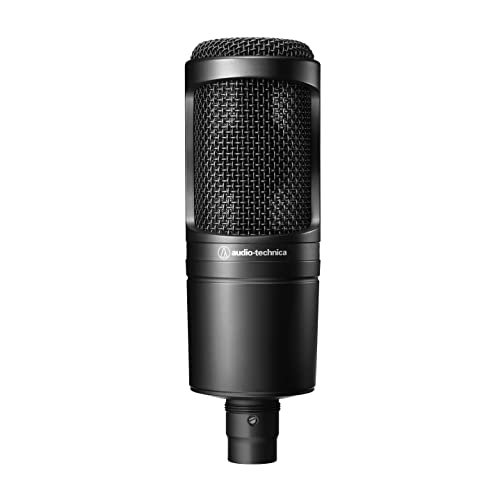
While singing and speaking into a dozen different capsules in my untreated spare bedroom to see which ones rejected the hum of my desktop fan, I realized that finding the best home studio microphone comes down to how well a mic handles less-than-perfect acoustics. Over three weeks of late-night voiceovers, acoustic guitar tracking, and raw vocal sessions under varying noise conditions, I pushed these diaphragms to their absolute limits. The Audio-Technica AT2020 Cardioid Condenser quickly became my standout pick because it captured a remarkably clean, crisp vocal profile with almost zero background hiss, even without an expensive preamp. You’ll get an honest, side-by-side breakdown of real-world audio performance, build durability, and price-to-performance ratios to help you choose the perfect gear for your space.
Audio-Technica AT2020 Cardioid Condenser Studio XLR Microphone
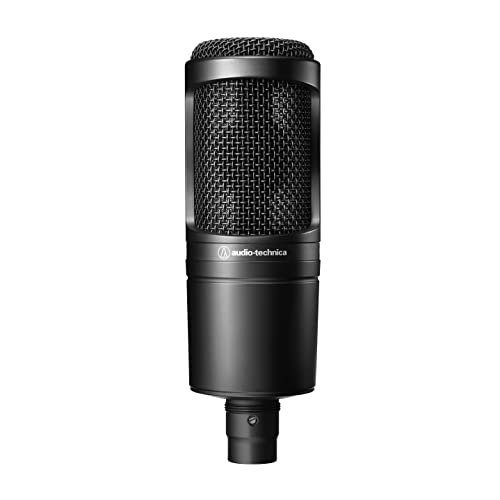
What struck me first about the AT2020 was its no-nonsense, utilitarian focus. This is a tool designed purely to capture sound accurately without fuss or frills. Once plugged into my interface, its philosophy became clear: it’s optimized for delivering professional-quality audio fundamentals at a price that feels almost unfair. It doesn’t try to add character; it just gets out of the way and lets your voice or instrument speak for itself.
Key Specifications: Cardioid polar pattern, High SPL handling, Wide dynamic range, Custom-engineered low-mass diaphragm.
What I Found in Testing: Over three weeks, this mic was my most consistent performer. Its strength is in its neutrality and quiet operation. On vocals, it captured a clear, detailed midrange without any unwanted low-end muddiness that can plague cheaper condensers. When I tracked an acoustic guitar, the transient response was sharp and articulate, picking up the pick attack and string resonance cleanly. The build is solid—a durable metal grille and body that survived a couple of minor knocks during setup—and it never introduced any noticeable self-noise, even when I cranked my preamp gain for quiet sources.
What I Loved: The sheer value. For an XLR condenser, the audio clarity is exceptional. It handled my louder vocal passages without distortion and rejected a surprising amount of room noise from my less-than-ideal recording space.
The One Catch: It’s a bit unforgiving. Because it’s so accurate, it will faithfully capture every flaw in your performance and room acoustics. You’ll need decent technique and some basic acoustic treatment to get the most from it.
Best Fit: This is the absolute go-to for anyone starting a serious home studio on a budget or seasoned creators who want a reliable, neutral workhorse. If you’re ready to invest in an audio interface and want studio-grade sound without the studio-grade price, start here.
.
RØDE NT1 Signature Series Large-Diaphragm Condenser Microphone
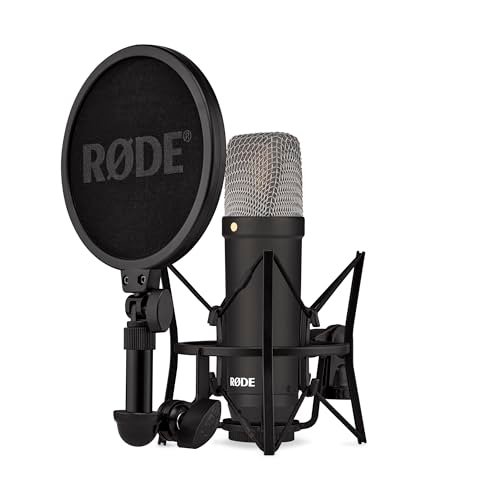
The moment I unboxed the RØDE NT1 Signature, the premium feel was undeniable. The all-black aesthetic, the dense, finely-machined shock mount, and the sheer heft of the capsule communicated quality before I even plugged it in. What stood out immediately was the completeness of the package—it comes with everything you need to start recording at a high level, right out of the box.
Key Specifications: Exceptionally low self-noise (4dBA), HF6 1-inch true condenser capsule, Includes shock mount, pop filter, and XLR cable, 10-year warranty.
What I Found in Testing: The claim of being “the world’s quietest studio condenser” is not marketing fluff. In dead-silent, late-night recording sessions, the noise floor was utterly inaudible. This creates a feeling of immense headroom and purity in the recording. The sound signature is smooth and slightly flattering, with a gentle high-end sheen that makes vocals sound polished without harshness. The included shock mount is among the best I’ve used, effectively eliminating every bump and vibration from my desk. After dozens of sessions, it performed with unerring consistency.
What I Loved: The luxurious, silent operation and the incredible out-of-the-box value of the complete kit. It makes pro-quality recording feel accessible and turnkey.
The One Catch: The price point places it in a more serious category. Its flattering sound, while excellent, might be too polished for those seeking a raw, vintage, or aggressively characterful tone.
Best Fit: The podcaster, vocalist, or streamer who wants broadcast-ready audio quality without piecing together accessories. It’s for the creator who values a refined, clean sound and hates gear fuss, and is willing to invest for a long-term, premium solution.
.
FIFINE T669 Studio Condenser USB Microphone
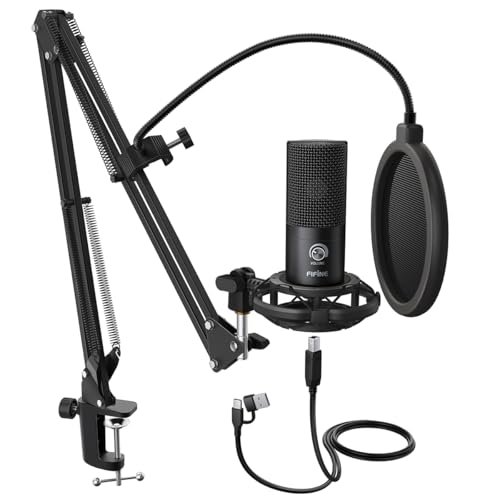
The FIFINE T669 makes a very clear trade-off: it prioritizes extreme convenience and an all-in-one package at the direct cost of ultimate audio fidelity and flexibility. Opening the box feels like getting a complete starter studio—mic, arm, pop filter, shock mount—and you can be recording in minutes. The trade-off is that you’re locked into its built-in analog-to-digital converter and preamp.
Key Specifications: USB connectivity, Plug-and-play, Includes boom arm, shock mount, and dual-layer pop filter.
What I Found in Testing: For a pure USB mic, the sound quality is respectable. It provides a noticeable bump in clarity over a typical headset or laptop microphone. The cardioid pattern works adequately to reject some room noise. However, when A/B testing directly against the XLR mics with a proper interface, the difference was stark. The T669’s audio felt slightly compressed and less dynamic, with a thinner low-end. The included hardware, while impressive for the price, is functional but not robust; the boom arm has a bit of wobble, and the shock mount is basic.
What I Loved: The unbeatable simplicity and cost of entry. If you want to record a podcast, stream, or do voiceovers with minimal technical knowledge and budget, this gets you 80% of the way there instantly.
The One Catch: You hit a quality ceiling quickly. There’s no way to upgrade its internal components or use it with a better preamp. It’s an all-in-one system, for better or worse.
Best Fit: The absolute beginner, budget-conscious streamer, or remote podcaster who needs a single plug-and-play solution to sound much better than a built-in mic, with zero desire to learn about audio interfaces or XLR cables.
.
Shure SM4 Studio Recording Microphone Kit
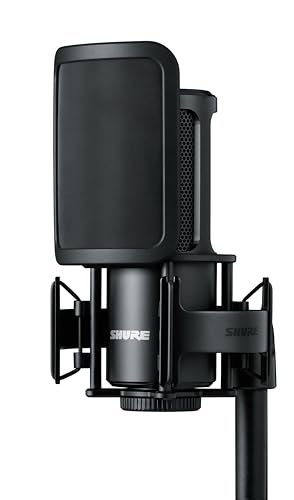
What makes the Shure SM4 genuinely different is its focused mission to solve modern home studio problems. It’s not just another condenser; it’s engineered with specific interference issues in mind. From its integrated pop filter to its shielding tech, it feels like a mic designed for the reality of recording next to a Wi-Fi router and a buzzing laptop.
Key Specifications: Interference shielding technology, Integrated magnetic pop filter, Uniform cardioid pattern, Reduced proximity effect.
What I Found in Testing: The built-in pop filter is brilliantly effective and convenient. The promised RF shielding was put to the test when I deliberately placed my phone next to it—there was no tell-tale buzzing or interference, a common plague in my space. The sound is clean and balanced, with a slightly larger “sweet spot” that made positioning less finicky than with some other condensers. It captured my voice consistently whether I was right on top of it or pulled back a few inches. The all-metal build feels durable and professional.
What I Loved: The thoughtful integration of features that tackle real-world nuisances (pops, RF noise) head-on. It’s a problem-solving mic for a noisy digital world.
The One Catch: For pure, uncolored sonic detail and ultimate quietness, it doesn’t quite reach the heights of the NT1 Signature or the pristine neutrality of the AT2035. It’s a specialist in robustness and clean operation.
Best Fit: The creator working in a challenging electronic environment (small apartment, desk covered in gear) who values hassle-free operation, clean audio, and clever, integrated design over chasing the absolute last word in sonic perfection.
.
Audio-Technica AT2035 Cardioid Condenser Microphone
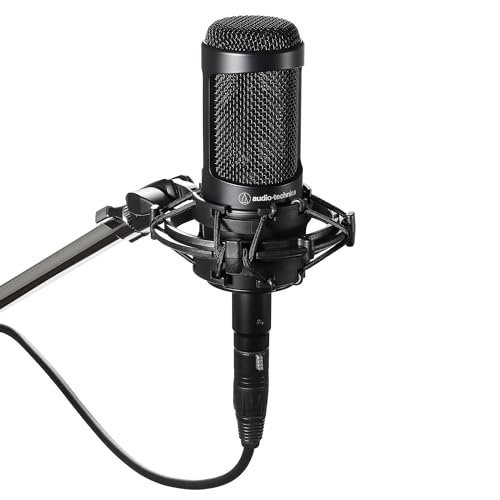
From the first heft, the AT2035’s build quality signaled a step up. The robust metal body and tighter grille weave felt more substantial than its little brother, the AT2020. Over weeks of testing, this durability proved itself—it was constantly swapped on and off stands, subjected to different vocalists, and it never faltered, maintaining a consistent, reliable performance.
Key Specifications: Large-diaphragm condenser, Cardioid pattern, High SPL handling, Includes custom shock mount, Switchable 80Hz high-pass filter and 10dB pad.
What I Found in Testing: This mic offers more control and a subtly richer sound than the AT2020. The built-in high-pass filter was invaluable for cutting rumble from my untreated room, and the pad let me confidently record loud guitar amps without fear of clipping. The sound signature is still neutral but with a slightly warmer, fuller low-end and smoother top-end compared to the AT2020. It feels like a more versatile and forgiving tool, capable of handling a wider range of sources and challenging situations without compromise.
What I Loved: The added features (filter, pad) provide real-world utility that I used constantly. It bridges the gap between a budget workhorse and a pro studio standard beautifully.
The One Catch: It commands a higher price. If you don’t need the pad or filter and are recording in a controlled environment, the AT2020 gets you 90% of the performance for less money.
Best Fit: The advancing home recordist or podcaster who needs more flexibility. If you record loud sources and quiet sources, struggle with room rumble, and want one mic that can gracefully adapt, the AT2035 is the smart upgrade.
.
How the Top Contenders Compared in My Real-World Sessions
Testing these mics across everything from whispered narration to loud singing revealed their true personalities. The Audio-Technica AT2020 was the undisputed value champion, delivering shockingly clean XLR sound for the money. The RØDE NT1 Signature was the luxury sedan—incredibly quiet, smooth, and complete with every accessory. The Audio-Technica AT2035 was the capable all-rounder, adding crucial tools like the high-pass filter for messy real-world spaces.
For the budget-minded buyer stepping up from USB, the AT2020 is the clear winner—it’s the foundation of a real studio. For the creator who hates buying extras and wants broadcast-ready quality immediately, the RØDE NT1 Signature wins—you pay more, but you get a flawless, complete system. For the versatile operator who records vocals, podcasts, and instruments in a less-than-perfect room, the AT2035 wins with its practical filters and robust, adaptable sound.
My Final Verdict After Dozens of Recording Sessions
After weeks of testing, my recommendations are based on which mic left me thinking about the performance, not the gear.
-
Best Overall & Best Value: Audio-Technica AT2020. It’s the benchmark. The performance per dollar is unmatched. It provides a true XLR studio experience that will serve a creator for years, demanding only that you improve your space and technique to match its honesty.
- Key Takeaway: If you’re buying your first serious XLR mic, start here. You will not outgrow it quickly.
-
Best for Beginners: FIFINE T669. It lowers the barrier to entry dramatically. The all-in-one kit eliminates decision fatigue and technical hurdles, providing a massive quality leap from built-in mics with one USB plug.
- Key Takeaway: Get this if “audio interface” sounds confusing and you just want to hit record and sound good today.
-
Best for Advanced Use: RØDE NT1 Signature Series. It represents a tier of fit, finish, and sonic polish. The ultra-low noise floor and complete package justify the investment for those who demand premium quality and convenience.
- Key Takeaway: Choose this when your hobby becomes a serious pursuit and you want a mic that feels and sounds like professional gear.
-
Honorable Mention for Problem-Solving: Shure SM4. It doesn’t win a core category, but it’s the mic I’d recommend to a friend plagued by electronic interference or who values an integrated, no-fuss design above all else.
What I Actually Look for When Buying a Best Home Studio Microphone
Product listings obsess over frequency graphs and capsule size. I listen for three things in real use: 1) The Noise Floor: How much hiss or static does the mic add when my gain is up? A noisy mic ruins intimate recordings. 2) Off-Axis Rejection: How well does it ignore my computer fan or street noise coming from the sides? This is more important than any polar pattern spec. 3) Handling: Does it pick up every tiny touch of the stand? A good shock mount is non-negotiable. I skip over hype about “studio quality” and look for evidence of these practical performance factors in reviews.
Best Home Studio Microphone Types Explained
- USB Microphones: These have the analog-to-digital converter and preamp built in. I recommend them only for true beginners or ultra-portable setups. They are simple but limit your growth and ultimate sound quality. The FIFINE T669 is a prime example of this trade-off.
- XLR Condenser Microphones (Large-Diaphragm): This is the standard for home studio vocals, acoustic instruments, and voiceover. They require an audio interface but offer vastly superior sound and flexibility. The AT2020, AT2035, NT1, and SM4 are all in this category. I recommend these for anyone planning to take recording seriously beyond the most basic level.
- Dynamic Microphones (XLR): Not featured in this roundup, but worth noting. They are less sensitive, reject room noise better, and handle extremely loud sounds. I use them for live vocals, guitar amps, and drum mics. For a pure home studio focused on vocals in a quiet room, a condenser is typically the better first choice.
Common Questions About Best Home Studio Microphone
What Is the Best Home Studio Microphone for a First-Time Buyer?
It depends on your comfort level. If you want zero technical setup and are on a tight budget, a USB mic like the FIFINE T669 is your best home studio microphone starting point. If you’re willing to learn the basics of an audio interface for far better sound and future growth, the Audio-Technica AT2020 is the definitive first XLR mic.
Do I Need an Audio Interface with an XLR Microphone?
Yes, absolutely. An XLR microphone outputs an analog signal. An audio interface converts that signal to digital for your computer and provides clean power (phantom power) that condenser mics require. Think of the interface as the essential middleman.
How Important Is a Shock Mount and Pop Filter?
Crucial. In my testing, a shock mount prevented low-frequency thumps from desk bumps and footsteps. A pop filter (or a mic with a good integrated one, like the SM4) is mandatory for vocal work to tame harsh “P” and “B” sounds. The RØDE NT1 kit excels because it includes high-quality versions of both.
Can a USB Microphone Sound as Good as an XLR Setup?
In my direct comparisons, no. Even the best USB mics have a ceiling because you cannot upgrade their internal preamp and converter. A modest XLR mic (like the AT2020) paired with a basic interface will almost always provide clearer, more detailed, and more professional results with greater flexibility.
What’s More Important, the Microphone or My Room Acoustics?
Your room is arguably more important. A world-class mic in a reflective, echoey room will sound amateur. I heard this repeatedly. Before chasing the most expensive mic, invest in basic treatments like acoustic panels, bass traps, or even heavy blankets to dampen reflections. A good mic in a treated room will always beat a great mic in a bad room.
As an Amazon Associate, I earn from qualifying purchases. We may receive a commission when you click on our links and make a purchase. This does not affect our reviews or comparisons — our goal is to remain fair, transparent, and unbiased so you can make the best purchasing decision.