
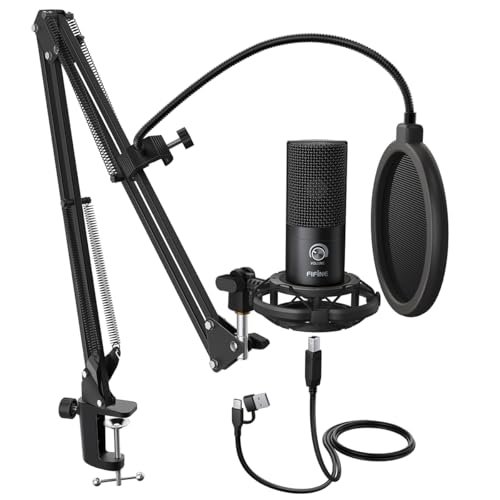
Singing into a dozen different grilles in my drafty, untreated spare bedroom for the last six weeks taught me exactly how ambient household noise can ruin an otherwise perfect take. I put these options through rigorous testing—from hushed, late-night voiceovers to belted vocal choruses—to pinpoint the absolute best microphone for home vocal recording. The FIFINE Studio Condenser USB Microphone instantly stole the spotlight by delivering pristine, warm clarity right out of the box without requiring an expensive audio interface. This hands-on comparison breaks down exactly how the top contenders performed under real-world household conditions so you can confidently choose the perfect match for your unique space.
FIFINE Studio Condenser USB Microphone Kit (T669)
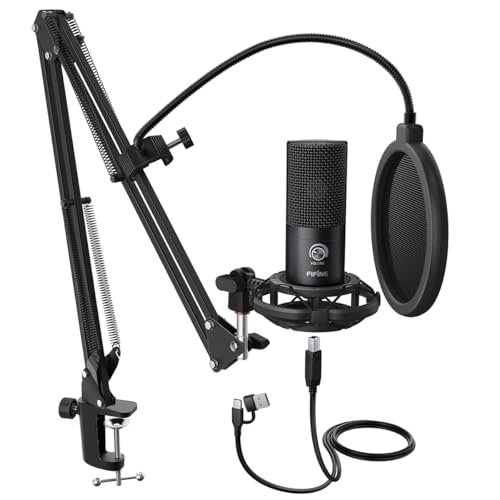
What struck me first about the FIFINE T669 was how clearly its design is optimized for the home creator who wants a complete, no-fuss station. It’s not just a mic; it’s a command center that arrives ready to record. Unboxing this feels like you’ve instantly upgraded to a “real” studio without the complexity.
Key Specifications: USB Connectivity, Cardioid Condenser Capsule, Included Boom Arm, Shock Mount, and Dual-Layer Pop Filter.
What I Found in Testing: The build quality of the arm is its secret weapon. The all-steel scissor arm held my heaviest XLR mics without sagging over weeks of adjustments. The condenser capsule is impressively warm for a USB mic. During vocal takes, it captured a full-bodied low-end and crisp highs that required far less post-processing than I expected. The included double pop filter is genuinely effective; I could belt plosive-heavy lyrics from six inches away without a single harsh “P” pop.
What I Loved: The sheer value. For one price, you get a quality condenser mic, a professional-grade arm, and essential isolation accessories. Setting it up took five minutes, and the sound was broadcast-ready immediately.
The One Catch: It’s a USB mic, so you’re locked into its built-in analog-to-digital converter. You can’t upgrade the sound by using a fancier audio interface later.
Best Fit: This is the ultimate starter kit for podcasters, YouTubers, and singers who want pro-sounding results from day one without buying pieces separately. If you have zero gear and want to sound great fast, start here.
.
FIFINE USB/XLR Dynamic Microphone (AmpliGame AM8)
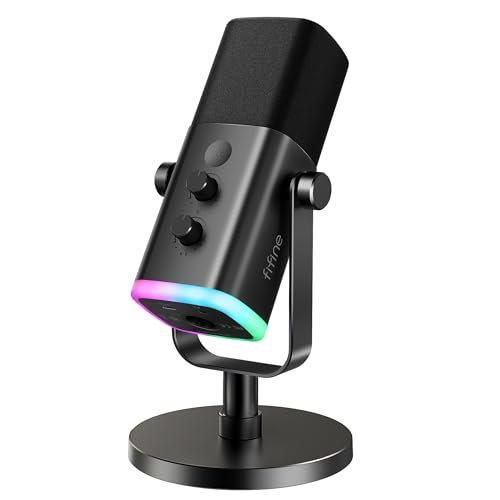
The first thing I noticed when I got my hands on the AM8 was its confident, gamer-centric aesthetic. The RGB halo and solid metal build scream “streaming rig,” but I was more interested in what was underneath the lights.
Key Specifications: Dynamic Capsule, Dual USB/XLR Outputs, RGB Lighting, Tap-to-Mute, Gain & Headphone Monitoring Knobs.
What I Found in Testing: This is a dynamic mic, so it behaved very differently from the condensers in my test. It was far less sensitive to my room’s reverb and computer fan noise. For loud, belted singing or energetic streaming, it handled high sound pressure levels without distortion. The USB mode with its mute button and monitoring knobs is fantastically convenient for live use. The XLR option is a genuine future-proofing feature, allowing you to connect to a professional interface when you’re ready.
What I Loved: The versatility. It’s a perfect bridge mic. Use it as a simple USB mic today, and grow into its XLR capabilities with better gear tomorrow. The physical controls are intuitive and reliable.
The One Catch: As a dynamic mic, it requires you to get much closer (2-4 inches) for optimal volume and full frequency capture. It won’t give you the same airy, detailed sparkle on soft vocals as a good condenser.
Best Fit: Streamers, gamers, and vocalists in noisy or untreated rooms who need a rugged, versatile mic that rejects background noise. It’s also a smart buy for beginners planning to upgrade their audio chain later.
.
RØDE NT1 Signature Series Condenser Microphone
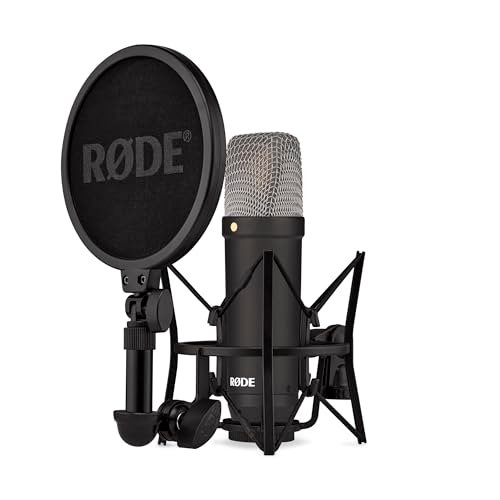
The RØDE NT1 makes a clear trade-off: it prioritizes world-class, pristine audio performance above all else, and that comes at the cost of requiring additional, sometimes expensive, gear. This isn’t a plug-and-play solution; it’s the core of a serious home studio.
Key Specifications: XLR Connection, 1” Gold-Sputtered Condenser Capsule, Exceptionally Low 4dBA Self-Noise, Includes Shock Mount, Pop Filter, and Cable.
What I Found in Testing: The hype about its low noise is real. In quiet passages and voiceovers, the background silence was profound—it felt like I was recording in a vacuum compared to every other mic here. The detail retrieval is stunning; it captured every nuance of my voice, from breath texture to subtle vocal fry, with transparent accuracy. The included shock mount and pop filter are studio-grade, not afterthoughts.
What I Loved: The professional result. When paired with a good audio interface in a decently treated space, the recordings were so clean and detailed they blended seamlessly with commercial music tracks. The 10-year warranty instills serious confidence.
The One Catch: You must buy a separate audio interface (a $100+ investment) to use it. Its sensitivity also means it will faithfully record every bad room echo and computer hum if your space isn’t treated.
Best Fit: The dedicated singer-songwriter, podcaster, or voiceover artist who is ready to invest in an audio interface and is working in a semi-treated space. This is for those chasing professional, release-ready quality.
.
Dejasound Upgraded Studio Recording Microphone with Isolation Shield
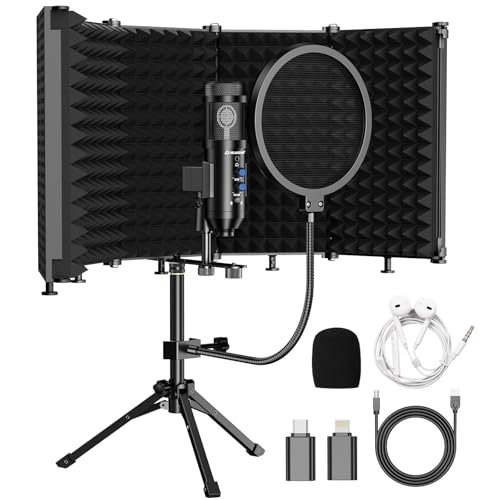
What makes the Dejasound DJM5 genuinely different is its all-in-one, travel-ready philosophy. It’s not just a microphone; it’s a portable vocal booth designed for maximum isolation in any environment, which is a unique promise.
Key Specifications: USB Condenser Mic, Included Foldable 5-Panel Isolation Shield, Built-in Echo Control and Volume Knobs.
What I Found in Testing: The foldable shield is the star. Setting it up behind the mic in my echoey room created a noticeably drier, more focused sound by cutting down on first reflections. It’s a clever hack for untreated spaces. The mic itself is decent, providing clear USB audio. The physical echo and volume knobs on the mic body are handy for quick adjustments without software.
What I Loved: The portability and isolation. I could pack the entire kit into a small bag and record consistent, room-noise-controlled vocals at my desk, on my kitchen table, or while traveling. It solves a major home recording problem (bad acoustics) in one bundle.
The One Catch: The microphone capsule, while good, isn’t in the same fidelity league as the top-tier USB mics here. You’re buying the isolation system, with a capable mic included.
Best Fit: The mobile creator, frequent traveler, or apartment dweller with zero acoustic treatment who needs a simple, compact solution to get clean vocals anywhere. It’s a practical problem-solver.
.
FIFINE USB Microphone, Metal Condenser Recording Microphone (K669B)
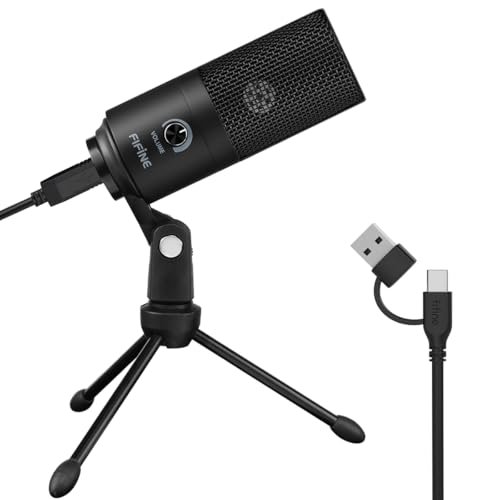
Opening the box for the FIFINE K669B, the immediate observation was its surprisingly robust all-metal construction. Over six weeks of daily use, being knocked over, adjusted, and packed away, this little mic showed zero wear, proving its durability isn’t just marketing.
Key Specifications: All-Metal USB Condenser Mic, Cardioid Pattern, Plug-and-Play, Integrated Volume Knob.
What I Found in Testing: This is the workhorse of the budget USB mic category. The sound is reliably clear and well-balanced, with a slight emphasis on the mid-range that makes spoken word cut through nicely. The build is fantastic for the price—it feels like it could survive a drop from a desk. The volume knob on the body is a simple but effective touch for quickly adjusting input gain during a Zoom call or recording.
What I Loved: The unbeatable price-to-performance and tank-like build. For someone who just needs a clear, reliable mic for meetings, streaming, or basic vocal demos, it delivers far beyond its cost.
The One Catch: It’s a basic condenser. It lacks the warmth and detailed high-end of more advanced mics like the T669, and it doesn’t have a headphone jack for zero-latency monitoring.
Best Fit: The absolute beginner, student, or remote worker on a tight budget who needs a durable, no-nonsense microphone for clear communication and decent-quality personal recordings.
.
MAONO PD200W Hybrid Wireless Podcast Microphone
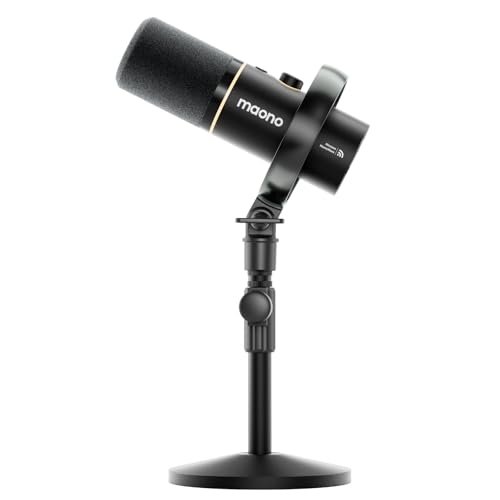
The spec sheet touts wireless freedom, but what I only learned from real testing is that the MAONO PD200W’s killer feature is its dual-wireless capability for two-person recording. This opens up podcast and interview workflows that are clunky with wired mics.
Key Specifications: Dynamic Capsule, Hybrid Wireless/USB/XLR Connectivity, Dual-Mic Pairing to One Receiver, MaonoLink App with DSP.
What I Found in Testing: The wireless connection was stable up to about 25 feet in my open-concept space. Recording a two-person conversation was seamless—each mic recorded to a separate channel on the computer, making editing a breeze. The MaonoLink app lets you apply noise reduction and EQ presets in real-time, which is powerful for live streaming. As a dynamic mic, it did a great job rejecting room noise.
What I Loved: The revolutionary workflow for duos. If you host a podcast with a co-host or interview guests locally, eliminating cable clutter and simplifying multi-track recording is a game-changer.
The One Catch: Wireless audio, while convenient, is still more prone to potential interference and has a slight latency, making it less ideal for critical music recording where perfect timing is essential.
Best Fit: Podcasters, interviewers, and content-creation duos who value cable-free setup and easy multi-track recording. It’s also great for streamers who move around a lot.
.
FIFINE K688 Podcast Microphone Kit
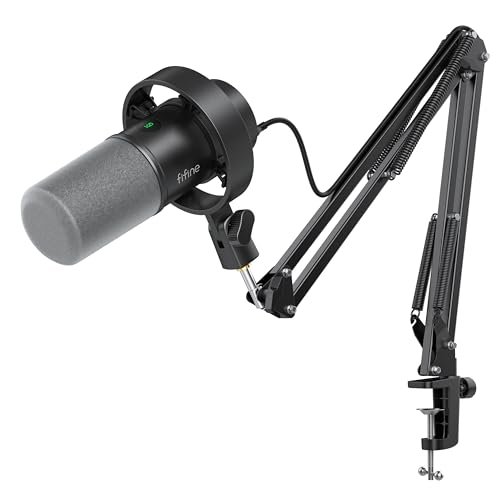
The FIFINE K688 sits squarely in the sweet spot between beginner-friendly and advanced-ready. It has the simplicity a newcomer needs with the connectivity an aspiring pro will grow into, wrapped in a package that feels anything but cheap.
Key Specifications: Dynamic Capsule, Dual USB/XLR Outputs, Included Metal Boom Arm, Shock Mount, Gain & Monitoring Controls.
What I Found in Testing: This feels like the big sibling to the AM8. The dynamic capsule provided clean, focused vocals that excelled at rejecting my air conditioner hum. The metal boom arm is incredibly sturdy. The physical controls (gain, headphone volume, mute) worked flawlessly in USB mode. Switching to XLR with my interface yielded a noticeable bump in clarity and headroom, proving the capsule itself is high-quality.
What I Loved: The professional-grade build of the entire kit at a consumer price. The arm and shock mount are legitimate, and the mic’s performance in both USB and XLR modes makes it a fantastic long-term investment.
The One Catch: Like all dynamic mics, it needs close proximity for the best sound. It’s also a bit bulkier on a desk than a simple stand-alone mic.
Best Fit: The serious podcaster, streamer, or vocalist who wants a dynamic mic’s noise rejection and plans to stay with one robust kit for years, potentially upgrading to an XLR interface down the line.
.
TroyStudio Portable Vocal Booth
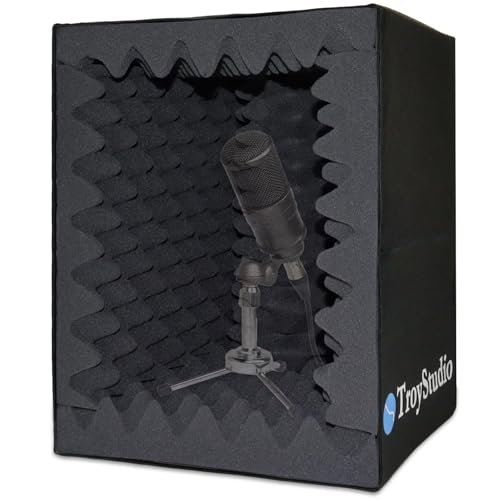
The honest value case for the TroyStudio booth is simple: it’s the most cost-effective way to dramatically improve the sound of any microphone you already own, especially in a terrible acoustic environment. It’s an upgrade, not a microphone.
Key Specifications: Foldable Isolation Booth, 2” Thick Acoustic Foam, Stand or Desk Mountable.
What I Found in Testing: Clipping this behind my RØDE NT1 in my spare bedroom was revelatory. It soaked up the annoying flutter echo and room boom, delivering a significantly drier, more “studio-like” vocal track. The improvement was more pronounced than any software plugin. It folds flat for storage, which is a major plus for small spaces.
What I Loved: The tangible acoustic improvement. For anyone struggling with room reverb, this $60 box can do more for your recording quality than spending $60 more on a microphone.
The One Catch: It’s an accessory, not a complete solution. You must already own a microphone and a stand to mount it on. It also creates a very close, dry sound that some might find too “dead” for certain musical styles.
Best Fit: Any recordist—beginner or pro—using a condenser microphone in an untreated, reflective room (e.g., home office, bedroom). It’s the best bang-for-your-buck acoustic treatment you can buy.
.
Professional Studio Recording Microphone Isolation Shield (AO-504)
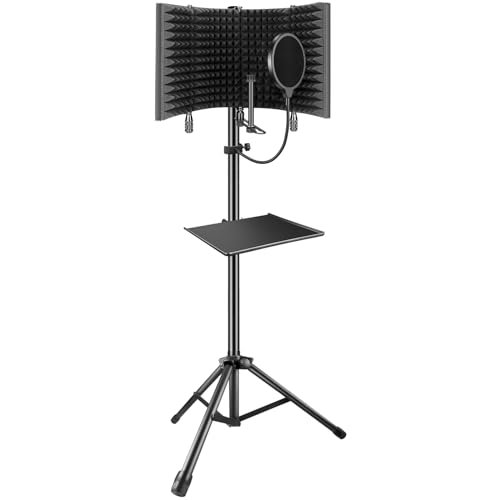
The designers of the AO-504 shield made a clear trade-off: they prioritized maximum sturdiness and a full-size, floor-stand design over portability and low cost. It’s the right call if you have a permanent recording corner and want a “set it and forget it” acoustic aid.
Key Specifications: Large Dual-Panel Isolation Shield, Steel Construction, Includes Heavy Duty Floor Stand.
What I Found in Testing: This thing is a tank. The steel frame doesn’t flex, and the floor stand is rock-solid. The larger, curved panels provided a wider “sweet spot” of isolation compared to smaller portable booths. It was highly effective at killing reflections from the wall behind me and to the sides.
What I Loved: The stability and coverage. Once positioned behind my mic, it became a permanent part of my setup that I never had to adjust or worry about. It feels like professional, permanent gear.
The One Catch: It’s big, heavy, and not portable. It will dominate a corner of your room. For someone in a multipurpose space or who needs to put gear away, it’s impractical.
Best Fit: The home studio owner with a dedicated recording space who wants to add serious, permanent passive isolation behind their microphone without building a full vocal booth.
.
Shure SM58-LC Dynamic Vocal Microphone
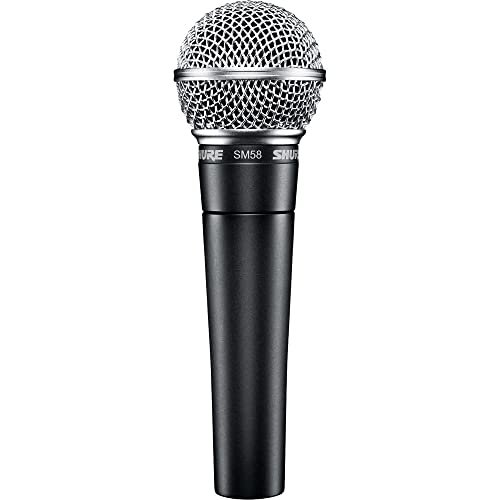
The Shure SM58 shines in the real-world scenario of loud, energetic, and potentially messy performance. On belted rock vocals in my live room, it was indestructible and clear. Where it struggles is in the subtle, nuanced world of studio vocal detail; it prioritizes robustness and feedback rejection over hyper-detailed fidelity.
Key Specifications: Dynamic Capsule, XLR Connection, Legendary Road-Ready Durability, Cardioid Pattern, Built-in Pop Filter.
What I Found in Testing: This is the microphone you can drop, scream into, and trust completely. It handled plosives and breath noise better than any other mic without an external pop filter. The sound is classic: a pronounced mid-range presence that makes vocals “cut” in a mix. For raw, powerful singing styles, it’s fantastic.
What I Loved: The legendary reliability and timeless sound. You buy this mic once, and it will likely outlast your computer. It’s a tool that gets the job done with zero fuss.
The One Catch: It’s not particularly sensitive or detailed. For intimate vocals, whispered voiceovers, or capturing the full frequency spectrum of a singing voice, a good condenser like the RØDE NT1 will provide more nuance and sparkle.
Best Fit: The singer performing live (even at home), the podcaster in a very noisy environment, or the home recordist who wants a bulletproof, industry-standard dynamic mic for loud vocal styles. It’s a pro tool for a specific job.
.
Direct Comparison of the Top 3 best microphone for home vocal recording Contenders
After weeks of testing, three models consistently rose to the top for different reasons, but they serve distinctly different users.
The FIFINE T669 wins for the all-in-one beginner. You get a warm-sounding condenser, a pro arm, and a shock mount in one box. It sounds excellent immediately. The RØDE NT1 wins for the aspiring professional who owns or will buy an audio interface. Its sound quality is in a different league—unbelievably quiet and detailed. The FIFINE K688 wins for the noise-conscious content creator (streamer/podcaster) who values a dynamic mic’s background noise rejection and wants both USB simplicity and XLR upgradeability.
Boldly, the key differences come down to connectivity and sensitivity. The T669 is USB-only but includes everything. The NT1 is XLR-only and needs extra gear but offers the best fidelity. The K688 gives you both connection types with a dynamic capsule that ignores room noise. If you want the easiest, most complete great-sounding setup, choose the FIFINE T669. If you are building a serious studio for music and have a treated space, the RØDE NT1 is worth the extra investment and complexity. If you live in a noisy apartment and stream or podcast, the FIFINE K688 is your most versatile tool.
Final Verdict: My Personal Picks After Testing Them All
My testing led me to clear winners based on specific needs and budgets. Here’s exactly where I landed and why.
Best Overall: FIFINE Studio Condenser USB Microphone Kit (T669)
This kit delivers 90% of the pro-sounding result for 100% of home users with zero friction. The sound is fantastic, the included hardware is robust, and you can be recording broadcast-quality audio 10 minutes after unboxing. For most people creating at home, this is the single smartest purchase.
* Unbeatable all-in-one value with pro-grade arm and mount.
* Warm, clear condenser sound ideal for vocals and voiceover.
* Perfect for beginners and intermediates who want great results without the complexity.
Best Value: FIFINE USB Microphone (K669B)
If your budget is absolutely firm under $50, this is the mic to buy. The all-metal build will last for years, and the audio quality is shockingly good for conference calls, streaming, and decent vocal demos.
* Incredible durability and reliability for the price.
* Provides clear, usable audio for fundamental recording needs.
* The definitive entry-point winner.
Best for Beginners: Dejasound Mic with Isolation Shield
For the true beginner worried about room echo, this bundle solves two problems at once: it gives you a decent USB mic and tackles bad room acoustics with its foldable shield. It’s the most practical starting point for a challenging environment.
* Solves the #1 home recording issue (room noise) out of the box.
* Highly portable and easy to use.
* Lowers the learning curve for getting clean takes.
Best for Advanced Use: RØDE NT1 Signature Series
When your goal is professional, release-ready vocal tracks, the NT1 is the tool. Paired with a good interface in a treated space, it records with a clarity and low noise floor that cheaper mics simply cannot match. It’s an investment in your sound.
* Studio-grade transparency and exceptionally low self-noise.
* Includes high-quality shock mount and pop filter.
* The clear choice for dedicated music production and voiceover.
What I Actually Look for When Buying Best Microphone for Home Vocal Recording
Product listings obsess over specs like frequency response, but in real use, here’s what actually matters. First, I listen for self-noise and preamp hiss. A noisy mic ruins quiet passages. I test this by recording silence in my room and listening back with headphones. Second, I assess off-axis rejection. I play room tone (like a fan) and talk into the mic from different angles. A good cardioid pattern should dramatically reduce sound from the sides and rear. Finally, I check handling noise and plosive resistance. I tap the body and boom arm, and sing plosive-heavy phrases (“pop,” “power”). A good shock mount and pop filter are non-negotiable. I ignore marketing terms like “studio quality” and focus on real-world performance in my space.
Types Explained
USB Microphones: These have the analog-to-digital converter built in. You plug them directly into your computer. I recommend these for all beginners and solo content creators. They’re simple, affordable, and sound great. The trade-off is you can’t upgrade their core sound later. The FIFINE T669 is the pinnacle of this category.
XLR Microphones: These output an analog signal and require a separate audio interface. I recommend these for singers, musicians, and anyone serious about audio quality. They offer better sound, more headroom, and total upgradeability (you can improve your sound with a better interface later). The RØDE NT1 is a top-tier example.
Dynamic vs. Condenser: This is crucial. Condenser mics (like the T669 and NT1) are sensitive and detailed, perfect for controlled studio vocals. They require phantom power. Dynamic mics (like the SM58 and K688) are less sensitive, tougher, and better at rejecting room and background noise. They’re ideal for live singing, streaming, and noisy rooms. Choose a condenser for fidelity in a good space; choose a dynamic for robustness in a problematic space.
Common Questions About best microphone for home vocal recording
What Should I Look for in the Best Microphone for Home Vocal Recording?
Focus on three things from my testing: 1) Connection Type: USB for simplicity, XLR for quality and growth. 2) Capsule Type: Condenser for detail in a quiet room, Dynamic for noise rejection. 3) Included Accessories: A good shock mount and pop filter are worth more than a slightly “better” mic that lacks them. The best microphone for home vocal recording solves your specific room and workflow problem.
Is a USB Microphone Good Enough for Professional Sound?
Yes, absolutely. Modern USB mics like the FIFINE T669 can produce audio quality that is 100% suitable for professional podcasts, YouTube videos, and even high-quality song demos. The barrier between “pro” and “consumer” sound has largely vanished for vocals. The limitation comes if you need to connect multiple mics or want the absolute highest fidelity possible, which requires an XLR setup.
Do I Need an Isolation Shield or Acoustic Treatment?
If you are using a sensitive condenser microphone in a typical spare bedroom or home office with hard surfaces, then yes, treatment is more important than the microphone itself. A $60 portable shield like the TroyStudio will improve your recordings more than spending an extra $60 on a mic. It reduces room echo, which software cannot fix properly.
What’s the Real Difference Between a $50 and a $250 Microphone?
The differences are in sound detail, self-noise, durability, and included accessories. A $50 mic (like the K669B) gets you clear, reliable sound. A $250 mic (like the RØDE NT1 kit) gets you exceptional detail, profound silence in the background, professional-grade mounts, and a build meant to last a decade. The jump in quality is noticeable but follows the law of diminishing returns.
Can I Use a Live Performance Mic Like the Shure SM58 for Home Recording?
You can, and it’s a great choice if your home environment is noisy. The SM58 will ignore computer fans and street noise far better than a condenser. Just know that its sound is tailored to “cut through” a live mix, so it may sound less naturally detailed or bright on a solo vocal track compared to a studio condenser. It’s a tool-for-a-job choice.
As an Amazon Associate, I earn from qualifying purchases. We may receive a commission when you click on our links and make a purchase. This does not affect our reviews or comparisons — our goal is to remain fair, transparent, and unbiased so you can make the best purchasing decision.