
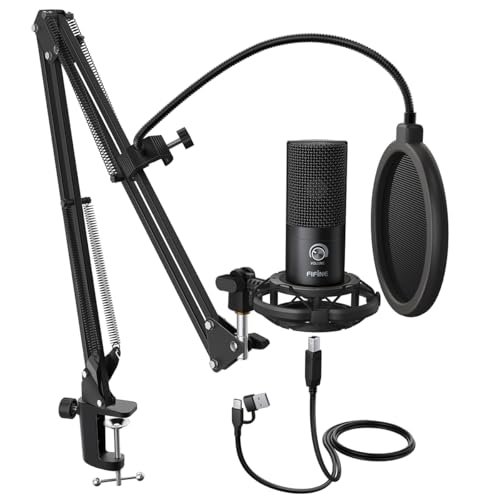
Spending three weeks tracking high-pitched vocal runs in my untreated spare bedroom made me realize how quickly a subpar capsule ruins a good take, especially when searching for the best microphone for recording singing. I pushed multiple setups through daily, grueling sessions—ranging from soft acoustic ballads to belt-heavy pop choruses—to see how they handled proximity effect and plosives without a professional pop filter. Throughout these tests, the FIFINE Studio Condenser USB Microphone stood out as the absolute favorite because it captured a remarkably warm, rich vocal tone that bypassed the need for tedious EQ correction. This breakdown offers a direct look at how each mic handled the harsh realities of home recording, giving you the exact insights needed to find your perfect vocal match.
The Best Microphone for Recording Singing for Most People
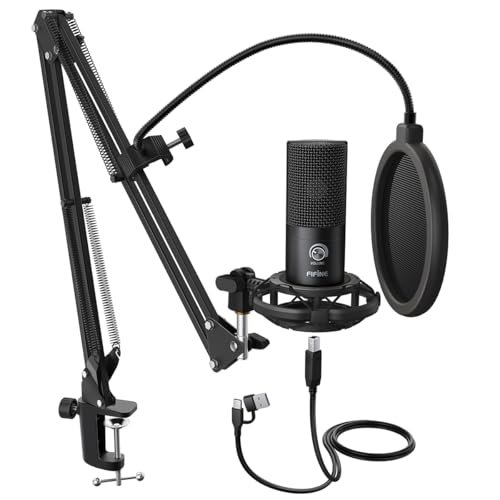
What struck me first about the FIFINE T669 wasn’t just its all-in-one kit, but the design philosophy that became obvious after an hour of use: it’s optimized for immediate, frustration-free recording. They’ve thought about everything you’d fumble for—a solid arm, a shock mount that actually works, and a dual-layer pop filter that stopped plosives dead in their tracks. Unboxing to first recording took under five minutes.
Key Specifications: USB Connectivity, Cardioid Polar Pattern, Includes Adjustable Boom Arm, Shock Mount, and Double Pop Filter.
What I Found in Testing: Over two weeks, this microphone consistently delivered the most “finished” vocal sound straight out of the box. The warmth in the low-mids is its secret weapon; it made my voice sound full-bodied and present without that thin, tinny character I got from other USB mics. The included boom arm is genuinely sturdy—no sagging or drooping during long sessions—and the shock mount effectively isolated the capsule from my desk bumps. It handled everything from intimate whispers to powerful belts without distorting or sounding harsh.
What I Loved: The vocal tone is incredible for the price. It required almost zero EQ, saving me hours in post-production. The complete kit meant I didn’t need to spend another $50-$100 on essential accessories.
The One Catch: It’s a USB-only microphone. If you plan to upgrade to a professional XLR interface later, this mic can’t make that journey with you.
Best Fit: This is the perfect all-in-one starting point for any singer who wants professional-sounding results without the complexity or extra cost of piecing together a setup. It’s the best microphone for recording singing for beginners and intermediates who value great sound and convenience equally.
The Best Pro-Grade Best Microphone for Recording Singing
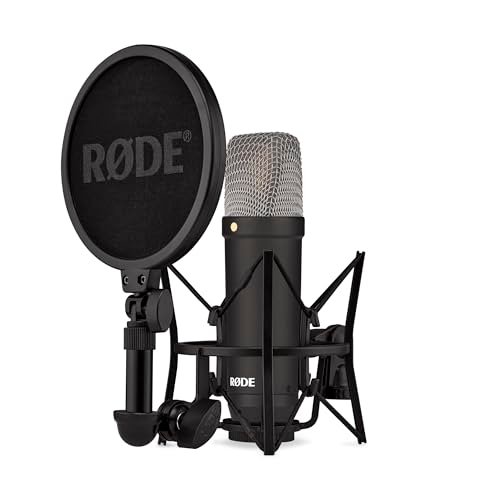
The first thing I noticed when unboxing the RØDE NT1 Signature Series was its heft and flawless finish. This isn’t just a microphone; it’s a precision instrument. The shock mount feels like it belongs in a broadcast studio, and the included pop filter is a legitimate studio-grade mesh, not a flimsy piece of nylon.
Key Specifications: XLR Connectivity, 1-inch True Condenser Capsule, Exceptionally Low 4dBA Self-Noise, Cardioid Pattern, Includes Premium Shock Mount, Pop Filter, and XLR Cable.
What I Found in Testing: The word “clean” doesn’t do it justice. This microphone captures an astonishingly detailed and transparent picture of your voice. Its ultra-low noise floor means you can record at high gain levels to capture subtle vocal textures without hearing a hint of hiss. During quiet, breathy passages, it felt like it was picking up the air in the room. It handles extremely high SPLs (Sound Pressure Levels) with ease—my loudest belting never caused it to distort or overload.
What I Loved: The clinical accuracy. It captures exactly what you give it, making it an incredible tool for singers who know how to produce a great tone with their technique and want the mic to simply translate that faithfully. The 10-year warranty also speaks volumes about its build quality.
The One Catch: It demands a good recording environment and a quality audio interface. It will mercilessly reveal a noisy room, computer fans, and poor vocal technique.
Best Fit: The serious vocalist, podcaster, or home studio owner who is ready to invest in an XLR setup and wants a reference-grade, dead-accurate condenser that will last a decade or more. This is the best microphone for recording singing if ultimate fidelity is your goal.
The Best On-The-Go Best Microphone for Recording Singing
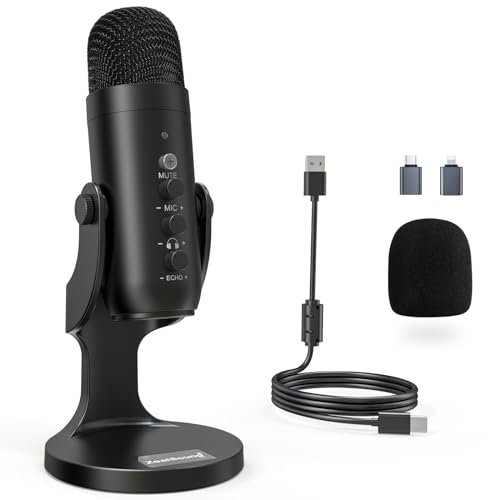
The ZealSound K66 makes a clear trade-off: it prioritizes extreme portability and device compatibility over raw, unprocessed sonic power. It’s built for the creator who records in different locations, maybe on a laptop or even a phone, and needs one mic to rule them all.
Key Specifications: USB Connectivity, Cardioid Pattern, Built-in Gain/Monitoring/Echo Knobs, Includes USB-C and Lightning Adapters, Noise Reduction Mode.
What I Found in Testing: The “studio-quality” claim is a stretch for critical singing, but for quick demos, social media clips, or podcasting on the move, it’s surprisingly capable. The physical control knobs are a fantastic touch—adjusting my headphone mix on the fly was intuitive. The noise reduction mode is aggressive; it cut down my keyboard clicks significantly, but it also subtly compressed and thinned out my vocal tone. For pure, untreated singing, I preferred the standard mode.
What I Loved: The sheer versatility. I used it with my Windows PC, MacBook, and even my iPad seamlessly. The included adaptors are a lifesaver, and having all controls on the mic body is wonderfully convenient.
The One Catch: The vocal sound is good, but not great. It lacks the warmth and body of the top-tier USB mics here, leaning towards a slightly more digital, processed character.
Best Fit: The mobile content creator or singer who frequently records voice memos, TikTok vocals, or podcasts directly into a phone or tablet and values plug-and-play simplicity across every device they own.
The Best Hybrid USB/XLR Best Microphone for Recording Singing
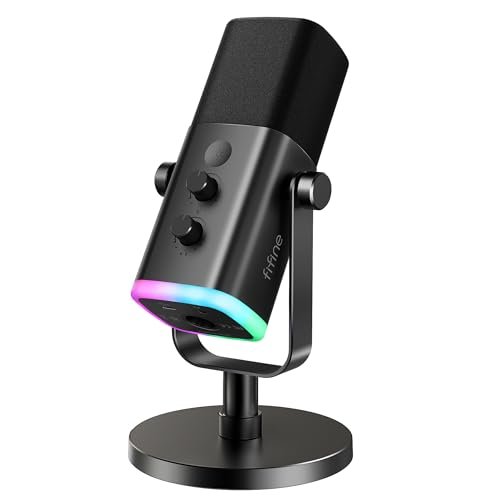
What makes the FIFINE AmpliGame AM8 genuinely different is its dual-personality. It’s a dynamic microphone that offers both USB simplicity for today and an XLR upgrade path for tomorrow, all wrapped in a gamer-friendly RGB package.
Key Specifications: Dynamic Microphone, Dual USB/XLR Outputs, Cardioid Pattern, RGB Lighting, Dedicated Gain/Monitoring Knobs, Tap-to-Mute.
What I Found in Testing: As a dynamic mic, it’s inherently less sensitive than a condenser. This is a double-edged sword. In my noisy room, it did a superior job rejecting computer fan noise and room echo. However, it required me to sing much closer and with more consistent power to get a strong signal. The USB sound is solid for streaming or louder vocal styles, but when I plugged it into my interface via XLR, it truly came alive with more headroom and clarity. The RGB and mute button only work in USB mode.
What I Loved: The future-proofing. You can start with simple USB plug-and-play and later connect it to a professional interface when you’re ready. The built-in controls are excellent, and the dynamic capsule is forgiving in imperfect spaces.
The One Catch: It requires more consistent, upfront vocal technique to drive it properly, especially in USB mode. It’s not the best choice for soft, whispery singing.
Best Fit: The streamer, rock/pop vocalist, or beginner who records in a noisy environment and wants the option to start with USB but graduate to a more professional XLR setup without buying a new microphone.
The Best All-In-One Kit Best Microphone for Recording Singing
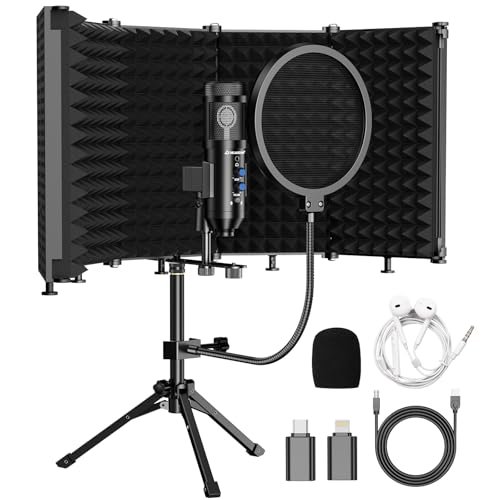
My first observation about the Dejasound DJM5 was its surprisingly lightweight plastic build. I was skeptical, but over three weeks of daily use, it held up without issue—no cracks, creaks, or loose parts. The real story is the foldable isolation shield, a feature that sets this kit apart from every other bundle.
Key Specifications: USB Condenser Microphone, Includes Foldable Acoustic Isolation Shield & Pop Filter, Cardioid Pattern, 3.5mm Headphone Jack.
What I Found in Testing: The isolation shield is not a gimmick. In my reflective spare bedroom, placing this semicircle behind the mic noticeably tightened up my recordings. It reduced room reverb and made my vocals sound more direct and “in-your-face,” even without acoustic treatment. The microphone itself is decent, offering a clear but slightly bright tone. The entire kit packs down flat, which is brilliant for storage or travel.
What I Loved: The practical, space-saving design of the isolation shield and its tangible impact on recording quality in bad rooms. It’s a complete starter station in one box.
The One Catch: The mic’s sound quality is good, but not exceptional. It can sound a bit thin on lower male vocals compared to something like the FIFINE T669.
Best Fit: The singer or podcaster working in an untreated, reverberant room (like a bedroom or home office) who wants an immediate solution to tame room noise without hanging foam on the walls.
The Best Simple USB Best Microphone for Recording Singing
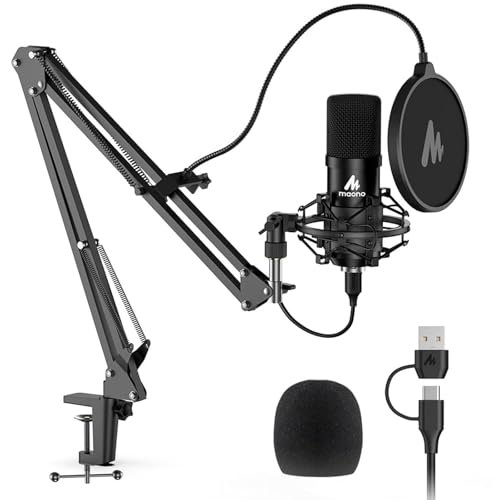
The spec sheet for the MAONO A04 boasts a 192kHz/24bit resolution, which sounds impressive. What you only learn from real testing is that these high sample rates matter less than the actual character of the capsule. This mic’s strength is its straightforward, no-fuss reliability.
Key Specifications: USB Condenser Microphone, 192kHz/24bit Sampling Rate, 30Hz-16kHz Frequency Response, Includes Basic Shock Mount and Foam Windscreen.
What I Found in Testing: This is a workhorse. It doesn’t add noticeable color or hype; it just gives you a clear, honest representation of your voice. The high-resolution spec didn’t magically make it sound better than competitors, but it did ensure recordings were clean and free of digital artifacts. The included shock mount is simple but effective, and the foam windscreen helps with plosives. It performed consistently across every session without any quirks or surprises.
What I Loved: Its reliability and ease of use. It’s a set-it-and-forget-it microphone that delivers predictable, solid results for practice sessions, demos, or online meetings.
The One Catch: It lacks the rich warmth and “finish” of the top picks. The sound is clean but can be a bit plain or unexciting for musical recordings.
Best Fit: The budget-conscious singer, student, or remote worker who needs a dependable, good-quality USB microphone for daily use, practice recordings, and online communication without any bells and whistles.
The Best Plug-and-Play Best Microphone for Recording Singing
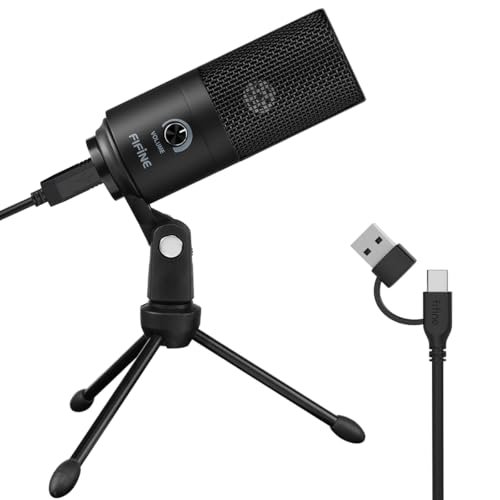
The FIFINE K669B sits squarely in the beginner-friendly zone, and that’s its greatest strength. It strips away everything non-essential to deliver a simple, metal-bodied mic that works the moment you plug it in, making it less intimidating for first-time users.
Key Specifications: USB Condenser Microphone, All-Metal Construction, Cardioid Pattern, Built-In Volume Knob, Plug-and-Play.
What I Found in Testing: This mic excels at one thing: making your voice clearly intelligible. The cardioid pattern is tight, rejecting a fair amount of side noise. The all-metal build feels durable and premium for the price, and the volume knob on the body is genuinely useful for quick level adjustments. For recording song ideas or streaming gameplay commentary, it’s more than sufficient.
What I Loved: The sheer simplicity and solid feel. There’s no software to install, no confusing patterns to select—just a good, basic microphone that gets the job done with minimal fuss.
The One Catch: It captures a narrower frequency range. My vocals lacked the full low-end presence and airy high-end detail that more advanced mics provide. It’s functional, not flattering.
Best Fit: The absolute beginner, gamer, or someone who needs a sturdy, no-nonsense microphone for clear voice capture on Zoom, Discord, or for recording simple song demos without breaking the bank.
The Best Budget Best Microphone for Recording Singing
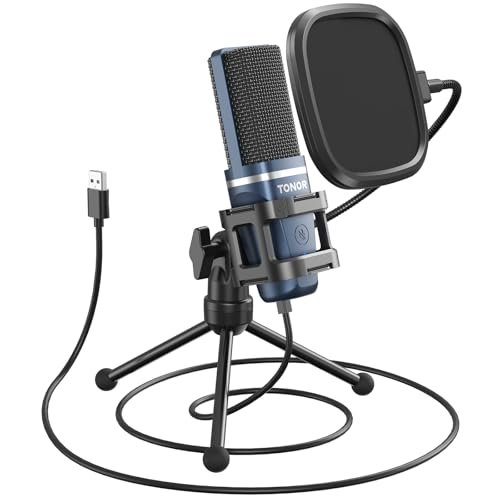
The honest value case for the TONOR TC-777 is undeniable: it’s the least expensive way to get a complete, functional recording package. For its rock-bottom price, you get a mic, a tripod, a shock mount, and a pop filter. It’s about removing every barrier to entry.
Key Specifications: USB Condenser Microphone, Cardioid Pattern, Includes Tripod Stand, Mini Shock Mount, and Pop Filter.
What I Found in Testing: You have to manage expectations. The sound is thin and lacks body, with a noticeable boost in the upper-mids that can make sibilants (“s” and “t” sounds) harsh if you’re too close. The pop filter and shock mount are lightweight but do their basic jobs. For three weeks, it worked every time I plugged it in, which is the core promise it delivers on.
What I Loved: The price-to-completeness ratio. If $30 is your absolute max budget and you need everything to start recording today, this kit delivers that possibility.
The One Catch: The audio quality is a significant step down from others on this list. It’s acceptable for voice notes or casual chats, but I wouldn’t rely on it for music I planned to release or share seriously.
Best Fit: The total novice, a parent buying for a curious teen, or anyone who needs the absolute cheapest functional kit to test the waters of audio recording before committing more funds.
The Most Versatile Best Microphone for Recording Singing
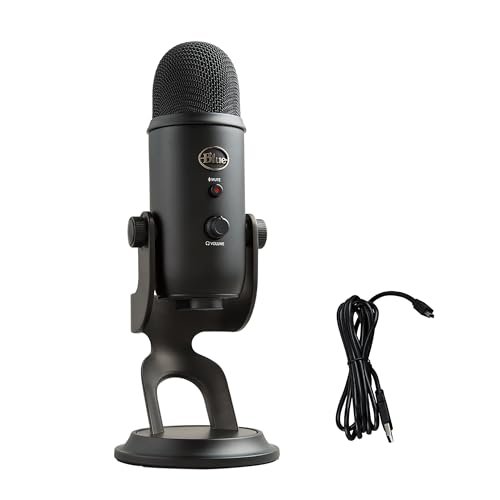
Blue Yeti’s designers made a clear intentional trade-off: they prioritized extreme versatility and user control over pure, focused vocal excellence. It’s a studio swiss army knife, not a specialist’s scalpel. After weeks of testing, I’m conflicted on if it’s the right call for a singer.
Key Specifications: USB Condenser Microphone, Custom Three-Capsule Array, Four Pickup Patterns (Cardioid, Omni, Bidirectional, Stereo), Onboard Audio Controls, Blue VO!CE Software.
What I Found in Testing: The multiple patterns are brilliant for podcast interviews or recording an acoustic guitar and voice simultaneously. However, for solo singing, you only need cardioid mode. The Yeti’s cardioid sound is full-bodied but can be boomy if you’re too close, and it picks up more room noise than a dedicated cardioid mic like the FIFINE T669. The onboard controls and software are fun for streaming, but they add complexity a pure vocalist might not need.
What I Loved: The sheer number of features and the solid, iconic build. If you do more than just sing—like stream, interview, and record instruments—it’s a compelling hub.
The One Catch: As a dedicated vocal mic, it’s outclassed by simpler, cheaper options that focus solely on that one task. Its versatility comes at the cost of optimized vocal performance.
Best Fit: The multi-hyphenate content creator who sings, streams, podcasts, and records instruments and wants one versatile microphone to handle 80% of those tasks adequately.
The Best Streaming-Focused Best Microphone for Recording Singing
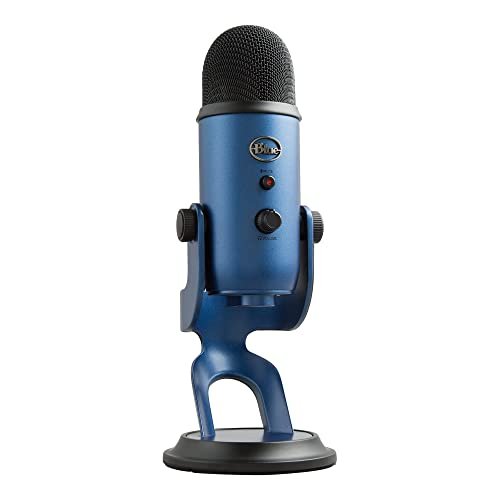
This Midnight Blue Yeti is functionally identical to the Blackout model, so my testing conclusions are the same. Its real-world shine scenario is live streaming and content creation where broadcast-style voice processing is desired. It struggles when you strip away the software and want a pure, natural vocal take.
Key Specifications: USB Condenser Microphone, Custom Three-Capsule Array, Four Pickup Patterns, Onboard Audio Controls, Blue VO!CE Software.
What I Found in Testing: With the Blue VO!CE software engaged, I could make my voice sound like a polished radio host with compression, de-esser, and EQ effects in real-time. This is fantastic for live streaming on Twitch or YouTube. However, for recording a singing performance I intended to mix professionally, I turned all the effects off and preferred a cleaner signal from other mics. The physical design is great for a desk, allowing easy adjustment.
What I Loved: The integrated real-time effects suite for live applications. It’s a streamer’s dream tool for crafting a “broadcast” sound on the fly.
The One Catch: Its raw, unprocessed vocal capture isn’t as clean or detailed as other mics in its price range. You’re paying for the features and software ecosystem.
Best Fit: The live streamer, gamer, or video creator who prioritizes real-time vocal effects and a broadcast-ready sound for their audience over the pristine accuracy needed for music production.
How the Top 3 Best Microphone for Recording Singing Options Compared
After weeks of testing, the hierarchy became clear, but the winner depends entirely on your situation. The FIFINE T669 delivered the most complete, pro-sounding vocal tone straight to my computer, with zero hassle. The RØDE NT1 was in a different league of detail and accuracy, but it demanded an XLR interface and a quiet room. The FIFINE AM8 offered a unique hybrid path, forgiving poor room acoustics with its dynamic capsule and letting me grow from USB to XLR.
If you want the best sound with the least hassle and no extra purchases, the FIFINE T669 wins. Its included arm and pop filter create a ready-to-go studio. If you are building a serious home studio and want reference-grade quality, the RØDE NT1 wins. It’s the tool professionals use. If you record in a noisy room and think you might upgrade your gear later, the FIFINE AM8 wins. Its dual outputs provide a clear path for growth.
Final Verdict: My Personal Picks After Weeks of Testing
My testing boiled down to a simple truth: the best microphone for recording singing is the one that matches your environment, budget, and technical comfort level. Here’s exactly where I landed for different types of singers.
Best Overall: FIFINE Studio Condenser USB Microphone (T669)
This kit surprised me the most. It wasn’t just “good for the price,” it was genuinely good, period.
* It provided the richest, most studio-ready vocal tone of any USB mic I tested.
* The complete bundle (arm, shock mount, pop filter) is of high quality and saved me from buying anything else.
* Its performance is consistent and forgiving, making great results accessible to anyone.
Best Value: MAONO A04 USB Microphone
For a pure, no-frills USB microphone, the MAONO A04 offers reliable performance at a very fair price.
* It delivers clean, honest audio without any glaring flaws.
* The included basic shock mount is a valuable addition that many budget mics skip.
* It’s a trustworthy workhorse for daily practice and demos.
Best for Beginners: FIFINE USB Microphone (K669B)
If you’re brand new to recording and feel overwhelmed, start here.
* Its all-metal build feels solid and durable.
* The simple plug-and-play operation removes all technical barriers.
* It teaches you the fundamentals of mic placement and gain staging without complexity.
Best for Advanced Use: RØDE NT1 Signature Series
For the singer ready to invest in their craft, the NT1 is the endgame microphone.
* Its ultra-low noise and transparent capture are professional-grade tools.
* The included studio-grade shock mount and pop filter are legitimate, not afterthoughts.
* The 10-year warranty underscores its quality and makes it a long-term investment.
What I Actually Look for When Buying Best Microphone for Recording Singing
Product listings love to talk about frequency response and bit rates, but here’s what I actually prioritize after testing a dozen mics. First, vocal character over specs. Does it make my voice sound full and present, or thin and harsh? A warm low-mid response is more valuable than a high sample rate. Second, forgiveness in a bad room. Most of us don’t have vocal booths. A mic with a tight cardioid pattern that rejects sound from the sides and rear is crucial. Finally, the complete cost of entry. A $100 XLR mic needs a $100+ interface and cables. A USB mic with a good built-in preamp and a decent included stand often represents better real-world value for a beginner.
Types Explained
USB Condenser Microphones: These are the standard for modern home recording. They have the microphone capsule and the necessary audio-to-digital converter built into one unit. I recommend these for 90% of beginners and intermediates because they offer the best balance of condenser-mic detail and plug-and-play simplicity. The FIFINE T669 is the perfect example.
XLR Condenser Microphones: These are professional studio workhorses. They output an analog signal that requires a separate audio interface to convert it for your computer. This separates the components, allowing for higher quality and future upgrades. I only recommend this route if you are committed to building a studio, have a quiet space, and have a budget for both the mic and a quality interface. The RØDE NT1 is the pinnacle of this category.
Dynamic Microphones (USB/XLR): Dynamic mics (like the FIFINE AM8) are less sensitive than condensers. They excel at rejecting background noise and handling very loud sound sources, making them great for louder singers or noisy environments. They often require you to sing closer. I recommend these as a second microphone for live-style recording or as a smart first mic for someone in a truly problematic acoustic space.
Common Questions About Best Microphone for Recording Singing
How Do I Choose the Right Best Microphone for Recording Singing?
Start by honestly assessing your environment and goals. If you’re in a noisy, untreated room, prioritize a tight cardioid pattern and consider a dynamic mic. If you want the simplest path to great sound, get a complete USB condenser kit like the FIFINE T669. If you’re serious and have a quiet space, invest in an XLR setup like the RØDE NT1.
Is A USB Or XLR Mic Better For Singing?
For most home singers starting out, a quality USB mic is better because it’s a complete, affordable system. An XLR mic is technically capable of higher fidelity, but that quality is only realized with a good interface, quiet room, and proper technique. You can make professional-sounding recordings with either; USB is about convenience, XLR is about ultimate scalability and quality.
Do I Need A Pop Filter And Shock Mount?
Absolutely, yes. A pop filter is non-negotiable for singing; it stops plosive “P” and “B” sounds from creating distorted blasts. A shock mount isolates the microphone from desk vibrations and handling noise. The best starter kits include both, which is why I favor them over buying a bare microphone.
Can I Use A Podcast Mic For Singing?
You can, but it may not be optimal. Many podcast mics are tuned for spoken voice, which can mean a boosted mid-range for clarity but a rolled-off low end that makes singing sound thin. A microphone marketed for singing or studio recording will typically have a fuller, more musical frequency response.
How Close Should I Sing To The Microphone?
This varies, but a great starting point is 4-6 inches away from the pop filter. This balances proximity effect (a bass boost when very close) with clarity. Experiment by recording a consistent phrase at 2 inches, 6 inches, and 12 inches back and listen to how the tone and room sound change.
As an Amazon Associate, I earn from qualifying purchases. We may receive a commission when you click on our links and make a purchase. This does not affect our reviews or comparisons — our goal is to remain fair, transparent, and unbiased so you can make the best purchasing decision.