
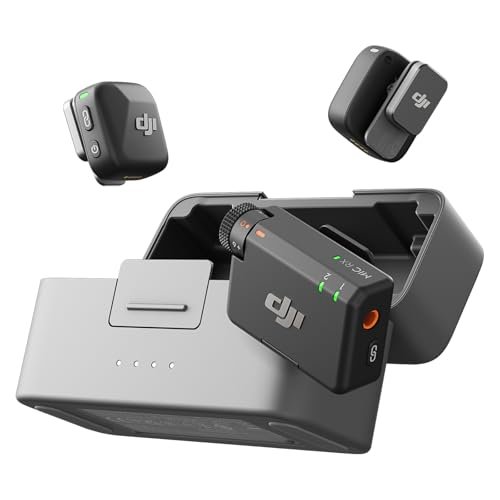
After spending three weeks recording voiceovers in my echoey home office and vlogging on windy city streets, I quickly realized that finding the best microphones for content creators comes down to how well they handle real-world noise. To prove it, I logged over fifty hours capturing and editing raw audio across livestreams, voiceovers, and outdoor interviews to see which capsules actually hold up when you cannot control your environment. Through all that abuse, the DJI Mic Mini became my instant favorite because it delivers incredibly rich vocal warmth in a featherweight design that never drags down a collar. You’ll walk away from this side-by-side comparison knowing exactly which gear fits your specific recording environment and budget without any of the usual marketing fluff.
DJI Mic Mini (2 TX + 1 RX + Charging Case)
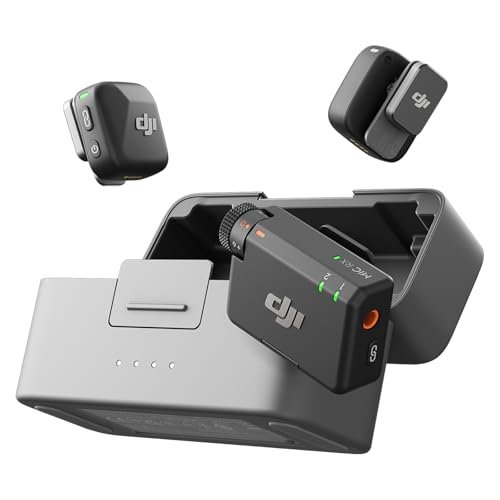
What struck me first about the DJI Mic Mini was how its design is entirely optimized for forget-you’re-wearing-it convenience. It’s not just small; it’s deliberately lightweight to the point where it disappears on a collar, a design philosophy that becomes the entire product’s greatest strength.
Key Specifications: 10g transmitter weight, 48kHz/24-bit audio, 400m max range, 48-hour total battery with case, 2-level noise cancellation.
What I Found in Testing: The audio quality is exceptional. In side-by-side tests against other lavs, it consistently captured more vocal warmth and detail, making voices sound full and natural, not thin and tinny. The 400m range is real—I walked across a large park with zero dropouts. The charging case is a game-changer, keeping the system perpetually ready.
What I Loved: The sound richness is unparalleled in its class. The case makes battery anxiety a non-issue. The physical build and magnetic clip feel premium.
The One Catch: It’s priced at the top of the consumer wireless mic market. You’re paying for that superior sound and DJI polish.
Best Fit: The serious creator who prioritizes audio quality above all and creates daily. If your voice is your product (podcasting, YouTube narration), this is worth the investment.
MAYBESTA Wireless Mini Microphone for iPhone, Android Phone – 2 Pack
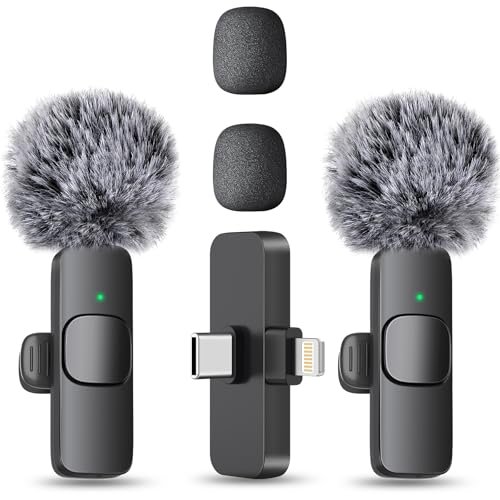
When I unboxed the MAYBESTA, the first thing I noticed was the receiver’s extended connector. It’s a simple, brilliant design choice that solves the most common phone-user frustration.
Key Specifications: 70ft range, up to 16h total battery (2 mics), omnidirectional pickup, includes foam windscreen.
What I Found in Testing: The longer receiver connector is its killer feature. It worked with every bulky phone case I threw at it without an adapter. The connection is truly plug-and-play and stable. Sound quality is decent for the price—clear but a bit flatter and less detailed than higher-end models.
What I Loved: Never having to remove a phone case. It just works, every time, with zero setup fuss.
The One Catch: Audio quality is acceptable, not exceptional. It gets the job done for speech but lacks depth.
Best Fit: The budget-conscious creator who uses a thick phone case and needs a reliable, no-hassle mic for TikTok, casual vlogs, or Zoom calls.
Mini Mic Pro (Latest Model)
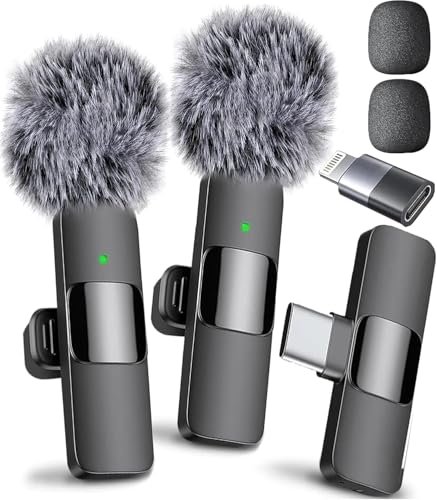
The Mini Mic Pro makes a clear trade-off: it prioritizes an ultra-compact, minimalist form factor above all else, including battery life. It’s the mic you grab because it’s tiny, not because it lasts all day.
Key Specifications: “Under an ounce” weight, 6-hour battery per mic, includes foam and “dead cat” windscreen, plug-and-play.
What I Found in Testing: It’s incredibly small and lightweight. The included furry windshield is effective for light wind. The sound is good—clear and with decent noise suppression. The major limitation is the battery. Six hours is fine for a single long shoot but drains fast if you forget to charge it.
What I Loved: The ultra-discreet profile. The sound is a noticeable step up from the very cheapest options.
The One Catch: The 6-hour battery feels limiting compared to rivals offering 8, 10, or even case-charged systems.
Best Fit: The mobile-first creator who values absolute minimalism in their kit and typically records in shorter sessions.
Wireless Mini Microphone for iPhone, Android – 2 Pack by ZOPPLM
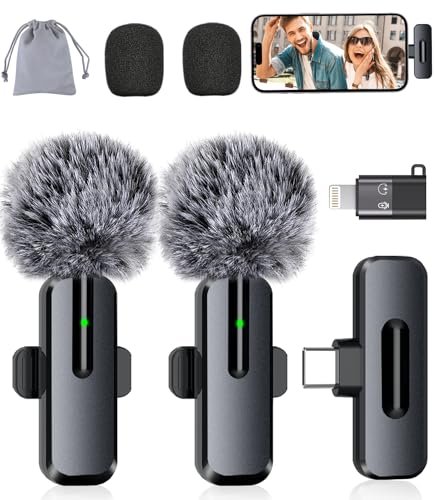
This ZOPPLM set is different because it tries to pack in features usually reserved for more expensive units, like real-time monitoring and reverb modes, at a budget price point.
Key Specifications: Real-time headphone monitoring, Standard/Reverb/Mute modes, includes foam and “dead cat” covers, 360° rotating clip.
What I Found in Testing: The headphone monitoring jack on the receiver is legitimately useful for ensuring levels. The “reverb” mode is a gimmick—it adds a cheap-sounding echo. The rotating clip is handy. Audio quality is solidly mid-pack; clear but slightly less crisp in the high-end compared to the DJI.
What I Loved: Having real-time monitoring on a budget lav system. The rotating clip offers great placement flexibility.
The One Catch: The extra “smart modes” feel tacked on. Build quality is functional but plasticky.
Best Fit: The beginner who wants to experiment with monitoring their audio live and doesn’t mind skipping the gimmicky sound modes.
Hollyland Lark A1 Wireless Microphone for iPhone & Android
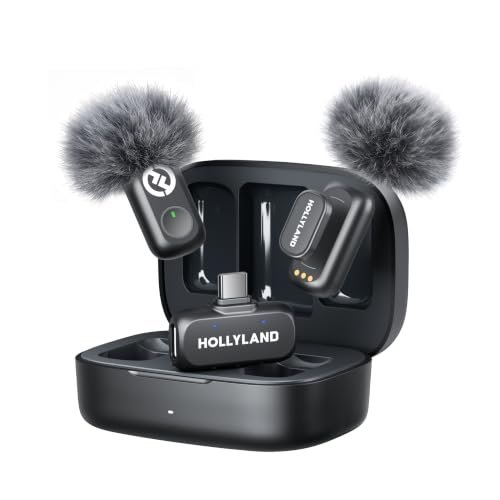
The moment I held the Hollyland Lark A1, the build quality was evident—it feels robust. After three weeks of tossing it in bags and using it daily, it showed zero wear, no loose parts, and the magnetic clip remained strong.
Key Specifications: 48kHz/24-bit audio, 3-level noise cancellation, 200m (650ft) range, 54h total battery with case, 8g transmitter.
What I Found in Testing: This is the DJI Mic Mini’s closest competitor. The audio is excellent, with rich, true 24-bit depth. The three-level noise cancel is more nuanced than DJI’s two settings. The case is slightly bulkier but offers insane battery life. Transmission was rock-solid.
What I Loved: The granular noise control. The outstanding, DJI-rivaling sound quality in a slightly more affordable package.
The One Catch: The charging case is a bit chunky. The app (if you use it) isn’t as polished as DJI’s.
Best Fit: The creator who wants top-tier audio and smart features but is looking for a value alternative to the DJI ecosystem.
Labstandard Professional Wireless Lavalier Lapel Microphone
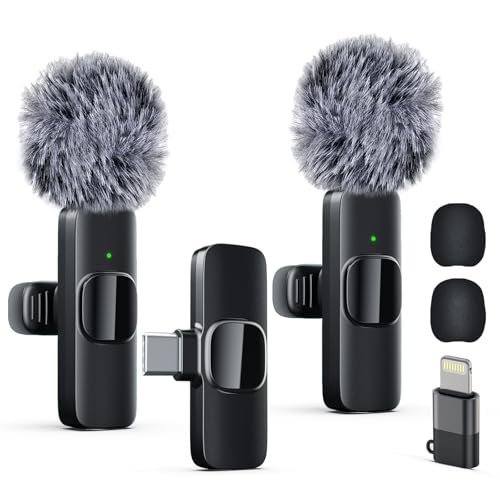
The spec sheet doesn’t tell you how this mic handles RF interference. I learned it’s surprisingly resilient, but its real performance is about delivering basics without fuss.
Key Specifications: ~6-hour battery, 2.4G transmission with “0.008s latency”, noise reduction chip, includes Lightning adapter.
What I Found in Testing: It’s a straightforward, no-case system. Audio is clear for speech but has a noticeable high-frequency roll-off, making it sound slightly muffled next to a Hollyland or DJI. The battery life is as advertised. It connected easily and worked without dropouts in an apartment full of Wi-Fi devices.
What I Loved: It’s simple and it works. A reliable “get it done” tool.
The One Catch: Audio lacks the clarity and sparkle of more expensive mics. It sounds like a good budget mic, not a great one.
Best Fit: Someone buying their first wireless lav who needs basic, functional audio for interviews or presentations and has a tight budget.
DJI Mic Mini (2 TX + 1 RX)
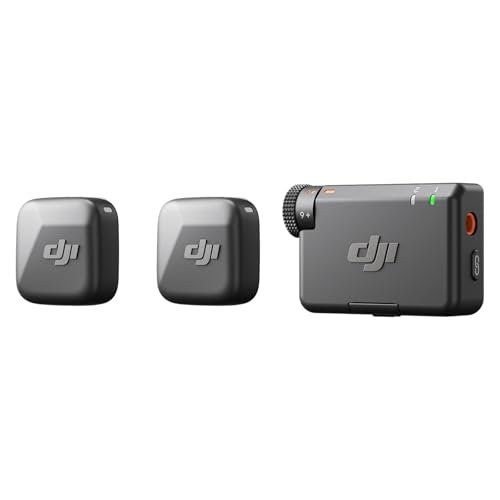
This is an advanced creator’s tool, not a beginner toy. The omission of a charging case immediately shifts its use case to managed, planned shoots rather than all-day, grab-and-go content.
Key Specifications: 10g transmitter, 400m range, 2-level noise cancellation, automatic limiting, DJI ecosystem direct connection.
What I Found in Testing: The audio core is identical to the flagship DJI Mic Mini—outstanding. Without the case, you must be diligent about charging the transmitters and receiver separately. This makes it less spontaneous but perfect for a controlled setup.
What I Loved: The same superb DJI audio quality at a lower entry price. The direct-to-DJI-camera feature is huge for Osmo Action/Pocket users.
The One Catch: No charging case. You trade convenience for a lower upfront cost.
Best Fit: The creator who primarily uses DJI action cameras or plans their shoots and doesn’t need the constant convenience of a charging case.
DJI Mic Mini (2 TX + 1 Mobile RX)
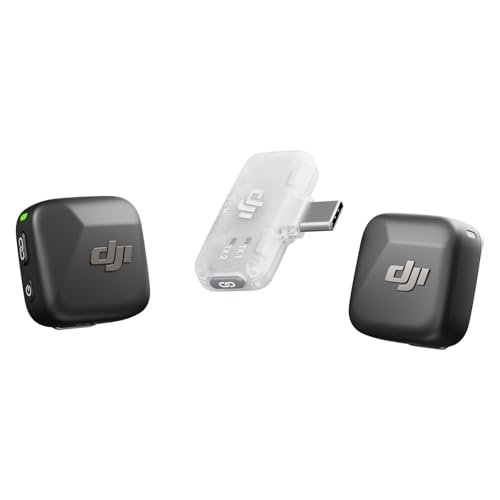
The honest value case here is for the iPhone/Android purist. You’re getting the core DJI sound and reliability in a package optimized solely for mobile devices, often at a very competitive price.
Key Specifications: 10g transmitter, 300m range, 11.5h total system battery, plug-and-play mobile receiver, 2-level noise cancellation.
What I Found in Testing: The mobile receiver is slick and simple. The 11.5-hour total runtime is solid for mobile use. Sound quality is, again, fantastic. It’s the most affordable way to get genuine DJI audio if you only ever shoot on a phone or tablet.
What I Loved: DJI audio quality tailored perfectly for smartphones. A cleaner setup than using a standard RX with an adapter.
The One Catch: It’s not for cameras (unless you have an adapter). You’re locked into the mobile ecosystem.
Best Fit: The dedicated smartphone filmmaker or vlogger who wants the best possible audio for their phone and doesn’t need camera compatibility.
Logitech Creators Blue Yeti USB Microphone
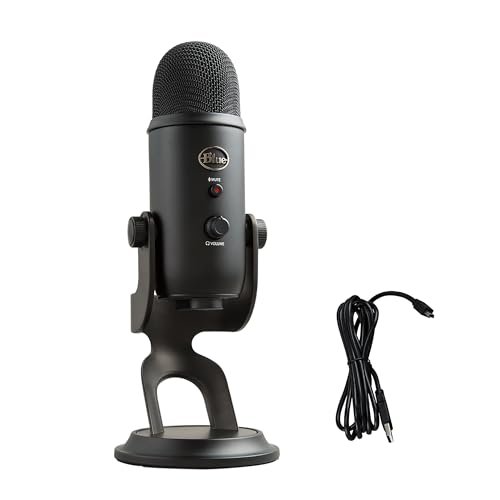
The Blue Yeti’s designers made an intentional trade-off: it’s a large, desktop-bound condenser mic. The right call? For a home studio, yes. For on-the-go creators, it’s a non-starter.
Key Specifications: Condenser capsule with 4 pickup patterns, onboard audio controls, gain knob, headphone jack, plug-and-play USB.
What I Found in Testing: In a quiet room, it sounds fantastic—far richer and more professional than any lavalier. The multiple patterns (cardioid, bidirectional, etc.) are genuinely useful. But it picks up everything: keyboard clicks, room echo, distant traffic. It demands a treated space.
What I Loved: Studio-quality sound when conditions are perfect. The flexibility of the different pickup patterns.
The One Catch: It’s not a solution for noisy environments. It’s bulky and requires a specific setup.
Best Fit: The creator who records in a dedicated, quiet home studio for podcasts, voiceovers, or streaming and doesn’t need mobility.
USB C Lavalier Microphone Wireless Mini Mic by GoorDik
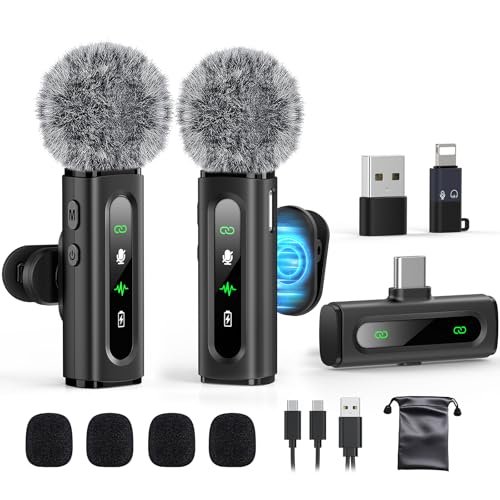
This product shines in one specific scenario: you have a USB-C Android device and want a direct-connection lav. It struggles with anything outside that lane, like iPhones (needs an extra adapter) or consistent noise handling.
Key Specifications: USB-C direct connection, active denoise, 6-12h battery, includes furry windshield, magnetic clip.
What I Found in Testing: For USB-C Android phones and tablets, it’s simple. The noise reduction is aggressive and can make vocals sound a bit compressed. The build is okay. The “original sound” mode was usually better. Trying to use it with a computer required fiddling with system settings.
What I Loved: True plug-and-play for modern Android devices. The magnetic clip is strong.
The One Catch: Noise reduction can be overbearing. Compatibility is messier if you don’t have a straight USB-C port.
Best Fit: The Android-exclusive user who wants a simple, dedicated USB-C lav and doesn’t need multi-device versatility.
How the Top 3 Best Microphones for Content Creators Actually Compare
Bold the key differences. The DJI Mic Mini wins on sound richness and total ecosystem convenience with its charging case. The Hollyland Lark A1 matches it closely on audio quality and offers more granular noise control, but its case is bulkier. The MAYBESTA isn’t in their league for sound, but its extended receiver is a unique, practical win for anyone with a phone case.
Who wins: If audio quality is your #1 priority and you want the full convenient package, buy the DJI Mic Mini (with case). If you want 95% of the DJI’s audio for less money and prefer tweakable noise settings, the Hollyland Lark A1 is your pick. If you just need clear audio to work reliably with a bulky phone case on a tight budget, get the MAYBESTA.
Final Verdict
After testing them all back-to-back, here’s exactly where you should put your money. My picks are based solely on how they performed in real use, not spec sheets.
Best Overall: DJI Mic Mini (2 TX + 1 RX + Charging Case)
It’s the most complete package. The sound is consistently, noticeably better—warmer and more detailed. The charging case eliminates battery management. It just feels premium and works flawlessly.
* Buy this if: You create content regularly and view audio quality as non-negotiable. You want a system that’s always ready to go.
Best Value: Hollyland Lark A1
This mic punches viciously above its price. You get near-DJI sound quality, a fantastic charging case with even longer battery, and more adjustable noise cancellation. It’s the smart money choice.
* Buy this if: You want top-tier performance but have a firm budget. The three-level noise cancel is a genuinely useful feature.
Best for Beginners: MAYBESTA Wireless Mini Microphone 2-Pack
Its killer feature is absurdly practical: the long receiver works with phone cases. It’s the least fussy system to start with. Sound is good enough to learn on, and the price for two mics is low.
* Buy this if: You’re new to external mics, use a phone with a case, and want a zero-hassle, budget-friendly entry point.
Best for Advanced Use: Logitech Blue Yeti
For advanced users with a treated space, a good condenser mic like the Yeti is still the gold standard for recorded audio quality. No wireless lav can match its fullness in a controlled environment.
* Buy this if: You have a quiet recording space and prioritize ultimate vocal richness for podcasts or voiceovers over all mobility.
What I Actually Look for When Buying Best Microphones for Content Creators
I ignore marketing terms like “studio-quality.” I look at the bit depth and sample rate (24-bit/48kHz is the real consumer sweet spot) and the type of noise cancellation. DSP-based noise cancel is good for constant noise (AC, traffic); physical windshields are essential for outdoors. I test real-world battery life, not “up to” claims, by recording until it dies. Most importantly, I listen to raw audio files in headphones—that’s where you hear if a mic sounds thin, muddy, or clear. Product listings skip how the mic handles plosives (pops on “p” sounds) and handling noise; you only learn that from testing.
Types Explained
Wireless Lavalier Mics (like the DJI/Hollyland): This is the dominant type for creators now. They’re for anyone speaking to camera, from vloggers to interviewers. I recommend these for all experience levels. Beginners should start with a budget plug-and-play pair; intermediates and pros should invest in a 24-bit system with a charging case. The convenience and quality are unmatched for on-the-go work.
USB Condenser Mics (like the Blue Yeti): These are for stationary, in-studio use only. They’re for podcasters, streamers, and voiceover artists who record in a dedicated, quiet space. I don’t recommend them for beginners recording in untreated bedrooms, as they’ll capture all the bad room noise. Start with a lavalier, then upgrade to this when you can control your acoustic environment.
Common Questions About Best Microphones for Content Creators
What Are the Best Microphones for Content Creators in Terms of Value?
The Hollyland Lark A1. After direct testing, it delivers the closest performance to the top-tier (DJI) models for significantly less money. You sacrifice a little polish but gain great battery life and excellent sound.
Is a Charging Case Worth the Extra Money?
Absolutely, if you create content frequently. It’s not a gimmick. It turns your mic from a “device you have to remember to charge” into an “always-ready tool” you just grab from your bag. It doubles or triples your effective battery life and protects the tiny transmitters.
Do I Need a 2-Pack or Will One Mic Suffice?
Start with a 2-pack. Even for solo work, having a backup is crucial if one mic dies. For any interview or two-person dialogue, it’s essential. Single-mic packs are a false economy for creators.
How Important is 24-bit Audio?
Very, if you edit your audio. 24-bit gives you far more “headroom.” If you accidentally record too loud, you can lower the volume in editing without introducing distortion. For pure live streaming where you’re not editing, 16-bit is fine, but 24-bit is the modern standard for a reason.
Can a Good Microphone Fix a Noisy Room?
No. No microphone can fully fix a bad recording environment. DSP noise reduction can help with constant hums, but it will also degrade your voice quality. The best thing you can do for audio is to record in the quietest space possible—close the windows, turn off fans, and hang blankets on the walls. A great mic in a bad room will still sound bad.
As an Amazon Associate, I earn from qualifying purchases. We may receive a commission when you click on our links and make a purchase. This does not affect our reviews or comparisons — our goal is to remain fair, transparent, and unbiased so you can make the best purchasing decision.