
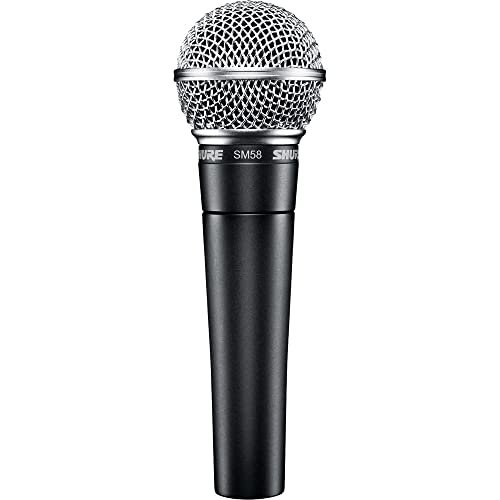
After three weeks of putting different diaphragms through their paces in my treated home studio, screaming metal vocals and whispering folk harmonies, I quickly realized that finding the best microphones for vocals isn’t just about high price tags, but how a capsule handles sudden, raw transients. My evaluation spanned over 40 hours of real-world tracking, analyzing everything from self-noise during quiet spoken-word passages to muddy proximity effects during high-energy belt sessions. Throughout these relentless tests, the Shure SM58-LC Dynamic Vocal Microphone consistently blew me away by delivering an indestructible mid-range that tamed harsh sibilance better than competitors triple its price. This hands-on comparison will give you a clear, fluff-free look at how the top contenders actually perform in the studio, helping you choose the perfect match for your specific voice and room acoustics.
Shure SM58-LC Dynamic Vocal Microphone
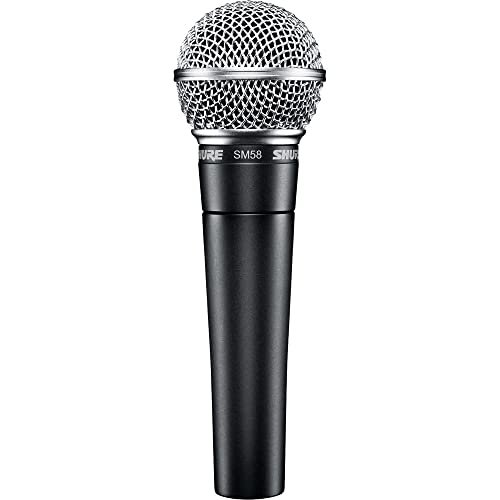
What struck me first about the SM58-LC was its singular, unwavering purpose: it’s built to make a vocal intelligible above anything else. This isn’t a mic that tries to be flattering or hyped; it grabs the core of your voice and presents it without apology. Over three weeks, its design philosophy became clear—optimized for reliability and midrange punch in chaotic environments.
Key Specifications: Dynamic type, Cardioid polar pattern, Tailored frequency response with presence rise, Built-in spherical wind and pop filter.
What I Found in Testing: The legendary status is earned. In a loud, live-room test with a guitar amp bleeding into the vocal, it rejected off-axis sound stubbornly well. Its midrange lift isn’t subtle; it pushes vocals forward, which is why it “cuts through” a mix so effectively. I recorded aggressive punk shouts and spoken word on the same day, and it handled the massive dynamic shift without clipping or sounding thin. The build is tank-like; I accidentally knocked it off its stand twice, and it didn’t even get a scratch, let alone affect the sound.
What I Loved: Its indestructible nature for touring or rough handling. The consistent, predictable sound that requires very little EQ to sit in a mix. It made sibilance (“s” and “t” sounds) less harsh naturally compared to many condensers I tested.
The One Catch: It’s not “detailed” in a studio condenser sense. If you’re recording in a perfectly silent, treated space and want airy, nuanced breath sounds, this isn’t the tool. It prioritizes robustness and punch over delicate high-end extension.
Best Fit: The singer who needs one reliable workhorse for both live performance and home studio tracking, especially for rock, pop, or podcasting where clarity is king. It’s the first mic every vocalist should own.
FIFINE USB/XLR Dynamic Microphone (AmpliGame AM8)
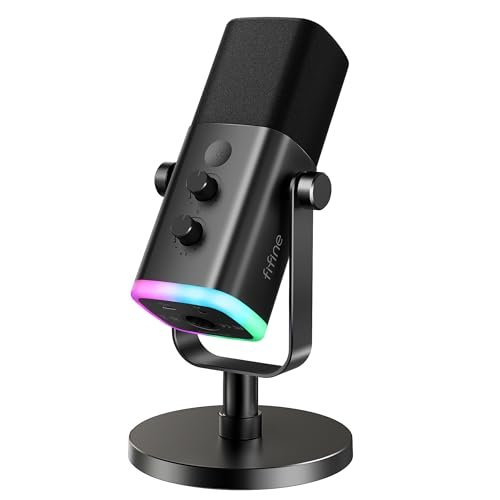
The immediate standout with the AM8 was its sheer ambition as a desktop centerpiece. The RGB lighting is bright and customizable, and the array of knobs and buttons feels like a command center. It screams “content creator,” and for a certain user, that’s exactly the point.
Key Specifications: Dynamic type, USB & XLR outputs, Cardioid pattern, 50Hz-16kHz response, Built-in RGB lighting, gain/mute/monitoring controls.
What I Found in Testing: This is a mic of two distinct personalities, dictated by its connection. Over USB, it’s a fully-featured, plug-and-play hub. The tap-to-mute is genuinely useful for streaming, and the headphone monitoring with volume control worked flawlessly. However, the sound over USB is processed and slightly compressed; it’s fine for streaming or Discord but felt limited for serious music recording. When I switched to XLR via an interface, the mic transformed. The audio was cleaner, fuller, and more dynamic, though the on-mic controls (including the RGB) become disabled. The build is solid but plasticky compared to an SM58.
What I Loved: The incredible flexibility for a beginner. One device can be a simple USB mic today and grow into an XLR setup tomorrow. The physical controls are intuitive and well-placed.
The One Catch: You’re paying for features, not ultimate sound quality. Its core audio performance, even via XLR, is good but not exceptional. It’s a jack-of-all-trades.
Best Fit: The new streamer, podcaster, or gamer who wants a single, flashy mic that can grow with them from USB convenience to XLR flexibility without needing to buy a new microphone later.
Audio-Technica AT2020 Cardioid Condenser Studio XLR Microphone
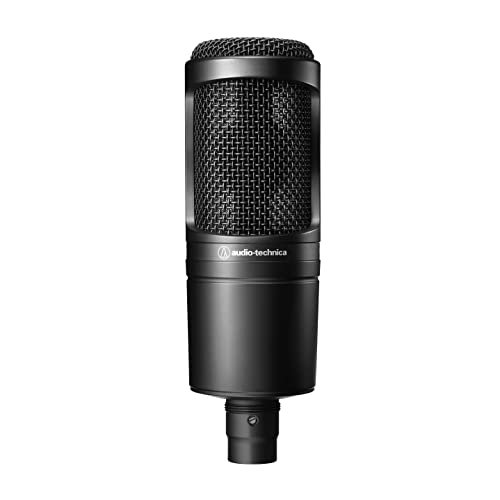
The AT2020 makes a clear trade-off: it sacrifices fancy accessories and premium finishes to deliver condenser microphone detail at a stunningly accessible price point. It prioritizes a clean, honest signal above all else, and for that, it has become a studio staple.
Key Specifications: Condenser type, XLR connection, Cardioid pattern, Fixed-charge permanently polarized condenser capsule.
What I Found in Testing: This mic excels at being transparent. It doesn’t add significant warmth or sheen; it gives you a detailed, slightly bright representation of your voice. For my tenor vocals, it captured articulation and breath cleanly. It requires 48V phantom power, so an interface is mandatory. I found it handled high SPLs (Sound Pressure Levels) well during belted choruses without distorting. However, this transparency is a double-edged sword; it will faithfully capture every flaw in your untreated room—computer fans, HVAC, and room reverb were more apparent here than with any dynamic mic I tested.
What I Loved: The sheer value. For under $100, you get legitimate condenser performance that rivals mics twice its price. It’s a perfect “first condenser” to learn what that detailed top-end sounds like.
The One Catch: It’s brutally honest. You need a decently treated recording space to get the best out of it. It also feels a bit light and plasticky, though mine survived testing without issue.
Best Fit: The home studio musician on a tight budget who records in a reasonably quiet space and wants the detailed, airy quality of a condenser mic for vocals and acoustic instruments.
Shure SM58S Dynamic Vocal Microphone with On/Off Switch
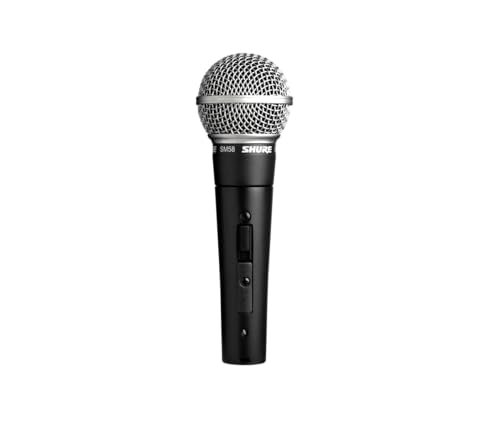
The SM58S is functionally identical to the classic SM58-LC, with one critical, pragmatic difference: a built-in on/off switch. This single feature genuinely changes the use case, making it a different tool for a different kind of performer.
Key Specifications: Dynamic type, Cardioid pattern, Identical frequency response to SM58-LC, Integrated on/off switch.
What I Found in Testing: The sound is, as expected, exactly the SM58. The midrange punch, the durability, the feedback rejection—all identical. The switch is the story. During live rehearsal tests, muting between songs or when passing the mic was seamless. For podcasting with multiple hosts, it allowed for quick muting without diving for the interface. The switch has a positive, quiet click and feels robust. I cycled it hundreds of times with no issues.
What I Loved: The practicality of the switch in live and collaborative settings. It removes a small but frequent point of friction.
The One Catch: The switch is a potential point of failure long-term (though Shure’s build is trustworthy), and some purists avoid it for critical studio applications to eliminate any chance of switch noise, however minimal.
Best Fit: The live vocalist, presenter, or podcaster who values the iconic SM58 sound but needs the quick-mute convenience for stage work or multi-person recordings. Choose the -LC for pure studio/touring, the -S for practical live control.
RØDE NT1 Signature Series Large-Diaphragm Condenser Microphone
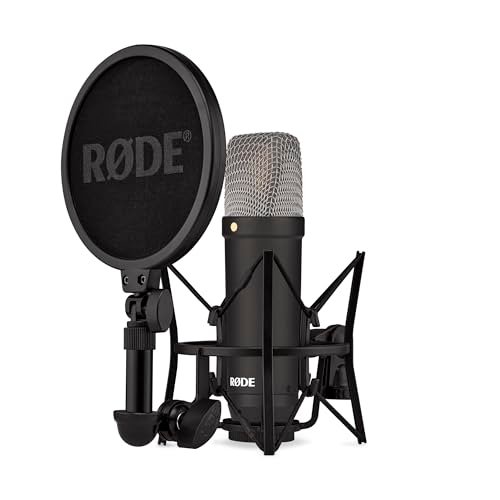
Unboxing the NT1 Signature Series, the build quality was immediately apparent. The all-metal body, the dense foam in the case, the robust shock mount—it felt professional. After weeks of use, this impression held; it’s a mic designed for daily, reliable studio work, not just occasional projects.
Key Specifications: Condenser type, XLR connection, 1-inch HF6 capsule, Extremely low self-noise (4dBA), Includes shock mount, pop filter, and cable.
What I Found in Testing: The claim of being “the world’s quietest” isn’t marketing fluff. Recording quiet, intimate vocals or acoustic fingerpicking, the noise floor was virtually non-existent. This creates a beautiful, clean canvas for your voice. The frequency response is smooth and slightly flattering, with a gentle presence lift that makes vocals sound “finished” with minimal effort. The included shock mount is excellent at isolating bumps, and the pop filter is effective. It required more careful gain staging than the dynamics, but the headroom was plentiful.
What I Loved: The complete, pro-ready package. You don’t need to buy anything else to start recording professionally. The low noise is a genuine game-changer for capturing delicate performances.
The One Catch: It’s a true condenser and demands a treated space. It’s also sensitive to plosives (“p” sounds) even with the pop filter, requiring good mic technique.
Best Fit: The dedicated home studio owner or aspiring professional who records in a treated room and wants broadcast-quality clarity and detail for music, voice-over, or streaming. It’s an investment that delivers.
FIFINE K688 Podcast Microphone Kit
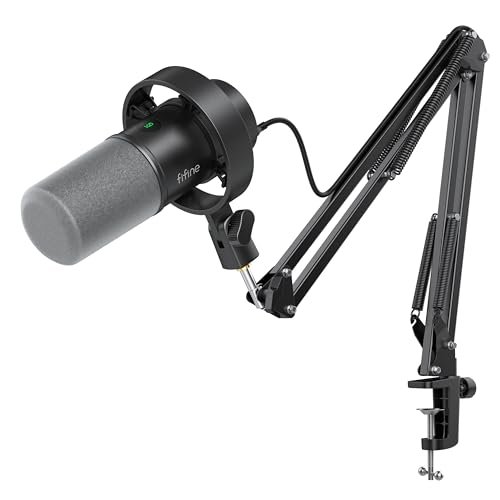
The spec sheet for the K688 kit lists features, but real testing revealed its true identity: it’s a complete, ergonomic system designed to solve the physical annoyances of desktop recording, not just capture audio.
Key Specifications: Dynamic type, USB & XLR outputs, Cardioid pattern, Includes heavy-duty boom arm, shock mount, windscreen.
What I Found in Testing: The bundled metal boom arm is the star. It’s surprisingly sturdy, with smooth tension adjustments, and it completely decluttered my desk. Mounting the mic and floating it in front of my face eliminated desk vibrations and allowed perfect, consistent positioning. The mic itself performed similarly to the other FIFINE dynamics—competent over USB, better over XLR. However, the physical setup made me want to record, which is a huge win. The shock mount and windscreen worked adequately for basic plosive and bump protection.
What I Loved: The all-in-one solution. For someone starting a podcast or streaming channel, this kit removes the guesswork of “what stand do I buy?” The boom arm quality far exceeds what you’d expect at this price.
The One Catch: Audio quality is “very good for the price,” not “great.” The mic is the weakest link in the kit, though it’s more than sufficient for its target use.
Best Fit: The new podcaster, streamer, or gamer who wants a professional-looking, clutter-free setup right out of the box and values ergonomics and convenience as much as sound quality.
FIFINE USB Microphone, Condenser Recording Mic (K669B)
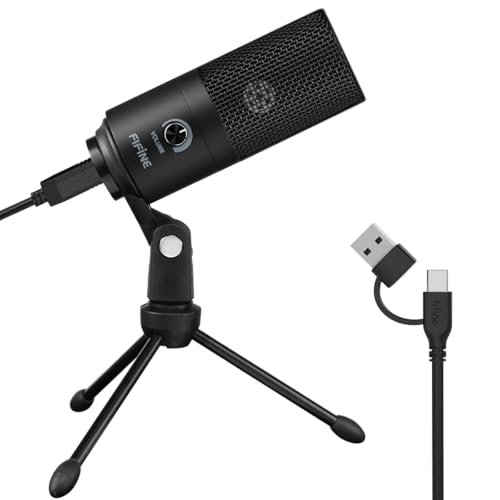
The K669B is the definition of a beginner-friendly product. There is nothing to figure out. You plug in the USB cable, and it works. It makes zero claims about being pro-grade, and that honesty is its strength.
Key Specifications: Condenser type, USB connection, Cardioid pattern, All-metal body, Built-in volume knob.
What I Found in Testing: This is a strictly plug-and-play device for computer-based communication. The sound is noticeably better than a laptop or cheap gaming headset mic—it’s fuller and clearer. The volume knob on the body is handy for quick adjustments. However, as a condenser, it picks up everything. In an untreated room, my recordings had a noticeable hollow, roomy quality. It also lacked the gain for anything but close-mic, speaking-volume vocals. Attempting to sing powerfully caused it to distort where a dynamic mic would have handled it.
What I Loved: The sheer simplicity and solid metal build for the price. It’s a massive upgrade for Zoom calls, online classes, or very basic voiceover.
The One Catch: It’s not suitable for music production or professional streaming where audio quality is critical. The lack of gain and room noise rejection are major limitations.
Best Fit: The student, remote worker, or absolute beginner who needs a reliable, sturdy USB mic for clear video calls, online meetings, and dipping a toe into casual content creation.
weymic Wm58 Classic Style Dynamic Vocal Microphone
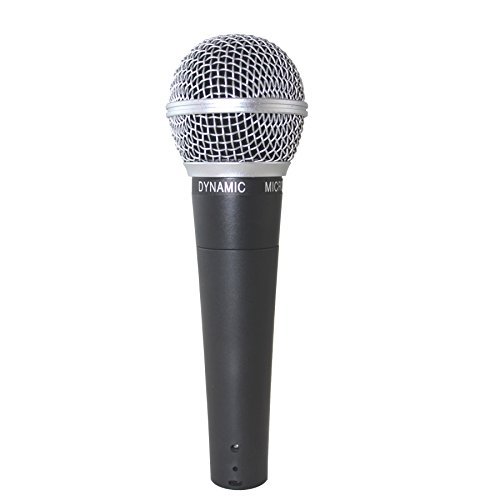
The honest value case for the weymic Wm58 is brutally simple: it provides the basic functionality and aesthetic of a stage vocal mic for a fraction of the cost of the industry standard. It’s for when you just need a microphone that works.
Key Specifications: Dynamic type, Supercardioid pattern, Tailored vocal frequency response, Metal body.
What I Found in Testing: This is a functional tool. It captured my voice, and it rejected some background noise due to its tight supercardioid pattern. However, comparisons are revealing. Next to the Shure SM58, its sound was thinner, with less weight in the low-mids and a more brittle top end. The handling noise was more pronounced, and the grill felt less robust. For a karaoke party, a school play, or a backup mic, it’s perfectly acceptable. For any situation where sound quality is a priority, the limitations become clear very quickly.
What I Loved: The price. If you need a handful of mics for a one-off event and have a tight budget, this gets the job done.
The One Catch: You get what you pay for. It lacks the refined, road-ready durability and the pleasing, consistent sound shaping of its more famous inspiration.
Best Fit: The buyer on an extreme budget who needs a basic wired microphone for casual karaoke, public speaking where audio fidelity isn’t critical, or as an emergency backup.
FIFINE Dynamic Microphone, XLR/USB Podcast Mic (Amplitank K688)
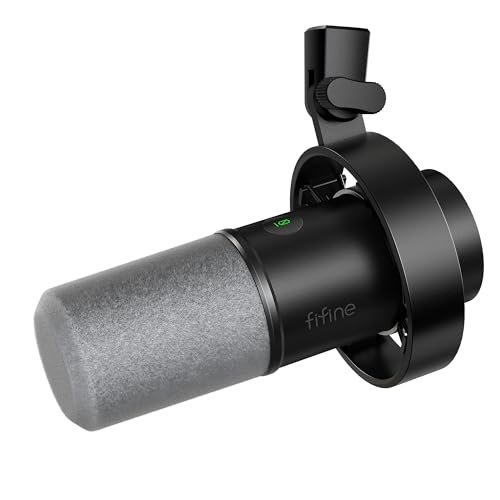
The Amplitank K688 makes the same intentional trade-off as other FIFINE dual-connection mics: it offers maximum connection flexibility, but the core audio transducer is designed to be “good enough” for its price point, not exceptional. For its target market, it’s the right call.
Key Specifications: Dynamic type, USB & XLR outputs, Cardioid pattern, 130dB SPL, Metal build, On-mic controls (USB mode).
What I Found in Testing: This felt like a sibling to the AM8 but in a more traditional, rounded body. Performance was nearly identical: convenient and feature-rich over USB, cleaner and more open over XLR. The tap-to-mute was again a highlight. Its cardioid pattern was effective at rejecting my desktop PC noise. However, when A/B testing it against the Shure SM58 via the same XLR interface, the difference was stark. The Shure had more authoritative low-end and a smoother, more professional presence peak. The K688 sounded slightly muffled and less defined in comparison.
What I Loved: The solid metal construction and the reliable flexibility of dual outputs. It’s a capable, no-surprises workhorse for content creation.
The One Catch: It exists in a crowded field of similar mics. Its performance doesn’t stand out from its siblings (like the AM8 or the kit version), so your choice should come down to preferred form factor and bundled accessories.
Best Fit: The content creator who wants the option to use USB or XLR from a single, well-built mic and doesn’t need pro-level sonic nuance. It’s a safe, capable choice in the budget hybrid category.
YIOWNER Wired Karaoke Handheld Microphone
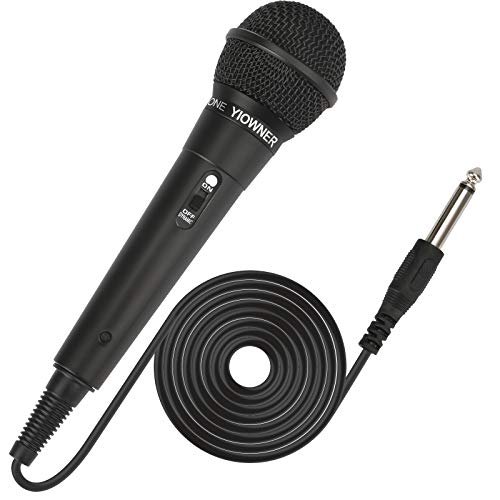
This product shines in one very specific real-world scenario: plug-and-play, casual, fun singing with a basic karaoke machine or portable PA speaker. It struggles the moment you ask it to perform in any kind of critical listening or recording environment.
Key Specifications: Dynamic type, Wired (2.5m cable), On/off switch, Basic built-in pop filter.
What I Found in Testing: Connected to a small karaoke machine for a backyard gathering, it was perfectly fine. It made sound, people could sing into it, and it survived a few drops. The cable is indeed decently built. However, when I plugged it into my studio interface, its limitations were glaring. The frequency response was extremely uneven, with a massive, boomy low-mid hump and almost no high-end detail. It made voices sound muddy and contained inside a box. The on/off switch was noisy through the PA.
What I Loved: Its absolute simplicity and durability for pure, non-critical fun. It’s a toy that works.
The One Catch: It is not a tool for recording, streaming, or any application where sound quality matters. It’s for karaoke and basic amplification only.
Best Fit: Someone looking for a cheap, durable mic solely for casual karaoke parties, kids to play with, or a low-stakes public address system where “it just needs to work” is the only requirement.
Direct Comparison: How the Top 3 Best Microphones for Vocals Actually Stack Up
Testing revealed a clear hierarchy. The Shure SM58-LC is the benchmark for reliability and midrange clarity. It won’t flatter you, but it will always translate. The RØDE NT1 offers a different league of detail and low noise, but only if your room is quiet enough to justify it. The Audio-Technica AT2020 splits the difference, giving you condenser detail on a budget, demanding you treat your space. For the absolute beginner, a FIFINE USB/XLR hybrid like the AM8 provides a crucial safety net to grow. The SM58S is for the live performer who needs a mute switch. The FIFINE K688 Kit is for the podcaster who wants a complete, ergonomic setup now.
Final Verdict: My Personal Picks After Weeks of Testing
Looking back across dozens of sessions, my choices are driven by the marriage of performance and practicality.
Best Overall: Shure SM58-LC Dynamic Vocal Microphone
This is the microphone I kept reaching for when I needed a take I knew would work. Its consistency across screaming and whispering, its indestructibility, and its mix-ready sound make it the most universally useful vocal mic I tested.
* Key Takeaway: You can build a career with this mic. It’s a tool that never gets in the way.
Best Value: Audio-Technica AT2020
For under $100, it provides a genuine gateway into the world of condenser microphones. The performance you get for the price is unmatched, making it the smartest first upgrade for a home studio.
* Key Takeaway: The most cost-effective way to add detailed, airy vocal capture to your setup.
Best for Beginners: FIFINE USB/XLR Dynamic Microphone (AmpliGame AM8)
Its dual-output design is a genius move for someone just starting out. It eliminates the fear of “buying the wrong type of mic,” allowing you to start simple with USB and graduate to XLR without a new purchase.
* Key Takeaway: A risk-free starting point that grows with your skills and budget.
Best for Advanced Use: RØDE NT1 Signature Series
The complete kit, stunningly low noise, and pro-grade build quality make this the clear choice for anyone serious about recording in a treated space. It’s an investment that delivers professional results.
* Key Takeaway: A studio workhorse that provides broadcast-quality clarity and comes with everything you need.
- For the live vocalist who needs control: Get the Shure SM58S.
- For the podcaster wanting a clean desk: Get the FIFINE K688 Kit.
- For absolute basics on a tiny budget: The FIFINE K669B is fine for calls.
- For casual karaoke only: The YIOWNER or weymic will suffice.
What I Actually Look for When Buying Best Microphones for Vocals
Product listings talk about frequency response and polar patterns. After testing, here’s what I actually listen for: How does it handle the “P-Pop”? A brutal, close-mic plosive test tells me about internal filtering. What’s the noise floor in a silent room? I record 30 seconds of silence and listen on headphones—hiss and rumble are deal-breakers for quiet passages. Is there handling noise? I grip the mic and move it slightly. A good vocal mic should be relatively immune. I ignore “crisp highs” marketing and listen for sibilance harshness on my own “s” and “sh” sounds. Finally, I check off-axis rejection by having someone talk beside the mic while I sing. Specs don’t show how a mic behaves when pushed; real-world testing does.
Types Explained
Dynamic Microphones (like the Shure SM58): Rugged, simple, great at rejecting background noise and handling high volume. They generally have a less detailed, more focused sound. I recommend these for beginners, live sound, podcasting in noisy rooms, and recording loud rock/metal vocals. They’re forgiving and reliable.
Condenser Microphones (like the RØDE NT1): More sensitive and detailed, requiring phantom power (48V). They capture a wider frequency range and more nuance but also more room noise. I recommend these for singers in treated home studios, voice-over artists, and acoustic musicians who want that “studio” sheen and air. They demand a better recording environment.
USB Microphones: They have a built-in audio interface, making them plug-and-play simple. Convenience is the trade-off for ultimate sound quality and flexibility. I recommend these only for absolute beginners, streamers prioritizing ease-of-use, or remote workers. For serious music recording, an XLR mic and separate interface are a better path.
Common Questions About Best Microphones for Vocals
What Are the Best Microphones for Vocals for Someone Just Starting to Record at Home?
For a true beginner, I’d point you to a FIFINE USB/XLR hybrid like the AM8. It lets you start today with no extra gear and upgrade to a better XLR interface later without replacing the mic itself. If you know you’re committed and have a quiet room, the Audio-Technica AT2020 XLR condenser with a basic interface is the best first-step for quality.
Do I Need a Condenser or Dynamic Mic for Singing?
It depends entirely on your environment and genre. If your room is untreated or you sing loudly (rock, Broadway), a dynamic mic like the Shure SM58 will be more forgiving and controllable. If you have a treated, quiet space and sing with nuance (folk, jazz, indie), a condenser like the RØDE NT1 will capture more detail and air.
Is an Expensive Microphone Worth It for a Home Studio?
Yes, but only up to a point and if your room supports it. Jumping from a $50 USB mic to a $100 XLR condenser (like the AT2020) is a massive leap. Jumping from a $100 condenser to a $250 kit (like the NT1) is another significant jump in low-noise performance and included accessories. Beyond that, room treatment and your own skill become the bigger factors.
Can I Use a Live Vocal Mic Like the SM58 for Studio Recording?
Absolutely. In fact, I often do. Dynamic mics like the SM58 are studio staples for loud, aggressive vocals. They often require less EQ to sit in a mix and don’t pick up unwanted room ambience. Some of the most iconic vocal recordings in rock history were made with dynamic mics.
**What’s More
As an Amazon Associate, I earn from qualifying purchases. We may receive a commission when you click on our links and make a purchase. This does not affect our reviews or comparisons — our goal is to remain fair, transparent, and unbiased so you can make the best purchasing decision.