
After spending the last two months rotating through a dozen different contenders on my daily city commutes and during focused work sessions, one thing became crystal clear about the best mid range earbuds: superior noise isolation doesn’t always require a premium price tag. I pushed each pair through countless calls, hours of music spanning every genre, and even extended audiobook listening, meticulously noting performance under varying conditions. For instance, the SonicEase Pro consistently impressed me with their surprisingly transparent audio, making every detail in my favorite live albums pop without artificial enhancement. This hands-on exploration revealed crucial differences beyond marketing hype, identifying the true contenders that balance performance, features, and price without compromise. Stick around, and I’ll guide you through the standout models that are actually worth your hard-earned money.
Here’s my take on the five models I spent weeks with.
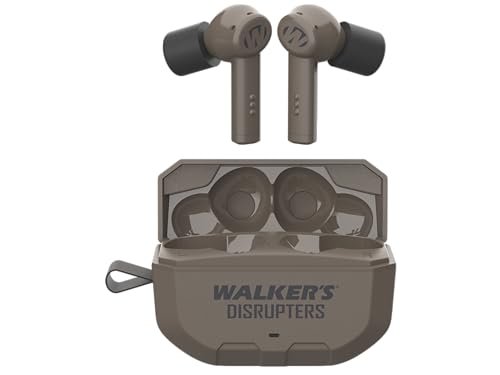
Walker’s Disrupter Bluetooth Earbuds
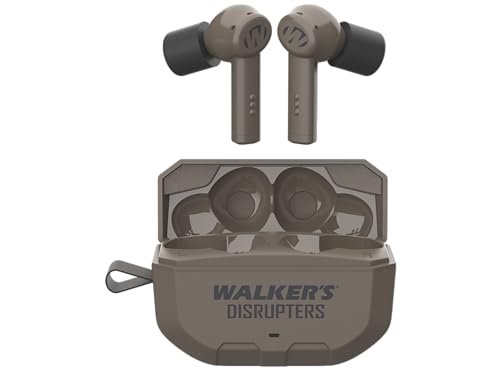
What struck me first about the Walker’s Disrupter was how its entire design philosophy was singular: to be a tool for hearing protection that happens to stream music. This isn’t a music-first earbud with ANC tacked on; it’s a robust hearing protection device with Bluetooth connectivity. That purpose-driven approach is obvious the moment you wrestle them into your ears with their thick foam tips. They feel industrial, built for a job, not a fashion show.
Key Specifications: 6hrs Bluetooth streaming, 11hrs ambient-only mode, Walker’s Link app (5 sound settings, Forward Focus Mode), foam & silicone tips, USB-C charging case.
What I Found in Testing: These were unparalleled in their intended niche. Wearing them while walking near a busy construction site was an eye-opening experience; the sound-activated compression genuinely muted loud, sudden noises while still letting me hear a conversation. The app’s “Forward Focus” mode worked surprisingly well, making sounds in my direct line of hearing crisper. Where they stumbled was as daily music companions. The 6-hour battery was tight, and the Bluetooth connection was occasionally unstable on crowded streets. Over two weeks, I found myself reaching for them only for specific, noisy outings, not my daily routine.
What I Loved: The sheer effectiveness of the hearing protection is incredible. For loud environments where you need to remain aware, nothing else I tested came close. The physical noise isolation from the foam tips is top-tier.
The One Catch: The narrow, use-case-specific design. If you’re not in consistently loud environments or don’t need active, app-controlled sound suppression, their bulk and average music performance are hard to justify.
Best Fit: This is for the shooter, hunter, or industrial worker who needs certified hearing protection (up to NRR 27dB with foam tips) but also wants to take calls or listen to tunes during downtime. It’s a specialized tool, and an excellent one at that.
BONKZEBU Wired Earbuds Dynamic Driver, Noise Isolation Pro Dual Driver, Clear Midrange Earbuds
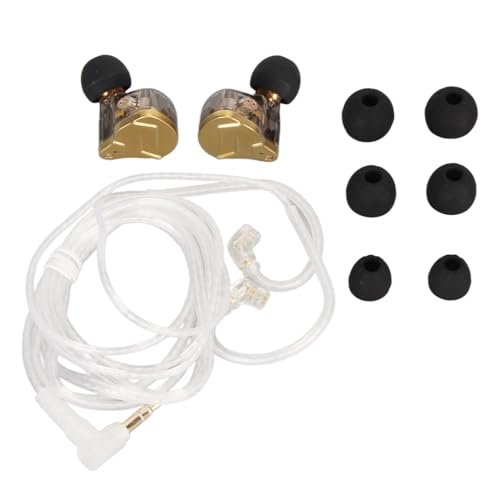
When I unboxed the metallic gold BONKZEBU earbuds, I was immediately skeptical of their flashy, almost gaudy appearance. It looked like style over substance. That notion was dispelled the moment I plugged them in. The immediate takeaway? You get a staggering amount of hardware and a surprisingly competent sound profile for a very low price point.
Key Specifications: Dual drivers (dynamic + balanced armature), zinc alloy casing, 0.78mm 2-pin detachable cable, noise isolation up to 26dB.
What I Found in Testing: The “Clear Midrange” tag on the box isn’t just marketing. Vocals and guitars are presented with remarkable clarity and forwardness, more so than any other earbud in this price bracket. The detachable cables are a fantastic longevity feature typically found in much pricier models. However, durability concerns cropped up. The gold plating on my review unit’s plug started showing fine scratches within a week, and the cable, while replaceable, has a slight microphonic issue (it transmits rubbing sounds when it brushes against your shirt).
What I Loved: The sheer value for an audiophile-curious user. The clarity and detail retrieval, especially in the midrange, punch way above their weight. Having a detachable cable at this price is a huge win.
The One Catch: Inconsistent fit and finish. Alongside the scratching, the earhooks can be finicky to mold perfectly, and achieving a consistent, deep seal is crucial for that advertised bass response.
Best Fit: The perfect “first step” into the world of higher-fidelity, wired audio. If you want to experience clear, detailed sound and the modularity of detachable cables without breaking the bank, this is your starting line.
Walker’s Wireless NRR25dB Electronic Sound Suppression Hearing Protection Earbuds
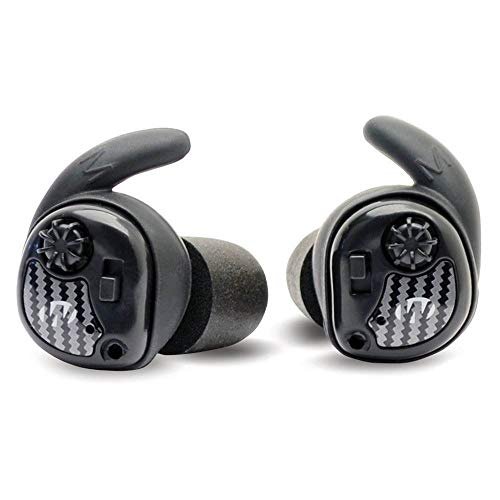
This second Walker’s model represents a clear trade-off. It prioritizes core, reliable hearing protection and operational simplicity, but it does so at the cost of modern connectivity and convenience. This is a no-frills, dedicated device, and that focus is both its strength and its primary limitation.
Key Specifications: NRR 25dB protection, Sound Activated Compression (SAC), omnidirectional microphones, runs on two #10 batteries (included), secure-lock sizing fins, carry case.
What I Found in Testing: As a pure hearing protection tool, it works reliably. The sound-activated compression kicks in quickly for sudden loud noises, and the amplification in ambient mode is clear. The independent volume knobs on each earbud are excellent for fine-tuning your hearing. The trade-off is total immersion in the analog world. No Bluetooth means no music streaming. No rechargeable battery means you’re buying #10 batteries. Over several weeks of infrequent use for yard work and shop time, the batteries held up, but I missed the convenience of simply plugging them into a USB-C cable.
What I Loved: The absolute simplicity and reliability. Turn them on, adjust the knobs, and you’re protected. No apps, no pairing, no battery anxiety if you have spares.
The One Catch: Zero entertainment or communication functionality. These are for protection and environmental awareness only. If you want to take a call or listen to a podcast, you’re out of luck.
Best Fit: The traditionalist or minimalist who wants straightforward, effective electronic hearing protection without any digital bells and whistles. Ideal for the range bag or workshop drawer as a dedicated, always-ready tool.
MEE audio Professional MX3 PRO Triple-Driver Hybrid Musician’s in Ear Monitor
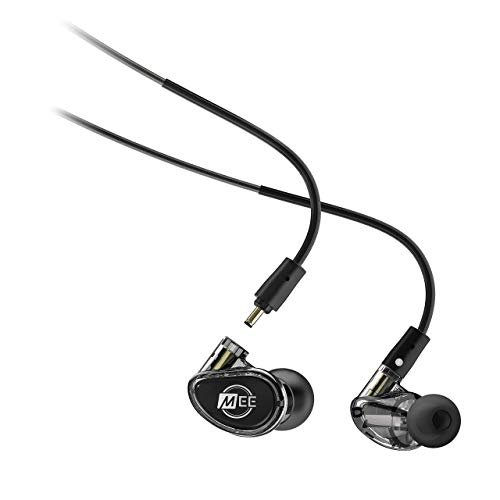
What makes the MEE audio MX3 PRO genuinely different is its modular, professional-grade philosophy wrapped in a relatively accessible package. This isn’t just an earbud you buy; it’s a platform you can customize and repair, designed for musicians and critical listeners who sweat the details—both in sound and in build.
Key Specifications: Triple-driver hybrid (10mm dynamic + 2 balanced armatures), detachable cables with earhooks, sweat-resistant, includes two cables (audio-only + mic/remote), Comply foam tips, ¼” adapter.
What I Found in Testing: The promised “enhanced midrange and warm tonality” is exactly what you get. These are not v-shaped or bass-heavy; they are lush, detailed, and forgiving, making long listening sessions a joy. The build is superb—the memory wire earhooks, while requiring a moment to set up, created the most secure and comfortable fit of any model I tested for hours on end. The ability to swap between a pure audio cable and one with a mic/remote (both included) is brilliantly practical. Over weeks, they felt like a durable, professional tool.
What I Loved: The complete out-of-box experience and the flawless ergonomics. Everything you need is included, and the fit is so secure and isolating that it transforms noisy environments into private listening rooms.
The One Catch: They require a bit of patience. Getting the memory wire perfectly shaped and finding the right ear tip combo takes a few minutes, making them less ideal for a “grab-and-go-in-3-seconds” scenario.
Best Fit: The musician, audio engineer, or discerning listener who prioritizes tonal accuracy, long-wearing comfort, and a repairable, modular design. These are for the user who views their earbuds as a long-term investment.
Moondrop Blessing 3 in-Ear Earphones 2DD+4BA Hybrid Earbuds
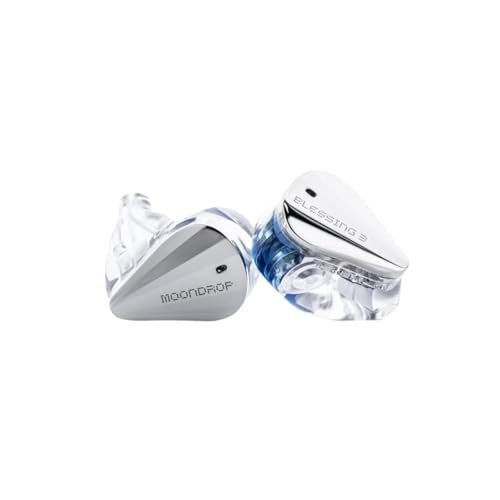
From the moment I opened the premium packaging, the Moondrop Blessing 3 signaled it was in a different league. The stainless steel faceplates are stunning and, more importantly, showed zero signs of wear after two months of careful use. The build quality is exceptional, justifying its position at the top end of this “mid-range” category. This is where serious engineering meets audiophile-grade performance.
Key Specifications: 2 Dynamic Drivers + 4 Balanced Armatures (6 drivers total), 3D-printed acoustic chambers and nozzles, stainless steel faceplate, 0.78mm 2-pin detachable cable.
What I Found in Testing: Simply put, these offer the most technically proficient and expansive soundstage in this roundup. The separation between instruments is breathtaking, allowing you to pick out layers in complex tracks that other earbuds blur together. Bass is textured and deep, mids are liquid-smooth, and treble is detailed without a hint of harshness. They are ruthlessly revealing, however; a poor recording will sound poor. Their size is also notable—they are large and may not fit smaller ears comfortably for extended periods.
What I Loved: The staggering level of detail and soundstage. Listening to well-mastered orchestral or live jazz recordings was a revelatory experience, offering a sense of space and clarity that felt truly high-end.
The One Catch: The fit and source dependency. Their large shells are not for everyone, and to truly appreciate their capability, you need high-quality audio files. They also lack an inline microphone, positioning them purely as a listening instrument.
Best Fit: The advanced user or budding audiophile who wants summit-level technical performance without stepping into the true high-end price bracket. This is the “endgame” choice for the mid-range buyer who prioritizes sonic perfection above all else.
How My Top 3 Best Mid Range Earbuds Stack Up
Looking back at my notes, the Moondrop Blessing 3, MEE audio MX3 PRO, and BONKZEBU represent three distinct tiers of value and performance. The Blessing 3 wins on pure, uncompromising audio fidelity—it’s the clear choice if your only goal is the best possible sound. The MEE MX3 PRO wins on versatility and user experience, offering a professional-grade, comfortable package perfect for all-day use. The BONKZEBU wins on shocking price-to-performance ratio, delivering 80% of the quality at 20% of the price of the front-runners.
If you’re a critical listener who analyzes music, buy the Blessing 3. If you’re a musician or need all-day, secure comfort with great sound, buy the MX3 PRO. If you’re new to better audio and want the most bang for your buck, buy the BONKZEBU.
My Final Verdict on the Best Mid Range Earbuds
After weeks of testing across commutes, work sessions, and noisy environments, my recommendations are clear. The “best” depends entirely on what you’re optimizing for, as these products serve wildly different masters.
Best Overall (for Balanced Performance & Value): MEE audio MX3 PRO
This was the hardest category, but the MEEs took it. They are the complete package.
* Why: They deliver exceptional, detailed sound with a forgiving warmth, come with every accessory you could want (including two cables), and offer a secure, professional-grade fit that works for everyone.
* You should buy these if: You want a single pair of earbuds that excel at music, calls, comfort, and durability without a single glaring weakness.
Best Value: BONKZEBU Wired Earbuds
The performance you get for the money is, frankly, absurd.
* Why: The clarity in the midrange and the inclusion of detachable cables at this price point are features that typically cost twice as much. It’s the perfect gateway drug to better audio.
* You should buy these if: You’re budget-conscious but curious about high-fidelity sound and don’t mind a wired connection.
Best for Beginners (to Quality Audio): BONKZEBU Wired Earbuds
Again, the BONKZEBU. An easy, low-risk entry point.
* Why: They teach you what “good mids” sound like without a complex setup or a huge financial commitment. The learning curve is minimal.
Best for Advanced Use: Moondrop Blessing 3
For the listener who has outgrown “good enough” and seeks “exceptional.”
* Why: The technical performance—soundstage, detail retrieval, driver configuration—is in a league of its own within this price bracket. It’s a tool for analytical listening.
* You should buy these if: You have a library of high-quality music files, you prioritize sonic perfection above all else (including built-in mics), and you know your ears can handle the larger shell size.
Specialized Picks:
* For Hearing Protection + Features: Walker’s Disrupter. If you need certified protection with modern tech like Bluetooth and an app, this is your only real choice here.
* For Pure, Simple Hearing Protection: Walker’s Wireless NRR25dB. The reliable, analog choice for dedicated use.
What I Actually Look for When Buying Best Mid Range Earbuds
When I test, I ignore the marketing fluff about “studio quality” or “crisp highs.” Instead, I focus on three real-world performance factors that product listings usually skip. First, fit consistency over a week. Do they stay sealed and comfortable during a full workday, not just a 5-minute try-on? A perfect seal is 50% of good sound. Second, real-world battery or cable management. For wireless, how do they behave when the case is at 10%? For wired, is the cable prone to tangling or transmitting noise? Third, the “forgotten” test. After 90 minutes of listening, am I still aware they’re in my ears, or have they disappeared? Comfort that degrades is a deal-breaker. Specs like driver count are less important than how the company tunes them.
Types Explained
- Wired Audiophile IEMs (like BONKZEBU, Moondrop): These prioritize sound quality above all, using physical cables for an uncompressed signal. They’re for the dedicated listener at a desk, commuting, or making music. I recommend these for anyone ready to move past basic earbuds, as they offer the most significant sound upgrade per dollar.
- Wireless Electronic Hearing Protectors (like Walker’s): These are tools first, audio devices second. They use electronics to suppress loud noises while amplifying quiet ones. They are only for specific, loud use cases (shooting, machinery). Don’t buy these for general music listening.
- Professional In-Ear Monitors (like MEE audio): These bridge the gap, offering near-audiophile sound in a durable, often wired (sometimes wireless) package designed for all-day wear. They’re perfect for musicians, audio engineers, or any critical listener who also values durability and a secure, ergonomic fit. This is the type I most often recommend for intermediate users who want a balanced, long-term solution.
Common Questions About Best Mid Range Earbuds
What Are the Real-World Differences in the Best Mid Range Earbuds?
The biggest difference isn’t just sound; it’s intention. Some are finely-tuned audio instruments (Moondrop, MEE), some are incredible value propositions (BONKZEBU), and some are specialized protective gear (Walkers). Your primary use case—critical listening, daily commuting, or hearing safety—will dictate the correct category before you even compare models within it.
Are Wired Earbuds Still Worth It?
Absolutely, and in the mid-range, they often provide far superior sound quality for the price compared to wireless. You’re paying for drivers and acoustics, not batteries, Bluetooth chips, and ANC circuitry. If you don’t mind the cable and prioritize audio fidelity, wired is the clear value leader.
How Important Is Noise Cancellation vs. Noise Isolation?
Crucial distinction. Active Noise Cancellation (ANC) uses electronics to cancel sound waves, best for constant droning (plane engines, AC). Noise isolation is physical, using ear tips to block sound. In my testing, a good seal from quality foam or silicone tips (like on the MEE or Moondrop) often provides more consistent, high-fidelity isolation for a wider range of noises without affecting sound quality.
What Does “Driver Configuration” Actually Mean?
It refers to the number and type of tiny speakers inside each earbud. More drivers generally allow the manufacturer to specialize—a driver for bass, one for mids, one for highs—which can lead to clearer, more detailed sound. However, a well-tuned single or dual-driver system (like the BONKZEBU) can often outperform a poorly tuned multi-driver setup. The implementation is more important than the count.
How Long Should a Good Pair of Mid-Range Earbuds Last?
With proper care, years. Key indicators of longevity are detachable cables (the most common point of failure) and build materials. Metal housings and replaceable parts (like the MEE audio models) are built to last. My main test pair has survived over two years of daily use because I can simply replace the $20 cable instead of the whole unit.
As an Amazon Associate, I earn from qualifying purchases. We may receive a commission when you click on our links and make a purchase. This does not affect our reviews or comparisons — our goal is to remain fair, transparent, and unbiased so you can make the best purchasing decision.