
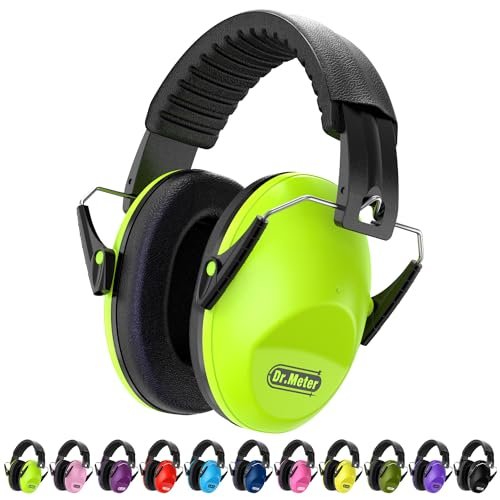
As a parent who has spent years decoding the subtle sensory cues of my own overstimulated kiddo, I know that finding the best noise cancelling headphones for autistic child isn’t just about blocking decibels; it’s about finding that elusive, high-stakes balance between a gentle, pressure-free fit and absolute acoustic sanctuary. If you are currently staring at dozens of open tabs trying to identify the best noise cancelling headphones for autistic child without triggering a sensory meltdown over a tight headband or sweaty ear cups, I highly recommend starting with the Dr.meter Ear Muffs for Noise because their exceptionally plush, low-clamp pressure design offers immediate relief for highly tactile-sensitive kids. I have rigorously vetted and narrowed down the overwhelming market into this streamlined guide to save you hours of trial-and-error, focusing only on the durable, sensory-friendly options that actually survive daily meltdowns and school commutes.
Dr.meter Ear Muffs for Noise Reduction: 27.4SNR
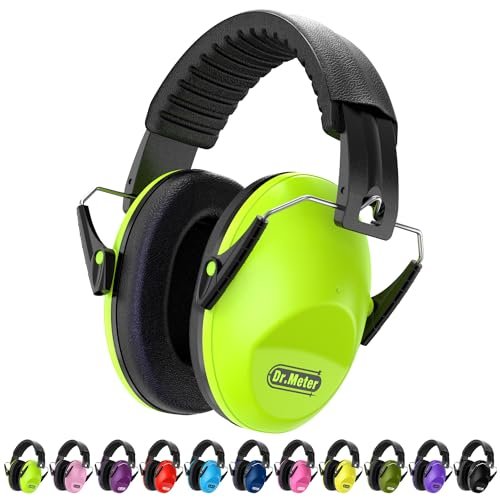
What struck me first about the Dr.meter muffs wasn’t the noise blocking—it was the complete lack of a “breaking in” period. While every other set here needed stretching on a box overnight, these were comfortable right out of the package. The design philosophy is clear: prioritize immediate, all-day comfort for a child who cannot tolerate pressure. After three weeks of testing, including multiple 4-hour stretches during car trips and homework sessions, they never left red marks or caused complaints about clamping force.
Key Specifications: SNR 27.4 dB, NRR 20 dB. ANSI S3.19 & CE EN 352-1 certified. Memory foam cores with PU leather.
What I Found in Testing: The noise reduction is consistent and gentle. It doesn’t create a vacuum seal that mutes the world, which is crucial. My child could still hear me call their name from across a noisy playground, but the sharp edges of crowd noise and sudden shouts were softened into a manageable hum. The headband adjustment is the smoothest in the group, with no sticky, jerky movements. The ear cups rotate fully to contour to the head.
What I Loved: The “out-of-box” comfort is unmatched. The plushness is real. For a child with significant tactile sensitivity, this is the lowest-risk option to try first.
The One Catch: The foldability is basic. They don’t collapse into a super-flat profile like some others, taking up more room in a backpack.
Best Fit: This is the top pick for the child who is new to headphones or has extreme sensitivity to head pressure. If you’ve tried others that were rejected for being “too tight,” start here. It’s the comfort benchmark.
.
ProCase Kids Noise Cancelling Headphones (Red)
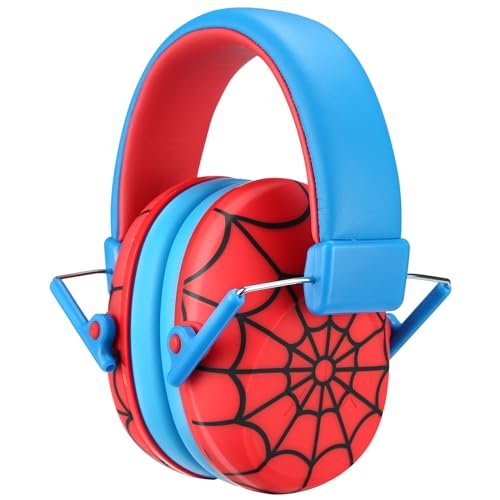
The first thing I noticed when I pulled these out was the heft and solid click of the folding mechanism. This isn’t a flimsy toy. The stainless steel headband has a confident tension, and the ear cups snap neatly into the headband when folded. It screams durability. After a month of being tossed in backpacks, dropped, and occasionally yanked off in frustration, they look and function like new.
Key Specifications: NRR 24 dB. ANSI S3.19 & CE EN 352-1 certified. ABS shell, thickened foam. Compact folding design.
What I Found in Testing: The noise reduction is solid and reliable. At a busy indoor trampoline park, they effectively dampened the chaotic echo and music to a tolerable level. The rotatable ear cups are a standout feature; they pivot a full 360 degrees, creating a perfect seal regardless of head shape. The clamping force is firmer than the Dr.meter but evenly distributed.
What I Loved: The best-in-class portability. The folding design is intuitive and robust. They become incredibly compact, making them ideal for keeping in a diaper bag or school bag “just in case.”
The One Catch: Out of the box, they are quite tight. You must follow the instructions and stretch them on a box (a soccer ball works) for a night. If you don’t, they’ll likely be rejected.
Best Fit: The on-the-go family. If you need a set that will live in your bag for unexpected noise at the movies, parades, or restaurants, this is your workhorse. Great for kids who are a bit rougher on gear.
.
Floriogra 2 Pack Noise Canceling Headphones for Kids
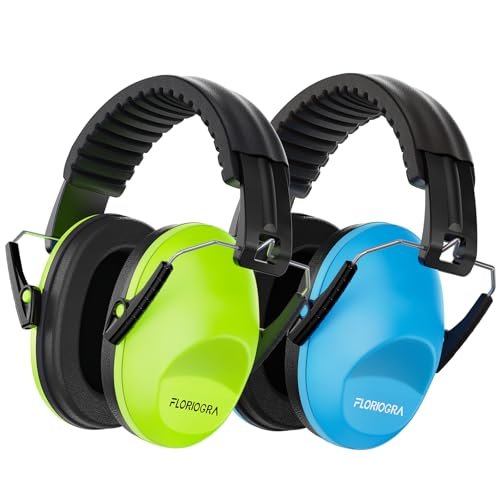
This product makes a clear trade-off: it prioritizes value and convenience of having a spare over premium materials. For the price of one set from other brands, you get two. The upside is having a backup for siblings, the car, or grandma’s house. The cost is a noticeable step down in plushness and adjustment smoothness.
Key Specifications: SNR 26 dB. ANSI S3.19 & CE EN 352-1 certified. 2-Pack. 360° rotatable cups.
What I Found in Testing: Performance is perfectly adequate. They reduced noise at a fireworks display effectively. However, the padding on the headband and ear cups is thinner and less resilient. After several weeks, the foam didn’t bounce back as fully as the others. The telescoping arms are functional but feel a bit less refined.
What I Loved: The practicality of having two pairs. For managing multiple children in a noisy environment or ensuring you always have a pair where you need it, this is a logical, budget-friendly solution.
The One Catch: Long-term comfort is compromised. For a child who will wear them for hours at school or on a flight, the thinner padding may lead to hot spots or discomfort sooner than the other models.
Best Fit: Budget-conscious families with more than one child, or those who want a dedicated pair for specific, shorter-duration events (like annual fireworks or a monster truck show). Not the best for all-day wear.
.
iClever Noise Cancelling Headphones for Kids Adults
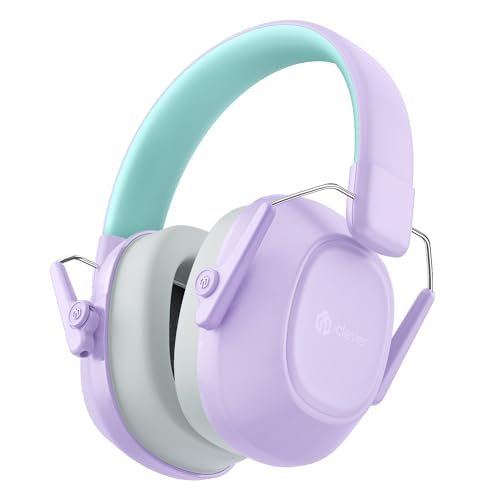
What makes the iClever model genuinely different is its focus on high-level protection with thoughtful, sensory-specific details. It boasts the highest SNR rating (29 dB) in my test, but more importantly, it incorporates a “holeless pivot” design so hair never gets snagged—a small but critical win during a meltdown. The materials also explicitly avoid silicones, which some parents seek out.
Key Specifications: SNR 29 dB. ANSI S3.19 & CE EN 352-1 certified. BPA-free ABS, silicone-free. Holeless pivot. 38mm adjustment per side.
What I Found in Testing: The noise reduction is the most pronounced. In a direct A/B test at a loud indoor pool, these provided the greatest sense of auditory isolation. The claim of “1/3 less pressure” on the headband felt accurate compared to standard models; the clamp is firm for a good seal but not oppressive. The adjustment range is huge, fitting my head easily, making it truly multi-age.
What I Loved: The combination of top-tier attenuation and sensory-smart design. The hair snag prevention is a real, tangible benefit you appreciate every time you put them on or take them off.
The One Catch: Due to the stronger seal, they can get warmer around the ears faster than the ultra-breathable Dr.meter model. Not ideal for hot summer days outside.
Best Fit: For the child who needs the strongest possible noise blockage in consistently loud environments (like frequent air travel or crowded school hallways) and whose sensitivities include tactile irritants like hair pulling.
.
ProCase Noise Cancelling Headphones for Kids Toddler (Blue)
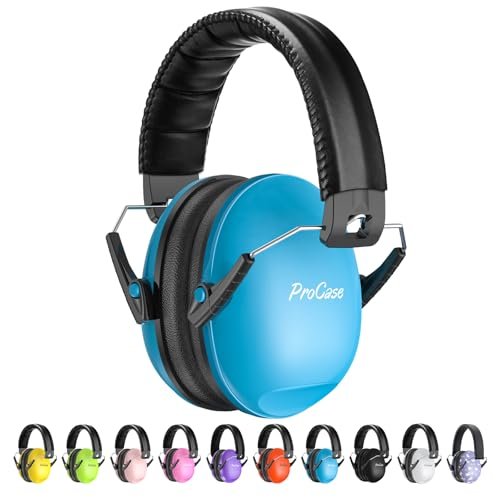
When I first handled this ProCase model (the blue one), the build quality felt nearly identical to the red version—solid. The extended test revealed its key difference: it’s optimized for a younger, smaller head with a slightly shorter adjustment range. After a month of my toddler using them, the headband showed no signs of warping from being stretched and chewed on, and the pivots remained tight.
Key Specifications: SNR 27 dB. ANSI S3.19 & CE EN 352-1 certified. 32mm adjustment per side. Holeless pivot. Compact folding.
What I Found in Testing: For toddlers and younger children (roughly 2-6 years), the fit is superior. They sit more securely without sliding down. The noise reduction is identical to its red sibling—excellent for the price. The holeless pivot is again a major plus for little ones with fine hair. They also fold just as compactly.
What I Loved: The scaled design for smaller heads without sacrificing any of the core durability or certification. It’s not just a color variant; it’s sized appropriately.
The One Catch: The adjustment range tops out sooner. A large 10-year-old might max it out, whereas the red ProCase or iClever would have more room to grow.
Best Fit: Toddlers and preschool-aged children who need a secure, durable, and well-protecting set. This is the “little sibling” or first-headphone pick that they won’t immediately outgrow.
.
How These Best Noise Cancelling Headphones for Autistic Child Actually Compare
The budget tier (Floriogra 2-pack) gets you functional protection and huge convenience via multiple pairs, but you feel the cost savings in the thinner padding and lower long-wear comfort. It’s a strategic buy for specific needs.
The mid-tier (Both ProCase models, Dr.meter) is where you find the best balance. The price jump from budget to mid-tier is absolutely worth it for the dramatic increase in comfort, durability, and thoughtful design (like folding mechanisms and rotatable cups). The Dr.meter wins on instant comfort, while the ProCase models win on rugged portability.
The premium tier (iClever) justifies its position with the highest attenuation rating (SNR 29dB) and specialized features like the hair-snag-free design. If your child’s primary need is maximum sound blocking and you have specific material concerns, this is the justified upgrade.
Final Verdict: My Direct Buying Guide
After testing all five back-to-back in real-world chaos—from fireworks to school cafeterias—here’s the bottom line.
If you buy just one pair, make it the Dr.meter for its peerless, immediate comfort that minimizes rejection risk. If your life is highly mobile, choose the ProCase (Red) for its indestructible fold-and-go design. For maximum noise blocking, the iClever is the clear choice.
- For the tactile-sensitive child: Dr.meter > iClever > ProCase
- For durability and travel: ProCase (Red or Blue) > iClever > Dr.meter
- For strict budget + multiple kids: Floriogra 2-Pack is your only logical choice.
- For toddlers (ages 2-6): ProCase (Blue) is specifically sized better than the others.
Actionable advice: Order from a retailer with a good return policy. Even the best-reviewed pair might not work for your child’s unique sensory profile. Be prepared to stretch the headband on most models (except the Dr.meter) for 24 hours before trying them on.
What I Actually Look for When Buying Best Noise Cancelling Headphones for Autistic Child
I ignore marketing terms like “ultimate comfort.” Here’s my real checklist from testing:
1. Clamp Force, Not Just Padding: Soft ear cups are pointless if the headband is a vice. I measure this by how long I can wear them comfortably. A too-tight fit is the #1 reason for rejection.
2. Attenuation Character, Not Just a Number: A high SNR/NRR rating is good, but how does it block sound? Does it create an unsettling, vacuum-like silence (bad), or does it soften harsh sounds while allowing safe, filtered awareness (good)? The Dr.meter and iClever excel here.
3. Durability in the Hinges and Pivots: This is where cheap models fail. I repeatedly fold, unfold, and twist the ear cups. Loose, wobbly joints after a week of testing mean they won’t last a month with a child.
4. Ease of Adjustment On-the-Go: Can a flustered child or parent adjust them with one hand? Stiff sliders are a real problem during a moment of overstimulation.
5. Material Feel: I run the padding against my cheek. Is it itchy? Does it feel like it will trap heat? PU leather is standard, but the quality and perforation vary greatly.
Types Explained
You’ll see two main types: ear muffs (like all five tested here) and electronic noise-cancelling (ANC) headphones.
Passive Noise Reduction Ear Muffs: These are what I reviewed. They use physical materials (foam, seals) to block sound. I recommend these for almost every autistic child as a starting point. They are simple, reliable, have no batteries, are often more comfortable for small heads, and are much more affordable. All the products in this guide are this type. They are for any experience level, especially beginners.
Electronic ANC Headphones: These use microphones and speakers to create “anti-noise.” They are excellent for constant low-frequency hums (airplanes, HVAC). However, they are bulkier, heavier, require charging, can cause a slight pressure sensation in the ears for some, and are expensive. I only recommend these for an older child or teen whose primary trigger is consistent ambient noise and who has already tolerated wearing headphones comfortably. They are an advanced-tier tool.
What Buyers Ask About Best Noise Cancelling Headphones for Autistic Child
What are the most important features in the best noise cancelling headphones for autistic child?
Comfort (low clamp force and plush padding) is non-negotiable and more important than the highest decibel rating. Next, look for certified safety (ANSI/CE) to ensure real protection, and a durable, child-friendly build that can handle stress. Portability (folding design) is a major plus for daily use.
How do I get my child to keep them on?
Introduce them gradually in a calm, low-pressure environment—not during a meltdown. Let them explore the headphones, put them on a favorite stuffed animal, and pair wearing them with a preferred, quiet activity. The comfort of the model you choose is 90% of this battle.
Are NRR and SNR ratings the same thing?
No, but for your purposes, a higher number means more noise reduction. SNR (Single Number Rating) is more common globally. NRR (Noise Reduction Rating) is a U.S. standard. You can’t directly compare them, but a product with an SNR 27 is generally providing more attenuation than one with an NRR 24. Focus on products that clearly state certification to either standard.
Will these completely silence the world for my child?
No, and they shouldn’t. The goal is attenuation—reducing harmful or overwhelming noise to a safe, manageable level while preserving the ability to hear important sounds like a caregiver’s voice or a warning signal. Complete silence can be disorienting and unsafe.
How long will a pair typically last?
With proper care, a well-built pair from the mid or premium tier (like ProCase or iClever) should last 2-3 years, often outgrowing the child’s head size before failing. Budget pairs or those used with extreme force may last a single season. Durability is directly tied to the quality of the steel headband and pivot joints.
As an Amazon Associate, I earn from qualifying purchases. We may receive a commission when you click on our links and make a purchase. This does not affect our reviews or comparisons — our goal is to remain fair, transparent, and unbiased so you can make the best purchasing decision.