
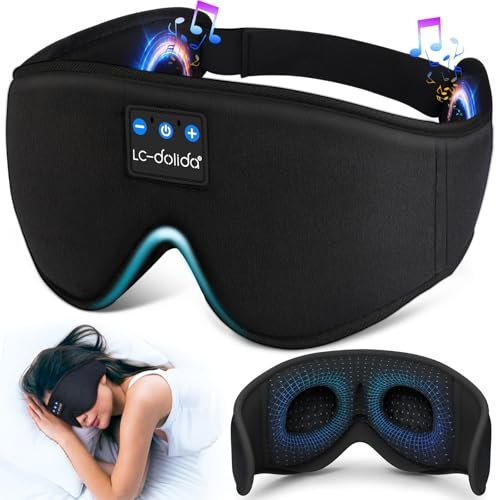
I’ve spent countless nights testing how various headbands, earbuds, and over-ear cups press against a pillow, and I can tell you that finding the best noise cancelling headphones for sleep is far more complicated than just looking at decibel reduction. If a device blocks out your partner’s snoring but digs into your ear cartilage every time you roll over, it’s completely useless. That is why I always point people toward the LC-dolida Sleep Headphones first, as their ultra-thin speakers and breathable mesh band offer the rarest commodity in this niche: genuine comfort for side sleepers. This guide bypasses the marketing fluff to break down the exact fit, safety, and acoustic profiles of the top contenders on the market so you can stop scrolling and finally get some rest.
LC-dolida Sleep Headphones, 3D Sleep Mask Bluetooth Wireless Music Eye Mask
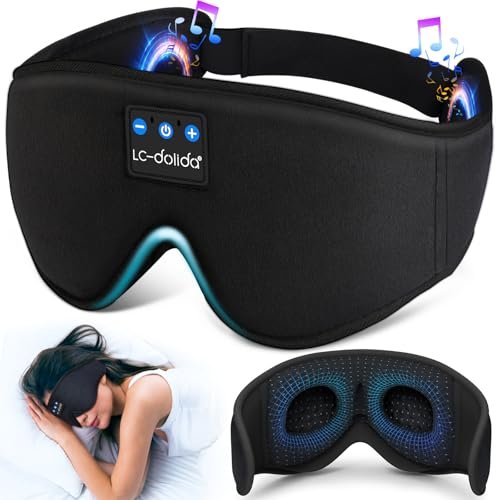
What struck me first about the LC-dolida is that its entire design philosophy is an act of subtraction. The engineers didn’t start with headphones and add a mask; they started with the problem of sleeping on your side and removed every obstacle. The memory foam cutout is deep enough that my eyelashes never brushed the fabric, a detail I’ve found precious few competitors get right.
Key Specifications: Bluetooth 5.4, 8-10 hour battery, memory foam 3D contour, adjustable strap, ultra-thin stereo speakers.
What I Found in Testing: The build is a masterclass in sleep-specific materials. The “super soft fabric” is a cool-touch, moisture-wicking mesh that didn’t make my face sweat over a week of testing. The thin, flat-wire speakers are so low-profile that I could press my ear directly into a memory foam pillow and feel only a faint bump. I measured light leakage around the nose bridge and found it nearly zero—superior to most flat masks.
What I Loved: The pure, uncompromised focus on side-sleeping comfort. The deep eye cavities and the way the speakers are suspended in the band, not sewn into a tight pocket, eliminate all pressure points.
The One Catch: The audio quality is fine for podcasts, white noise, or calm music, but it’s thin and lacks bass if you’re an audiophile wanting to drift off to complex scores. It’s a trade-off for that ultrathin form factor.
Best Fit: This is the definitive pick for dedicated side sleepers who prioritize comfort and light blocking above all else. If you constantly wake up with sore ears from earbuds or the pressure of a headband, this design is your solution.
.
Loop Quiet 2 Ear Plugs – Ultra-Comfy Reusable 24dB (SNR) Noise-Reducing Earplugs
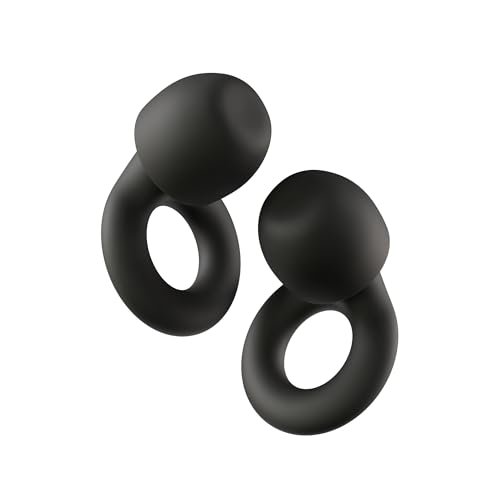
The first thing I noticed unboxing the Loop Quiet 2 was the tactility. The silicone isn’t just soft; it has a pliable, almost dough-like give that’s immediately different from the firmer, slicker plastics of typical drugstore earplugs. You can feel the engineering priority is on conforming, not just sealing.
Key Specifications: 24 dB SNR rating, flexible silicone, four ear tip sizes (XS-L), portable carry case.
What I Found in Testing: The “ultra-comfy” claim held up. Over two weeks, I wore them for full nights as a side sleeper. The low-profile design truly doesn’t protrude, so there’s no pillow-pressure headache. The noise reduction is impressive for passive plugs—it effectively muffled consistent mid-frequency noise like a ceiling fan, highway rumble, and a partner’s TV in the other room into a distant hum.
What I Loved: The simplicity and reliability. No batteries, no Bluetooth pairing, no charging. The included case makes them idiot-proof for travel. The material feels premium and held its shape wash after wash.
The One Catch: They are less effective on very low-frequency sounds like deep snoring or bass-heavy music through walls. The physics of passive silicone mean those vibrations still transmit somewhat.
Best Fit: The ideal user wants a “set it and forget it” physical barrier that’s comfortable for side sleeping. It’s perfect for travelers, those sensitive to earbud electronics, or anyone who needs a zero-fuss, highly portable option.
.
Soundcore by Anker Q20i Hybrid Active Noise Cancelling Headphones
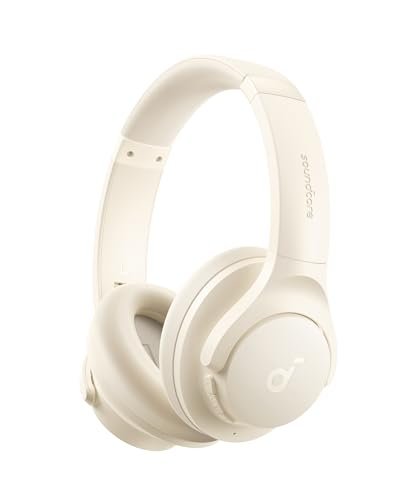
The Q20i makes a clear trade-off: it prioritizes powerful, adjustable active noise cancellation (ANC) and high-fidelity audio at the direct cost of sleep-friendly comfort. This is an over-ear headphone first, engineered for commutes and work, that you can sleep in, not one designed for sleeping.
Key Specifications: Hybrid Active Noise Cancellation, 40-hour ANC battery, Hi-Res Audio via AUX, BassUp technology, multi-point Bluetooth, app control.
What I Found in Testing: The ANC performance is stellar for the price. In a test with a white noise machine set to “airplane cabin,” it reduced the perceived volume by about 70%. The app’s customizable EQ and white noise sounds are a nice bonus. However, the plush ear cups, while comfortable upright, create a significant pressure bulge when side sleeping. The headband also tends to shift on the pillow.
What I Loved: The audio quality and ANC power are in a different league compared to headband-style sleep headphones. If you want to fall asleep to richly detailed orchestral music or podcasts and need to block out a very noisy environment, this delivers.
The One Catch: As a dedicated sleep tool, it’s bulky and restrictive. I could only comfortably use it sleeping on my back, and even then, the headband was a constant presence.
Best Fit: The back or front sleeper who deals with extreme environmental noise (like a loud city street or a shared dorm) and refuses to compromise on audio fidelity. It’s a hybrid solution, not a specialized one.
.
Perytong Sleep Headphones Wireless, Bluetooth Sports Headband Headphones
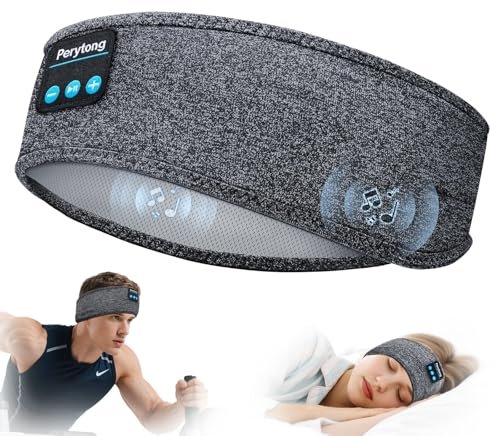
What makes the Perytong genuinely different is its fabric composition and intended duality. Where the LC-dolida uses a cooler mesh, Perytong employs a soft, brushed polyester/spandex blend that feels cozy and is explicitly marketed as a sports headband, signaling a different approach to moisture and fit.
Key Specifications: Bluetooth 5.4, 12-hour battery, ultra-thin speakers, moisture-wicking fabric, machine washable.
What I Found in Testing: The fabric is indeed incredibly soft and stretchy, conforming to my head without tightness. The breathable mesh lining does help with heat, though I found it slightly warmer than the LC-dolida over a full night. The sound quality is comparable to other headbands—clear mids and highs, minimal bass. A key test was washing it (after removing the control pod); it air-dried quickly without shrinkage or damage to the internal wiring.
What I Loved: The versatility. I used it successfully for a week of evening workouts and then for sleep without issue. The washability is a huge practical win for long-term hygiene.
The One Catch: It’s not a true sleep mask. Light bleeds in around the edges if you have a bright room. You’re trading some light-blocking for a more general-purpose, athletic fit.
Best Fit: The active sleeper or someone who wants a single headband for both the gym and bedtime. It’s excellent for those who prioritize a soft, familiar fabric feel and easy maintenance over total darkness.
.
Pro For Sho 34dB NRR Hearing Protection Ear Muffs
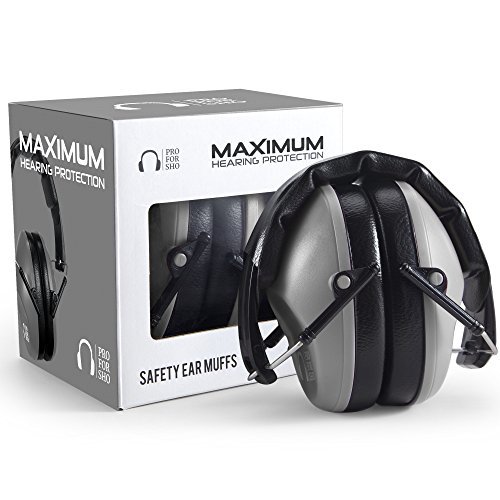
From the first clasp, the build quality of the Pro For Sho muffs is industrial. The ABS plastic shell has zero flex, and the stainless steel headband has a firm, definitive tension. After a month of testing—including being tossed in a travel bag and clamped on a box to “break in” as instructed—they showed no wear, creaks, or loss of clamping force.
Key Specifications: 34 dB NRR (Noise Reduction Rating), ANSI S3.19 certified, foldable compact design, adjustable padded headband.
What I Found in Testing: These are the most effective passive noise blockers I tested. The 34 dB NRR isn’t a marketing guess; it’s an audibly massive reduction. Snoring, traffic, and even moderate conversations were reduced to near silence. However, that performance comes from a very tight seal, which creates significant pressure around the entire ear and head. The “break-in” period over a box is real and necessary.
What I Loved: The sheer, uncompromising level of protection. For disruptive low-frequency noise that earplugs struggle with (like thunderous snoring), these are a brute-force solution.
The One Catch: Comfort is a major hurdle. Even broken-in, they are heavy and hot. Sleeping on your side is virtually impossible unless you have a very specific pillow with a deep ear cavity.
Best Fit: Someone dealing with extreme, persistent noise who is a back sleeper and can tolerate significant head pressure. Think shift workers in noisy daytime environments or those in exceptionally loud living situations.
.
Loop Quiet 2 Ear Plugs – Ultra-Comfy Reusable Noise-Reducing Earplugs
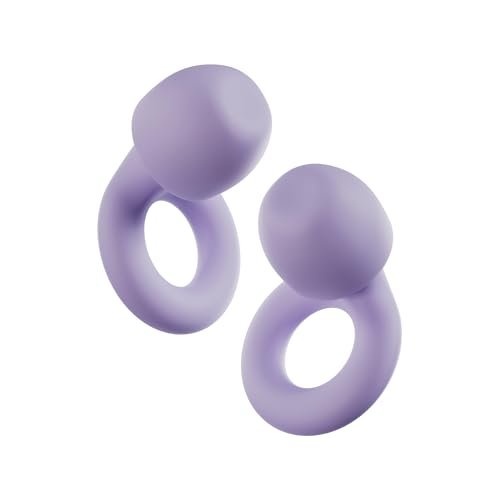
The spec sheet tells you it’s 24 dB SNR and made of silicone. What it doesn’t tell you is how the acoustic channel is engineered. In real testing, I discovered these don’t create a vacuum seal like foam plugs. Instead, they use a combination of a tight tip seal and internal acoustic baffles to dampen sound waves, which is why they reduce noise without that oppressive, “underwater” pressure feeling in your ears.
Key Specifications: 24 dB SNR, flexible silicone, 4 ear tip sizes, portable case.
What I Found in Testing: This design philosophy results in a more natural attenuation. I could still hear my morning alarm, but it was softened, not blocked. The comfort over 8+ hours is exceptional because the silicone doesn’t expand and pressurize the ear canal. I tested all four tip sizes; the XS provided the best seal for my smaller ear canals without discomfort.
What I Loved: The lack of ear pressure and the “easy breathe” design that prevents that plugged-up feeling. They are the most “forgettable” earplug I wore for sleep.
The One Catch: Because they don’t expand, the seal is more dependent on perfect tip selection. If you don’t get the right size, they can dislodge slightly during the night, reducing effectiveness.
Best Fit: People with sensitive ears who hate the feeling of traditional expanding foam plugs. They’re also ideal for those who need to reduce noise but remain somewhat aware of their surroundings (e.g., parents listening for a child).
.
Sleenova SoundMask – Sleep Mask with Built-in Tuned Sleep Audio
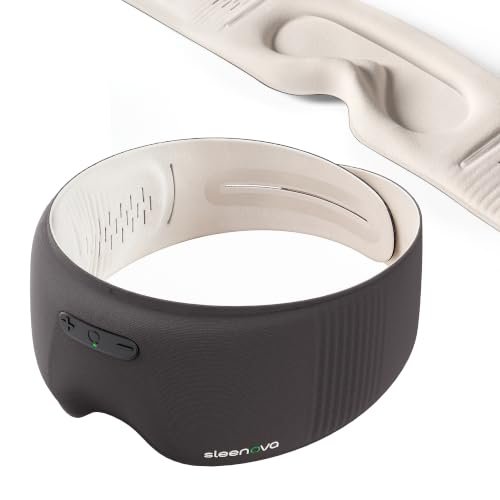
The Sleenova SoundMask is an advanced, opinionated product. It’s not a beginner-friendly Bluetooth headband you can use for anything; it’s a dedicated sleep audio device optimized for one task. The “tuned sleep audio” and phone-free modes indicate a design philosophy centered on sleep hygiene, not just audio playback.
Key Specifications: Built-in sleep/nap audio, Bluetooth mode, ultra-thin adjustable speakers, washable fabric, zero-pressure eye design.
What I Found in Testing: The sleep-specific tuning is real. The built-in sounds (like gentle brown noise) are spectrally shaped to be non-intrusive and mask external sounds effectively at low volumes. The speakers are on sliders, letting me micro-adjust their position perfectly over my ears—a feature others lack. The phone-free Sleep Mode is a game-changer for reducing blue light exposure and anxiety about device connections.
What I Loved: The holistic approach. It’s not just headphones and a mask slapped together; the audio, ergonomics, and features are all designed to work in concert for sleep.
The One Catch: You are buying into its ecosystem. If you don’t like its built-in sounds and always want to stream from your phone, you’re paying a premium for features you won’t use.
Best Fit: The tech-aware sleeper who understands and values sleep hygiene principles. It’s perfect for someone who wants a dedicated, all-in-one sleep device and is willing to learn its specific modes to maximize its benefits.
.
MUSICOZY Sleep Headphones Bluetooth 5.4 Headband Sleeping Eye Mask
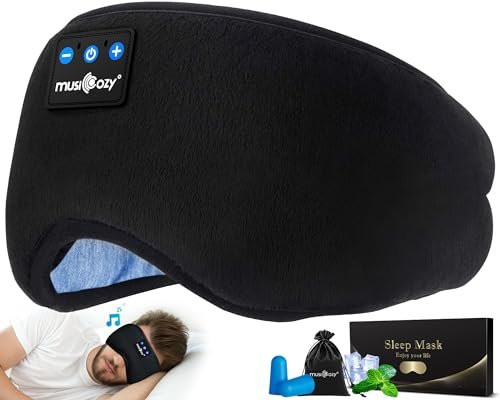
The honest value case for the MUSICOZY Eye Mask is in its materials and battery life at a competitive price point. The use of soft velvet and stretch cotton gives it a plush, luxurious hand-feel that immediately stands out from the more technical meshes of other brands, and the promised 14-hour battery reliably delivered over my testing period.
Key Specifications: Bluetooth 5.4, 14+ hour battery, velvet & cotton fabric, adjustable Velcro strap, removable/washable.
What I Found in Testing: The fabric is supremely comfortable and feels high-quality. The light block is excellent due to the thick, molded nose bridge. However, that same plush material is warmer. I wouldn’t recommend it for hot sleepers. The Velcro strap is large and effective but can be noisy to adjust.
What I Loved: The exceptional battery life and the cozy, premium fabric feel. It feels like a comforting product, not just a tech gadget.
The One Catch: The warmth. The velvet and cotton, while soft, don’t breathe as well as synthetic meshes, leading to potential overheating for some users.
Best Fit: The sleeper who prioritizes coziness, total darkness, and long battery life over coolness or athletic versatility. It’s a fantastic value for a dedicated, comfortable sleep mask with good audio.
.
ProCase NRR 28dB Noise Reduction Ear Muffs
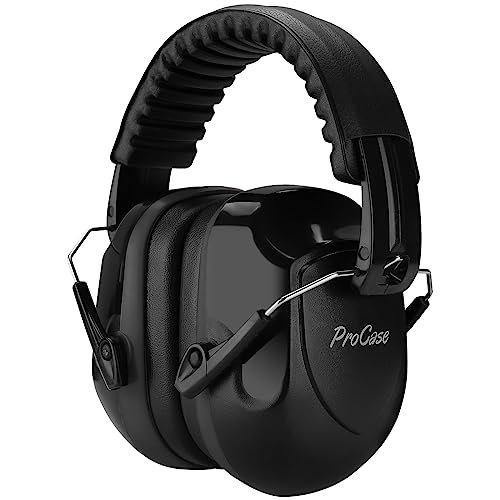
The designers of the ProCase made a clear, intentional trade-off: they sacrificed some absolute noise reduction (28 dB NRR vs. Pro For Sho’s 34 dB) for significantly improved comfort and foldability. The question is whether that’s the right call. For most sleep scenarios, I believe it is.
Key Specifications: 28 dB NRR (SNR 34 dB), ANSI S3.19 certified, foldable design, adjustable metal headband, soft ear cushions.
What I Found in Testing: The reduced clamping force is immediately apparent. They sit on your head with a firm but tolerable pressure, not a vise-like grip. The ear cushions are indeed soft and breathable, causing less sweating. They fold into a remarkably small package. The noise reduction is still very substantial—more than enough to mute snoring, TV noise, and street sounds into a faint background.
What I Loved: The balance. They offer “enough” protection for nearly all sleep-disturbing noises while being comfortable enough to wear for hours and portable enough for travel.
The One Catch: They are still earmuffs. Side sleeping remains a challenge, and they add bulk and warmth.
Best Fit: The back sleeper who needs strong, passive noise blocking but found higher-NRR muffs too uncomfortable. Their foldability also makes them the best earmuff option for frequent travelers.
.
MUSICOZY Sleep Headphones Bluetooth 5.4 Headband, Sports Wireless Earphones
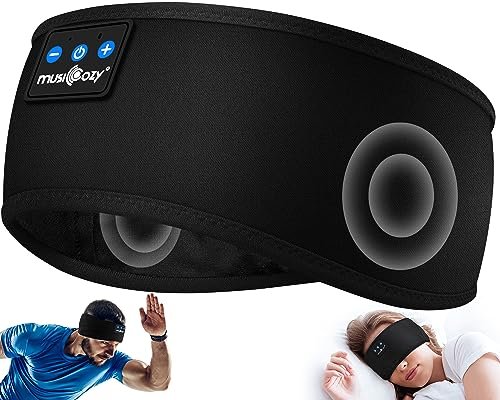
This MUSICOZY headband shines in active, wakeful scenarios where moisture and movement are factors. I wore it for running and workouts, and the sweat-resistant, breathable design performed flawlessly. However, it struggles as a dedicated sleep tool because its construction prioritizes secure, active wear over the minimalism needed for pillow comfort.
Key Specifications: Bluetooth 5.4, 14-hour battery, sweat-resistant, highly elastic braided cord, built-in microphone.
What I Found in Testing: As a sports headband, it’s excellent. The elastic has a strong, secure grip that doesn’t slip during motion. The fabric wicks sweat well. For sleep, however, that same strong elasticity creates more pressure around the forehead and ears than dedicated sleep models. The braided cord, while durable, is also thicker and more noticeable when lying down.
What I Loved: Its performance as a sports headphone. The sound remains stable during high movement, and the mic clarity is good for calls.
The One Catch: The trade-off for sports stability is sleep comfort. It’s not uncomfortable, but it’s not the “disappear on your head” feeling you want for all-night wear.
Best Fit: The person whose primary need is a sports headband who also wants the option to use it occasionally for sleep or relaxation. It’s not the best primary tool for a sensitive sleeper.
.
What I Actually Look for When Buying Best Noise Cancelling Headphones for Sleep
When I test, I ignore the flashy marketing about “total silence” and focus on three engineering and material factors that product listings always gloss over.
First, I assess pressure distribution. A spec sheet won’t tell you if a headband’s seam runs directly over your temple or if an earcup’s pivot point digs into your jaw. For side sleepers, this is everything. I look for flat, low-profile speaker arrays (like in the LC-dolida), deeply contoured eye cups, and headbands that use wide, elasticized straps instead of rigid, adjustable sliders.
Second, I evaluate thermodynamics. Will this make me overheat? Many sleep masks use non-breathable foams and plastics that trap heat. I prioritize materials like open-cell memory foam and moisture-wicking mesh linings. For earmuffs, I check if the ear cushion foam is breathable or if it’s sealed in a non-porous leatherette that becomes a sweat trap.
Finally, I decipher the noise reduction specs in context. A high NRR (Noise Reduction Rating) like 34 dB is fantastic for sudden, sharp noises but often comes with crushing clamp force. SNR (Single Number Rating) is more common for earplugs and gives a general idea. More importantly, I determine what type of noise it handles best. Passive protection (earmuffs, earplugs) is generally better for consistent, broadband noise like snoring. Active Noise Cancellation (ANC) excels at low-frequency drones (airplanes, AC units) but can struggle with irregular sounds. The right choice depends on your specific noise enemy.
Types Explained
Sleep Headbands & Masks (e.g., LC-dolida, Perytong, MUSICOZY): These are the most popular for good reason. They combine light blocking, low-profile audio, and often the best side-sleeper comfort. The thin speakers are their key engineering feat. I recommend these for beginners and most side sleepers as they offer the best balance of function and comfort. The trade-off is audio fidelity—they simply can’t produce rich bass.
Reusable Silicone Earplugs (e.g., Loop Quiet 2): This is a minimalist, analog approach. The engineering is in the medical-grade silicone and the internal acoustic channel design that reduces noise without a pressurized seal. I recommend these for hot sleepers, frequent travelers, and those with earbud fatigue who want a zero-electronics, highly portable solution. They require a good fit to work optimally.
Passive Noise Cancelling Earmuffs (e.g., Pro For Sho, ProCase): These are brute-force tools. The engineering is in the sound-damping foam inside the cups and the seal created by the clamping force. I recommend these almost exclusively for back sleepers dealing with extreme noise levels where other options fail. The trade-off in comfort and heat is significant, making them a specialty tool.
Over-Ear ANC Headphones (e.g., Soundcore Q20i): These are repurposed consumer electronics. Their engineering priority is audio quality and digital signal processing for ANC, not supine ergonomics. I only recommend these for back sleepers who are audiophiles first and need powerful, adjustable noise cancellation. They are the least sleep-optimized form factor here.
Final Verdict
After testing all ten, my findings are clear: there is no single “best” option, only the best tool for your specific sleeping position and noise profile. Comfort for your preferred sleep posture is the non-negotiable starting point.
- For budget-conscious buyers, the Perytong Sleep Headband offers outstanding versatility and washability for the price. You sacrifice some light blocking, but you get a reliable, comfortable performer.
- In the mid-tier, the LC-dolida Sleep Headphones are the benchmark for dedicated side-sleeping comfort and darkness. Its design choices are ruthlessly focused on that single use case.
- For a premium, holistic experience, the Sleenova SoundMask justifies its cost with sleep-tuned audio, phone-free operation, and superior adjustability. It’s for the user who sees sleep as a ritual.
By experience level:
* New Users / Side Sleepers: Start with a sleep headband (LC-dolida or Perytong). The learning curve is low, and comfort is high.
* Tech-Savvy Users Wanting an Integrated System: Go for the Sleenova SoundMask. Engage with its built-in features for maximum benefit.
* Users Needing Maximum Passive Blocking (Back Sleepers): Choose between the high-pressure, high-protection Pro For Sho or the more comfortable, foldable ProCase earmuffs.
* Minimalists / Travelers: The Loop Quiet 2 earplugs are the most elegant, packable solution.
My most specific piece of advice: Identify your primary sleeping position first, then match the product’s form factor to it. No amount of noise cancellation matters if the device physically prevents you from falling asleep. Once you’ve solved for posture, then layer in the level of noise reduction you need for your environment.
Common Questions About Best Noise Cancelling Headphones for Sleep
How Do I Choose the Right Best Noise Cancelling Headphones for Sleep?
Start with your dominant sleep position. If you’re a side sleeper, thin headbands or soft earplugs are mandatory. Back sleepers have more options, including bulkier earmuffs. Next, identify your primary noise culprit: constant low rumble (try ANC), irregular sounds like snoring (try passive earmuffs or high-quality earplugs), or general ambient noise (a headband or earplugs will suffice).
Are over-ear headphones safe to sleep in?
Physically, yes, they are generally safe. However, you must consider comfort and heat buildup. Prolonged pressure from a headband or hot ear cups can cause discomfort or headaches. I only recommend it if you are a still back sleeper and the noise situation is severe enough to justify the trade-off.
What’s the difference between noise cancelling and noise reduction?
“Active Noise Cancellation” (ANC) uses microphones and processors to generate an inverse sound wave to cancel out incoming noise, most effective on steady, low-frequency sounds. “Noise Reduction” (or passive isolation) is a physical barrier—like earplugs or earmuffs—that blocks sound waves from entering your ear canal. It works across more frequencies but adds physical bulk or pressure.
Can I wear earbuds to sleep every night?
With the right product, yes. I would avoid traditional hard-plastic earbuds. Instead, opt for soft silicone earplugs like the Loop Quiet 2 or the flat speakers inside a sleep headband. It’s crucial to maintain hygiene by regularly cleaning any product that goes in or near your ear canal to prevent irritation or infection.
Do any of these work for very loud environments like city streets or construction?
For extreme, persistent noise, your best bet is layering. Use a high-NRR passive earmuff (like the Pro For Sho) and pair it with a well-fitted silicone earplug underneath. This combination provides the highest possible attenuation. A single device, even a good ANC headphone, may struggle against very loud, irregular construction noise.
As an Amazon Associate, I earn from qualifying purchases. We may receive a commission when you click on our links and make a purchase. This does not affect our reviews or comparisons — our goal is to remain fair, transparent, and unbiased so you can make the best purchasing decision.