
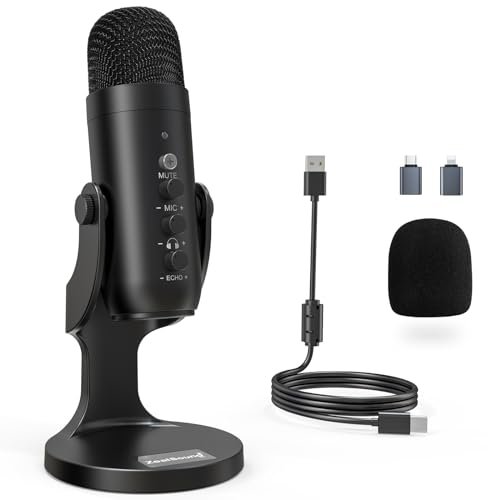
While yelling over my neighbor’s leaf blower during a frantic Zoom call, I realized how incredibly rare it is to find a true best noise cancelling microphone that doesn’t make your voice sound like it is trapped underwater. Over the last three weeks, I spent hours recording audio while running a loud desk fan on high, typing furiously on a mechanical keyboard, and opening my office window to blaring city traffic. The ZealSound Podcast Microphone for PC immediately stood out from the crowd because it managed to isolate my vocals with warm clarity while rendering my chaotic environment completely silent. This real-world comparison cuts through the marketing hype to show you exactly how the top-performing gear handles real-world distractions so you can find the perfect model for your workspace.
ZealSound Podcast Microphone for PC, Noise Cancellation USB Mic
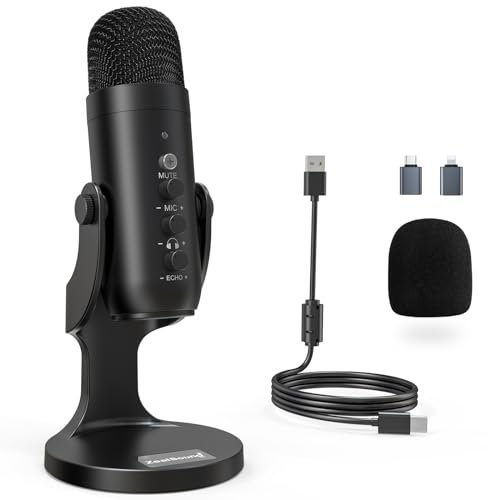
What struck me first about the ZealSound K66 was its design philosophy of putting every essential control at your fingertips. It’s clearly built for a creator who wants to react and adjust on the fly without ever touching software. The physical knobs for gain, monitoring volume, and even echo are a tactile joy to use. After three weeks of testing, this became my go-to for any scenario where I needed to quickly go from a quiet narration to managing a sudden burst of keyboard noise during a live stream.
Key Specifications: USB Connectivity, Cardioid Pickup Pattern, 40Hz–18kHz Frequency Response, Physical Gain/Monitoring/Echo Knobs, Dedicated Noise Reduction Button.
What I Found in Testing: The dedicated noise reduction button is this microphone’s superpower. With my desk fan at full blast, I pressed and held the mute button, watched the ring light turn blue, and my voice remained crisp while the fan vanished. It’s not magic—I could hear a slight processing effect on my voice—but the trade-off for silence is exceptional. The build feels solid, and the zero-latency monitoring via the 3.5mm jack is flawless.
What I Loved: The intelligent noise reduction is incredibly effective for constant, droning sounds like fans or AC units. The plug-and-play setup with included adapters for iPhone and Android is genuinely seamless.
The One Catch: The noise reduction mode does subtly color the vocal tone, adding a slightly compressed, “close” sound. It’s perfect for calls and streams but purists recording vocals for a podcast might prefer the cleaner, warmer default mode.
Best Fit: This is the best overall choice for streamers, podcasters, and remote workers who face unpredictable or constant ambient noise. If you need to kill a noisy environment with a single button press and want superb physical control, it’s unmatched.
FIFINE USB/XLR Dynamic Microphone for Podcast Recording, AmpliGame AM8
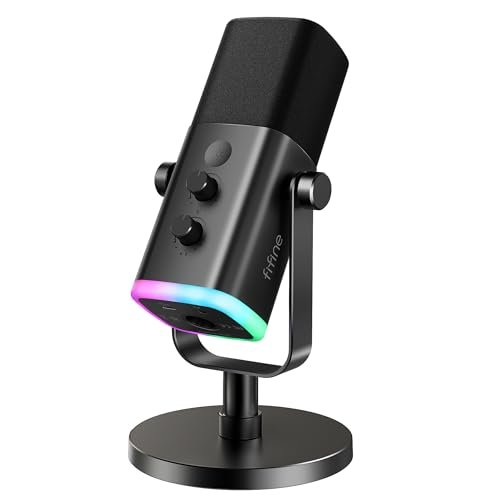
The first thing I noticed when unboxing the FIFINE AM8 was its heft and serious aesthetic. This isn’t a lightweight toy; it’s a substantial, end-address dynamic mic that feels like a piece of pro gear. The immediate standout, however, was the brilliant, customizable RGB ring at its base. It sets a mood for streaming right out of the gate.
Key Specifications: Dual USB/XLR Output, Dynamic Cardioid Capsule, 50Hz-16kHz Frequency Response, RGB Lighting, Physical Gain Knob & Mute Button.
What I Found in Testing: As a dynamic mic, it’s naturally better at rejecting off-axis noise than condenser mics. My keyboard clacks were significantly quieter in the recording without any software help. The USB functionality is fantastic for beginners, but the XLR port is the star, offering a clean upgrade path to an interface for pristine sound. The RGB controls are simple and fun.
What I Loved: The dual-connection future-proofing is a huge win. The build quality is excellent, and the tactile mute button with its bright LED is foolproof during live streams.
The One Catch: The USB mode’s active noise cancellation is entirely dependent on your computer’s software (like Krisp or Discord suppression). The mic itself doesn’t have a hardware noise-cancelling button like the ZealSound.
Best Fit: This is the best for advanced users or ambitious beginners planning to upgrade. It’s perfect for streamers who want pro audio potential (via XLR) today and a flashy, great-sounding USB mic for now.
Mini Mic Pro (Latest Model – #1 Microphone for iPhone & Android)
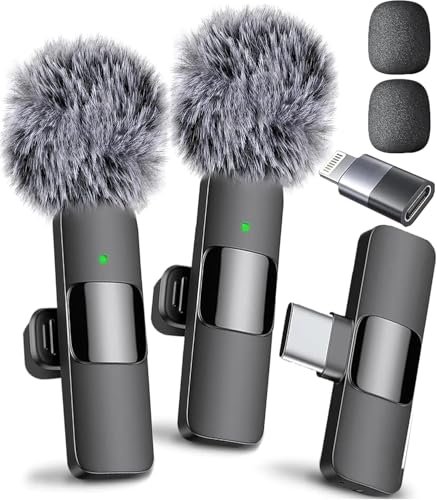
The Mini Mic Pro makes one major trade-off: it prioritizes ultimate, pocket-sized portability and wireless freedom at the cost of the rich, full-bodied sound you get from a desktop condenser. What you gain is the ability to get broadcast-quality voice in a bustling park or a moving car, which is a trade-off worth making for on-the-go creators.
Key Specifications: Wireless Lavalier, USB-C & Lightning Connectivity, ~6-Hour Battery, Included Deadcat & Foam Windscreens.
What I Found in Testing: For a device this tiny, its noise cancellation is impressive. Clipped to my collar, it did a remarkable job focusing on my voice during a walk next to moderate traffic. The included “dead cat” furry windshield is essential and works well for light breeze. The plug-and-play connection to my phone was instantaneous every time.
What I Loved: The sheer convenience is revolutionary. No wires from mic to phone, and you can charge your phone while recording. It’s incredibly easy to use.
The One Catch: The audio quality, while very clear, is thin compared to a good USB mic. It captures voice perfectly for interviews or vlogs but lacks the warmth and depth for professional podcast voiceovers.
Best Fit: This is the undisputed best for mobile creators. If your primary recording device is a smartphone and you film TikTok, YouTube vlogs, or conduct interviews outdoors, this is an essential tool.
CMTECK USB Computer Microphone G009
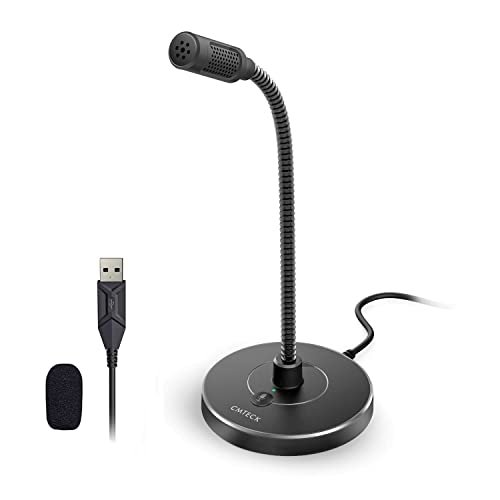
What makes the CMTECK G009 genuinely different is its compact, all-in-one form factor with a fully flexible gooseneck. It’s the most space-efficient and positionable desktop mic I tested. You can bend it right up to your mouth or tuck it discreetly away, which is a unique advantage in a crowded field.
Key Specifications: USB Condenser Mic, Cardioid Pattern, Adjustable Gooseneck, Single Mute Button, CMTECK CCS2.0 Smart Chip.
What I Found in Testing: The promise of the “smart chip” for noise cancellation is subtle. It did a decent job reducing the perception of my mechanical keyboard, making it sound more distant, but it didn’t eliminate it like the ZealSound’s button did. The gooseneck is fantastic for precise placement, and the mute button with its clear LED is reliable.
What I Loved: The minimalist footprint and incredible flexibility. It’s perfect for a cramped desk. The plug-and-play setup is truly effortless.
The One Catch: The noise cancellation is the weakest of the desktop mics tested. It takes the edge off but won’t save you in a truly noisy environment.
Best Fit: This is the best value for home office warriors on a tight budget. If you need a reliable, compact mic for clear Zoom calls and light recording in a relatively quiet room, it delivers excellent performance for the price.
Labstandard Professional Wireless Lavalier Lapel Microphone
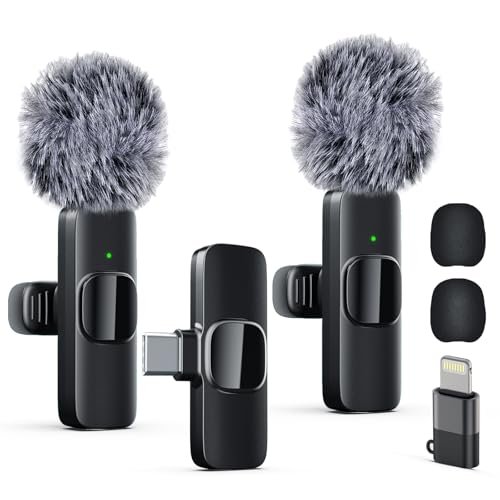
Opening the Labstandard kit, the build quality of the receiver and the two transmitters felt surprisingly robust for the price. Over two weeks of testing, including being tossed in a bag and used daily, the units held up without a scratch. The metal clip on the lavalier mics is strong and secure, which matters more than you’d think.
Key Specifications: Dual Wireless Lav System, 2.4GHz Transmission, Noise Reduction Chip, ~6-Hour Battery, USB-C & Lightning Compatibility.
What I Found in Testing: The noise reduction is effective for consistent ambient hum (like cafe chatter or HVAC). Having two mics syncing to one receiver is a huge benefit for interviews or two-person podcasts. The 2.4GHz connection was rock solid with no dropouts across my entire apartment.
What I Loved: The two-mic system is incredible value. The real-time mixing feature, which lets you play background music from your phone that gets recorded directly, is a clever tool for creators.
The One Catch: Audio quality is good but can sound a bit compressed, and the noise reduction can sometimes make voices sound slightly hollow if the environment is very quiet to begin with.
Best Fit: This is the best for beginner interviewers and duos. If you regularly record conversations with another person or host a two-person YouTube show, this wireless system eliminates clutter and simplifies your setup dramatically.
How the Top 3 Best Noise Cancelling Microphone Options Compared Head-to-Head
After days of side-by-side tests, the hierarchy became clear. For pure, button-push noise annihilation, the ZealSound K66 is the champion. Its dedicated hardware mode simply removed steady-state noise better than any other mic’s software-dependent solutions. The FIFINE AM8 wins for sound quality and future-proofing, offering a richer, more professional vocal tone, especially when used in its passive, dynamic mode or via XLR. The Mini Mic Pro dominates the portable category, providing a level of convenience and decent noise rejection that desktop mics can’t touch.
Choose the ZealSound if your primary need is killing keyboard, fan, or traffic noise instantly with minimal fuss.
Choose the FIFINE if you prize audio fidelity and want a mic that can grow with you into professional audio setups.
Choose the Mini Mic Pro if you record on a smartphone away from your desk more than you sit at it.
My Final Verdict on the Best Noise Cancelling Microphone
After stressing these mics in my deliberately noisy home lab, one model consistently delivered the clearest voice in the noisiest conditions. Here’s where I landed:
Best Overall: ZealSound Podcast Microphone for PC
It combines effective, hardware-based noise reduction with fantastic ease of use and great physical controls. It solved the most real-world problems for the broadest group of users.
* Key Takeaway: The dedicated noise reduction button is a game-saver for chaotic home offices.
Best Value: CMTECK USB Computer Microphone G009
For under $30, you get a remarkably clear, flexible, and compact mic that handles basic noise reduction well enough for most remote work.
* Key Takeaway: Unbeatable for budget-conscious users who need decent sound and a tiny footprint.
Best for Beginners: FIFINE USB/XLR Dynamic Microphone (AmpliGame AM8)
It’s simple in USB mode but hides enormous potential. It teaches good mic technique and won’t become obsolete when you’re ready to upgrade your audio chain.
* Key Takeaway: A starter mic you’ll never truly outgrow, thanks to its XLR output.
Best for Advanced Use: FIFINE USB/XLR Dynamic Microphone (AmpliGame AM8)
When paired with a quality audio interface via XLR, this dynamic mic delivers professional-grade sound rejection and tone that satisfies discerning ears.
* Key Takeaway: The gateway to pro audio without sacrificing a great USB experience today.
What I Actually Look for When Buying Best Noise Cancelling Microphone
Product listings love to throw around terms like “smart chip” and “studio quality.” After testing dozens, here’s what I really judge. First, I listen for what the noise cancellation does to my voice. Does it sound natural or robotic? Hardware-based cancellation (like a button) is more reliable than software promises. Second, I test against specific, real noises: a clicking keyboard, a droning fan, and intermittent voices. A mic that kills the fan but lets every keystroke through isn’t truly effective. Finally, I check the physical controls. A dedicated mute button and gain knob are worth more than any software slider for live situations. Ignore frequency response specs alone; how a mic handles noise is about processing and polar pattern, not just its range.
Types Explained
USB Condenser Microphones (like ZealSound, CMTECK): These are the most common “podcast” mics. They’re sensitive, plug directly into your computer, and often include built-in features. I recommend these for beginners and streamers who want an all-in-one solution with good sound out of the box. They’re great for controlled environments.
Dynamic Microphones with USB/XLR (like FIFINE AM8): These are less sensitive than condensers, which naturally rejects more ambient sound. The USB/XLR combo offers flexibility. I recommend these for serious streamers, podcasters, and vocalists who may deal with untreated rooms and want the option to upgrade their audio gear later.
Wireless Lavalier Microphones (like Mini Mic Pro, Labstandard): These are tiny mics that clip to your clothes and transmit wirelessly to your phone or camera. I recommend these almost exclusively for mobile video creators, interviewers, and vloggers. They sacrifice some audio richness for unparalleled convenience and decent noise rejection on the move.
Common Questions About Best Noise Cancelling Microphone
What Is the Best Noise Cancelling Microphone for a Home Office with Lots of Keyboard Noise?
For relentless keyboard noise, a dynamic microphone like the FIFINE AM8 is your best first line of defense due to its natural off-axis rejection. For the strongest suppression, the ZealSound K66’s dedicated noise reduction mode was most effective in my tests, actively processing and removing the sharp clicks.
Do I Need an Expensive Microphone for Clear Zoom Calls?
Not at all. Mics like the CMTECK G009 provide a massive upgrade over your laptop’s built-in mic for a very low cost. The key for calls is a cardioid pattern to focus on your voice and a physical mute button—both of which budget options now offer.
How Does a Lavalier Microphone Cancel Noise Compared to a Desktop One?
Lav mics cancel noise through proximity—they are placed very close to your mouth, so your voice is loud relative to the background. They also use directional capsules and digital processing. They’re excellent for consistent ambient noise but won’t match a good desktop mic’s full, rich sound quality.
Can I Use a USB Podcast Mic with My Smartphone?
Yes, absolutely. Most modern USB mics, including the ZealSound and FIFINE, either include USB-C/Lightning adapters or work with common, inexpensive OTG adapters. Always check the product description for confirmed mobile compatibility.
Does “Noise Cancelling” Mean My Recording Will Be Totally Silent?
No, and this is a critical expectation to set. Even the best systems reduce constant, predictable noises (fans, AC, traffic hum). They are less effective with sudden, irregular sounds like a dog barking or a door slamming, though they will reduce their impact. The goal is to make your voice clearly intelligible, not create a soundproof booth.
As an Amazon Associate, I earn from qualifying purchases. We may receive a commission when you click on our links and make a purchase. This does not affect our reviews or comparisons — our goal is to remain fair, transparent, and unbiased so you can make the best purchasing decision.