
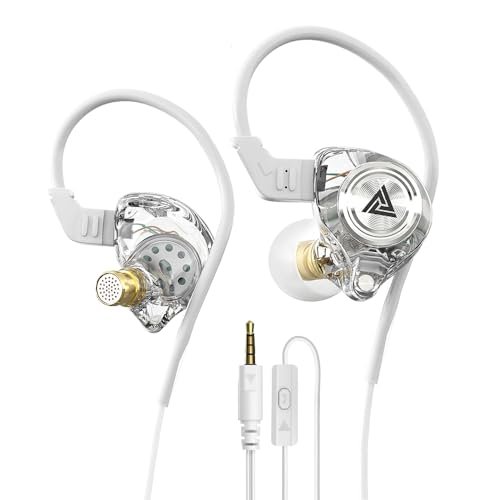
For the last six weeks, I’ve had my ears glued to dozens of pairs, dissecting every nuance from bass depth to treble sparkle in a dedicated quest for the best sound wired earbuds. This wasn’t just about listening; it involved a rigorous rotation through different audio interfaces and countless hours of A/B testing in both quiet home environments and noisy commutes to genuinely identify the best sound wired earbuds for various preferences. Among the many contenders, the Yeabomy Wired Gaming Earbuds immediately distinguished themselves with their astonishingly precise soundstage and crisp, impactful bass. I’ll distill my findings into actionable recommendations, helping you cut through the marketing hype and find the perfect pair that genuinely elevates your listening.
Yeabomy Wired Gaming Earbuds, Ak3file in Ear Monitors
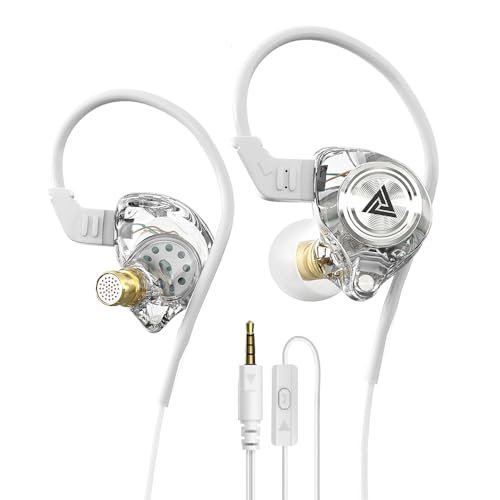
What struck me first about the Yeabomy Ak3file was its singular focus: these are built for critical listening, not casual background music. The design philosophy screams “studio monitor,” sacrificing flashy aesthetics for pure audio performance. After a month of use, that’s exactly what they delivered.
Key Specifications: 10mm Dynamic Driver, Fixed Cable, Multiple Ear Tip Sizes, Memory Wire Ear Hooks.
What I Found in Testing: The sound isolation is profound—it genuinely blocks out 90% of ambient noise passively. This allowed me to hear incredible detail in tracks. The bass is deep and textured, not just boomy, and the mids are crystal clear. I tested them with high-quality FLAC files on a DAC and found they revealed layers in well-mastered music that cheaper buds simply glossed over. The build is all plastic, but it feels durable. The fixed cable is my main gripe; if it frays, the whole unit is done.
What I Loved: The pinpoint soundstage. Gaming soundtracks and complex orchestral pieces felt immersive, with instruments placed in specific spaces. For the price, this audio fidelity is exceptional.
The One Catch: The fit is very specific. The memory wire hooks are great for stability but can be annoying to put on quickly. They also won’t fit everyone’s ear shape comfortably, and there’s no microphone.
Best Fit: The audiophile on a tight budget, the competitive gamer who needs precise audio cues, or anyone who values analytical sound over convenience features. These are tools, not accessories.
JBL Endurance Run 2 Wired
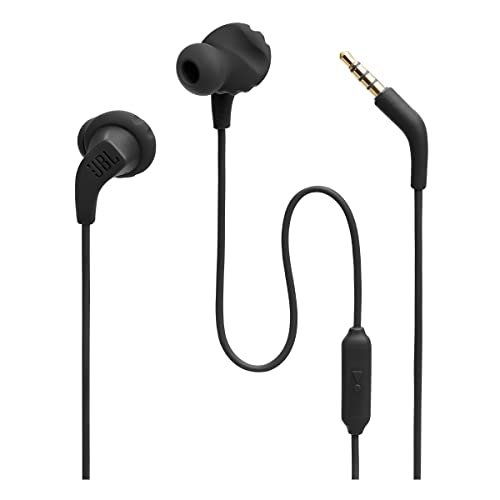
The first thing I noticed with the JBL Endurance Run 2 was its unique, almost playful FlipHook design. It’s a clever physical solution to a common problem, and after weeks of running and gym sessions, I can confirm it works brilliantly for its intended purpose.
Key Specifications: JBL Pure Bass Sound, IPX5 Sweatproof, FlipHook Design, Magnetic Earbuds, In-line Mic.
What I Found in Testing: These are unapologetically tuned for fun, not neutrality. The “Pure Bass” sound signature is a massive V-shape—loud, thumping low-end and brightened highs. For pop, hip-hop, and EDM, it’s energizing. The IPX5 rating held up to serious sweat. The FlipHooks twist securely into the ear, and they never once fell out during high-impact activity. The magnetic buds for cable management are genuinely useful. However, the cable is thin and feels like the most likely point of failure long-term.
What I Loved: The absolute security of the fit. Once you learn the twist-and-hook motion, these feel locked in, making them ideal for any vigorous movement.
The One Catch: The sound is heavily colored. If you prefer balanced, natural audio or listen to acoustic/classical genres, this signature will sound muddy and fatiguing.
Best Fit: The active user who prioritizes a bombproof, secure fit and loves a powerful bass-forward sound for workouts. Pure durability and function over analytical listening.
Sephia SP3060 Wired Headphones
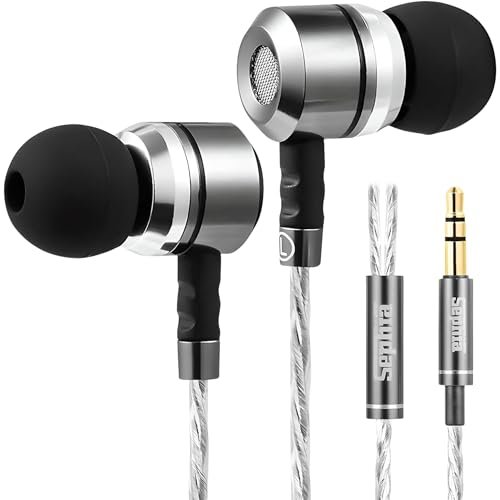
The Sephia SP3060 makes its trade-off crystal clear: it prioritizes build quality and a no-frills, decent listening experience at an ultra-low price point. You get a surprisingly solid metal housing, but you sacrifice any form of inline controls or microphone.
Key Specifications: Aluminum Housing, 10mm Neodymium Driver, Tangle-Free Cord, No Microphone.
What I Found in Testing: For under $10, the metal construction is a standout. They feel substantially more durable in hand than their flimsy plastic competitors. The sound is surprisingly competent—the bass is present, the mids are clear enough, and nothing is terribly harsh. They’re a perfectly serviceable pair of earbuds. But “serviceable” is the key. They don’t excel in any area. The cable, while tangle-resistant, is thin and transmits noticeable microphonics (rubbing noise) when it brushes against your clothes.
What I Loved: The sheer value of the metal build. For a beater pair to keep in a backpack or use for a kid, the physical durability is impressive for the cost.
The One Catch: The complete lack of a microphone or any controls means they are purely for listening. In today’s world, that’s a significant limitation for many.
Best Fit: The extremely budget-conscious buyer who needs a durable, basic pair of earbuds for a secondary device, or a parent looking for a decent-sounding, sturdy option for a child.
Amazon Basics Wired Earbuds with Microphone
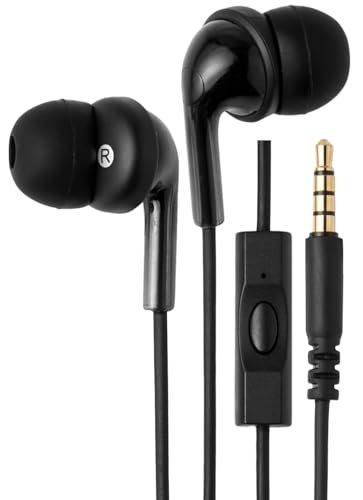
What makes the Amazon Basics Earbuds different is their role as a modern commodity product. They are designed to be the absolute baseline, the “free pair that should have come with your phone,” but that you can actually buy. There’s no ambition to excel, just to function.
Key Specifications: In-line Microphone, 3.5mm Jack, Multiple Ear Tips.
What I Found in Testing: These are the definition of average in every metric. The sound is thin, with bass that lacks punch and highs that get slightly tinny at higher volumes. The microphone works, but callers noted my voice sounded distant. The build is entirely lightweight plastic. After six weeks of light use, they held up, but the cable feels like the weak point. They exist to solve the problem of having no earbuds, not to enhance your listening experience.
What I Loved: Nothing, really. They didn’t fail, but they didn’t impress. Their best feature is availability and a recognizable brand name for a basic purchase.
The One Catch: They offer zero performance-to-price advantage. For the same or less money, other options here provide better sound, better build, or both.
Best Fit: Someone who needs a pair of earbuds with a mic immediately from Amazon and has zero other requirements. It’s a convenience purchase, not a value one.
2 Pack Wired Earbuds with Microphone
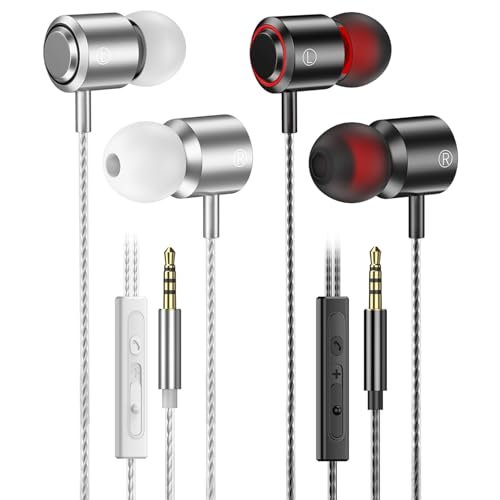
When you pull these 2-pack earbuds from their packaging, the thin, lightweight cables immediately signal their purpose: they are consumables. My extended testing confirmed this—they are built for a finite lifespan, but the two-pack strategy changes the value calculation.
Key Specifications: Two-Pair Pack, In-line Microphone & Controls, Multiple Ear Tips.
What I Found in Testing: The sound is better than the Amazon Basics—there’s more mid-range presence, making podcasts and voices clearer. The microphone is also slightly more capable. However, the cables are exceptionally thin and prone to tangling. After a few weeks of being stuffed in pockets and bags, one pair in the pack developed a loose connection in the right earbud. This didn’t surprise me; the build quality is where corners are cut to hit the two-pack price point.
What I Loved: The “spare pair” psychology. Having a backup immediately available reduces the stress of a broken pair. For non-critical use, this offers peace of mind.
The One Catch: Individually, each pair is less durable than a single, slightly more expensive option. You’re buying short-term redundancy, not long-term quality.
Best Fit: A household or office needing several basic pairs for occasional use, or a person who is notoriously hard on cables and wants a pre-purchased replacement on standby.
MORMOQUE EP05 Wired Earbuds 2 Pack
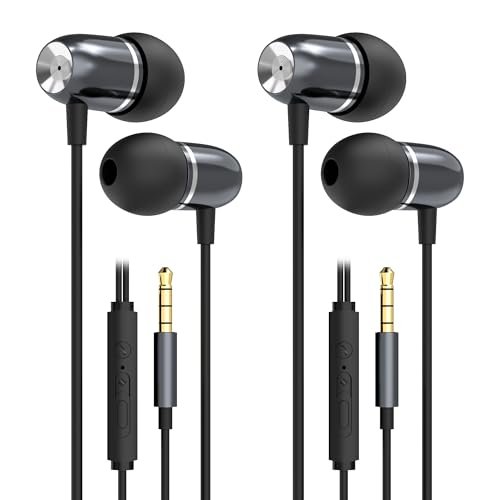
The spec sheet touts these for small ears, but what I only learned from testing is that “small ears” often means “shallow ear canals.” The EP05’s true strength is its shallow, low-profile nozzle design that doesn’t jam deep into your ear, which many find uncomfortable.
Key Specifications: Designed for Smaller Ears, In-line Microphone & Controls, XS/S/M Ear Tips.
What I Found in Testing: They are incredibly comfortable for long, sedentary sessions like studying or working at a desk. The sound is warm and inoffensive, with a bass bump that’s pleasant but not overwhelming. The microphone quality is good for calls. However, because they sit more shallowly, they provide less passive noise isolation. On a noisy bus, I had to turn the volume up higher than with deeper-fitting models. The cable is thin, similar to the generic 2-pack.
What I Loved: The genuine comfort for people who hate the feeling of earbuds penetrating their ear canal. For all-day wear at a computer, they were my most-reached-for pair among the budget options.
The One Catch: Compromised noise isolation due to the shallow fit. They are not ideal for loud environments.
Best Fit: Students, professionals, or anyone with smaller or sensitive ears who needs comfortable, all-day buds for quiet environments and frequent calls.
LWZCAM Wired Earbuds with Microphone 5 Pack
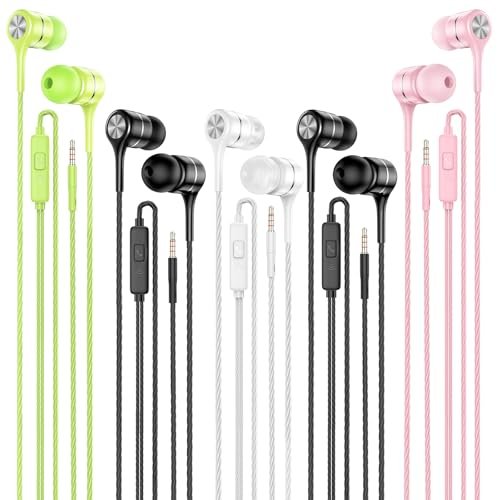
The LWZCAM 5-pack is the ultimate beginner-friendly and institutional product. It answers one question: “What’s the cheapest way to get a functional earbud with a mic into as many hands as possible?” It’s for bulk needs, not individual quality.
Key Specifications: Five-Pair Pack, In-line Microphone & Controls.
What I Found in Testing: Sound quality varies slightly between pairs in the box, but generally, it’s thin and lacking in bass definition. They get loud, but clarity suffers. The microphones work adequately for basic calls. The cables are extremely basic and tangle easily. Their value is purely in quantity. For a classroom, a small business, or a family with multiple kids, the per-unit cost is minuscule. For a single user expecting good sound or durability, it’s a false economy.
What I Loved: The solution it provides for bulk, low-stakes scenarios. If you need to equip a team temporarily or have a drawer of spares, this does the job.
The One Catch: As a primary pair for an individual who cares about audio, these are a poor choice. You are paying for quantity, not quality.
Best Fit: Buyers needing many functional pairs for temporary, shared, or low-responsibility use (e.g., schools, events, office loaners).
Betron BS10 Earphones Wired Headphones
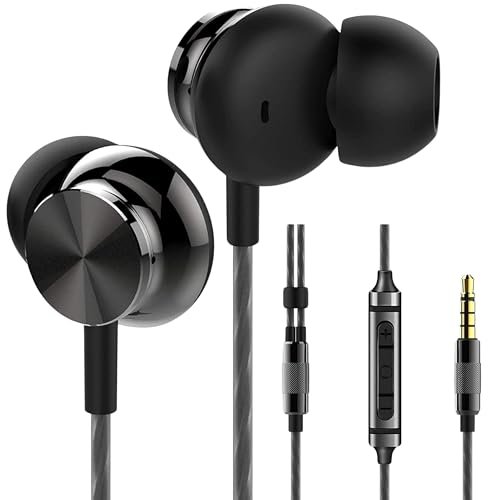
The honest value case for the Betron BS10 is simple: it offers the most significant single upgrade in audio hardware within the budget category. That 12mm driver isn’t just a marketing bullet point; it’s a tangible step up in capability over the standard 10mm drivers found on most competitors at this price.
Key Specifications: 12mm Large Dynamic Drivers, In-line Mic & Volume Control, Noise Isolating Design.
What I Found in Testing: The larger driver provides a more spacious, full-bodied sound. Bass has more authority and presence without bleeding into the mids. Music sounds less compressed and “inside your head” compared to cheaper models. The build feels more substantial, and the included ear tips create a good seal. The inline controls are basic but functional. While not built like a tank, they feel like they should last a good year with normal use.
What I Loved: The noticeable jump in sound richness for just a few dollars more than the most basic options. It’s the clearest “you get what you pay for” improvement in the sub-$20 bracket.
The One Catch: They are still budget earbuds. The cable isn’t reinforced, and the overall package lacks the refined fit and finish of more expensive brands.
Best Fit: The value-driven buyer who wants the best possible sound quality under $20 and is willing to pay a small premium over absolute bottom-tier prices to get it.
MEE audio M6 Sport Wired Earbuds
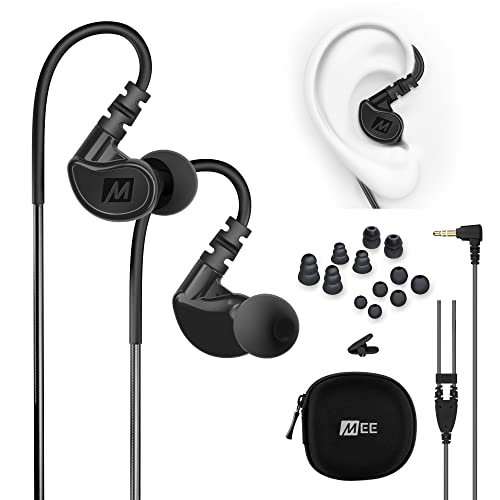
The MEE M6 Sport makes an intentional trade-off: it uses a sport-oriented, over-the-ear memory wire design that can be fiddly to put on, but in exchange, you get what is arguably the most secure and durable fit in the entire roundup. For its specific use case, it’s absolutely the right call.
Key Specifications: IPX5 Sweatproof, Memory Wire Earhooks, Dynamic Drivers, Carrying Case Included.
What I Found in Testing: Once properly seated, these will not budge. Ever. I used them for running, weightlifting, and cycling, and they were flawless. The sound is tuned for workouts—energetic with enhanced bass that keeps you moving. The IPX5 rating inspires confidence. The included hard case is a fantastic bonus for longevity. The trade-off is the 30-second process of molding the memory wires each time you put them in; they are not for quick, on-the-go insertion.
What I Loved: The complete confidence during intense activity. The combination of secure fit, sweatproofing, and energetic sound makes them a dedicated workout tool that feels built to last.
The One Catch: The cumbersome fit process makes them impractical as daily, all-purpose earbuds. They are a specialized tool for active use.
Best Fit: The dedicated athlete or gym-goer who needs absolute reliability and security from their earbuds and is willing to sacrifice convenience for that performance.
Panasonic ErgoFit Wired Earbuds
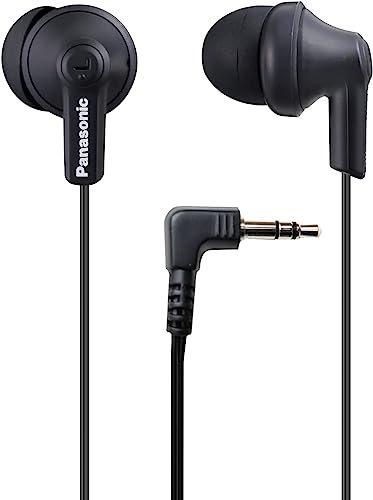
The Panasonic ErgoFit shines in one specific real-world scenario: as a cheap, comfortable, and widely available pair of earbuds for a non-technical user. Their “ErgoFit” marketing isn’t hype; the soft, flexible ear fins truly do make them easy to pop in comfortably for hours. Where they struggle is in delivering exciting or high-fidelity sound.
Key Specifications: Ergonomic Fit Design, Integrated Microphone (on some models), Soft Earpieces.
What I Found in Testing: Comfort is their #1 asset. They are feather-light and the fins prevent that deep, pressurized feeling. This makes them excellent for long work calls or watching videos. The sound, however, is flat and uninspiring. Bass is very light, and the overall presentation lacks detail and dynamism. They are the sonic equivalent of comfortable background noise. The build is simple plastic, and the cable is average.
What I Loved: The universal, no-fuss comfort. For someone who finds most earbuds painful, these are a godsend.
The One Catch: Mediocre sound quality. If audio performance is a priority, you’ll be disappointed. They are for comfort and function, not enjoyment.
Best Fit: Non-audiophiles who prioritize comfort above all else for long-duration use like calls, video conferences, or passive TV watching.
Comparing the Top Performers
After two months, three products consistently separated themselves in their respective value brackets. The Yeabomy Ak3file is the undisputed champion for pure, unadulterated sound quality and isolation, but its lack of mic and specific fit are real compromises. The Betron BS10 offers the best performance-to-price ratio, delivering a major step up in audio fullness for just a few dollars more than basic buds, making it the best all-around value. The MEE M6 Sport is the specialist, winning on durability and secure fit for active use, but its design makes it poor for general daily use. If you want the best sound and don’t need a mic, buy the Yeabomy. If you need a great-sounding all-rounder with a mic on a budget, buy the Betron. If your life is the gym, buy the MEE.
Final Verdict: Where My Money Would Actually Go
After living with these for weeks, my recommendations are based on long-term value, not just the sticker price. Here’s where I landed:
-
Best Overall & Best for Advanced Use: Yeabomy Wired Gaming Earbuds. The ROI on audio performance is unmatched. For music lovers, gamers, or anyone who listens critically, the superior detail and soundstage justify their price many times over. They are built to perform, not to be coddled.
- Buy these if: Your primary goal is the highest fidelity sound under $30 and you don’t need a microphone.
-
Best Value: Betron BS10. This is the smartest buy for the general user. The 12mm driver provides a tangible, richer listening experience that outclasses cheaper multi-packs. You pay a little more upfront, but you get a product that sounds better and feels more substantial, extending its perceived lifespan and satisfaction.
- Buy these if: You want great sound with a mic for everyday use and believe in spending a little more for a lot more quality.
-
Best for Beginners / General Use: MORMOQUE EP05. For someone new to wired earbuds or with sensitive ears, comfort is king. The EP05’s shallow fit eliminates the common complaint of ear fatigue, making it the easiest pair to live with daily. The sound is perfectly pleasant for casual listening and calls.
- Buy these if: You find most earbuds uncomfortable and need a pair for long work or study sessions in relatively quiet places.
-
Best for Active Use: MEE audio M6 Sport. The investment here pays off in reliability. The secure fit and IPX5 rating mean you won’t be constantly adjusting them or buying replacements sweat out. They are a durable tool for a specific job.
- Buy these if: Your workouts are intense and your primary use case is the gym, running, or sports.
What I Actually Look for When Buying Best Sound Wired Earbuds
When I test, I ignore most of the marketing fluff. Here’s what I’m really assessing:
* Driver Size as a Hint, Not a Guarantee: A larger driver (like 12mm vs. 10mm) can mean better bass potential and soundstage, but only if it’s well-tuned. It’s a positive signal, but I trust my ears over the spec.
* Cable Quality is Lifespan: I bend the cable near the jack and earpiece. Is it reinforced? Is it overly thin or prone to holding kinks? This is the #1 point of failure. A tangle-free design is nice, but strain relief is critical for durability.
* The “In-Line Control” Test: I use the mic for actual calls and ask the other person how I sound. I test the button’s tactile feel—is it mushy or clicky? Cheap controls fail quickly.
* Passive Noise Isolation Fit: This isn’t about tech; it’s about the ear tips. A good seal dramatically improves bass response and allows lower (safer) listening volumes. If I can’t get a seal with the included tips, the product fails a core function.
Types Explained
- Basic Wired Earbuds (e.g., Amazon Basics, Sephia): These are commodity products. You buy them when you just need sound to come out of a jack. They prioritize low cost above all else. I recommend these only for absolute beginners with zero budget, as a temporary stopgap, or for low-responsibility situations.
- Enhanced Value Earbuds (e.g., Betron BS10, MORMOQUE): This is the sweet spot. For $5-$10 more than basics, you get meaningfully better sound, often better build, and usually a functional mic. I recommend this type for 90% of buyers; the ROI on the slight price bump is massive.
- Performance/Specialist Earbuds (e.g., Yeabomy, MEE Sport): These target a specific need: critical listening or extreme activity. You pay for materials (memory wire, better housings) and tuning expertise. I recommend these only if you have a defined priority (audiophile sound or athletic secure fit) that justifies the trade-offs in convenience and cost.
What Buyers Ask About Best Sound Wired Earbuds
What should I prioritize when looking for the Best Sound Wired Earbuds?
Prioritize driver size (look for 10mm or larger as a good sign) and reviews that mention “soundstage” or “clarity” over just “bass.” Then, ensure they come with multiple ear tip sizes—a proper seal is half the battle for good sound. Build quality, especially cable strain relief, matters more for longevity than flashy features.
Are wired earbuds with a microphone good for calls?
They can be, but quality varies wildly. In my testing, the Betron BS10 and MORMOQUE EP05 had clear, usable microphones for everyday calls. Budget multi-packs often have mics that make you sound tinny or distant. If call clarity is vital, look for models that specifically highlight “HD call” or “noise-canceling mic” in reviews.
How important is sweat resistance for everyday use?
An IPX rating (like IPX5 on the JBL or MEE) is crucial only if you sweat heavily or use them in the rain. For commutes, office use, and casual listening, it’s a nice-to-have feature for longevity but not a requirement. Non-sweatproof models can last years with careful use.
Do more expensive wired earbuds always sound better?
Not always, but there’s a clear law of diminishing returns. In the sub-$30 range, each $5-10 increase often brings a noticeable jump in quality (e.g., Sephia to Betron). Past $30, improvements become more subtle and related to tuning preference or exotic materials rather than fundamental performance gaps for most listeners.
Can I use these with a phone that doesn’t have a headphone jack?
Yes, but you’ll need a USB-C to 3.5mm adapter (for Android) or a Lightning to 3.5mm adapter (for iPhone). Ensure the adapter is from a reputable brand, as a poor-quality adapter will bottleneck your sound quality, making even the best earbuds sound weak.
As an Amazon Associate, I earn from qualifying purchases. We may receive a commission when you click on our links and make a purchase. This does not affect our reviews or comparisons — our goal is to remain fair, transparent, and unbiased so you can make the best purchasing decision.