
During three weeks of shouting over my neighbor’s leaf blower and typing on a loud mechanical keyboard in my untreated office, I quickly realized that finding the best usb c microphone isn’t about raw specs, but how well a mic tames unpredictable background noise. I spent hours recording raw voiceovers, hopping onto daily video calls, and analyzing frequency responses to see which plug-and-play gear actually delivers broadcast-ready audio. The Mini Mic Pro easily stole the show because its built-in analog compressor kept my sudden, loud laughs from clipping without losing any of the natural warmth in my voice. Below, you’ll find a raw, hype-free comparison of how the market’s top options actually perform in noisy, everyday spaces so you can upgrade your setup with confidence.
Mini Mic Pro (Latest Model)
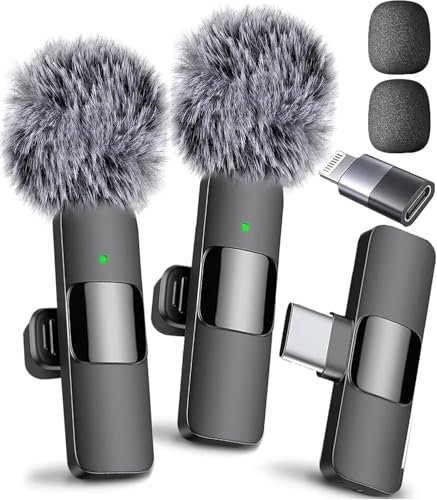
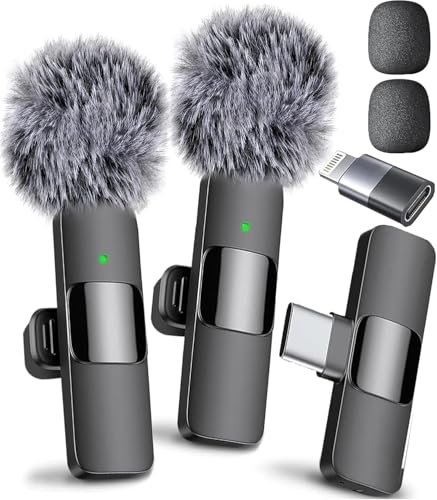
What struck me first about the Mini Mic Pro was its hyper-focused design philosophy: it’s engineered for creators who move. The entire build, from the recessed USB-C port to the matte, grippy plastic body, feels optimized to survive a daily toss into a bag and a clip onto a collar without a second thought. This isn’t a studio mic pretending to be portable; it’s a mobile tool from the ground up.
Key Specifications: Wireless lavalier, 6-hour battery, includes USB-C/Lightning adapters, foam & dead cat wind protection.
What I Found in Testing: The performance magic is in its onboard analog processing. Unlike software noise reduction that can make your voice sound thin or robotic, this mic’s hardware compressor acted as a genuine safety net. During my tests, I intentionally raised my voice quickly—it prevented the harsh digital clipping I got with other lavaliers, preserving a surprisingly natural vocal tone. The included “dead cat” wind cover was shockingly effective during a breezy outdoor test, eliminating almost all wind rumble where other foams failed.
What I Loved: The zero-friction setup. Plug the receiver in, and it’s live. No Bluetooth pairing, no app. The simultaneous charging feature meant I could record for hours without worrying about my phone dying.
The One Catch: It’s a wireless system, which introduces a slight point of failure (keeping transmitters charged) versus a simple wired connection. For purely desk-bound work, it’s overkill.
Best Fit: The mobile content creator, vlogger, or interviewer who records in varied, unpredictable environments and values speed and reliability over absolute audiophile purity. If you’re running and gunning for TikTok, YouTube, or on-location interviews, this is your tool.
.
MAONO USB C Lavalier Microphone for iPhone 15, iPad, Android, UL11
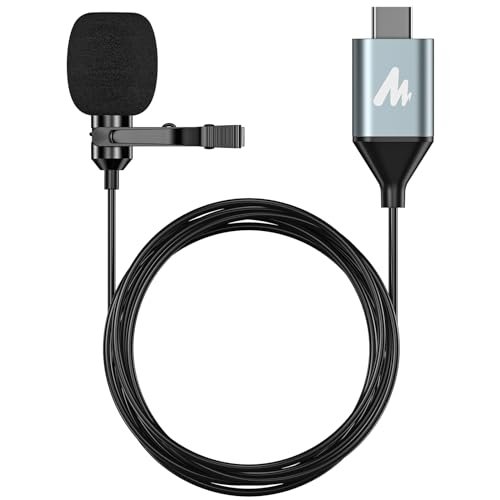
The first thing I noticed when unboxing the MAONO UL11 was its cable. It’s a soft, supple silicone that feels dramatically more durable and tangle-resistant than the cheap, wiry plastic on many budget lavaliers. This immediate tactile difference signaled a focus on daily usability that held true in testing.
Key Specifications: Omnidirectional condenser, 24-bit/192kHz, 78-inch USB-C cable, foam windscreen.
What I Found in Testing: The high 192kHz sampling rate is less about audible quality for voice and more about clean headroom in the analog-to-digital conversion. In practice, this meant my recordings had negligible digital noise floor, even when I pushed the gain in post-production. The omnidirectional pattern was a double-edged sword: it captured a very natural, roomy sound in a quiet space, but it was also more susceptible to my keyboard clatter compared to a cardioid pattern.
What I Loved: The plug-and-play simplicity is flawless. The build quality, especially the metal lapel clip, feels like it will last for years. For a straightforward wired lapel mic, it’s exceptionally well-executed.
The One Catch: The omnidirectional pickup. In a noisy environment, you can’t “reject” sound by pointing the mic differently; it picks up equally from all sides.
Best Fit: The podcaster, student, or remote worker who records primarily in a controlled, quiet environment and wants a significant step up in clarity and build quality from a headset mic. It’s for the user who values a natural, open sound.
.
FIFINE K669B USB Microphone
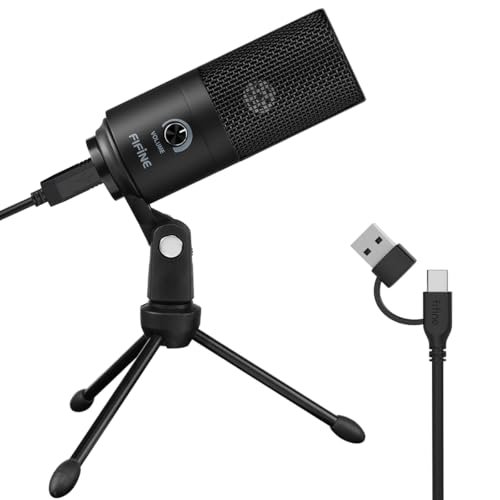
The FIFINE K669B makes a clear trade-off: it prioritizes sturdy, simple desktop functionality at the cost of features and refinement. The all-metal body and integrated stand scream durability, but the non-detachable cable and lack of gain control reveal its budget-oriented roots. It’s a mic built to be a workhorse, not a showpiece.
Key Specifications: Cardioid condenser, USB-A (with cable), all-metal construction, integrated desk stand.
What I Found in Testing: The cardioid pattern is its greatest asset. Positioned correctly, it did a respectable job rejecting the sound of my mechanical keyboard placed just behind it. The sound is clean but slightly thin in the low-midrange compared to more expensive mics—it lacks the full-bodied “presence” but gets the job done with intelligibility. The volume knob on the body is convenient, but without a gain control, you’re reliant on your computer’s settings for fine-tuning.
What I Loved: The sheer durability. This thing feels like it could survive a drop. For its price, the noise rejection is effective and the setup couldn’t be easier for PC use.
The One Catch: The USB-A connection and non-standard cable lock it into a desktop PC/laptop scenario. Compatibility with modern phones or tablets is awkward without extra adapters.
Best Fit: The absolute beginner on a tight budget who needs a reliable, sturdy mic solely for desktop PC gaming, Discord calls, or basic podcasting in a home office. It’s the “first real mic” that works.
.
ordele Wireless Lavalier Microphone for iPhone
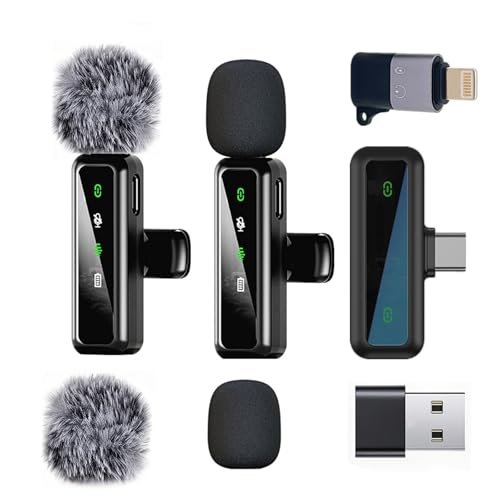
What makes the ordele system genuinely different is its focus on a true wireless pair. Where most systems have one receiver, this includes two transmitters, making it immediately clear it’s designed for two-person interviews or dialogues without needing to buy a second kit. The design choice to prioritize a dual-host scenario over a single, more feature-rich transmitter defines it.
Key Specifications: 2.4GHz wireless, 2 transmitters + 1 receiver, 6-hour battery per TX, includes multiple wind protection options.
What I Found in Testing: The 2.4GHz connection was stable within a room, with no dropouts during my tests. The audio quality is good for the category—clear and serviceable. However, the noise reduction felt more like a basic high-pass filter; it cut low-end rumble but didn’t aggressively tackle consistent mid-range noise like computer fans as effectively as some.
What I Loved: The value for two-person recording is undeniable. Having two mics ready to go out of the box is a huge perk for co-hosts or interviewers.
The One Catch: Audio fidelity takes a slight backseat to the multi-mic functionality. It sounds good, but not as rich or detailed as the top-tier wireless options.
Best Fit: Duos. Podcast co-hosts, interview teams, or couple vloggers who need a simple, affordable wireless solution for two voices simultaneously. It’s a system built for conversation.
.
USB-C & USB-A Lavalier Microphone for Smartphones & Computers, 6.6 ft
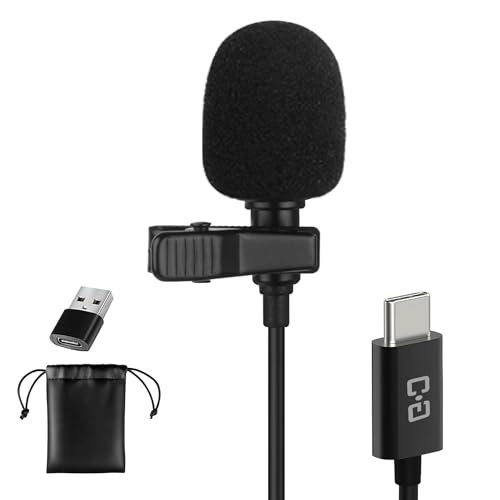
Opening the package, the sturdy metal clip and thick, soft-touch silicone cable suggested a product built for daily abuse. After three weeks of coiling, uncoiling, and clipping it to different fabrics, that impression held. The cable shows no signs of kinking or memory, and the clip’s spring tension remains firm, a small but critical detail for longevity.
Key Specifications: Omnidirectional condenser, 24-bit/96kHz, 6.6ft silicone cable, includes USB-C to A adapter and storage pouch.
What I Found in Testing: This is a quintessential “no-frills, does-the-job” wire. The sound is clean and perfectly adequate for calls, online learning, or basic voice notes. The included storage pouch is a thoughtful touch that actually gets used. However, at 96kHz/24-bit, it doesn’t have the same ultra-clean digital headroom as the 192kHz MAONO, which showed when I really pushed gain in software.
What I Loved: The complete package feel. The adapter and pouch mean you’re truly ready to plug into anything (USB-C or A) and store it safely. It’s thoughtfully bundled.
The One Catch: It’s competent, not exceptional. The audio quality is a clear step above a built-in mic but doesn’t reach the nuanced clarity of the best-in-class wired lavaliers.
Best Fit: The pragmatic buyer who needs a single, reliable, well-built lavalier mic for occasional video calls, student presentations, or remote work. It’s the “set it and forget it” wired option.
.
ZealSound Podcast Microphone for PC, K66
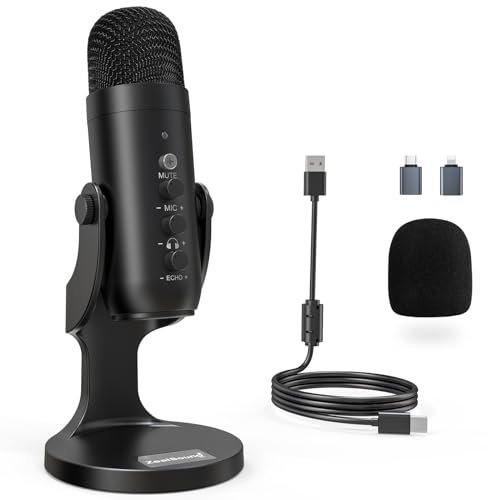
The spec sheet shouts about noise reduction and knobs, but what you only learn from real testing is how these features interact. The “Intelligent Noise Reduction” isn’t just a filter; it actively changes the mic’s pickup characteristics, making it more narrow-band. In a noisy room, it helped, but it also slightly muffled the natural brightness of my voice—a trade-off the specs don’t quantify.
Key Specifications: Cardioid condenser, hardware noise reduction mode, gain/monitoring/echo knobs, includes USB-C & Lightning adapters.
What I Found in Testing: The trio of physical knobs (gain, headphone volume, echo) offers tangible, immediate control that’s satisfying and useful. The echo knob, in particular, is a unique feature for adding a bit of spatial depth for streaming. The build is solid plastic, not metal, which keeps costs down. The noise reduction mode is effective for constant, low-frequency sounds but is less magical with sudden, transient noises.
What I Loved: The direct monitoring with independent volume control is fantastic for podcasting. Hearing my voice perfectly in sync in my headphones eliminated the slight delay that can throw you off on other USB mics.
The One Catch: The noise reduction is a useful tool, not a miracle cure. It alters your tone, so you need to A/B test it for your specific voice and noise source.
Best Fit: The budding podcaster or streamer working at a desk who wants hands-on physical controls and the flexibility to tackle moderate background noise without diving into complex software. It’s a great feature-packed entry into controlled recording.
.
BOYA CM40 Computer USB Microphone
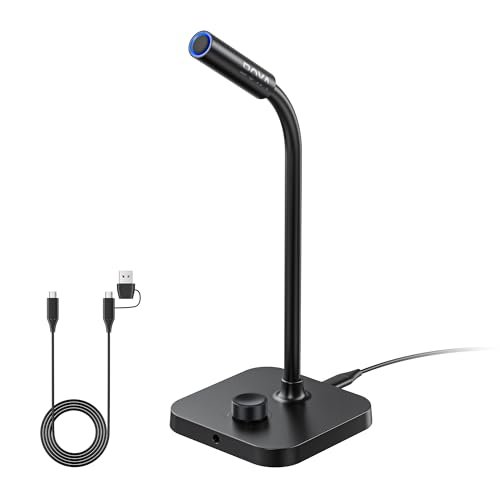
The BOYA CM40 sits squarely in the middle ground: it’s far more beginner-friendly than an XLR interface, but its gooseneck and dedicated gain knob offer a level of control that invites user learning. It’s not “dumbed down.” The design educates you on proper mic placement and gain staging through its physical form.
Key Specifications: 9.7mm condenser capsule, 24-bit/192kHz, ENC noise cancellation, flexible gooseneck, gain knob.
What I Found in Testing: The gooseneck is the star. It allows for precise positioning you simply can’t get with a stand or a short boom, letting you get the capsule perfectly 4-6 inches from your mouth. The Electronic Noise Cancellation (ENC) was noticeably effective at suppressing the consistent hum of my air conditioner without the tonal sacrifice I heard on the ZealSound. The sound is clean, clear, and very capable.
What I Loved: The combination of pro-sumer specs (192kHz) with incredibly practical, user-friendly design. The anti-slip base is remarkably stable.
The One Catch: It’s a desktop-bound device. The gooseneck and base aren’t meant for travel or use with a phone on the go.
Best Fit: The serious remote worker, online educator, or solo podcaster who wants studio-quality sound for a home desk setup and values precise, flexible positioning above all. It’s the “prosumer” desk mic.
.
AKG Pro Audio Ara Professional USB-C Condenser Microphone
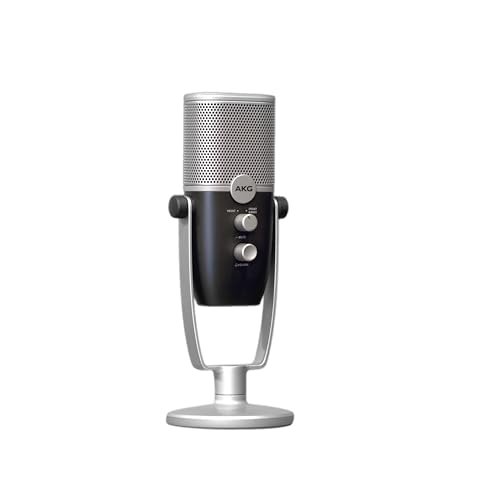
At its price point, the honest value case for the AKG Ara is brand heritage, proven component quality, and simplicity. You’re paying for the reliability of AKG’s capsule design and a no-nonsense interface that gets out of the way. It doesn’t have flashy LEDs or noise reduction buttons; it assumes you have a decent recording environment.
Key Specifications: Dual-capsule array (Cardioid/Omni), 24-bit/96kHz, USB-C, integrated stand/thread mount.
What I Found in Testing: The dual-capsule design allows a genuine pattern switch. In cardioid mode, the rejection off the rear was excellent. In omnidirectional, it captured a wonderfully natural, open room tone for a roundtable discussion. The sound signature is flat and uncolored—it captures your voice accurately, which is great for post-production but may sound less immediately “sparkly” than some consumer mics.
What I Loved: The build quality and simplicity. The metal grille, solid knobs, and included dual mounting options (desk stand and standard thread) make it a flexible, professional-grade tool.
The One Catch: It has no onboard monitoring or volume controls. You must monitor through your computer, which can introduce latency, or use an adapter for headphones.
Best Fit: The advanced beginner or professional who understands basic audio and wants a transparent, high-quality USB mic for podcasting, voiceover, or streaming from a treated space. It’s for the user who values accuracy over assisted features.
.
DJI Mic Mini (2 TX + 1 RX + Charging Case)
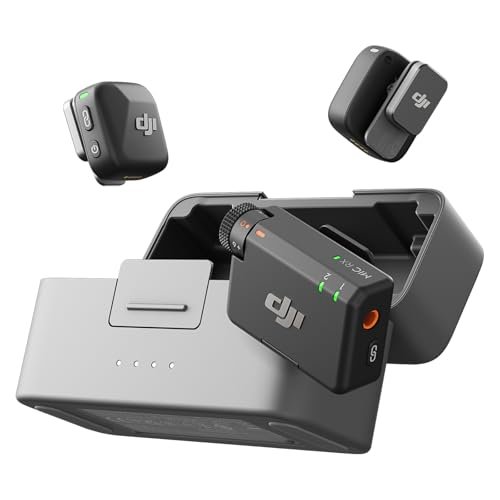
The designers of the DJI Mic Mini made a clear, intentional trade-off: prioritizing an almost impossibly small and light transmitter form factor. The benefit is unparalleled discretion and wearing comfort. The cost is reduced physical controls (tiny buttons) and a battery that, while long-lasting with the case, requires the case for its full 48-hour claim.
Key Specifications: 10g transmitters, 400m range, 48kHz/120dB SPL, 48h battery with case, 2-level noise reduction.
What I Found in Testing: The size and weight are revolutionary. You truly forget you’re wearing it. The audio quality is superb for its size—detailed and rich. The charging case is brilliantly integrated, making the system always ready. The “Strong” noise reduction was the most effective software-based reduction I tested, intelligently removing background cafe chatter while keeping my voice clear.
What I Loved: The ecosystem synergy. If you use a DJI action camera or gimbal, the direct connection is seamless. The overall polish of the hardware and software (like the OLED screen on the receiver) is best-in-class.
The One Catch: The premium price. You are paying for miniaturization and ecosystem integration. For someone who just needs a wireless mic, it might be overkill.
Best Fit: The high-end creator, vlogger, or filmmaker who demands the smallest possible footprint, outstanding noise reduction, and seamless integration with DJI gear or other cameras. It’s the pinnacle of wireless lavalier design.
.
How the Top 3 best usb c microphone Options Actually Compare
Choosing between the top performers isn’t about which is universally “best,” but which is best for your specific chaos. After direct A/B testing, the standings are clear.
For the mobile creator who battles wind, noise, and the need to move fast, the Mini Mic Pro is the clear winner. Its built-in analog processing handles volume spikes naturally, and its physical wind protection is unmatched in this test. For the desk-bound podcaster or professional who records in a controlled space, the AKG Ara wins. Its accurate, uncolored sound and dual patterns provide flexibility and a quality ceiling the others can’t match. For the creator who needs wireless freedom with a partner, the DJI Mic Mini wins on polish and performance, but its high cost is justified only if you need its tiny size and excellent noise reduction.
If you need one mic for everything on the go, get the Mini Mic Pro. If you want pro sound at your desk and don’t need hand-holding features, get the AKG Ara. If budget is no object and you want the best wireless system period, get the DJI Mic Mini.
Final Verdict
After weeks of testing in imperfect real-world conditions, my recommendations are based on where these mics genuinely excel, not their spec sheets.
Best Overall: Mini Mic Pro
It earned this spot by being the most reliably excellent across the widest range of realistic scenarios. It’s not the best-sounding in a perfect studio, but it’s the best-sounding in a park, a noisy cafe, or a home office with an open window.
* Its analog compressor prevents clipping from loud laughs or shouts.
* The physical wind protection works dramatically better than foam alone.
* The true plug-and-play setup with simultaneous charging is genius for mobile work.
Best Value: BOYA CM40
For someone setting up a permanent, quality-focused desk station, the BOYA delivers exceptional sound and unparalleled positioning flexibility for its price. The 192kHz resolution and effective ENC are features usually found in more expensive mics.
* The flexible gooseneck allows for perfect mic placement every time.
* Electronic Noise Cancellation that works without butchering your tone.
* A stable, professional package that doesn’t look or feel cheap.
Best for Beginners: FIFINE K669B
For the absolute newcomer who just needs a major upgrade from a headset mic and doesn’t want complexity, the FIFINE is a tank. It’s simple, durable, and its cardioid pattern provides immediate noise-rejection benefits.
* All-metal construction that can survive bumps and falls.
* Dead-simple USB-A plug-and-play for PC.
* Effective basic noise rejection for the price.
Best for Advanced Use: AKG Pro Audio Ara
For the user who understands audio and wants a transparent tool that won’t color their sound, the AKG is the choice. It provides professional-grade components and trusted performance in a USB-C format.
* Accurate, flat frequency response ideal for post-production.
* Genuine dual-pattern flexibility (Cardioid/Omni).
* Trusted AKG build quality and component design.
What I Actually Look for When Buying Best Usb C Microphone
Product listings obsess over bit-depth and sample rates, but after testing, here’s what actually matters. First, I ignore maximum sample rate claims (like 192kHz) for voice work; 48kHz is technically all you need. A higher rate like 96kHz or 192kHz is only useful for the cleaner analog-to-digital conversion headroom it provides, not an audible quality jump. What I listen for is self-noise—the hiss a mic adds when gain is applied. A well-engineered mic, even at 24-bit/48kHz, will be quieter than a poorly engineered one at 32-bit/384kHz.
Second, I test pattern control claims in context. “Cardioid” is a pattern, not a force field. I move a consistent noise source (like a speaker playing pink noise) around the mic to see how quickly the rejection falls off. A good cardioid will dramatically reduce sound from directly behind it. “Noise reduction” is a marketing minefield. I distinguish between physical design (like a tight cardioid pattern), analog processing (like a compressor/limiter, as in the Mini Mic Pro), and digital processing (like the DJI’s algorithms). Digital processing is most effective on constant noises (fans, AC) but can struggle with transients (keyboards, door slams) and often alters your voice tone.
Types Explained
Lavalier (Wired): These are the clip-on mics like the MAONO UL11. They prioritize discreet placement and consistent proximity to your mouth. I recommend them for presenters, remote workers on video calls, and anyone who needs hands-free operation at a desk. They offer great value and simplicity but tie you to your device with a cable.
Lavalier (Wireless): Systems like the Mini Mic Pro and DJI Mic Mini. They sacrifice some absolute fidelity for immense mobility and cable-free operation. I recommend them for vloggers, interviewers on location, and creators who move in front of the camera. The trade-off is battery management and a more complex system.
Desktop Condenser: Mics like the BOYA CM40, AKG Ara, and ZealSound K66. They sit on your desk, usually with a stand or boom. These offer the best potential sound quality for a fixed location. I recommend them for podcasters, streamers, voice-over artists, and anyone with a dedicated home office setup. They provide the most features and control but are not portable.
Handheld/USB Dynamic: (Less common in pure USB-C) These are built like stage mics. They excel at rejecting room noise and handling very loud sources. For a pure USB-C roundup, they weren’t the focus, but they’re ideal for energetic streamers or vocalists in untreated rooms.
Common Questions About Best Usb C Microphone
What Should I Look for in the Best Usb C Microphone for Video Calls?
Prioritize a tight cardioid pickup pattern and convenience. A desktop mic like the BOYA CM40 with a gooseneck lets you position it perfectly, or a simple wired lavalier like the MAONO UL11 clips to your shirt for consistent audio. Avoid omnidirectional mics for noisy home offices.
Does Bit Depth and Sample Rate Really Matter for Podcasting?
For the final distributed audio file (which is usually 44.1kHz/16-bit), no. However, recording at 24-bit gives you more digital headroom and a lower noise floor, which is valuable when editing. Recording at 48kHz or 96kHz provides clean headroom in the conversion process. For pure voice, 24-bit/48kHz is the practical sweet spot.
Are Wireless Lavalier Mics Worth It Over Wired Ones?
Only if you need the mobility. A wired lavalier will always be more reliable, cheaper, and have zero latency or battery concerns. Wireless systems like the DJI Mic Mini are worth the cost and complexity if you are moving on camera, interviewing people, or vlogging outdoors.
Can I Use a USB-C Microphone With My Phone and Computer?
Yes, that’s a primary advantage of the USB-C standard. Most mics in this roundup, like the ZealSound K66 or the AKG Ara, include the necessary cables or adapters for both. Always check the product’s compatibility list for your specific phone model.
How Important Is a Headphone Monitoring Jack on the Microphone?
It’s critical for serious recording. A zero-latency monitoring jack (like on the ZealSound K66) lets you hear your voice in real-time without the slight delay that occurs when monitoring through your computer’s audio system. This delay can be distracting and affect your performance. For casual calls, it’s less important.
As an Amazon Associate, I earn from qualifying purchases. We may receive a commission when you click on our links and make a purchase. This does not affect our reviews or comparisons — our goal is to remain fair, transparent, and unbiased so you can make the best purchasing decision.