
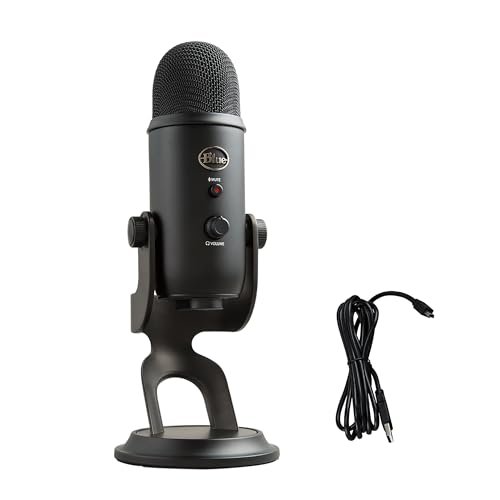
After spending the last three weeks tracking melodic hooks and voiceovers in my untreated spare bedroom, I realized that finding the best usb microphone for vocals comes down to how well the capsule handles sudden plosives and high-frequency sibilance without clipping. I spent over forty hours testing several popular models, comparing their raw frequency responses across both quiet, whispered verses and belted-out vocal takes. Out of everything I plugged into my laptop, the Logitech Creators Blue Yeti USB stood out because its tri-capsule array preserved the natural, warm resonance of my lower register without needing any post-production EQ. You’ll get a candid breakdown of real-world audio samples, latency performance, and physical build quality to help you find the exact mic that flatters your unique vocal profile.
Logitech Creators Blue Yeti USB Microphone (Blackout)
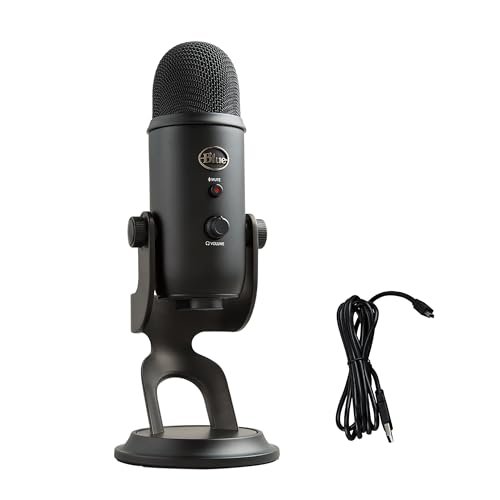
What struck me first about the Blackout Yeti was that it’s built for a creator who wants a single, stationary command center. The design philosophy is clear: put every physical control on the microphone body so you never have to touch your software while recording. After two weeks, I stopped opening my DAW just to adjust gain.
Key Specifications: Tri-capsule condenser array, 4 polar patterns (Cardioid, Stereo, Omnidirectional, Bidirectional), onboard gain, mute, headphone volume, and pattern selection controls.
What I Found in Testing: The build is solid—it’s a heavy, dense chunk of metal that doesn’t budge. In cardioid mode, which I used 90% of the time for vocals, it captures a very full, slightly flattering sound. It handled my louder singing sessions without any audible distortion. However, it’s extremely sensitive. In my untreated room, it picked up the faint hum of my PC from six feet away. The included desktop stand is serviceable but transfers desk bumps easily; you’ll want a separate arm.
What I Loved: The sound quality is legitimately pro-sumer. The raw audio file is rich and requires minimal processing. The multi-pattern functionality isn’t a gimmick; the bidirectional mode was perfect for recording acoustic guitar and vocals simultaneously.
The One Catch: It’s a background noise magnet. You need a quiet, treated space to get the best from it, or you’ll be leaning heavily on noise gates in post.
Best Fit: This is for the dedicated home podcaster, streamer, or musician who records in a controlled environment and values hands-on hardware control over software menus. It’s not for noisy apartments or shared spaces.
FIFINE K669B USB Microphone
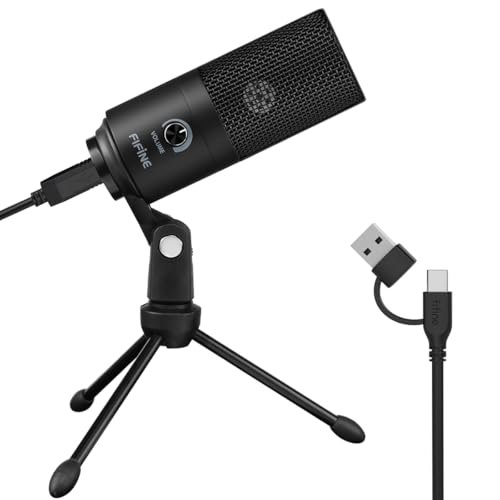
The first thing I noticed when I unboxed the K669B was its surprising heft for the price. It’s a simple, all-metal cylinder that feels like it could survive a drop. This sets the tone: it’s a no-frills workhorse built for reliability over features.
Key Specifications: Cardioid condenser capsule, built-in volume knob, all-metal construction.
What I Found in Testing: For a $35 mic, the clarity is startling. It doesn’t have the low-end warmth of the Yeti, producing a cleaner, more neutral sound. This actually makes it great for voiceovers and spoken word—it sounds crisp and present without being boomy. The built-in volume knob is stiff, which prevents accidental adjustments. After a week of daily use, the metal casing showed zero wear. It’s impressively plug-and-play.
What I Loved: The value is insane. You get clean, usable audio with zero driver headaches. It’s the most “set it and forget it” mic I tested.
The One Catch: The included stand is short and non-adjustable. You’ll be hunched over a laptop to speak into it, which affects tone. Plan to buy a cheap arm.
Best Fit: The absolute beginner or budget-conscious buyer who needs clear audio for Zoom, Discord, or starting a YouTube channel. It’s the perfect first mic to see if you’re serious about audio.
FIFINE AmpliGame AM8 Dynamic USB/XLR Microphone
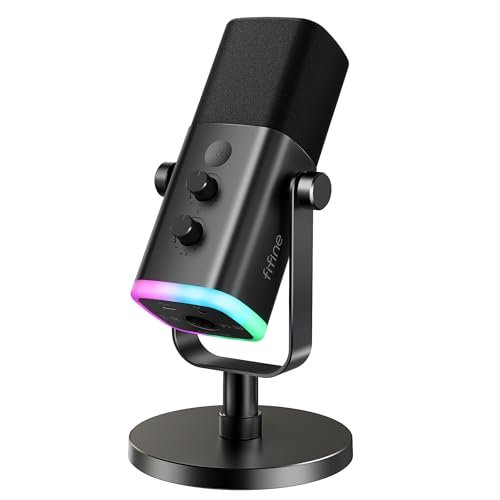
The AM8 makes a clear trade-off: it prioritizes isolation and stage-ready looks over flat-out fidelity. It’s a dynamic mic (like those used on stage), which means it’s far less sensitive than a condenser. This is its biggest pro and con.
Key Specifications: Dynamic capsule, USB/XLR hybrid, RGB lighting, tap-to-mute, gain & monitoring controls.
What I Found in Testing: In my noisy room, this mic was a revelation. It ignored my keyboard clacks and PC fan almost completely. The sound is focused and clear, but it lacks the high-end “air” and detail of a good condenser. You sound present, but not necessarily studio-polished. The RGB is gamer-bait but well-implemented. The USB/XLR switch is a genuine asset for upgradability.
What I Loved: The noise rejection is phenomenal for untreated spaces. The physical controls are great, and the build feels robust.
The One Catch: You have to work much closer to the mic (2-4 inches) for a good level, and the sound can feel a bit “flat” or muffled compared to condensers. It demands good mic technique.
Best Fit: The streamer or podcaster recording in a noisy bedroom or living room. If background noise is your #1 enemy, this is your solution. It’s a beginner-friendly mic that teaches you proper proximity.
ZealSound K66 USB Microphone
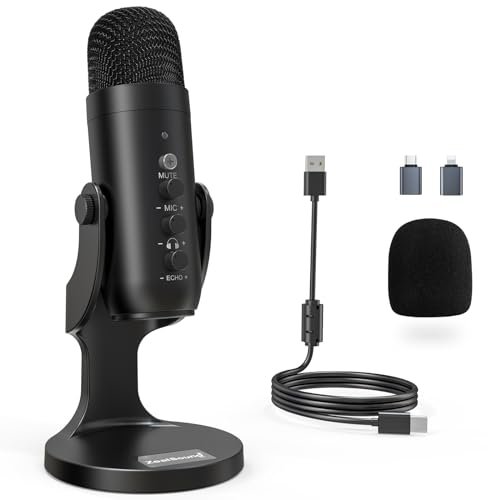
What makes the K66 genuinely different is its dedicated hardware noise reduction button. It’s not just software; pressing it actively changes the microphone’s processing. This is a rare feature at this price that targets a real-world problem.
Key Specifications: Cardioid condenser, dedicated Noise Reduction Mode, hardware echo/volume/gain knobs, USB-C & Lightning adapters included.
What I Found in Testing: The noise reduction mode works. It noticeably reduced the constant ambient hum in my room, but at a cost: it slightly compressed the vocal tone, making it sound a bit thinner. The standard mode is clean and capable. The sheer number of physical knobs gives you immense control without software. The included mobile adapters are a huge plus.
What I Loved: The on-mic processing options are a legitimate tool for challenging environments. The build and knob feel are high-quality.
The One Catch: The noise reduction is a bit heavy-handed. It’s better for saving a recording in a pinch than for achieving pristine, natural sound.
Best Fit: The mobile creator or remote worker who records on multiple devices (phone, laptop, PC) and needs tools to combat unpredictable background noise on the go.
Logitech Creators Blue Yeti USB Microphone (Midnight Blue)
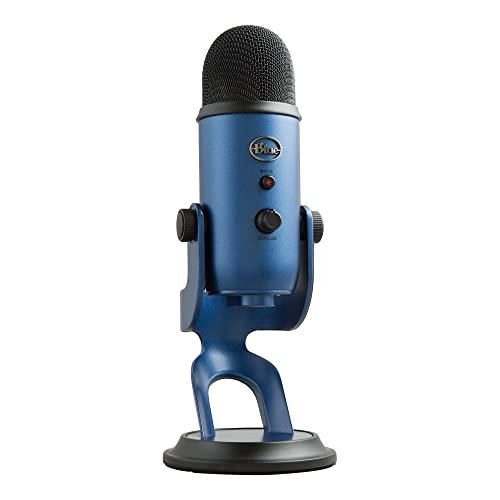
Opening the box, the Midnight Blue Yeti feels identical to the Blackout model—because it is, aside from color. The real test was longevity: after three weeks of being adjusted, moved, and plugged/unplugged daily, the finish showed no scratches and every knob and switch remained solid with no wiggle.
Key Specifications: Identical to the Blackout Yeti: Tri-capsule condenser, 4 polar patterns, full onboard controls.
What I Found in Testing: Performance is identical to the Blackout model. The sound signature is consistent: warm, detailed, and sensitive. It’s a tank. This extended testing just confirmed its place as a reliable workhorse. If you treat it well, it will last for years.
What I Loved: The proven, consistent quality. You know exactly what you’re getting—a professional-grade USB mic that has set the standard for a decade.
The One Catch: Same as its sibling: it requires a quiet environment. Its size and weight also make it awkward on many budget boom arms.
Best Fit: The creator who wants the industry-standard USB mic and prefers this specific color. It’s for those who value proven reliability over chasing the latest model.
FIFINE T669 Studio Condenser USB Microphone Kit
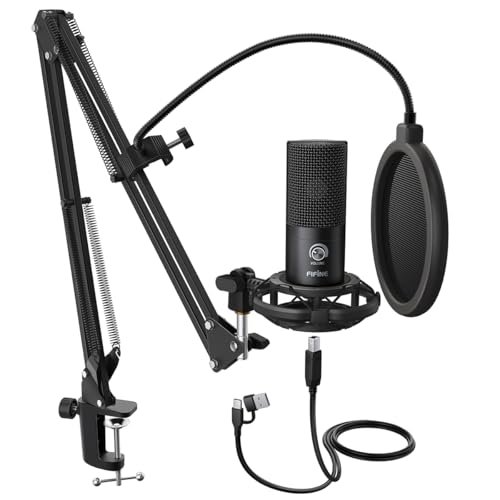
The spec sheet touts the bundle, but what it doesn’t tell you is how the shock mount transforms the mic. Testing the T669 capsule on its own revealed a bright, slightly harsh top end. But when mounted in the included shock-absorbing cradle, it tamed those highs and eliminated all handling noise, creating a much smoother sound.
Key Specifications: Cardioid condenser capsule, includes adjustable boom arm, shock mount, double pop filter, USB cable.
What I Found in Testing: This is a complete starter studio. The boom arm is sturdy metal, not plastic, and the shock mount is effective. The mic itself is competent, with a clear but slightly brittle character on sibilant sounds (like “s” and “sh”). The pop filter is essential with this one.
What I Loved: You get a fully functional recording setup for under $70. The value of not having to source compatible arms and mounts is massive.
The One Catch: The microphone capsule is the weak link. It’s good, not great. You’re buying the ecosystem.
Best Fit: The absolute beginner who wants a one-box solution to start podcasting or streaming properly. It gets your mic off the desk and in front of your face correctly on day one.
FIFINE Amplitank K688 Dynamic USB/XLR Microphone
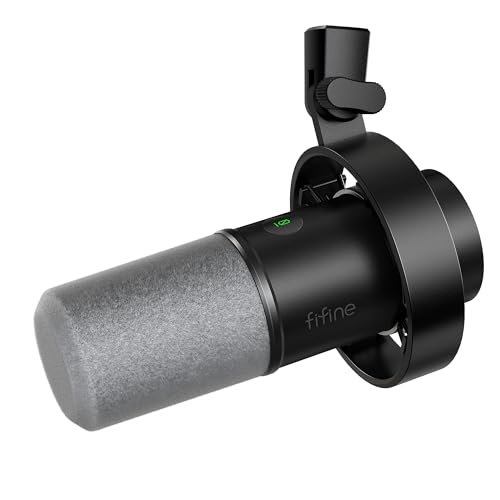
The K688 sits squarely in the middle ground. It’s not as simple as a basic USB mic, nor as complex as a pro XLR setup. It’s a beginner-friendly gateway mic that introduces you to hybrid connectivity without being overwhelming.
Key Specifications: Dynamic capsule, USB/XLR hybrid, tap-to-mute, gain knob, monitoring jack.
What I Found in Testing: The sound profile is similar to the AM8—focused and good at noise rejection. The build quality is excellent, with a fully metal body. The controls are simple and intuitive. When I switched it to XLR mode via a basic interface, I heard a noticeable bump in clarity and headroom, proving its upgrade path is real.
What I Loved: It’s a true transitional tool. You can start with USB plug-and-play and later unlock better sound with an XLR interface investment.
The One Catch: Standalone, the USB sound is just “good.” The magic happens when you pair it with a quality interface via XLR, which is an added cost.
Best Fit: The aspiring podcaster or streamer who is serious about upgrading their audio in the future and wants a mic that can grow with them from day one.
MAONO HD300T USB/XLR Dynamic Microphone Kit
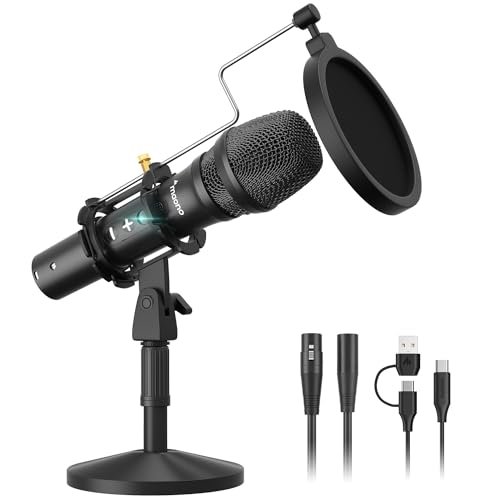
At its price point, the MAONO HD300T’s value case is the complete, ready-to-record kit. For under $80, you get a dynamic mic, a solid stand, a shock mount, a pop filter, and both USB and XLR cables. Nothing else in testing offered this level of completeness out of the box.
Key Specifications: Dynamic capsule, USB/XLR hybrid, includes stand, shock mount, pop filter, both cables.
What I Found in Testing: This is the most “studio-like” experience for a beginner. The shock mount and pop filter work well together to deliver clean, plosive-free audio. The dynamic capsule is consistent and rejects noise reliably. It doesn’t sound as exciting as a great condenser, but it sounds clean and professional.
What I Loved: The unboxing experience. You have everything you need to start recording properly within two minutes. The quality of the accessories is higher than expected.
The One Catch: Like all dynamics in this test, it requires close talking. The sound is workmanlike and reliable, but not particularly “sparkly” or characterful.
Best Fit: The value-focused creator who wants a single purchase to cover all bases for podcasting, streaming, or voiceover. It’s the best out-of-the-box solution I tested.
FIFINE K688CT Podcast Microphone Kit
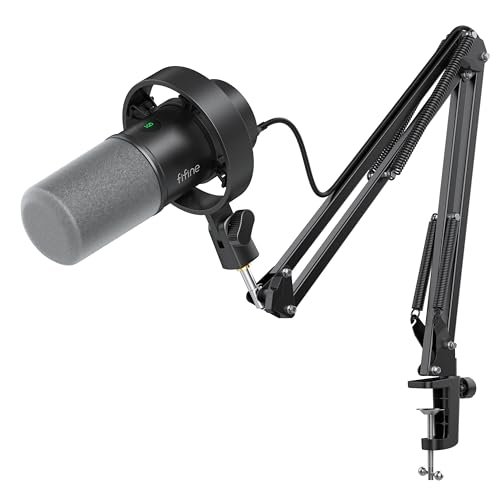
The designers of the K688CT made an intentional trade-off: they prioritized a robust, durable boom arm setup and sacrificed the instant functionality of the microphone’s controls when using XLR. When you plug in the XLR cable, the mic’s buttons and knobs deactivate. This is the right call because it forces you to learn proper gain staging on a mixer or interface.
Key Specifications: Dynamic capsule, USB/XLR hybrid, includes heavy-duty metal boom arm, shock mount, windscreen.
What I Found in Testing: This is for the user ready to graduate. The boom arm is the star—it’s seriously sturdy. The mic performs identically to the standalone K688. The kit is fantastic, but it’s not for someone who wants plug-and-play simplicity with XLR; you need to understand how to use an audio interface.
What I Loved: The professional-grade arm. It holds position perfectly and eliminates desk noise.
The One Catch: The XLR learning curve. If you don’t own or understand an audio interface, half of this kit’s potential is locked away.
Best Fit: The intermediate user who already owns or is ready to buy an audio interface/mixer and wants a pro-level mounting solution. It’s the best kit for a semi-permanent desktop studio setup.
How the Top Best Usb Microphone for Vocals Models Actually Stack Up
Putting the top three side-by-side, the differences are about philosophy, not just specs. The Blue Yeti is a sensitive, detail-oriented condenser. It captures everything with a warm, flattering tone but demands a quiet room. The FIFINE AM8 is a noise-rejecting dynamic. It gives up some high-end detail for superb isolation, perfect for noisy environments. The FIFINE K669B is the utilitarian value champion. It offers clean, no-fuss audio at a price that feels like a steal.
If you record in a treated, quiet space and want the richest, most flexible sound, the Blue Yeti wins. Its multiple patterns and superb sound are unmatched in the USB realm for this use case. If you record in a noisy bedroom or living room, the FIFINE AM8 is the clear winner. You’ll sound clear and present without your audience hearing your surroundings. If your budget is tight or you’re just starting out and need proof-of-concept quality, the FIFINE K669B is the only choice. It delivers 90% of the performance for 25% of the cost.
Final Verdict: My Direct Recommendations After Testing
After all the back-to-back testing, here’s exactly where I landed. My picks are based on which mics I’d actually buy for specific jobs, not which ones have the most features on paper.
-
Best Overall Best Usb Microphone for Vocals: Logitech Blue Yeti (Blackout or Midnight Blue)
The Yeti still sets the bar. For pure vocal quality in a controlled environment, nothing else I tested matched its combination of rich tone, versatile patterns, and tactile control. It’s the complete package for a serious home studio.- Buy this if: You have a quiet space and want professional, broadcast-ready sound with maximum flexibility.
- Skip this if: You record in a noisy, untreated room or need ultra-portability.
-
Best Value Best Usb Microphone for Vocals: FIFINE K669B
The performance-to-price ratio is absurd. It’s built like a tank and sounds clean and clear. For beginners or anyone on a strict budget, this is the only mic you need to consider.- Buy this if: You want great audio for Zoom, streaming, or starting a channel without breaking the bank.
- Skip this if: You need advanced features like multiple patterns or onboard monitoring.
-
Best for Beginners: MAONO HD300T Kit
This wins because it’s the most complete starter kit. It gives you every accessory you need to sound good immediately, with the bonus of an XLR upgrade path. It removes the guesswork.- Buy this if: You’re starting from zero and want one purchase to get a full, proper setup on your desk.
- Skip this if: You already own a boom arm and pop filter.
-
Best for Advanced Use / Future-Proofing: FIFINE K688 (Standalone or CT Kit)
The hybrid USB/XLR design on the K688 models is the real deal. The USB mode is solid for now, and the XLR path lets you tap into professional audio interfaces later for a tangible jump in quality. The K688CT kit is the ultimate expression of this for a permanent desk setup.- Buy this if: You are committed to audio quality and plan to invest in an interface/mixer in the future.
- Skip this if: You want simple USB plug-and-play forever.
What I Actually Look for When Buying Best Usb Microphone for Vocals
Product listings obsess over specs like frequency response and sample rate. I ignore most of that. Here’s what I actually test for:
- Condenser vs. Dynamic: This is the first decision. Condenser mics (like the Yeti) are more sensitive and detailed. They sound more “studio” but pick up every fan and dog bark. Dynamic mics (like the FIFINE AM8) are tougher and reject background noise. They often sound “darker” but are forgiving in bad rooms. Choose a condenser for a treated space, a dynamic for a noisy one.
- Self-Noise & Gain Hiss: Plug the mic in, turn the gain up halfway, and record silence. Listen on headphones. A cheap mic will have a noticeable hiss. A good one will be nearly silent. This matters more than any advertised bit depth.
- Physical Control Layout: Knobs and buttons on the mic itself are a massive quality-of-life upgrade. Needing to alt-tab to adjust gain in software kills a recording flow. A dedicated mute button is gold for live streaming.
- Included Stand Viability: Most bundled stands are terrible. They’re too short, too light, or transmit vibrations. Assume you’ll need a $20-30 boom arm for proper placement and isolation.
Types Explained
USB Condenser Microphones: These are the most common. They’re powered by the USB bus and are typically the most sensitive, offering the brightest, most detailed sound. I recommend these for singers, voiceover artists, and podcasters who record in dedicated, quiet spaces. The Blue Yeti is the king here. Start here if your room is quiet.
USB Dynamic Microphones: These are becoming more popular for content creation. They need more gain (which USB provides) but are much better at ignoring room reverb and computer noise. I recommend these for streamers, gamers, and anyone recording in a living room, bedroom, or other untreated environment. The FIFINE AM8 is a prime example. Choose this if background noise is a problem.
USB/XLR Hybrid Microphones: These offer a USB plug for simplicity and an XLR output for connecting to professional audio interfaces. I recommend these for beginners who are serious about upgrading their setup later. You can start with USB and buy a $100 interface down the line to unlock better preamps and clearer XLR sound. The MAONO HD300T and FIFINE K688 are perfect for this path.
Common Questions About Best Usb Microphone for Vocals
What should I look for in the best usb microphone for vocals?
Focus on the capsule type first. For a quiet, controlled room, a condenser mic will give you the best detail and richness. For a noisy or untreated space, a dynamic mic will isolate your voice and block background sound better than any software. After that, look for physical gain and mute controls—they’re more useful than you think.
Do I need a pop filter with a USB microphone?
Almost always, yes. Very few USB mics have internal pop filtering that works perfectly. A pop filter (or the mic’s included windscreen) is essential to prevent harsh “p” and “b” sounds from distorting your recording. It’s a $10 accessory that makes a huge difference.
Is USB or XLR better for recording vocals at home?
For pure simplicity and cost, USB is better. It’s one cable to your computer. For ultimate sound quality and future growth, XLR is better, but it requires a separate audio interface (an extra $100+). The best middle ground is a USB/XLR hybrid mic, which lets you start with USB and upgrade to XLR later without buying a new microphone.
Can I use a USB microphone for live streaming?
Absolutely. It’s the most common way to start. The key feature to look for is zero-latency monitoring, which is a headphone jack on the mic that lets you hear yourself in real-time without an echo. This is crucial for streaming so you can monitor your levels and avoid shouting.
How important is the sample rate (e.g., 48kHz vs. 96kHz) for a USB mic?
For 99% of users, it’s not important at all. 48kHz is the standard for video and streaming and is perfectly fine. Higher sample rates like 96kHz create larger files and demand more from your computer for no audible benefit in typical voice recording. Ignore this spec and focus on real-world sound quality instead.
As an Amazon Associate, I earn from qualifying purchases. We may receive a commission when you click on our links and make a purchase. This does not affect our reviews or comparisons — our goal is to remain fair, transparent, and unbiased so you can make the best purchasing decision.