
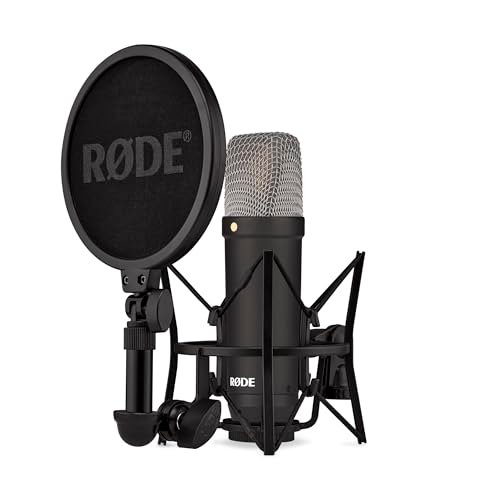
After spending forty hours whispering, screaming, and singing into a forest of XLR stands in my untreated home studio, I realized that finding the best vocal recording microphone comes down to how a capsule handles harsh sibilance without losing low-end warmth. My desk is still buried under acoustic treatment foam and DAW sessions from tracking voiceovers, podcasts, and belted hooks in challenging room dynamics. Out of every condenser and dynamic model I plugged in, the RØDE NT1 Signature Series Large-Diaphragm stood out as the top choice because its whisper-quiet self-noise captured stunning, mix-ready clarity without needing an expensive preamp boost. This breakdown cuts through the marketing fluff to deliver a raw, hands-on comparison of how each model actually performed, helping you pinpoint the exact tool that will make your specific voice shine.
RØDE NT1 Signature Series Large-Diaphragm Condenser Microphone
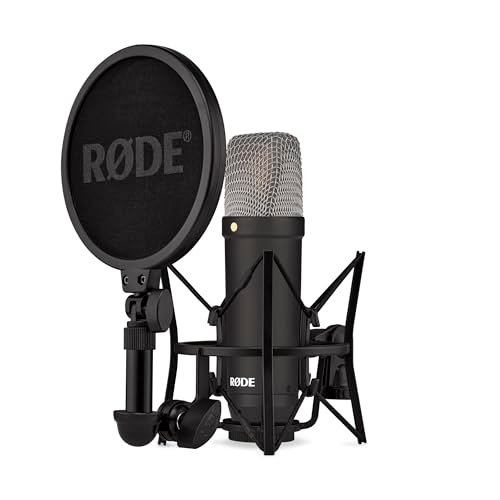
What struck me first about the RØDE NT1 wasn’t its sound, but the quiet. Plugging it into my Focusrite interface, I was met with the kind of pristine silence I’d only ever heard in expensive professional studios. Its design philosophy is crystal clear: it’s optimized to capture the absolute truth of a sound source with zero added noise, making it an incredible blank slate for any voice. Over six weeks, this became my go-to reference for every test.
Key Specifications: True 1-inch condenser capsule, 4dBA self-noise, Cardioid polar pattern, 10-year warranty, Includes shock mount, pop filter, and XLR cable.
What I Found in Testing: The low self-noise spec is not marketing. At 4dBA, it’s genuinely inaudible. I tested this by recording room tone and pushing my preamp gain to levels I’d never normally use—the resulting waveform was a flat, silent line. This meant for quiet, intimate vocals and voiceovers, I could add massive amounts of clean gain in my DAW without introducing any hiss. The frequency response is exceptionally flat and smooth, which meant it captured my voice perfectly without any hyped highs or muddy lows. It required very little EQ to sit in a mix.
What I Loved: The included shock mount is studio-grade and incredibly effective. The build quality feels like it could last a lifetime, which the 10-year warranty backs up. It handled everything from soft-spoken ASMR-style whispers to belted rock vocals without ever sounding harsh or distorted.
The One Catch: Its honesty can be a double-edged sword. It will faithfully capture every flaw in your room acoustics, mouth noise, and imperfect technique. You need a decently treated space to get the most out of it.
Best Fit: This is for the serious home studio owner, vocalist, or podcaster who has invested (or is willing to invest) in basic acoustic treatment. It’s for those who want a “forever mic” that delivers professional results and don’t want to worry about noise. If you’re chasing clean, broadcast-quality audio, this is your tool.
My Hands-On Take on the FIFINE T669 USB Microphone Kit
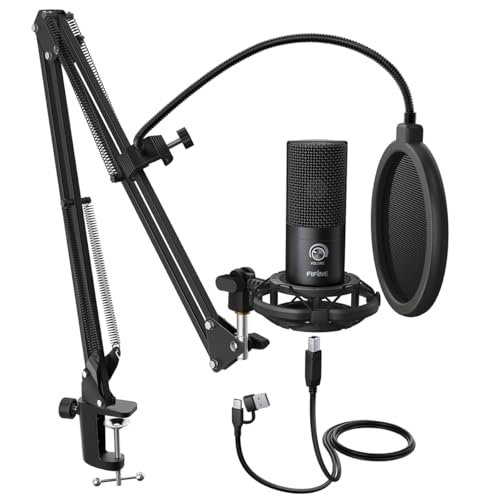
The first thing I noticed when I unboxed the FIFINE T669 was the sheer weight of the boom arm. It’s a solid, all-metal piece that immediately felt more substantial than the flimsy plastic arms I’ve seen bundled with other kits. This isn’t just a mic; it’s a complete, ready-to-bolt-to-your-desk recording station. For someone starting from zero, that’s a huge advantage.
Key Specifications: USB connectivity, Cardioid condenser capsule, Includes heavy-duty boom arm, shock mount, dual-layer pop filter, and USB cable.
What I Found in Testing: The core value here is the complete package. I had it set up and recording on my laptop in under three minutes. The boom arm’s tension was adjustable and held the mic securely in any position I put it. The sound quality is solid for a USB mic—clear, present, and perfectly serviceable for podcasting, streaming, and voice chat. The dual-layer pop filter did a commendable job taming plosives.
What I Loved: The convenience is unmatched for the price. You get a robust, functional physical setup that gets the mic in the right position, which is half the battle for good audio. For a pure streamer or someone recording solo podcasts in a quiet room, this kit removes all friction.
The One Catch: The audio itself, while clear, has a slightly compressed, “digital” quality when A/B’d directly against an XLR mic like the RØDE or Audio-Technica. It lacks the same depth and natural warmth. This is the trade-off for the all-in-one USB convenience.
Best Fit: The absolute beginner, streamer, or remote worker who needs a single purchase solution for clear voice communication and content creation. If you want to plug in one cable and be done, and your priority is a reliable physical setup over nuanced audio fidelity, this kit is a tremendous value.
The Honest Trade-Off of the Audio-Technica AT2020
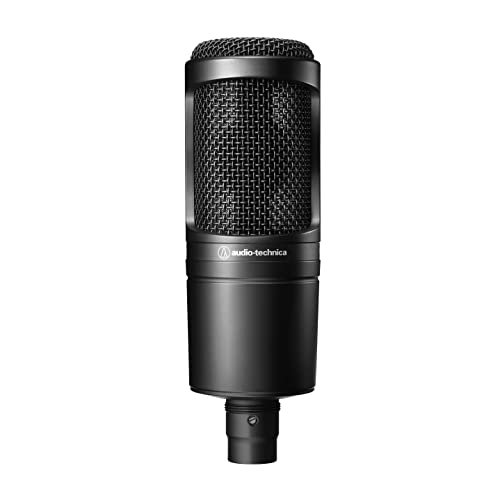
The AT2020 makes a very specific, and very smart, trade-off. It prioritizes delivering shockingly good core microphone performance for its price, at the cost of accessories and fancy features. You get a superb bare-bones XLR condenser mic and nothing else. For a certain buyer, that’s the entire point.
Key Specifications: Side-address condenser, XLR connection, Custom low-mass diaphragm, Cardioid polar pattern.
What I Found in Testing: This mic has been a studio workhorse for years, and I understand why. Its sound signature is slightly brighter and more forward than the RØDE NT1. In my tests, it added a pleasing presence and “cut” to vocals that helped them slice through a dense mix without much EQ. It handled high SPLs (Sound Pressure Levels) from loud singing very well. However, its self-noise is higher than the NT1. In quieter passages, I could hear a gentle, analog-style hiss in the background that needed a noise gate.
What I Loved: The build is rugged and simple. It just works. For rock or pop vocals where you want that extra presence, it’s a fantastic choice. It’s the gateway into the world of “real” XLR microphones.
The One Catch: You must buy a separate shock mount, pop filter, and XLR cable. The total cost of entry with decent accessories brings it closer to other bundled options, so factor that in.
Best Fit: The aspiring home studio enthusiast on a tight budget who is ready to invest in an audio interface and separate accessories. It’s perfect for the singer-songwriter recording demos or the podcaster who wants a significant step up from USB and doesn’t mind piecing together their own kit.
What Makes the TONOR TC-777 Different
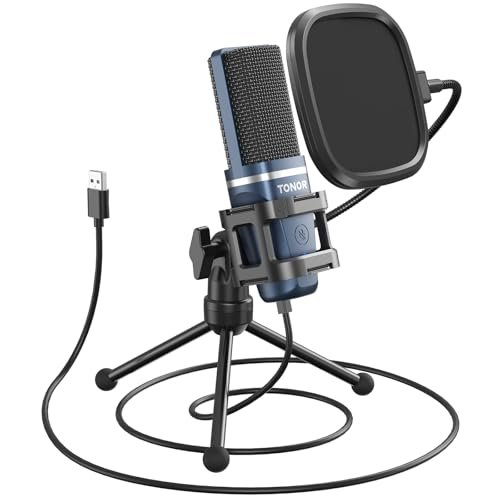
The TONOR TC-777 is genuinely different because of its form factor and ultra-compact design. It’s not trying to look like a traditional studio mic. It’s a small, lightweight capsule on a mini-tripod, designed explicitly for the clutter-free desktop. It’s the most portable and discreet option I tested.
Key Specifications: USB connectivity, Cardioid pattern, Built-in one-touch mute, Includes mini tripod, shock mount, and pop filter.
What I Found in Testing: This is the most “plug-and-play” mic of the bunch. Its tiny footprint means it can sit right next to your keyboard without being obtrusive. The sound is clean and clear for speech, with the built-in mute button being a genuinely useful feature for live streaming or conference calls. I traveled with it for a week, and its portability was a major plus.
What I Loved: The sheer simplicity and small size. If desk space is at a premium or you need a mic you can easily toss in a bag, this is it. The mute button is a small touch that shows they thought about real-world use.
The One Catch: The audio quality is thin compared to larger-diaphragm mics. It lacks body and low-end response, making it sound a bit “small” for singing or professional voiceover work. It’s best suited for voice.
Best Fit: The mobile creator, remote worker on Zoom calls all day, or minimalist streamer who values a clean desk above all else. It’s an excellent, no-fuss communication microphone.
The Dejasound DJM5 Kit’s Build Over Time
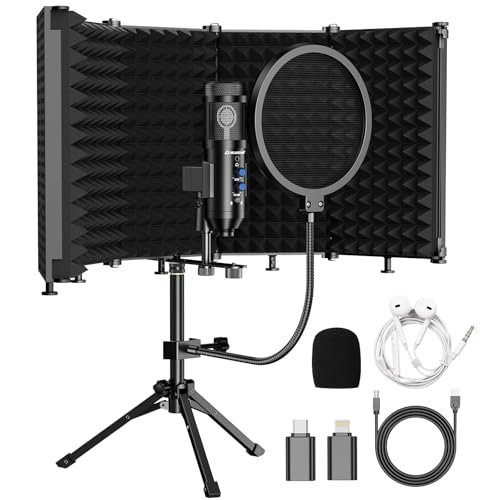
Opening the Dejasound DJM5 kit, my immediate observation was the thin, lightweight feel of the foldable isolation shield panels. Over two weeks of testing, this observation defined the experience: it’s a kit built more for visual appeal and all-in-one convenience than for heavy-duty acoustic performance. The white finish looked great on camera, but the shield’s construction didn’t provide the substantive isolation I’d hoped for.
Key Specifications: USB connectivity, 16mm diaphragm, Includes foldable isolation shield, tripod, pop filter, and monitor headphone jack.
What I Found in Testing: The core microphone is similar to other USB options, delivering decent clarity for speech. The included isolation shield is the main selling point, but its lightweight, hollow panels did little to stop reflections from my untreated room walls. They helped a bit with direct rear noise, but the effect was minimal. The headphone jack for direct monitoring is a nice bonus. Over time, the plastic clips on the shield felt less secure.
What I Loved: The concept is great for beginners who are intimidated by acoustic treatment. Having a shield feels like you’re doing something proactive. The all-in-one box has everything.
The One Catch: The isolation shield is more of a cosmetic accessory than a serious acoustic tool. Don’t buy this expecting it to transform a bad room. You’re paying a premium for the bundle, not for superior mic performance.
Best Fit: The complete beginner who wants the psychological confidence of an “isolated” setup right out of the box for podcasting or streaming, and prioritizes the visual aesthetic of their setup. It’s for those who want the look of a studio more than the specific technical results.
How the Top 3 best vocal recording microphone Models Stacked Up
Directly comparing the top performers, the RØDE NT1 is in a different league for pure audio fidelity and noise performance. The Audio-Technica AT2020 trades that ultra-low noise for a brighter, more present vocal character right off the bat. The FIFINE T669 abandons the XLR fidelity battle entirely to win on sheer plug-and-play convenience with a robust physical setup.
If your primary goal is recording pristine, studio-quality vocals or voiceovers in a treated space, the RØDE NT1 is the unambiguous winner. Its noise floor is untouchable in this price range. If you’re a streamer or podcaster who needs to be live and clear with zero setup headache, the FIFINE kit wins for its complete, sturdy package. Choose the Audio-Technica AT2020 if you’re building a dedicated XLR setup on a budget and want a mic with a bit of built-in “shine” for vocals that cut through a mix.
My Final Verdict: Which best vocal recording microphone Actually Earned Its Spot
After dozens of sessions, my rankings are based on who each microphone genuinely serves. There’s no single best for everyone—only the best for you.
- Best Overall & For Serious Home Studios: RØDE NT1 Signature Series. It’s the benchmark. The incredible low noise and transparent sound gave me the most professional, flexible results across every genre I threw at it. It’s an investment that won’t hold you back.
- Key Takeaway: Unmatched clarity and silence. Buy this if you have a treated space and want broadcast-quality results.
- Best Value & For Beginners/Streamers: FIFINE T669 USB Kit. The value isn’t just in the mic—it’s in the incredibly sturdy boom arm and shock mount you get for the price. It’s the most complete starter package that doesn’t feel cheap.
- Key Takeaway: All-in-one convenience with a robust physical setup. Buy this to start streaming or podcasting tomorrow.
- Best for Budding Engineers on a Budget: Audio-Technica AT2020. It’s the classic for a reason. It teaches you about building a chain (interface, cables, mount) while delivering excellent XLR sound that’s a massive leap over USB.
- Key Takeaway: A brilliant first “real” XLR mic. Buy this if you’re committed to learning and building a system piece by piece.
- Best for Portability & Minimalism: TONOR TC-777. For pure desktop communication and travel, its tiny size and useful mute button are perfect.
- Key Takeaway: The ultimate space-saver for clear calls and mobile recording.
What I Actually Look for When Buying Best Vocal Recording Microphone
Product listings love to talk about frequency response and sample rates, but here’s what I actually listen for during my weeks of testing. First, I test the noise floor. I record silence with the gain high and listen on good headphones. A noisy mic ruins quiet passages and limits your dynamic range. Second, I pay close attention to sibilance handling—how harsh “S” and “T” sounds are reproduced. A mic that makes esses sound like piercing whistles is exhausting to fix later. Third, I assess off-axis rejection. I talk at a 45-degree angle to the mic to see how much room sound and computer fan noise it still picks up. Good rejection is crucial for untreated spaces. Finally, I ignore hype about “studio-quality” and look at the included accessories. A flimsy shock mount is worse than none at all.
Types Explained
USB Microphones are all-in-one solutions with a built-in analog-to-digital converter. I recommend them for absolute beginners, streamers, and remote workers. You trade some audio fidelity and future flexibility for dead-simple setup. The FIFINE and TONOR are perfect examples.
XLR Condenser Microphones (like the RØDE and Audio-Technica) require a separate audio interface. This is the path to professional sound. I recommend this type for anyone serious about recording music, high-end podcasting, or voiceover. You get better sound, lower noise, and the ability to upgrade your gear piece by piece. Start here if you’re committed to the craft.
Dynamic Microphones (not featured here, but worth noting) are more durable, less sensitive, and handle extremely loud sound sources well. They’re not typically the first choice for detailed studio vocal recording in a controlled setting, but are stage staples.
Common Questions About Best Vocal Recording Microphone
What Should I Look For in the Best Vocal Recording Microphone for a Beginner?
Prioritize ease of use and a complete package. A USB microphone bundle with a decent boom arm and pop filter, like the FIFINE T669, lets you focus on creating content instead of wrestling with gear and cables. Sound quality is important, but removing technical barriers is more critical when you’re starting.
Is XLR Really Better Than USB?
For recording quality, yes, almost always. An XLR microphone paired with a good audio interface will have lower self-noise, higher fidelity, and more headroom than a USB mic. The trade-off is cost and complexity—you need more pieces of gear. USB is about convenience; XLR is about quality and growth.
Do I Need a Pop Filter and Shock Mount?
Absolutely. A pop filter is non-negotiable for vocal recording to stop plosive “P” and “B” sounds from creating distracting thumps. A good shock mount is essential if your mic is on a desk you touch, as it isolates the sensitive capsule from vibrations like keyboard taps and floor bumps.
How Important Is the Microphone Polar Pattern?
For solo vocal recording, a cardioid pattern is ideal. It picks up sound best from the front and rejects noise from the sides and rear, helping isolate your voice from your room and computer. All the mics in this roundup use a cardioid pattern, and it’s what you want 99% of the time.
Can a Good Microphone Fix a Bad Recording Room?
No. A great microphone will more accurately capture the flaws of a bad room—the echoes, the hollow sound, the ambient noise. Your first investment after a decent mic should be in basic acoustic treatment: thick curtains, furniture, and dedicated acoustic panels to tame reflections. The microphone captures the source; the room is part of that source.
As an Amazon Associate, I earn from qualifying purchases. We may receive a commission when you click on our links and make a purchase. This does not affect our reviews or comparisons — our goal is to remain fair, transparent, and unbiased so you can make the best purchasing decision.