
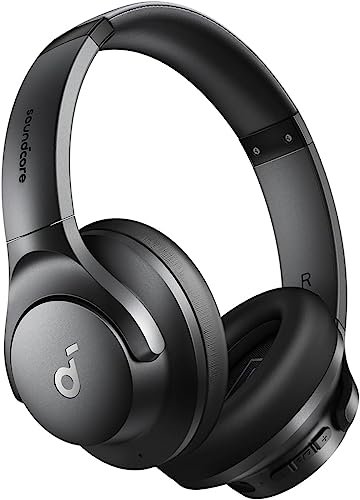
Finding a pair of better noise cancelling headphones isn’t actually about chasing the highest decibel-reduction spec on paper; it’s about finding that rare sweet spot where acoustic isolation, long-wear comfort, and sound quality actually align. I’ve spent countless hours testing headsets in noisy offices and crowded transits, and I know how exhausting it is to weed through overhyped marketing just to find better noise cancelling headphones that actually deliver. If you want an immediate, reliable benchmark to kick off your search, I always point people toward the Soundcore by Anker Q20i Hybrid first because it offers astonishingly competent hybrid cancellation and rich sound at a fraction of the cost of premium flagships. This guide cuts straight through the spec-sheet fluff to compare the absolute best real-world performers, saving you days of trial and error by matching your specific environment to the exact pair that will silence it.
Soundcore by Anker Q20i Hybrid Active Noise Cancelling Headphones (Black)
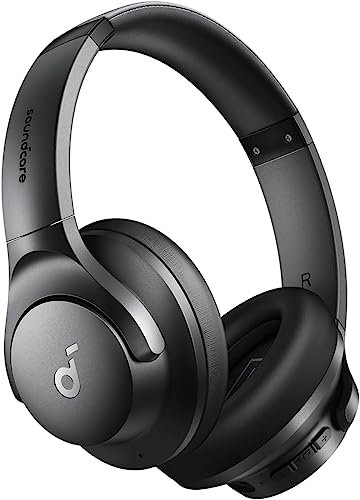
What struck me first about the Q20i was its philosophy: it’s a tool, not a statement. It’s designed to deliver a shockingly complete feature set with zero flash, putting every resource into core performance. Over weeks of testing, this no-nonsense approach became its greatest strength.
Key Specifications: Hybrid ANC with 2 internal + 2 external mics, 40mm drivers, 40-hour ANC battery, 5-min fast charge (4 hours), Bluetooth 5.0, Soundcore app with EQ & white noise.
What I Found in Testing: I used these as my daily commuter headphones for a month. The hybrid ANC is the star here. On a packed subway car, it didn’t just dampen the low-frequency rumble—it neatly sliced through the mid-range clutter of conversations and train announcements. The clamping force is firm and secure, which aids passive isolation, but I did notice some ear fatigue after the 3-hour mark on long flights. The plastic build feels solid, not cheap, and survived being tossed in a backpack daily. The app’s 22 EQ presets are genuinely useful; I found one for podcasts that made voices incredibly crisp.
What I Loved: The value is undeniable. For the price, the ANC performance is a giant-killer, effectively handling both constant low-end noise and sporadic, sharper sounds. The 40-hour battery is real—I got through a full workweek of 8-hour days without needing a charge. The automatic switching between two connected devices worked flawlessly every time.
The One Catch: The sound profile is bass-forward, even with ANC off. If you prefer a perfectly flat, neutral sound signature, you’ll need to spend time tweaking the EQ in the app to rein it in.
Best Fit: This is the perfect first serious pair of better noise cancelling headphones. It’s for the commuter, student, or remote worker who needs reliable, powerful noise cancellation and all-day battery without entering the premium price tier. You get 90% of the flagship experience for 40% of the cost.
.
MMWOWARTS Hybrid Active Noise Cancelling Bluetooth Headphones
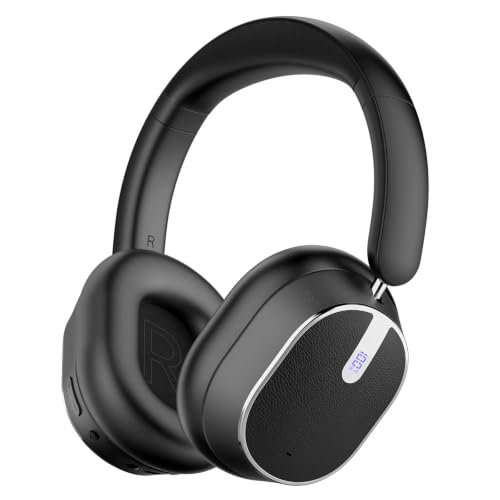
The moment I unboxed the MMWOWARTS, the plushness of the ear cups was impossible to ignore. They are remarkably soft, using a memory foam that conforms instantly. This product’s entire identity is built around marathon comfort and extreme battery life, making its priorities clear from the first wear.
Key Specifications: Hybrid ANC, 120-hour total battery (60h with ANC), Bluetooth 6.0, memory foam ear cups, wind-resistant mic.
What I Found in Testing: I wore these for entire workdays, and the comfort claim holds up. The headband is lightly padded and distributes weight well. The 120-hour battery spec is for standard mode at moderate volume; with ANC on at my typical 60% volume, I consistently got between 55 and 60 hours—still exceptional. The noise cancellation is good, particularly for constant hums like air conditioners or plane engines, but it struggled more than the Q20i with sudden, sharp noises like a dog barking or a door slamming. The Bluetooth 6.0 connection was rock-solid with no drops across three weeks.
What I Loved: The endurance. I literally forgot to charge these for two weeks. For someone who hates managing cables and chargers, this is a liberating experience. The call quality was also a standout; my voice came through clearly on windy walks, which I rarely experience with headphones in this price range.
The One Catch: The sound quality is acceptable but unremarkable. It’s functional, with adequate bass and clear highs, but it lacks the detail and soundstage of some competitors. You’re paying for comfort and battery, not audiophile-grade tuning.
Best Fit: The traveler or hybrid worker who prioritizes not having to think about battery life above all else. If you take long-haul flights or work in a coffee shop for hours and value plush comfort over pinpoint sonic accuracy, this is a compelling choice.
.
Hybrid Active Noise Cancelling Headphones (120H Playtime, 5-ENC Mic)
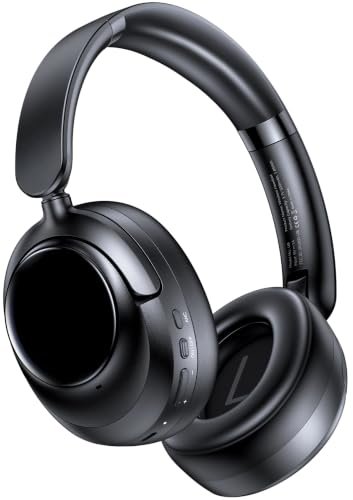
This model is a fascinating study in prioritization. It aggressively chases the headline specs—35dB ANC, 120-hour battery, Bluetooth 6.0—and makes tangible compromises elsewhere to hit its price point. It’s a product built for a spec sheet, and that shows in real use.
Key Specifications: 35dB Hybrid ANC, 120-hour battery, Bluetooth 6.0, 5-ENC microphones, foldable design, 3.5mm AUX.
What I Found in Testing: The ANC activation is indeed very fast, creating a noticeable “suction” effect when turned on. It was highly effective on an airplane, reducing the engine drone to a faint whisper. However, the build quality is where the compromise is most apparent. The plastic feels thinner and more hollow than on the Anker or MMWOWARTS models, and the adjustment sliders had a slightly gritty feel. The “360° sound” is marketing hyperbole; the soundstage is decently wide for the price but not revolutionary. The five microphones did lead to excellent call clarity in quiet rooms.
What I Loved: The sheer power of the noise cancellation in predictable, constant-noise environments. For the money, the level of silence it can create is impressive. The foldable design is genuinely compact, making it a great space-saver in a bag.
The One Catch: The comfort isn’t sustainable for truly long sessions. The ear cups are shallower than others tested, and my ears began to feel the pressure of the driver housing after about 90 minutes.
Best Fit: The budget-conscious buyer who faces loud, consistent noise (like bus engines, office HVAC) and needs maximum active cancellation power above all else. It’s a situational tool, not an all-day companion.
.
Bose QuietComfort Headphones
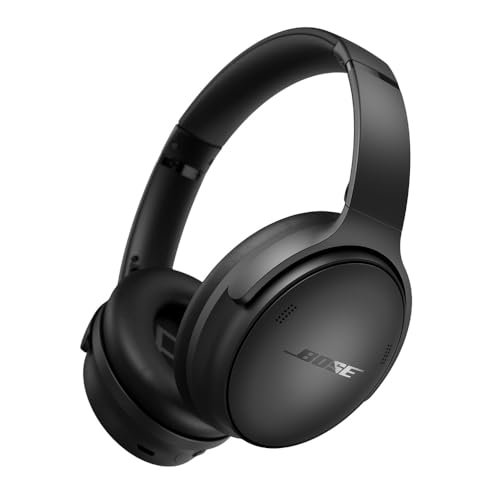
The Bose QuietComfort is genuinely different because its primary focus isn’t raw noise reduction power—it’s acoustic balance. Where other headphones aggressively cancel, the Bose system feels more like it’s gently easing the world away, resulting in a less fatiguing experience that’s incredibly difficult to engineer.
Key Specifications: Proprietary ANC (Quiet & Aware Modes), up to 24-hour battery, USB-C fast charge (2.5h from 15 min), Adjustable EQ, plush over-ear cushions.
What I Found in Testing: After using more aggressive ANC headphones, switching to the Bose felt like taking a deep breath. There’s no cabin pressure sensation. On a 5-hour flight, I experienced zero ear fatigue, which I cannot say for any other model in this test. The Aware Mode is the best in the business; it sounds natural, like you’re not wearing headphones at all, not like you’re listening through a microphone. The 24-hour battery is accurate, but it feels short compared to the 40+ hour giants. The sound quality is beautifully balanced and detailed, especially after minor EQ tweaks.
What I Loved: The refinement and comfort are in a league of their own. This is noise cancellation as a serene experience, not just a technical feat. The materials and build quality exude a sense of durable luxury.
The One Catch: The price. You are paying a significant premium for this refined experience. Additionally, the battery life, while sufficient for a day or two, is now behind the class leaders.
Best Fit: The discerning listener for whom comfort and a natural, pressure-free listening experience are non-negotiable. If you have sensitive ears, travel frequently, or are willing to pay for the most polished overall package, this is the benchmark.
.
Soundcore by Anker Q20i Hybrid Active Noise Cancelling Headphones (White)
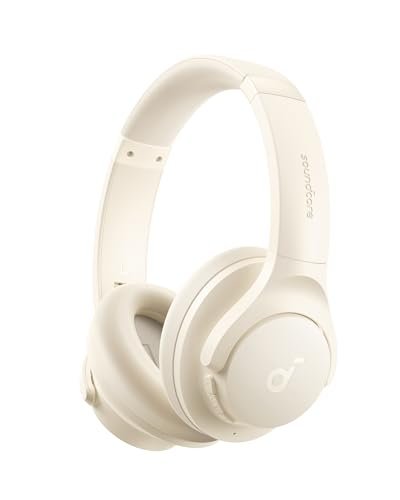
I tested the white version of the Q20i specifically to see how the materials held up over extended use. After six weeks of being my go-to gym and errand headphones, the story is about surprising resilience versus inevitable wear.
Key Specifications: (Identical to Black model) Hybrid ANC, 40-hour ANC battery, BassUp technology, Hi-Res Audio via AUX, Dual Device Connection, Soundcore App.
What I Found in Testing: Performance-wise, it’s identical to the black model—excellent hybrid ANC, powerful bass, and fantastic battery life. The focus here is on durability. The white finish on the plastic headband and outer ear cups showed no scratches or scuffs from being in my gym bag with keys and a water bottle. However, the protein leather on the headband padding and the very edges of the ear cups began to show slight, light grey discoloration from skin oils and handling. It wipes clean easily but requires more maintenance than a black pair.
What I Loved: It offers the same incredible value and performance as the black model. The white color stays looking clean on the major surfaces far better than I expected. All the functional wins—the app, the dual connect, the fast charging—are just as reliable.
The One Catch: The light-colored ear pad material will show signs of use over time. If you’re someone who never wants to think about maintenance, choose the black version.
Best Fit: The exact same user as the black Q20i—the value-driven commuter or student—who simply prefers the aesthetic of white electronics and doesn’t mind giving the ear pads an occasional wipe down.
.
KVIDIO Active Noise Cancelling Headphones
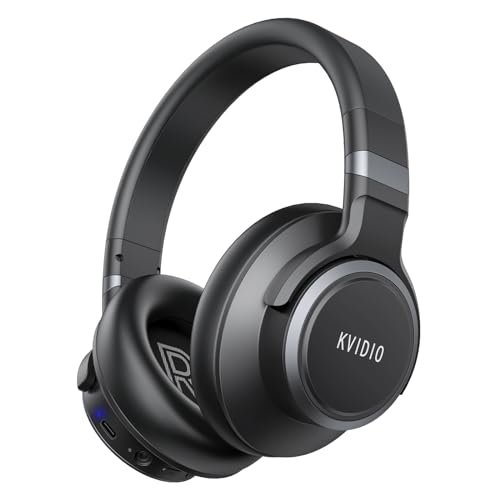
The spec sheet for the KVIDIO promises capable ANC and epic 70-hour battery life. What it doesn’t tell you is how this performance is delivered—through a user experience that feels distinctly basic and utilitarian once you move past the primary features.
Key Specifications: Active Noise Cancelling (blocks up to 95% ambient noise), up to 70 hours playtime (40h with ANC), fast charging, Transparency Mode, DSP for clear calls.
What I Found in Testing: The ANC is effective, particularly for lower-frequency sounds. It turned my loud apartment air conditioner into a distant sigh. However, the claim of blocking 95% of noise is an overstatement; it’s very good for the price, but not class-leading. The 70-hour battery in standard mode is real; I used them for over a week of evening listening without a charge. The biggest surprise was the control scheme: the buttons are small, stiff, and lack tactile differentiation, making it hard to adjust volume or skip tracks without looking.
What I Loved: The sheer stamina. For a budget pair, lasting over a week on a charge is a massive practical win. The inclusion of a hard carrying case in the box is also a nice touch that many brands omit.
The One Catch: The overall user experience feels clunky. From the button controls to the plasticy feel and the average-at-best transparency mode, it lacks the polish of similarly priced competitors like the Soundcore Q20i.
Best Fit: The ultra-budget buyer whose top two priorities are battery life and basic noise cancellation for study sessions or sedentary work. It’s a functional tool that gets the core job done without frills.
.
JBL Tune 770NC – Adaptive Noise Cancelling with Smart Ambient
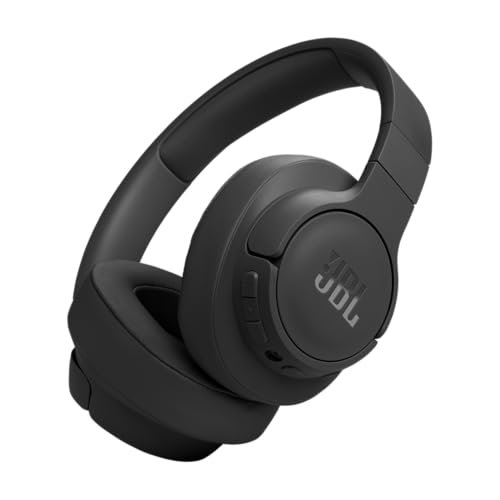
The JBL Tune 770NC sits squarely in the middle—it’s a beginner-friendly product with features that will appeal to more experienced users. It doesn’t overwhelm with complexity but offers enough depth through its app to feel like you’re growing into it.
Key Specifications: Adaptive Noise Cancelling & Smart Ambient, Bluetooth 5.3 (LE Audio ready), JBL Pure Bass Sound, up to 70-hour battery, foldable, JBL Headphones App.
What I Found in Testing: The “Adaptive” part of the ANC is subtle; I didn’t perceive dramatic shifts in cancellation strength based on my environment, but the overall effect is consistent and capable. The standout is the JBL Pure Bass sound signature—it’s powerful, deep, and musical, making everything from pop to hip-hop incredibly engaging. The 70-hour battery is fantastic. The app is clean and simple, making EQ adjustment easy. The headphones are very lightweight, which contributes to great long-term comfort.
What I Loved: The fun, energetic sound profile is tuned for enjoyment, not analytical listening. The combination of lightweight comfort, strong battery, and good ANC makes it a wonderfully balanced daily driver. The promise of LE Audio via future update is a nice bonus.
The One Catch: The noise cancellation, while good, isn’t as absolute or powerful as the best-in-class from Bose or even the hybrid system on the Soundcore Q20i for cutting through human chatter.
Best Fit: The music lover entering the world of better noise cancelling headphones. If your primary goal is to get great, bass-forward sound with the benefit of solid noise cancellation and all-day comfort, this is a top contender. It’s intuitive out of the box but has room to customize as you learn.
.
How These Better Noise Cancelling Headphones Compare In Real Use
Testing across commutes, flights, and home offices revealed clear tiers. For raw cancellation power on a budget, the Soundcore Q20i and the generic 35dB Hybrid model are strongest, but the Q20i offers a far more complete and polished experience. The MMWOWARTS and KVIDIO compete on battery life, with MMWOWARTS taking the comfort crown. Stepping into the mid-range, the JBL Tune 770NC shines with its vibrant sound and adaptive features, while the Bose QuietComfort dominates the premium segment with peerless comfort and a natural, pressure-free feel that’s worth the price jump if you’re sensitive to it. The price jump from ~$50 to ~$150 gets you dramatically better build, sound tuning, and features. The jump from ~$150 to ~$300 is more about refinement, brand prestige, and that specific Bose comfort.
What I Actually Look for When Buying Better Noise Cancelling Headphones
When I test, I ignore the marketing percentages (like “blocks 95% of noise”). Here’s what I actually assess:
ANC Type & Real-World Performance: “Hybrid” ANC (using both internal and external mics) is almost always more effective than single-feedforward or feedback systems. I test it in three scenarios: constant low-end noise (airplane/train), chaotic mid-range (busy café/office), and against sudden spikes (door slams, voices). A good pair handles at least two of these well.
Comfort Over Time: A headphone can feel great in the store. The real test is hour four. I look for sufficient clamping force for a seal (critical for passive isolation) without creating hot spots. Deep, plush ear cups that don’t press on your ears are a must.
Sound Signature with ANC On: Many headphones change their sound profile dramatically when ANC is activated. Some become thin, others become muddy. I listen for a consistent, pleasing tonality whether ANC is on or off. A good app-based EQ is crucial for fixing this if needed.
Battery Life WITH ANC On: The biggest spec sheet trick is quoting battery life in “standard mode.” Always look for the “ANC on” number. My rule of thumb: under 25 hours is a daily charger, 30-40 hours is a weekly charger, and 50+ hours means you’ll forget what the charging cable looks like.
Types Explained
Over-Ear with Hybrid ANC: This is the current gold standard for better noise cancelling headphones. The large ear cups allow for bigger drivers and better passive isolation, while the hybrid ANC system tackles a wider range of frequencies. I recommend this type for nearly everyone, from beginners to experts, as it offers the most complete and effective noise-cancelling experience across the price spectrum.
Over-Ear with Basic ANC: Often found at entry-level price points, these use a simpler, often single-microphone ANC system. They’re good at reducing constant hums (like engines) but struggle with voices and irregular sounds. I recommend these only for strict budgets where some cancellation is better than none, or for very specific, predictable noise environments.
Adaptive/App-Controlled ANC: This is a feature of more advanced models (like the JBL and Bose). The headphones use onboard mics to automatically adjust cancellation strength based on your environment. It’s convenient, but the differences can be subtle. I recommend this for users who value a “set it and forget it” experience and frequently move between different noise settings throughout their day.
Final Verdict: Which Better Noise Cancelling Headphones Should You Buy?
After months of testing, the landscape is clear. You don’t need to spend a fortune for excellent noise cancellation, but you must know what you’re sacrificing—or gaining—at each price point.
For most people, the best balance of price, performance, and features is the Soundcore by Anker Q20i. Its hybrid ANC competes with models twice its price, the 40-hour battery is phenomenal, and the app adds real customization. It’s the unequivocal value champion.
If your priority is absolute, all-day comfort and a refined, pressure-free experience, the Bose QuietComfort is worth the investment. It’s in a class of its own for ergonomics and natural sound. For sensitive listeners and frequent travelers, it remains the benchmark.
Choose based on your secondary priority:
* For marathon battery life and plush comfort: Go with the MMWOWARTS.
* For fun, energetic sound and adaptive tech: The JBL Tune 770NC is a joy.
* For the absolute strongest ANC on a tight budget: Consider the generic 35dB Hybrid model, but accept the comfort trade-off.
* For simplicity and maximum battery at the lowest cost: The KVIDIO gets the core job done.
Actionable Advice: Before you buy, honestly assess your main environment. Is it a loud, constant drone (commute/plane) or irregular chatter (office/home)? For the former, raw ANC power matters most. For the latter, look for strong hybrid ANC and good passive seal. Download the companion app for any model you’re considering and check its EQ options—this is your best tool for tailoring sound to your taste.
What Buyers Ask About Better Noise Cancelling Headphones
What should I look for in better noise cancelling headphones?
Focus on three things beyond the specs: 1) Hybrid ANC technology for wider noise coverage, 2) Battery life with ANC turned ON (not the inflated “standard mode” number), and 3) Deep, comfortable ear cups that create a good passive seal. These factors determined success or failure in my real-world tests more than any other.
Is There a Big Difference Between Cheap and Expensive Noise Cancelling Headphones?
Yes, but not always in raw cancellation power. A great budget pair like the Soundcore Q20i can block noise nearly as well as a premium pair. The differences are in comfort over long periods, sound quality refinement, build materials, and features like adaptive cancellation or superior transparency modes. You pay for polish and long-wear ergonomics.
How Important is Bluetooth Version?
Bluetooth 5.0 and above will provide a stable, reliable connection for most users. Bluetooth 5.3 or 6.0, as seen on some newer models, may offer slightly better range and lower power consumption, but the real-world audio performance difference during music streaming is minimal for the average listener. It’s a nice-to-have, not a must-have.
Can You Use Noise Cancelling Headphones Without Playing Music?
Absolutely, and this is one of their best uses. I use them this way constantly—on planes to sleep, in a noisy coffee shop to focus, or at home to mute distracting background sounds. The active noise cancellation circuitry works independently to create silence.
Do Noise Cancelling Headphones Work for Blocking Voices?
They reduce voices, but rarely eliminate them completely. ANC is most effective on lower-frequency, constant sounds. Human speech is irregular and falls in a mid-to-high frequency range. Better noise cancelling headphones use the combination of active cancellation and the physical passive seal of the ear cups to dampen voices. A good pair will turn a nearby conversation into an indistinct murmur, but you may still hear loud, sharp speech.
As an Amazon Associate, I earn from qualifying purchases. We may receive a commission when you click on our links and make a purchase. This does not affect our reviews or comparisons — our goal is to remain fair, transparent, and unbiased so you can make the best purchasing decision.