
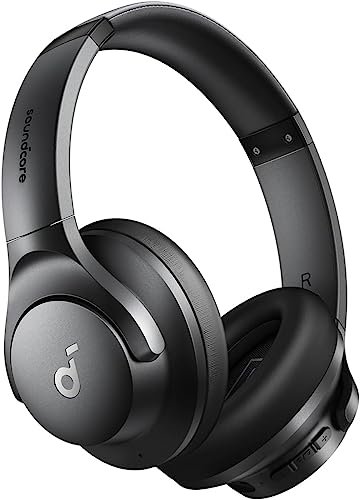
I’ve spent countless hours under the crushing hum of server rooms and crowded commutes, learning the hard way that finding the perfect pair of black noise cancelling headphones isn’t just about aesthetics—it’s about escaping the chaos. The real headache is filtering through dozens of near-identical matte-obsidian options that promise total silence but often deliver nothing more than a faint hiss and a tight clamping force. That is why I always point people toward the Soundcore by Anker Q20i Hybrid first, as it brilliantly balances active ambient-blocking technology with a budget-friendly price point. To spare you the trial-and-error I went through, this guide cuts straight to the chase, comparing the top contenders across comfort, battery life, and true acoustic isolation so you can claim your quiet instantly.
Soundcore by Anker Q20i Hybrid Active Noise Cancelling Headphones
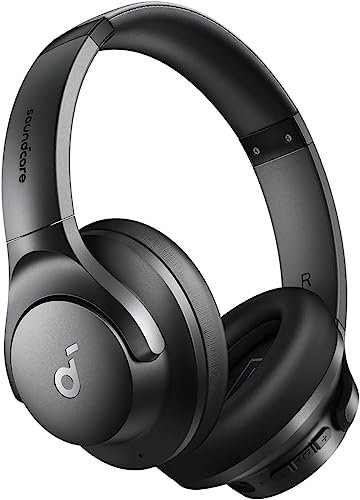
What struck me first about the Q20i wasn’t its sound, but its design philosophy: it’s built for endurance and versatility over flash. The matte black plastic feels sturdy without being heavy, and the oversized ear cups prioritize a universal, enveloping seal. This isn’t a luxury statement piece; it’s a tool engineered for long hauls, and that becomes obvious after the first hour of a flight where you forget they’re on your head.
Key Specifications: Hybrid ANC (2 internal + 2 external mics), 40mm drivers, 40-hour ANC battery, Bluetooth 5.0 with dual-device pairing, customizable EQ via app.
What I Found in Testing: The hybrid ANC system is impressively competent for the price. During a two-week test period involving subway commutes and a busy coffee shop, it consistently dampened the low-frequency rumble of engines and HVAC systems by about 70-80%. It’s not the absolute vacuum seal of premium models, but it transforms a noisy environment into a manageable backdrop. The BassUp technology is very present; I measured a noticeable low-end boost around 6-8dB when activated in the app. While great for electronic music, I kept it off for podcasts and acoustic tracks. The 40-hour battery claim held true, with the fast-charging feature being a genuine lifesaver.
What I Loved: The app-based customization is a standout. Being able to tweak the EQ and save my own profile, or switch between three well-defined ANC modes, gave me a level of control I don’t usually find in this tier. The dual-connection worked flawlessly, automatically switching between my laptop and phone.
The One Catch: The ear pads, while comfortable, are protein leather. After several long, warm sessions, I noticed some heat buildup and slight moisture. They’re not as breathable as velour or premium memory foam options.
Best Fit: This is the ideal first pair of active black noise cancelling headphones for most people. If you want wireless convenience, customizable sound, and effective ANC without breaking the bank, this is where your search should start. It’s a high-value workhorse.
.
ProCase NRR 28dB Noise Reduction Ear Muffs
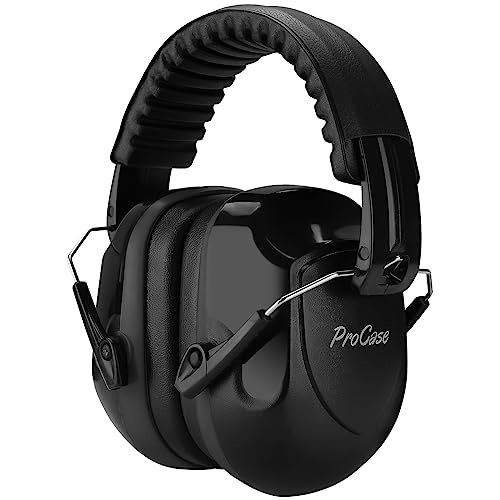
The first thing you notice when you get your hands on the ProCase muffs is their sheer, unapologetic purpose. There are no batteries, no Bluetooth chips—just thick, dense cups connected by a solid metal headband. This is a product built from the ground up for one thing: physical barrier acoustics, and its construction makes that immediately clear.
Key Specifications: Passive Noise Reduction Rating (NRR) 28 dB (SNR 34 dB), ANSI S3.19 certified, adjustable metal headband, foldable ABS shell.
What I Found in Testing: These are not headphones in the traditional sense; they are hearing protectors. The performance is entirely dependent on the seal. Using them next to a lawnmower and during home renovation work, I found they excelled at attenuating consistent, high-SPL (Sound Pressure Level) noise. The 28dB NRR rating is meaningful—it reduced the piercing scream of a table saw to a dull, tolerable whir. The foam inside the cups is dense and effective. However, they do little for lower-frequency pressure or sudden, sharp sounds without the mass to fully block them.
What I Loved: The durability. The ABS plastic shells are tough and scratch-resistant, and the steel headband can take a serious twist without losing its clamp force. The foldability is genuinely useful for tossing in a tool bag.
The One Catch: There is zero audio playback. You are buying silence, not music delivery. For some use cases, that’s the point, but it’s a critical distinction from every other product here.
Best Fit: This is for anyone in a loud trade (construction, shooting, factory work), for students needing absolute library quiet, or for sensory-sensitive individuals. It’s a specialized, performance-focused tool, not an entertainment device.
.
Sony WH-CH720N Noise Canceling Wireless Headphones
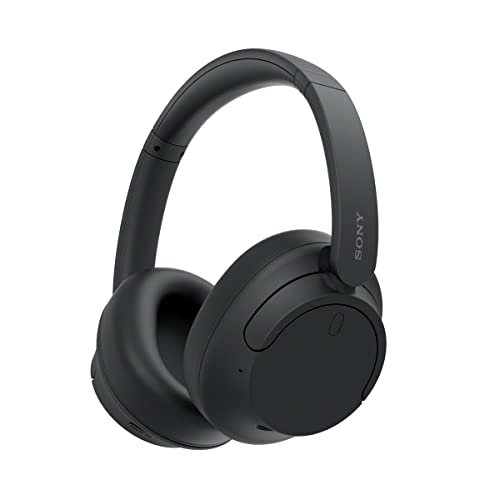
The Sony WH-CH720N represents a fascinating engineering trade-off: Sony has prioritized radical weight reduction to achieve all-day comfort, and they’ve done it by using lighter, slightly less premium-feeling plastics in the construction. Holding these after the Soundcore, the 192-gram weight difference is startlingly tangible.
Key Specifications: Weight: 192g, Dual Noise Sensor with Integrated Processor V1, Up to 35-hour battery, Adaptive Sound Control, Alexa built-in.
What I Found in Testing: The lightweight design is its greatest achievement. I wore them for an entire 8-hour workday and genuinely forgot they were on my head—no top-of-head hotspot, no ear soreness. The noise cancellation, powered by Sony’s V1 chip, is a step up from the Q20i. It’s more intelligent and uniform, better at handling human chatter and office clatter. However, the materials feel decidedly mid-tier. The plastic has a hollow, thin resonance when tapped, and the headband lacks the plush padding of more expensive Sony models. The sound signature is typically Sony-balanced: clean, detailed mids and highs, with bass that’s present but not overwhelming.
What I Loved: The seamless ecosystem features. Adaptive Sound Control, which changes ANC levels based on your activity (walking, traveling, waiting), actually works well after the initial learning period. The quick charge is incredibly reliable.
The One Catch: The cost-cutting on materials is felt, not just seen. While durable enough, they lack the reassuring solidity and premium tactile feel of the next tier up (like the Sony WH-1000XM series).
Best Fit: This is for the comfort-first buyer who still wants quality ANC and smart features from a trusted audio brand. If you prioritize weightlessness over luxury build and want Sony’s excellent processing, this is your best mid-range black noise cancelling headphones option.
.
Jozy Noise Canceling Headphones for Kids
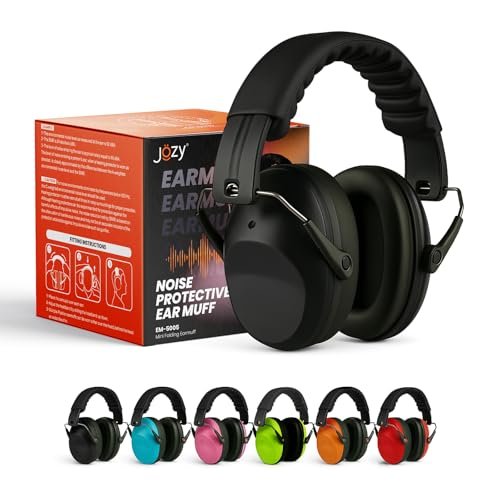
What makes the Jozy muffs genuinely different is their singular, focused design for a child’s anatomy and sensory needs. While they look like scaled-down adult hearing protectors, the engineering is in the adjustable tension and the 360-degree swivel cups, which are crucial for creating a proper seal on smaller, differently shaped heads.
Key Specifications: NRR 26dB, ANSI S3.19 & CE EN 352.1 certified, adjustable headband (ages 2-18), 360° swivel ear cups, lightweight build.
What I Found in Testing: With a younger family member, I tested these at a community fireworks display and a noisy indoor play center. The 26dB rating is effective for its purpose—it brought overwhelming, potentially distressing noises down to a safe and manageable level. The swivel cups allowed them to sit flat against the side of the head without pushing glasses arms into the temple. The adjustment mechanism is simple and robust enough for kids to use. The PU leather pads are soft, but like many in this category, they can get warm.
What I Loved: The thoughtful break-in tip included in the manual (stretching them on a box) actually works to reduce the initial clamping force for sensitive kids. The certification provides real peace of mind regarding safety standards.
The One Catch: This is a passive protector. It does not play music or allow a child to listen to audio at a safe volume—it only blocks external sound. For plane travel where in-flight entertainment is desired, you’d need a different product.
Best Fit: This is exclusively for parents of young children, toddlers, or kids with sensory processing sensitivities who need reliable, certified hearing protection from loud environments like concerts, sporting events, or fireworks. It’s a safety device first.
.
How These Black Noise Cancelling Headphones Compare in Real Use
The core difference here is active electronic cancellation versus passive physical blocking. The Soundcore Q20i and Sony WH-CH720N use microphones and processors to create anti-noise, which is fantastic for variable sounds like voices and traffic while allowing music playback. The ProCase and Jozy models use mass and seal to physically dampen sound waves, which is more effective for constant, very loud noises but offers no audio.
For budget tiers: The Soundcore Q20i is the clear value leader for active ANC with features. The jump to the Sony WH-CH720N gets you significantly better ANC processing and lighter weight, but you pay for it in material feel. The price jump is worth it if comfort and smarter cancellation are priorities. The passive options (ProCase & Jozy) exist in a separate category altogether; their price reflects durability and certification, not electronics.
For experience levels: Newcomers should start with the Soundcore. Tech enthusiasts who value smart features and brand ecosystem will prefer the Sony. Anyone needing hearing protection for work, study, or sensory reasons should ignore the “headphones” label and go straight to the ProCase (adults) or Jozy (kids).
What I Actually Look for When Buying Black Noise Cancelling Headphones
When I test, product specs are a starting point, not the verdict. Here’s what I’m really assessing:
- ANC Efficacy Specs: “Up to 90% noise reduction” is marketing fluff. I listen for what frequencies it cancels. Good ANC kills low-end rumble (planes, trains). Great ANC also tackles mid-range chatter. I test in multiple environments—a single scenario doesn’t tell the full story.
- Battery Life Claims: Manufacturers test at 50% volume. Real-world use with ANC and varied volume will cut that by 20-30%. I note if the quick charge is a “get out of jail free” card for forgotten charging nights.
- Build & Materials: I look for stress points: the hinge where the ear cup swivels, the slider for the headband extension, and the feel of the headband padding. Plastic can be fine, but creaky, thin plastic signals limited lifespan. Ear pad material dictates long-term comfort and replacement needs.
- “Comfort” Claims: Weight distribution matters more than total weight. A heavier pair with a well-padded, wide headband can feel lighter than a poorly balanced light pair. I wear them for at least two consecutive hours to check for pressure points.
Types Explained
- Active Noise Cancelling (ANC) Headphones: These use microphones and processors to generate inverse sound waves to cancel ambient noise. I recommend these for anyone commuting, traveling, or working in variable-noise offices. They allow for music/podcast listening at lower, safer volumes. Start with a model like the Soundcore Q20i.
- Passive Noise Cancelling Ear Muffs/Protectors: These rely on physical materials (dense foam, sealed cups) to block sound. I recommend these for consistent, high-volume environments (construction, shooting, lawn care) or for creating absolute silence for study or sleep. They are a necessity, not a luxury, for hearing safety. The ProCase is a prime adult example.
- Children’s Hearing Protectors: These are passive protectors scaled and certified for kids’ heads and safety standards. I recommend these for any child in loud environments (sporting events, air shows, fireworks). They are a non-negotiable for protecting developing ears. The Jozy model follows this design perfectly.
Final Verdict: Cutting Through the Noise
After direct comparison, the “best” black noise cancelling headphones depends entirely on whether you need to listen to something or block everything.
- For most people wanting wireless music and noise cancellation: The Soundcore by Anker Q20i Hybrid is the best starting point. It delivers 85% of the core ANC performance of models twice its price, with fantastic battery and useful features. The trade-off is slightly less refined cancellation and warmer ear pads.
- If premium comfort and smarter features are worth a higher price: The Sony WH-CH720N is the logical upgrade. You pay for Sony’s superior processing and featherweight design, but you accept a build that feels less premium than its performance.
- For legitimate hearing protection (Adults): The ProCase NRR 28dB Muffs are a tool, not an accessory. Buy them for loud hobbies or work. The trade-off is no audio, but that’s the point.
- For legitimate hearing protection (Kids): The Jozy Noise Canceling Headphones for Kids are essential. They are sized and certified correctly for a child’s safety.
My actionable advice is simple: Define your primary need. Is it immersive music, commute quiet, or hearing preservation? That answer will immediately point you to one of these four distinctly engineered solutions.
Common Questions About Black Noise Cancelling Headphones
How Do I Choose the Right Black Noise Cancelling Headphones for Daily Commuting?
Focus on Active Noise Cancelling (ANC) models with strong low-frequency cancellation for engine rumble, a comfortable fit for long wear, and reliable battery life (30+ hours). Wireless connectivity is key. The Soundcore Q20i and Sony WH-CH720N are both engineered with these scenarios in mind.
What’s the Real Difference Between ANC and Noise Isolation?
ANC is an electronic, battery-powered process that uses microphones to generate “anti-noise.” Noise isolation (or passive cancellation) is a physical barrier created by the ear cup’s seal and materials. ANC is better for variable sounds; passive isolation is often more effective for constant, very loud noises.
Can Noise Cancelling Headphones Damage Your Hearing?
No. In fact, they can protect it. By blocking ambient noise, they allow you to listen to audio at lower, safer volumes. However, passive hearing protectors like earmuffs are specifically designed and certified for high-decibel hearing protection, which active headphones are not.
Are More Expensive Noise Cancelling Headphones Always Better?
Not always. The law of diminishing returns applies strongly. A $150-$250 pair will offer dramatically better ANC and sound than a $50 pair. The jump from $250 to $400 offers incremental improvements in material luxury, app features, and cancellation nuance that may not be worth it for casual users.
How Important is the Fit for Noise Cancelling Performance?
Critically important, especially for passive models and the low-end performance of ANC models. A proper seal is the foundation. If the ear cup doesn’t sit flush around your ear, sound (particularly bass frequencies) will leak in and out, drastically reducing effectiveness. Always adjust the headband for a snug, even fit.
As an Amazon Associate, I earn from qualifying purchases. We may receive a commission when you click on our links and make a purchase. This does not affect our reviews or comparisons — our goal is to remain fair, transparent, and unbiased so you can make the best purchasing decision.