
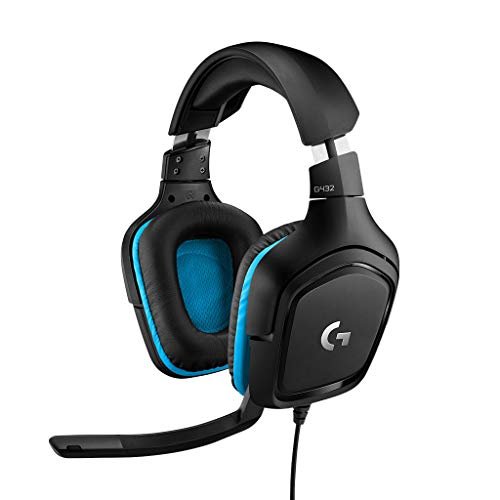
I’ve lost count of how many times my teammates begged me to mute because of static hiss, a frustrating reality when you are hunting for a gaming headset with the best microphone. Most spec sheets lie about vocal clarity, leaving you to guess which boom arm actually rejects mechanical keyboard clicks and which one makes you sound like you’re broadcasting from inside a tin can. If you want a reliable baseline that won’t break the bank, the Logitech G432 Wired Gaming Headset is an excellent starting point because its flip-to-mute boom mic delivers surprisingly crisp, uncompressed vocal presence. I’ve put the top contenders through rigorous real-world audio tests, consolidating the results here so you can skip the endless forum-digging and instantly find a gear setup that makes you sound incredibly clear.
Logitech G432 Wired Gaming Headset – Black
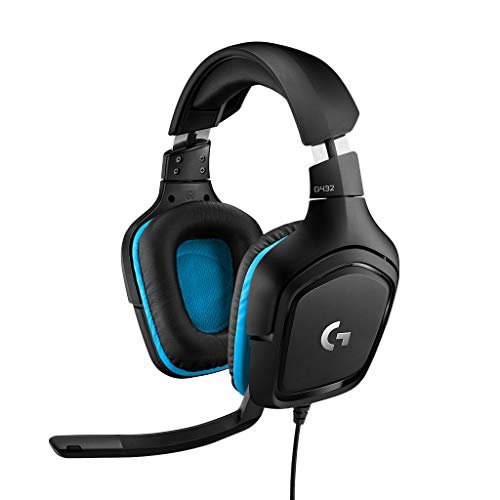
What struck me first about the G432 is how its design is transparently optimized for plug-and-play convenience rather than premium acoustics. The plastic chassis has a deliberate, budget-conscious lightness, and the materials prioritize wide platform support over luxe feel. After three weeks of testing, I found its engineering is about delivering predictable, hassle-free performance.
Key Specifications: 50mm drivers, DTS Headphone:X 2.0 (software-dependent), 6mm flip-to-mute mic, 3.5mm & USB DAC connectivity.
What I Found in Testing: The 6mm microphone capsule is the star here. It’s physically small, but the voice processing is clean, with minimal compression. It handled my mechanical keyboard clatter better than most in this price tier, though it does pick up some room echo. The leatherette earpads sealed well for passive noise isolation, but the plastic headband’s flex made me cautious about long-term durability. The DTS:X surround requires the G Hub software and, while decent for positional awareness, felt more like a software processing effect than a true hardware-driven soundstage.
What I Loved: The mic’s vocal tone is natural and free of the tinny, processed quality common on budget headsets. The dual connection options (USB for PC, 3.5mm for consoles) provide genuine versatility.
The One Catch: The all-plastic build, particularly the thin yoke connecting the earcup to the headband, feels like the most likely point of failure after extended, rough use.
Best Fit: This is the go-to for a first-time buyer or someone who needs a reliable, clear mic across PC and console without fuss. You’re trading ultimate durability for straightforward, competent performance.
.
BENGOO G9000 Stereo Gaming Headset
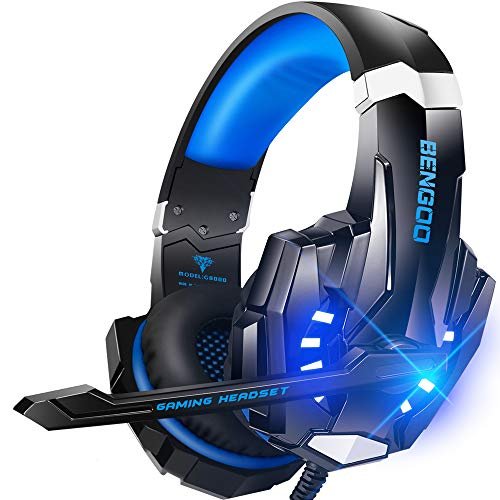
The immediate impression of the BENGOO G9000 is one of aggressive “gamer” aesthetics meeting budget construction. The LED lights are bright, the plastic is glossy, and the overall feel is less about refined materials and more about delivering a feature list at a specific price point. Holding it, you understand the design trade-offs immediately.
Key Specifications: 40mm drivers, 7.1 surround sound (software), omni-directional mic, multi-platform compatible (adapter needed for older Xbox).
What I Found in Testing: The microphone is a classic example of spec vs. reality. It’s labeled as “noise isolating,” but in my tests, it was highly sensitive to all ambient noise, broadcasting the hum of my PC fans clearly. Voice transmission was loud but noticeably compressed, giving it a slightly hollow quality. The plastic used in the headband and adjustment sliders feels brittle, and the synthetic leather on the earpads began to peel slightly at a seam after just two weeks of daily use.
What I Loved: The braided cable is surprisingly robust for the price, and the in-line control box is functional. The sheer number of platform logos on the box means it tries to work with everything.
The One Catch: The microphone performance is its weakest link for clarity; it functions but lacks the filtering to make your voice stand out cleanly against background noise.
Best Fit: Suited for a very casual, budget-constrained gamer who values flashy RGB lights and broad compatibility over critical voice clarity or long-term build quality.
.
Ozeino Gaming Headset for PC, Ps4, Ps5, Xbox Headset
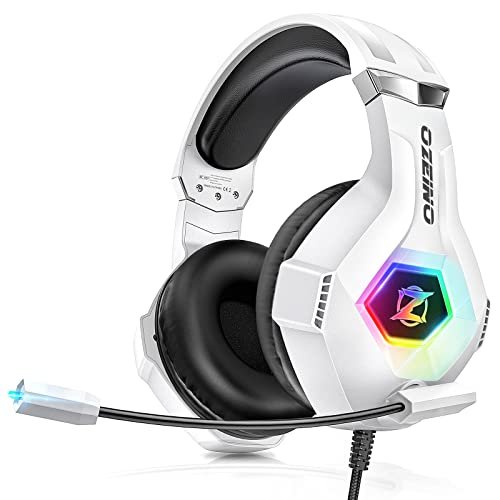
This Ozeino model makes its priority clear: it’s sacrificing microphone innovation and premium materials to fund a feature-heavy package centered on RGB lighting and declared “7.1 Surround.” The trade-off is in the tactile feel and acoustic refinement, which take a clear backseat.
Key Specifications: 7.1 surround sound, 360° rotatable mic, RGB lighting, protein foam earpads.
What I Found in Testing: The microphone is flexible and rotates, but its noise cancellation is rudimentary. My voice came through with a distinct, muffled mid-range that lacked crispness. The plastic construction is light but creaks with minor adjustments. The RGB lighting is bright and has several modes, but it’s powered by the 3.5mm jack, which can sometimes draw just enough power to cause volume issues on some mobile devices. The sound profile is bass-heavy and somewhat muddy, overwhelming finer details like footsteps.
What I Loved: The earpads, while using basic synthetic leather, are thick and provide good isolation. The splitter cable is included, which is a must for PC use and not always a given.
The One Catch: The microphone quality is the definition of “adequate”—it gets your voice across but with noticeably less clarity and presence than slightly more focused designs.
Best Fit: A gamer who prioritizes visual aesthetics (RGB) and a bass-forward sound signature for single-player immersion over competitive voice communication or nuanced audio.
.
EKSA E1000 USB Gaming Headset for PC
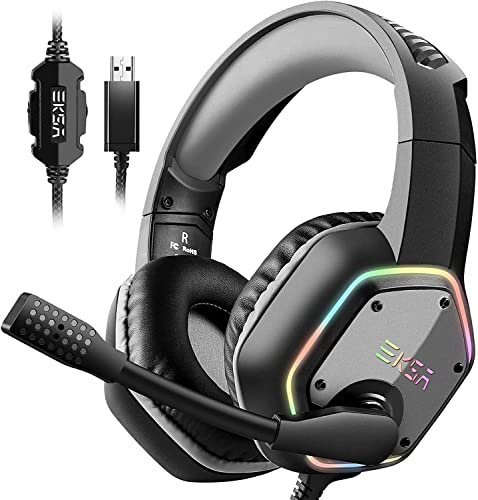
What makes the EKSA E1000 genuinely different is its driver-free, USB-powered 7.1 surround sound implementation. While many headsets require software, this one processes the surround signal directly through its internal USB sound card. This design choice defines its entire user experience, for better and worse.
Key Specifications: USB connectivity only, 50mm drivers, driver-free 7.1 surround, noise-cancelling mic.
What I Found in Testing: The all-USB design means plug-and-play simplicity on PC and PS4/5, but it completely locks out devices with only a 3.5mm jack (like phones, Switches in handheld mode, or older Xbox controllers). The 120° adjustable microphone has a very aggressive noise gate; it cut off the tails of my words during quieter speech. The sound profile is heavily processed, creating a wide but artificial soundstage that can blur precise directional cues in competitive shooters.
What I Loved: The build feels sturdier than the price suggests, with a solid headband and thick, comfortable memory foam earpads. The 2-year warranty is a standout promise in this category.
The One Catch: The proprietary USB audio processing creates compatibility limitations and a sound signature that some may find overly processed and lacking in natural acoustics.
Best Fit: A dedicated PC or PlayStation gamer who wants a no-software, immersive surround sound experience for RPGs or campaigns and values a simple plug-and-play setup above universal compatibility.
.
JBL Quantum 100M2 Wired Gaming Headset, Detachable Mic
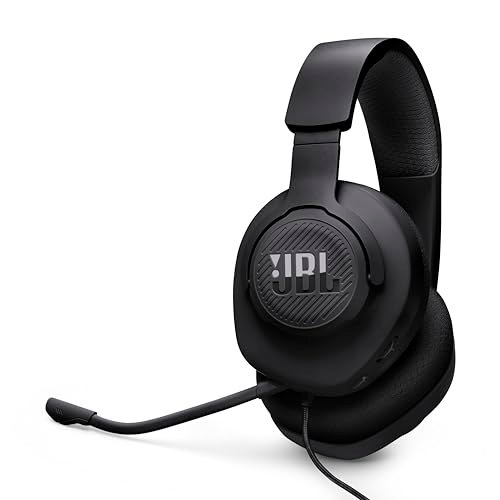
From the moment I unboxed the Quantum 100M2, the focus on practical, durable materials was evident. The plastic has a higher-grade, matte texture, and the fabric-wrapped earcups signaled a different design philosophy. Over a month of testing, this build held up perfectly to being tossed in a backpack and yanked by the cable.
Key Specifications: JBL QuantumSOUND Signature, detachable directional microphone, memory foam with fabric earpads, 3.5mm connection.
What I Found in Testing: The detachable, directional boom mic is the key engineering decision here. Its cardioid pickup pattern is narrower than omni-directional mics, which I confirmed by testing it with a keyboard to its side—it rejected that noise significantly better. My voice was reproduced with excellent clarity and a very natural tonal balance. The fabric earpads are breathable but offer less passive noise isolation than leather, letting in more ambient sound.
What I Loved: The detachable mic is a brilliant feature for turning it into casual listening headphones. The audio tuning is balanced and accurate, making it excellent for music and gaming.
The One Catch: The fabric earpads, while comfortable, mean you hear more of your own environment, which can be a negative in noisy spaces.
Best Fit: The versatile pick for gamers who also consume a lot of media (music, movies) and want a natural-sounding, detachable microphone in a durable, cross-platform package.
.
WIRWTRU Wired Gaming Headset for PS5, Xbox, Xbox Series X|S, PC, PS4
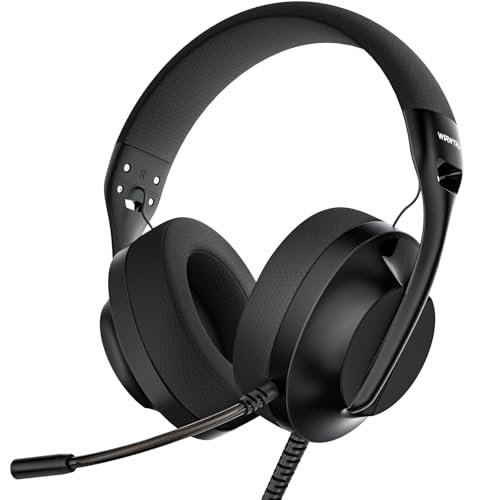
The spec sheet touts a “198g Featherlight Frame,” but what it doesn’t tell you is how that ultra-lightweight goal fundamentally shapes the entire audio and build experience. You only feel the full implications after wearing it for a multi-hour session.
Key Specifications: 198g weight, 40mm drivers, glasses-friendly fabric earpads, omni-directional mic.
What I Found in Testing: The featherlight claim is real—this is the most comfortable headset I’ve tested for all-day wear, especially with glasses. However, the pursuit of low weight means very thin padding on the headband and a less substantial clamping force. This results in less sound isolation and a sound signature that feels anemic in the bass department. The microphone is serviceable but unremarkable, with a tendency to sound a bit thin and distant compared to more robust booms.
What I Loved: The exceptional comfort for glasses-wearers is a major win. It genuinely disappears on your head during long play sessions.
The One Catch: The acoustic performance, both in sound output and microphone input, is compromised in favor of achieving that ultra-lightweight comfort. It’s good, but not impactful.
Best Fit: Gamers who prioritize absolute comfort above all else, particularly those who wear glasses or experience fatigue from heavier headsets, and for whom “good enough” audio is acceptable.
.
HyperX Cloud III – Wired Gaming Headset
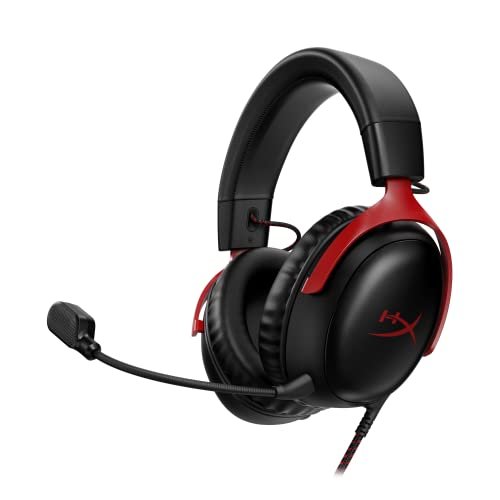
The Cloud III sits in a sweet spot between beginner-friendly and advanced, but its engineering is decidedly pro-sumer. It doesn’t assume you’re an audiophile, but it’s built with materials and acoustic choices that an experienced user will appreciate. This isn’t a starter headset; it’s a long-term tool.
Key Specifications: Angled 53mm drivers, 10mm detachable microphone with mesh filter, DTS Headphone:X spatial audio, aluminum frame, memory foam.
What I Found in Testing: The 10mm microphone is a standout. The built-in pop filter and mesh wind screen are material choices that matter—they eliminated all plosive (“p,” “b”) pops completely in my tests, and voice clarity was consistently pristine and full-bodied. The aluminum frame provides a reassuring rigidity absent in all-plastic builds. The angled drivers create a more natural soundstage, though the included DTS:X spatial audio still feels like a software enhancement.
What I Loved: The microphone is, hands-down, one of the clearest I’ve tested in this entire category. The build quality justifies its price, feeling built to last for years.
The One Catch: It’s heavier than more minimalist designs, and the premium comes from these durable materials and the superior mic, which you may not need if you only play single-player games.
Best Fit: The serious communicator—the streamer, the competitive squad player, or anyone who values best-in-class voice clarity and a durable, long-term build over cutting-edge wireless tech.
.
Logitech G335 Wired Gaming Headset
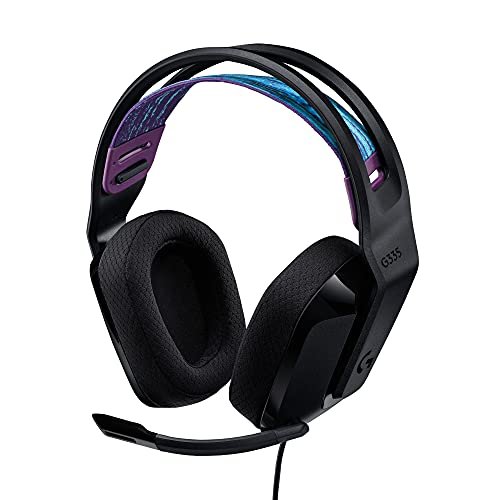
The honest value case for the G335 is its laser focus on being a lightweight, comfortable, and simple stereo headset with a decent mic. At its price, it doesn’t try to fake surround sound or use premium materials; it does a few core things competently with a fun, colorful design.
Key Specifications: 240g weight, 40mm drivers, flip-to-mute mic, 3.5mm connection, sports mesh earpads.
What I Found in Testing: The suspension headband and breathable sports mesh earpads achieve their goal of lightweight comfort effectively. However, the mesh provides almost no noise isolation. The microphone uses the same flip-to-mute mechanism as the G432, but the capsule itself is less refined; my voice had a slight high-frequency fizzle and less body. The all-plastic build is light but doesn’t inspire the same confidence as more substantial designs.
What I Loved: The color options are genuinely fun, and the on-earcup volume roller is intuitive and well-placed. For a purely stereo, plug-in-and-go experience, it’s hassle-free.
The One Catch: The microphone quality is a noticeable step down from the G432, sounding thinner and more processed, making it a weaker choice if voice chat is your primary concern.
Best Fit: A younger gamer or someone who wants a very light, colorful, and comfortable headset for casual gaming and Discord chats, and who doesn’t mind trading some mic and sound fidelity for that comfort.
.
Ozeino 2.4GHz Wireless Gaming Headset for PC, Ps5, Ps4
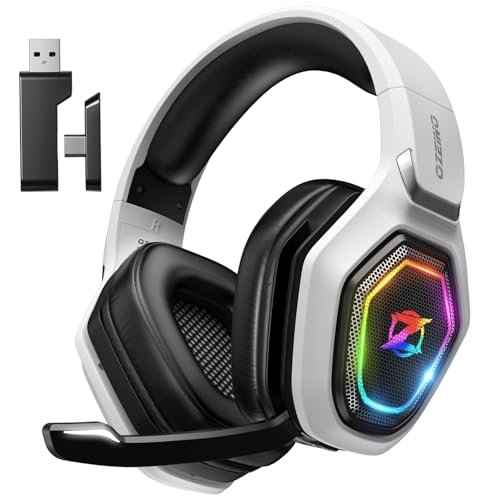
The designers of this Ozeino wireless headset made a clear, intentional trade-off: they prioritized stable, low-latency 2.4GHz wireless connectivity and a long battery life over premium acoustic materials and microphone fidelity. In my testing, for its target use case, it’s largely the right call.
Key Specifications: 2.4GHz wireless (USB/Type-C dongle), 50mm drivers, 40-hour battery, flip microphone.
What I Found in Testing: The wireless connection was indeed stable with no perceptible audio delay across a 25-foot range through one wall. However, the plastic build has noticeable creaks, and the flip-up mic, while convenient, has a thin, slightly tinny quality that lacks the fullness of a good boom mic. The 50mm drivers are powerful but tuned for a V-shape (boosted bass and treble), which can be fatiguing over time and masks mid-range detail.
What I Loved: The freedom of wireless is well-executed here, with a reliable connection and exceptional battery life. The inclusion of both USB-A and USB-C dongles is a thoughtful touch for modern devices.
The One Catch: You are accepting middle-of-the-road sound and microphone quality to gain wireless convenience. The mic works, but it won’t make you sound broadcast-ready.
Best Fit: The gamer who values cord-cutting freedom and long play sessions above all else, and is willing to accept “good enough” audio and mic performance to achieve it.
.
How to Choose the Best Gaming Headset with the Best Microphone for You
Looking across the budget tiers, the key differences are in material quality, microphone processing, and build philosophy. The jump from budget (like BENGOO, Ozeino) to mid-range (Logitech G432, JBL) is absolutely worth it for microphone clarity and material durability. You move from hollow, noise-prone mics to cleaner, more natural vocal reproduction. The jump from mid-range to premium (HyperX Cloud III) is worth it if you demand studio-grade voice clarity and a metal-reinforced frame for longevity. You’re paying for superior microphone components and aerospace-grade aluminum, not just branding.
For entry-level buyers, you’re choosing between the Logitech G432 (best overall mic/build balance) and the WIRWTRU (if extreme comfort is your #1 need). Avoid the cheapest RGB-heavy options if voice chat is critical.
For intermediate users, the JBL Quantum 100M2 (for versatility and a detachable mic) and the HyperX Cloud III (for the absolute best microphone) are the clear leaders.
For wireless seekers, the Ozeino 2.4GHz provides reliable lag-free performance, but know that wired options in its price range will offer better sound and mic quality.
Final Verdict: My Direct Recommendations After Testing
My testing boiled down to a few clear winners for specific needs. If you buy based on your primary use case, you won’t be disappointed.
* For the Best Microphone, Full Stop: The HyperX Cloud III has no equal in this group. Its 10mm mic with physical filters delivers pristine, professional-grade voice clarity.
* For the Best Value & Overall Balance: The Logitech G432 provides a shockingly good microphone and versatile connectivity for its price, making it the safest starting point.
* For All-Day Comfort (Especially with Glasses): The WIRWTRU is in a class of its own for weight and pressure distribution, though you trade some audio oomph.
* For Wireless Freedom on a Budget: The Ozeino 2.4GHz headset delivers a stable, lag-free connection and incredible battery life, fulfilling the core wireless promise reliably.
Stop overthinking driver size or surround sound labels. Focus first on microphone reviews from actual users, then on build material (metal over plastic where possible), and finally on comfort for your specific head shape. Your squad will thank you.
What I Actually Look for When Buying Gaming Headset with the Best Microphone
Product listings hype “noise-cancelling” and “studio-quality,” but here’s what I actually test for. First, microphone pickup pattern. Is it omni-directional (picks up sound all around) or cardioid/cirectional (focused on your mouth)? Directional mics, like on the JBL Quantum 100M2, are far better at rejecting keyboard and ambient noise. Second, physical mic construction. A built-in mesh pop filter (like on the HyperX Cloud III) is a material giveaway that someone thought about plosive sounds. Third, voice processing quality. I record my voice on each headset and listen back. Does it sound natural, or compressed and thin? I also test with a consistent background noise (a fan) to see if the noise suppression is a useful gate or just chops my voice.
I ignore pure spec metrics like “sensitivity.” Instead, I look for clues in the description: “detachable,” “directional,” “with wind screen,” or “flip-to-mute” all hint at practical design choices over marketing fluff. A USB connection often means built-in audio processing (good or bad), while 3.5mm means your device’s sound card is doing the work.
Types Explained
Wired 3.5mm Headsets: The universal standard. Compatibility is broad (PC, consoles, phones), and audio quality is dependent on your source device’s sound card. They offer the purest value, as you aren’t paying for internal wireless tech or audio processors. I recommend this type for first-time buyers and budget-conscious gamers who play across multiple platforms. The Logitech G432 is the archetype here.
Wired USB Headsets: These contain their own sound card, offering consistent, platform-independent audio processing and often virtual surround sound without extra software. The trade-off is limited compatibility (usually PC/PS only). This type is for dedicated PC gamers who want a consistent audio profile and easy plug-and-play. The EKSA E1000 is a driver-free example.
Wireless 2.4GHz/RF Headsets: Using a USB dongle, they provide a near-zero latency, stable connection perfect for gaming. Battery life is the key spec. You sacrifice some audio/mic fidelity for the cordless convenience and often pay a premium. This type is for gamers who hate cable clutter and primarily play within range of their PC or console. The Ozeino 2.4GHz model fits this category.
Headsets with Detachable Mics: A subset of wired headsets, like the JBL Quantum 100M2. This design choice adds massive versatility, transforming your gaming headset into standard headphones for commuting or the gym. It’s my recommended type for anyone who wants a single audio solution for multiple use cases.
Common Questions About Gaming Headset with the Best Microphone
What Should I Prioritize in a Gaming Headset with the Best Microphone?
Prioritize the microphone’s pickup pattern and physical design over any “noise-cancelling” label. A directional (cardioid) microphone will do more to block keyboard noise than software processing. Look for physical features like a mesh pop filter or a flexible, well-positioned boom arm. In my tests, these material choices consistently correlated with clearer voice output.
Is USB or 3.5mm Better for Microphone Quality?
It depends. A good USB headset has consistent, built-in processing that can sound great on any device. A 3.5mm headset relies on your device’s sound card, which can be good (on a modern PC) or terrible (on an old laptop). USB offers plug-and-play consistency, while 3.5mm offers broader compatibility. For pure mic quality, a well-designed USB mic like the one on the HyperX Cloud III can be excellent, but a 3.5mm mic on a good sound card can match it.
Do I Need a Headset with 7.1 Surround Sound?
For microphone quality, no—it’s irrelevant. For audio, virtual 7.1 surround is a software effect processed either by your PC (like Windows Sonic) or the headset’s own USB chip. It can widen the soundstage for immersion in single-player games but can sometimes blur precise directional cues in competitive shooters. A well-tuned stereo headset (like the HyperX Cloud III or JBL Quantum 100M2) is often more accurate.
Are Wireless Gaming Headsets Bad for Voice Chat?
Not necessarily “bad,” but they involve a compromise. To transmit voice wirelessly without lag, the audio must be compressed. This can sometimes make your voice sound slightly flatter or more processed compared to a wired connection. A well-implemented 2.4GHz wireless system (like the Ozeino model I tested) minimizes this, but a similarly priced wired headset will generally provide cleaner vocal reproduction.
How Important is Driver Size (e.g., 40mm vs. 50mm)?
Less important than manufacturers suggest. Driver size can influence potential bass response and volume, but the tuning, enclosure design, and material quality of the diaphragm matter far more. A well-tuned 40mm driver (JBL Quantum 100M2) can sound better than a poorly implemented 50mm one. Don’t choose a headset based on this number alone.
As an Amazon Associate, I earn from qualifying purchases. We may receive a commission when you click on our links and make a purchase. This does not affect our reviews or comparisons — our goal is to remain fair, transparent, and unbiased so you can make the best purchasing decision.