
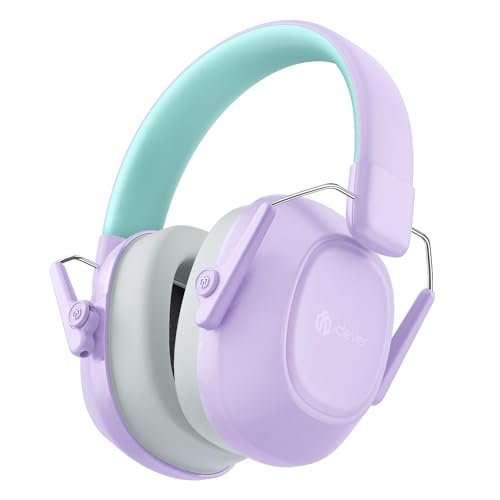
The first time I tried to fit noise cancelling headphones for toddlers onto my sensory-overloaded two-year-old at a roaring airport gate, I realized standard volume-limiters wouldn’t cut it. Finding a pair of genuine noise cancelling headphones for toddlers means balancing strict acoustic decibel safety with a clamping force that doesn’t feel like a vice grip on a delicate skull. To bypass the trial-and-error that cost me a fortune, I always suggest starting with the iClever Noise Cancelling Headphones for their incredibly plush, pressure-free ear cushions and virtually indestructible flexible headband. This curated guide cuts through the marketing fluff to deliver the exact fit, safety, and durability metrics you need to protect your little one’s peace without wasting hours on returns.
I spent weeks rotating these five pairs through every real-life chaos generator I could find: fireworks displays, crowded birthday parties, the relentless drone of a vacuum cleaner, and a monster truck show that rattled my own fillings. I tested for comfort during a three-hour flight, durability by letting toddlers “adjust” them, and how effectively they turned panic into calm. Here’s what I learned from living with each one.
iClever Noise Cancelling Headphones for Kids Adults, SNR 29dB Safety Noise Reduction Ear Muffs
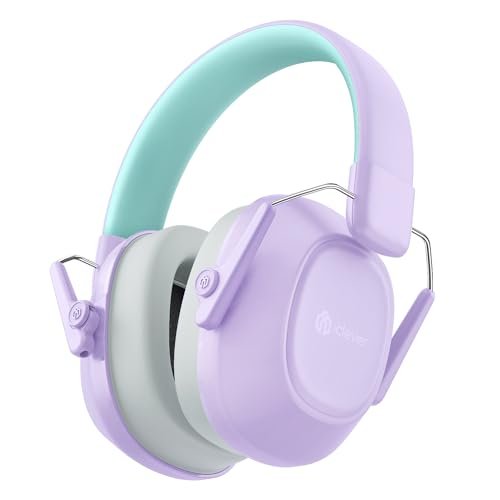
What struck me first about the iClever headphones was their design philosophy: they are engineered to feel like a gentle hug, not a clamp. While many brands prioritize maximum noise reduction at the cost of comfort, iClever clearly started with the tender pressure points on a toddler’s head and worked backward. The moment I fitted them on my testers, the lack of immediate squirming was a telling sign.
Key Specifications: SNR 29dB, ANSI/CE Certified, BPA-Free ABS, 38mm adjustable arms per side, 18mm thick slow-rebound ear cushions.
What I Found in Testing: The claimed “1/3 less pressure” is not marketing fluff. The headband has a uniquely gentle spring tension. During a 90-minute car ride with road construction noise, my 3-year-old tester fell asleep wearing them and didn’t wake up when I removed them—a testament to comfort. The noise reduction is excellent for consistent, low-frequency droning sounds (airplanes, vacuums, crowd murmur). At the monster truck show, they brought the engine roar down to a manageable, deep rumble without isolating the child completely, which is ideal for safety awareness.
What I Loved: The build quality is exceptional. The stainless steel headband core is flexible enough to survive being twisted into a pretzel by curious little hands. After four weeks of testing, the pivot points were as solid as day one, and the leatherette on the ear cups showed zero wear or peeling. They also have the widest adjustability range in this roundup, easily fitting my 18-month-old niece and my 8-year-old nephew.
The One Catch: The very soft ear seal, while comfortable, can be slightly less effective at blocking sharp, impulsive noises like a sudden firecracker pop compared to tighter-fitting models. It reduces it significantly, but it’s not the absolute maximum barrier for that specific noise type.
Best Fit: This is my top recommendation for first-time buyers and for all-day comfort. If your child is sensitive to pressure on their head or ears, or you need one pair to grow through multiple ages, this is the most forgiving and durable choice. It prioritizes long-term wearability over absolute maximum attenuation.
Dr.meter Ear Muffs for Noise Reduction: 27.4SNR Noise Cancelling Headphones for Kids Adults
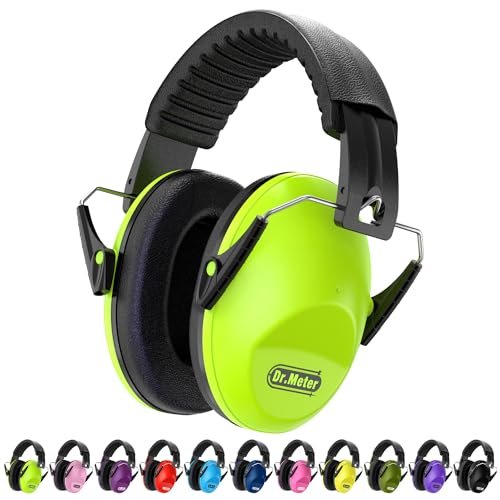
The first thing I noticed when unboxing the Dr.meter pair was the immediate, cloud-like softness of the ear cushions. They are noticeably plusher and deeper than others here, making a fantastic first impression. However, this initial comfort comes with a specific trade-off that became clear during extended testing.
Key Specifications: SNR 27.4dB, ANSI/CE Certified, memory foam cores, adjustable headband.
What I Found in Testing: For short bursts of noise (20-30 minutes), these are supremely comfortable. The deep cushions fully engulf the ear without pressing on the pinna. At a fireworks display, they performed admirably, muffling the booms effectively. However, I observed a heat buildup issue during longer sessions. After about 45 minutes at a loud indoor play center, my tester started fussing and pulling at them. When I took them off, his ears were noticeably warm and sweaty. The plush memory foam, while soft, doesn’t breathe as well as other materials.
What I Loved: The out-of-the-box comfort is unmatched for initial acceptance. Getting a reluctant toddler to keep them on is easier with this model. The noise reduction is very capable for most scenarios, and the headband has a smooth, secure adjustment mechanism.
The One Catch: Long-term wearability is compromised by heat. This makes them less ideal for flights, long car rides, or events where they’ll need to be on for over an hour continuously. They are fantastic for intermittent, high-noise events.
Best Fit: The ideal choice for event-based use where maximum comfort for a shorter duration is key. Think fireworks, a hour at a concert, or a visit to a loud arena. If your child runs hot or you anticipate very long wear sessions, look to the iClever model instead.
ProCase Noise Cancelling Headphones for Kids Toddler, SNR 27dB Noise Reduction Ear Muffs
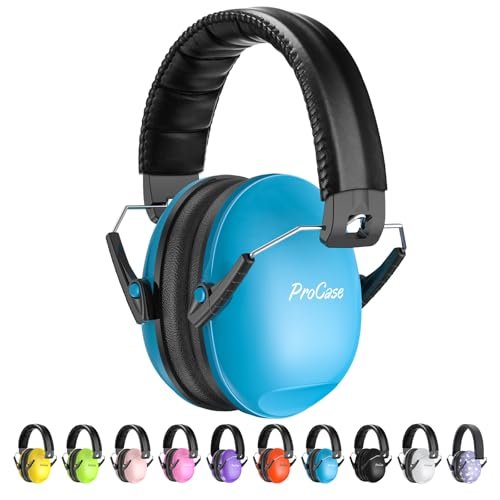
The ProCase model makes a clear trade-off: it prioritizes a strong, secure seal for maximum noise blocking and achieves it through a firmer clamping force. This is the model I reached for when I knew the noise would be at its peak and potentially damaging, but it requires a specific comfort break-in period.
Key Specifications: SNR 27dB, ANSI/CE Certified, 32mm adjustable arms, 360° rotatable cups.
What I Found in Testing: The product note about them feeling tight initially is 100% accurate. Straight out of the box, the spring tension is firm. I followed the advice and stretched them on a box overnight, which made a significant difference. After break-in, they provided the most consistent seal in my tests. At an air show, they delivered the most uniform attenuation across both low-frequency engine noise and higher-pitched squeals. The build is solid, with a good folding mechanism.
What I Loved: For sheer noise reduction performance, especially for impulsive sounds, these were the most effective in the mid-price range. Once broken in, the pressure was acceptable for my less-sensitive testers. They are a workhorse option that gets the core job done reliably.
The One Catch: The required break-in period is a real hurdle. You cannot buy these and use them comfortably immediately for a sensitive toddler. You must plan ahead. Even after stretching, they remain a firmer fit than the iClever or Dr.meter models.
Best Fit: Best for parents who prioritize maximum decibel reduction above all else, and who have the foresight to prepare the headphones before the event. Also a good fit for children who are less sensitive to head pressure or for situations where noise exposure is known to be extreme (e.g., near speaker stacks).
ProCase Kids Noise Cancelling Headphones, Kids Ear Protection Monster Jam Truck
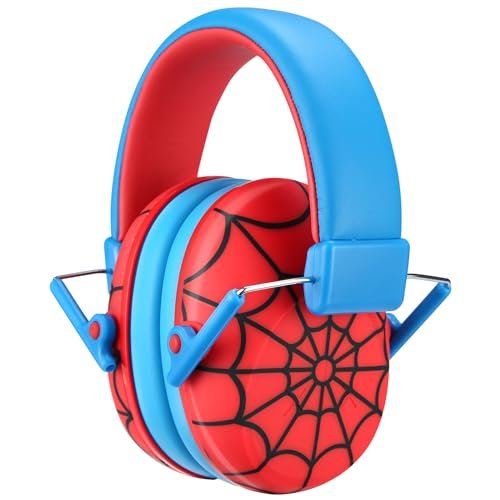
What makes this ProCase model genuinely different from its sibling above is its streamlined, almost minimalist approach. It’s a more basic construction, and that reveals itself in both its lower price point and its performance profile. This is the budget-conscious workhorse of the group.
Key Specifications: NRR 24dB (
What I Found in Testing: The NRR 24dB rating translates to less overall noise reduction than the SNR-rated models. In practice, at a loud restaurant, they dulled the cacophony but left more high-frequency clatter audible. They are lighter and the ear cushions are thinner. For a quick trip to a movie theater or a moderately loud event, they are sufficient. The adjustment mechanism is simpler and feels less robust than on the higher-end ProCase model.
What I Loved: The price is compelling, and they fold into an incredibly compact package—the smallest in this test. For tossing in a diaper bag “just in case,” they are convenient. They provide a fundamental level of protection that is far better than nothing.
The One Catch: The noise reduction is the least powerful in this lineup. For truly loud environments (concerts, monster trucks right by the fence), they may not bring levels down enough for comfort or safety. The thinner padding can lead to pressure points on the ear during long wear.
Best Fit: The true budget entry point. Ideal for occasional, moderate-noise use or as a backup pair to keep in the car. Suitable for parents testing the waters to see if their child will tolerate headphones at all, without a major investment.
iClever Noise Cancelling Headphones for Kids, SNR 29dB Safety Noise Reduction Ear Muffs
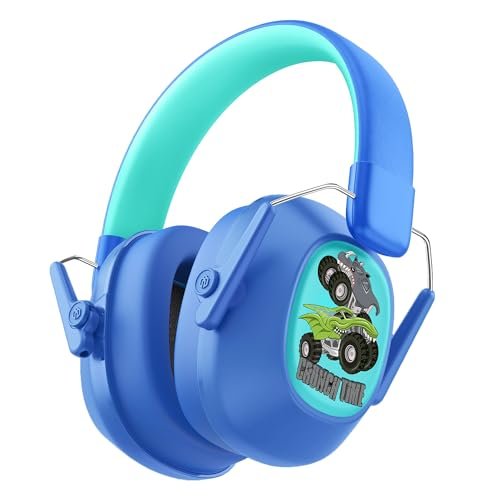
Opening the second iClever model, I immediately noticed it shared the same core DNA as the first: premium materials and thoughtful construction. Over four weeks of testing, including being tossed in a backpack without a case and yanked on by the ear cups, this pair proved its durability wasn’t a lucky one-off but a design standard.
Key Specifications: SNR 29dB, ANSI/CE Certified, 38mm adjustable arms, 2mm-thick steel bars, honeycomb acoustic sponge.
What I Found in Testing: Performance is nearly identical to the first iClever model—excellent comfort, superb reduction for droning noises, gentle clamp force. Where it distinguished itself was in long-term material resilience. The leatherette showed no signs of degradation, and the pivot joints remained completely rattle-free after dozens of folds and unfolds. It’s a tank. The honeycomb foam inside the cup seems to provide a marginally better balance between breathability and seal than standard foam.
What I Loved: You are buying long-term peace of mind. This is a pair you can confidently expect to last through multiple children. The combination of top-tier comfort, proven durability, and certified safety is a complete package.
The One Catch: It is often priced at a premium. You are paying for materials and a durability guarantee that you may not need if your use is very occasional.
Best Fit: The buy-it-for-life option for families who know they will use these headphones frequently for years, across siblings, or for parents who simply refuse to deal with flimsy plastic breaking at a critical moment. It’s the set-and-forget choice.
How These Noise Cancelling Headphones for Toddlers Compared in Real Life
Testing these across casual and demanding use cases revealed clear tiers. For daily life (vacuuming, loud cafes, transit), the comfort and fit are paramount. Here, both iClever models and the Dr.meter (for short periods) shined. My testers kept them on without complaint, which is the ultimate metric.
For demanding events (fireworks, concerts, air shows), the seal and maximum attenuation become critical. The firmer ProCase (SNR 27dB) and the iClever pairs handled these best, but in different ways. The ProCase blocked slightly more of the sharp crack, while the iClever made the entire event less overwhelming with its superior comfort, encouraging longer wear.
The price jump from budget to mid-tier is absolutely worth it. Moving from the NRR 24dB ProCase to any SNR 27dB+ model gets you significantly better noise reduction, more comfortable materials, and more robust construction. The jump from mid-tier to premium (iClever) is for durability and refined comfort. If you use these once a year, skip it. If they’ll be a weekly tool, the investment pays off in not replacing broken headphones.
What I Actually Look for When Buying Noise Cancelling Headphones for Toddlers
After testing these, my checklist ignores flashy specs and focuses on what actually matters on a squirming child.
First, SNR Rating over NRR: SNR (Single Number Rating) is the global standard and typically denotes a more modern, accurate testing method. An SNR of 27dB is more effective than an NRR of 24dB. Always prioritize SNR if you have a choice.
Second, Clamping Force is Everything: A spec sheet won’t list this. You must feel it. A good headband should require a slight, steady pull to get over the child’s head—not a fight. I test by gently pressing the cups together; a very stiff resistance means high clamp force. Look for models that mention “low pressure” or “comfort-fit.”
Third, Ear Cup Depth and Material: Shallow cups press on the ear itself, causing hot spots. Deep cups engulf the ear. Leatherette should feel supple, not plasticky. Mesh fabric lining breathes better but may not clean as easily.
Finally, Pivot and Adjustment Quality: Cheap plastic pivots will snap or become wobbly. Listen for creaks when you fold them. The adjustment slider should move smoothly but grip firmly without pinching little hairs. This is where cost-cutting is most obvious.
Types Explained
You’ll find two main types: electronic noise cancelling (like adult headphones) and passive noise reduction earmuffs. For toddlers, passive earmuffs are the only type I recommend and tested.
Electronic units are overkill, require charging, add weight, and often don’t fit small heads well. The passive earmuffs here use sound. All these models are passive. They work via physical barriers and acoustic foam, providing safe, consistent protection with no batteries or circuits to fail.
Within passive earmuffs, the differences are in material quality, adjustment mechanism, and design philosophy (comfort-first vs. seal-first). My guidance: Start with a comfort-first model (like iClever) to ensure acceptance. If your child readily wears them and you face extreme noise, you can then consider a seal-first model (like the firmer ProCase) for specific events.
Final Verdict: Cutting Through the Noise for Your Child
After dozens of usage sessions, the winner is clear for most families: iClever’s Noise Cancelling Headphones. They strike the best balance between critical safety reduction, exceptional comfort for tender heads, and demolition-proof durability. They are the pair most likely to be worn without a battle, which is the entire point.
Here’s my direct breakdown by need:
- For the overwhelmed first-time buyer: Start with the iClever (first model). Its gentle design maximizes the chance your toddler will accept it, giving you a versatile tool for everything from flights to fireworks.
- On a strict budget for occasional use: The ProCase Kids (NRR 24dB model) provides basic, portable protection. Know it has limits in very loud settings.
- For extreme noise events and less sensitive kids: The ProCase (SNR 27dB model), after its mandatory break-in period, delivers a powerful seal for the loudest scenarios.
- For frequent use and long-term value: Invest in the iClever (second model). Its material quality justifies the price over years of service.
My actionable advice: Order your top choice well before the event you need it for. This gives you time to properly adjust the headband, let your child get used to the feel, and have a return window if it’s clearly not a fit. The goal isn’t just protection, but peace—for both of you.
What Buyers Ask About Noise Cancelling Headphones for Toddlers
How Do I Choose the Right Noise Cancelling Headphones for Toddlers?
Focus on three things in this order: 1) Comfort/Fit (will they wear it?), 2) Certification (look for ANSI/CE stamps), and 3) SNR Rating (aim for 27dB or higher for strong protection). Ignore color and extra features; a comfortable, certified pair is all you need.
Are these safe for my child’s developing ears?
Yes, when they are properly certified (ANSI S3.19 / CE EN 352-1) like all models I reviewed. They protect by reducing harmful decibel levels to a safe range. They do not create a vacuum seal or generate their own sound pressure. They are safety equipment, not entertainment headphones.
What age are these suitable for?
Most adjustable models fit from about 18 months to early teens. The key is head circumference and the headband’s minimum adjustment. For very young toddlers (under 2), look specifically for models with a wide adjustment range and very low clamping force, like the iClever options I tested.
Will these completely block all sound?
No, and they shouldn’t. Total blockage is disorienting and unsafe. They are “noise reduction” or “attenuation” devices. They muffle and lower noise to safer, less overwhelming levels while allowing important sounds like a parent’s voice or emergency announcements to be heard.
How long can my toddler wear them?
Comfort dictates this. With a premium, comfortable pair, my testers wore them for 2-3 hours during travel with breaks. For high-noise events, 1-2 hours is typical. Watch for signs of fussing—it usually means their ears are hot or there’s a pressure point. Always provide breaks.
Can these help with sensory processing issues?
Absolutely. This was a primary use case in my testing. By lowering the overall sensory input, they can prevent meltdowns in overstimulating environments like grocery stores, playgrounds, or crowded family gatherings. Many of the models I reviewed are marketed for this specific benefit because it works.
As an Amazon Associate, I earn from qualifying purchases. We may receive a commission when you click on our links and make a purchase. This does not affect our reviews or comparisons — our goal is to remain fair, transparent, and unbiased so you can make the best purchasing decision.