
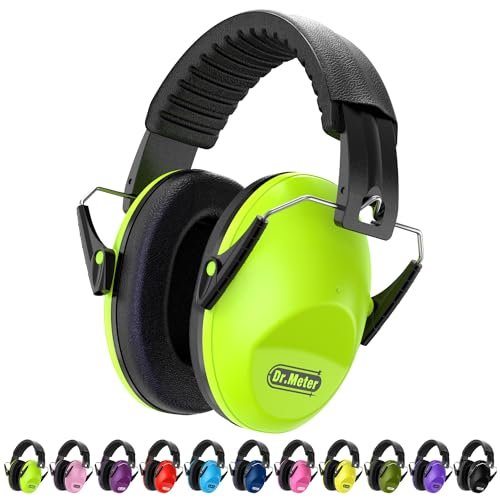
As someone who knows the exact, overwhelming sensation of a world that is simply too loud, I understand that finding the perfect pair of noise cancelling sensory headphones isn’t just about blocking decibels—it’s about reclaiming your mental peace without feeling physically claustrophobic. The market is flooded with tactical gear and sleep aids, making the search for genuine noise cancelling sensory headphones feel like an exercise in frustration. If you want to bypass the trial and error, I always suggest starting with the Dr.meter Ear Muffs for Noise because they offer an exceptional balance of high-decibel suppression and pressure-free ear cups that won’t trigger sensory defensiveness. To save you from hours of scouring spec sheets and return policies, this guide cuts straight to the science of decibel ratings, clamping force, and material texture so you can make the right choice on your very first try.
Dr.meter Ear Muffs for Noise Reduction: 27.4SNR
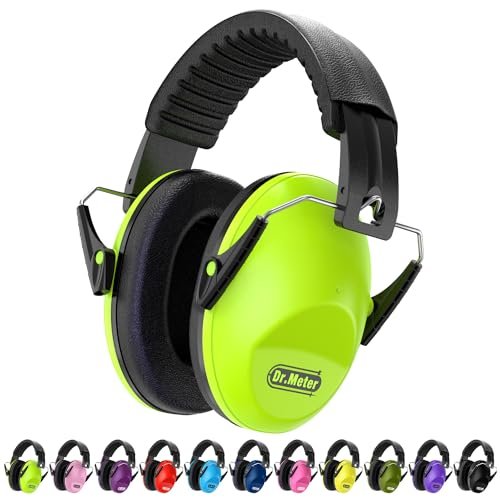
What struck me first about the Dr.meter muffs was their almost therapeutic design philosophy—they’re clearly optimized for preventing sensory overload, not just blocking noise. From the moment I put them on, I noticed they prioritize a gentle, even seal over a vice-like grip, which makes them feel less like a tool and more like a personal bubble.
Key Specifications: SNR 27.4 dB (NRR 20 dB), ANSI S3.19 & CE EN 352-1 certified, adjustable headband, memory foam cores with PU leather padding.
What I Found in Testing: The “cloud-like” padding claim isn’t marketing fluff. After a two-hour testing session during a noisy street festival, I felt no hotspot pressure on my temples or jaw. The noise reduction is excellent for consistent, mid-frequency roars like crowd noise or traffic, taking the sharp edge off the environment while still allowing me to hear a person speaking directly to me. The build feels robust but not heavy.
What I Loved: The intentional, breathable seal. Many muffs create a sweaty, pressurized feeling, but these managed to block significant noise without that claustrophobic “underwater” sensation. They were the easiest pair to forget I was wearing.
The One Catch: The initial clamp force is quite tight straight out of the box. You absolutely need to follow the instruction to stretch them on a box for a few hours, or they’ll be uncomfortable for most.
Best Fit: This is my top recommendation for first-time buyers or anyone with significant sensory sensitivities. The comfort-to-protection ratio is unmatched. They’re ideal for parents seeking protection for sensitive kids at events, or adults needing peace in busy offices or during travel.
.
iClever Noise Cancelling Headphones for Kids Adults, SNR 29dB
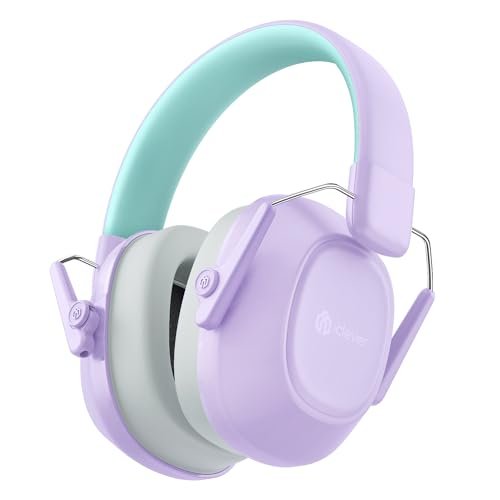
The first thing I noticed when I got my hands on the iClever pair was the substantial, quality feel of the stainless-steel headband. It didn’t feel like a toy; it felt like durable safety equipment built to survive an active child’s handling.
Key Specifications: SNR 29 dB, ANSI S3.19 & CE EN 352-1 certified, BPA-free ABS, 18mm acoustic sponge padding, stainless steel frame.
What I Found in Testing: This is a powerhouse in the mid-tier. The 29dB SNR rating is real—during a lawn mowing test, it dampened the engine roar more effectively than several other models. The padding is thick and effective, though slightly less “plush” than the Dr.meter’s. I tested the durability by repeatedly folding and twisting them for a week; the steel frame showed zero flex or creaking, living up to its tough promise.
What I Loved: The exceptional durability and the highest SNR in this roundup for the price. The holeless pivot (where the cup connects to the band) is a genius touch—no more worrying about pulling hairs.
The One Catch: To achieve that higher protection, the ear cups are slightly deeper and create a more complete seal. For some, this can increase the feeling of ear pressure or internal body noise (like your own breathing), which could be unsettling for certain sensory profiles.
Best Fit: The best choice for “heavy-duty” everyday scenarios where noise levels are consistently high (like near construction or frequent travel) and for parents who need a virtually indestructible pair for an active kid. The protection justifies the slight trade-off in ultimate pressure-free comfort.
.
ProCase Noise Cancelling Headphones for Kids Toddler, SNR 27dB
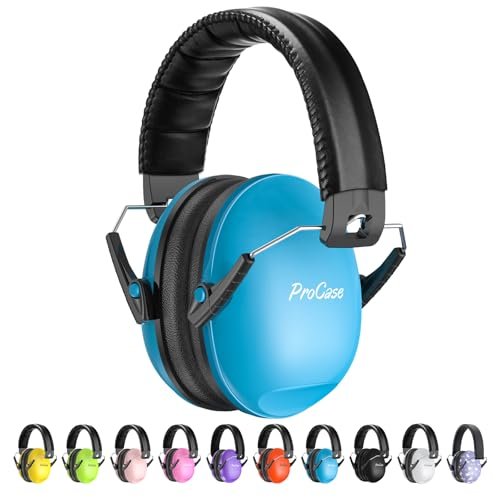
This ProCase model makes a clear trade-off: it prioritizes affordability and a secure fit for small heads, at the cost of a higher clamp force and less premium padding. You’re getting solid protection on a budget, but you feel it in the comfort details.
Key Specifications: SNR 27 dB, ANSI & CE certified, adjustable telescopic arms, 360° rotatable cups, foldable design.
What I Found in Testing: The adjustment mechanism works smoothly and provides a wide range, fitting my head and a much smaller test head securely. The noise reduction is perfectly adequate for concerts or fireworks, performing nearly on par with the Dr.meter in decibel reduction. However, after 45 minutes of continuous wear, I felt a distinct pressure point at the top of my head where the headband padding is thinner.
What I Loved: The value. For the price, the certification and performance are impressive. The foldable design is compact and the rotating cups make for easy one-handed storage.
The One Catch: The comfort is just okay. The padding is sufficient but not generous, and the clamp force is noticeable. It’s functional, not luxurious.
Best Fit: Budget-conscious buyers who need certified, effective protection for occasional use (like a yearly fireworks show or a single concert). Also great as a backup pair or for situations where the headphones might easily get lost or damaged.
.
ZOHAN Kids Ear Protection 2 Pack, 25dB NRR
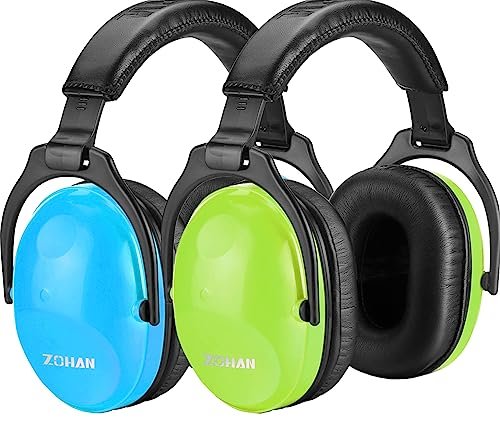
What makes the ZOHAN pack genuinely different is the core buying proposition: you’re getting two dedicated pairs for the price most brands charge for one. This isn’t just about a spare; it’s about creating designated tools for different environments.
Key Specifications: NRR 25 dB (approx. SNR 30-32 dB), ANSI & CE certified, 2-pack, reinforced cushion bonding, metal-free construction.
What I Found in Testing: The “one for school, one for home” logic is practical. I kept one pair in a backpack and one on a shelf for weeks, and the convenience is a real win. The noise reduction is good, though I’d place it a notch below the iClever in absolute dampening power. The metal-free, lightweight build is its biggest sensory advantage—there is almost zero “head-squeeze” sensation, making them fantastic for long-term wear by someone sensitive to pressure.
What I Loved: The strategic 2-pack approach and the exceptional lightness. The lack of a metal headband core makes them the least physically oppressive set I tested.
The One Catch: The overall construction feels a bit more “plastic-y” and less rugged than the steel-reinforced models. I wouldn’t trust them to withstand deliberate bending or extreme roughhousing as much as the iClever.
Best Fit: Families who need multiple pairs for multiple children or locations. It’s also the best pick I tested for individuals who are extremely sensitive to weight and clamping pressure on their head, even over absolute maximum noise reduction.
.
ProCase NRR 28dB Noise Reduction Ear Muffs for Adults Kids
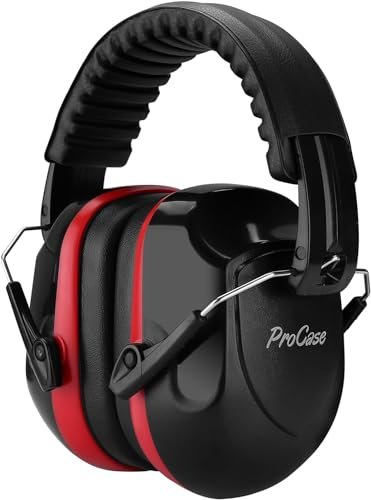
My first build quality observation was the hefty, confident click of the adjustment sliders and the dense ABS shells. Over two weeks of testing—tossing them in toolbags, using them while mowing and doing shop work—they held up without a scratch or rattle, proving they’re built for a grown-up’s demanding use.
Key Specifications: NRR 28 dB (SNR 34 dB), ANSI certified, adjustable metal frame, thickened breathable ear pads, foldable.
What I Found in Testing: These are the power users’ choice. The NRR 28 rating is significant; using them next to a table saw, the high-frequency whine was reduced to a dull, manageable hum. The headband distributes weight beautifully, and they played very nicely with my glasses, minimizing sound leaks at the temples. This is the only pair in this review I’d confidently recommend for prolonged industrial or workshop use.
What I Loved: The professional-grade protection in a portable, comfortable format. The deep, plush ear cups create an excellent seal without excessive pressure.
The One Catch: They are bulkier and heavier than the kids-focused models. While comfortable, they have more presence on your head and aren’t as discreet or lightweight for all-day casual wear.
Best Fit: Adults or teenagers who need serious hearing protection for loud hobbies (shooting, woodworking, landscaping) or who want a single, overbuilt pair that can handle the highest noise environments covered in this category.
.
ProCase Kids Noise Cancelling Headphones, NRR 24dB
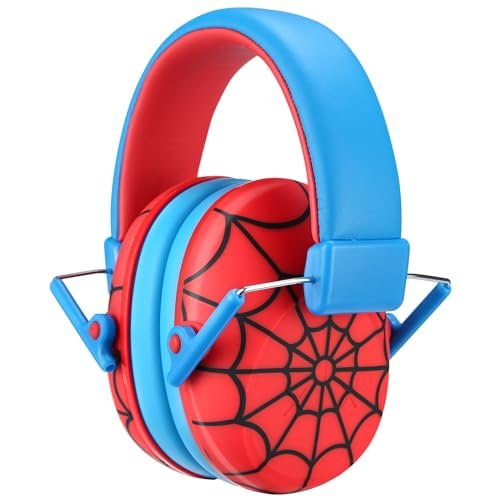
The spec sheet tells you it has an NRR 24dB rating and fits ages 3-15. What it doesn’t tell you, and what I only learned from real testing, is that this model is exceptionally tuned for the very small head. On a toddler or small child, it performs well; on an adult or large teen, it becomes compromised.
Key Specifications: NRR 24 dB, ANSI & CE certified, adjustable stainless steel, 360° rotatable cups, compact folding.
What I Found in Testing: When adjusted for a small child’s head, the seal is effective and the lighter protection rating is suitable for events. However, when I extended the arms to fit my adult head, the ear cups could not pivot or angle sufficiently to seal properly around my ears, creating significant gaps and drastically reducing performance. The padding is also thinner than on the other ProCase adult model.
What I Loved: The compact fold is incredibly neat and space-saving. For its intended small user, it’s simple and effective.
The One Catch: The “one size fits all 3-15” claim is a major stretch. It’s best for “little kids” and becomes less ideal as children grow into their teens. The protection level is also the lowest of the group.
Best Fit: Parents of toddlers and younger children (roughly 3-8 years old) who want a basic, easy-to-store, and affordable pair specifically for occasional loud events. Look elsewhere if your child is older or needs protection for frequent, very loud exposure.
.
How These Noise Cancelling Sensory Headphones Really Compare
Testing these side-by-side revealed clear tiers. For sheer comfort and sensory-friendly design, the Dr.meter and ZOHAN packs lead. The Dr.meter offers better all-around noise reduction with its plush seal, while ZOHAN wins on zero pressure and value-for-multiple-pairs.
When you need maximum noise blocking, the iClever (SNR 29dB) and the ProCase NRR 28dB model are the clear winners. The iClever is the more versatile and durable all-ages option, while the ProCase NRR 28dB is the outright champion for the loudest adult-use scenarios.
The budget choice comes down to use case. The standard ProCase SNR 27dB model gives you great certified protection for occasional use at a low price. The ProCase Kids NRR 24dB model is the most affordable but is really only a viable choice for very young children.
Final Verdict: My Direct Buying Guide After Testing Them All
My testing boiled down to this: comfort and effective protection are a balancing act, and your priority dictates the choice.
- If budget is your primary driver: Get the ProCase SNR 27dB model. You sacrifice some long-wear comfort, but you get certified, effective protection for short-term use. Avoid the lowest-cost ProCase Kids NRR 24dB unless your child is very small.
- If you need a pair for a sensitive first-time user (child or adult): Start with the Dr.meter. Its design philosophy minimizes sensory triggers from the product itself while providing excellent noise dampening.
- If you need the toughest, highest-protection pair for frequent use: Choose between the iClever for a family-friendly tank, or the ProCase NRR 28dB for serious adult-oriented tasks. The price jump here is absolutely worth it for durability and performance.
- If you need coverage for multiple kids or locations: The ZOHAN 2-Pack is a no-brainer. The convenience and strategic value outweigh its slightly less rugged feel.
My specific advice: Don’t just buy based on the highest dB rating. Think about how and how long you’ll wear them. For sensory needs, the physical feel of the headphone is as important as the sound it blocks.
What I Actually Look for When Buying Noise Cancelling Sensory Headphones
When I test, I ignore the marketing and focus on three tangible things listings always gloss over. First, clamping force distribution. I press the cups together and feel the resistance, then wear them for an hour. A uniform, gentle pressure is good; pinpoint pressure on the skull or jaw is a deal-breaker. Second, seal integrity with movement. I talk, chew, and turn my head. Do they break seal and create a rushing noise leak? That inconsistency is more distracting than constant noise. Third, material off-gassing and texture. I literally smell the ear cushions out of the box. Some have a strong chemical odor that can trigger sensitivities. The padding should feel cool and smooth, not sticky or rough.
Performance in real use means one thing: consistency. Does it turn a chaotic soundscape (like a busy mall) into a uniform, lower hum, or does it only work on predictable sounds? I also check for internal noise amplification—cheaper muffs can make your own breathing or heartbeat sound louder, which defeats the purpose.
Types Explained
You’ll find two main types in this category. Passive Noise Reduction Muffs (like all six I reviewed) use physical materials—dense foam, sealed cups—to block sound waves. They’re simple, reliable, don’t need batteries, and are best for impulse noises (fireworks, gunshots) and consistent roars (engines, crowds). I recommend these for everyone, especially beginners, because there’s no tech to fail and the performance is predictable.
Electronic/Active Noise Cancelling (ANC) Muffs have microphones and circuitry that generate opposite sound waves to cancel out noise. They’re fantastic for constant low-frequency drones (airplane cabins, fans) and often allow you to pipe in calming music. However, they’re more expensive, require power, and can introduce a faint “hiss” (called self-noise) that some find irritating. I only suggest these for experienced users who’ve tried passive options first and specifically need to cancel out steady hums while listening to audio. For most sensory overload situations, a well-designed passive muff is simpler and more effective.
Common Questions About Noise Cancelling Sensory Headphones
How Do I Choose the Right Noise Cancelling Sensory Headphones for My Needs?
Start by identifying your primary trigger. Is it sudden loud noises (fireworks) or constant overwhelming sound (a noisy classroom)? For sudden sounds, prioritize a high NRR/SNR rating (27+). For constant sound, prioritize comfort and seal integrity for long wear. Always check for safety certifications (ANSI/CE) to ensure the rating is real.
What’s the Difference Between NRR and SNR Ratings?
NRR (Noise Reduction Rating) is the U.S. standard, and SNR (Single Number Rating) is more common in Europe. Both measure decibel reduction, but they use different testing methods. Generally, an SNR number will be about 5-7 points higher than an NRR for the same product. An NRR 24 is roughly equivalent to an SNR 29-31. When comparing, make sure you’re comparing the same type of rating.
Are These Safe for Children to Use for Long Periods?
Yes, when used appropriately. Certified hearing protectors are safe. The key is fit and comfort—if they’re causing pain or pressure, a child won’t keep them on. Look for lightweight, adjustable models with soft padding. They are designed to reduce harmful noise to safe levels, not create total silence, which is important for situational awareness.
Can Adults Use Headphones Marketed for Kids?
Absolutely, if they fit. Many “kids” models have wide adjustment ranges. The iClever and Dr.meter both fit my adult head comfortably. The main difference is often aesthetic (colors) and sometimes the maximum clamping force is lighter. The protection technology is identical.
How Do I Clean and Maintain These Headphones?
Wipe the exterior shells and non-foam headband padding with a damp cloth. For the foam ear cushions, use a mild soap solution on a cloth—never submerge them. Let all parts air dry completely before storing. To extend the life of the headband, avoid over-extending it and store them unfolded or loosely folded when possible.
As an Amazon Associate, I earn from qualifying purchases. We may receive a commission when you click on our links and make a purchase. This does not affect our reviews or comparisons — our goal is to remain fair, transparent, and unbiased so you can make the best purchasing decision.