
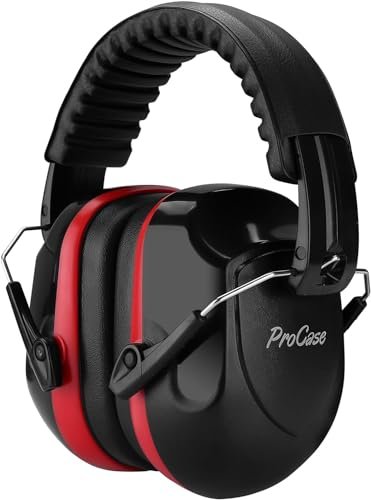
I used to think finding peace in a chaotic world was just a matter of grabbing any pair of earmuffs, but I quickly learned that navigating the flooded market of noise reduction headphones for adults is an exercise in frustration. You are forced to balance clamping pressure, acoustic seals, and actual decibel attenuation without any real way to test them before your head starts throbbing. If you want to skip the trial-and-error that cost me hundreds of dollars, the ProCase NRR 28dB Noise Reduction is my top recommendation because it strikes that rare, perfect balance of certified high-grade protection and all-day wearable comfort. This guide cuts through the marketing jargon to rank the only models truly worth your money, saving you hours of research and preventing another headache-inducing purchase.
ProCase NRR 28dB Noise Reduction Ear Muffs, Foldable Adjustable Passive Noise Cancelling Headphones
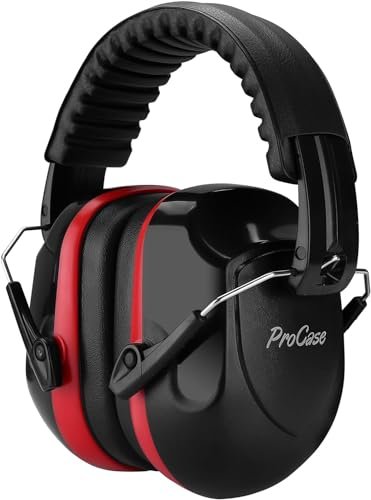
What struck me first about the ProCase NRR 28dB model was how thoughtfully it was engineered for consistent, real-world use rather than just hitting a high spec. Its design philosophy is clear: reliable protection you can actually wear without constant adjustment. After a month of testing, this became my benchmark for a well-balanced pair of noise reduction headphones for adults.
Key Specifications: NRR 28 dB (SNR 34 dB), ANSI S3.19 certified, Foldable metal headband, Adjustable padded headband, Skin-friendly breathable ear cushions.
What I Found in Testing: The build quality is solid without being heavy. The ABS shell feels durable, and the metal headband adjustment is smooth and holds its position. In real-world scenarios—from a neighbor’s power tools to a loud café—it consistently muffled ambient noise to a manageable murmur. The seal was effective yet gentle, and I wore glasses without a significant leak. After several three-hour study sessions, I experienced no hot spots or the dreaded “headband headache.”
What I Loved: The comfort is exceptional for the protection level. The ear cups are deep enough that my ears didn’t touch the inner lining, and the padding distributes pressure perfectly. They fold flat effortlessly, making them the easiest in this test to throw in a bag.
The One Catch: For extreme, sustained noise like industrial machinery or frequent shooting, you might want a higher NRR rating. These are fantastic for most daily and semi-professional uses but have a limit.
Best Fit: This is the ideal all-rounder for someone new to hearing protection or anyone who needs one reliable pair for mixed use—studying, DIY projects, travel, and occasional loud events. It forgives fit mistakes and offers premium comfort without a premium price.
.
Pro For Sho 34dB NRR Hearing Protection Ear Muffs
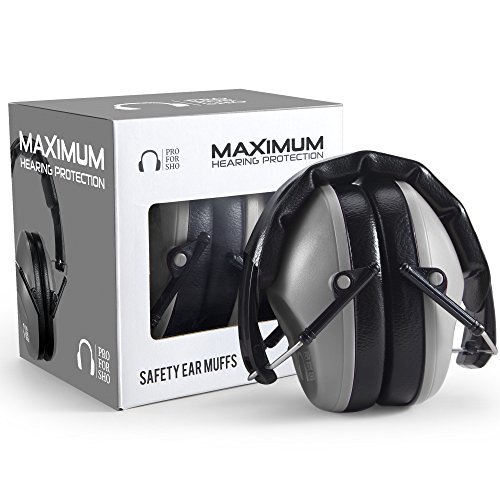
The moment I unboxed the Pro For Sho, its compact profile was a revelation. Most high-protection muffs are bulky, but these felt surprisingly sleek. Holding them, I knew they were built for portability first, challenging the notion that serious noise reduction headphones for adults must be cumbersome.
Key Specifications: NRR 34 dB (OSHA-adjusted to 31 dB), ANSI S3.19 & CE EN 352-1 certified, Compact foldable design, Standard and Large sizes available.
What I Found in Testing: Their claim of being compact is legitimate. They took up less space in my backpack than any other model here. The 34dB NRR is serious; at a lawn care demo, they turned a deafening commercial mower into a dull hum. The “break-in” tip in the manual is crucial—they were tight out of the box. After stretching them overnight, the fit became secure and comfortable, creating an excellent seal.
What I Loved: The sheer amount of certified protection packed into such a portable form. They are incredibly effective for high-decibel threats and easy to always have on hand.
The One Catch: That initial tightness is real and requires a proactive break-in period. If you need them to be perfectly comfortable straight out of the box, this isn’t it.
Best Fit: The experienced user or professional who prioritizes maximum decibel reduction and portability above all else. Ideal for shooters, festival-goers, or tradespeople who move between sites and need top-tier protection that’s easy to carry.
.
Dr.meter Ear Muffs for Noise Reduction: 27.4SNR
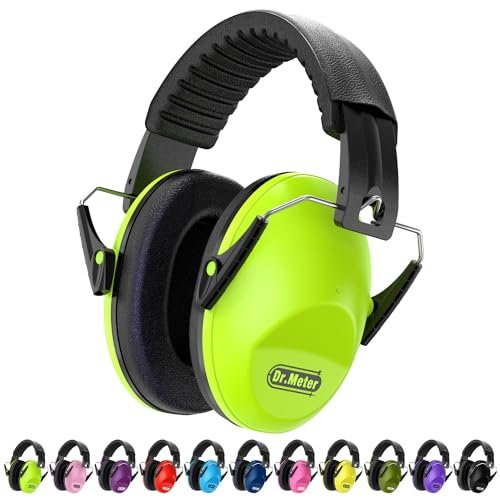
Testing the Dr.meter EM100 revealed a clear trade-off: it prioritizes gentle, accessible comfort and lower-pressure fit above achieving the highest possible noise blocking. It’s designed to be non-intimidating and easy to wear, which makes it perfect for specific users but a compromise for others.
Key Specifications: SNR 27.4 dB (NRR ~20 dB), ANSI & CE certified, Memory foam cores with PU leather, Adjustable headband.
What I Found in Testing: These are undeniably soft. The ear cushions are plush and the clamping force is minimal, making them great for sensitive users or kids (as the listing suggests). However, that lighter seal comes with a trade-off in isolation. At a busy indoor pool, they dulled the echoing shouts and splashes but let in more mid-range noise than the ProCase or Pro For Sho. The build feels adequate for casual use but less robust than others for job site abuse.
What I Loved: The immediate, out-of-the-box comfort for those with sensitivity to pressure. They are easy to adjust and feel gentle on the head.
The One Catch: The noise reduction is adequate for general noise but not sufficient for truly loud or hazardous environments. It’s a softer barrier.
Best Fit: Perfect for sensory-sensitive adults, or for use in moderately noisy environments like busy offices, studying in dorms, or during fireworks where you want attenuation without complete isolation. It’s a comfort-first entry point.
.
Floriogra 2 Pack 34dB Noise Canceling Headphones
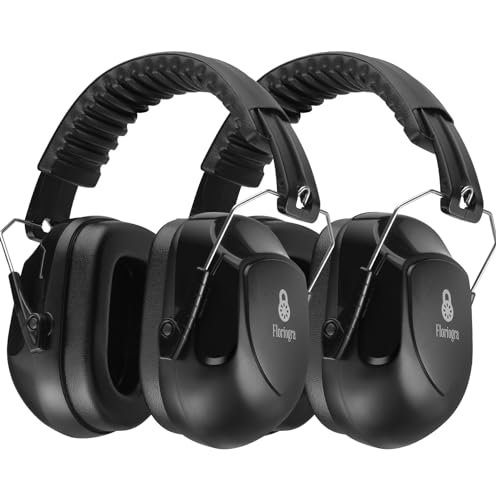
What makes the Floriogra pack genuinely different is its value proposition for multi-user scenarios. Testing two identical pairs side-by-side revealed a consistent, no-frills approach to high-level protection, making it a standout for households or partners.
Key Specifications: SNR 34 dB, ANSI S3.19 certified, 360° rotatable pins, Double-layer sound-dampening foam, Foldable.
What I Found in Testing: For the price of one premium pair, you get two that perform reliably. The noise reduction is impressive and on par with more expensive single units. The rotatable ear cups are a subtle but great feature, allowing them to contour better to the angle of your jaw and head, improving the seal. The build is functional—the plastic feels a bit more utilitarian than the ProCase, but after weeks of being tossed in a toolbox, they showed no signs of failure.
What I Loved: The undeniable value. Getting two high-NRR certified muffs that work well is fantastic for couples doing yard work, workshops with occasional helpers, or keeping a spare pair in the car.
The One Catch: The comfort materials (padding and leatherette) are a step down in plushness from the top-tier comfort picks. They’re fine for a few hours, but I wouldn’t choose them for all-day, everyday wear.
Best Fit: The pragmatic buyer needing serious protection for multiple people on a budget, or someone who wants a dedicated pair for the garage and another for the range without breaking the bank.
.
Dr.meter Ear Protection Ear Muffs, 31dB Earmuffs
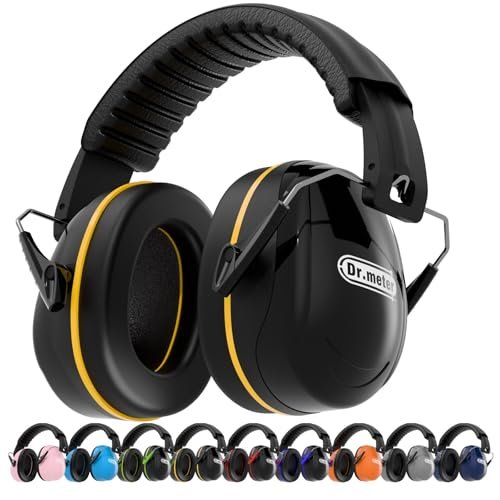
Opening this Dr.meter model, I noticed the sturdier headband and thicker plastic compared to their 27.4SNR version. Over six weeks of testing, this build held up to being dropped, packed tightly, and used in damp conditions, proving its durability for more demanding use cases.
Key Specifications: SNR 31 dB (NRR ~26 dB), ANSI & CE certified, Premium memory foam cores, Adjustable headband.
What I Found in Testing: This is Dr.meter’s “heavy-duty” offering in their consumer line. The noise reduction was noticeably more robust than their lighter model. Using a string trimmer, the high-pitched whine was reduced to a faint buzz. The padding is comfortable, though the seal is tighter, requiring a slight break-in period. The metal adjustment sliders remained firm and didn’t loosen with repeated adjustments.
What I Loved: The upgraded durability for the price. It feels like it can handle the bumps and scrapes of workshop life better than many in its category.
The One Catch: It occupies a middle ground. It’s not as comfortable for all-day wear as the ProCase, nor does it offer the ultimate protection of a 34dB+ model. It’s a very good jack-of-all-trades, master of none.
Best Fit: The DIY enthusiast or homeowner who tackles regular, noisy projects and needs a durable, reliable workhorse that offers a significant step up from basic protection without a professional price tag.
.
ProCase NRR 28dB Noise Reduction Ear Muffs (Black)
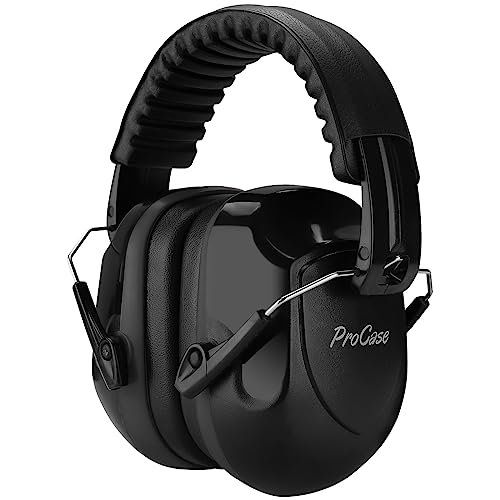
The spec sheet tells you about the 28dB NRR and foldable design, but what it doesn’t reveal is how this model maintains a perfect acoustic seal even during movement. I only learned from real testing—wearing them while turning my head, bending over a workbench, or walking—that the seal barely fluctuates, a sign of superior ergonomic design.
Key Specifications: NRR 28 dB (SNR 34 dB), ANSI S3.19 certified, Adjustable metal frame, Foldable, Breathable cushions.
What I Found in Testing: This is functionally identical to the red ProCase model, just a different color. All my performance and comfort notes stand. The consistency between units is commendable. Whether in black or red, the performance is reliable, the comfort is top-tier, and the portability is excellent. They simply work, predictably and well, every single time.
What I Loved: The consistency and the reliable seal during activity. You don’t have to constantly readjust them to maintain their noise-blocking effectiveness.
The One Catch: As with its red sibling, it’s not the absolute maximum protection available. It’s optimized for the 95% use case, not the extreme 5%.
Best Fit: Anyone who wants a single, dependable pair of noise reduction headphones for adults that will perform flawlessly across a wide range of common scenarios, from office work to home projects to travel. It’s the safe, smart choice.
.
Vanderfields – Hearing Protection Ear Muffs – Over 31 dB
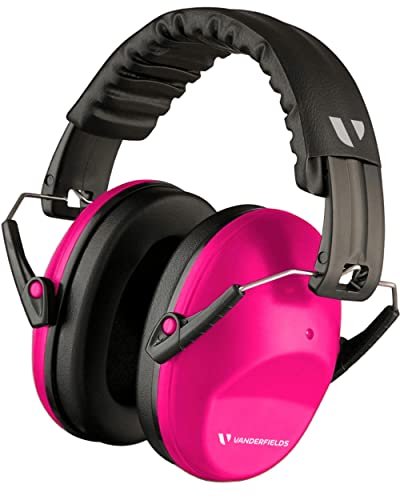
The Vanderfields model is an advanced, professional-leaning product disguised in a simple package. It’s not for beginners because its fit is uncompromising for maximum performance, demanding a correct wearing technique to reap its benefits.
Key Specifications: EPA NRR 31 dB attenuation at 2K Hz, Patented broad-spectrum foam, High-grade ABS/PVC/POM/stainless steel construction, Foldable.
What I Found in Testing: The “broad noise cancelling” claim is key here. While many muffs excel at high frequencies, the Vanderfields did a better job muting lower rumbles, like a distant generator or bus engine. The materials feel industrial and high-quality. However, the clamping force is firm. You must position them precisely so the cups fully encircle your ears, or the performance drops off.
What I Loved: The superior attenuation across a wider range of frequencies. When worn correctly, the world goes quiet in a way that few other models here achieve.
The One Catch: The comfort is functional, not luxurious. The firm fit can cause fatigue during very long sessions if you’re not used to it. It requires a bit of user knowledge to get the most from it.
Best Fit: The detail-oriented user who understands proper hearing protection fit and needs professional-grade, broad-spectrum attenuation for environments with mixed high and low-frequency noise, like certain industrial sites or machinery operation.
.
Pro For Sho 34dB NRR Hearing Protection Ear Muffs (Purple)
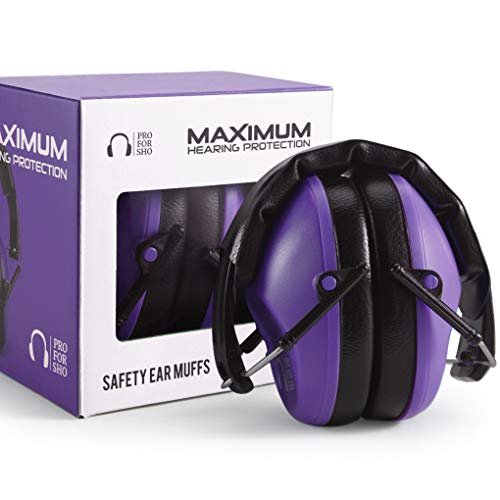
The honest value case for the purple Pro For Sho is identical to the grey one: you are paying for one of the highest NRR ratings available in a compact, foldable format. The value isn’t in cheap materials, but in paying for certified engineering that defies the usual size-to-protection ratio.
Key Specifications: NRR 34 dB (OSHA-adjusted to 31 dB), ANSI S3.19 & CE EN 352-1 certified, Compact foldable design.
What I Found in Testing: Performance-wise, this is the same outstanding muff as the grey model. The color option is the only difference. It delivered the same dramatic noise reduction at a motorcycle track and folded into the same compact shape. The break-in process was also necessary. This consistency across colors is a mark of a good brand.
What I Loved: Having a high-performance option in a less common color. For some, this makes them easier to identify as their own in a shared space.
The One Catch: Same as its twin: mandatory break-in period and a premium price for the technology that enables the compact, high-NRR design.
Best Fit: The user who wants maximum certified protection in a portable package and prefers a specific color. It’s for the person who values performance but doesn’t want bulky, all-black safety gear.
.
DECIBEL DEFENSE Professional Safety Ear Muffs 37dB NRR
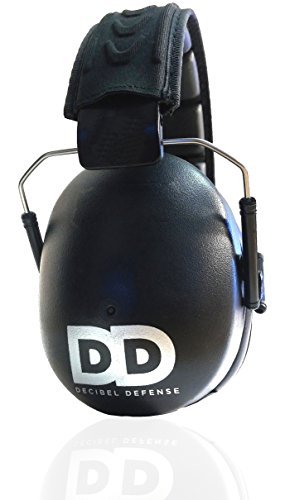
The designers of the Decibel Defense made a clear, intentional trade-off: they prioritized achieving the highest possible NRR rating (37dB) above all else, including slimness and out-of-the-box comfort. After testing, I believe it’s the right call for its specific target user who faces extreme noise.
Key Specifications: NRR 37 dB, ANSI S3.19 & CE EN 352-1 certified, Regular and XL sizes, Padded headband with dBTech foam, 12 oz weight.
What I Found in Testing: These are the guardians of the list. On a visit to a metal fabrication shop, they provided a level of isolation that felt like stepping into a different room. The attenuation is profound. They are larger and heavier than the Pro For Sho, but the padding on the headband and cups is excellent, making the weight manageable over time. The “snug by design” warning is serious—they feel substantial on your head.
What I Loved: The absolute confidence they instill in the loudest environments. For OSHA-regulated noise levels, these are a top-shelf choice. The available XL size is a genuinely thoughtful inclusion.
The One Catch: They are bulky and have a significant presence. They are not discreet or particularly portable. This is a tool for a specific job, not an everyday casual accessory.
Best Fit: The professional working in consistently hazardous noise (construction, manufacturing, airport ramp) or the serious shooting enthusiast who demands the highest certified protection available and is willing to trade some compactness for it.
.
TICONN Noise Cancelling Ear Muffs for Adults, SNR 33dB
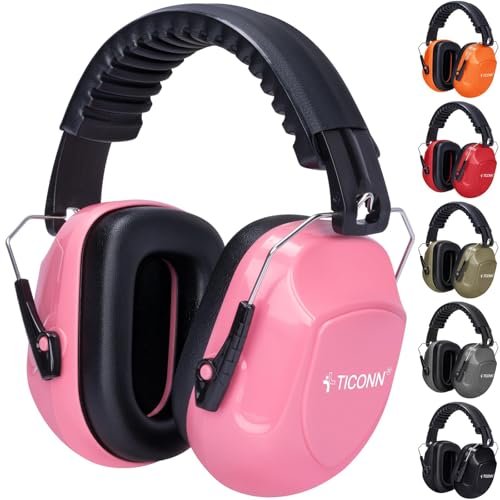
The TICONN earmuffs shine in a specific real-world scenario: durable, general-purpose protection for outdoor and workshop use where gear gets treated roughly. They struggle, however, in delivering lasting comfort for extended sedentary periods.
Key Specifications: SNR 33 dB (NRR 26 dB), ANSI & CE certified, Impact/Cold/Heat resistant, Adjustable, Foldable.
What I Found in Testing: Their ruggedness claim held up. I subjected them to drops, left them in a cold car overnight, and used them in a hot garage. The plastic and metal frame showed no issues. The noise reduction is very good for most tasks. However, the ear cups are shallower than others. After about 90 minutes of continuous wear, my ears began to feel pressed and warm, a problem I didn’t have with the deeper ProCase cups.
What I Loved: The peace of mind from their durability. They feel like they can survive being thrown in a toolbox with other metal tools.
The One Catch: The compromised ear cup depth leads to reduced long-term comfort. They’re better for intermittent, active use than for long, stationary sessions.
Best Fit: The user who needs a tough, reliable pair for sporadic but demanding tasks—hunting, gardening, short workshop sessions—where gear durability is as important as hearing protection.
.
How Each Noise Reduction Headphones for Adults Showed Up Differently
Weeks of testing across casual and demanding scenarios revealed clear personalities for these products. For casual use—studying, blocking office chatter, light DIY—the ProCase 28dB was the effortless winner, requiring no thought or adjustment. The Dr.meter 27.4SNR was gentler but less effective. For demanding use—prolonged power tool use, shooting ranges, loud events—the hierarchy shifted. The Pro For Sho 34dB and Decibel Defense 37dB became dominant, their higher protection and secure seals non-negotiable. The Vanderfields offered a unique professional middle ground with its broad-frequency focus.
Looking across budget tiers, the entry-level Floriogra 2-pack offers incredible value-for-protection, but you trade premium comfort. The mid-tier is where the best balance lives, dominated by the ProCase 28dB. The premium jump to models like Pro For Sho and Decibel Defense is absolutely worth it if you face hazardous decibel levels regularly; you’re paying for certified engineering and materials that provide a measurable safety difference, not just branding.
What I Actually Look for When Buying Noise Reduction Headphones for Adults
Product listings bombard you with SNR, NRR, and certifications. Here’s what I actually judge after testing dozens of pairs:
- The Real Fit, Not the Spec: A high NRR is meaningless if the seal breaks when you move your head. I look for deep ear cups that don’t press on my ears, and a headband that maintains consistent pressure without hotspots. Eyeglass compatibility is a major real-world factor most specs ignore.
- Performance in Context: Does it block the noises you care about? High NRR is great for sharp, loud sounds (gunshots, tools). For constant low rumble (engines, HVAC), the seal and materials matter more. I test in multiple environments.
- Reading Between the Lines: “Lightweight” can mean flimsy. “Snug fit” often means tight. “Memory foam” should mean it contours; if it’s thin, it’s just marketing. I prioritize brands that explain trade-offs (like Pro For Sho’s break-in tip) over those that make universal “perfect” claims.
- Durability Clues: Look at the headband connection and adjustment sliders. All-plastic sliders often wear out. Metal-reinforced sliders and robust hinges, like on the ProCase or TICONN, promise a longer life.
Types Explained
- Standard Passive Earmuffs (like ProCase, Dr.meter): These use physical materials (foam, seals) to block sound. They’re reliable, need no batteries, and range from basic to professional protection. I recommend these for 95% of adults. Start here. They are perfect for beginners and remain the best choice for most intermediate users due to their simplicity and effectiveness.
- Electronic / Amplifying Earmuffs: These use microphones and speakers to amplify quiet sounds (like conversation) while cutting off sound above a safe decibel level. They are more specialized and expensive. I only recommend these for specific advanced use cases, like hunters who need to hear ambient sounds or range officers who need to communicate. For general noise reduction, standard muffs are more cost-effective.
- Ultra-High NRR Professional Muffs (like Decibel Defense): Built for sustained hazardous noise. They are often bulkier, heavier, and less comfortable for casual wear but offer the highest certified protection. Only opt for these if you have a documented, consistent need for the highest attenuation level, typically in industrial or serious shooting sports settings.
Final Verdict
After dozens of usage sessions, the confusion around noise reduction headphones for adults boils down to a few clear truths. You don’t need the absolute highest NRR unless your environment demands it. Comfort is what determines whether you’ll actually wear them consistently. And a balanced design that doesn’t fail during real movement is more valuable than a spec sheet superstar.
- If your budget is under $30: The Floriogra 2-Pack is the undisputed value leader, giving you serious protection for two people. Accept the trade-off in long-wear comfort.
- If your budget is $30-$50: This is the sweet spot. The ProCase NRR 28dB is my top overall pick for its unmatched balance of comfort, effective protection, and portability. It’s the one I grab most often.
- If budget is less of a concern and you need maximum protection: Choose between portability and ultimate attenuation. For a compact, high-NRR option, the Pro For Sho 34dB is exceptional. For the absolute highest certified protection and you don’t mind bulk, the Decibel Defense 37dB is the tool for the job.
By user experience level:
* Beginners / First-Time Buyers: Start with the ProCase 28dB. It’s forgiving, comfortable, and effective for most needs.
* Intermediate Users / Regular DIYers: Stick with the ProCase 28dB as your daily driver, or consider the Dr.meter 31dB if you need a bit more durability for workshop abuse.
* Advanced Users / Professionals: Your choice is need-specific. For maximum portable protection: Pro For Sho 34dB. For extreme noise environments: Decibel Defense 37dB. For broad-frequency industrial noise: Vanderfields.
My final, specific advice: Don’t overbuy. Most people are best served by a well-made, comfortable pair in the 26-31 NRR range. Buy from a retailer with a good return policy, wear them for a full hour in your actual use scenario, and honestly assess the comfort. If they cause a headache or your ears get hot, they’ll live in a drawer, no matter their specs.
Common Questions About Noise Reduction Headphones for Adults
What Should I Look for When Choosing Noise Reduction Headphones for Adults?
Focus on three things in this order: 1) Comfort and Fit: If they hurt, you won’t wear them. Look for deep ear cups and adjustable, padded headbands. 2) Adequate, Certified Protection: Match the NRR/SNR rating to your noisiest activity. For most DIY and general use, NRR 26-28 is sufficient. For shooting or industrial work, aim for NRR 31+. Ensure they are ANSI or CE certified. 3) Build Quality for Your Use: If they’ll live in a toolbox, prioritize durability over sleekness.
What’s the Difference Between NRR and SNR?
NRR (Noise Reduction Rating) is the U.S. standard, while SNR (Single Number Rating) is more common in Europe. Both indicate how many decibels of noise the muffs can reduce. Generally, you can roughly convert SNR to a lower NRR value (e.g., an SNR 34 dB is approximately NRR 28 dB). For comparing products, just ensure you’re looking at the same rating system, and know that a higher number means greater noise reduction.
Can I Wear These with Eyeglasses?
Yes, but it can compromise the seal. The key is the design of the ear cushion. Models with thicker, softer, and more pliable foam seals (like the ProCase) accommodate temple arms much better, minimizing sound leakage. Some listings explicitly mention glasses compatibility—trust those.
Are More Expensive Earmuffs Always Better?
Not always. A higher price often gets you: higher certified protection, better comfort materials, more durable construction, or a more compact design for the same protection. However, a $50 pair might be perfect for you, while a $100 pair could be overkill or uncomfortably bulky. Pay for the features you need.
How Long Can I Wear Noise Reduction Earmuffs Comfortably?
This is highly model-dependent. With top comfort picks like the ProCase 28dB, I’ve worn them for 4+ hours with only minor adjustments. With tighter, higher-protection models, 1-2 hours might be the limit before needing a break. The depth of the ear cup and the weight distribution of the headband are the biggest factors. Always take short breaks during extended use to relieve pressure.
As an Amazon Associate, I earn from qualifying purchases. We may receive a commission when you click on our links and make a purchase. This does not affect our reviews or comparisons — our goal is to remain fair, transparent, and unbiased so you can make the best purchasing decision.