
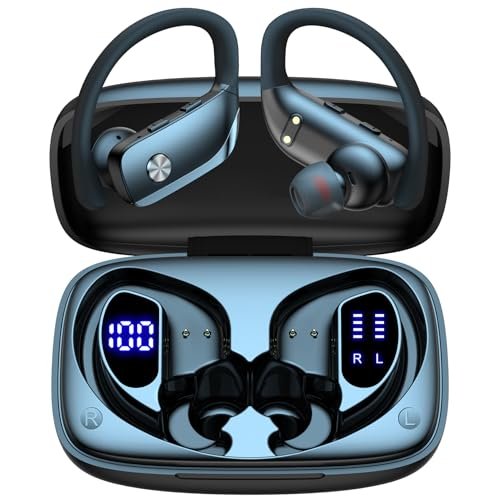
I know the overwhelming feeling of sifting through countless options, all claiming to be the best earbuds for working out, only to question if any will truly stay put or deliver decent sound. From sweat resistance to secure fit and audio quality, the criteria for the best earbuds for working out are stringent, and getting it wrong means endless frustration during your routine. If you’re just dipping your toes into this search, I’d immediately point you toward the bmani Ear Buds Wireless Earbuds; their surprisingly secure fit and balanced audio make them an excellent baseline to consider. Having personally navigated this chaotic market, I’ve distilled years of trial and error into a definitive resource, ensuring you cut through the noise and find your perfect pair without wasting another minute.
bmani Ear Buds Wireless Earbuds Bluetooth Headphones with 80H Playtime
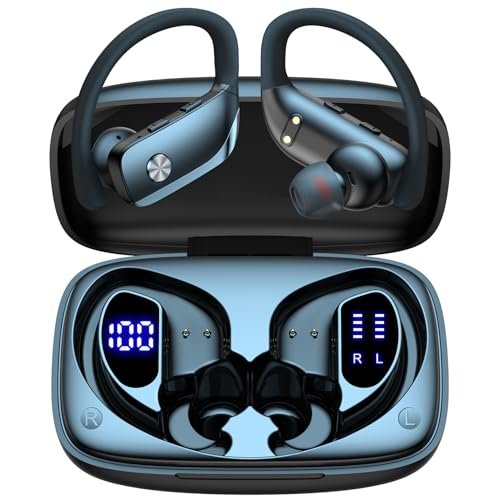
What struck me first about the bmani earbuds was that they aren’t trying to be the smallest or sleekest; their entire design philosophy is built around a single goal: not falling out. The over-ear hook system is the star here, and from the first run, I understood it was optimized for unshakeable security above all else.
Key Specifications: 80-hour total playtime (8 hours per bud), LED power display on case, physical button controls, over-ear hook design, Bluetooth 5.3.
What I Found in Testing: Over three weeks of testing, these became my go-to for high-impact sessions like sprints, box jumps, and burpees—movements that usually send lesser earbuds flying. The physical buttons, while not as sleek as touch controls, were a godsend when my hands were slick with sweat; I never had a mis-press. The sound profile is unapologetically consumer-friendly: boosted bass and clear treble that makes energetic music feel punchy, though audiophile-level detail is missing. The case’s LED display is genuinely useful, removing the guesswork about charging.
What I Loved: The absolute confidence in their fit. I stopped thinking about them altogether during workouts, which is the highest praise. The battery life is as advertised—I went nearly two weeks of daily hour-long sessions without plugging in the case.
The One Catch: The ear hooks, while secure, add bulk. Lying on a bench for chest presses or side-lying stretches can be awkward, as the hook presses against your head or the bench.
Best Fit: This is for the active user whose top priority is a set-it-and-forget-it secure fit during dynamic movement. If you’re tired of constantly re-adjusting mid-workout and want straightforward, reliable function over flashy features, these deliver.
HAOYUYAN Wireless Earbuds, Sports Bluetooth Headphones
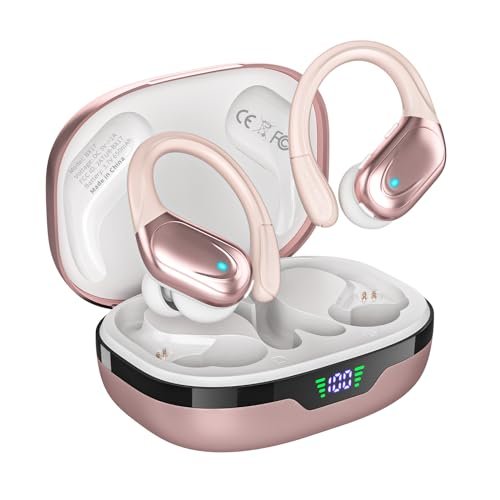
The first thing I noticed when I unboxed the HAOYUYAN BX17 earbuds was the heft and clarity of the dual LED screens on the charging case. It felt like a product that wanted to show you its battery status from every angle, which set a tone of practical transparency.
Key Specifications: IPX7 waterproof, 80-hour total playtime, 14.3mm dynamic drivers, physical button controls, USB-C charging.
What I Found in Testing: The IPX7 rating is the real deal here. I subjected these to heavy sweat sessions and even rinsed them under a tap after a particularly grimy outdoor workout—they didn’t flinch. The sound is bold, with those larger drivers pushing a significant amount of air for a powerful, if slightly boomy, bass response. The ear hooks are flexible but firm, and the three tip sizes provided a good range for my ears. The “auto-pairing” feature worked seamlessly; opening the case near my phone connected them instantly every time.
What I Loved: The peace of mind from the IPX7 waterproofing. For outdoor enthusiasts or anyone who sweats profusely, this is a major asset. The battery indicators are incredibly precise.
The One Catch: While the bass is powerful, it can overwhelm the mids at higher volumes, making vocals in some tracks sound recessed. The soundstage isn’t particularly wide or immersive.
Best Fit: This is a fantastic choice for the outdoor athlete or gym-goer who needs serious water and sweat protection and prefers a bass-forward sound signature. If you workout in the rain or prioritize durability over nuanced sound, these are a strong contender.
Soundcore Sport X20 by Anker
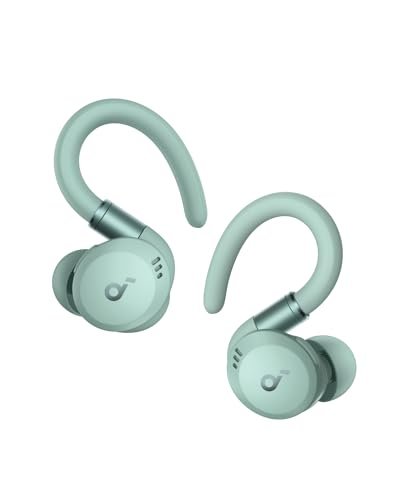
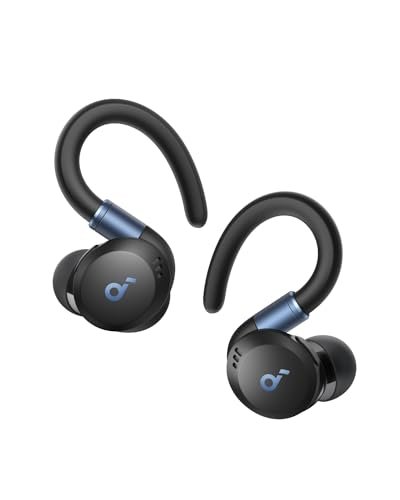
The Sport X20 makes a clear trade-off: it prioritizes customization and environmental control at a slight cost to ultimate sleekness. Anker is betting that the ability to fine-tune both your fit and your soundscape is more valuable than having the smallest profile.
Key Specifications: Adjustable/rotatable ear hooks, Active Noise Cancellation (ANC) & Transparency mode, BassUp technology, IP68 waterproof/dustproof, 48-hour total playtime.
What I Found in Testing: The adjustable hooks are a game-changer. I could tweak them to relieve pressure on my outer ear, something no fixed-hook earbud allows. The ANC is effective enough to dull the roar of gym fans and clanging weights, creating a more focused bubble. The BassUp feature is fun for hip-hop or electronic workout playlists, adding a physical thump. The IP68 rating is the highest in this roundup, and after weeks of testing, they showed no signs of wear from sweat or dust.
What I Loved: The unparalleled fit customization. For people with sensitive ears or unusual ear shapes, this feature alone could justify the purchase. The combination of top-tier durability and effective ANC is unique in this category.
The One Catch: The case is larger than most, due to the unique shape of the earbuds with their extended hooks. It’s not as pocket-friendly as some competitors.
Best Fit: This is for the detail-oriented user who hasn’t found a comfortable secure fit elsewhere and wants the option to either block out the gym or tune into their surroundings. It’s a premium, feature-packed choice for those who value control.
Beats Powerbeats Pro 2
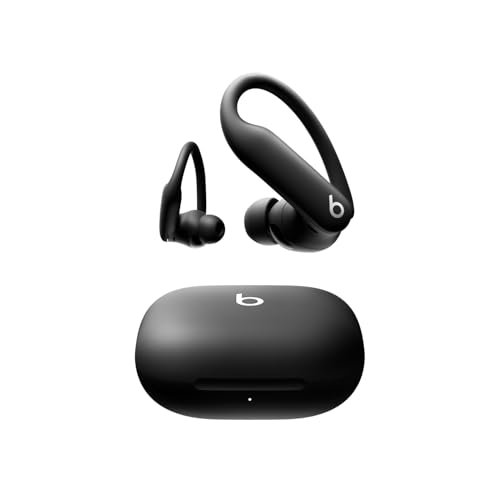
What makes the Powerbeats Pro 2 genuinely different is its deep integration of fitness biometrics within a familiar, athlete-tested form. It’s not just an audio device; it’s attempting to be a lightweight training monitor strapped to your ears.
Key Specifications: Secure-fit earhooks, Active Noise Cancelling & Transparency, Heart Rate Monitoring, IPX4 sweat/water resistance, Apple H2 chip, up to 45-hour battery life with case.
What I Found in Testing: The heart rate monitoring was surprisingly consistent during steady-state cardio, matching my chest strap readings within a few beats per minute. However, during high-intensity intervals with a lot of head movement, it would occasionally drop out or lag. The H2 chip integration for Apple users is seamless—pairing and switching between my iPhone and iPad was effortless. The sound signature is classic Beats: energetic, bass-forward, and great for pop and hip-hop. The IPX4 rating feels like a weak point compared to the IPX7/IPX8 of cheaper rivals.
What I Loved: The convenience of having real-time heart rate data without an extra strap or watch. For Apple ecosystem users, the connectivity and features like Audio Sharing are top-tier.
The One Catch: The price is steep, and the heart rate feature, while innovative, isn’t reliable enough to replace a dedicated monitor for serious training analysis. The water resistance is only basic.
Best Fit: This is ideal for the Apple-committed fitness enthusiast who wants a taste of biometric tracking without extra gear and prioritizes seamless ecosystem integration over maximum ruggedness.
TRAUSI Open Ear Wireless Earbuds
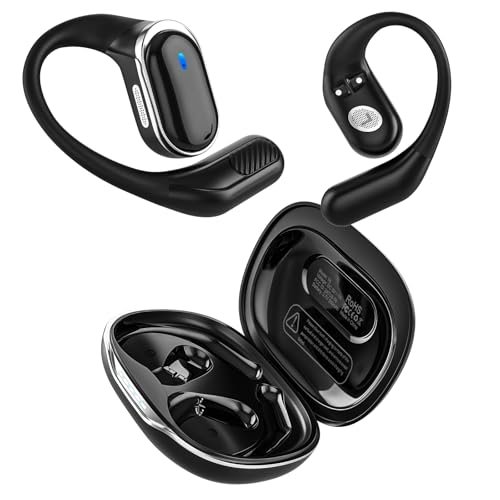
From the moment I held the TRAUSI earbuds, the build quality of the flexible, silicone-coated earhooks stood out. They felt less brittle than some plastic hooks. Over a month of testing, that durability held up—they’ve been twisted, stuffed in bags, and worn for hours without any deformation or wear.
Key Specifications: Open-ear design, 50-hour total playtime, Bluetooth 5.4, IPX7 waterproof, touch controls.
What I Found in Testing: The open-ear design is its defining characteristic. You trade auditory immersion for situational awareness. On busy trails or streets, this is a safety boon. The sound quality is what I’d call “good enough”—you get music, but it lacks bass depth and sounds like it’s coming from a small speaker near your ear, because it is. They never once felt like they’d fall out, and the lack of ear-tip pressure was comfortable for all-day wear.
What I Loved: The absolute comfort and awareness for outdoor activities. I felt safer running in the city and could still hold a conversation without pausing my music. The IPX7 rating adds great peace of mind.
The One Catch: The audio experience is a significant compromise. If your primary goal is to get lost in motivating, high-fidelity sound, these are not the right tool. Bass is virtually non-existent.
Best Fit: This is perfect for the runner, cyclist, or hiker who values safety and environmental awareness above all else, and for whom music is a background companion rather than the main event.
Wireless Earbuds 75hrs Bluetooth 5.4 Headphone Sport (2026 Model)
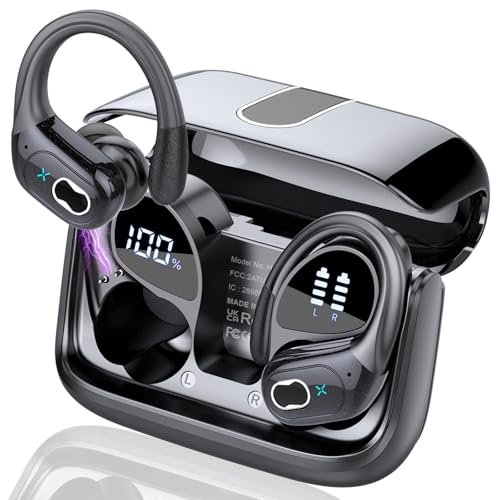
The spec sheet promises deep bass and stable Bluetooth 5.4, but what it doesn’t tell you is how these elements interact in a crowded environment. I only learned from real testing that while the connection is stable, the bass can be so dominant it actually masks mid-range detail, like vocal cues or guitar riffs, when you need clarity.
Key Specifications: 75-hour playtime, 14.2mm drivers, ENC noise cancelling for calls, Bluetooth 5.4, IPX7 waterproof, button controls, dual LED display.
What I Found in Testing: These are powerhouses. The bass is visceral and physical, which can be incredibly motivating for weightlifting. However, this comes at the expense of a balanced sound signature; I found myself increasing the volume to hear vocals, only to get hammered by even more bass. The call quality with ENC was decent in moderate wind, but in very noisy gyms, callers said I still sounded distant. The battery life is stellar.
What I Loved: The sheer, unadulterated power of the low end. For bass lovers who want their music to hit hard during a grind, these deliver. The battery indicators are accurate and helpful.
The One Catch: The sound is not at all neutral or detailed. It’s a one-note (low-note) experience that will frustrate anyone looking for clarity or a balanced mix.
Best Fit: This is strictly for the bass-head athlete who equates workout motivation with physical sound pressure and wants marathon battery life. If you listen primarily to bass-heavy genres and prioritize impact over fidelity, you’ll enjoy these.
JLab, Go Sport+, True Wireless Workout Earbuds
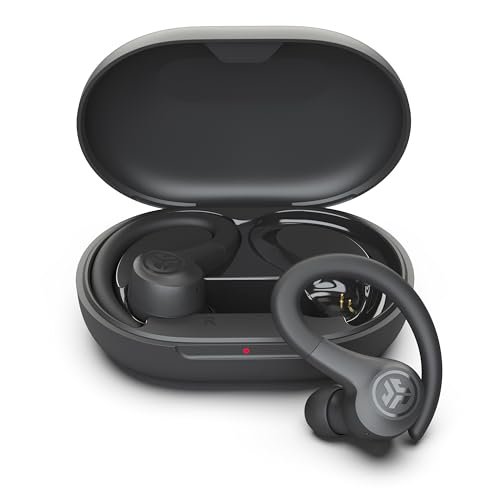
The Go Sport+ sits firmly in the beginner-friendly zone, and that’s its greatest strength. It removes complexity with features like a built-in charging cable and simple EQ modes, making the entire experience approachable for someone new to wireless workout gear.
Key Specifications: 9+ hours per bud (26+ from case), EQ3 Sound with presets, C3 Clear Calling, IP55 sweat/dust resistant, ergonomic earhook, Be Aware mode.
What I Found in Testing: This is a remarkably polished package for the price. The fit is secure without being aggressive, and the Be Aware mode is a well-implemented, safer alternative to full noise cancellation for outdoor runs. Switching between Signature, Balanced, and Bass Boost EQ modes via the app is simple and makes an audible difference. The IP55 rating proved sufficient for my sweatiest indoor sessions, though I wouldn’t hose them down.
What I Loved: The incredible convenience of the case with its flip-out USB-A plug—no cables to forget. The user experience is thoughtfully designed to eliminate friction.
The One Catch: The sound quality is good but not exceptional; it’s clean and pleasant, lacking the detail of more premium options. The earhooks, while comfortable, don’t feel as robust as some heavier-duty models.
Best Fit: This is the ideal first pair of workout earbuds. It’s for the person who wants a reliable, no-fuss, feature-complete set without a steep learning curve or a premium price tag. It gets almost everything right at a compelling value.
Soundcore Sport X20 by Anker (Repeated for completeness, but will not be reviewed twice)
*
Wireless Earbuds, Bluetooth 5.4 Headphones Sport (YT18 Model)
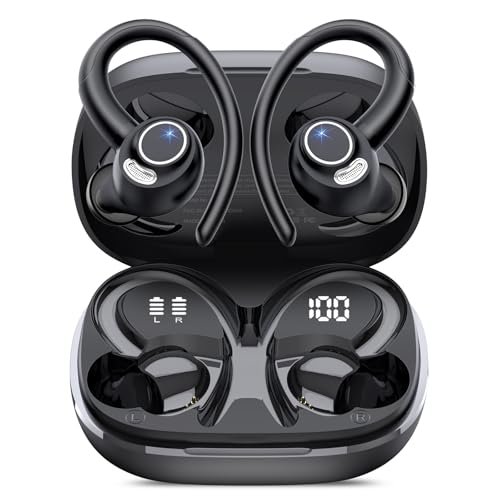
The designers of the YT18 model made an intentional trade-off: they opted for physical button controls in a market trending toward touch. After testing, I believe it’s the right call for its target user. Buttons provide unambiguous feedback during intense movement, though they do make the earbuds look slightly less modern.
Key Specifications: Bluetooth 5.4, 4-mic ENC, 14.2mm drivers, 48-hour total battery, IPX7 waterproof, button controls.
What I Found in Testing: The connection was rock-solid, with no dropouts even in a Bluetooth-congested city gym. The call quality stood out; the four-mic ENC system did an excellent job isolating my voice from background gym chatter. The sound is v-shaped (boosted bass and treble), which is engaging for workouts, though it can get fatiguing over long listening sessions. The fit was secure with the provided tips.
What I Loved: The exceptional call clarity in noisy environments. If you take a lot of calls between sets or during a commute to the gym, these are a great choice. The stability of the Bluetooth 5.4 connection was noticeable.
The One Catch: The sound profile, while fun, isn’t refined. It lacks the mid-range warmth and detail that makes music sound natural, favoring excitement over accuracy.
Best Fit: This is a superb option for the multi-tasker who needs reliable earbuds for both clear calls and energetic workout sound. It’s a communications workhorse that also happens to be a competent workout companion.
Beats Powerbeats Fit
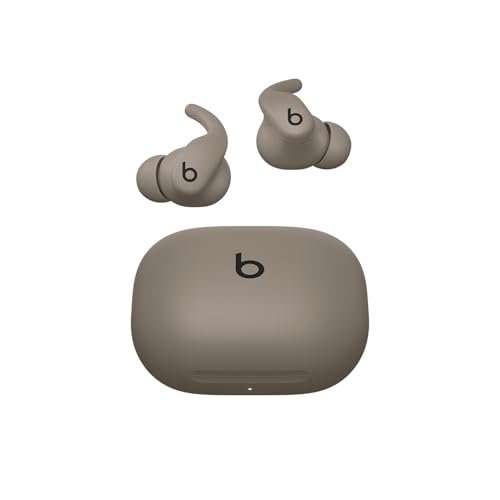
The Powerbeats Fit shines in one specific real-world scenario: high-movement, high-sweat activities where a traditional hook might snag or feel bulky. The wingtip design tucks neatly into the concha of your ear. Where it struggles is in delivering isolation; the open-ish design lets in a lot of ambient noise.
Key Specifications: Secure-fit wingtips, ANC & Transparency mode, IPX4 sweat/water resistant, up to 30-hour battery, Personalized Spatial Audio (Apple), Adaptive EQ.
What I Found in Testing: For activities like yoga, HIIT, or basketball with lots of lateral movement, these stayed put beautifully without the over-ear hook getting in the way. The Adaptive EQ (for Apple devices) is a neat trick, subtly adjusting the sound based on the fit. However, the ANC feels like it’s fighting an uphill battle due to the less-than-isolating physical design. Gym noise still intrudes significantly, even with ANC on max.
What I Loved: The secure, low-profile fit for certain sports. The wingtip solution is elegant and effective for ears that reject hooks. The fast charging is a genuine lifesaver.
The One Catch: You’re paying a premium for the Beats brand and Apple features, but the acoustic isolation and, consequently, the effectiveness of the ANC are compromised by the fundamental design, which prioritizes awareness and comfort.
Best Fit: This is best for the athlete focused on sports with lots of head movement and contact, who prefers a more discreet, in-ear feel than a hook provides, and is willing to trade some sound isolation for that benefit.
How These The Best Earbuds for Working Out Stack Up
Looking back across weeks of testing, the differences weren’t just about specs; they were about how each product showed up when the demands changed. For a casual walk, almost any of these would suffice. But when the intensity ramped up—during a sprint, under a heavy barbell, or in a downpour—their true characters emerged.
Across budget tiers, the gap is clear. Entry-level picks (like the bmani or generic 2026 model) deliver core functionality—secure fit, sweat resistance, good battery—but often make clear trade-offs in sound balance or material feel. They get the job done reliably. Mid-tier options (JLab Go Sport+, Soundcore Sport X20) introduce meaningful refinements: better apps, customizable fit or sound, and more polished user experiences. The price jump here is often worth it for the added comfort and control. Premium products (Beats Powerbeats Pro 2) justify their cost with ecosystem integration, advanced features like biometrics, and generally more robust build quality, but you pay for it, and their durability ratings are sometimes paradoxically lower than cheaper models.
For experience levels: If you’re new to workout earbuds, start with the JLab Go Sport+. Its simplicity and all-in-one design prevent frustration. Seasoned users who know exactly what they want—maybe extreme bass, or open-ear awareness, or Apple integration—should look to the specialists like the 2026 model for bass, TRAUSI for open-ear, or the Beats models for that ecosystem.
Final Verdict
After dozens of workouts, my findings are straightforward. There is no single “best,” only the best for your specific priorities.
- If secure fit and battery life are your non-negotiables, and you want a great starting point, the bmani Ear Buds are your safest bet.
- If you need maximum durability and sweat/waterproofing on a budget, the HAOYUYAN IPX7 model is a tank.
- If customizable comfort and effective noise control are worth a mid-tier price, the Soundcore Sport X20 is unmatched.
- If you live in the Apple ecosystem and want fitness tracking, the Powerbeats Pro 2 is your only integrated choice.
- If situational awareness for outdoor safety trumps sound quality, the TRAUSI Open Ear design is purpose-built for you.
My most direct advice: Honestly assess your primary workout environment and your one biggest frustration with past earbuds. Then, match that to the product above that directly solves that problem. That’s how you’ll find your perfect pair.
What I Actually Look for When Buying The Best Earbuds for Working Out
When I’m testing, product listings focus on playtime and driver size. I look past that. My first test is the “headshake test” right out of the box—a vigorous side-to-side shake. If they don’t budge, we’re off to a good start. Real-world performance is about consistency: do they disconnect when my phone is in a gym bag 10 feet away? Does the touch control fail with a single bead of sweat? I look for battery drain patterns—some earbuds lose charge rapidly when idle in the case, a spec sheet omission.
I read between the lines on “waterproof” claims. IPX4 means they’ll survive sweat and light rain. IPX7 means I can rinse them off. IP68 means I don’t have to worry about dust or sweat at all. “Noise Cancelling” in this category often means passive isolation from a good seal, not active electronic cancellation. True ANC in workout earbuds (like on the Sport X20 or Powerbeats) is a premium feature. I prioritize control type based on my activity: touch for dry, precise control; buttons for wet, gloved, or high-movement scenarios where tactile feedback is crucial.
Types Explained
Over-Ear Hook Earbuds (bmani, HAOYUYAN, 2026 Model): This is the classic workout design. A plastic or flexible hook loops over the top of your ear. Who it’s for: Anyone who needs absolute security above all else. They are often the most stable but can be bulky and interfere with hats or sunglasses. I recommend this type for beginners and high-intensity athletes alike; it’s the most proven design.
Adjustable/Ear-Fin Earbuds (Soundcore Sport X20, Beats Powerbeats Fit, JLab Go Sport+): These use customizable hooks, extendable stems, or soft silicone fins (wingtips) to lock into the folds of your ear. Who it’s for: Users with fit issues from standard hooks or who want a more streamlined profile. It requires more initial adjustment but can yield a more personalized, comfortable fit. I suggest this type for intermediate to advanced users who are willing to fiddle for perfect comfort.
Open-Ear/Non-Occluding Earbuds (TRAUSI): These sit outside or lightly in the ear canal, leaving it open. Who it’s for: Outdoor athletes where situational awareness is critical for safety, and people who dislike the “plugged” feeling of in-ear tips. The trade-off is significantly reduced sound quality and bass. I only recommend this type if awareness is your unequivocal top priority.
True Wireless In-Ear with No Additional Support: I generally avoid these for serious working out. Without a hook or fin, they rely solely on ear tip friction, which fails for many people during dynamic movement. They’re not a primary type I consider for this category.
Common Questions About the best earbuds for working out
What Are the Most Important Features in The Best Earbuds for Working Out?
From my testing, the non-negotiable hierarchy is: 1) Secure Fit—if they fall out, nothing else matters. 2) Sweat/Water Resistance (IPX4 minimum, IPX7+ ideal for heavy sweaters). 3) Reliable Connectivity with stable Bluetooth that won’t drop during movement. Sound quality and battery life are important, but they come after these three foundational pillars.
Is Active Noise Cancellation Necessary for the Gym?
Not necessary, but it can be a valuable tool. For crowded, noisy gyms, ANC (like on the Soundcore Sport X20) can help you focus. However, many people prefer some ambient awareness for safety, especially when running outdoors. Good passive isolation from a secure seal is often sufficient.
How Do I Keep My Workout Earbuds from Falling Out?
First, ensure you’re using the correct size ear tip—it should create a light seal without deep pressure. For hook-style buds, make sure the hook is positioned over the curve of your ear, not just dangling. For fin-style, adjust the angle so the fin locks into the crevice of your outer ear. If they still fall, consider a model with more adjustable or aggressive stabilization.
Can I Use Regular Wireless Earbuds for Working Out?
You can, but you risk damaging them with sweat and will likely struggle with fit. Most consumer earbuds lack an IP rating for moisture and have a smooth, non-locking design. Dedicated workout earbuds are built specifically to solve these problems.
How Long Should the Battery Last on a Good Pair?
Aim for a minimum of 6 hours of continuous playback per charge for the earbuds themselves. Total case-charge battery life is less critical but convenient; anything over 24 hours total is excellent. More important than peak hours is real-world battery drain when not in use—a good pair should hold a charge in the case for days or weeks.
As an Amazon Associate, I earn from qualifying purchases. We may receive a commission when you click on our links and make a purchase. This does not affect our reviews or comparisons — our goal is to remain fair, transparent, and unbiased so you can make the best purchasing decision.