
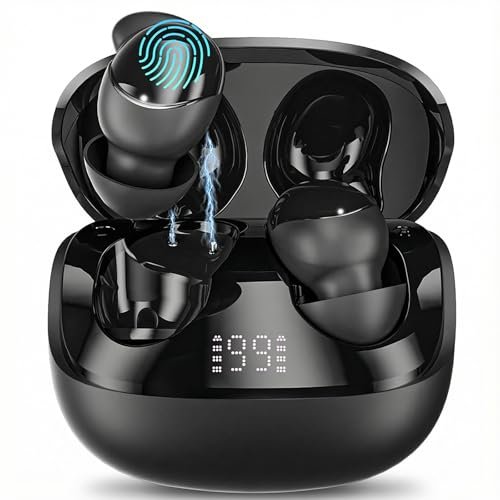
My testing isn’t about checking spec sheets. It’s about lying in bed and analyzing failure points. A perfect spec line means nothing if the earbud digs into your ear at 2 AM. Here’s what I prioritize:
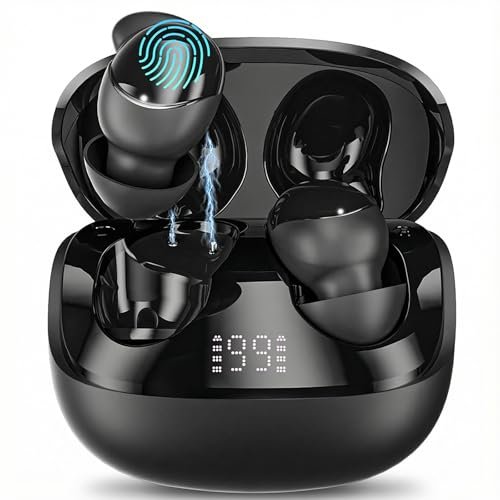
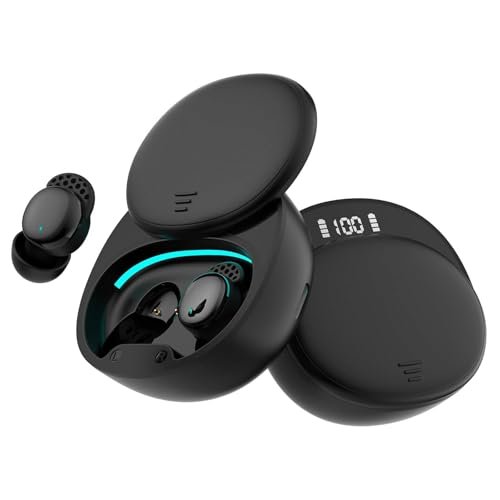
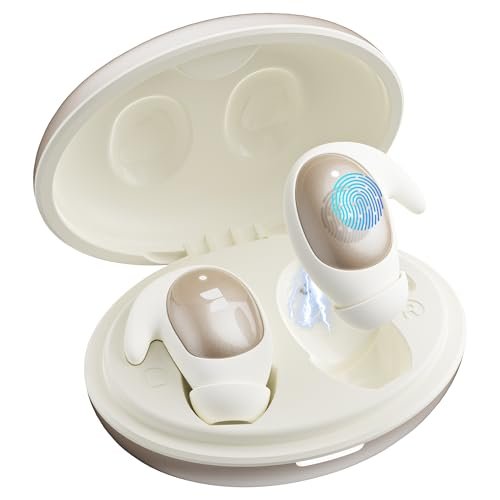
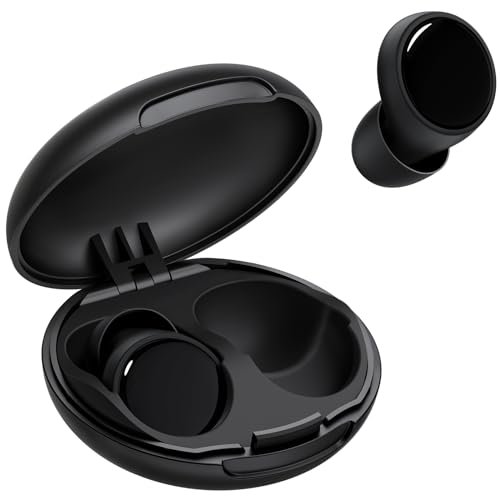
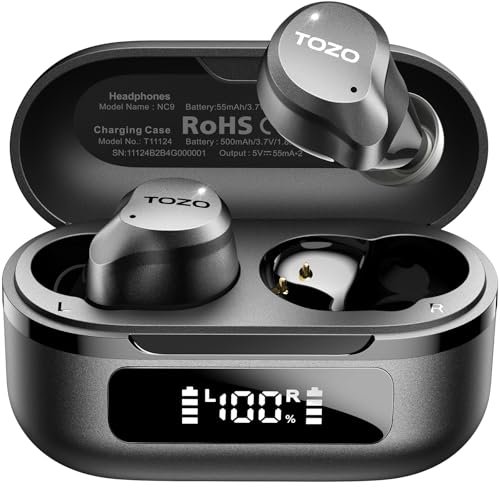
Comfort Over All Else: The physical design is the non-negotiable. I look for a flush or tapered profile that disappears when my head hits the pillow. Weight is critical—anything over 5g per earbud tends to feel present. The material of the ear tip is also key; a softer, medical-grade silicone often provides less pressure over 8 hours than a firmer, acoustic-optimized foam.
The Nature of “Noise Cancelling”: You must distinguish between Passive Noise Isolation (PNI) and Active Noise Cancellation (ANC). PNI relies purely on the physical seal of the ear tip in your ear canal. It’s excellent for consistent, higher-frequency sounds like snoring or a TV in another room. ANC uses microphones and inverted sound waves to cancel out lower-frequency, droning sounds like HVAC hum or distant traffic. For sleeping, a strong passive seal is often more valuable than mediocre ANC, as it works when the earbuds are off.
Battery Life & Sleep Mode: “Total playtime” is a marketing number. I care about single-charge life with ANC/Transparency off, as that’s how you’ll use them for sleep. Can they last a full 8+ hour night with 20% buffer? The presence of a dedicated Sleep Mode—which disables touch controls, LED lights, and voice prompts—is a hallmark of a sleep-focused design. Its absence is a major red flag.
Interface Design: Touch controls are a nightmare for sleep. A single accidental brush can blast music into your ear. I value products with either a reliable sleep mode that locks controls or, in the case of non-electronic plugs, a design that simply can’t be activated. Physical buttons are rare but superior for this use case.
Types Explained
True Wireless Sleep Buds (like Ertuly T33, Houlyn): These are miniature Bluetooth earbuds explicitly shaped for side sleeping. They prioritize a low-profile, often bean-shaped design that tucks into the concha of your ear rather than the canal. They offer audio playback, sometimes ANC, and are best for listeners who need soundscapes (white noise, audiobooks, calming music) to sleep. I recommend these for users who already know they sleep with audio and want a more comfortable, purpose-built solution.
Standard True Wireless Earbuds (like TOZO NC9): These are mainstream earbuds repurposed for sleep. Their performance hinges entirely on their physical fit. If they stick out, they’re unusable for side sleepers. They often have the best ANC and audio tech but the worst sleep ergonomics. I only recommend these for back sleepers who want a single, high-performance earbud for both daytime use and occasional sleep.
Electronic Noise-Masking Sleep Devices (like Bose Sleepbuds II – not in this review): A premium, specialized category. They don’t play your music; they play curated, scientifically designed sound masks from an app. They are the pinnacle of sleep-first design and noise masking but are a dedicated, expensive purchase. I recommend these for severe, noise-sensitive sleepers for whom cost is secondary to result.
Passive Noise Reduction Earplugs (like the 55dB Ear Plugs): These are the purest, most reliable tools for silence. No batteries, no Bluetooth, no controls. Performance is dictated by the seal and the material’s density. Modern high-fidelity plugs filter noise evenly rather than just muffling everything. I recommend these for anyone whose primary goal is absolute silence at the lowest cost and complexity. They are the entry point for most people and often the most effective solution.
Common Questions About Noise Cancelling Earbuds for Sleeping
What Are the Best Noise Cancelling Earbuds for Sleeping for a Side Sleeper?
From my testing, the best option is almost always a dedicated “sleep bud” with a low-profile, bean-shaped design like the Ertuly T33 or Houlyn models. Their flattened, low-profile housing is engineered specifically to avoid pressure on the ear when pressed against a pillow. Standard stem-style earbuds almost universally fail this test.
Can I Use My Regular Wireless Earbuds for Sleeping?
You can, but it’s a compromise. I’ve tested many, and unless you are a strict back sleeper, the stem or larger casing will create uncomfortable pressure points. Furthermore, their touch controls are prone to accidental activation. They lack a dedicated sleep mode, meaning low-battery alerts or connection tones can disrupt you. It’s functional in a pinch, but not optimized.
How Does Noise Cancellation Work While I’m Asleep?
Active Noise Cancellation (ANC) requires power to generate the “anti-noise” sound wave. It remains active as long as the earbuds are on and playing audio or are in ANC-only mode. It’s most effective on constant, low-pitched drones. Passive Noise Isolation (the physical seal) works continuously, whether the device is on or off. For unpredictable, sharp noises like snoring, a good passive seal is typically more effective and reliable throughout the night.
Are There Any Safety Concerns With Sleeping in Earbuds?
The primary concerns are hygiene and situational awareness. Keep ear tips clean to prevent infections. If you need to hear important sounds like a smoke alarm or a crying child, use earbuds with a Transparency Mode or opt for high-fidelity earplugs that attenuate noise evenly rather than block it completely. Never use noise cancellation in situations where you need to be aware of your surroundings for safety.
How Do I Clean and Maintain Sleep Earbuds?
For silicone ear tips (both electronic and passive), I remove them weekly and wash them with mild soap and water, drying thoroughly before reattaching. For the earbud body, I use a dry, soft-bristled brush to remove earwax from grilles. Never submerge the electronic body in water, even if they are waterproof. For foam tips (less common in sleep buds), replacement is better than cleaning.
As an Amazon Associate, I earn from qualifying purchases. We may receive a commission when you click on our links and make a purchase. This does not affect our reviews or comparisons — our goal is to remain fair, transparent, and unbiased so you can make the best purchasing decision.