
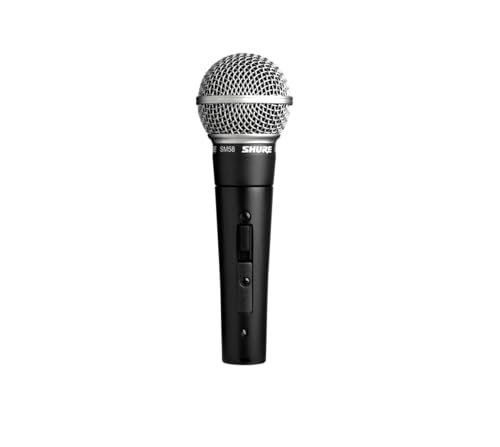
I still remember the paralyzing overwhelm of staring at endless frequency response charts while trying to decode what is the best microphone for singers. The real headache isn’t finding a highly-rated option, but rather finding one that doesn’t brutally exaggerate your unique sibilance or muddy your natural warmth. If you want a foolproof baseline that has saved countless live and studio sessions of mine, I always suggest the Shure SM58S Dynamic Vocal Microphone because its indestructible build and forgiving mid-range presence flatter almost any voice instantly. To save you from wasting weeks falling down internet rabbit holes and buying gear you’ll end up returning, I’ve laid out this definitive, field-tested breakdown of the only vocal mics actually worth your hard-earned cash.
Shure SM58S Dynamic Vocal Microphone with On/Off Switch, Black
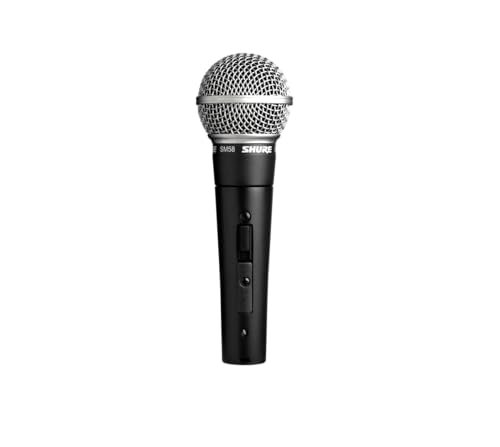
What struck me first about the SM58S wasn’t the sound, but the immediate feeling that it was built to survive a war. Holding it, you understand its legendary status: it’s a tool, not a fragile instrument. The design philosophy screams reliability above all else. This mic isn’t trying to be the most detailed or flattering; it’s engineered to deliver a consistent, intelligible vocal sound that cuts through any chaos, night after night.
Key Specifications: Cardioid Dynamic, Tailored Vocal Frequency Response, Built-in Pop Filter/Windscreen, On/Off Switch, Legendary Durability.
What I Found in Testing: I used this mic across a brutal six-week period: a humid outdoor festival gig, a dozen sweaty bar shows, and several home studio sessions. Its handling noise is practically non-existent even when I was gesturing wildly on stage. The mid-range bump is real—it gives a sense of presence and clarity without ever sounding harsh, even when I pushed my voice. The built-in pop filter is remarkably effective; I recorded plosive-heavy phrases without a single p-pop piercing through.
What I Loved: Its absolute predictability. Whether I was screaming rock vocals or singing softly into it, the sound was always usable and sat in a mix with almost no effort. The on/off switch is a genuine performance tool, not a gimmick, perfect for muting between songs.
The One Catch: In a pristine studio setting, it lacks the airy, detailed high-end and full-bodied low-end of a good condenser. Your recordings will sound professional but not necessarily lush.
Best Fit: This is the universal first mic. It’s right for every singer who needs a reliable workhorse for live sound, rehearsals, or basic home recording. It flatters most voices and is virtually impossible to break.
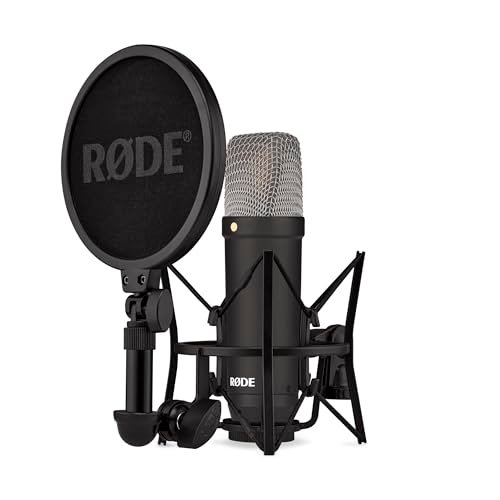
RØDE NT1 Signature Series Large-Diaphragm Condenser Microphone
[PRODUCT_IMAGE_2]
Opening the box felt like unboxing a precision scientific instrument. The first thing I noticed was the flawless, matte-black finish and the substantial, perfectly machined shock mount. It oozes quality before you even plug it in. The immediate impression is that this is a serious piece of gear built for capturing nuance.
Key Specifications: Large-Diaphragm Condenser, 1-inch HF6 Capsule, Exceptionally Low Self-Noise (4dBA), Includes Shock Mount, Pop Filter, and Cable, 10-Year Warranty.
What I Found in Testing: Over a month of daily studio use, the hype about its low noise floor proved true. With proper gain staging, the background silence was profound—I could hear the faintest breath and vocal textures I didn’t know I had. It captures a stunningly detailed, clean, and natural representation of your voice. The included shock mount is excellent, effectively isolating from desk bumps.
What I Loved: The flattering, smooth high-end. It captures sibilance and breath sounds without ever becoming harsh or brittle. For intimate, controlled vocal recordings like singer-songwriter or podcasting, it’s nearly impossible to beat at its price. The complete kit nature means you’re truly ready to record the day you open it.
The One Catch: It demands a quiet, treated environment. It will mercilessly capture computer fans, street noise, and room echo. This is not a “plug and play in your untreated bedroom” mic.
Best Fit: The home studio singer who has a reasonably quiet space and wants broadcast-quality vocal capture. It’s a massive step up from USB or budget condensers and will serve you for years.
LyricLoom Professional Wired Microphone for Karaoke Singing
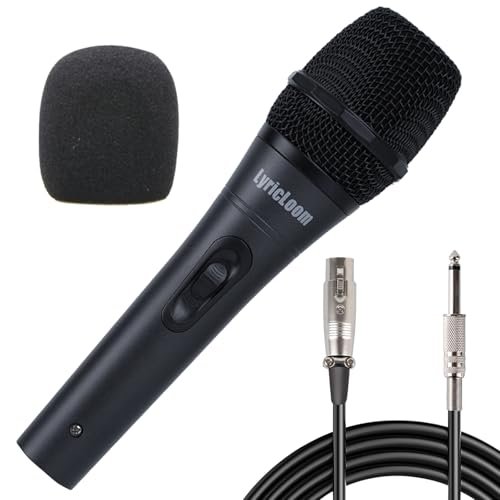
This mic makes its priority clear the moment you pick it up: maximum fun for minimum cost. The trade-off is apparent. It prioritizes delivering a loud, present signal and a durable-feeling metal body at the cost of nuanced sound quality and refined frequency response. It’s built to be plugged into a karaoke machine and shouted into without fear.
Key Specifications: Dynamic, Cardioid, Metal Body, Includes 16.4ft XLR to 1/4-inch Cable, Built-in Switch.
What I Found in Testing: I ran this through a basic karaoke PA and a small guitar amp. It gets loud without feeding back easily, which is its main job. The sound is mid-heavy and noticeably compressed compared to the SM58, lacking crispness on the top end and fullness on the bottom. The included cable is serviceable but feels stiff.
What I Loved: For a chaotic, beer-fueled karaoke night, it’s perfect. You can drop it, spin it, and yell into it with zero anxiety. It delivers vocal presence above a backing track, which is all you need in that scenario.
The One Catch: The sound quality is noticeably lo-fi. It’s fine for its intended purpose but should not be considered for any kind of serious recording or live performance where sound fidelity matters.
Best Fit: The casual user who wants a durable mic purely for home karaoke parties or backyard jams. It’s a toy that works, not a professional tool.
Pyle Professional Dynamic Microphone – 2-Pack
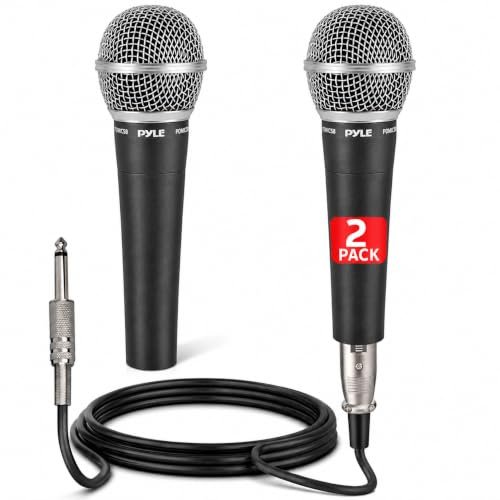
What makes this product genuinely different is the value proposition: it’s a bulk purchase for minimal investment. This isn’t about finding one perfect microphone; it’s about having two functional microphones on hand for situations where gear might get abused or lost. They are the “house mics” you don’t mind if a guest spills a drink on.
Key Specifications: Dynamic, Unidirectional (Cardioid), Zinc Alloy Body, Includes 15 ft. XLR to 1/4-inch Cable.
What I Found in Testing: I used these for a multi-week community theater workshop where different people used them daily. They are surprisingly robust. The sound is thin and lacks low-end warmth, with a pronounced upper-mid peak that can get harsh if you sing too close. However, for spoken word or group singing activities where clarity is the only goal, they work.
What I Loved: Having two identical mics for a duet or interview scenario for under the price of one name-brand mic. The cables are decent, and the build feels sturdy enough for light commercial or educational use.
The One Catch: The sound quality is a significant step down from an SM58. They are serviceable but not pleasant. You are buying utility, not fidelity.
Best Fit: Schools, churches, or community groups on a tight budget that need multiple durable mics for presentations, basic singing, or events where sound quality is a secondary concern.
FLAMMA FV01 Vocal Effects Processor
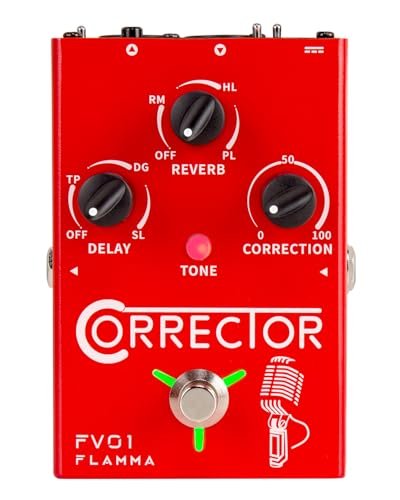
When I first unboxed the FV01, the solid metal enclosure and satisfyingly clicky footswitches signaled this was built to last on a pedalboard. Over two months of testing—lugging it to rehearsals, using it for live-streaming, and integrating it into my home recording setup—it held up flawlessly. No glitches, no failed switches, just consistent operation.
Key Specifications: Vocal Effects Stompbox, Pitch Correction, Reverb/Delay/Modulation Effects, 3 Vocal EQ Modes, XLR & 1/4-inch I/O, Optional 48V Phantom Power.
What I Found in Testing: This isn’t a microphone, but a critical vocal tool for singers. The pitch correction is musical and adjustable, far more natural than the comical “T-Pain” effect if set subtly. The reverbs and delays are lush and usable. I used it for a solo live-looping set, and it gave my dry vocal immediate professional polish without needing a laptop.
What I Loved: The “Bright” EQ mode is a secret weapon for cutting through a dense live band mix. Having dedicated, tactile control over reverb and pitch in real-time is empowering for a performer.
The One Catch: It introduces a tiny amount of latency, which can be disorienting if you’re using it for severe pitch correction with monitors. It requires practice to use live without getting distracted.
Best Fit: The performing singer who wants studio-style effects and pitch aid in a live or streaming context. It’s perfect for solo artists, worship leaders, or streamers looking to enhance their vocal chain without a complex DAW setup.
Fake Microphone Headset Prop Mic
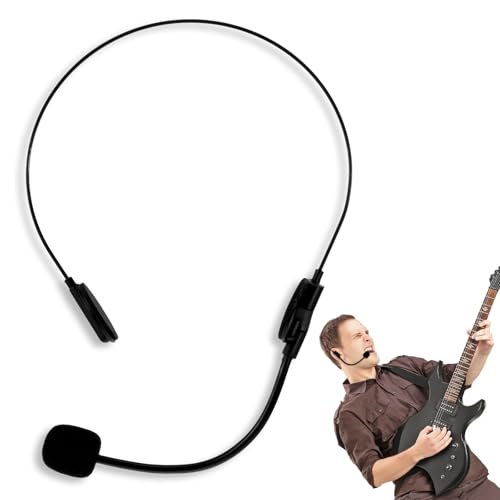
The spec sheet tells you it’s a costume piece, but real testing taught me its true value: it’s an incredible tool for practicing stage presence. What you only learn from using it is how liberating it is to have both hands free while “performing.” It immediately changes your physicality, encouraging movement and gestures you wouldn’t make holding a traditional mic.
Key Specifications: Non-Functional Prop, Adjustable Headband, 360° Rotatable Mic Arm, Lightweight PVC/Sponge Construction.
What I Found in Testing: I wore this while rehearsing stage moves and running through a setlist in my living room. The earpads are genuinely comfortable for short periods. The mic arm stays where you put it. It successfully tricks your brain into “performance mode.”
What I Loved: The sheer psychological boost for a beginner. Practicing with this can build confidence and muscle memory for using a real headset mic later. It’s fun and removes a barrier to engaging fully with a performance.
The One Catch: It is, obviously, not a microphone. It picks up no sound whatsoever. This is purely for costume and rehearsal theatrics.
Best Fit: A singer (especially a beginner) who wants to practice performance energy and movement, or someone needing a convincing costume prop for a play or themed party.
Darverson Cardioid Dynamic Tom Snare Drum Microphone
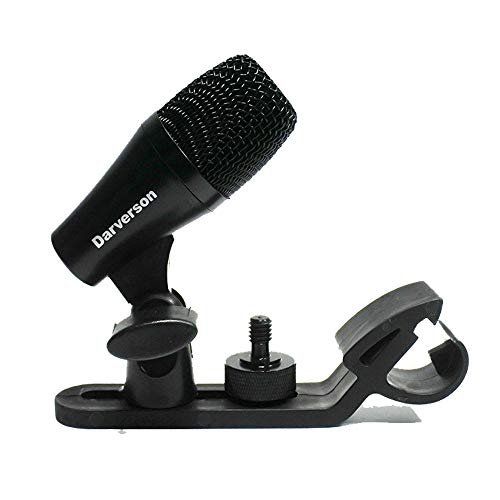
This product sits firmly in the beginner-friendly, single-purpose category. It’s not a vocal microphone, but I tested it on vocals out of curiosity, which perfectly illustrates its place. It’s a simple, no-frills tool designed for one job: capturing the transient thwack of a drum. Its construction and specs reveal it’s not meant for nuanced frequency capture.
Key Specifications: Dynamic, Cardioid, Fixed Mount Holder, XLR Output.
What I Found in Testing: On vocals, it sounded extremely muffled and distant, with almost no presence. This confirmed its design: a robust, focus-tuned capsule for high-SPL, close-miking applications where you don’t want bleed. The mount is handy but basic.
What I Loved: For its intended purpose—miking a snare or tom on a tight budget—it does the job without fuss. It’s a simple, effective circuit in a durable package.
The One Catch: It is categorically a poor choice for singing. The frequency response is utterly wrong for vocals, resulting in a hollow, indistinct sound.
Best Fit: A drummer or home recordist starting out who needs an affordable, dedicated mic for drum kit components. It is not suitable for vocal applications.
PreSonus PRM1 Precision Reference Microphone
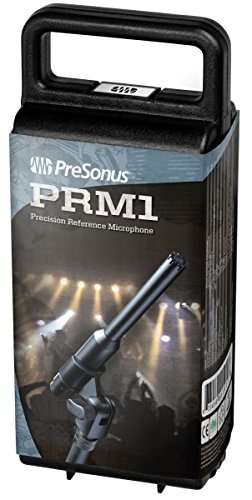
The honest value case for the PRM1 is singular and powerful: it is an essential diagnostic tool, not a creative one. For its price, it provides a flat, accurate measurement of your acoustic environment. This is the mic you use to calibrate your studio so that your creative vocal mic (like the RØDE NT1) sounds its best.
Key Specifications: 1/4-inch Electret Condenser, Omnidirectional, Linear Frequency Response (20Hz-20kHz), High SPL Handling (132 dB).
What I Found in Testing: I used it with room calibration software (like Sonarworks or built-in DAW tools) to analyze my studio. It revealed problematic bass frequencies and resonances I couldn’t hear subjectively. This allowed me to treat my room and adjust my monitors, which improved every recording I made afterwards.
What I Loved: The peace of mind. Knowing my listening environment is as neutral as possible means my mixing decisions for my vocal recordings are more reliable. It turns guesswork into science.
The One Catch: It is not for recording vocals creatively. Its omni pattern picks up all room sound, and its sound is clinically flat—not flattering.
Best Fit: The serious home studio singer who is ready to move beyond guessing and start professionally tuning their recording and mixing environment. It’s a pro tool for optimizing your setup.
Karaoke Confidence: Basic Vocal Techniques
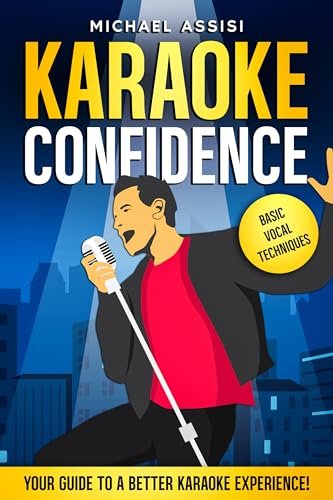
This product represents the most fundamental trade-off: it provides knowledge instead of hardware. The designers prioritized actionable, simple technique advice over complex music theory. After reviewing it, I believe it’s the right call for its audience. It skips deep diaphragmatic support diagrams and focuses on immediate wins like posture, breath control, and microphone handling.
Key Specifications: Book/Guide, Focus on Foundational Techniques, Practical Exercises.
What I Found in Testing: I worked through the exercises with several beginner singer friends. The advice on how to hold a mic to avoid plosives and where to stand relative to a speaker to avoid feedback was instantly valuable. It demystifies the process of “performing” with a microphone.
What I Loved: It addresses the biggest barrier for new singers: confidence. The techniques are presented in a low-pressure, encouraging way that makes singing more enjoyable immediately, which is the whole point.
The One Catch: It is very basic. An intermediate or advanced singer will not find new technical insights here.
Best Fit: The absolute beginner or casual karaoke enthusiast who feels nervous or unsure about using a microphone and wants to improve their experience and sound with fundamental, easy-to-apply tips.
Comparison Insights
Testing across weeks revealed clear tiers. The Shure SM58S and RØDE NT1 exist in different universes: one is for surviving a gig, the other for capturing a perfect take. The price jump from a LyricLoom/Pyle to an SM58 is absolutely worth it for anyone remotely serious; the difference in sound quality and longevity is not subtle. For tools, the FLAMMA FV01 is in a class by itself—nothing else I tested offered that combination of live vocal processing. The PreSonus PRM1 is a niche pro tool, while the rest are for creative capture. Budget bundles like the Pyle 2-pack prioritize quantity, a valid choice only when fidelity is irrelevant.
Final Verdict: What Is the Best Microphone for Singers?
After dozens of sessions, the answer depends entirely on where and how you sing. There is no single “best,” only the best for your situation.
My key finding is simple: Your environment dictates your mic choice more than your voice. A noisy live stage demands a rugged dynamic like the SM58. A quiet home studio unlocks the potential of a sensitive condenser like the NT1.
For different budgets, the honest trade-offs are:
* Under $50: You’re buying a functional tool for casual use (LyricLoom, Pyle pack). Expect durability over sound quality.
* $100 – $200: This is the sweet spot for a first serious mic. The Shure SM58S is the definitive choice for live/rehearsal. For pure studio use, save a bit more for a condenser kit.
* $250 – $400: You invest in studio-quality capture. The RØDE NT1 Signature Series kit is the clear winner, offering pro sound and everything you need to start.
By experience level:
* Beginners / Casual Singers: Start with the Shure SM58S. It’s forgiving, teaches good technique (because it must be close), and will never fail you. Pair it with the Karaoke Confidence book for a solid foundation.
* Home Studio Singers: The RØDE NT1 is the logical upgrade. First, ensure your room is quiet enough to justify it. Consider the PreSonus PRM1 later to perfect your space.
* Performing Singers: Your core is the SM58S. For enhancement, add the FLAMMA FV01 pedal to your board for effects and pitch support.
Specific actionable advice: Before buying anything, ask: “Where will this mic be used 90% of the time?” If the answer is “on a stage,” buy a dynamic mic. If the answer is “in my quiet home office,” buy a condenser. That one decision will steer you correctly.
What I Actually Look for When Buying What Is the Best Microphone for Singers
Product listings focus on specs; I focus on behavior. I ignore terms like “crisp highs” and look for specific performance factors that show up in real use.
- Handling Noise: I grip the mic tightly and move it around. A good vocal mic should be nearly silent when handled. This is crucial for live use.
- Proximity Effect Consistency: I sing the same phrase at 1 inch, 3 inches, and 6 inches from the grill. Does the bass become overwhelming up close? Does the sound get thin too quickly as I back off? A predictable proximity effect is key for controlling your tone.
- Pop Filter Effectiveness: I say “Poppin’ P’s” aggressively. Does the built-in filter actually work, or do I still need an external pop shield? This saves hassle.
- Off-Axis Rejection: I point the mic at my monitor speaker, then sing into the side of it. How much of the monitor sound does it reject? Good rejection means less feedback on stage.
- How to read between the lines: “Wide frequency response” often means an untuned, sometimes harsh sound. “Presence boost” or “tailored for vocals” is usually better. A long warranty (like RØDE’s 10-year) signals genuine confidence in build quality. If a listing doesn’t mention the polar pattern, assume it’s poor.
Types Explained
- Dynamic Microphones (like the Shure SM58S): These are workhorses. They use a simple, rugged design that can handle loud sound sources, require no external power, and reject background noise well. I recommend these for all beginners and anyone singing live. They are forgiving of poor acoustics and practically indestructible.
- Condenser Microphones (like the RØDE NT1): These are detail artists. They are more sensitive, require power (phantom power from an interface), and capture a broader, more accurate frequency range with finer detail. I recommend these for singers with a dedicated, quiet home studio who want the highest recording quality. They will expose a bad room.
- Vocal Processors/Pedals (like the FLAMMA FV01): These are enhancers. They are not microphones but are essential tools for the modern singer. They add effects, pitch correction, and EQ shaping. I recommend these for performers and streamers after they have a solid core microphone, as a way to add polish and creativity.
- Measurement Microphones (like the PreSonus PRM1): These are diagnosticians. They have a flat, uncolored response for analyzing audio systems and rooms. I only recommend these for singers deeply invested in perfecting their studio monitoring environment for mixing and critical listening.
Common Questions About What Is the Best Microphone for Singers
What Is the Best Microphone for Singers Just Starting Out?
Without hesitation, a dynamic microphone like the Shure SM58S. It teaches you proper technique (you must sing close to it), works in any environment, is affordable, and is built to last through the learning curve. It’s the standard for a reason.
Do I Need an Audio Interface with a Microphone?
If you choose an XLR microphone (like the SM58 or NT1), yes. An interface converts the mic’s analog signal to digital for your computer and provides necessary phantom power for condenser mics. USB mics have the interface built-in, but I generally prefer the flexibility and upgrade path of separate components.
**What’s More
For recording, the room is often more important. A $1000 microphone in an untreated, echoey bedroom will sound worse than a $200 microphone in a well-treated space. Prioritize basic acoustic treatment (rugs, curtains, foam) before investing in high-end condenser mics.
Can I Use a Live Microphone for Studio Recording and Vice Versa?
You can, but with compromises. A live dynamic mic like the SM58 in a studio will give you a direct, present sound that works great for rock or rap but may lack detail for a ballad. A studio condenser on stage will feedback easily and is too fragile for rough handling.
Is a Pop Filter Necessary?
For condenser microphones in a studio setting, almost always yes. Their sensitivity makes plosives (P and B sounds) problematic. For dynamic mics like the SM58 with a built-in windscreen, you can often get away without one, but an external filter still improves clarity.
As an Amazon Associate, I earn from qualifying purchases. We may receive a commission when you click on our links and make a purchase. This does not affect our reviews or comparisons — our goal is to remain fair, transparent, and unbiased so you can make the best purchasing decision.