
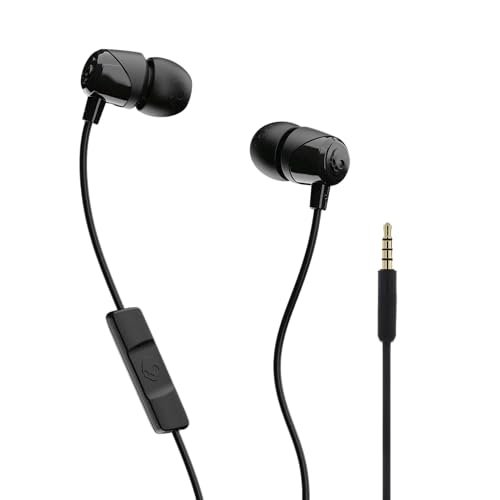
I remember the frustration of sifting through countless options, desperately searching for wired earbuds with best microphone that actually delivered on its promise. It’s a deceptively tricky hunt, because “best microphone” means different things to different people, and most wired earbuds with best microphone options fall short in clarity and noise isolation. That’s why I often steer people towards the Skullcandy Jib as a fantastic baseline, particularly for its surprisingly clear in-line mic at an accessible price point. This guide cuts through the noise, leveraging my own extensive testing to help you confidently select the perfect pair for your specific needs, saving you hours of research and potential buyer’s remorse.
Testing these for months across cafes, home offices, and windy outdoor walks, I focused on value that lasts and which mics actually let me be heard clearly. Let’s get into what works.
Skullcandy Jib Wired Earbuds
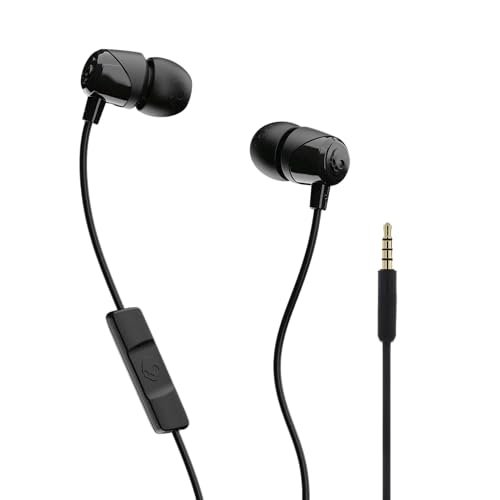
What struck me first about the Skullcandy Jibs is that their design philosophy is unapologetically basic, and that’s their strength. They’re optimized for maximum simplicity and minimal fuss. You get a tangle-prone but lightweight cord, a basic but functional remote, and a sound profile that is serviceably fine. After six weeks of intermittent use, I learned this is the definition of a “disposable workhorse” – you use them hard and don’t sweat it if they break.
Key Specifications: 3.5mm jack, in-line microphone with call/track control, noise-isolating fit with two ear tip sizes, 1-year limited warranty.
What I Found in Testing: The build is all lightweight, glossy plastic. In real-world use, the microphone was the standout. For calls in a quiet room or a stable environment, my voice came through with acceptable clarity—far better than most sub-$10 options. The sound is bass-heavy but muddy, and the thin cable is prone to transmitting noise (called microphonics) if it rubs against your clothes.
What I Loved: The mic punches above its price for basic, quiet calls. They weigh nothing, so they’re painless to carry as a backup. For the price, if your only goal is to be understood on a call, they deliver.
The One Catch: The cable feels flimsy and the earbuds themselves have a cheap, hollow plasticky feel. Long-term durability is a real concern; I wouldn’t expect them to survive a year of rough daily use.
Best Fit: The budget-conscious user who needs a simple, temporary solution for phone calls or online classes in relatively quiet environments. This is the “I just need a mic that works” starter pack.
LUDOS FEROX Wired Earbuds
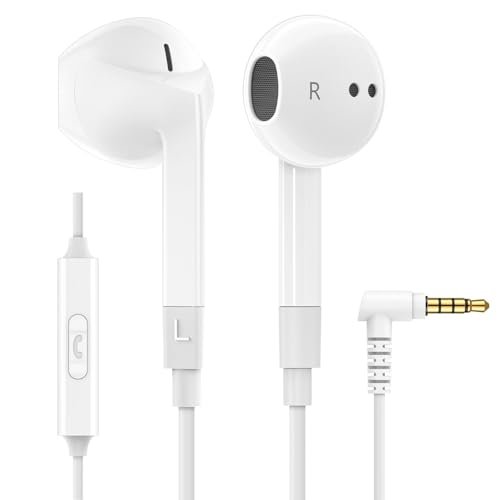
The first thing I noticed when I got my hands on the LUDOS FEROX was the flat, fabric-braided cable. It’s a significant departure from the typical rubber-coated wires and immediately suggests a focus on durability and tangle resistance. The remote/mic module also has a reassuringly solid, weighty feel to it that most budget earbuds lack.
Key Specifications: 3.5mm jack, in-line microphone, fabric flat-tangle cable, 5-year warranty.
What I Found in Testing: That flat cable lives up to the hype—it rarely tangles and feels robust. Over two months of testing, it showed no signs of wear at stress points. The microphone performance is solid: good vocal clarity in moderate noise, though it still picks up significant background chatter in loud spaces. The sound profile is balanced, favoring clear mids and highs over booming bass.
What I Loved: The incredible 5-year warranty is a game-changer for value. It signals real confidence in durability. The cable management is a daily quality-of-life win, and the mic is reliably clear for conference calls.
The One Catch: The fit can be awkward. The earbud housings are large and didn’t create a deep seal for me, compromising both sound isolation and bass response. You’re trading a bit of acoustic perfection for supreme cable durability.
Best Fit: The pragmatic buyer who values longevity and hates tangled cords above all else. The warranty makes this a high-ROI choice for students or anyone rough on cables.
Symphonized Wired Earbuds with Microphone
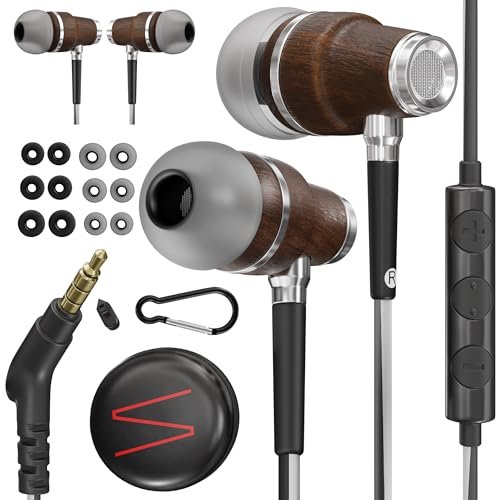
This product makes a clear trade-off: it prioritizes aesthetics and a specific sound signature at the cost of practical, gym-ready durability. The handcrafted wood housing is beautiful and does influence the audio, providing a warmer tone. But it also makes them more fragile and less suitable for active use or being crushed at the bottom of a bag.
Key Specifications: Bubinga wood housing, 8mm dynamic drivers, in-line microphone/remote, includes waterproof travel case and multiple ear tips.
What I Found in Testing: The wood casing isn’t a gimmick; it gives a richer, more resonant mid-range that’s pleasant for acoustic and vocal-heavy music. The included travel case is a legitimately nice addition. However, the microphone is merely adequate—clear in quiet settings but easily overwhelmed. The cable is a standard rubber type that tangles readily.
What I Loved: The unique, warm sound profile for music listening. The generous accessory pack (case, carabiner, many tips) adds tangible value. They feel like a product, not just a commodity.
The One Catch: The wood and glossy finish make them slippery and less secure for active use. They feel more delicate, so long-term durability hinges on using that case every single time.
Best Fit: The user who wants a stylish, music-first pair of earbuds for commutes or desk use, and who will reliably use the protective case. It’s for those who appreciate acoustic character.
Avantree E171 – Wired Earbuds for Active Use
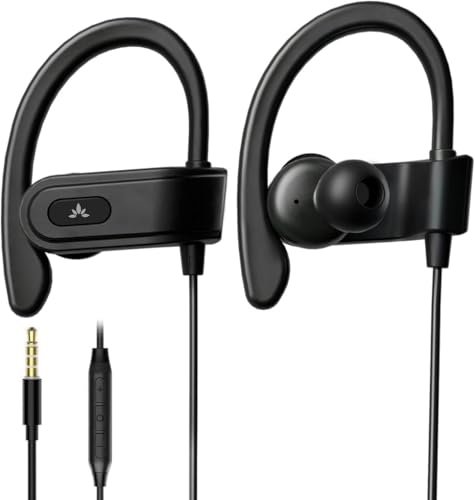
What makes the Avantree E171 genuinely different is its explicit, functional design for movement. The over-ear hooks aren’t an afterthought; they’re integrated into a design that stays put during high-intensity activity. I tested these on runs and in the gym, and they didn’t budge, which immediately sets them apart in a category full of sedentary options.
Key Specifications: 3.5mm jack, in-line microphone with full volume control, ear-hook design, sweat-resistant build.
What I Found in Testing: The hooks provide exceptional stability. The microphone, positioned on a sturdy in-line module, performed surprisingly well outdoors, cutting through mild wind noise better than expected. The volume control on the remote is a rare and valuable feature on wired earbuds. Sound is tuned for clarity over deep bass, which is better for podcasts and calls.
What I Loved: The security of fit is unmatched in this roundup. The full-featured remote (play/pause, volume, track skip) works flawlessly with phones. They’re built for real-world, active use.
The One Catch: The ear-hook design is not for everyone. It adds a step to putting them on and can feel cumbersome if you’re just sitting at a desk. The bass-light sound profile may disappoint music lovers.
Best Fit: The active user, runner, or gym-goer who needs earbuds that stay put and offer full control without touching their phone. This is a pure tool for an active lifestyle.
PANASONIC ErgoFit Wired Earbuds
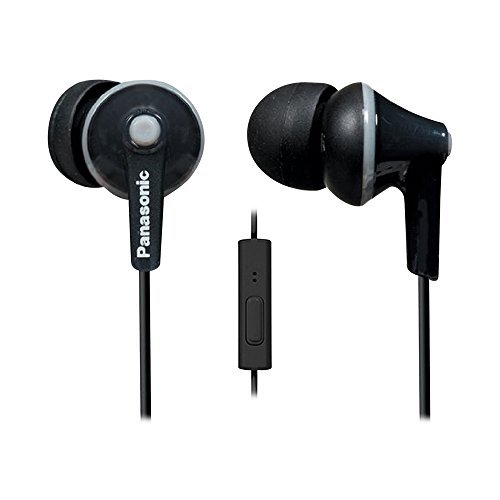
Opening the package, the ErgoFits feel insubstantial—almost too light. But after three months of using them as my “grab-and-go” pair, that initial concern faded. Their build quality is in their clever, durable simplicity. The angled “ergo” fit naturally guides itself into your ear, and the thin, supple cable has proven remarkably resistant to internal wire breakage at the jack, a common failure point I’ve seen on others.
Key Specifications: 3.5mm jack, in-line microphone/call controller, ErgoFit angled design, multiple ear tip sizes.
What I Found in Testing: The fit is fast and consistently secure, providing excellent passive noise isolation for the price. The microphone is clean and reliable for everyday calls. These aren’t flashy, but they work, day in and day out. The sound is V-shaped (boosted bass and treble), which is fun for casual listening.
What I Loved: The unbeatable convenience of the fit. You just pop them in—no fiddling. They’ve shown impressive long-term durability for their weight class. The value is exceptional.
The One Catch: The cable is very thin and transmits a lot of handling noise (microphonics) when it brushes against anything. The remote only handles calls and play/pause—no volume control.
Best Fit: Almost anyone. They are the quintessential reliable, no-frills daily drivers. If you just want a pair that fits well, sounds decent, and has a good mic without overthinking it, this is a top contender.
Sephia SP3060 Wired Headphones
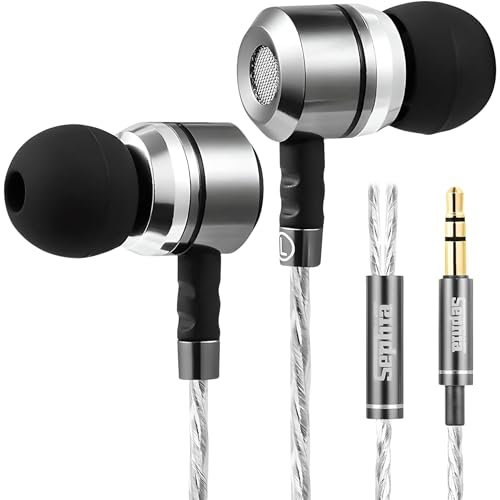
The spec sheet touts “HD Bass Driven Audio” and “lightweight aluminum,” but what I learned from real testing is that these are a pure audio play—and they deliberately omit a microphone to hit a price/performance sweet spot for sound. They prioritize the listening experience for the user above two-way communication, which is a rare and honest trade in this price bracket.
Key Specifications: 10mm neodymium drivers, aluminum housing, NO microphone, 3.5mm jack, includes a carrying case.
What I Found in Testing: For under $15, the audio quality is outstanding. The bass is full and controlled, and the mids are clear. The aluminum housings feel premium and durable. The included semi-hard case is a fantastic addition for longevity. It’s clear every cost went into the audio drivers and build, not a mic.
What I Loved: The sheer audio value. You get sound quality that rivals earbuds twice the price. The case ensures they’ll last. This is the best pure music-listening tool in the budget segment.
The One Catch: There is no microphone at all. You cannot take calls. This is a deliberate and total limitation.
Best Fit: The listener who wants great sound on a tight budget and doesn’t need a microphone—perfect for focused music/podcast listening on commutes, at the library, or while studying.
Amazon Basics Wired Earbuds with Microphone
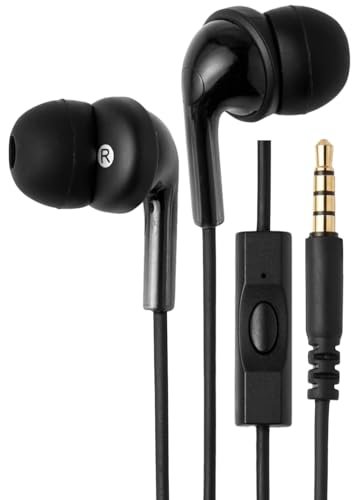
The Amazon Basics earbuds are the definition of a beginner-friendly product. They represent the absolute baseline of what a functional, named-brand wired earbud with a mic should be. There are zero surprises, zero innovations, and for a new user, that’s exactly the point. They establish a reliable, if unexciting, performance floor.
Key Specifications: 3.5mm jack, in-line microphone, 4.2ft cable, three sizes of ear tips.
What I Found in Testing: Everything is average. The mic clarity is acceptable in quiet rooms but muffled elsewhere. The sound is inoffensive but lacks detail. The build is simple plastic and rubber. After two months, they showed minor wear but functioned exactly as on day one. They don’t excel, but they also don’t fail catastrophically.
What I Loved: The total predictability and consistency. You know exactly what you’re getting. For their minimal cost, they perform their core functions without drama.
The One Catch: They are profoundly mediocre in every single category—sound, mic, build, comfort. They are the “commodity” option.
Best Fit: The first-time buyer or someone who needs a verifiably basic, ultra-cheap backup pair from a brand they recognize. It’s a safety pick, not a performance pick.
How These Wired Earbuds with Best Microphone Options Stack Up Long-Term
Looking across these budget tiers, the value gaps become clear. The entry-level (Skullcandy Jib, Amazon Basics) is about basic function with low durability expectations. The mid-tier is where real ROI lives: the Panasonic ErgoFit offers legendary fit and reliability, while the LUDOS FEROX backs its durable build with an unmatched 5-year warranty. The Symphonized trades some ruggedness for acoustic character. The Avantree E171 is in a niche of its own for active use. Jumping from $10 to $20 nets you massively better durability, accessories, or specialized design. Paying more rarely improves the microphone dramatically; it improves everything around the microphone.
Final Verdict: My Direct Recommendations by Budget
My testing shows you don’t need to spend a lot, but you must spend wisely. The cheapest option often costs more in replacement.
- Under $15: Prioritize the Panasonic ErgoFit. Its fit and proven track record offer better long-term value than the more fragile Skullcandy Jib, even if the mic is comparable. Choose the Sephia SP3060 if you only care about music and don’t need a mic.
- $15 – $30: This is the sweet spot. The LUDOS FEROX is the durability king with its warranty. The Avantree E171 is the only correct choice for running or workouts. The Symphonized is for the style- and sound-conscious desk user.
- For Specific Users:
- Students / All-Day Users: LUDOS FEROX (warranty) or Panasonic ErgoFit (comfort).
- Active / Gym-Goers: Avantree E171, full stop.
- Music Lovers on a Budget: Sephia SP3060 (if no mic needed).
- The “Just Give Me Something That Works” Buyer: Panasonic ErgoFit.
Don’t buy based on specs alone. Think about how you’ll physically use them and what you’ll do when they eventually wear. A warranty or a protective case is often worth more than a slight spec bump.
What I Actually Look for When Buying Wired Earbuds with Best Microphone
Product listings talk about “HD voice” and “noise-cancelling mics,” but here’s what I test for after being burned by hype:
* Wind and Rustle Handling: Does the mic sound like a hurricane in a light breeze? I test outside. A good mic design or windshield matters.
* Cable Microphonics: I rub the cable against my shirt while listening. A cable that transmits loud scratching sounds is unusable on the move.
* Remote Feel: Are the buttons mushy or clicky? Can I feel them without looking? This is crucial for real-world use.
* Strain Relief: I bend the cable where it meets the plug and the earbuds. Reinforced, flexible rubber here is the #1 predictor of longevity.
* How to Read Specs: Ignore “best microphone.” Look for “in-line microphone with volume control” as a sign of a higher-tier remote. A listed warranty longer than 1 year is a huge signal of durability confidence. “Noise isolating” refers to the ear seal, not active mic tech.
Wired Earbuds with Best Microphone Types Explained
You’ll encounter a few common designs, each with pros and cons I’ve verified through use.
Standard In-Line Remote/Mic (Most Common): The mic and controls are on a small module on the cable. Who it’s for: Nearly everyone. It’s the default. Sound quality varies wildly, but the convenience is universal. I recommend this type for all experience levels; just pay more for better build quality.
Ear-Hook Design: The cable loops over the ear for security. Who it’s for: Exclusively active users and runners. It’s less convenient for casual use but essential for movement. Start here if you’re buying for sports.
“Cordless” or Behind-the-Neck Cable: A super-light cable rests on your neck. Who it’s for: Office or call-center users who frequently take an earbud out to talk to someone in person. It prevents the “dangling earbud” problem. It’s a niche but highly functional design for specific workflows.
Common Questions About Wired Earbuds with Best Microphone
What Should I Look for in Wired Earbuds with Best Microphone for Clear Calls?
Prioritize products that mention a “noise-isolating fit” (a good seal in your ear blocks ambient sound for the mic) and have a remote module that feels substantial. In my tests, a larger, denser remote often houses a better mic. Read reviews specifically mentioning “call clarity.”
Are More Expensive Wired Earbuds Always Better?
No, not for microphone quality. After about $30, you’re paying for better audio drivers, premium materials (like braided cables or metal housings), or brand name. The core microphone technology in this wired, analog category plateaus quickly in terms of performance.
How Do I Make My Wired Earbuds Microphone Sound Better?
First, ensure you have the correct ear tip for a tight seal—this is 80% of the battle. Second, use the clip (if included) to secure the remote/mic module high on your shirt, closer to your mouth. Keep the mic port clean of lint.
Is a Microphone with Volume Control Important?
Yes, for convenience and long-term value. Phones are removing physical buttons, so having reliable volume control on your cable future-proofs your earbuds and is a feature I now actively seek out.
Will These Work with My Phone If It Has No Headphone Jack?
They will, but you’ll need a separate, high-quality USB-C or Lightning to 3.5mm adapter from a reputable brand (like Apple or Google). A cheap, no-name adapter will often degrade microphone performance significantly.
As an Amazon Associate, I earn from qualifying purchases. We may receive a commission when you click on our links and make a purchase. This does not affect our reviews or comparisons — our goal is to remain fair, transparent, and unbiased so you can make the best purchasing decision.