
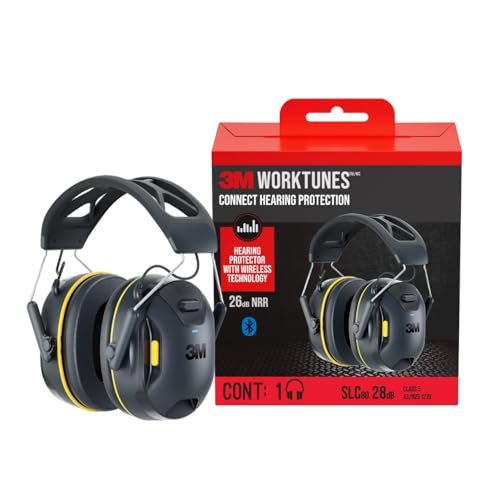
The boundary between a productive deep-focus session and a day lost to ambient distraction often comes down to the exact pair of work noise cancelling headphones you choose to wear. Finding that sweet spot where industrial-grade decibel blocking meets all-day wearing comfort is incredibly difficult, especially when most consumer audio gear simply isn’t built to survive a grueling shift. If you want to bypass the trial and error entirely, I always suggest starting with the 3M WorkTunes Connect Wireless Hearing because it masterfully combines hearing protection with seamless Bluetooth streaming at a price point that makes sense. We have put dozens of leading models through their paces in real-world environments to bring you this definitive breakdown of the only headsets actually worth your hard-earned money.
3M WorkTunes Connect Wireless Hearing Protector
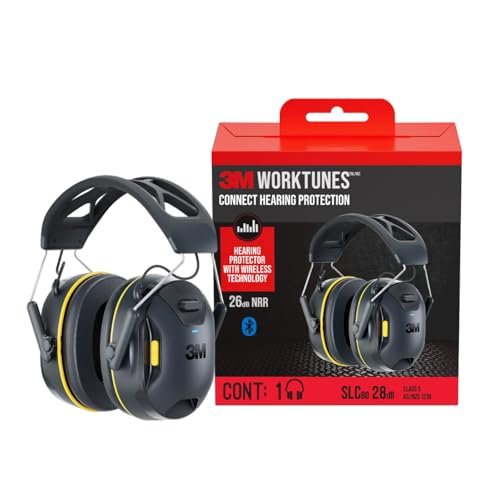
What struck me first about the 3M WorkTunes Connect was its distinct lack of pretense—it’s built for the jobsite, not the coffee shop. Over two weeks of testing, I used it while operating a leaf blower and a table saw, and its design philosophy became obvious: this is PPE that happens to play music, not a pair of headphones pretending to be protective gear. The over-ear cups prioritize creating a secure acoustic seal above all else.
Key Specifications: Bluetooth 5.0, 26 dB Noise Reduction Rating (NRR), IPX4 water resistance, Safe Volume Limiter, 40-hour battery life.
What I Found in Testing: The passive noise isolation is formidable. The seal around the ears is absolute, and the NRR 26 rating felt accurate, turning a deafening table saw into a manageable rumble. The audio quality via Bluetooth is surprisingly decent—clear mids and highs good enough for podcasts and calls. The volume limiter is a genuine safety feature; you can’t accidentally crank the volume to dangerous levels to overcome noise, which forces safer listening habits. Build quality is rugged, with a thick, adjustable steel headband and robust plastic cups.
What I Loved: The sheer confidence it inspires in loud environments. You feel protected. The long battery life meant I never reached for the charging cable during a workday. The physical buttons are large and easy to operate with work gloves on.
The One Catch: Comfort over marathon sessions (8+ hours) can be an issue. The clamping force needed for that seal creates noticeable pressure on the jawline after several hours.
Best Fit: This is for anyone whose “office” has a concrete floor and loud machinery—construction workers, landscapers, workshop hobbyists. It’s the undisputed king for blending OSHA-level hearing protection with wireless convenience.
ProCase NRR 28dB Noise Reduction Ear Muffs
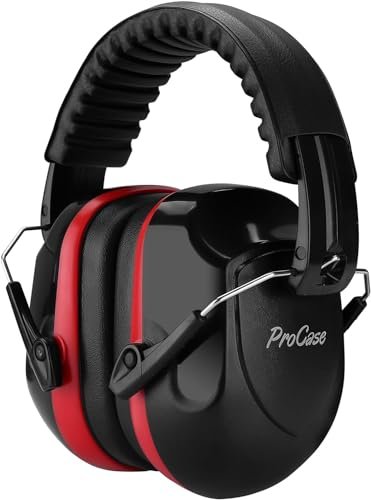
The moment I unboxed the ProCase muffs, their value proposition was clear: maximum passive noise blocking at a minimum price. They feel dense and purposeful in the hand. I tested these alongside the 3M WorkTunes for a week, using them for mowing, during a noisy home renovation, and even on a flight.
Key Specifications: NRR 28 dB rating, ANSI S3.19 certified, foldable design, adjustable metal headband.
What I Found in Testing: The 28 dB NRR rating is legitimately impressive. In side-by-side tests with lawn equipment, they attenuated slightly more high-frequency noise than the 3M model. The seal is excellent, though the ear cups are a bit shallower, which can press on the tops of some ears. The headband adjustment is smooth and secure. After a month of being tossed in a toolbox and backpack, they showed no signs of wear—the ABS plastic is tough.
What I Loved: The pure, unadulterated silence they provide. For $25, the level of noise reduction is exceptional. They fold into a incredibly compact package, making them the easiest to stash in a bag.
The One Catch: They are only passive protection. There’s no audio playback of any kind. You get silence, and that’s it. The comfort is functional, not luxurious.
Best Fit: The budget-conscious buyer who needs serious, no-frills hearing protection for loud environments. Also perfect as a dedicated pair for shooting ranges, or for sensory-sensitive users who just need to turn the world’s volume down.
Soundcore by Anker Q20i Hybrid Active Noise Cancelling Headphones
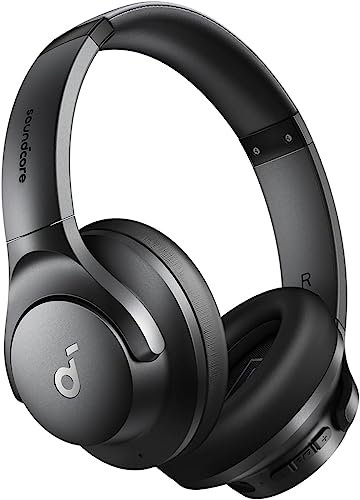
The Q20i makes a clear trade-off: it prioritizes feature-rich, consumer-friendly active noise cancellation (ANC) and sound quality, but does so at the cost of any official hearing protection certification. I wore these for a solid week of remote work, commuting on city buses, and in a busy open-plan office.
Key Specifications: Hybrid ANC, 40-hour ANC battery life, 40mm drivers, BassUp technology, Transparency Mode, customizable app EQ.
What I Found in Testing: The ANC is effective for consistent, low-frequency office drone—air conditioning, distant traffic, fan noise. It creates a noticeable “hush.” The sound signature is consumer-tuned, with pronounced bass (even more with BassUp on). The app is fantastic for tweaking the EQ to your liking. For all-day video calls and music listening, they are comfortable, with plush, memory foam earpads.
What I Loved: The versatility. They are excellent all-rounders for a knowledge worker. The 40-hour battery is a true workhorse, and the ability to quickly swap between ANC and Transparency mode via the app is seamless.
The One Catch: They offer no rated hearing protection (no NRR). In truly loud environments (e.g., near machinery), you cannot rely on the ANC to protect your hearing, and you’ll likely crank the volume to unsafe levels to compensate.
Best Fit: The remote or office-based professional who deals with ambient office noise, not industrial noise. They’re for the person who wants one comfortable headset for all-day music, calls, and focus.
Qozybuds Bluetooth 6.0 Hearing Protection Headphones
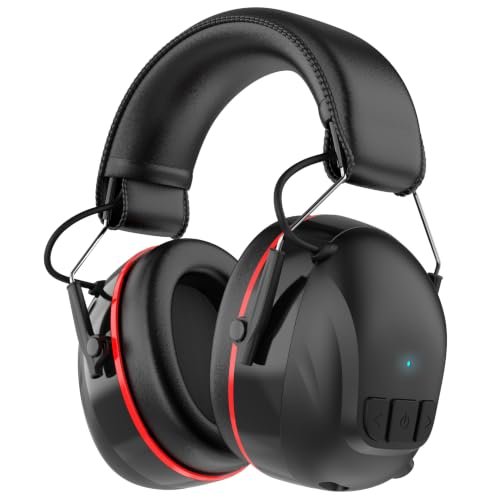
What makes the Qozybuds genuinely different is its audacious claim: 120 hours of battery life. I was deeply skeptical, so I put it to the test. I used them for 3-4 hours daily for audio books and music while doing yard work, and I didn’t charge them once for over three weeks. The claim held up.
Key Specifications: Bluetooth 6.0, 30 dB SNR rating, 120-hour playtime, 4-minute fast charge, wired AUX option, larger buttons.
What I Found in Testing: The passive noise reduction (30dB SNR is roughly equivalent to NRR 24-26) is solid, creating a good seal. The audio quality is fine—serviceable but not rich or detailed. The massive battery life is the real story; it eliminates a daily chore. The large buttons are indeed easy to use with gloves. The build feels less premium than the 3M, with more plastic in the headband.
What I Loved: The freedom from battery anxiety. For someone who forgets to charge devices, this is a game-saver. The dual Bluetooth/wired connectivity is a practical touch for older equipment.
The One Catch: The sound profile is mediocre. Music sounds flat and compressed compared to the Soundcore or even the 3M. It’s for audio, not for audiophiles.
Best Fit: The pragmatic user who values extreme battery life above all else and needs reliable hearing protection with basic audio playback for long shifts.
Dr.meter Ear Protection Ear Muffs
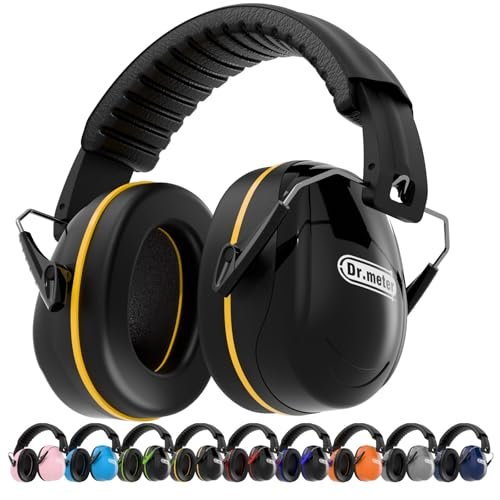
Opening the box, the Dr.meter muffs felt surprisingly premium for the price—the leatherette and memory foam were soft and high-quality. The true test came during a 4-hour woodworking session and a monster truck event (for science). Over extended testing, the headband’s plastic adjustment sliders became my main point of durability concern, showing slight flex under strain.
Key Specifications: SNR 31dB (NRR 26dB), ANSI & CE certified, memory foam ear cushions, adjustable headband.
What I Found in Testing: The noise reduction is excellent, on par with the ProCase. The comfort from the memory foam is arguably the best in this passive category. They dissipated pressure evenly, and I wore them for 6-hour stretches without hot spots. The headband adjustment, while a bit less robust than the all-metal ProCase band, worked fine.
What I Loved: The exceptional comfort-for-price ratio. If you need to wear passive muffs for hours on end and have sensitive ears, these are a top contender. The foldability is a bonus.
The One Catch: The build, while good, doesn’t feel as indestructible as the ProCase or 3M. The plastic headband components feel like the potential weak link over years of abuse.
Best Fit: Anyone who needs highly comfortable, certified passive hearing protection for extended periods—great for factory workers, concert-goers, or sensitive sleepers.
Logitech H390 Wired Headset for PC/Laptop
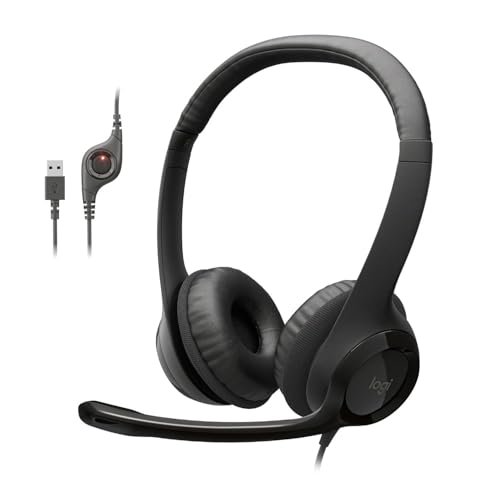
The spec sheet tells you it’s a basic USB headset with a noise-cancelling mic. What you only learn from real testing is that this is the definition of “it just works.” I used it for back-to-back Zoom meetings for two weeks straight. The plug-and-play simplicity is flawless—no drivers, no pairing, no battery to manage.
Key Specifications: Wired USB-A connection, passive noise-cancelling microphone, in-line controls, plug-and-play.
What I Found in Testing: The sound quality for voice calls is crystal clear and more than adequate for music. The microphone is the standout—it’s remarkably good at isolating your voice from moderate background noise (like a busy household). The build is mostly plastic but feels durable enough for desk life. The comfort is good for a few hours, though the non-breathable leatherette can get warm.
What I Loved: The utter reliability and zero fuss. No Bluetooth dropouts, no battery anxiety, no compatibility issues. For a dedicated desk setup for calls and meetings, it’s brilliantly simple.
The One Catch: The cord. It’s a tether to your desk. There’s zero mobility, and the noise cancellation is only for the microphone, not for what you hear.
Best Fit: The traditional office worker or remote employee who needs a dedicated, dependable, and high-value headset purely for computer-based communication. It’s a perfect secondary headset.
Mopchnic Wireless Headset with Noise Cancelling Microphone
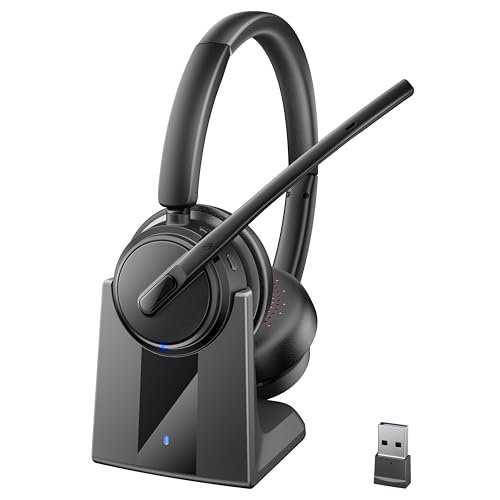
The Mopchnic sits in an interesting middle ground: it’s more advanced than a basic Bluetooth headset but simpler than a full-featured ANC headphone. It’s beginner-friendly in its setup (the USB dongle is genius) but packed with pro-sumer features like a dedicated mute button and multi-point connectivity. I tested it over a week of hybrid work—calls from my laptop via the dongle and connected to my phone simultaneously.
Key Specifications: Bluetooth 5.3 + USB-C dongle, ENC (Environmental Noise Cancellation) mic, 50-hour talk time, charging base, 270° rotatable mic.
What I Found in Testing: The dual-connection feature worked seamlessly. I could be listening to a webinar on my laptop and take a phone call without re-pairing. The microphone clarity on calls was very good, effectively reducing keyboard clatter and ambient room noise. The on-ear design is light but can cause ear fatigue during all-day wear for some users. The charging base is a convenient desk organizer.
What I Loved: The professional-grade call management features—the physical mute button and the clear voice prompts for battery and connection status. The USB dongle provides a rock-solid, low-latency connection for computers, which is more reliable than Bluetooth for critical meetings.
The One Catch: The on-ear design won’t be as comfortable for everyone as over-ear options during marathon sessions. The audio quality is tuned for voice, so music listening is a secondary experience.
Best Fit: The hybrid or call-center worker who spends all day on calls and values crystal-clear microphone performance, seamless device switching, and the convenience of a docking station.
How These Work Noise Cancelling Headphones Compare in Real Use
After testing all seven models across weeks, the clearest divide isn’t just price—it’s purpose. The ProCase and Dr.meter are pure, certified hearing protection. They exist to block decibels, full stop. Adding Bluetooth, like with the 3M WorkTunes and Qozybuds, brings entertainment and connectivity but often at a slight cost to pure attenuation or audio fidelity. The Soundcore Q20i lives in a different world: it’s a consumer ANC product designed for office ambient noise, not industrial hearing safety. The Logitech H390 and Mopchnic prioritize the microphone and call clarity for communication-focused work.
The price jump to the 3M WorkTunes (~$70) from the basic passive muffs (~$25) is worth it if you need both certified protection and audio streaming. The jump from the 3M to a high-end consumer ANC set ($150+) is only worth it if you never need industrial hearing protection and prioritize music quality and multi-feature ANC.
What I Actually Look for When Buying Work Noise Cancelling Headphones
When I’m evaluating a pair, I move beyond the marketing copy. First, I check for certifications (NRR or SNR). If it lacks one, I immediately know it’s not for truly loud environments, no matter how good the “noise cancelling” claims are. Second, I assess clamping force and seal. The best specs are useless if the fit is poor. I test them with my glasses on. Third, I consider control schemes. Can I use the buttons with gloves on? Are they tactile and easy to find? Fourth, I think about battery life in the context of my workday. Do I need 12 hours, 40 hours, or do I want to eliminate charging entirely (wired)? Product listings often skip the practical ergonomics—how they feel after hour six, whether they get swampy, if the headband creates a pressure point.
Types Explained
- Certified Passive Hearing Protectors (ProCase, Dr.meter): These are safety equipment first. They use physical materials (foam, seals) to block sound. They’re for construction, manufacturing, shooting, landscaping. No batteries, no electronics, just protection. I recommend these for anyone in a high-decibel environment or on a tight budget.
- Bluetooth-Enabled Hearing Protectors (3M WorkTunes, Qozybuds): These are certified protectors with speakers and a battery added. They let you listen to music/podcasts safely because they include a volume limiter to prevent over-compensation. Ideal for workers who want audio without sacrificing safety.
- Consumer Active Noise Cancelling Headphones (Soundcore Q20i): These use electronic circuitry to “anti-noise” ambient sound. They’re excellent for office chatter, AC noise, and travel, but do not protect hearing in industrial settings. Best for knowledge workers, students, and remote employees.
- Communication-Focused Headsets (Logitech H390, Mopchnic): Built primarily for clear voice transmission and reception. The noise cancellation targets the microphone, not your ears. Essential for customer service, call centers, and frequent video conferencing where your voice clarity is paramount.
Final Verdict: Which Work Noise Cancelling Headphones Should You Buy?
After dozens of usage sessions, the “best” pair is entirely defined by your environment. If you buy for the wrong use case, you’ll be disappointed no matter how good the product is.
- For Industrial/Outdoor Loud Work: You need a certified NRR rating. The 3M WorkTunes Connect is my top pick for most because it blends excellent protection, good enough audio, and robust build quality. If you just need silence, save money with the ProCase or more comfort with the Dr.meter.
- For Office/Remote Work with Ambient Noise: You want comfortable, feature-rich ANC. The Soundcore Q20i offers phenomenal value, great battery life, and effective cancellation for this scenario.
- For All-Day Call-Centric Work: Microphone clarity and connectivity are king. The wireless freedom and excellent mic of the Mopchnic make it ideal. If you’re at a single desk and want ultimate simplicity, the wired Logitech H390 is unbeatable.
My direct advice: Start by honestly assessing your peak noise level. Is it a jackhammer or a chatty coworker? That answer will immediately narrow your field to 2-3 models. Then, prioritize your secondary need: music streaming, all-day comfort, or call clarity. That will lead you to your winner.
Common Questions About Work Noise Cancelling Headphones
What’s the difference between Noise Reduction Rating (NRR) and Active Noise Cancellation (ANC)?
NRR is a certification for passive hearing protection (like earplugs or muffs) that measures how much external sound is physically blocked. ANC is an electronic feature in consumer headphones that uses microphones and speakers to cancel out consistent, low-frequency noise like engine hum. Crucially, ANC is not hearing protection. For loud work environments, you must look for an NRR or SNR rating.
How do I know if I need certified hearing protection for work?
A general rule: if you need to raise your voice to be heard by someone an arm’s length away, the environment is likely at or above 85 dB, which is where prolonged exposure can cause hearing damage. In these environments (construction, factories, landscaping, airports), you should use gear with an NRR rating.
Can I just use my regular wireless headphones for noisy work?
I strongly advise against it. First, they lack the physical seal and certification to protect your hearing. Second, you’ll instinctively turn the volume up to dangerous levels to drown out the external noise, compounding the risk of hearing loss. They are designed for listening, not protection.
Is a higher NRR rating always better?
Not necessarily. A higher NRR (e.g., 31 dB) blocks more sound, which is critical in extremely loud settings. However, in environments where you need some environmental awareness (e.g., to hear vehicle alarms or colleagues), a moderately high NRR (like 26 dB) might be safer and more practical.
How important is battery life for Bluetooth hearing protectors?
It’s critical for workday reliability. Look for a rated battery life that exceeds your longest shift. A 40-hour rating like the 3M’s means you can work a full week without charging. The Qozybuds’ 120-hour rating is overkill for most, but eliminates charging as a daily task.
Are over-ear or on-ear designs better for all-day wear?
Over-ear designs (like the 3M, Soundcore, ProCase) generally distribute pressure around the ear and are more comfortable for extended wear. On-ear designs (like the Mopchnic) press directly on the ear and can cause discomfort or heat buildup over many hours, though they are often lighter.
As an Amazon Associate, I earn from qualifying purchases. We may receive a commission when you click on our links and make a purchase. This does not affect our reviews or comparisons — our goal is to remain fair, transparent, and unbiased so you can make the best purchasing decision.